
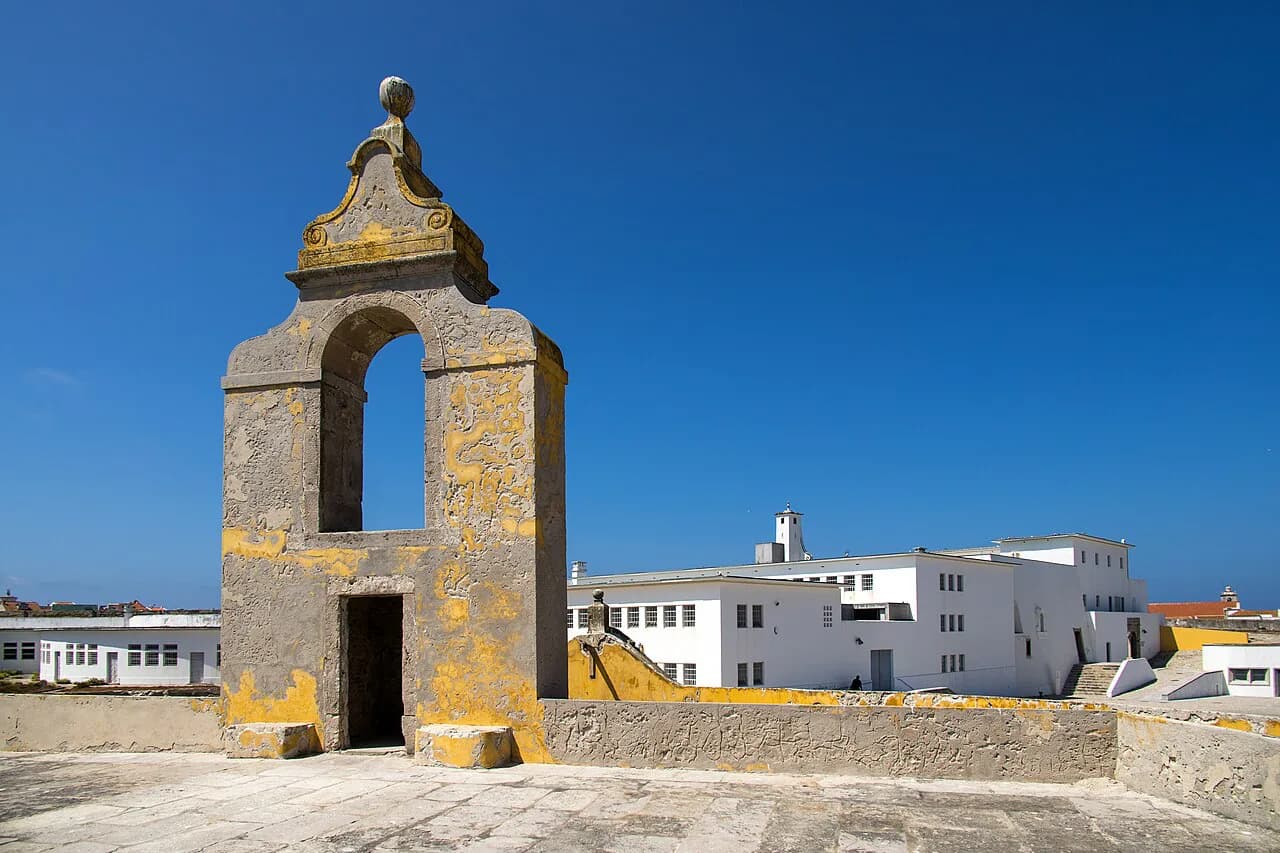
Peniche Fortress: what to see inside the Museum of Resistance and Freedom

Peniche Fortress holds the National Museum of Resistance and Freedom, and the fortress and museum are best treated as a single visit of roughly two and a half hours rather than two separate sights. The building itself carries the story: a coastal fort that served as a political prison during Portugal's dictatorship before becoming the museum that opened there in 2024. This guide covers where the fortress sits in town, what to see inside, how much time to allow and the town itinerary the museum publishes to extend the visit.
What the Peniche Fortress is today
The Forte de Peniche is a coastal fortress on the seaward edge of town that, under the Estado Novo, held political prisoners, and it now houses the National Museum of Resistance and Freedom. The museum frames the building around the memory of the Portuguese resistance to dictatorship and the fight for freedom and democracy. Arriving with that dual identity clear in your head makes the visit legible: you are walking through a former prison that has been turned into a museum about why people were held there.
The museum's own project page describes its purpose as preserving the historical memory of the Peniche Fortress and the resistance to dictatorship, under the slogan Always Remember. That framing matters for what you will find inside: testimony, memorial and civic education rather than a conventional military museum of cannon and uniforms. If you were expecting a castle-style fort visit, recalibrate — the emotional weight sits in the prison and resistance material.
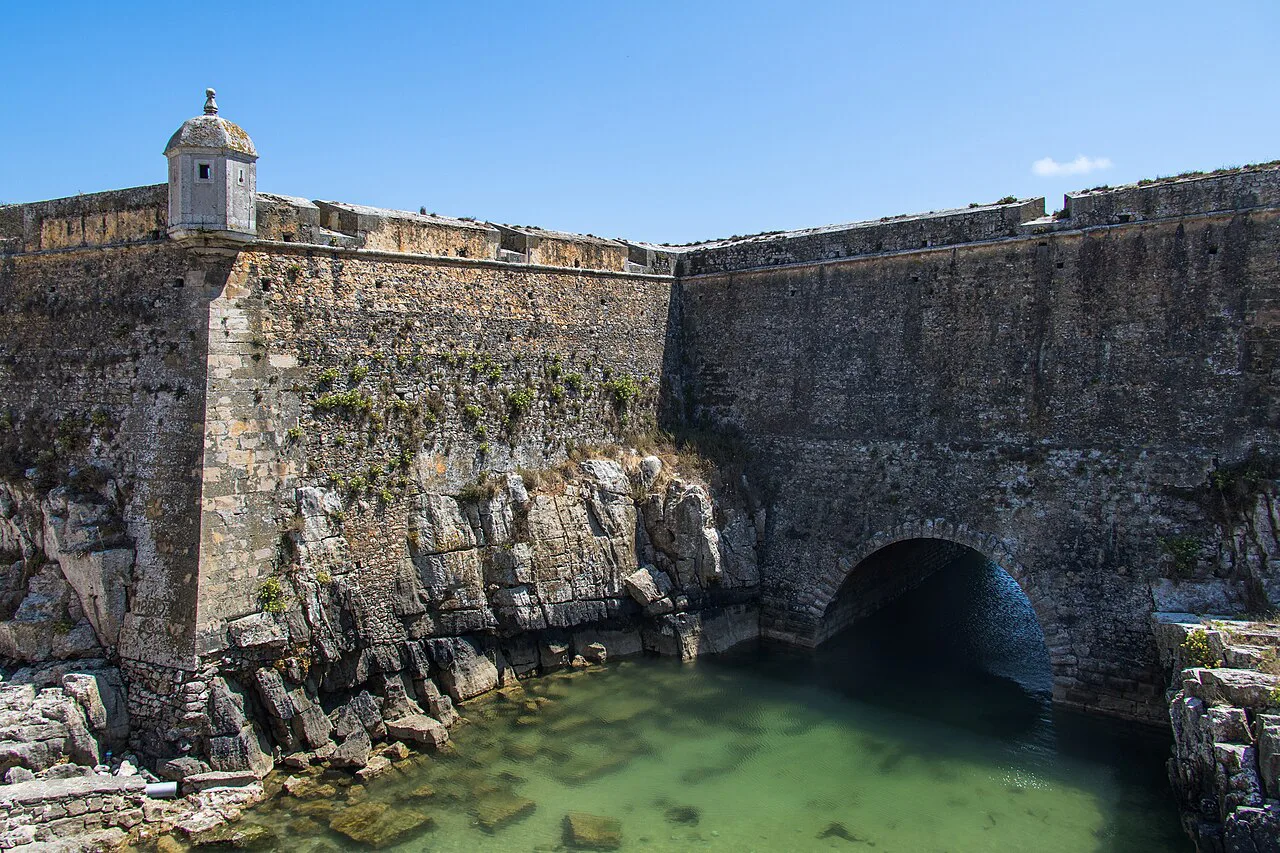

Where it sits in Peniche
The fortress sits on the seaward edge of Peniche, a short walk from the working fishing harbour that made the town's name. Guided tours meet in front of the fortress next to the Prainha de São Pedro, the little beach tucked below the walls at Campo da República. That puts the fort at the end of a natural wander from the centre: harbour first, then the walls, then the beach.
The operator's tour meeting point is in front of the fortress, where the same listing says there is free parking, a convenience in a town where the marina side is paid. If you are coming on foot from the centre, allow a relaxed ten to fifteen minutes along the harbour front, and treat the approach as part of the visit rather than dead time. Peniche is compact enough that the fortress, harbour and centre fit into one unhurried afternoon.
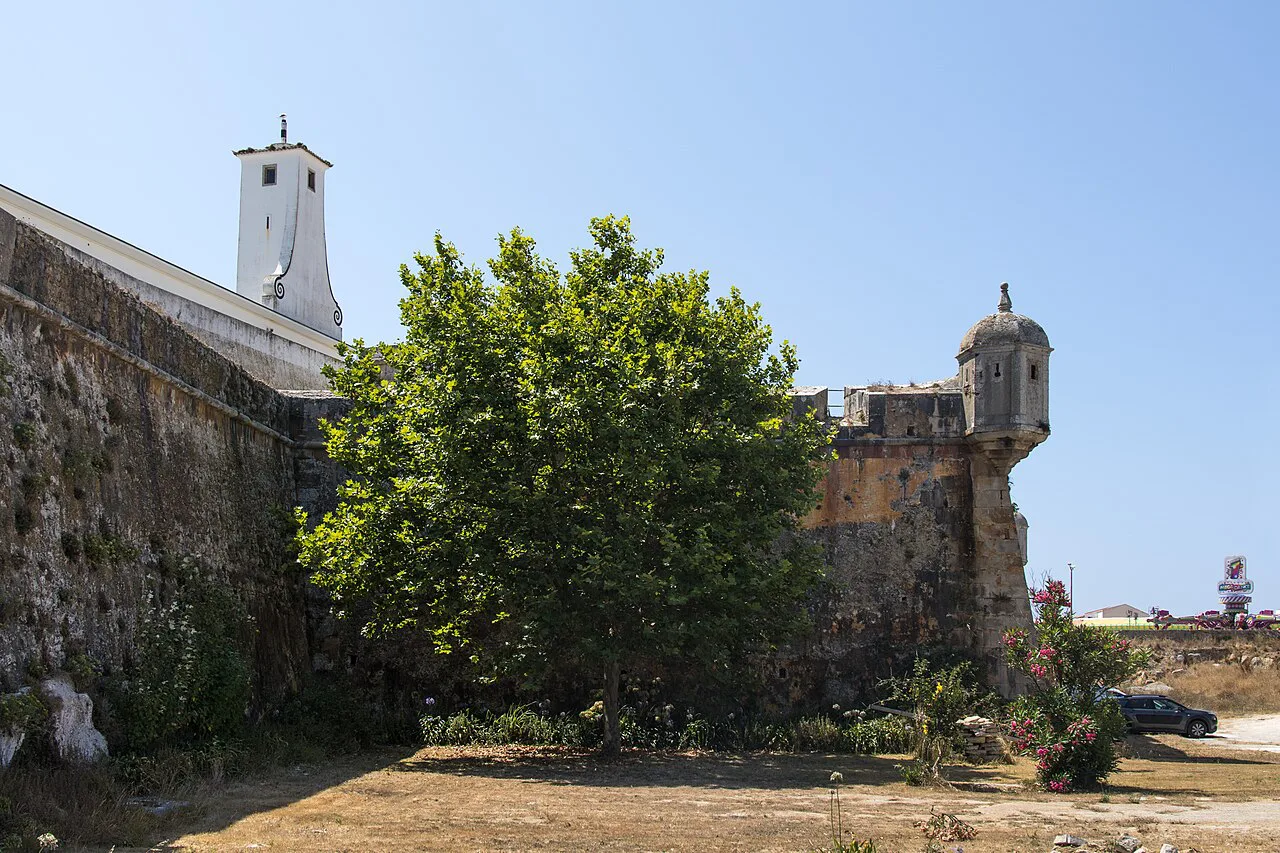

How to get there and how long to allow
Budget around two and a half hours for the fortress and museum together, which is the length the guided-tour listing allows for the whole stop. If you plan to sit through the recorded prisoner testimonies in the museum's archive, add time on top — those interviews are the kind of material you either skim or commit to, and the commitment is what makes the visit land. A rushed forty-five minutes through the cells and galleries undersells the place.
What to see inside
The Political Prison Memorial to former political prisoners is the emotional centre of the site, opened in 2019 and named on the museum's own timeline of works. It sits alongside the restored Santa Bárbara Chapel and the old refectory, now adapted as an exhibition room, so the fortress interior reads as layers of building and memory rather than a single hang. Walk the cells first, then the memorial, so the names have faces attached.
The museum's testimony archive holds filmed interviews with former political prisoners, including men arrested in their workplaces and at home by the PIDE. These are the strongest content in the building for most visitors, and they are also what eats time — pick two or three rather than trying to watch the lot. Temporary exhibitions rotate through the galleries, and the museum runs planned tours alongside the permanent displays.
If you cannot get to Peniche at all, the museum publishes an online virtual tour through Cultural Heritage 360 that covers the fortress remotely. It is a reasonable substitute for the layout and the collection but obviously cannot carry the atmosphere of standing in the cells or the wind off the sea on the ramparts. Use it to decide whether the fortress deserves a slot in a short break, not as the visit itself.
The town itinerary of memory
The museum runs a wider civic project identifying and mapping places of memory in Peniche connected to solidarity, repression and resistance during the dictatorship. Its first phase is an itinerary called Peniche: Houses of Solidarity, Oppression and Resistance, covering nineteen sites around the town linked to those years. Pick up the itinerary and the fortress becomes the anchor of a half-day walk rather than a single building.
Guided tour or under your own steam?
A private guided tour of the fortress and museum runs two and a half hours and includes museum entry, a local guide and insurance, with a meeting point by the Prainha de São Pedro. It is advertised at €65 per traveller, with a lower per-person rate when booking for more than one, and it is the third-party operator's price rather than the museum's own admission charge. The private format means you are not pooled with strangers, which matters if you want to ask questions about the prison years.
The honest trade-off: the tour buys you context, stories about the fishing community's relationship with prisoners and their families, and skip-the-line entry as advertised by the operator, but you pay well over the museum's own ticket for it. If you read Portuguese or are comfortable with museum panels and subtitled interviews, going alone gives you the same rooms at your own pace for far less, provided you book entry through the museum. Choose the tour if you want narrative and have limited time; choose independence if you want to linger over the testimonies.
Tickets and opening times
Opening times, admission prices and advance reservation are published by the museum on its Visit pages, and those are the figures to trust rather than anything a third-party listing quotes for the museum itself. Check the museum's own Visit page before you travel, because national museums can run reduced hours around public holidays. Reserving ahead is worth doing in high season if you want a fixed slot.
What is nearby
Below the walls, the Prainha de São Pedro is a small beach that works for a paddle or a sit-down after the museum rather than a full beach day. The working harbour is a short walk away and gives you the other half of Peniche's character: boats, nets and the smell of fish rather than heritage panels. For a longer walk, the cliffs and lighthouse at Cabo Carvoeiro sit out along the coast beyond town.
Inland, the Igreja de São Pedro is the parish church to look for if you want to round off the town on foot, and it pairs naturally with a wander back through the centre. Keep the afternoon loose: the fortress is the fixed point, and everything else in Peniche is small enough to fit around it.
Is the fortress worth half a day?
Yes, if you give it two and a half hours and engage with the prison material rather than treating it as a photo stop. The fortress is the one place in Peniche where the town's 20th-century history is laid out properly, and the memorial and testimonies reward the time you put in. Go alone if you want to read and watch; take the guided tour if you want the story told to you.
Explore more Peniche guides
Frequently Asked Questions
Is Peniche a nice town?
Peniche is a working fishing town with a compact centre, a harbour full of boats and a dramatic Atlantic edge, which makes it a comfortable short-break base rather than a polished resort. The fortress and museum give it a serious cultural anchor, and the coast around Cabo Carvoeiro adds the scenery. It suits travellers who prefer real-life towns to purpose-built holiday strips.
What does Peniche mean in English?
Peniche is a place name rather than a word with a direct English translation, so it stays Peniche in English. The town sits on a peninsula jutting into the Atlantic, which is also why the fortress stands so close to the water.
Can you visit Peniche Fortress without a guide?
Yes. The fortress houses the National Museum of Resistance and Freedom, which you can visit independently, and the museum publishes an online virtual tour for anyone who wants a preview. A private guided tour is an optional extra that adds narrative and museum entry, not the only way in.