Things to Do in Coimbra: What to See in One to Three Days
Plan a Coimbra short break: the university hill and Biblioteca Joanina, Machado de Castro museum, old-town streets and the riverfront, plus how many days to allow.
On this page
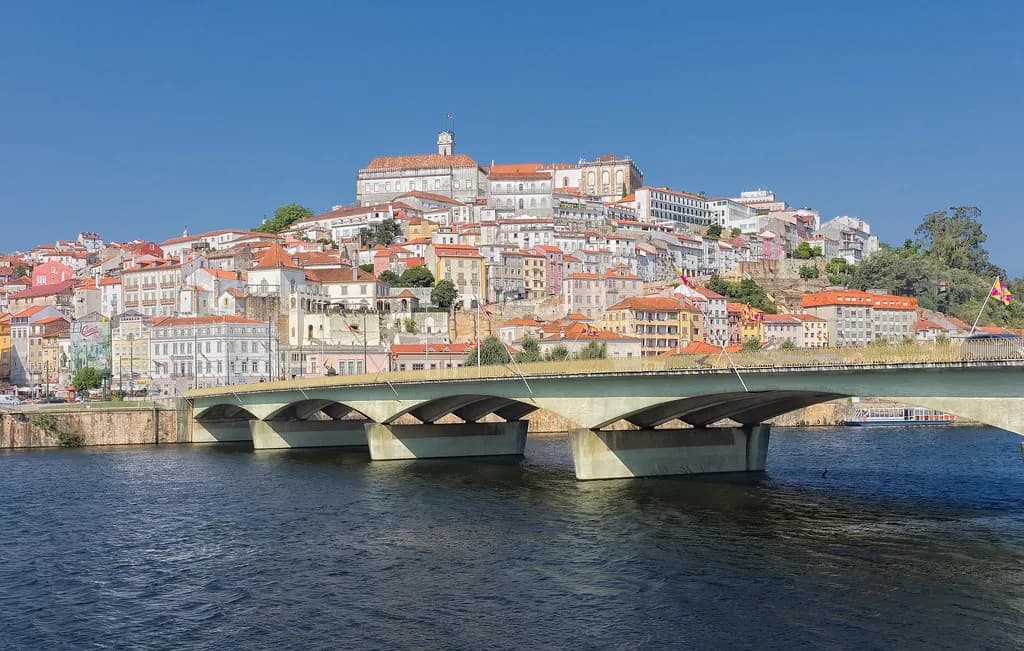
Coimbra needs one full day at minimum, and two days lets you see the university hill properly and still walk the old town below without rushing. The city is split into an upper town, the Alta, crowned by the Universidade de Coimbra, and a lower town, the Baixa, spread along the Mondego. This guide sorts the sights by hill and by theme, says which are essential and which are optional, and shows how published opening patterns should shape the order of your day.
What to do in Coimbra in a nutshell: the university hill first, then the old town below
Start with the university. The Universidade de Coimbra, the Alta and the Sofia were inscribed as UNESCO World Heritage in June 2013, a listing that covers 31 buildings across 81.5 hectares, so the hill is not a single monument but a district to walk. Give it your freshest morning and treat the rest of the city as the afternoon, joining a Coimbra Walking Tour if you want the hill's layers explained as you climb.
Below the hill, the old town is compact enough to cover on foot: the Sé Velha, the lanes around it and the squares of the Baixa. The riverfront and the Santa Clara bank on the far side of the Mondego make a natural late-afternoon finish. If you only have a day, take the university in the morning and the old town after lunch; anything more is a bonus, and our guide to how many days in Coimbra sets out the trade-offs.
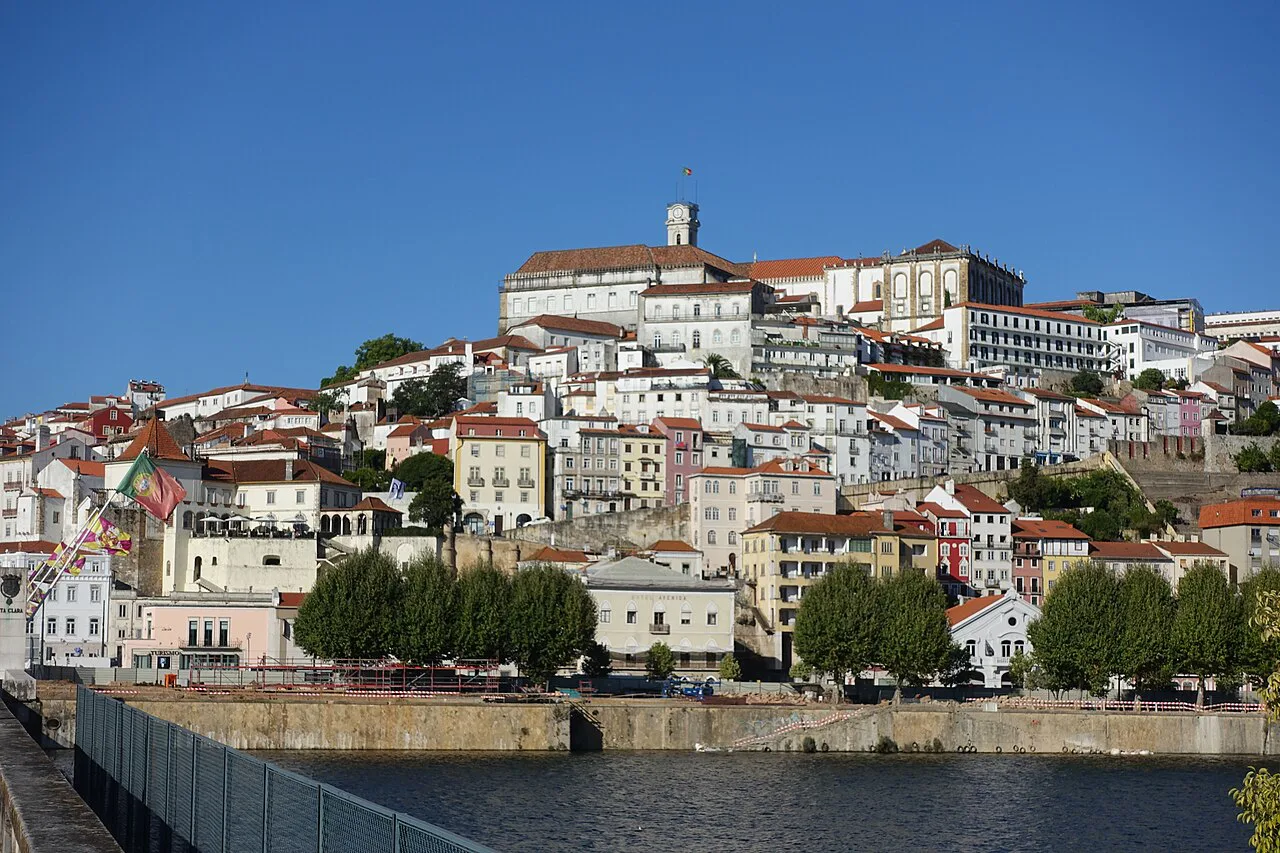
How Coimbra is laid out: Alta versus Baixa and the walks between them
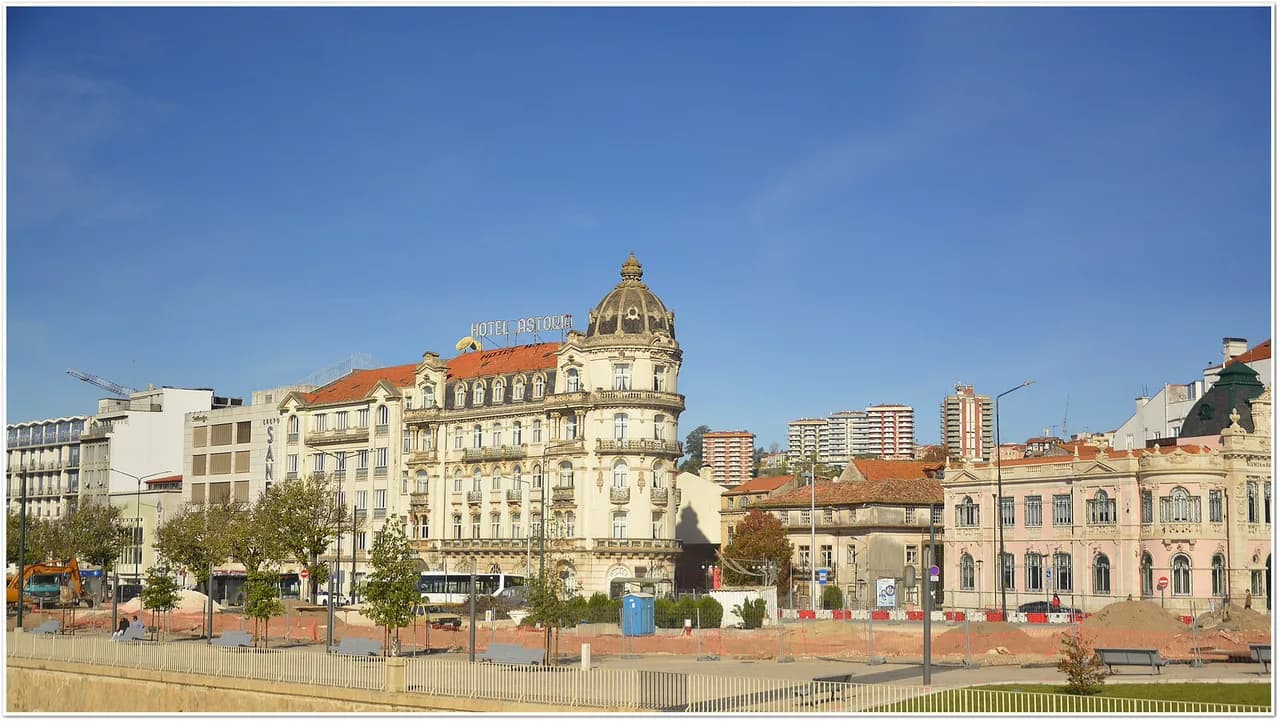
The Alta sits on the hill above the river, and the Paço das Escolas, the university's historic courtyard, is its centre. The Baixa runs below along the Mondego, with shopping streets and the Sé Velha as its anchors. The two are linked by steep lanes and stairways rather than one obvious route, so plan your day as an ascent and a descent rather than criss-crossing.
Walking between the halves is the point of Coimbra: the climb is short but genuinely steep, and the reward is the tiled facades and calçada you pass on the way. Wear shoes you can climb in. If you are working from a fixed list of sights, group everything on the Alta into one block and everything in the Baixa into another.
The Universidade de Coimbra: Paço das Escolas, Sala dos Capelos, Capela de São Miguel and the Torre
The Paço das Escolas is the historic heart of the university, built around the former royal palace that has housed the institution since 1537. Within it, the Sala dos Capelos, also called the Sala Grande dos Actos, remains the university's main hall and is still used for academic ceremonies; the same visit takes in the Sala do Exame Privado and the Sala das Armas, which holds the halberds of the academic guard.
The Capela de São Miguel, a Manueline chapel, sits beside the ceremonial rooms, and the eighteenth-century Torre rises above the courtyard with the clock and bells that once governed academic life. Climb it for the view over the rooftops if your legs allow. Treat all of this as one continuous university circuit rather than separate tickets and separate trips.
Biblioteca Joanina: why it anchors the visit and how to slot it into a university ticket
The Biblioteca Joanina is the reason many people come to Coimbra: a baroque library of the early eighteenth century with painted ceilings, gilded balustrades and shelving in tropical woods. It is part of the university's historic buildings rather than a stand-alone attraction, so build your route around the library and let the Paço das Escolas, chapel and tower follow on the same visit. Check the university's own published ticketing and any booking requirements before you travel, since these change.
Museu Nacional Machado de Castro: the Roman cryptoporticus and the sculpture collection
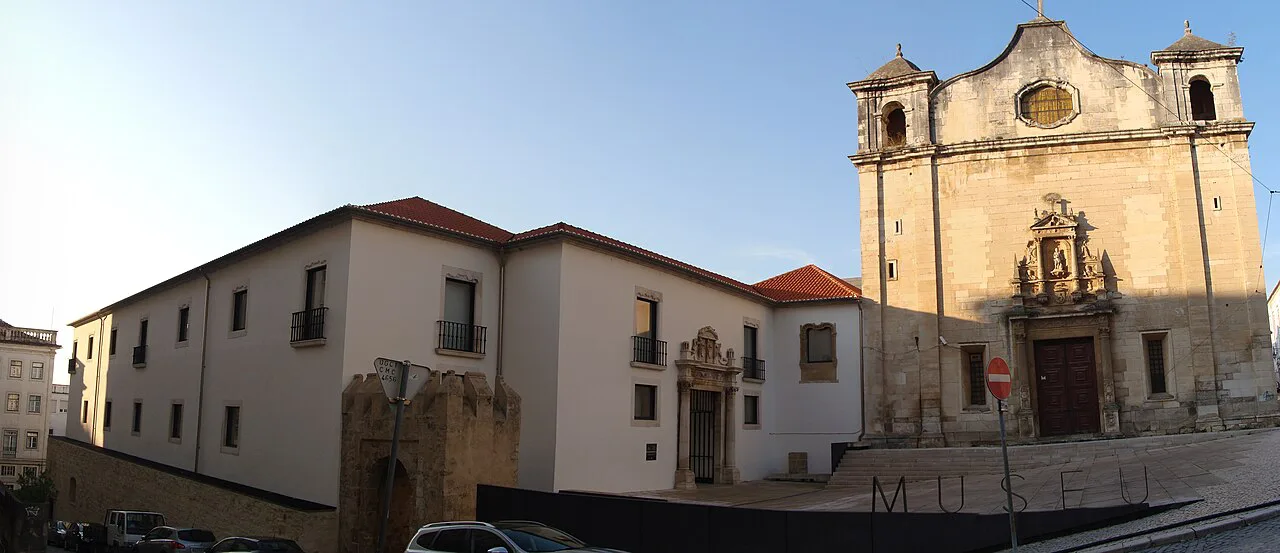
The Machado de Castro National Museum occupies a site that has been a Roman administrative centre, a Christian temple, a bishop's palace from the second half of the twelfth century and a museum since 1911. Beneath the courtyard, the Roman cryptoporticus, a vaulted substructure that once supported the forum buildings, survives in good condition. The collection of stone sculpture from the eleventh to the eighteenth century is the other highlight, alongside the treasury of Queen Santa Isabel; our round-up of museums in Coimbra puts it in context.
Its opening pattern is seasonal: October to March it opens 10:00–12:30 and 14:00–18:00, and April to September 10:00–18:00. That midday break in winter makes it a poor choice for the middle of a cold-weather day and a good one for a morning or late afternoon. Check the museum's own calendar for holidays before you set out.
Museu da Ciência and the Jardim Botânico: the quieter university-side half-day
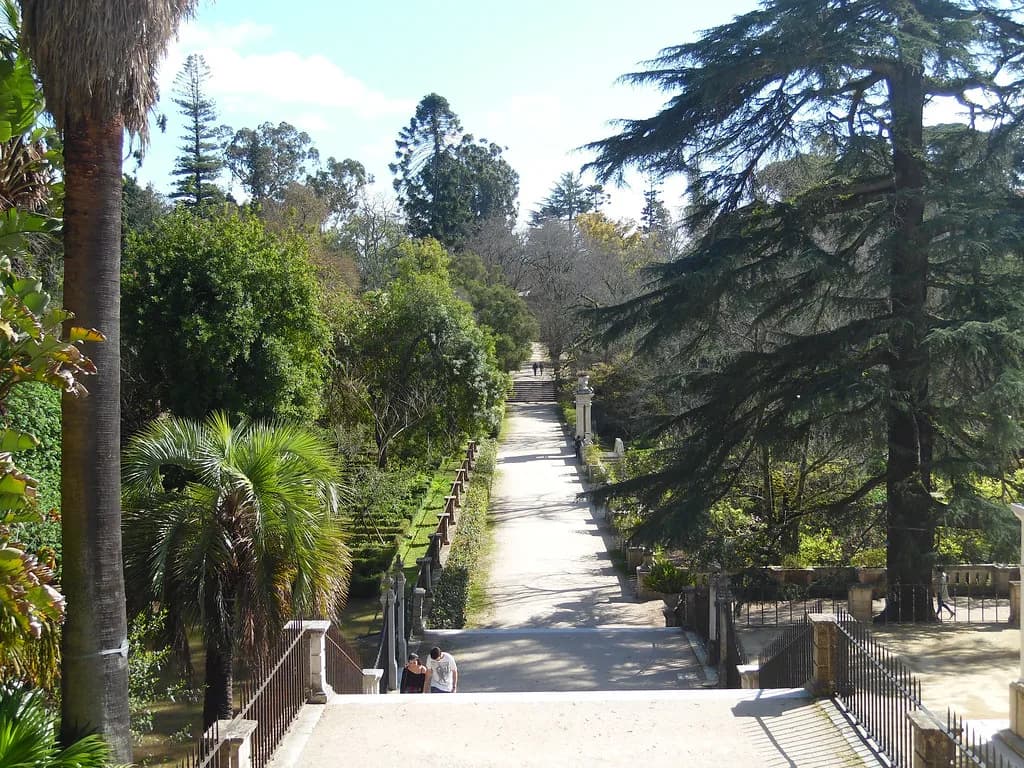
The Museu da Ciência is an interactive museum built on the university's collections of scientific instruments, aimed at visitors of all ages. Pair it with the Jardim Botânico, the university's botanical garden, for a slower half-day that balances the crowds on the Paço. Both sit on the university side of the city and fit naturally into the same block as the library.
Sé Velha and the old-town churches, streets and squares on foot
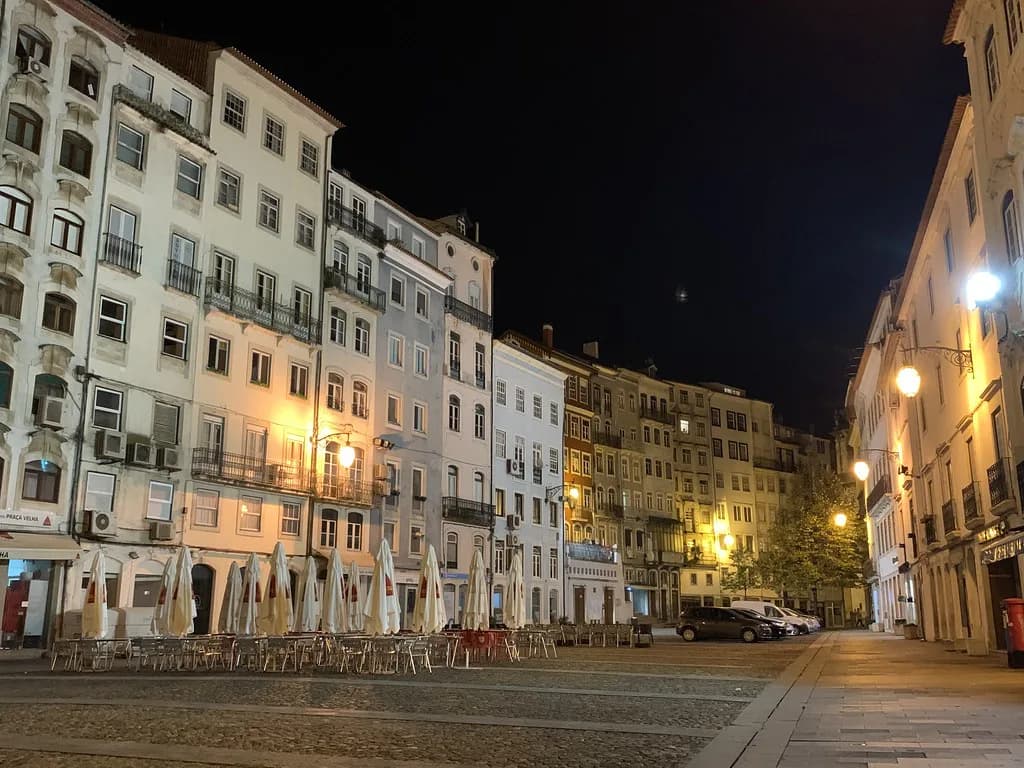
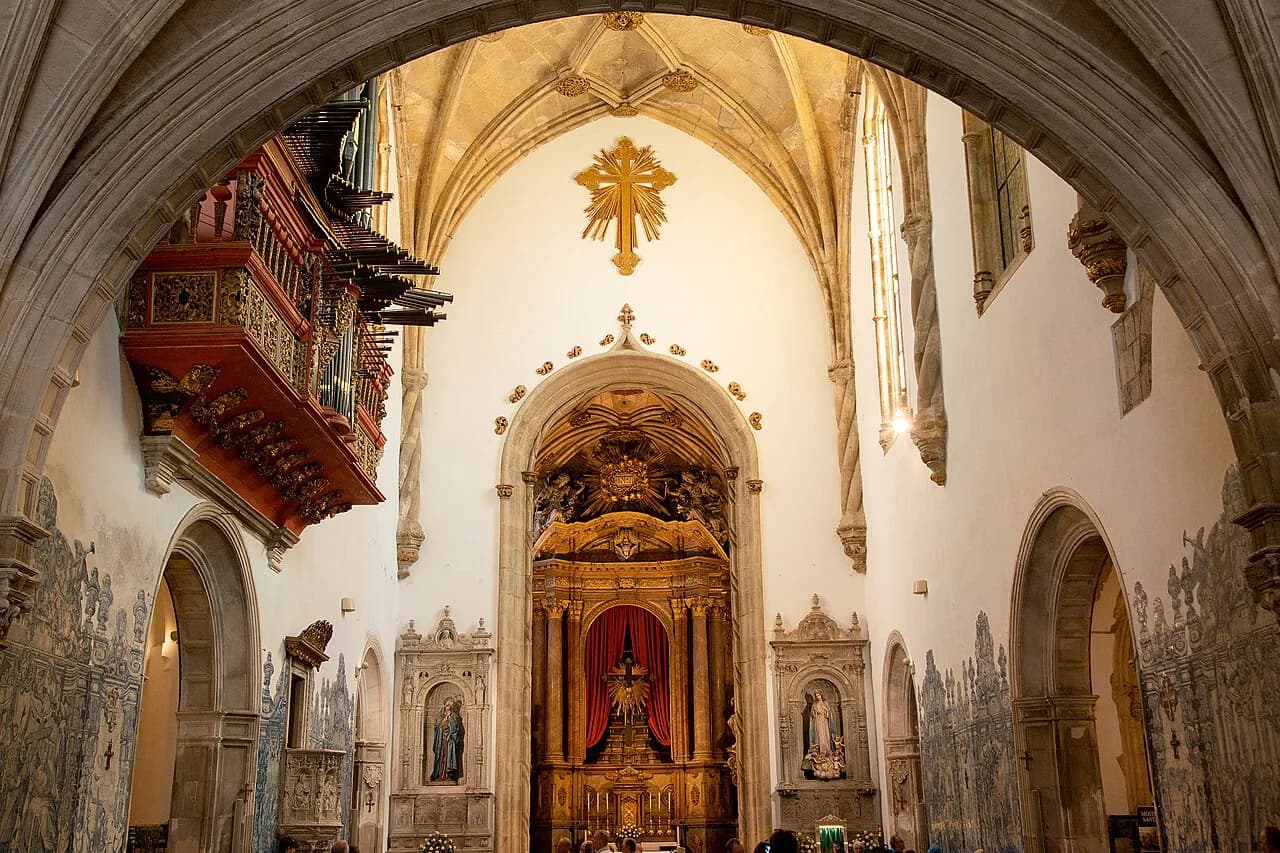
The Sé Velha, Coimbra's Romanesque cathedral, anchors the lower old town, and the lanes around it are best taken without a fixed route. The Coimbra cathedral is the pivot: walk out from it towards the Baixa's shopping streets and squares, then loop back uphill. The Coimbra old town rewards aimless wandering more than a checklist.
For the market side of the city, head for the Rua Ferreira Borges area, where the Coimbra market and everyday shopping sit. It is a good place to pick up picnic supplies or a pastel de nata between sights.
The Mondego riverfront and the Santa Clara side
The Mondego riverfront gives Coimbra its open sky after the tight old-town lanes, and the Santa Clara bank on the far side holds the convent associated with Queen Santa Isabel. Walk the riverside at the end of the day when the light softens and the hill is behind you. It is also the easiest place to sit down without committing to a full meal.
How many days Coimbra needs: one, two or a slow three
One day covers the university hill in the morning and the old town in the afternoon, and that is enough to see the city's essential sights. Two days add the Machado de Castro museum and the quieter university-side pair of the science museum and botanical garden. A third day is for repeat visits and unhurried wandering, not for more ticketed sights.
If you are weighing Coimbra against other towns in the region, it holds a stronger claim on a day than most: the university quarter alone justifies the stop. Neighbouring bases such as Aveiro and Braga are easily compared on their own guides should you be building a wider itinerary, and our full Coimbra itinerary shows how the pieces fit over two or three days. For the canal city to the north-west, our guide to things to do in Aveiro makes the same day-trip decision easier to weigh. If you would rather trade cities for smaller places, our guide to the historic villages of Portugal weighs the same choice among the country's walled and mountain villages.
When to go in the day: opening patterns at the university and national museums
Order your day around the museum's seasonal hours: in winter, the Machado de Castro closes over lunch, so it suits a morning or late-afternoon slot; in summer it stays open through the day. The university buildings are historic working institutions, so their access can change with ceremonies and term dates. Check current details before you go.
Costs in euros: what the main sights charge and what is free
Walking the Alta's streets, the old town and the riverfront costs nothing by default, and that is where a good part of a Coimbra day is spent. Entrance to the Biblioteca Joanina and the university circuit, the Machado de Castro museum and the science museum is ticketed, with prices set by each institution, so budget for the indoor sights and treat the streets as the free part of the day.
Rain or a closed museum: how to reshuffle the plan
If the weather turns, swap the open-air hill walk for the Machado de Castro and the science museum, both of which give you hours under a roof. The university's covered ceremonial rooms and the library are likewise sensible wet-weather choices. Keep the old-town lanes and the riverfront for a dry spell.
If a museum is closed, reorder rather than abandon: walk the Alta's courtyards and the Sé Velha, then return to the museum on another day. Plans built around fewer, better sights survive a closure; plans built around a checklist do not.
Which Coimbra day is right for you?
If you have one day, give the morning to the university hill and its library, and the afternoon to the Sé Velha and the old town below. If you have two, add the Machado de Castro museum and the science museum with the botanical garden, and end on the Mondego riverfront. Three days is a luxury that lets you return to the places you liked rather than race to new ones.
Explore more Coimbra guides
Sources
Notes for your next Portuguese break
Optional updates to our town guides.
You might also like
Continue reading
More guides you'll find useful