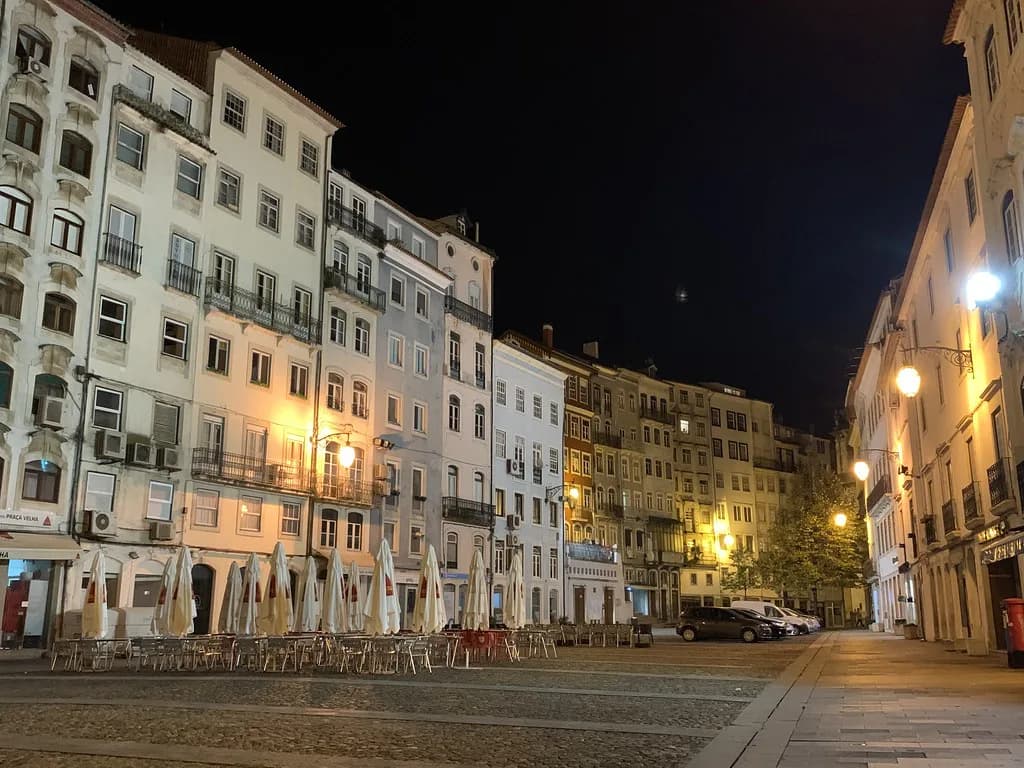
Coimbra Market: Markets and Shopping Streets in the City
A candid guide to shopping in Coimbra, from the Baixa's traditional streets and craft shops to Celas boutiques and the city's two modern shopping centres.
On this page
Coimbra's commercial life runs through the Baixa, the lower town, rather than one central market hall, with Rua Ferreira Borges and Rua Visconde da Luz carrying jewellery shops, clothing, shoes and bookshops that keep the feel of traditional Portuguese commerce. The lanes around those two streets hold the small craft shops where hand-painted tiles and regional ceramics turn up, while Celas offers a quieter, more polished version of the same pleasure. This guide maps that scene, names the local crafts worth seeking out, and shows how to fold an hour or two of browsing into a short break.
What to expect from Coimbra's market and shopping scene
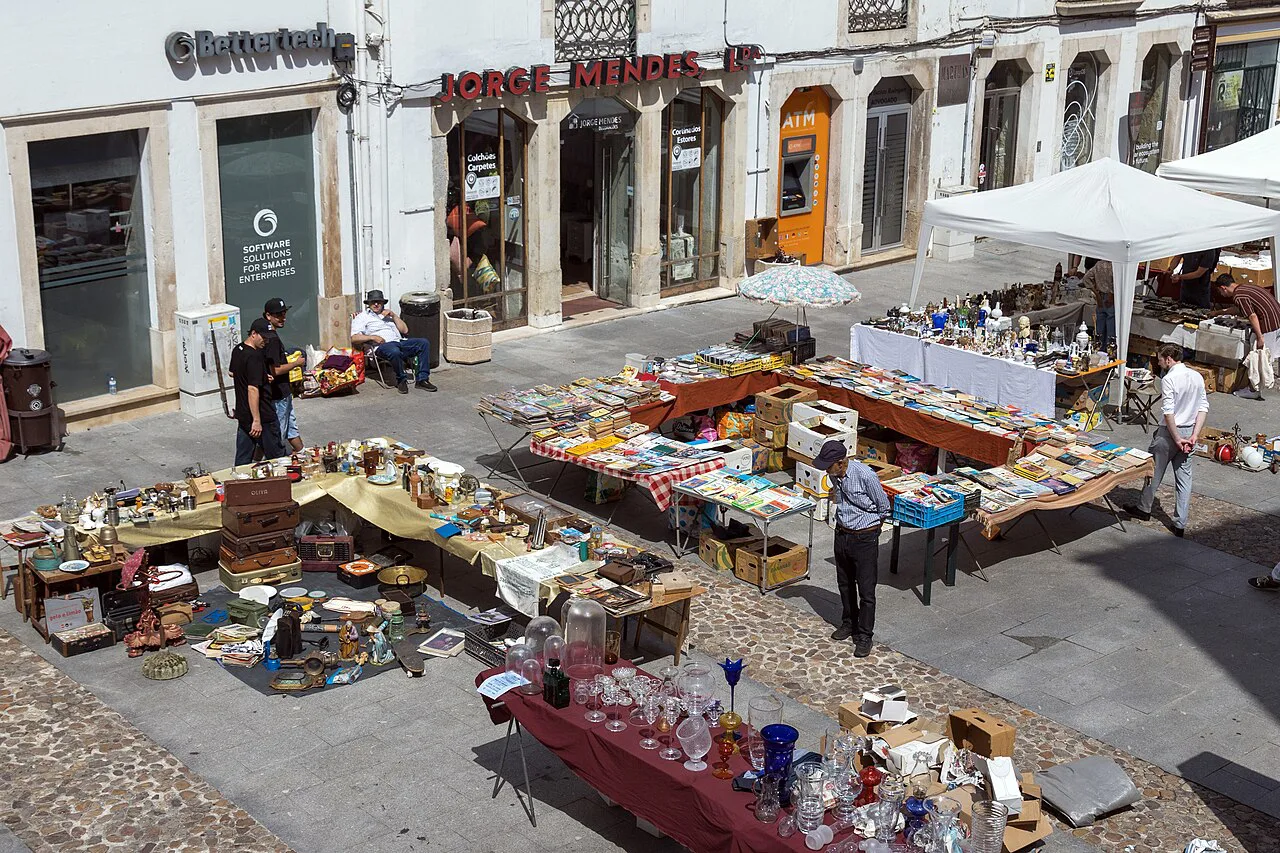
Treat Coimbra as a city of shops rather than a city of one market. The city's tourism office presents old and modern commerce coexisting here, so the pleasure is in moving between family-run businesses, contemporary boutiques and the odd craft workshop hidden in a side lane. If you arrive expecting a covered hall with fish and vegetables under one roof, the reality is more scattered and more rewarding to wander.
Farmers' markets do exist in the wider area, but market listings that appear under a Coimbra search include places some distance from the city itself, so confirm the address before setting out. For a short break the dependable plan is the Baixa first, the craft lanes second, and a modern centre only if the weather turns or you want river views while you shop.
Allow half a day at most for the shopping side of Coimbra; it sits comfortably alongside the things to do in Coimbra rather than competing with them. A useful sequence is to walk the Baixa in the morning, take lunch, then choose between craft browsing and a shopping centre depending on how much time you have left.

The Baixa: Rua Ferreira Borges and Rua Visconde da Luz
These two streets are the natural starting point. They run through the heart of the Baixa and hold a mix of jewellers, clothes shops, shoe shops and bookshops that preserve the character of traditional trade, which makes them good for errands, gifts and simply seeing how the city works on a weekday.
Walk both in one pass, then let yourself drift into the connecting alleys, because the streets are short enough to cover twice without tiring anyone. Shops here are individual businesses rather than a mall, so browsing is the point and there is no single entrance fee or ticket to think about; if a particular shop matters to you, check its own hours before you build a morning around it.
The Baixa also works as your orientation tool for the rest of the stay. Once you know where these streets meet the old town, you can slot the university and the river into a route without doubling back, which matters on a one- or two-day visit.
Small craft shops and hand-painted tiles in the surrounding lanes
The lanes off the main Baixa streets are where small local craft shops sell unique pieces such as hand-painted tiles, typical regional ceramics and urban crafts. These are the shops worth slowing down for, since they carry work you will not find in a chain store and often in small quantities.
Buy tiles and ceramics with a plan for getting them home. They are heavy and fragile, so ask how a piece is packed before you commit, and think about whether it fits cabin baggage or needs padding inside checked luggage. That practical question is the difference between a good souvenir and an awkward journey.
If tilework is the reason you came, pair the shopping with the city's own decorative heritage so you can recognise what you are buying. Even a short walk past tiled façades will sharpen your eye for the difference between machine-printed patterns and genuinely hand-painted pieces.
Ceramics from Coimbra and Almalaguês weaving as local buys
Two local traditions stand out as genuinely of the place: ceramics from Coimbra and Almalaguês weaving. The weaving takes its name from the nearby village of Almalaguês and appears among the region's signature crafts, which makes a woven piece a more distinctive buy than a generic souvenir magnet.
Ask where a piece was made rather than where it was sold. A shop in the Baixa may stock work from several producers, and the answer tells you whether you are buying something tied to the region or something imported and resold. That one question is the most useful habit to bring to craft shopping in Coimbra.
Budget by category rather than by shop: ceramics and weaving are the purchases most likely to anchor your souvenir spending, so decide roughly what you want to spend before you go in. Prices vary by maker and size and belong to individual shops, so compare a few windows rather than accepting the first figure you see.
Celas: boutiques and gourmet shops in a quieter neighbourhood
Celas is a residential district with an upmarket shopping streak, known for exclusive boutiques, recognised brands and shops selling gourmet products and local crafts. The tourism office pairs that offer with elegant cafés and terraces, so you can browse and then sit down without heading back to the centre.
The neighbourhood also holds the Monastery of Santa Maria de Celas, whose long history gives the area a cultural anchor beyond its shops. That combination, a little architecture plus a little browsing, makes Celas a sensible half-day choice if you have already covered the Baixa and want a different pace.
Choose between Celas and the Baixa if your break is short. The Baixa gives you the classic city experience with the old town on the doorstep, while Celas gives you quieter streets and a more polished retail mix; trying to do both on a one-day visit means rushing the sights that brought you to Coimbra.
Modern shopping centres: Alma Shopping and Forum Coimbra
Alma Shopping gathers international brands with restaurants and leisure spaces under one roof, which makes it the obvious wet-weather fallback or the place to go when you need something specific and fast. Forum Coimbra takes the same idea and adds views over the Mondego River, giving the shopping trip a more contemporary feel.
These centres are useful rather than essential. They will not teach you anything about Coimbra, and on a two- or three-day break they can quietly eat an afternoon you would rather spend at the university or in the old town. Save them for bad weather, a missing item or a group that needs a break from walking.
How to fit market browsing into a one- to three-day Coimbra visit
On a one-day visit, walk the Baixa on your way between the old town sights and treat the craft lanes as a detour of twenty minutes, not a separate excursion. That keeps the university quarter and the river front in play while still giving you a genuine shopping street experience, and the Coimbra walking tour route shows how the pieces connect on foot.
With two or three days, give shopping its own morning: the Baixa and the lanes first, then a choice of Celas or one of the modern centres in the afternoon. That structure stops browsing from fragmenting the day and leaves the evenings free for the city's restaurants and squares around Coimbra Old Town.
If museums are your priority, put them on a separate block and keep shopping as the flexible filler between timed visits. The Machado de Castro National Museum and the university's own collections are the kind of stop that rewards a fixed slot rather than an improvised one.
Should you shop the Baixa or head to Celas?
Shop the Baixa if this is your first visit or your time is short; it puts the traditional streets, the craft lanes and the old town within one easy walk. Choose Celas if you have already seen the centre and want a calmer half-day of boutiques, gourmet shops and the monastery.
Keep the two modern shopping centres as your wet-weather card rather than a planned stop, and set a rough craft budget before you go so tiles and weaving do not quietly absorb the rest of your spending money.
Explore more Coimbra guides
Frequently Asked Questions
Does Coimbra have a central market hall worth visiting?
The city's tourism office describes shopping as spread across the Baixa's traditional streets, the surrounding craft lanes, the Celas neighbourhood and two modern shopping centres. It does not present a single central market hall as the main draw, so plan around the streets rather than one building.
How long should I allow for shopping in Coimbra?
Half a day is enough for the Baixa, the craft lanes and one further area such as Celas. On a one-day visit, fold the main streets into your walk between the old town sights and keep browsing to short detours.
Sources
Notes for your next Portuguese break
Optional updates to our town guides.
You might also like



Continue reading
More guides you'll find useful