Things to Do in Braga: What to See in One to Three Days
Plan a short break in Braga with the Sé, old-town squares, the Biscainhos palace and the Bom Jesus do Monte staircase, plus how many days the city needs.
On this page
Braga needs one full day for the old town on foot and a half-day for Bom Jesus do Monte, so plan two days if you want both without rushing. The compact centre stacks the Arco da Porta Nova, Rua do Souto, Praça da República, the Sé and a run of Baroque churches within a short walk, with the sanctuary sitting east of the centre and reached by bus or taxi. This guide orders the sights by walking area, separates the free squares and gardens from the ticketed cathedral and palace, and sets out a one-day and a two-day split.
What to see in Braga in a day: the short answer
In a single day, walk the old town clockwise: Arco da Porta Nova, Rua do Souto, the Sé de Braga, Praça da República and the Jardim de Santa Bárbara, then lunch near the market and an afternoon at Bom Jesus do Monte. That order keeps the sanctuary, the one sight outside the centre, at the end of the day. If you only have an afternoon, choose the old town and save the sanctuary for a second visit.
Braga's appeal is the density of its religious architecture rather than any single blockbuster: the cathedral, the Igreja do Pópulo, the Basilica dos Congregados and the palace façades all sit within a short loop. The city has two universities, so the centre stays lively outside the church-hours rhythm. Treat the day as a walk between squares, dipping into ticketed interiors when the mood takes you.
How Braga is laid out, from the old town to Bom Jesus do Monte
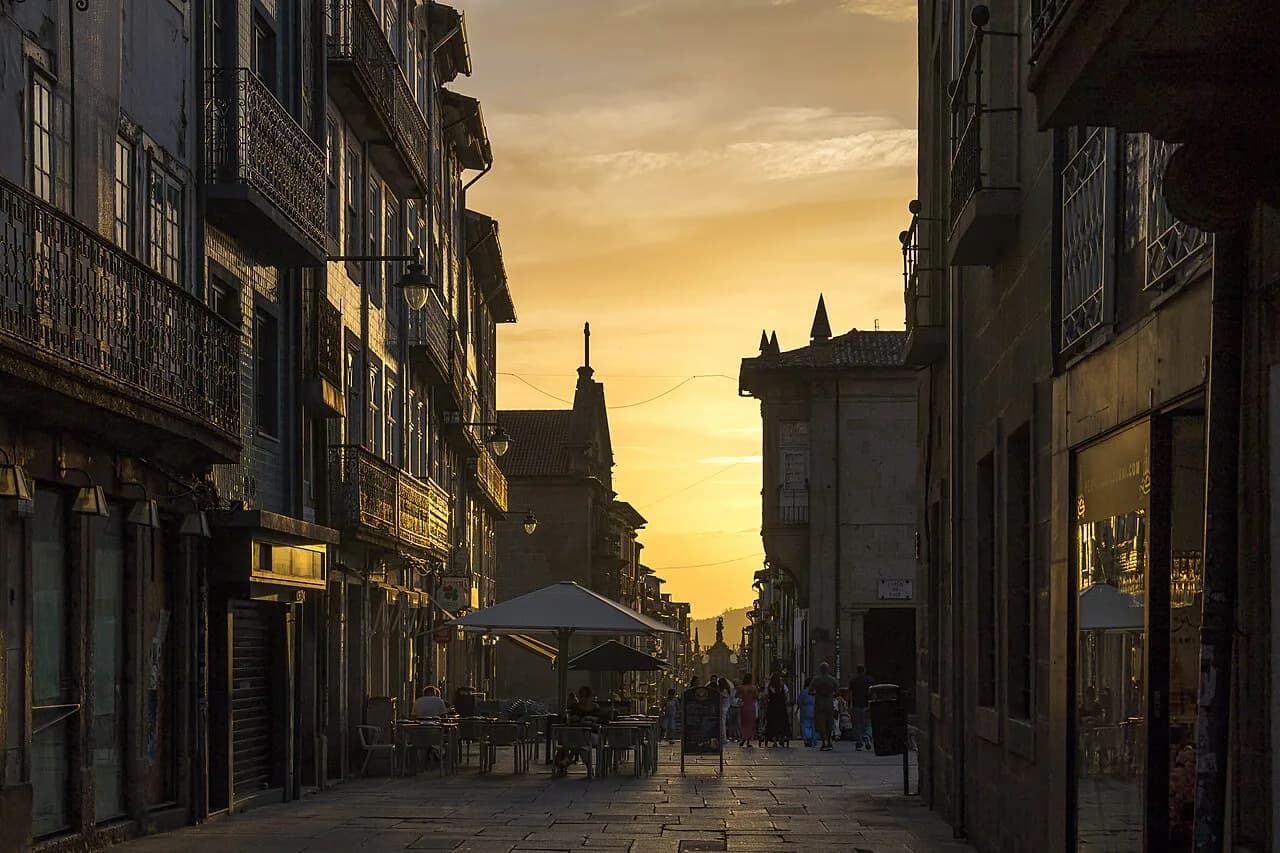
The old town is a pedestrian knot of streets around the Arco da Porta Nova and Rua do Souto, with Praça da República, the central square, as its hub; the whole centre is compact enough to cover on foot in an afternoon. Rua do Souto is the spine, running from the arch towards the main square and lined with shops and cafés. Every sight in the centre is walkable from the next, so the only transport decision is getting to Bom Jesus do Monte.
Bom Jesus do Monte sits on a wooded hill outside the city and is best reached by car, bus or taxi from the centre. Local bus number 2 terminates at the funicular at the foot of the staircase, which makes it the simplest way up without a car. Allow a half-day for the sanctuary so the climb does not squeeze the old town.
The old town on foot: Arco da Porta Nova, Rua do Souto and Praça da República
Start at the Arco da Porta Nova, the ornamental gate that formed the western entrance through Braga's medieval walls; it dates to the early 1500s and was remodelled in the eighteenth century into a triumphal arch, Baroque on one face and Neoclassical on the other. Pass under it and follow Rua do Souto, the pedestrian street that runs through the heart of the centre and ends near the main square. Café a Brasileira and the Chocolateria Equador sit along or just off this stretch if you want a mid-morning stop.
Praça da República, also referred to as the Arcade, dates back to the Middle Ages and centres on a fountain, with the Basilica dos Congregados facing it and the top of the Torre de Menagem visible in the same frame. It is a free, open square and one of the best single photographs in Braga. The Basilica dos Congregados is free to enter and worth a quick look.
The Sé de Braga, Portugal's oldest cathedral, and its treasure museum
The Sé de Braga is the city's most important building and the oldest cathedral in Portugal, consecrated in 1089 and enlarged over the following centuries. Inside, look up for the organ as you walk down the nave, then turn back towards the altar for the second view, and continue into the cloister and the chapels built alongside. The cathedral charges an entry fee, so budget for it alongside the other ticketed interiors.
The cathedral's Treasure Museum, sometimes called the Museum of Sacred Art, holds religious artefacts including the cross from the first mass celebrated in Brazil. Photography is not allowed inside the museum. Braga Cathedral is the one sight in the old town where you should plan on paying, so carry cash as a backup even though card payment is now common.
Braga's churches and azulejos: Igreja do Pópulo, Basilica dos Congregados and the Raio Palace
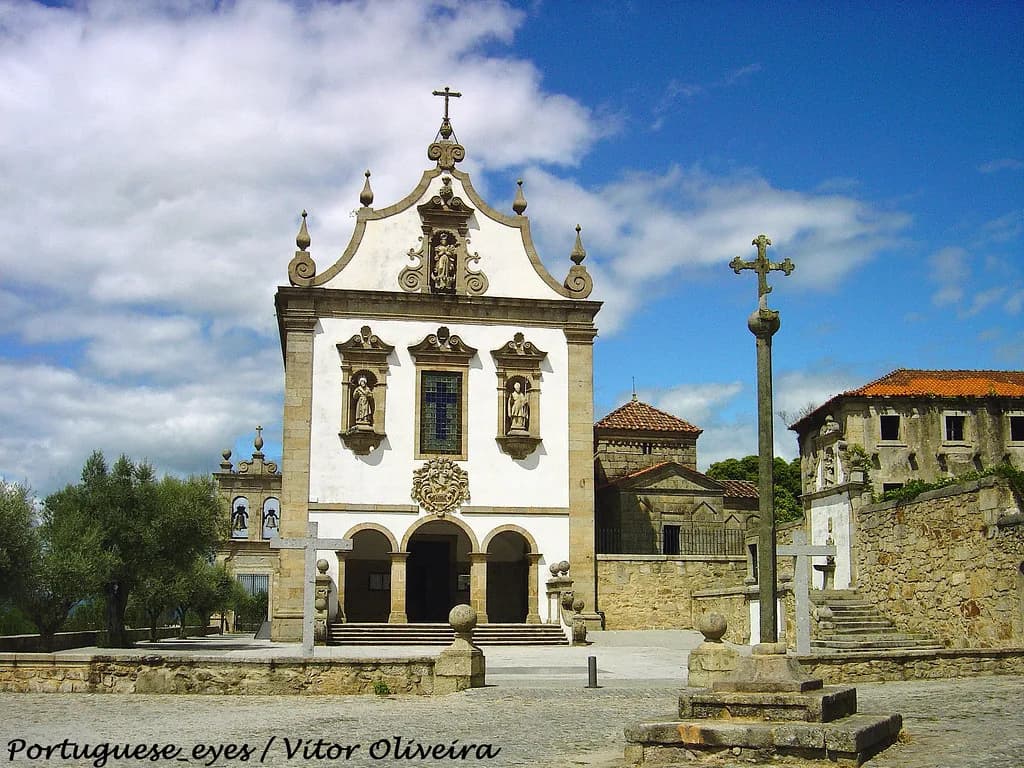
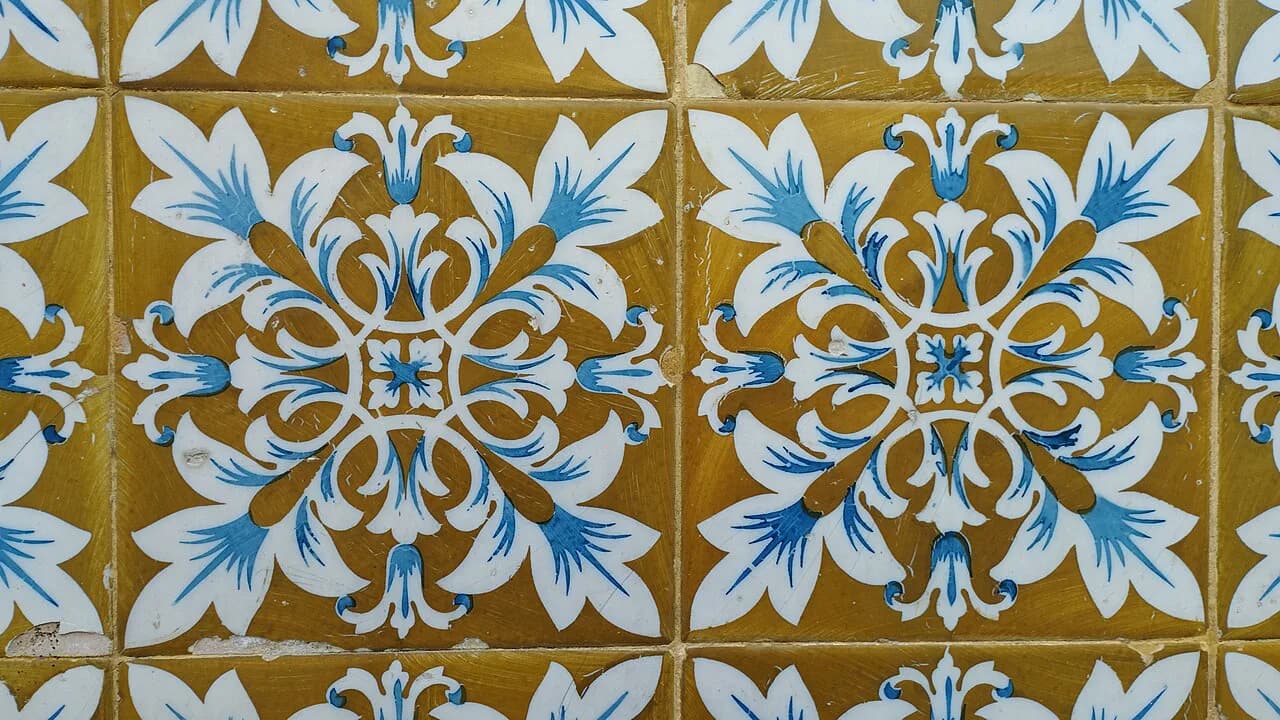
The Igreja do Pópulo is the pick of the churches after the cathedral: a sixteenth-century structure with an eighteenth-century Neoclassical façade and an interior of gilded Baroque carving and azulejo tilework. The adjoining convent building now houses local government offices, which explains the slightly civic feel of the approach. Step inside for the tiles rather than the façade.
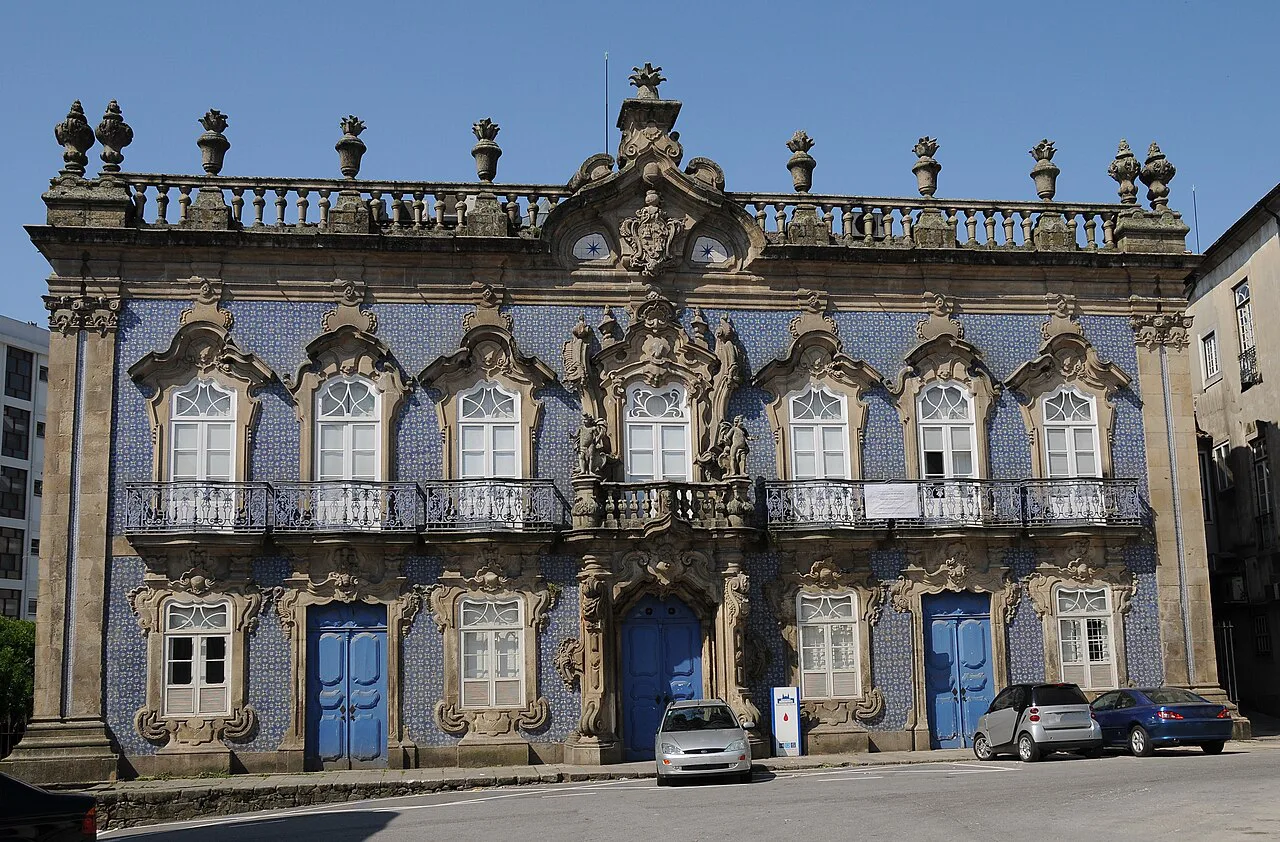
For azulejos on a grander scale, the Raio Palace covers its front façade in thousands of blue and white tiles, with wrought-iron balconies and ornate decoration above. You can simply admire the palace from the outside or tour the interior, where photography is not permitted. Pair it with the churches as a short themed walk, since each stop takes minutes rather than hours.
The castle keep and what is left of the medieval walls
Little remains of Braga's medieval fortifications beyond the Torre de Menagem, the main keep tower that still rises above the centre and appears in views from several streets. The tower's top is visible from Praça da República, which makes the square a good place to see the medieval layer of the city without hunting for ruins. The tower looked permanently closed on a recent visit, so treat any ascent as unlikely rather than the plan.
Museums worth an hour: Palácio dos Biscainhos and the Raio Palace
The Palácio dos Biscainhos is an eighteenth-century noble residence with furniture, ceramics and European and Oriental porcelain on display, and for many visitors the garden with its fountains and statues is the highlight. There is a small fee to tour the mansion, while the gardens are free, so you can see the grounds without committing to the interior. It sits close enough to the old town to slot in between squares.
The Raio Palace offers the second museum-style stop, with interior furnishings and art alongside the tiled façade. Both fit comfortably into a two-day visit rather than the one-day sprint.
Gardens and breathing spaces: Jardim de Santa Bárbara and the Avenida Central gardens
The Jardim de Santa Bárbara, next to the Archbishop's Palace, is free to visit and takes only a few minutes to walk through, with flower beds and clipped hedges that make it one of the most photogenic corners in the centre. It is the natural pause between the cathedral and the market. The gardens along Praça da República and Avenida Central serve the same purpose further east.
Markets, cafés and the Braga pastry: Mercado Municipal de Braga and a tibias stop
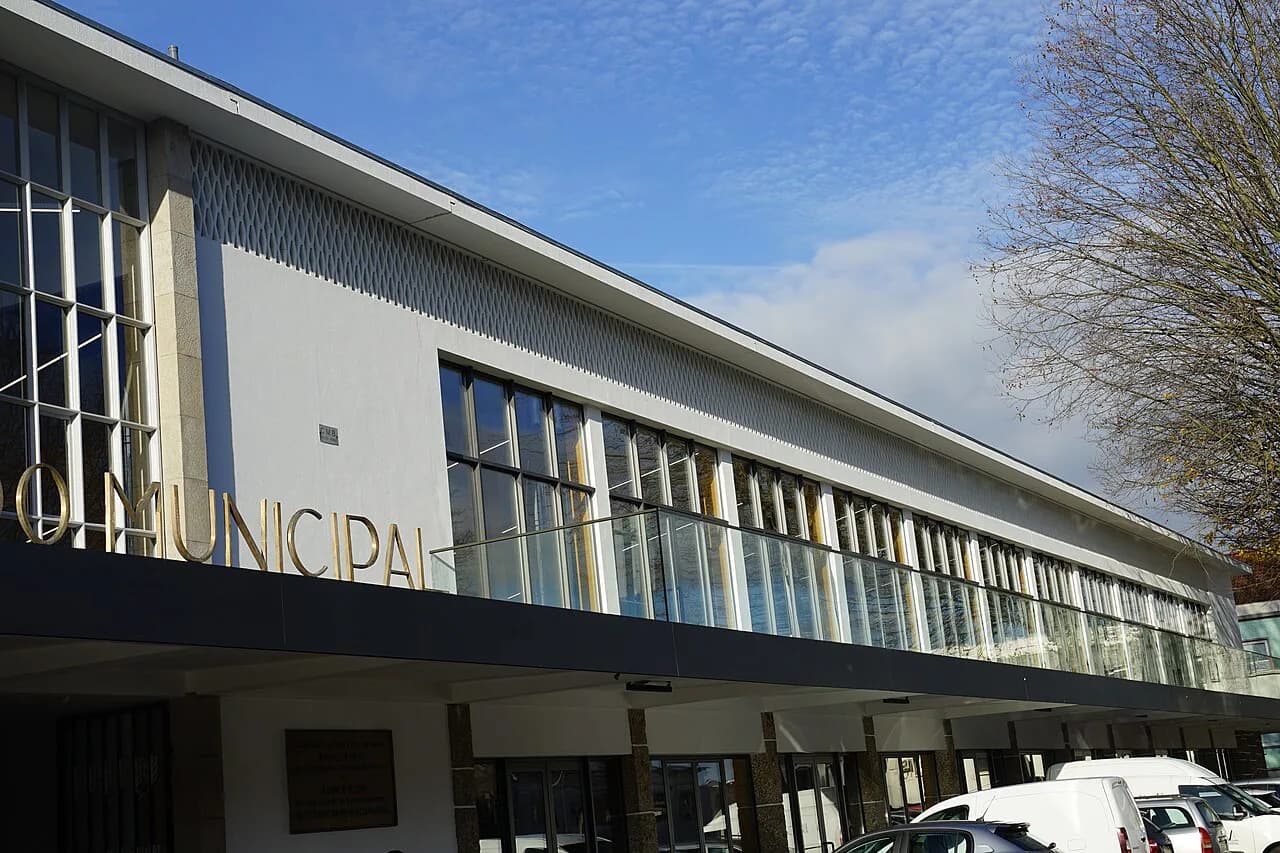
The Mercado Municipal de Braga is the place to see produce and everyday city life rather than a curated food hall. Pair it with a Braga walking tour if you want the food and history in one loop, or visit independently and pick up fruit for the sanctuary climb.
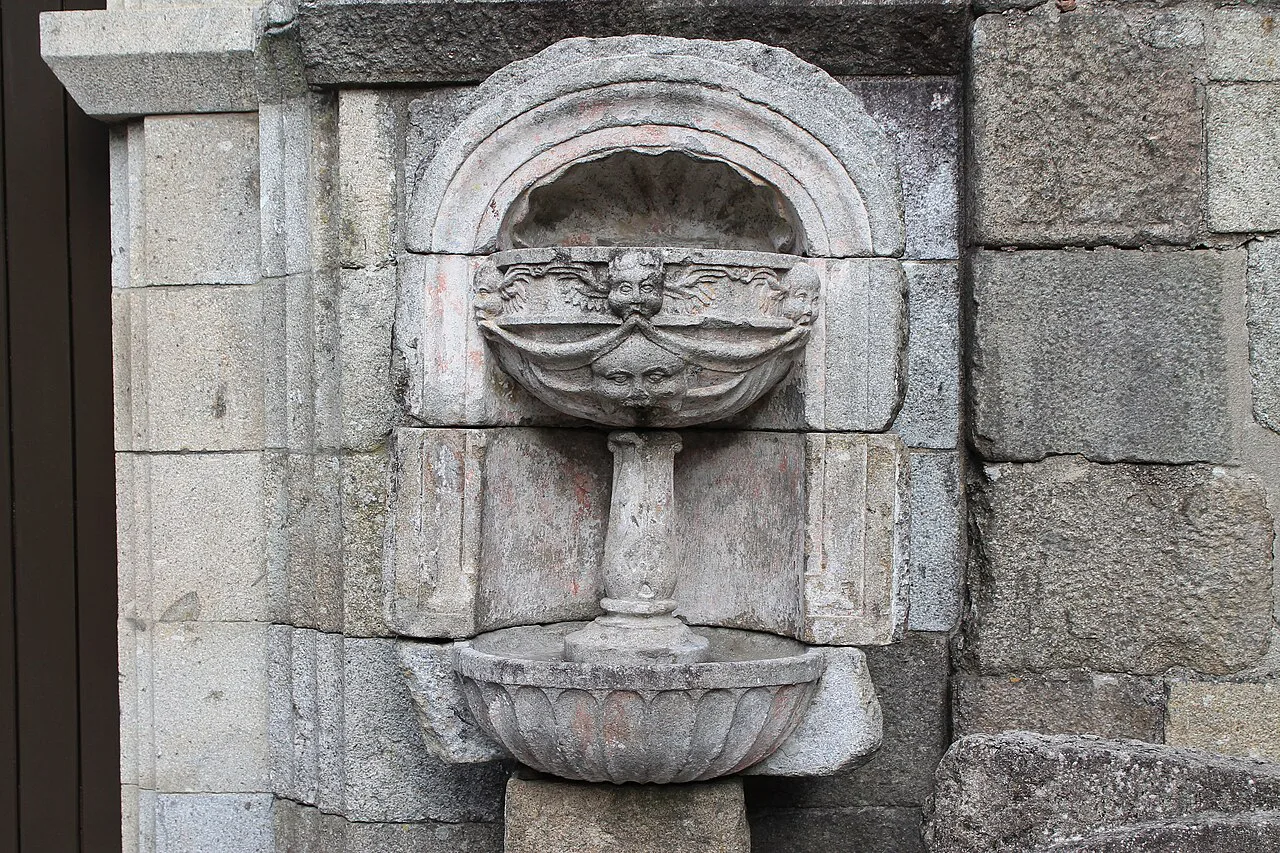
Try a tíbia de Braga, the local pastry said to have been created in a convent and named for its resemblance to a tibia bone: crisp fried dough filled with cream and dusted with sugar. The namesake bakery is the obvious stop, and the café culture around Café a Brasileira and Chocolateria Equador fills the gaps between sights.
Bom Jesus do Monte: the 577-step staircase, the funicular and the view back over the city
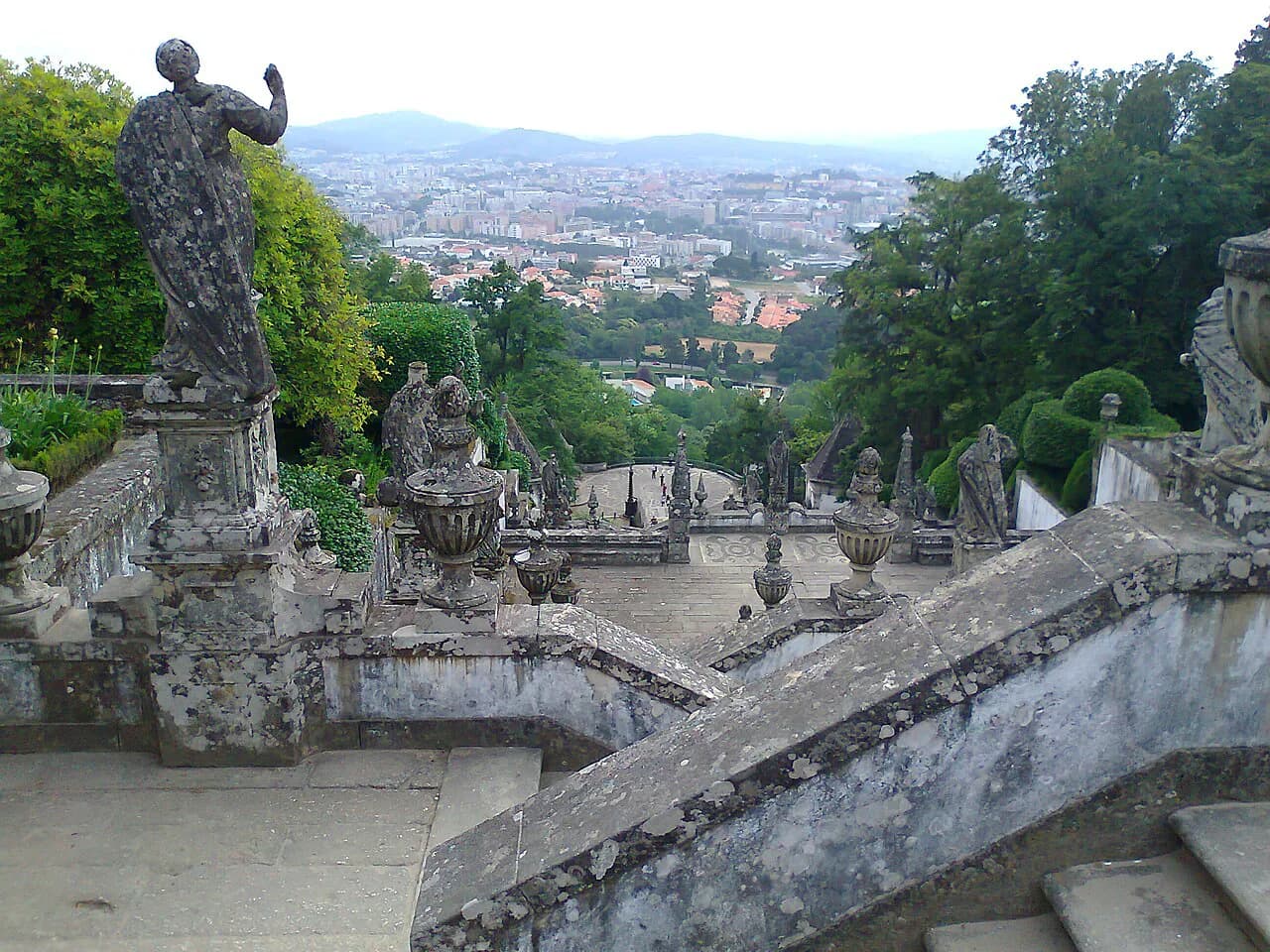
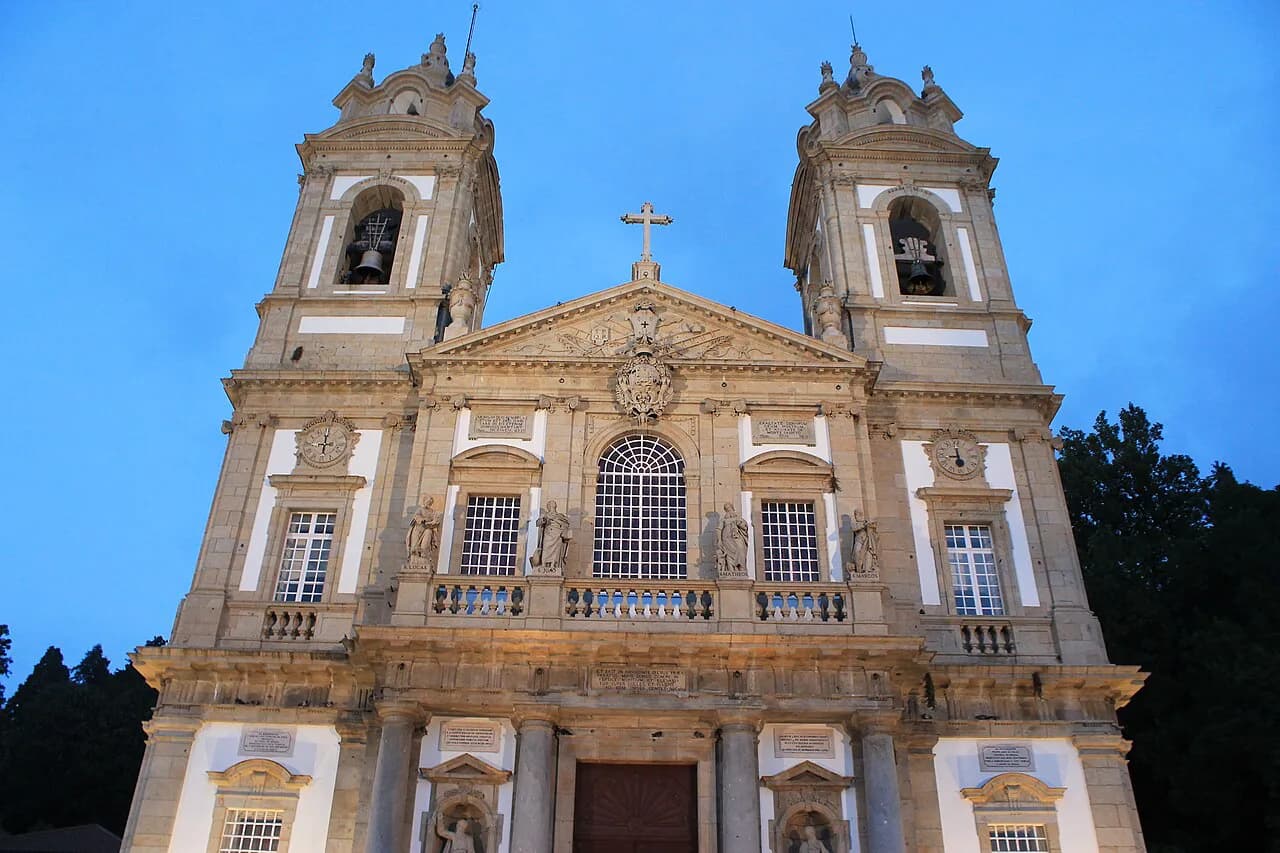
Bom Jesus do Monte is a UNESCO World Heritage sanctuary and long-standing pilgrimage site, with a complex that took more than 600 years to complete. The famous zigzag staircase climbs 577 steps to the hilltop church, decorated with statues, fountains and chapels along the route. It is the city's must-see sight and the one entry on this list outside the city centre.
The historic funicular, dating to 1882 and running on a counterbalance water-weight system, is the alternative to the climb. The stairs are more interesting, but the funicular saves the legs if you plan to walk the old town afterwards. At the summit there is the church, panoramic views, a café and a small lake with rowing boats.
How many days does Braga need: one day, two days or a weekend
One day covers the old town and either the sanctuary or the cathedral interior, but not both at a relaxed pace. Two days lets you give Bom Jesus do Monte a morning and the old town a full afternoon and evening, with time for the Biscainhos garden and a market stop. A three-day weekend adds Guimarães and treats Braga as a base rather than a checklist.
If you are coming from Porto, the train makes Braga an easy day trip, but arriving by mid-morning is what makes a combined old town and sanctuary day workable. Staying overnight buys you the late afternoon and the quieter morning gardens.
Where to eat in Braga and what to order
Braga's eating fits the short-break rhythm: a café stop mid-morning, a sit-down lunch near Rua do Souto or the market, and a tasca dinner in the old town. Treat the tíbia pastry as the local signature, and keep your meals near the centre, since the sights cluster tightly.
Braga with Guimarães: whether to combine them or keep them separate
Guimarães pairs naturally with Braga because both sit on the same regional train line from Porto, and the two together make a long, full day for the very organised. The honest trade-off is that a combined day means rushing Bom Jesus do Monte or skipping the cathedral interior. If you want a canal-side contrast to Braga's church-heavy centre, the things to do in Aveiro make a similarly easy rail day from Porto. Keep them separate if you want either city to feel like more than a stop-off, and give Braga its own day.
Which day to give Bom Jesus do Monte
Give Bom Jesus do Monte its own morning and keep the old town for the afternoon and evening, because the staircase and sanctuary reward unhurried time and the old town is most pleasant as the day cools. If you have only one day, choose according to taste: the sanctuary for the single big sight, the old town for the churches, squares and gardens.
Explore more Braga guides
Frequently Asked Questions
What is Braga known for?
Braga is often considered the religious centre of Portugal, with the oldest cathedral in the country, a dense run of Baroque churches and the pilgrimage sanctuary of Bom Jesus do Monte on its hill outside the centre. Two universities give it a youthful, busy old town alongside the religious architecture.
Is Braga worth visiting?
Yes, if you want churches, azulejos and squares rather than beaches or nightlife, and you can give it a full day plus a half-day for Bom Jesus do Monte. It is compact enough to walk and easy to reach by train from Porto, which makes it a straightforward short break.
Which is better, Porto or Braga?
Porto is the bigger city with the river and the port lodges; Braga is quieter, more religious in character and far more compact. Choose Braga for a one-to-three-day break built around churches, gardens and the sanctuary, and Porto if you want a large city base.
What is the best day trip from Porto?
Braga is one of the easiest: the train runs from Porto, and the old town plus Bom Jesus do Monte fits a long day if you arrive by mid-morning. Guimarães combines with Braga for a rushed day, or gets its own day for a calmer visit.
Sources
Notes for your next Portuguese break
Optional updates to our town guides.
You might also like
Continue reading
More guides you'll find useful