Braga Cathedral (Sé de Braga): What to See
A grounded look at Braga Cathedral and the azulejo and gilded-wood culture around it, plus published museum hours and how the Sé fits a short Braga break.
On this page
What is documented in the Braga sources here is less about the cathedral's fabric than about the city's wider religious and decorative culture. Braga was the seat of Portugal's most important archdiocese and had the wealth to attract leading artists. Those who want practical detail on the cathedral itself should check its own notices and current information before relying on any travel summary.
What Braga Cathedral is and why it matters
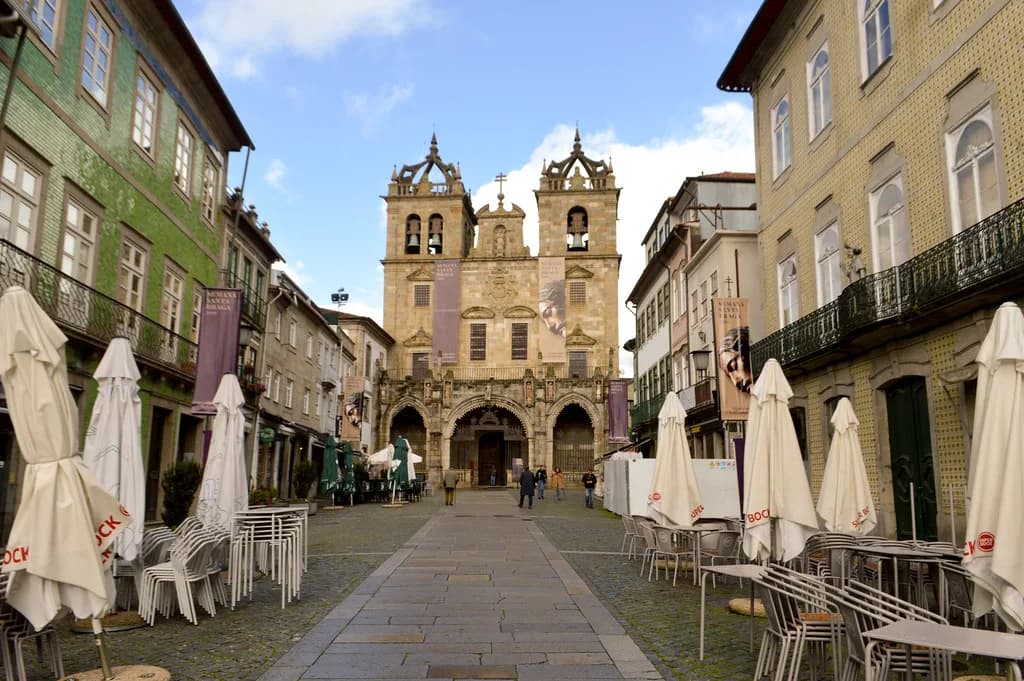
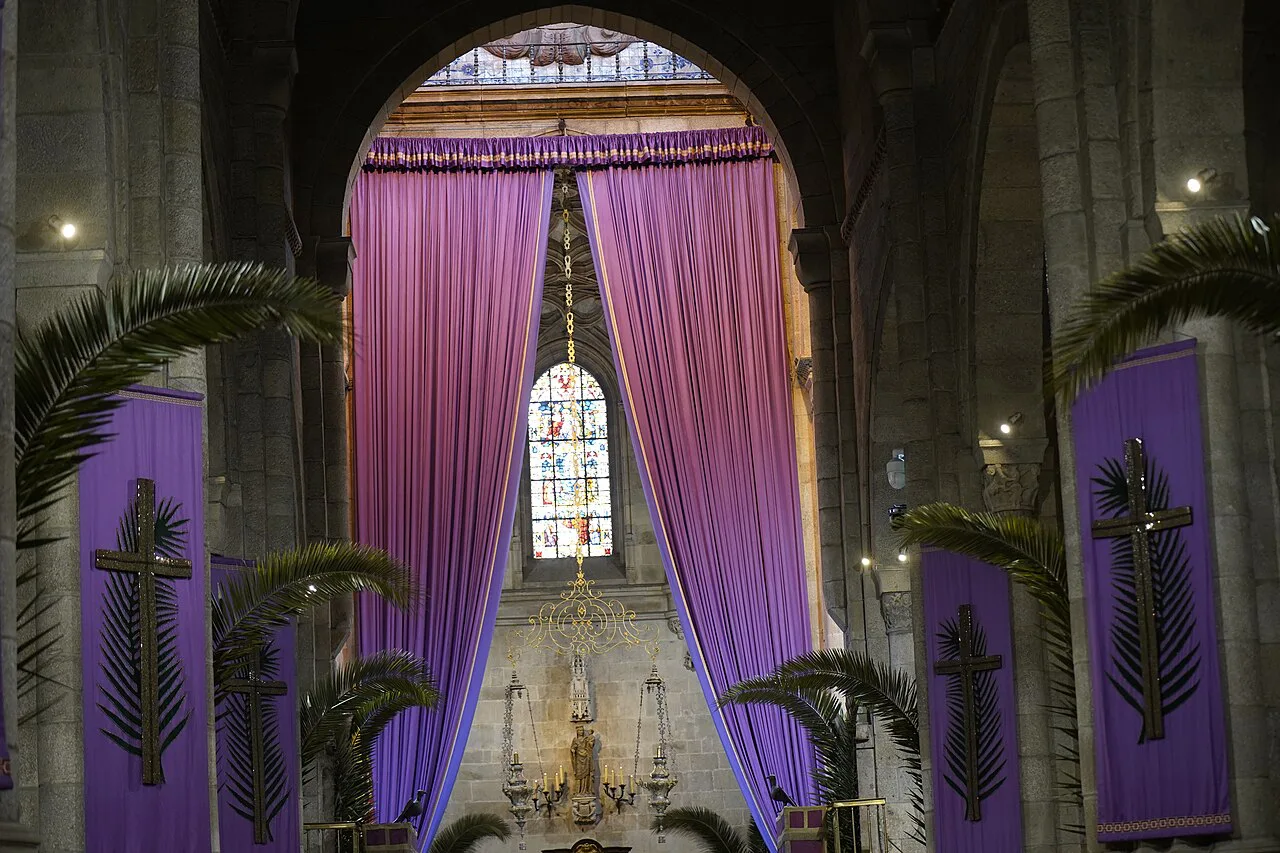
The Sé de Braga is the cathedral church of the Archdiocese of Braga, and the archbishop's seat has shaped the city's identity for centuries. As host of the most important archdiocese of Portugal, Braga had the economic capacity to attract the artists who decorated its churches. Approach the cathedral as one part of a morning walk, and the surrounding centre falls into place around it.
Where the cathedral sits in Braga's centre
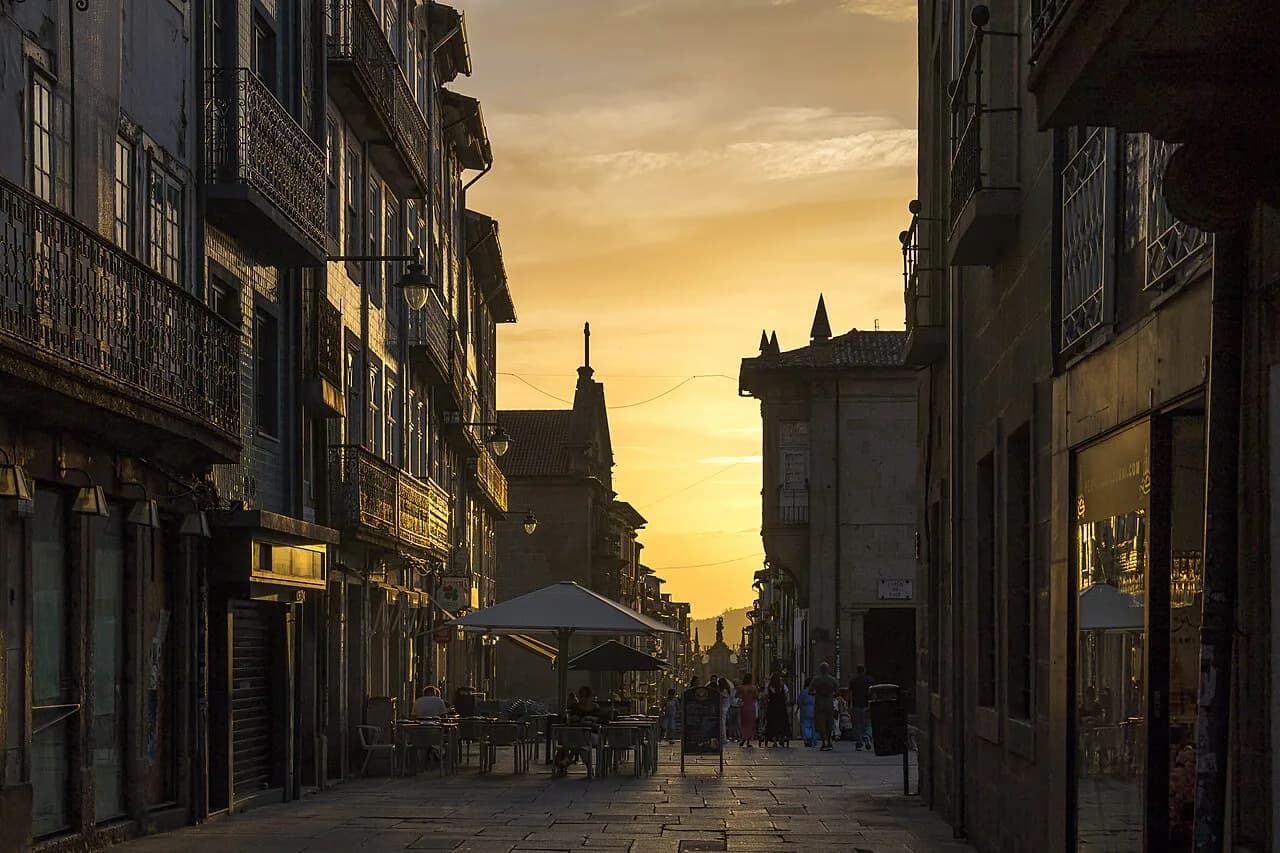
The cathedral sits within the compact centre that most visitors explore on foot, so the practical question is sequencing rather than transport. Our guide to the Braga old town maps the lanes and squares around it, so you can build a loop rather than doubling back.
If you prefer structure to wandering, a Braga walking tour can stitch the centre together in a couple of hours. For the wider menu of sights beyond the cathedral, the things to do in Braga guide sets out the options by area.
What to see first: the Romanesque core and later layers
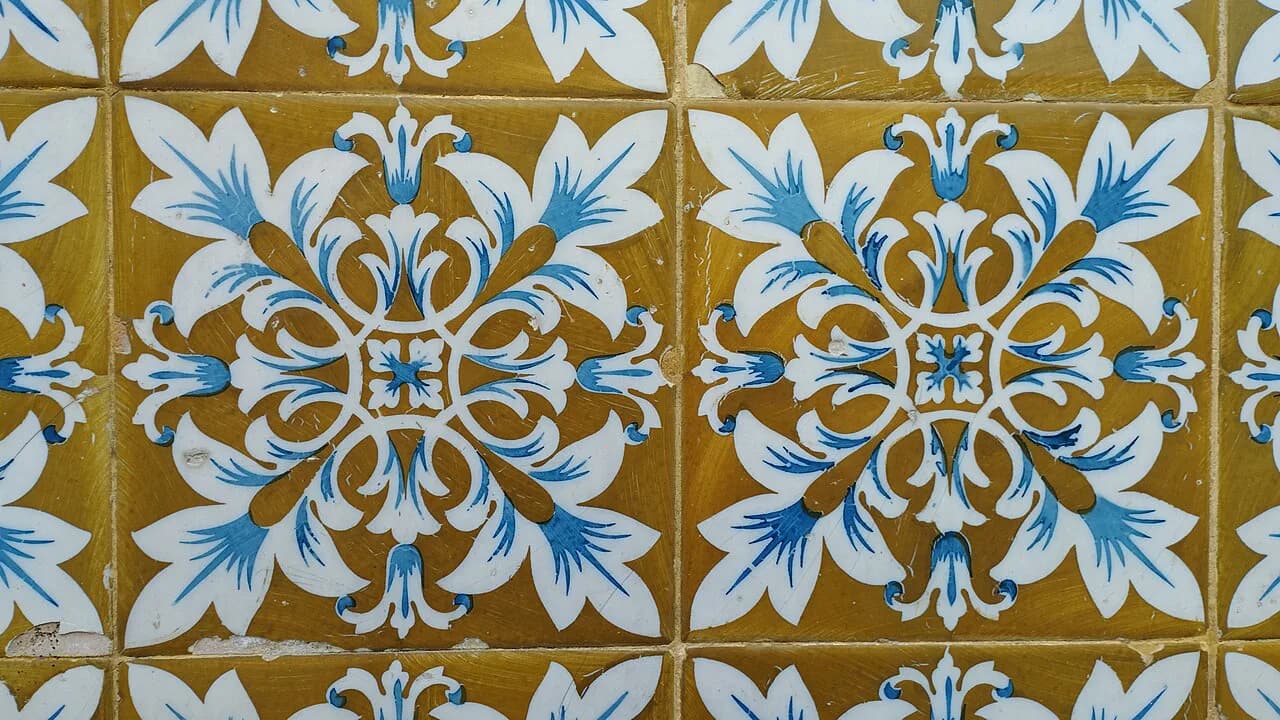
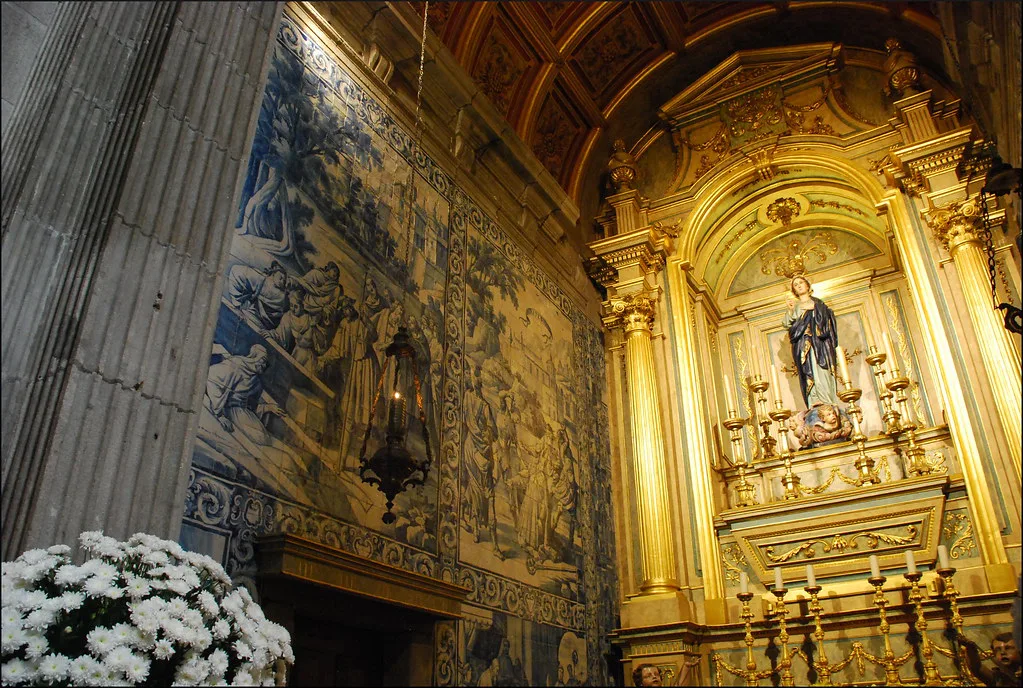
Treat the cathedral as one stop in a set of churches rather than an isolated monument. Braga's role as Portugal's leading archdiocese meant it could attract the best tile artists, and the municipality notes that many tiles were imported from Lisbon while many artists also came to Braga in person. Compare what you see with the tiled churches elsewhere in the city.
The decorative arts in Braga's churches are not incidental. The municipality's account of tilework in the city notes that the Baroque and Neoclassical periods saw strong tile production, with themes tied to the place where the tiles were installed. Hagiographic scenes were common in churches, and the same page points to the tiles in the body of the Igreja do Salvador as a local example worth studying.
The gilded wood and azulejo that reward a slower look
Braga had the wealth to attract well-known tile artists, and the municipal tilework page singles out the prelature of D. Rodrigo de Moura Telles (1704–1728) for its deliberate hiring of such names. It also notes the seventeenth-century so-called carpet type of repeated blue and yellow motifs, which was especially popular for churches unable to commission renowned artists, and the preserved tiles that lined the demolished church of Remedios, now in the chapel of São João da Ponte.
If the tilework hooks you, the Museu dos Biscainhos is installed in a noble house of the seventeenth and eighteenth centuries. It holds interiors with eighteenth-century azulejo wall coverings and painted ceilings, an easy follow-up when you want the domestic version of what the churches do on a grand scale.
Climbing the cathedral towers
How much of the building you can explore depends on what the cathedral itself is allowing at the time, so plan the visit around that rather than around a fixed list of extras. If part of the building is closed, spend the time in the spaces that are open and you will not feel short-changed.
How long to allow, and fitting it into one to three days
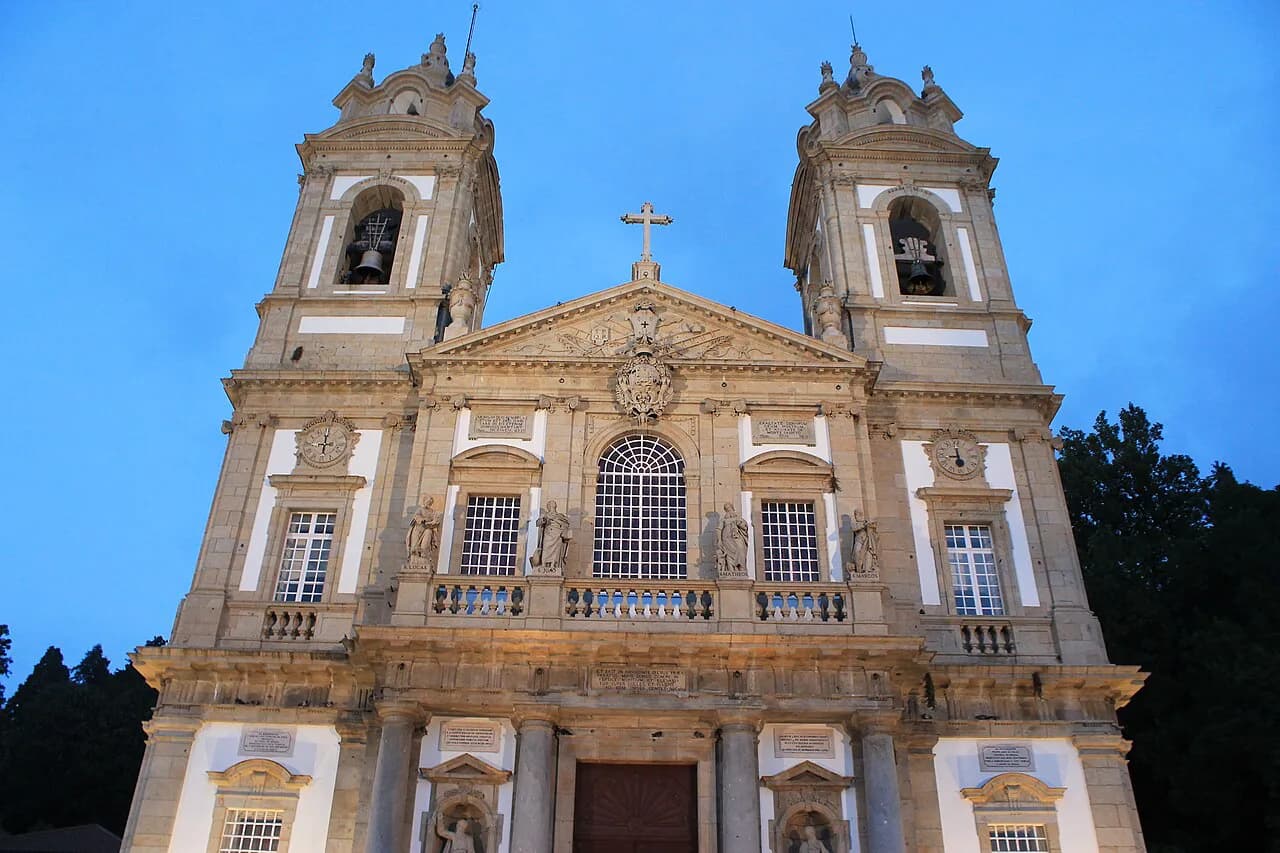
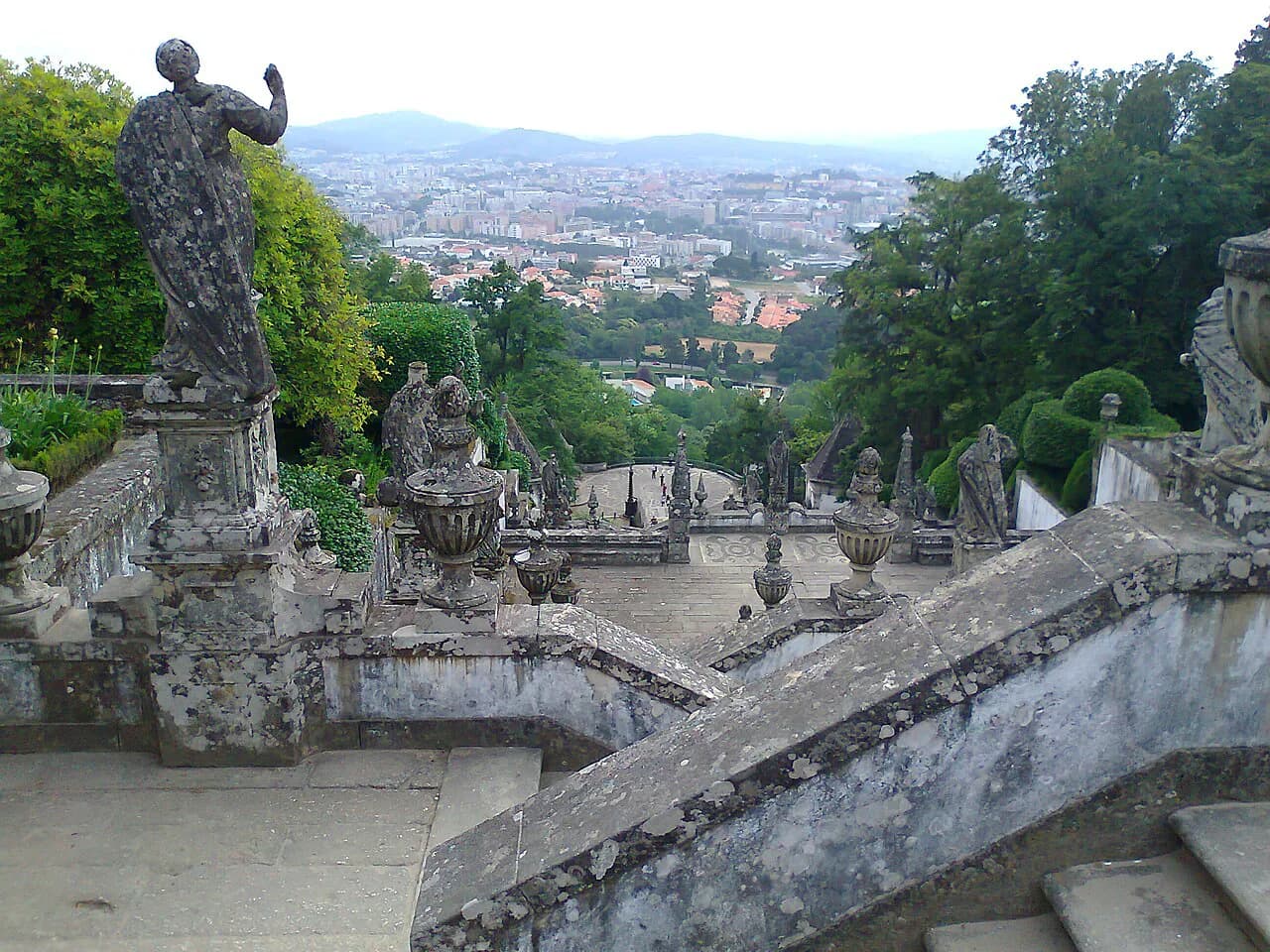
Give the cathedral a focused stretch of the morning and let the rest of the centre follow. On a one-day visit, pair it with the surrounding old town on foot and stop there. With two days, add a museum or two; with three, give a morning to the Bom Jesus do Monte sanctuary outside the centre and keep the cathedral for a quieter slot.
For a city with a deep past, the background helps. Braga began as Bracara Augusta, and the Roman layer is still visible in the city's archaeological sites, which is why the cathedral's layers feel like the latest chapter rather than the whole story.
Opening hours and entry prices
For the cathedral's own opening times and any entry charge, rely on the cathedral's own notices, since these can shift with the liturgical calendar. What the city does publish clearly is its municipal archaeological museum: the Termas Romanas do Alto da Cividade opens Monday to Friday from 9.30 to 13.00 and 14.00 to 17.30 and Saturday from 11.00 to 17.30, closing on Sundays and public holidays, with a normal ticket at €2.05 and a combined ticket with the Fonte do Ídolo at €3.70.
Use those documented municipal hours as a planning skeleton for the museum stops, since they are published and predictable, and slot the cathedral around them. For a fuller list of collections and their rhythms, see the museums in Braga guide.
The working-cathedral trade-off
The Sé is an active place of worship, not a museum with a turnstile, so services take priority over visitors. Mornings not set aside for services usually give you the best chance of uninterrupted looking, while service times mean you may need to wait or step aside. The trade-off is between atmosphere and access: a service adds music and presence but limits where you can walk.
Pairing the cathedral with the rest of the centre
Build the rest of the day around the cathedral on foot. A sensible loop runs from the Sé through the old town streets to the main squares, with a museum stop in the afternoon when the light fades. The city's own archaeological sites and museums fill the gaps between churches. For what else you can reach on foot, see our Braga walking tour route.
Is the cathedral worth an hour of your Braga break?
Yes, and it earns its place as the first stop of the morning rather than an afterthought. Give the Sé a focused hour and use its central position to anchor the rest of your walk. Check the cathedral's own notices for current hours before you set out, then let the old town do the rest.
Explore more Braga guides
Sources
Notes for your next Portuguese break
Optional updates to our town guides.
You might also like
Continue reading
More guides you'll find useful