Braga History: What to See From Roman to Baroque
A short history of Braga for visitors, from Roman Bracara Augusta to the archbishops' city, and the streets, cathedral and sanctuaries where you still see it.
On this page
Braga is Portugal's oldest city, founded by the Romans around 16 BC, and a day and a half gives you enough time to trace its Roman, medieval and Baroque layers on foot. Almost every period left a building you can walk into or past, and the historic centre is compact enough to read as a single story.
What follows is a short history for visitors rather than a chronicle of dynasties. Each period is tied to a named sight, so you can decide what to prioritise when you plan things to do in Braga around a break of one to four days.
What Braga is and why its history matters in one answer
Braga sits in the Minho region of far northern Portugal, roughly 55 kilometres north of Porto, and it is the country's religious centre by reputation, with the oldest cathedral in Portugal and a dense cluster of churches. That reputation grew from a Roman provincial capital that became an early Christian stronghold.
For a short-break traveller, the history is the sightseeing. The Roman street plan, the cathedral, the archbishops' gate and the Baroque sanctuary are the things you would visit anyway, which makes a little background the cheapest upgrade to a day in town.
Braga before Portugal: Roman Bracara Augusta and the Gallaecia capital
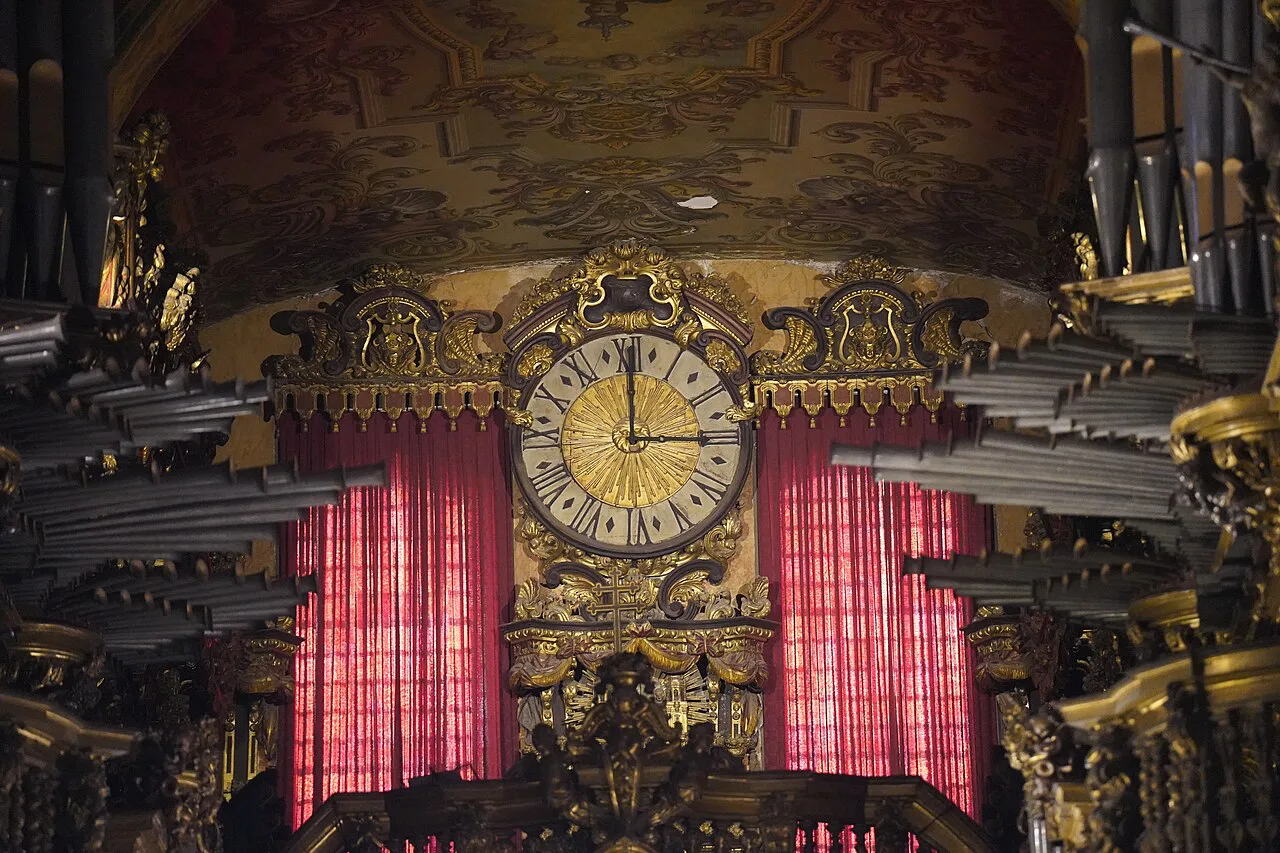
Braga began as Bracara Augusta, a Roman civitas founded around 16 BC under Augustus, and it later served as the capital of the province of Gallaecia between 284 and 305. The Roman layer is the reason Braga claims a history of more than 2,000 years rather than a medieval starting point.
There is no Roman amphitheatre moment to plan your day around, so treat this layer as context you carry between sights rather than a separate stop. It explains why the centre's streets feel older than their buildings, and it makes the medieval and Baroque additions read as later chapters rather than the whole story.
Suebi, Visigoths and the making of the religious centre
After Rome, Braga passed under Suebi and Visigothic influence before becoming a Christian centre, which is how the city acquired its nickname, the City of the Archbishops. The visible consequence is straightforward: an unusually high number of churches and chapels packed into a small area.
Rather than chase individual bishops, walk the centre and notice how church after church sits within a few minutes of the next. That density is the period's real monument, and it sets up everything that follows in the Sé and the streets around it.
The medieval city: Sé de Braga, Portugal's oldest cathedral
The Sé de Braga, built in the twelfth century and listed as a historic monument, is the place to start the medieval chapter, and it earns the label of Portugal's first cathedral. Give it real time rather than a photo stop, because the building holds Romanesque, Gothic and later additions in one visit.
Around the cathedral, the medieval street pattern survives well enough to wander without a map. If you want the cathedral's fabric unpacked properly, the museums in Braga fill in what the stonework only hints at.
The archbishops' city and the Arco da Porta Nova
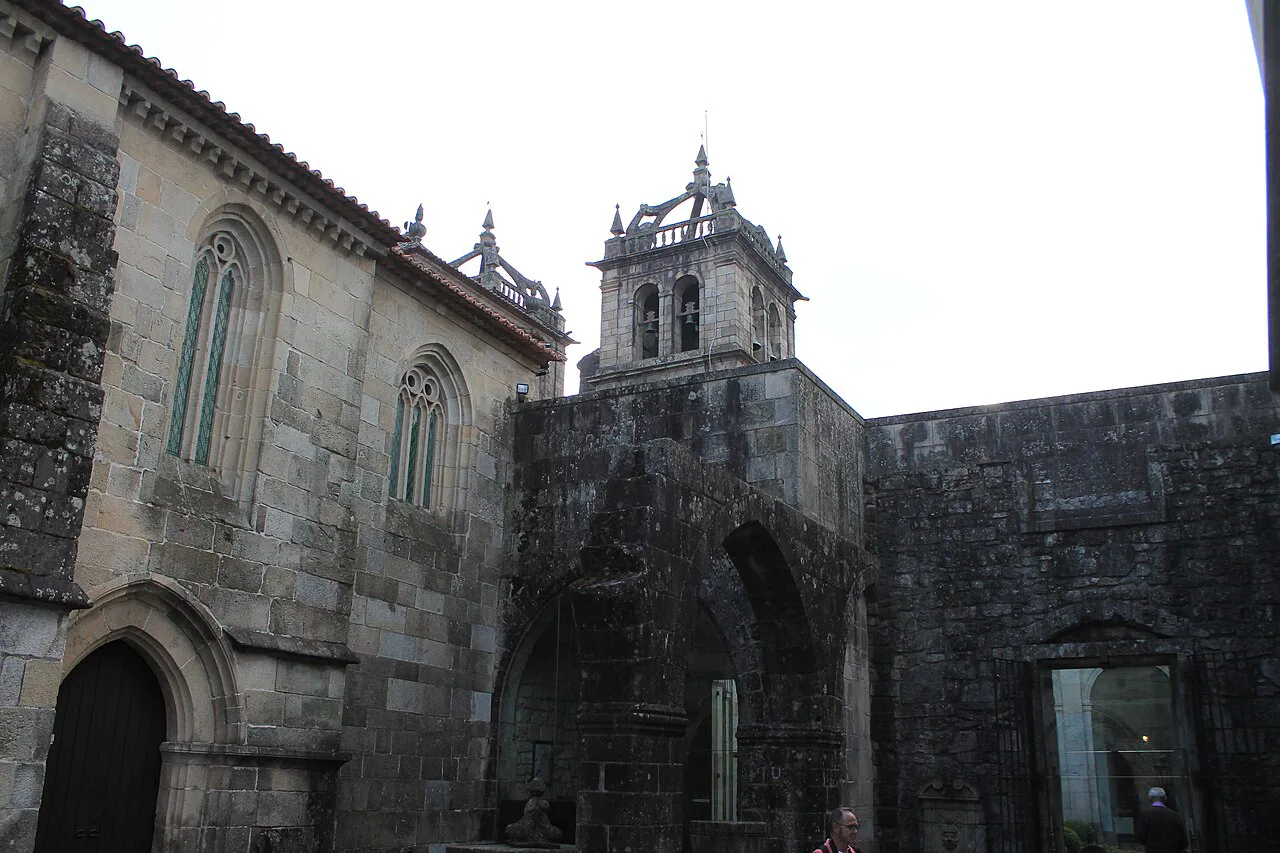
The Arco da Porta Nova, a gate carved into the medieval city walls, is the most legible piece of the archbishops' era still standing in the centre. Pass through it and the street pattern of the historic centre opens up in front of you.
From there, the centre's squares, palaces and churches stack up within minutes of each other. A Braga walking tour through the old town makes the chronology easier to hold than hopping between sights by taxi.
Baroque Braga: Palácio do Raio and the blue azulejo facade
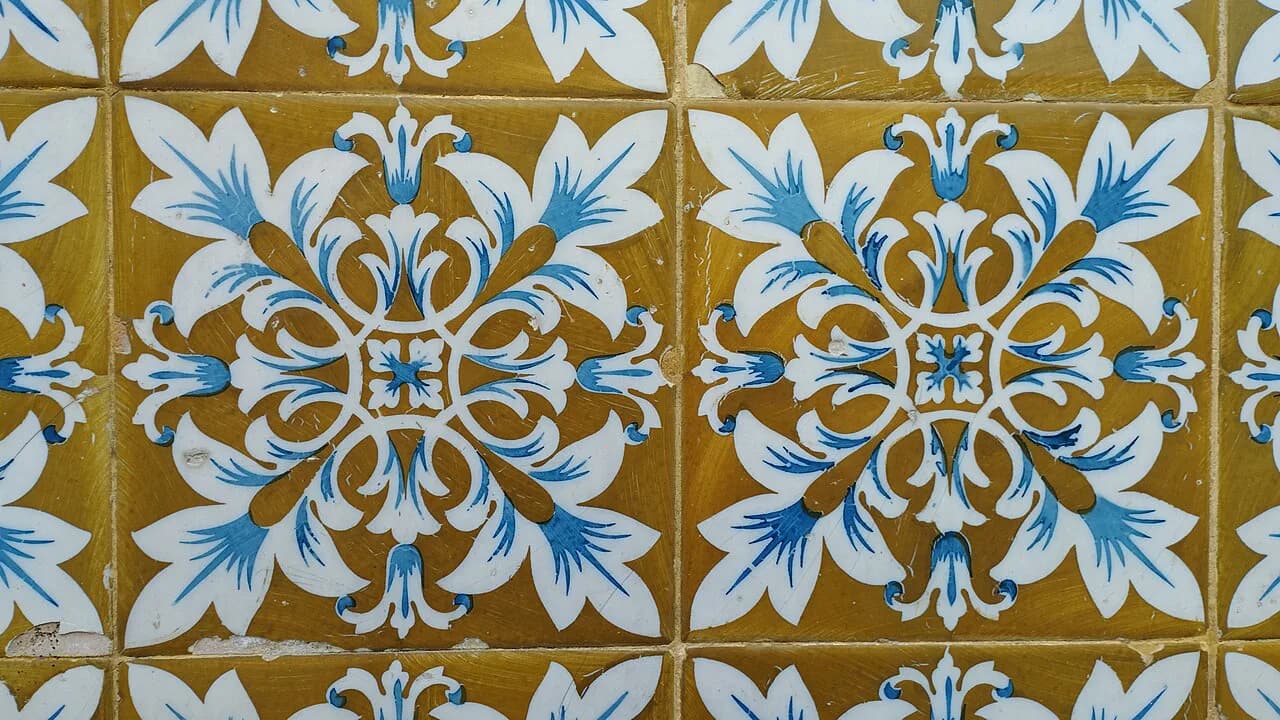
Baroque Braga is best introduced by the Palácio do Raio, an eighteenth-century Rococo palace covered in blue azulejos. The tiled facade is the single most photographed piece of civil architecture in the centre, and it gives you a concrete way to talk about the period without reciting dates.
Use the palace to train your eye, then look for tiles elsewhere in the city, where facades and church interiors carry the same blue-and-white language at a smaller scale. The Santa Bárbara garden is a calm place to reset between the palace and the cathedral quarter.
Bom Jesus do Monte: the Baroque staircase and sanctuary
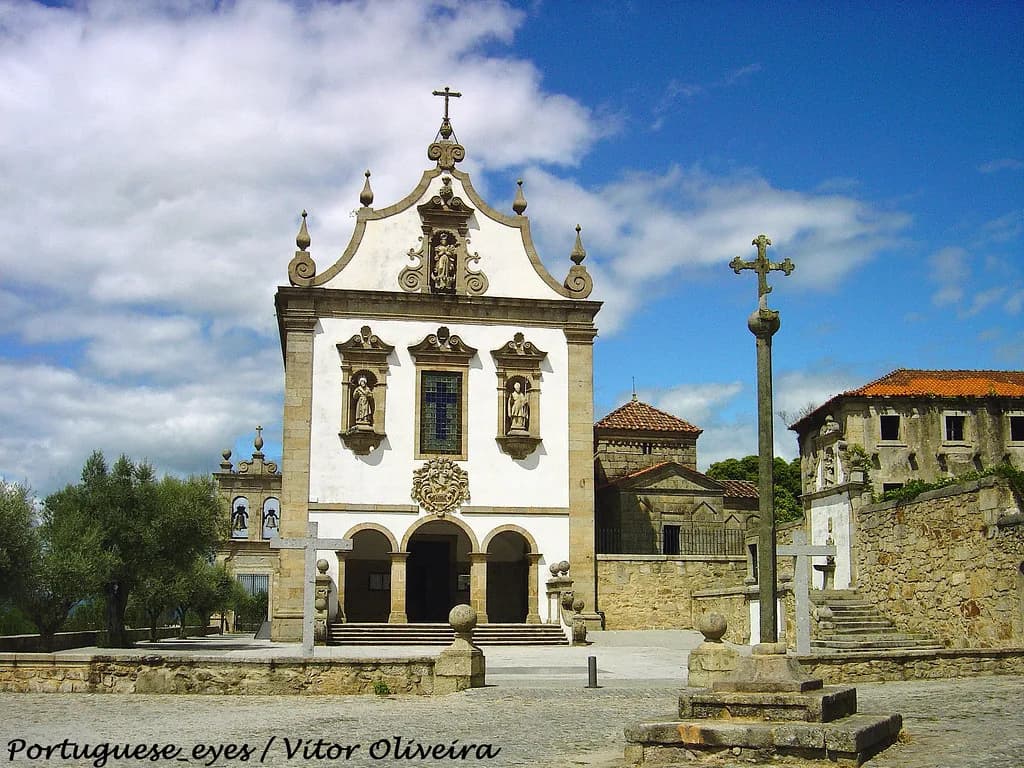
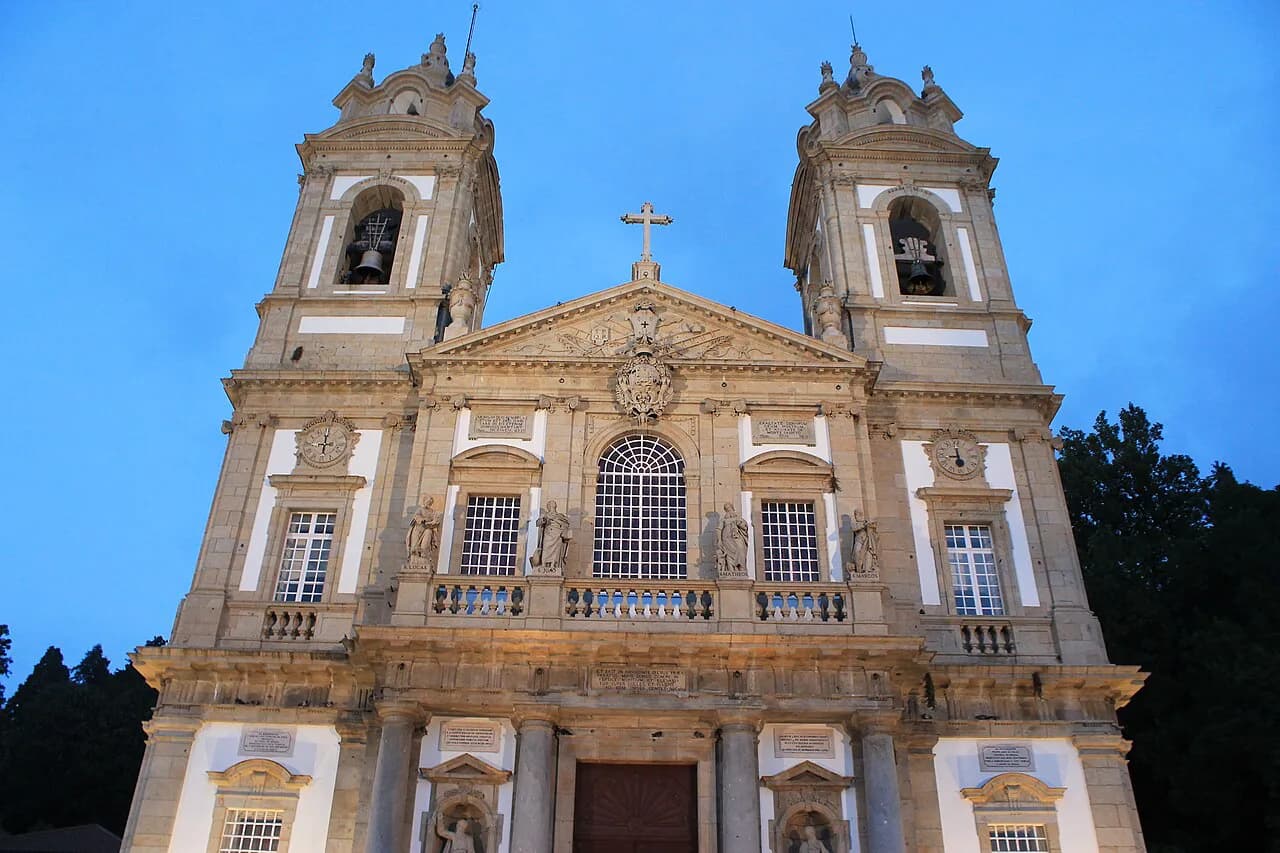
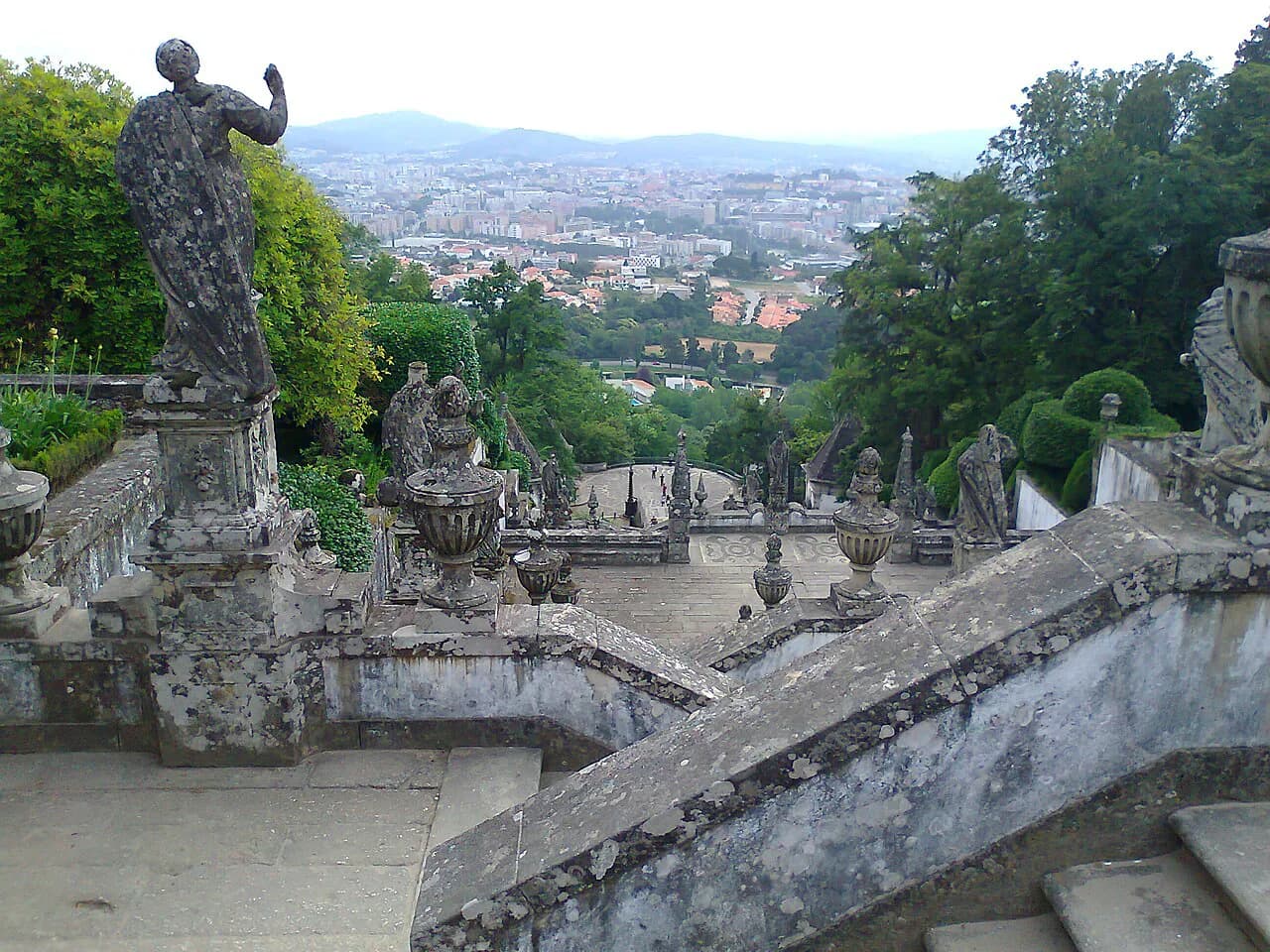
The Sanctuary of Bom Jesus do Monte, a UNESCO World Heritage Site, is the city's headline religious monument. Its Baroque staircases, fountains, grottoes and neoclassical architecture climb a hill above the city, and the view back over Braga rewards the effort.
Budget a few hours here rather than folding it into a city-centre morning, because it sits outside the historic core and the staircase alone takes time to climb at a sensible pace. If your break is short, this is the sight to protect in the schedule.
Where to walk to read the layers: Rua Dom Diogo de Sousa and the historic centre
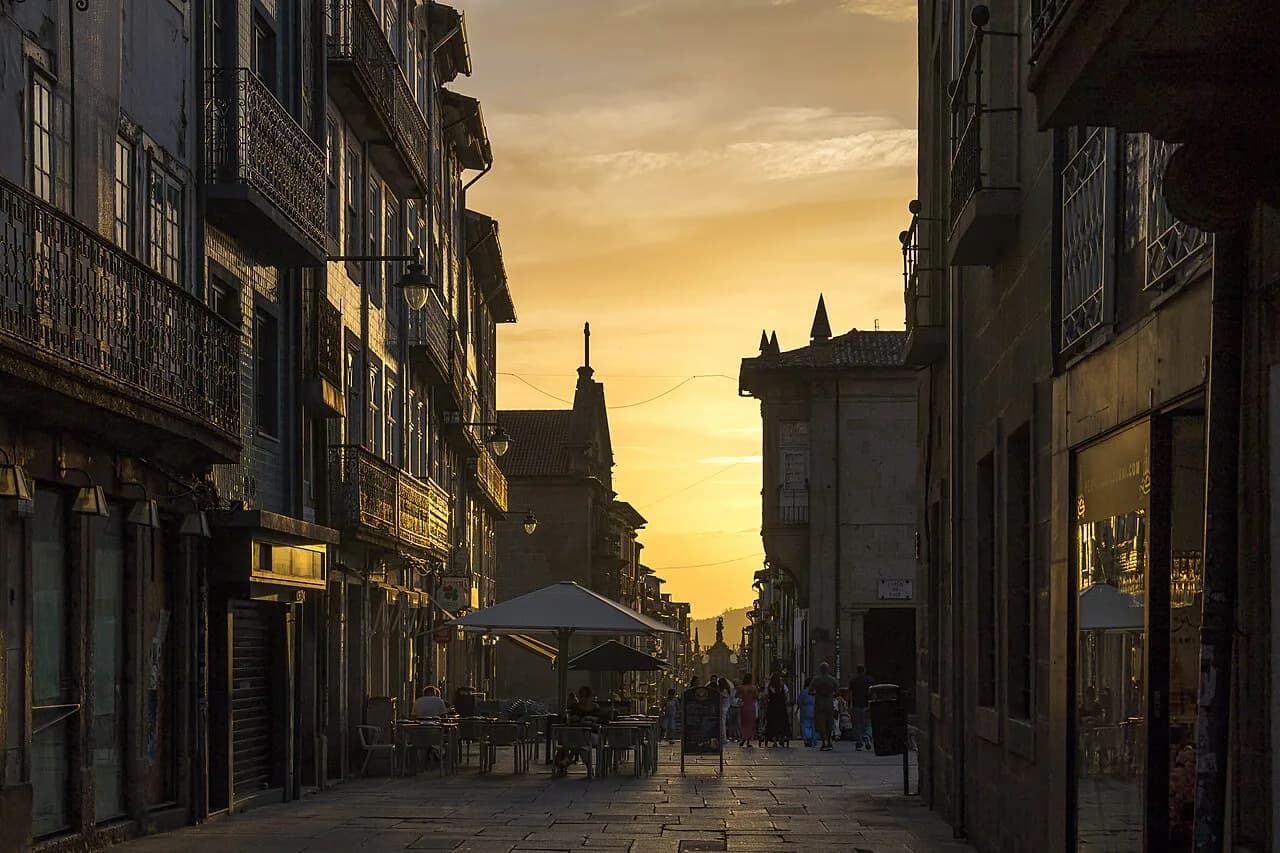
Rua Dom Diogo de Sousa, the main pedestrian street through the historic centre, is the simplest spine for a history walk: it strings together small squares, churches and hidden gardens in the order a visitor can absorb them. Start near the Arco da Porta Nova and work your way along it rather than zig-zagging across town.
The route is short enough to walk twice, once for orientation and once for detail. If you only have one morning, take the street slowly and skip anything that pulls you off it.
How long to give the history sights in a one to four day break
A weekend, or a day and a half, is enough to get acquainted with the best of Braga, and a single day trip is on the short side. That estimate covers the centre and Bom Jesus without rushing, provided you accept that you will not see every church.
In practice, give the historic centre with the Sé, the Arco and the Palácio do Raio the better part of a day, and hold a separate half-day for Bom Jesus. Anything beyond that is bonus, best spent on the smaller churches or the city's museums.
What Braga is known for today beyond the monuments
Modern Braga is a fast-developing municipality and a centre of Portuguese textile and clothing production, which is why the shopping streets are better than a city of this size suggests. It was named Youth Capital, a period marker of its café culture rather than a current title.
The city also trades on its religious monuments, the Sanctuary of Bom Jesus above all, and on a compact centre that rewards wandering on foot. Free things to do in Braga mostly involve exactly that: the streets, the gardens and the facades cost nothing to look at.
Should history decide your Braga itinerary?
Yes, but only as the frame, not the whole trip. Build one day around the Sé, the Arco da Porta Nova and the Palácio do Raio, keep a half-day for Bom Jesus do Monte, and let the rest of your break follow whatever the centre throws up.
If you are arriving from Porto, the train takes a little over an hour, which makes Braga easy to slot into a northern Portugal route without a car. Check current times and fares with Comboios de Portugal before you commit to a departure.
Explore more Braga guides
Frequently Asked Questions
What was Portugal before it was Portugal?
Before Portugal existed as a kingdom, the territory was shaped by Roman, Suebi and Visigothic rule. Braga is a good place to see that: it was founded as Roman Bracara Augusta around 16 BC and later became the capital of the province of Gallaecia, so the city's oldest layer predates the country by more than a thousand years.
What does "Braga" mean in English?
As a place name, Braga comes from Bracara Augusta, the Roman name for the settlement, so it has no everyday English translation. The city is still called Braga in Portuguese and English alike, and locals are known as bracarenses.
Which is better, Porto or Braga?
They do different jobs. Porto is the larger city with the bigger set of urban attractions, while Braga packs a Roman foundation, Portugal's oldest cathedral and the Bom Jesus sanctuary into a compact centre that suits a day and a half. If you have three days in the north, base yourself in Porto and give Braga a full day rather than choosing between them.
Do I need a guide to understand Braga's history?
No, but context helps. The Arco da Porta Nova, the Sé and the Palácio do Raio are close enough to link on foot, and a walking route through the old town gives the chronology a shape. For the cathedral's interior and the Roman layer, a museum visit fills in what the buildings themselves do not explain.
Sources
Notes for your next Portuguese break
Optional updates to our town guides.
You might also like
Continue reading
More guides you'll find useful