Things to Do in Aveiro: Canals, Moliceiros and Azulejos
Plan a short break in Aveiro with moliceiro boat trips, Art Nouveau streets, tiled station buildings, ovos moles and honest advice on how many days you need.
On this page
Two days is the right allowance for Aveiro, and one full day covers the essentials if you walk the canals in the morning and give the afternoon to churches and the museum. The town is compact and flat, so you can move between the canal front, the old town and the Cais da Fonte Nova basin on foot rather than planning around transport. This guide sorts the sights by area and theme, flags which stops cost money and explains where to pick up a boat.
Treat the 'Venice of Portugal' nickname as a comparison rather than a description: Aveiro has a canal network and gondola-like boats, not streets of water. What it does have is a former seagrass-harvesting fleet, a rich run of Art Nouveau and azulejo facades, and a working lagoon on its doorstep.
Aveiro in one to three days: the short answer
With one day, ride a moliceiro first thing, then walk the canal front and the shopping streets around the Forum, look into the Sé de Aveiro and finish with an ovos moles. With two days, add the Museu de Aveiro and its Convento de Jesus, the Mercado Manuel Firmino and a slow wander through the old town streets behind the water. A third day is best spent on the lagoon at Costa Nova rather than on more churches.
The walking is easy and the distances short, so the limiting factor is opening times, not geography. Group your stops by the canal rather than by a checklist: the boat landing, the ribbon bridges, the Cais da Fonte Nova and the market all sit within a comfortable loop.
How Aveiro is laid out: the central canals, Cais da Fonte Nova and the old town
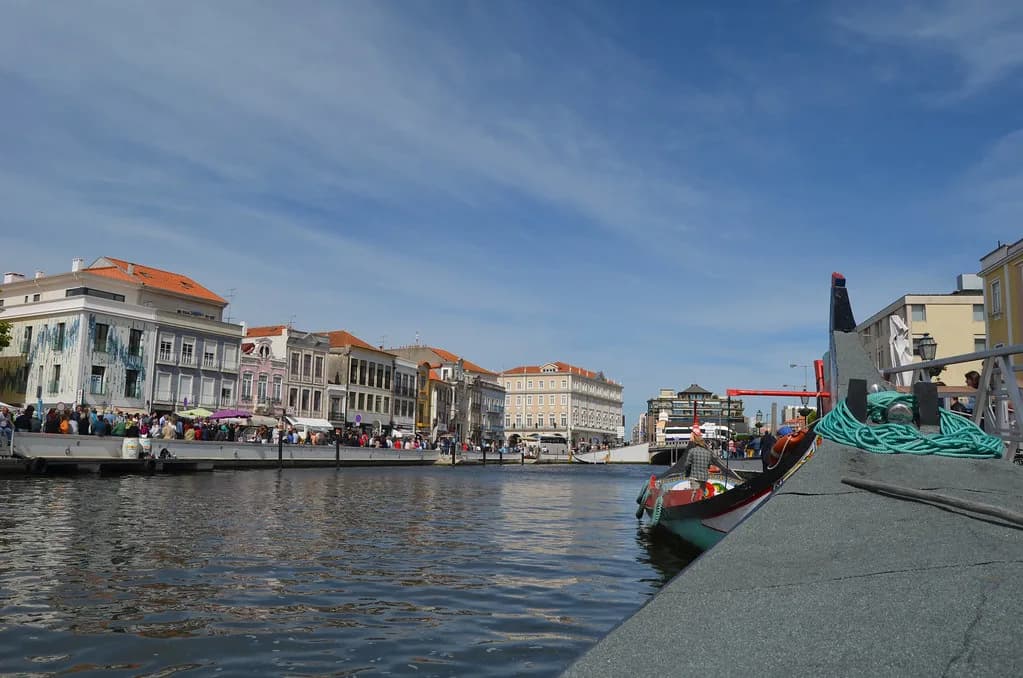
The Canal Central and its branch canals form the spine of the visitor's Aveiro, with the boat jetties, the Assembleia Municipal and the ribbon-covered bridges along the water. The Cais da Fonte Nova basin sits at the eastern end, framed by the old Jerónimo Pereira Campos ceramic factory, a red-brick landmark now used as a congress centre. Beyond that, the streets of the Beira Mar quarter and the shopping grid around the Forum give the town its everyday texture, and Aveiro Old Town is easy to cover on foot.
For orientation, start at the canal in front of the tourist office and walk east to the Fonte Nova basin, then cut back through the centre. That route passes the modern sculpture and the painted staircase near the basin without backtracking, and it puts you close to the market when you want a break.
Moliceiro boat trips: what the 45-minute canal tour shows you
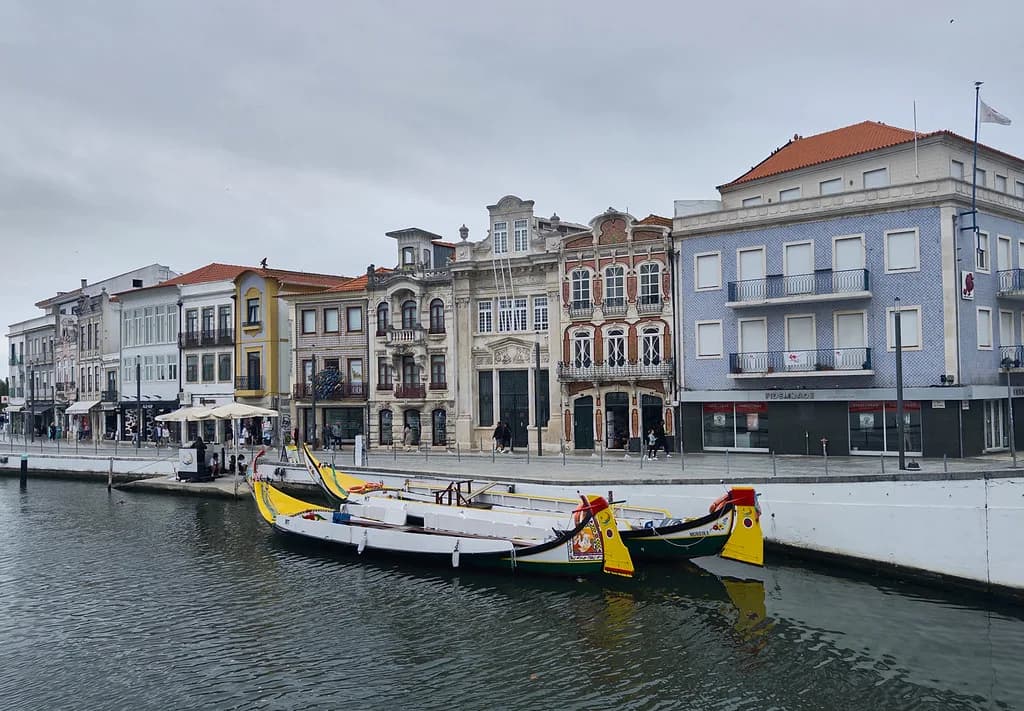
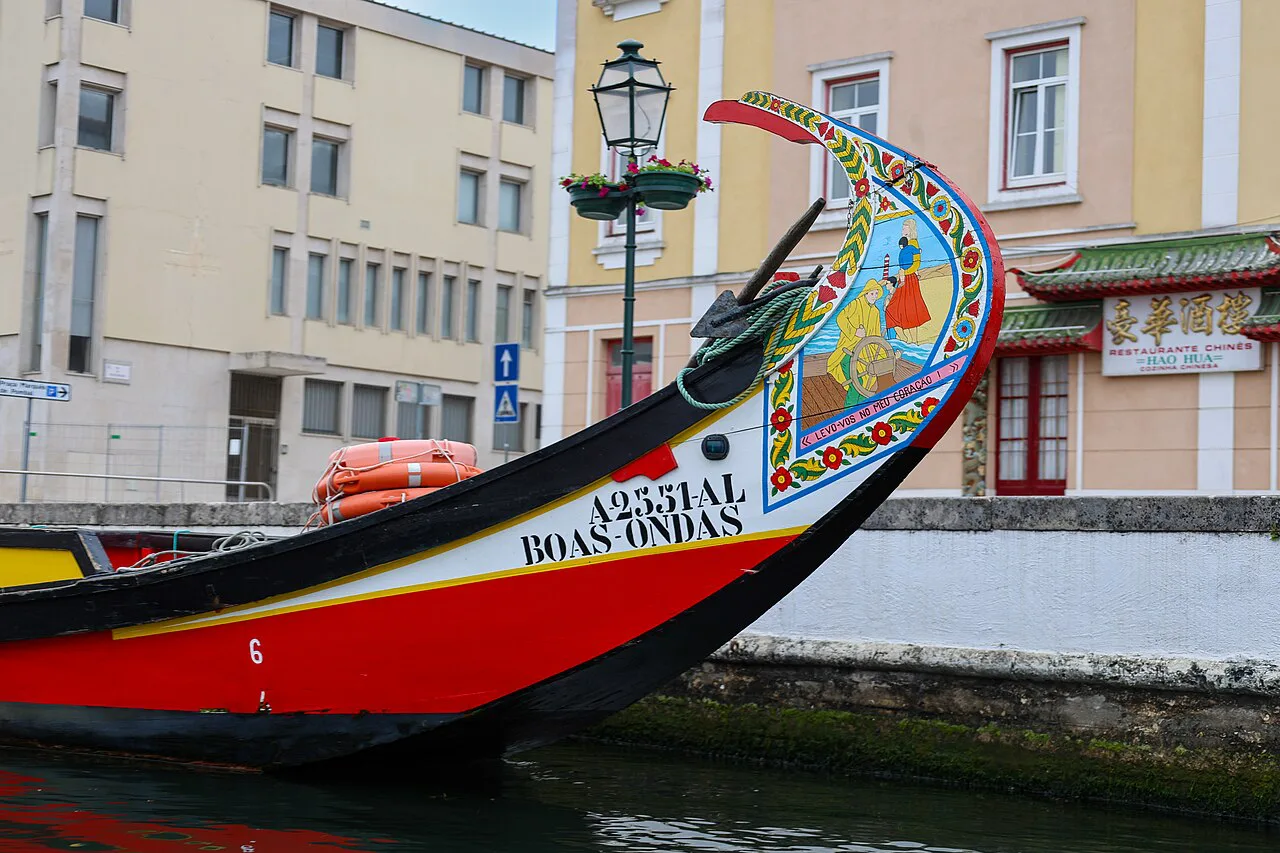
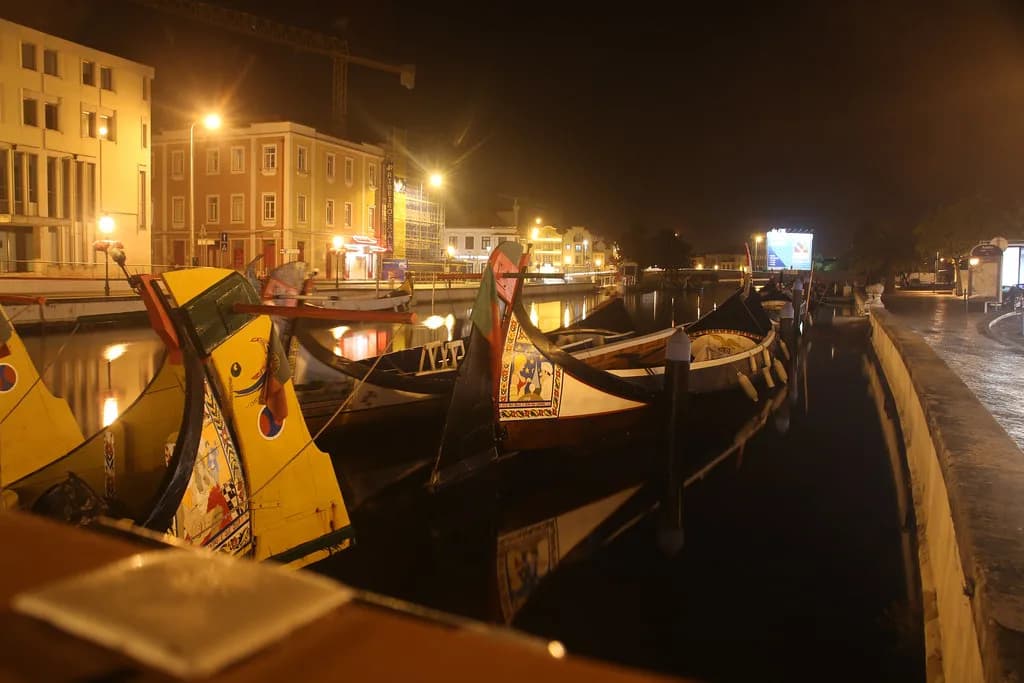
A moliceiro trip takes around 45 minutes and is the single best use of your first hour in Aveiro. The boats once carried moliço, the lagoon algae used as fertiliser until chemical fertilisers took over in the 1960s, and their painted bows now carry comic and satirical scenes. You pick one up on the stretch of canal nearest the tourist information office on Rua João Mendonça, and an Aveiro Walking Tour is an easy way to combine the landing with the surrounding streets.
The route takes in the historic centre, the waterfront Assembleia Municipal, the Fonte Nova basin in front of the old brick factory, the circular Ponte dos Botirões and stretches of the salt pans. It is a good way to see the salt flats without walking out of town. Guide quality varies between boats, so treat the trip as orientation and entertainment rather than a lecture.
Aveiro's architecture on foot: Art Nouveau, azulejos and the tiled station
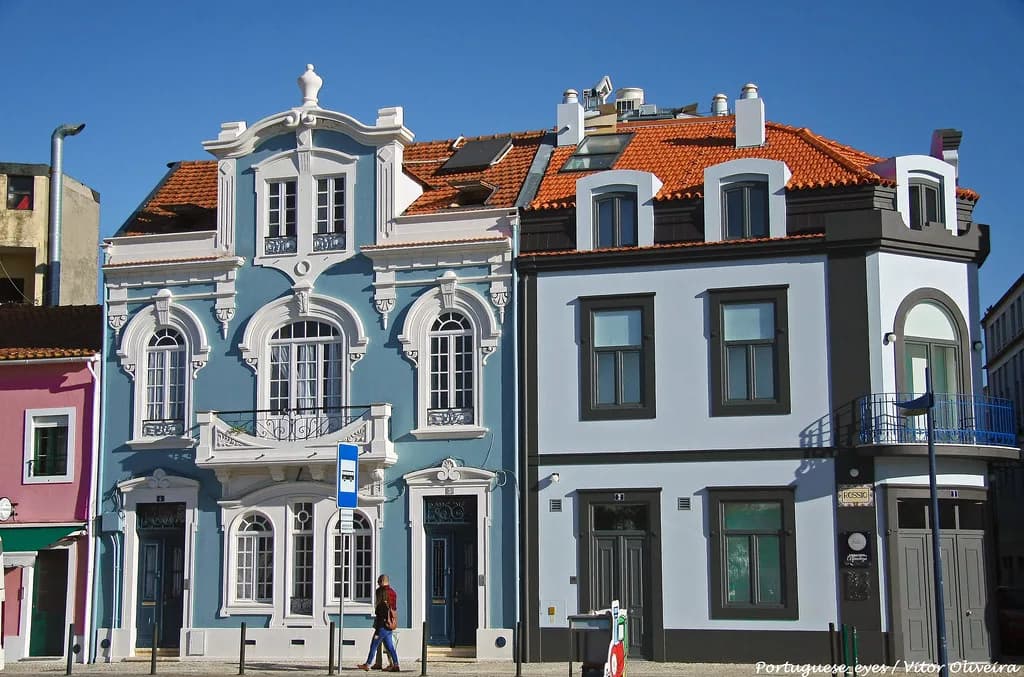
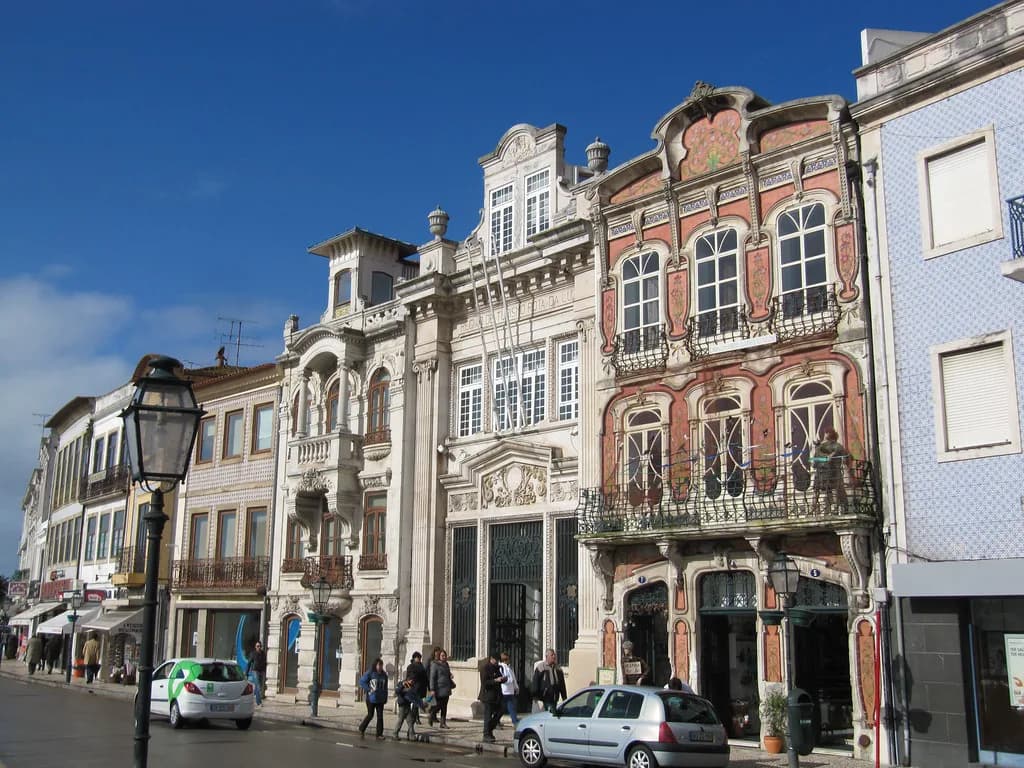
Aveiro belongs to the small Réseau Art Nouveau Network of European cities recognised for their Art Nouveau heritage, and the style shows in ironwork, tiles and curved facades across the centre. The best approach is a loose loop rather than a fixed trail: pick a few streets and look up. An Art Nouveau walk through the centre is the most rewarding hour in town after the boat.
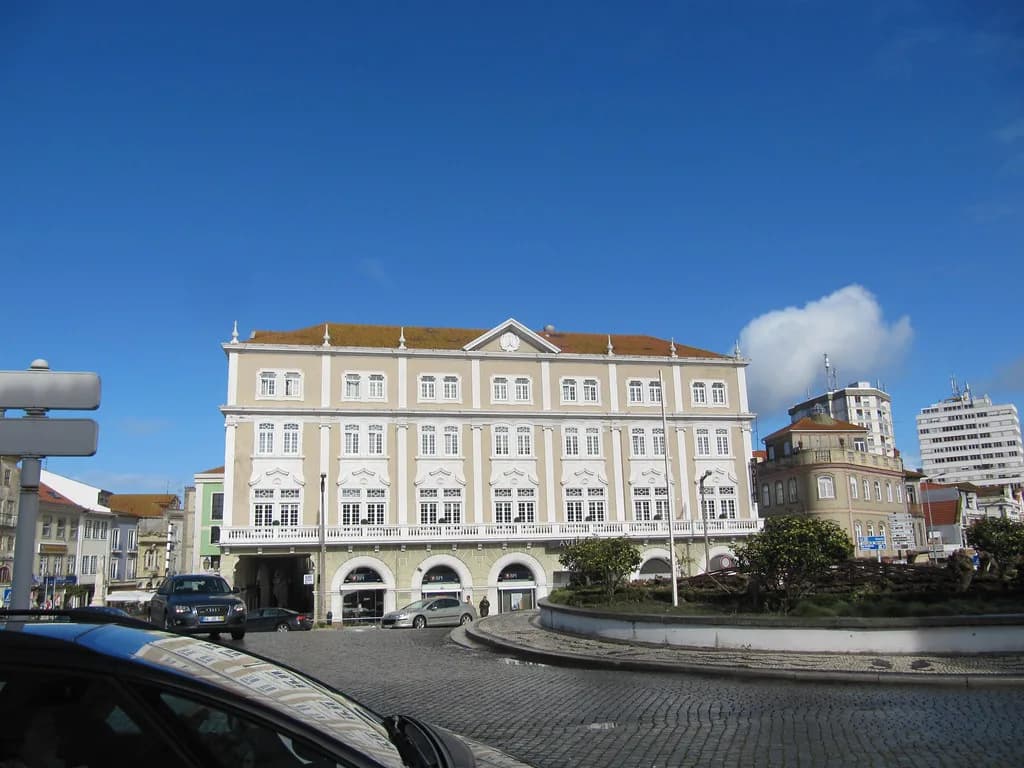
The old train station is worth the short walk even if you arrive by car: its blue-and-white azulejo panels were made in a local ceramic factory, and the building dates from 1864 with an early-1900s remodelling. Step inside for the local products displays covering wine, salt and sweets. For the tile tradition in more depth, follow the azulejos thread through the churches and civic buildings.
Public art fills the gaps between the grand facades, from the Vhils sculpted face opposite the new station to the murals under bridges and along retaining walls. None of it needs a ticket, so it works well as filler between opening hours.
Museu de Aveiro and the Convento de Jesus: what the ticket buys you
The Museu de Aveiro is the one paid interior most visitors should budget for. It occupies the former Convento de Jesus, and the highlight is the Baroque chapel with gilded carving and tiles, which holds the tomb of the beatified Princess Joana. Buy the ticket knowing that the church interiors elsewhere in town are free, so this is a deliberate choice rather than a default.
If your budget is tight or your time is short, the trade-off is straightforward: skip the museum and put the money and hour into the boat and a long coffee stop. The collection rewards anyone interested in religious art and Portuguese tilework, and it is the wrong stop for travellers who want only streets and water.
Sé de Aveiro and the churches worth stepping into
The Sé de Aveiro began as the church of a Dominican convent founded in 1464; the convent later served as military barracks and burned down in the mid-1800s, leaving the church standing as a national monument. It is a quick visit rather than a long one, and it anchors the higher part of the centre nicely. Pair it with the Praça da República and Rua de Coimbra, which carry much of the town's civic architecture.
The Church of the Carmelites is the free interior to keep in reserve, decorated enough to satisfy anyone who skipped the museum. Portuguese churches often shut over the middle of the day, so slot church visits into the morning or late afternoon and keep the market or a café for the lunchtime gap.
Mercado Manuel Firmino and the food side of Aveiro
Mercado Manuel Firmino, also called Mercado Coletivo, is the central market and a good half-hour of flowers, fish and everyday shopping. It is busiest on Saturdays and closed on Sundays, which makes it a weekday or Saturday-morning stop rather than a Sunday one. Build lunch around it if you like choosing from what you have just seen.
Aveiro eats well on seafood and lagoon fish, so a sit-down lunch of fresh fish is a reasonable use of an hour, and the canal front has the densest cluster of options. The local sweet is the other food stop: ovos moles, made from sugar, egg yolks and water wrapped in rice paper, shaped like barrels, shells and other sea motifs.
Ovos moles: where to try Aveiro's egg-yolk sweet
Confeitaria Peixinho is the prettiest place to try ovos moles and claims the most authentic version in town; the pastel interior alone justifies the stop. Padaria Ria Pão on Rua João Mendonça is the other useful address, serving them fresh with coffee rather than as a boxed souvenir. Neither will break a short-break budget, but expect prices on the counter rather than online.
If you want context rather than just a sugar hit, Oficina do Doce explains the history of ovos moles and shows how the sweets are made, with the chance to have a go yourself. It suits a wet hour or a family stop. Then buy a small box elsewhere in town and eat one fresh on the spot, because the rice-paper shell softens quickly.
Costa Nova and the lagoon, when you have a spare half-day
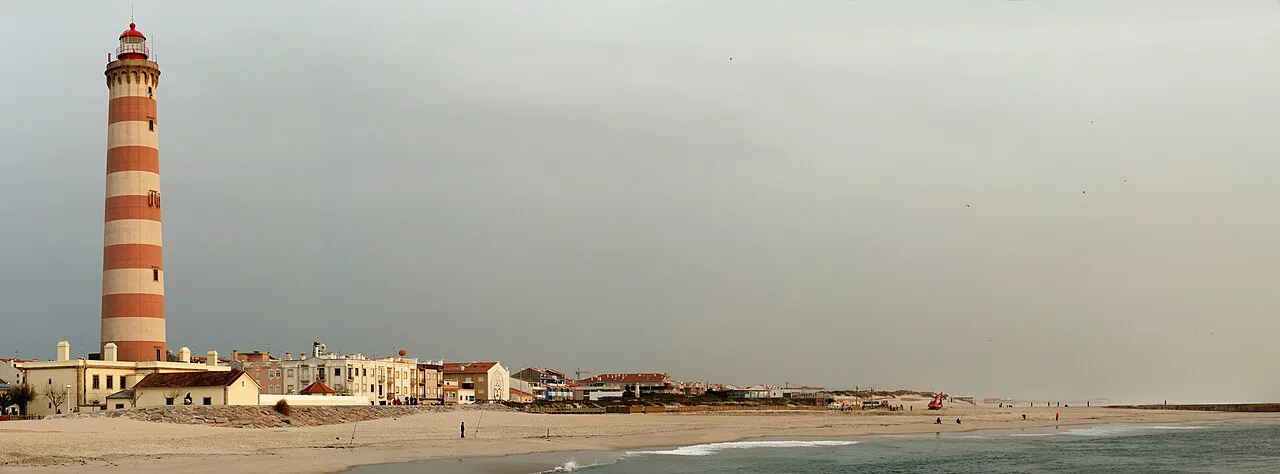
Costa Nova, the beach town on the lagoon side, is the natural half-day extension and the reason to give Aveiro two days rather than one. The canal boat already shows you the salt pans; the coast adds the striped houses and the Atlantic edge of the same landscape. Go in the morning and keep the town centre for the afternoon.
If you would rather stay in town, the Parque Infante Dom Pedro city park offers shade, ponds and a bandstand, and it costs nothing. It is a good midday pause when the churches are shut.
How many days Aveiro needs, and what to cut
One day: boat, canal walk, Sé, ovos moles. Two days: add the museum, the market and the old town streets. Three days: add Costa Nova and slow down. Cut the museum first if you are short of time, and cut Costa Nova first if the weather is against you. If you are weighing this against another northern city, our guide to things to do in Braga covers a similar one-to-three-day structure.
Aveiro is an easy day trip by train from Porto and works as a stop on a road trip between Porto and Lisbon, so it slots into a wider itinerary without much planning. The town rewards a slower walk more than a longer list, which is why the walking route matters more than the number of sights.
Practical trade-offs: boat timing, market days and lunchtime closures
Book the boat for the start of the day: the canals are calmer, the light is better for the painted bows and you still have the afternoon free. Keep Saturday for the market and avoid Sunday for it. If you have a car, the old station is still worth the detour on the way in.
Churches and small museums are where a plan breaks down, because Portuguese religious buildings commonly close over lunch and some sights shut one day a week. Check the day's opening hours at the door or on the venue's own page before committing to a route, and keep the market, the park and the boat as flexible fillers.
Is the moliceiro trip worth it, or should you walk?
Do both, but in the right order. The moliceiro gives you the shape of the lagoon and the salt pans in 45 minutes, and the walk afterwards makes sense of the streets. If you can only do one, walk the canals and spend the saved time on the Museu de Aveiro and an ovos moles.
For a town this small, the plan is simple: boat first, then the centre on foot, then the market or the park depending on the hour. Leave Costa Nova for the second day, and you will have seen Aveiro properly rather than ticked it off.
Explore more Aveiro guides
Frequently Asked Questions
Is Aveiro closer to Lisbon or Porto?
Aveiro sits on the Atlantic coast roughly halfway between the two, and it is widely treated as a day trip from Porto by train. Journey times vary by service, so check the operator's timetable for the day you travel rather than relying on a fixed figure.
What is Aveiro known as?
Aveiro is nicknamed the Venice of Portugal because of its canals and moliceiro boats. The comparison is about the water and the boats, not about a city built on a lagoon like Venice itself.
What is the history of Aveiro?
Aveiro grew wealthy on salt and the harvesting of moliço, a lagoon algae gathered for fertiliser, with roots going back to Roman times, and Brazilian immigrants left their mark on the town's Art Nouveau designs. The moliceiro boats carried that moliço until chemical fertilisers replaced it in the 1960s.
Sources
Notes for your next Portuguese break
Optional updates to our town guides.
You might also like
Continue reading
More guides you'll find useful