Museu de Aveiro / Santa Joana: What to See and How Long
Plan a visit to the Museu de Aveiro / Santa Joana: what the former convent holds, its opening days and hours, and how long the two routes take.
On this page
The Museu de Aveiro / Santa Joana is Aveiro's main museum, housed in the former Convento de Jesus, a Dominican convent founded in the 15th century. Allow two to three hours if you work through both the monumental route and the permanent collection, and go on a Tuesday to Sunday rather than a Monday. This guide covers what the building holds, how its two routes differ and whether it earns a place in a short city break.
It sits on Avenida de Santa Joana, a few minutes' walk from the canal-front centre, so it slots easily into a morning before or after the water. Bring an hour and a half if you only want the church and cloister; the museum rewards more, but the convent core is the part most travellers remember.
The former Convento de Jesus and its princess
The convent was founded in the second half of the 15th century by D. Brites Leitão and D. Mécia Pereira, and Princess D. Joana, daughter of King D. Afonso V, entered in 1472 and lived there devoutly. She was beatified in 1693, and the building's fame rests on that association. The religious community survived until the last nun died in 1874, after which the complex became a school before the museum was installed in 1911.
That history explains the shape of the visit: you are walking through a working convent that was adapted, enlarged and decorated between the 16th and 18th centuries, not a purpose-built gallery. The 1910 designation of the Igreja de Jesus as a national monument marked the moment the church was recognised as the prize within the complex.
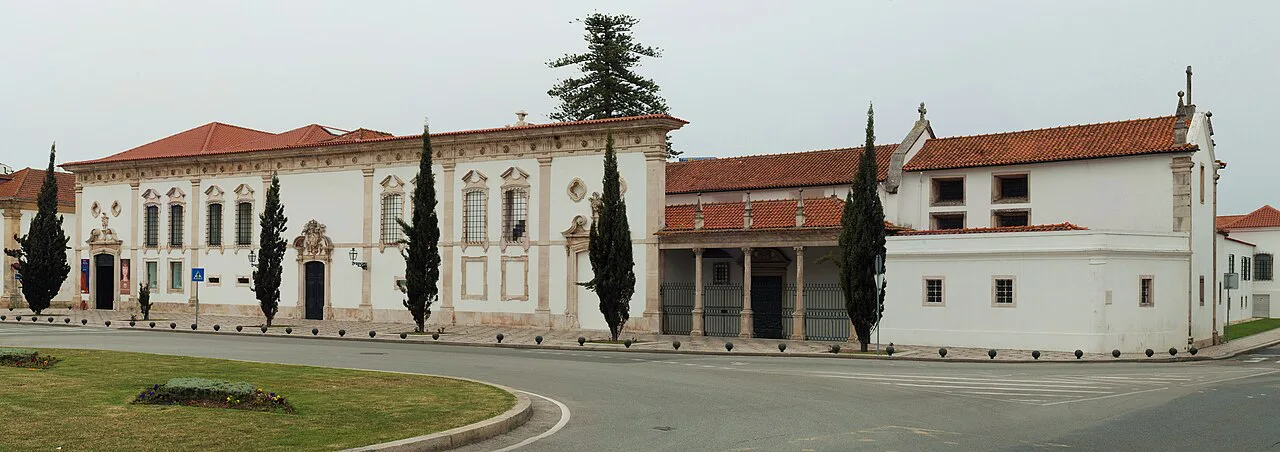
Where it sits on Avenida de Santa Joana
The museum's address is Avenida de Santa Joana, and the entrance is on the avenue rather than buried in the old lanes. From the canalfront and the pedestrian centre it is a short walk, which means you can pair it with the streets around the Aveiro old town without losing half a day to transport.
A sensible short-break shape is the museum in the morning, a canal-side lunch, then the water in the afternoon. If you are building a fuller itinerary around the city's canals and the Ria de Aveiro, the museum works as the indoor anchor of day one rather than an afterthought.
The monumental route: the Igreja de Jesus
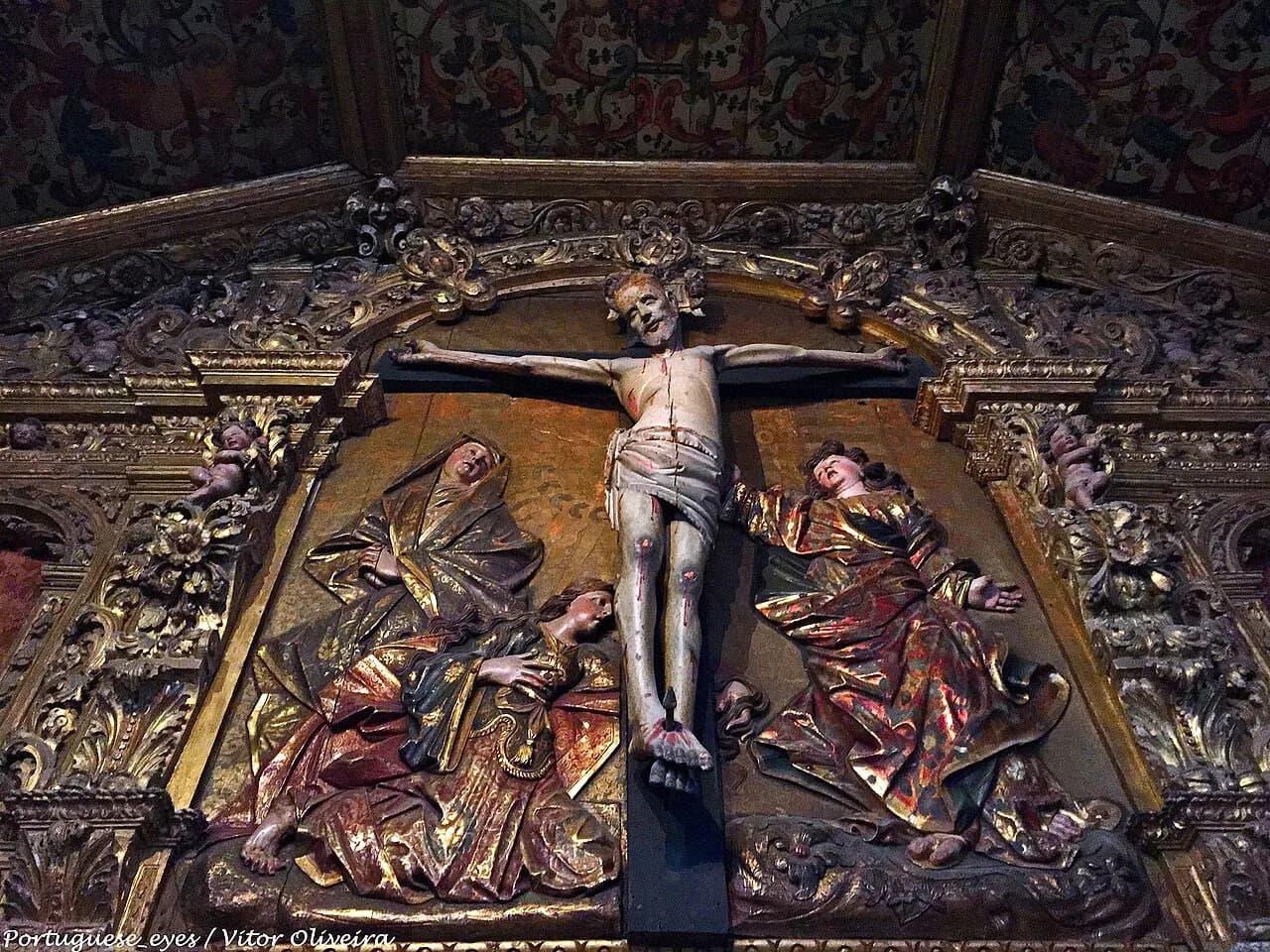
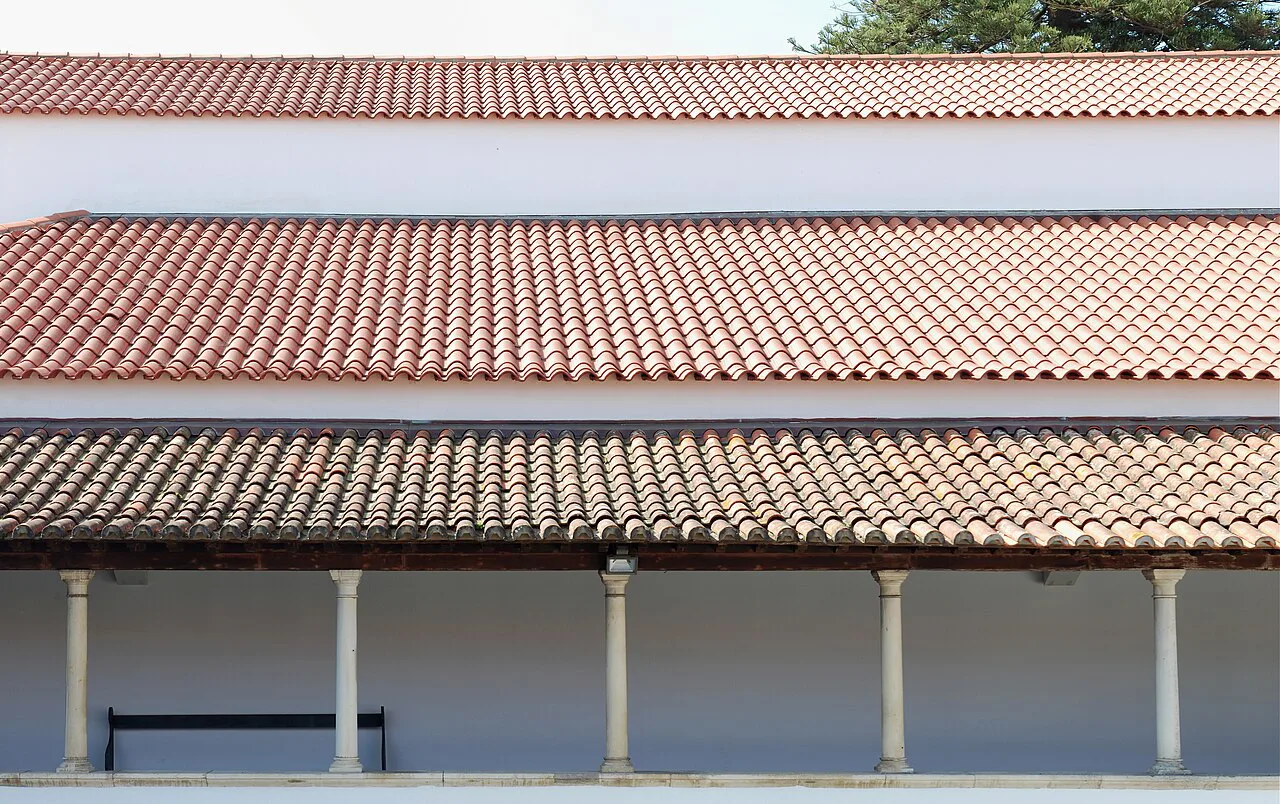
The ground floor carries the convent's showpieces: the low choir with the tomb of Santa Joana, the Igreja de Jesus, the cloister with its chapels, the chapter house and the refectory. The church is the highlight, covered in gilded carving and Portuguese azulejos and cited as a fine example of baroque exuberance. The main chapel was shaped by the stonemasons António Gomes and José Correia and the painter Manuel Ferreira e Sousa.
In the inner choir, the tomb of the princess is a baroque composition in multi-coloured marble with sculptural elements influenced by Italian models, designed by the court architect João Antunes. Look for it before you climb to the upper level, because the upper cloister leads to the high choir and adjoining devotional chapels and the route is not obviously circular.
Cloister, refectory and upper spaces
The late 15th- and early 16th-century cloister and the refectory, with its pulpit and tiled walls, are the quiet counterweight to the church's gold. The upper-floor cloister gives access to the high choir and the chapels beside it, and two survivals of the old convent — the Sala de Lavor and the Capela do Senhor dos Passos — sit within the permanent display.
This is the part of the visit that rewards slowing down: vaulted corridors, tiled surfaces and rooms that were built for silence. If you are travelling with someone who tires of museums quickly, the church and cloister deliver the atmosphere in under an hour.
The permanent collection
Alongside the monument, the museum holds a significant collection of painting, sculpture, carving, tiles and goldwork. Treat the collection as the second half of the visit rather than the reason to come: it gives context to the building, but the convent rooms are what justify your time.
If tiles are your interest, this is a useful complement to the azulejo-covered facades you will pass elsewhere in the city. Save the collection for when legs are tired or the weather turns; it is the indoor, contemplative stretch of an Aveiro break that otherwise runs on canals and boats.
Opening days and hours
The museum opens Tuesday to Sunday, 10.00–12.30 and 13.30–18.00, and closes on Mondays, Christmas, Easter and 1 May, according to the Centro de Portugal listing. Those hours are the published pattern, and they can change around public holidays.
The lunchtime gap matters more than it looks: the doors shut for an hour between 12.30 and 13.30, so a late-morning start of 11.00 gives you a compressed visit unless you plan to return after eating. Aim for 10.00 if you want the full two routes in one push.
Admission is charged, but no current ticket price is published here; check the price at the desk or on the museum's own page when you arrive. Do not assume the free-entry Sundays that apply to some Portuguese national museums extend to this one.
How long to allow, and who should prioritise it
Two to three hours covers the monumental route and the collection at a reasonable pace, with more if you read every label. A focused 90 minutes gets you the Igreja de Jesus, the inner choir, the cloister and the refectory, which is the honest core of the visit.
Choose this museum first if you like baroque interiors, tiles and convent architecture, or if rain has cancelled a boat or canal plan. Skip it, or cut to the church alone, if your one full day is dry and you would rather spend the hours on the canals and the Ria de Aveiro.
It also suits a half-day when the weather turns, since the whole route is indoors and the building is large enough to absorb an afternoon. Grouping it with the old town's streets keeps the walking short and leaves the evening free.
Museum or morning on the water?
Give the Museu de Aveiro / Santa Joana a morning if you want one indoor, high-quality stop in Aveiro, and go on a Tuesday to Sunday with a 10.00 start. If the sun is out and your break is only a day or two, the church and cloister in 90 minutes is the sensible compromise. For the wider picture, see our Things to Do in Aveiro guide before you commit the hours.
Explore more Aveiro guides
Frequently Asked Questions
Are museums free in Portugal?
Not generally. Many Portuguese national museums and monuments charge admission, and some offer free entry on particular days of the week or month, but the rules vary by venue. The Museu de Aveiro / Santa Joana is a charged museum, so check the current price at the desk rather than assuming free entry.
What city in Portugal is known as the Little Venice of Portugal?
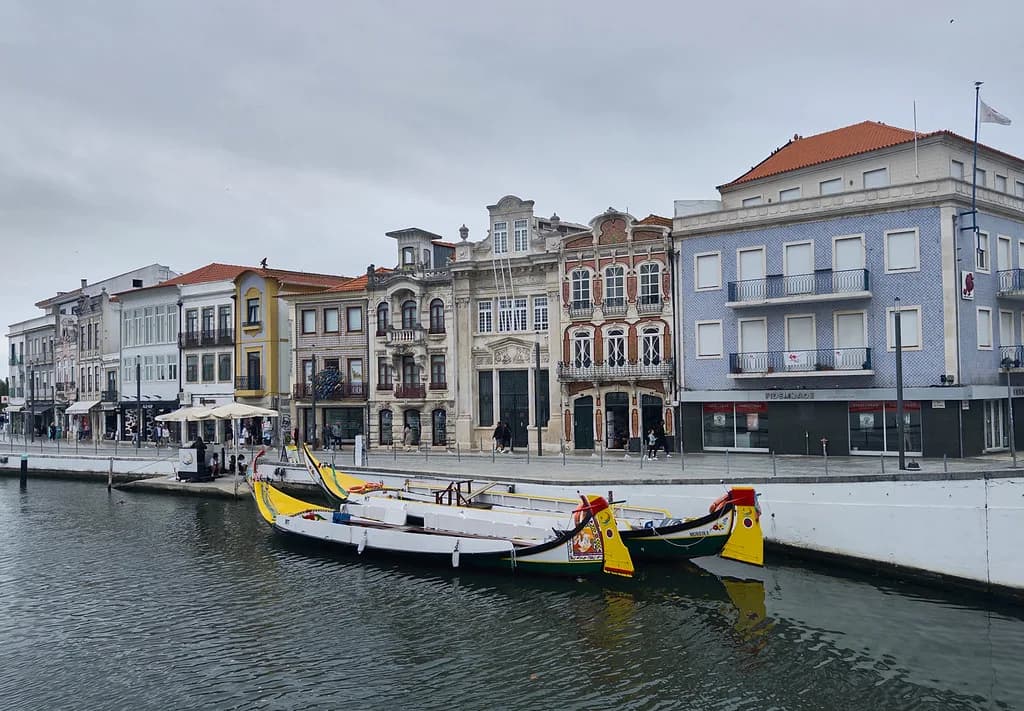
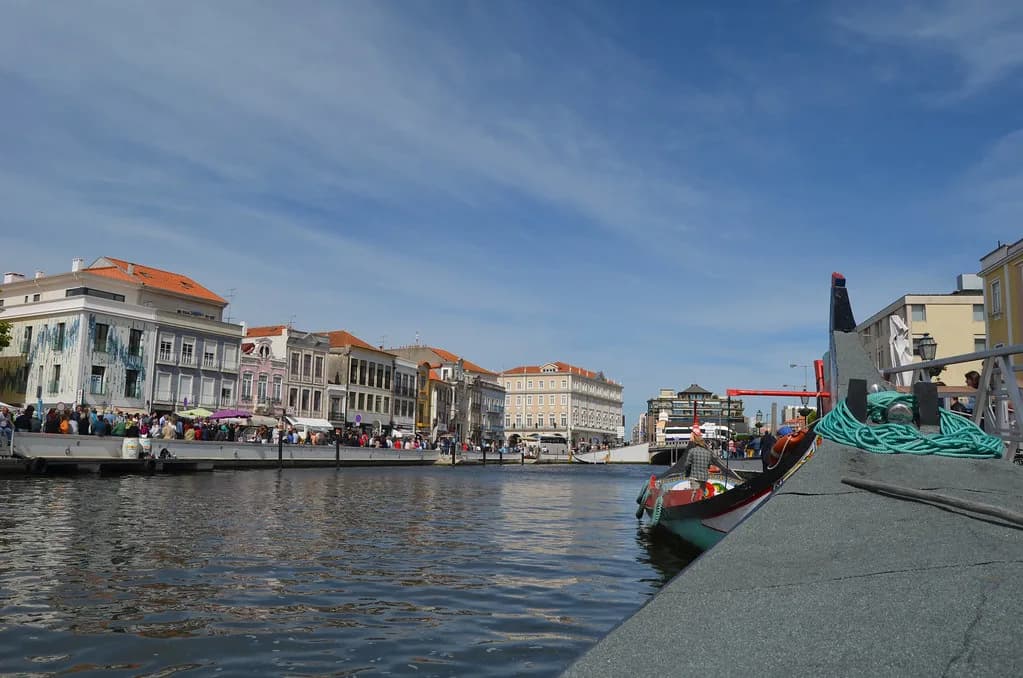
Aveiro carries that nickname because of its canals and the moliceiro boats that work them. The Museu de Aveiro / Santa Joana sits a short walk from the canalfront, so it fits naturally into a day built around the water.
Sources
Notes for your next Portuguese break
Optional updates to our town guides.
You might also like
Continue reading
More guides you'll find useful