Aveiro Canals: Walking the Central Waterways and Moliceiro Boats
Aveiro's canals are best seen on foot. Walk the Canal Central and quieter side channels, cross the bridges, and weigh up a moliceiro boat ride.
On this page
Aveiro's canals reward walking more than any single boat ride, because the water threads through the centre in short, connected stretches you can link on foot in an afternoon. Start at the Canal Central, follow the smaller channels out to the quieter eastern reaches, and treat a moliceiro trip as an addition rather than the main event. This guide names the individual waterways, the quays worth lingering on and the arrival route from the railway station, then sets out how much time the canals need in a one to four day break.
The city sits on the Ria de Aveiro, a lagoon network that shapes both the waterways through the centre and the wider landscape around it. If you want the wider picture before you start, the Ria de Aveiro history and geography are covered elsewhere in our things to do in Aveiro guide, which places the canals alongside the rest of the city. Read that first, then use this page to plan the actual walking order.
What the Aveiro canals actually are
The waterways through Aveiro belong to the Ria de Aveiro, the coastal lagoon system that runs inland from the Atlantic. What visitors walk beside is a set of channels cutting through the built-up centre rather than one grand canal, and the named stretches are the useful unit for planning: Canal Central, canal de São Roque, canal das Pirâmides, canal do Cojo and the Canal dos Santos Mártires. Treating them as a series of linked walks, rather than a single sight, is what makes the city easy to navigate.
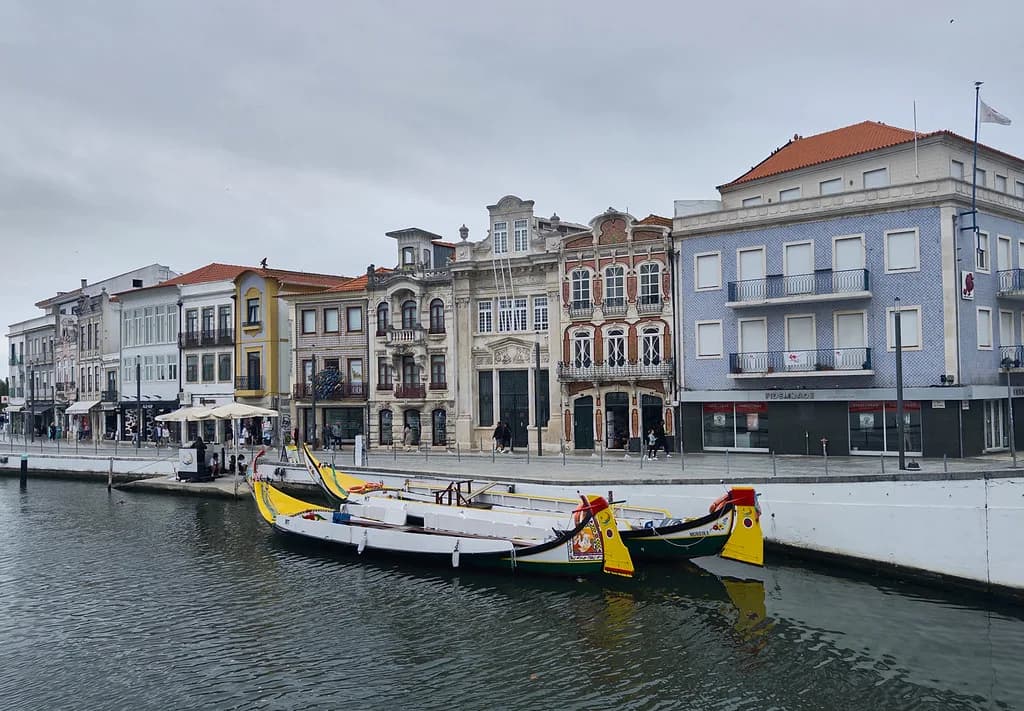
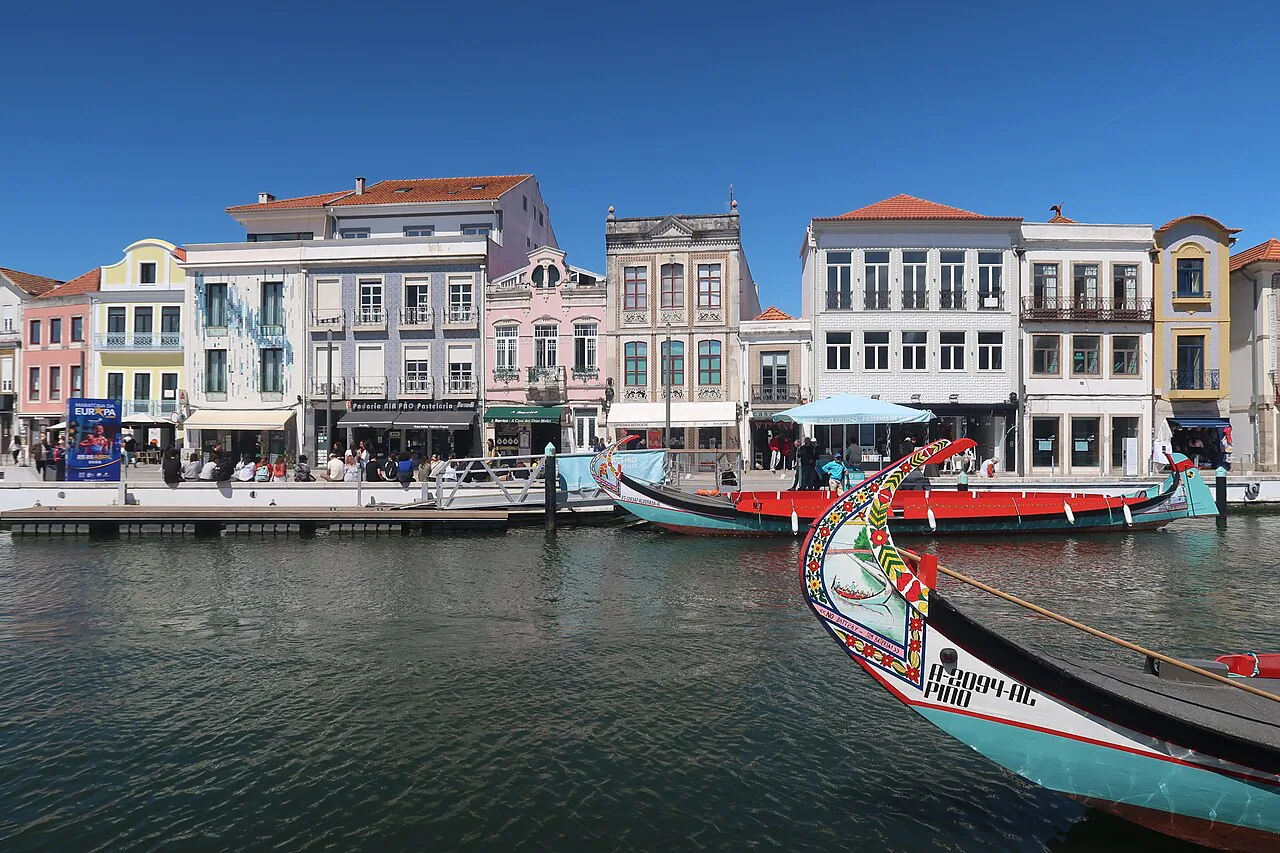
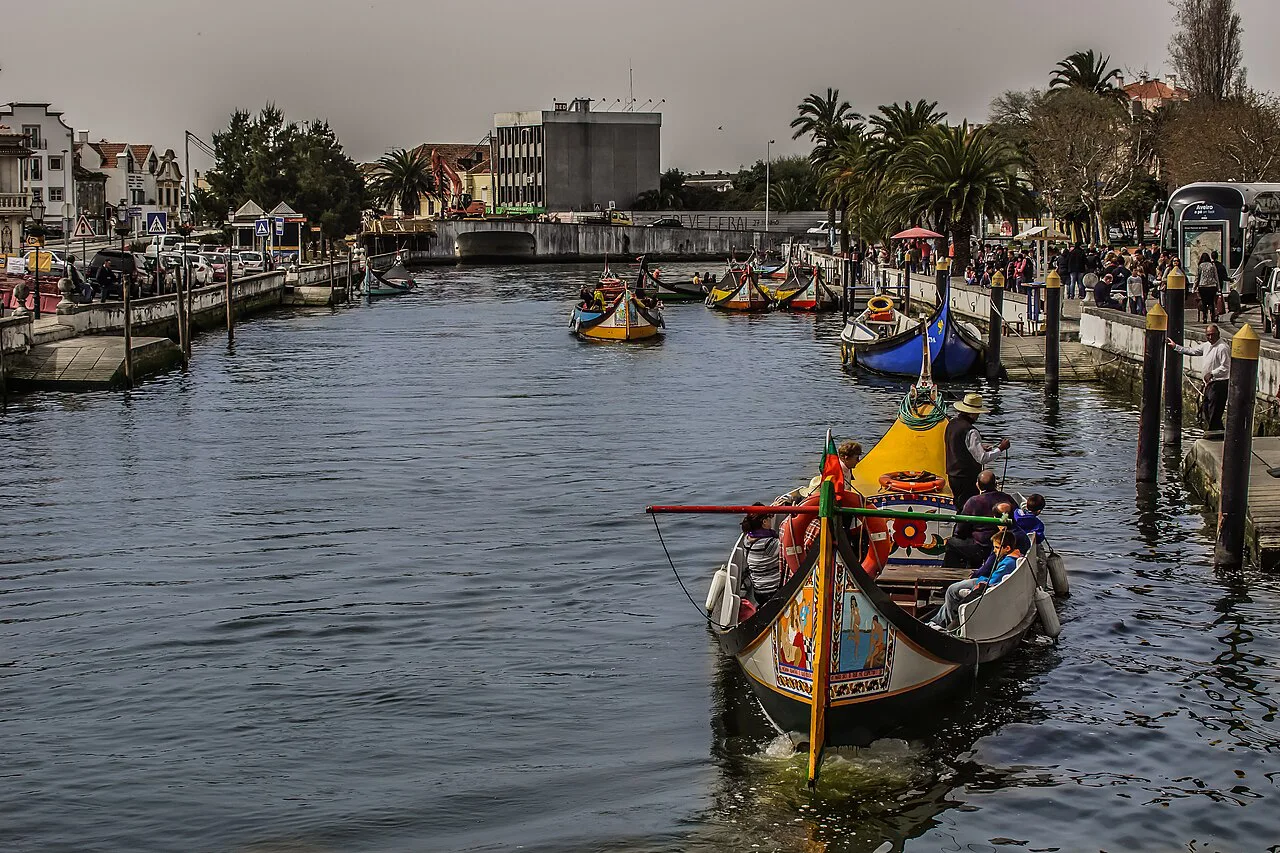
The Canal Central de Aveiro is the principal waterway running through the city centre, forming part of the Ria de Aveiro lagoon network and giving the central quaysides their shape. It is the stretch most travellers picture, with boats, bridges and facades on both banks, and it is the natural place to begin because everything else branches off it. From there the smaller channels draw you away from the busiest stretches.
Which canal to walk first
Begin on the Canal Central and walk one bank out and the other back, crossing at the bridges so you see both sets of facades. The water is at the centre of the view here, and this is where first-time visitors get their bearings fastest. Once the central stretch feels familiar, branch onto canal de São Roque, canal das Pirâmides and canal do Cojo, which sit close together and can be linked into a single loop rather than treated as separate outings.
The order matters less than the habit: follow the water, and use the bridges to change sides whenever a facade or a quay looks worth a closer look. For a structured version of the same walk, our Aveiro walking tour picks up the centre's streets and squares and can be stitched onto the canal route without much doubling back.
The arrival walk from the railway station
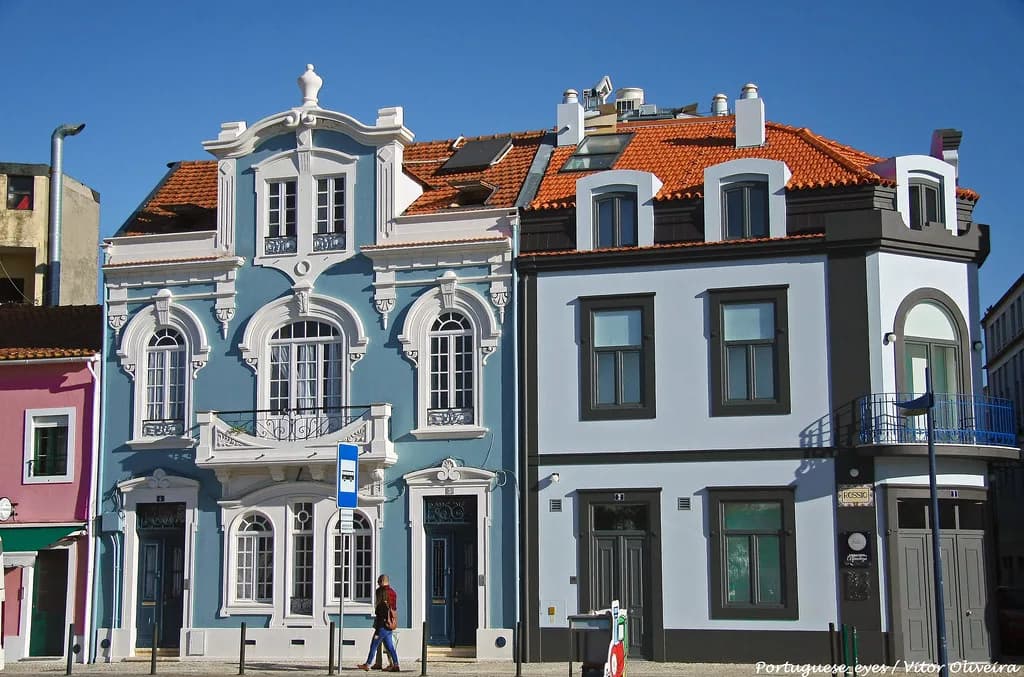
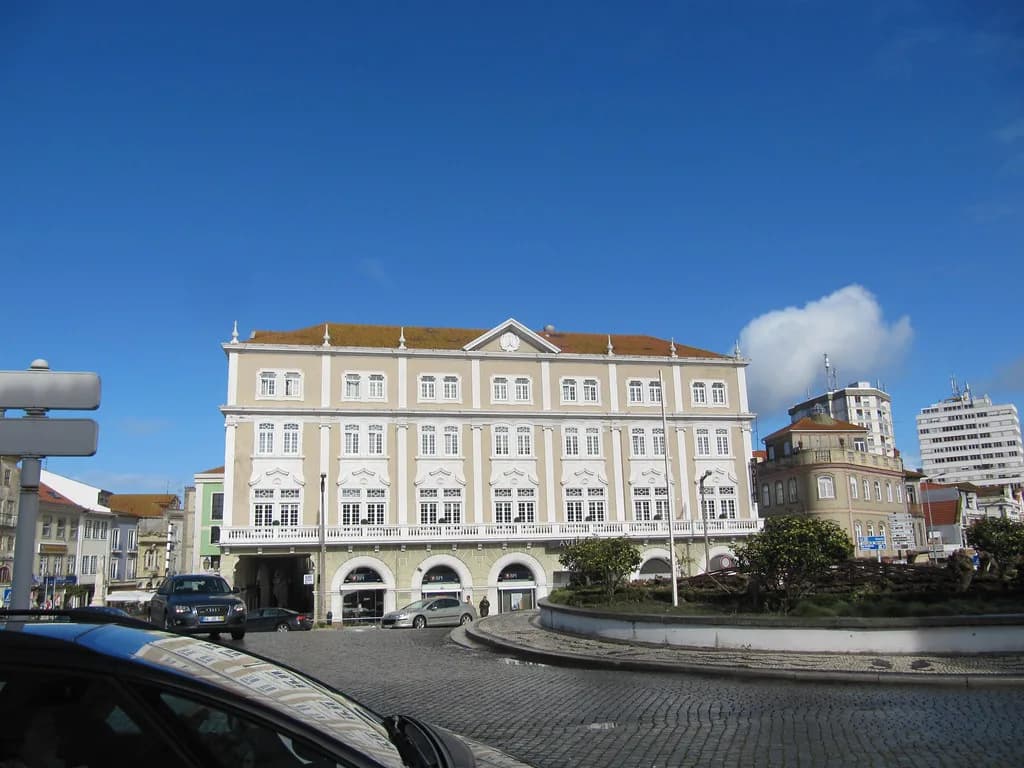
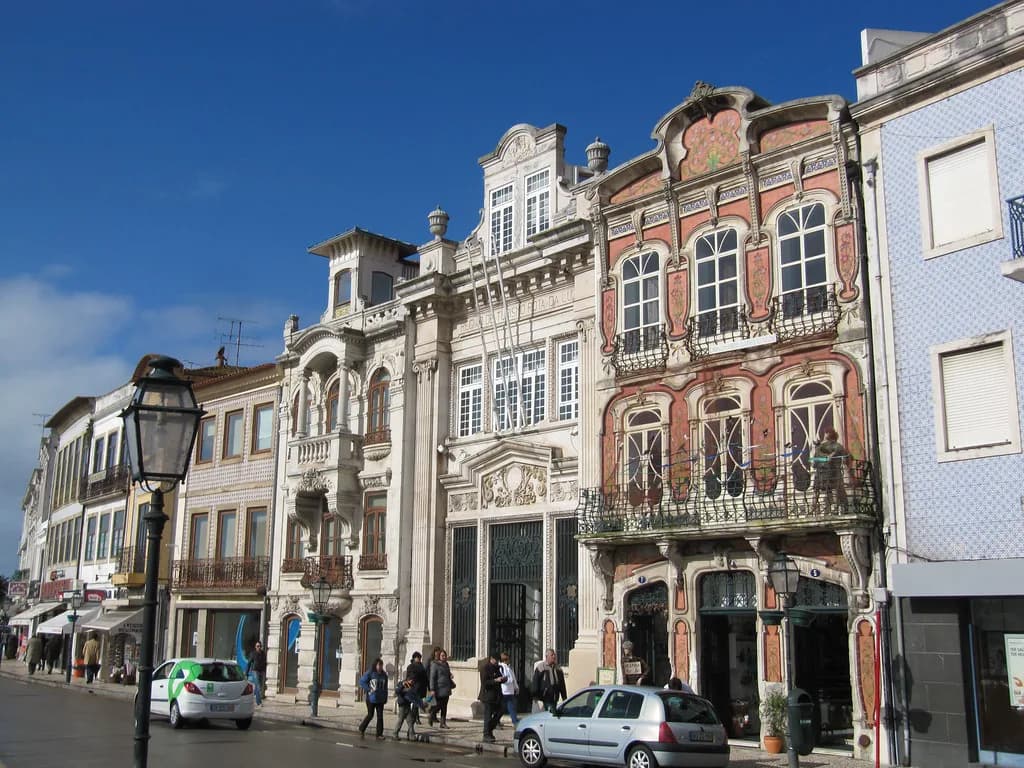
The obvious and shortest route from the railway station is along Avenida do Doutor Lourenço Peixinho, the broad street where the city's Art Nouveau buildings line up on the way into the centre. Walking it gives you a straight introduction to Aveiro's architecture before you reach the water, and it costs nothing. If Art Nouveau is your reason for coming, this street is the place to slow down.
Arriving by train rather than on an organised trip from Porto keeps the day flexible and lets you set your own pace along the canals, which suits anyone who prefers a long lunch to a fixed itinerary. The station itself is an old building worth a glance before you set off down the avenue. From the avenue, the centre and the first canal banks are a short walk away.
Quays worth lingering on
Cais dos Mercantéis and Cais dos Botirões form a handsome quayside by the fish market, with plenty of places to eat and drink looking over the water. This is the stretch to build a lunch stop into, and on a quiet weekday it feels far removed from the busiest central crossings. Pair it with a look at the Aveiro market nearby if you want to see the city doing ordinary business rather than posing for visitors.
At the other end of the central network, the Cais da Fonte Nova basin sits by a modern shopping complex, where the canal is noticeably quieter than the middle of town. It is a useful starting point if you arrive from the south side, and the walk west from the basin into the centre follows the water the whole way. Boat traffic here is lighter, which makes it a calmer place to watch the moliceiro go past.
Bridges and Art Nouveau facades
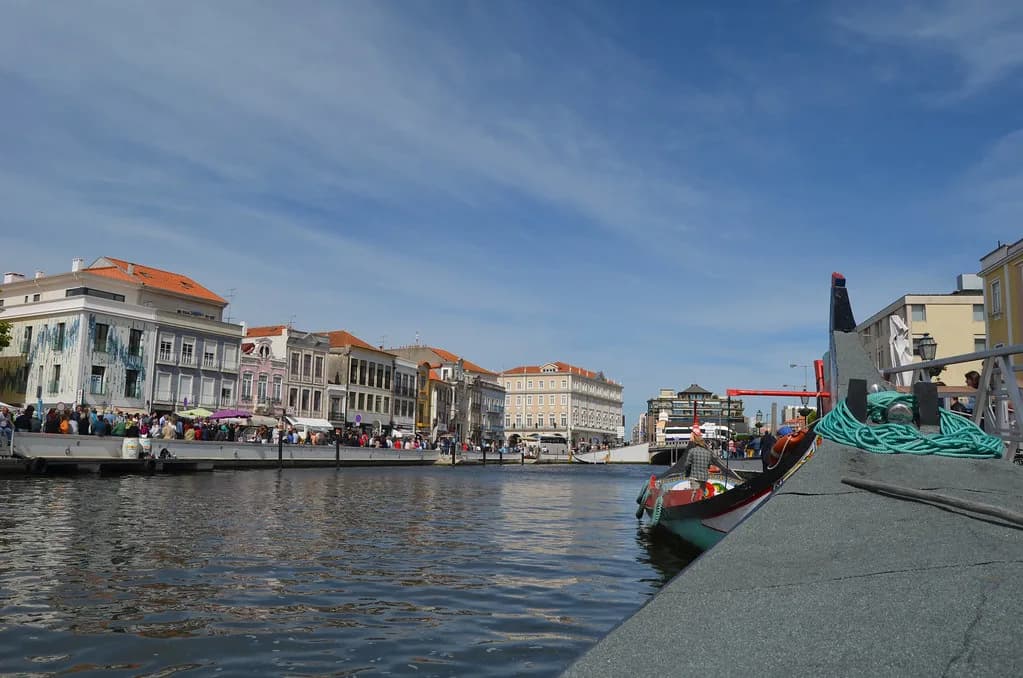
The pleasure of the canal banks is the pairing of water and architecture: bridges to cross, facades reflected in the surface, and the changing light that makes the same stretch look different an hour later. Because the canal walls are quite high in places, the view from the water's edge is often framed rather than open, and you see the buildings across the channel more clearly than the water immediately below you. Walking lets you choose where to stop for that view.
Aveiro's azulejos are part of the same streetscape, on church fronts and civic buildings close to the water, and they reward a slower pass on foot. If tilework is a priority, plan the canal walk to pass the churches and facades where the panels survive in the greatest concentration. Our Azulejos in Aveiro guide identifies where to look.
Moliceiro boats: what a ride adds
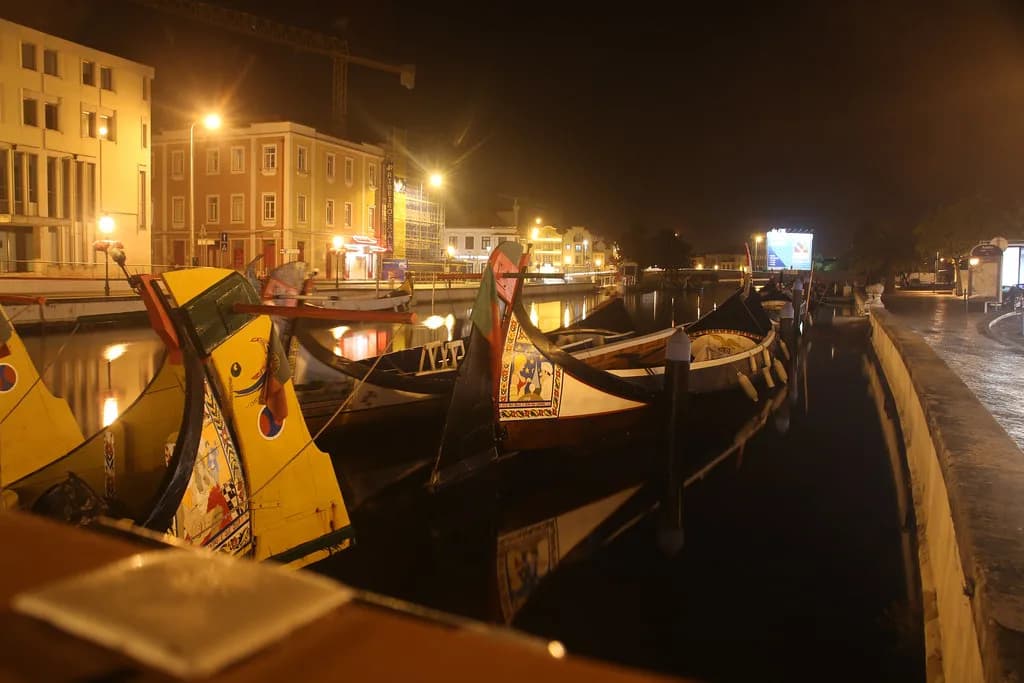
The moliceiro boats once worked the lagoon under sail, harvesting moliço, the sea grasses and weed from the shallows; today they are engine-powered and carry visitors around the waterways instead. They are painted with scenes that reflect the boat or its owner's origins, and they are the most photogenic thing on the water. Boarding one gives you a running commentary and a view from water level that the towpaths cannot match.
The honest trade-off is coverage: the boats do not explore every canal section, so a ride shows you the main channels from the water but skips the narrower stretches you can reach on foot. Walking, by contrast, takes you along the quieter eastern water and past the buildings at your own pace, but gives you no commentary and no view from the centre of the channel. Doing both, with the walk first and the boat second, is the combination that shows you the most.
Fares, departure points and how long a ride lasts vary between operators, and the quaysides are where you compare them in person before deciding. Our Aveiro boat tour guide covers what the trips involve and how they compare with a self-guided walk.
Quieter water: Canal dos Santos Mártires
South-east of the centre, the Canal dos Santos Mártires is narrower and quieter than the central channels, and it makes a good counterweight to the busier quaysides. Walk it after the Canal Central rather than before, so the contrast lands: the same city, the same water, far fewer people. From there you can meander back towards Avenida do Doutor Lourenço Peixinho and the railway station without retracing the whole route.
The old town streets sit close to this eastern water, so the canal walk and the historic centre fit naturally into one loop. Our Aveiro old town guide covers the streets and squares to fold in, including the Beira Mar neighbourhood, so you are not simply following water and missing the city behind it.
How long the canals need
On a one-day visit, give the canals a half-day: the arrival walk down the avenue, the Canal Central loop, the Mercantéis and Botirões quays for lunch, and either a moliceiro ride or the eastern channel, not both. With two days, walk the central and eastern waterways on one day and take the boat on the other, which lets you see the main channels from both levels. Three or four days leaves room to add the museums, the cathedral and the old town without rushing the water.
The canals are free to walk, which makes them the easiest way to fill a spare morning if a museum is closed or the weather turns grey. A boat ride is the paid extra, and it is worth budgeting for separately rather than assuming it is included in a day out. Our free things to do in Aveiro guide covers the rest of the no-cost options.
Walking versus boarding a moliceiro
Choose walking if you want to cover the smaller channels, linger over facades and eat where the mood takes you; choose a moliceiro if you want the water-level view, the painted boats and a commentary that explains what you are passing. The best plan uses both: walk the centre in the morning while the quays are quiet, then take a boat in the afternoon when you have your bearings and know which buildings you want to see from the channel.
If you are combining the canals with shopping, the centre's streets around the water carry the usual Portuguese names alongside the tourist shops, and the two fold into a single afternoon without much detour. Our shopping in Aveiro guide covers where to look. Allow the canals the time they deserve rather than squeezing them between purchases.
Should you walk the canals or take a moliceiro?
Walk the canals first and take a moliceiro only if you want the water-level view and the painted boats. Walking gives you the Canal Central, the side channels and the eastern Canal dos Santos Mártires in one flexible afternoon, and it costs nothing beyond what you eat and drink along the way. The boat adds the main channels seen from the water and a commentary, but it does not cover every stretch the towpaths do.
Build the day around the water rather than around a single sight: start at the station, follow Avenida do Doutor Lourenço Peixinho into the centre, loop the Canal Central, stop at the Mercantéis and Botirões quays, then choose either the boat or the quiet eastern channel. If you have a second day, add the Aveiro museum or the cathedral without cutting the canal walk short. Everything else in the city fits around that spine.
Explore more Aveiro guides
Frequently Asked Questions
Do you need to book a moliceiro ride in advance?
Bookings, departure points and fares are arranged locally, so the quaysides along the Canal Central are where you compare options before committing. Check current details with the operator you choose on the day, since availability shifts with the season.
Can you walk the Aveiro canals without a map?
Once you reach the Canal Central, the waterways and bridges make the route fairly easy to follow, and following the water rather than a fixed line usually works well. A map helps most for linking the eastern Canal dos Santos Mártires back to the centre and the station.
Is Aveiro worth visiting for its canals alone?
The canals are the city's defining feature and justify a half-day on their own, but Aveiro's Art Nouveau buildings, tiled churches and food give a short break more depth. One full day covers the water and the centre; two days lets you add the museums without rushing.
Sources
Notes for your next Portuguese break
Optional updates to our town guides.
You might also like
Continue reading
More guides you'll find useful