Aveiro Market: Mercado Manuel Firmino and the City's Food Shops
Aveiro's covered market is the Mercado Manuel Firmino, a municipal retail hall in the city centre. Here is what it is, what it sells and how to fit it in.
On this page
Aveiro's main market is the Mercado Manuel Firmino, a covered retail market hall in its own building that the municipality runs for everyday food shopping rather than as a visitor attraction. Come expecting produce counters under one roof. This guide explains what the hall is, how it fits a short break, and which food shops sell Aveiro's own specialities. If you are planning the wider trip, start with Things to Do in Aveiro.
What the Mercado Manuel Firmino actually is
The Câmara Municipal de Aveiro lists the Mercado Manuel Firmino as a retail market installed in its own covered enclosure, with sales places given over to commerce, forming part of the city's markets and fairs network. That description sets the tone: this is a working municipal market, not a curated food hall.
You go for the rhythms of a normal shopping morning rather than for staged tastings. Treat the hall as one component of a walk around the centre rather than the reason for the trip; groups with mixed interests often split here, with the food-minded lingering and others heading for the waterways.
Trading days and hours for the Mercado Manuel Firmino are not given on the council's market page, so check them before you set out and build the rest of the day around whatever slot you settle on.
Where the market sits in the city
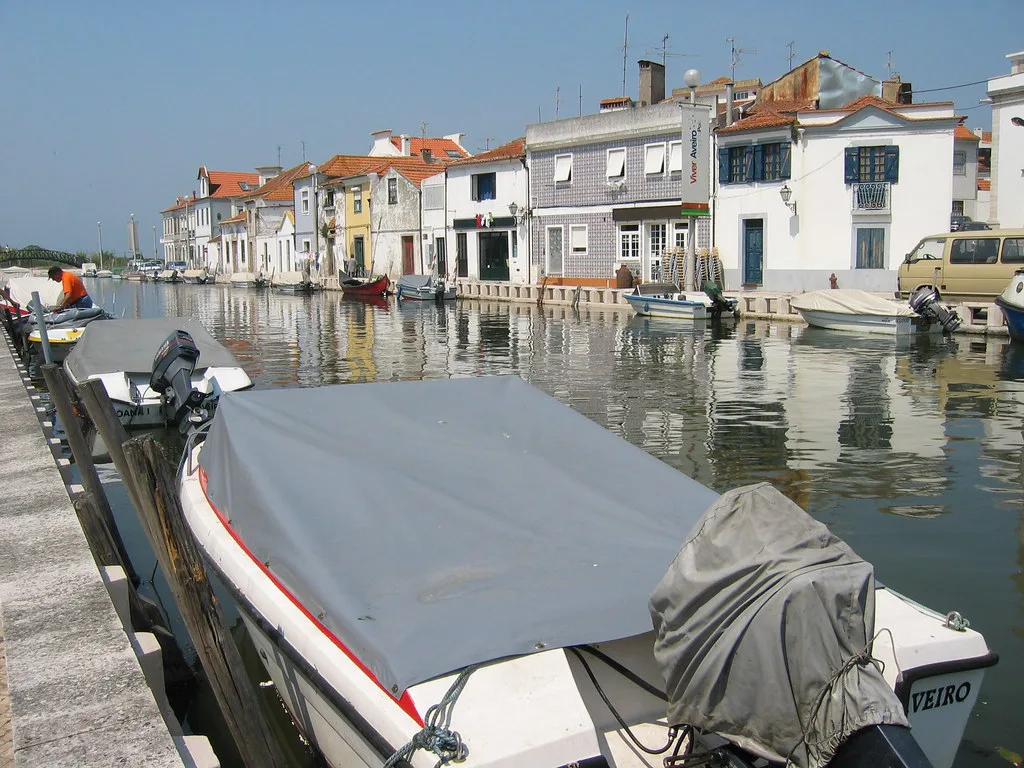
The market sits within the compact central grid, so you can fold it into a walk through the centre without planning transport. Do the market first, then loop back through the streets toward the canals.
A sensible full-day shape is market, coffee, then the old town lanes and a church or two before lunch. If you have two or three days, give the market its own morning and use the other days for museums and the water. First-time visitors often underestimate how walkable the centre is; everything here is a short stroll apart.
If your interest is the wider picture of what to see, the city's circuit of sights fits comfortably into a short break. A deliberate route through the centre, rather than random wandering, is the difference between seeing the main sights and missing half of them.
What it sells, and what it is not
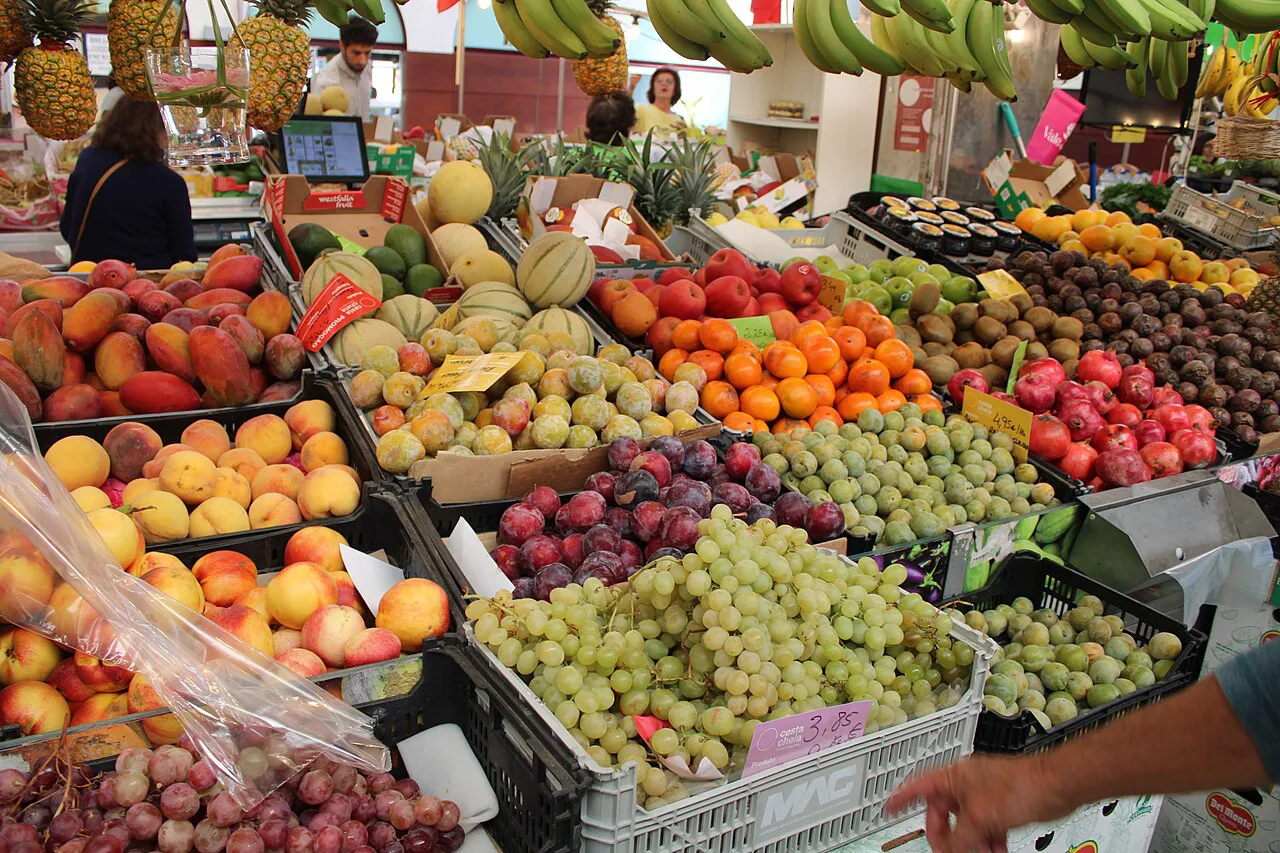
Expect the staples of a Portuguese municipal market: counters given over to everyday commerce for local residents. What you will not find is a line-up of artisan ceramics or gift stalls, so do not arrive expecting souvenir hunting. Bring cash as a default and a bag for anything wet or fragile.
The key distinction is that the hall is permanent, indoor and retail rather than a one-day outdoor market. If a market name you have read elsewhere cannot be matched to a real address, drop it from the plan rather than building a morning around it.
Produce prices at a municipal market are not fixed by any published tariff, so read the counter labels and pay what is marked. Ask at your accommodation or compare a couple of stalls if you want a feel for prices before you buy.
Other market names: what they mean and how to check
Searches for a separate Aveiro fish market or a Mercado Santiago surface from time to time, but the hall the municipality documents is the Mercado Manuel Firmino. Fish is part of the everyday commerce of a Portuguese municipal market, so plan your browsing around that hall. For the wider context of how the market fits into a day out, see Things to Do in Aveiro.
When asking directions, use the name Mercado Manuel Firmino; it is the one the council uses on its own pages. If a market name you have read elsewhere cannot be matched to a real address, drop it from the plan rather than building a morning around it. A related browse of the city's shops helps you choose what to pair with the hall.
Food shops to pair with the market
Confeitaria Peixinho, founded in 1856 and described as Aveiro's oldest bakery, sits on a pedestrian street by the main canal and is the classic place to try ovos-moles, the soft-egg sweet whose recipe was created five centuries ago by nuns. Ovos-moles were the first Portuguese sweet to gain European protection status. Buy a small box to eat by the water; the sweets travel better than most pastries.
Comur, founded in 1942, is a preserved-food producer from Murtosa in the Aveiro region, known above all for tinned eels alongside sardines, and the company now runs 22 stores across Portugal. Its cannery museum in Murtosa, housed in the former factory building, opens Tuesday to Sunday from 09:30 to 12:30 and 14:00 to 17:30. Note the location: this is a different town, so plan it as a separate outing rather than a stop on the market walk.
Two more central names suit design-minded shoppers: A Minha Terra, a ceramics and Portuguese crafts shop, and MOOD, a home-styling brand with its own shop and atelier in the city. Either works as a rain-proof filler after the market. For the full spread of independent shops, work through a dedicated shopping guide rather than trying to catch them all between other sights.
Building a market morning into a short break
Start at the hall, move to coffee and an ovos-moles at Peixinho, then walk the canals before lunch. If the weather turns, swap the water for the Art Nouveau streets and the museum quarter, which sit within the same central web of lanes. This order works for a one-day visit and scales to three days without repeating itself.
Museums and monuments are the usual reason people over-pack a short break, so choose two rather than four and leave room for the market and the water. Pairing a museum morning with a market browse on another morning keeps the pace human. Anyone travelling on a budget can alternate paid sights with the free squares and waterfront, which are the city's real draw.
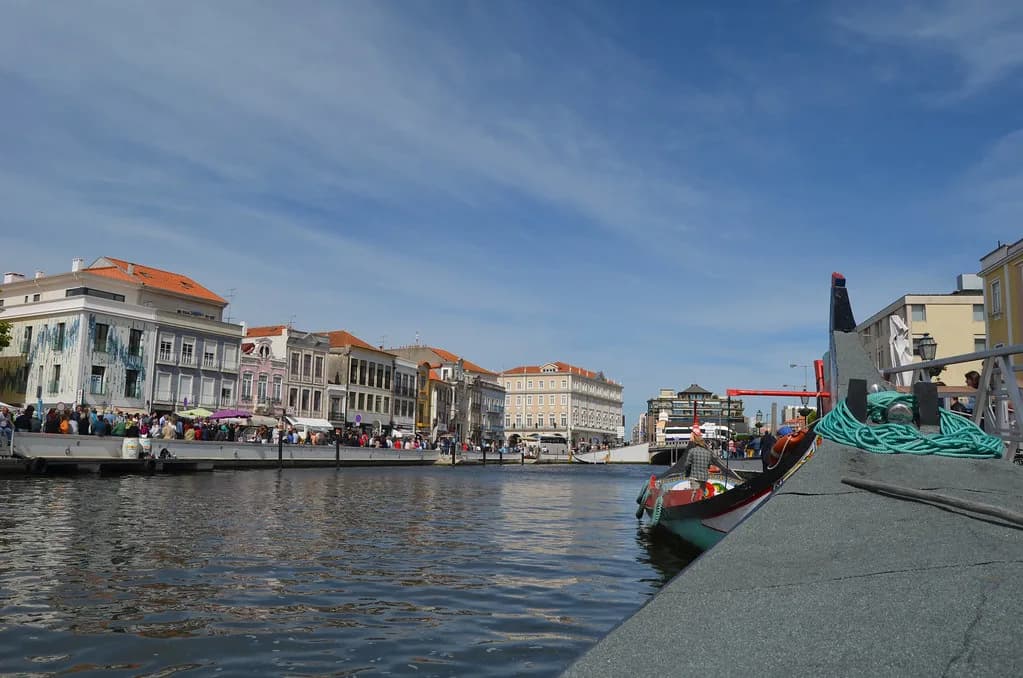
If you have time for only one structured activity beyond the market, take the water. A short canal trip explains the city's geography in a way that walking cannot, and it slots neatly after a market breakfast. Keep any beach visit to a single sentence in your plan; the centre earns the hours.
Church-goers should note the cathedral and parish churches as the natural companions to an old-town stroll, and check their visit times rather than assuming all-day access.
Tiles, shops and the Ria beyond the market
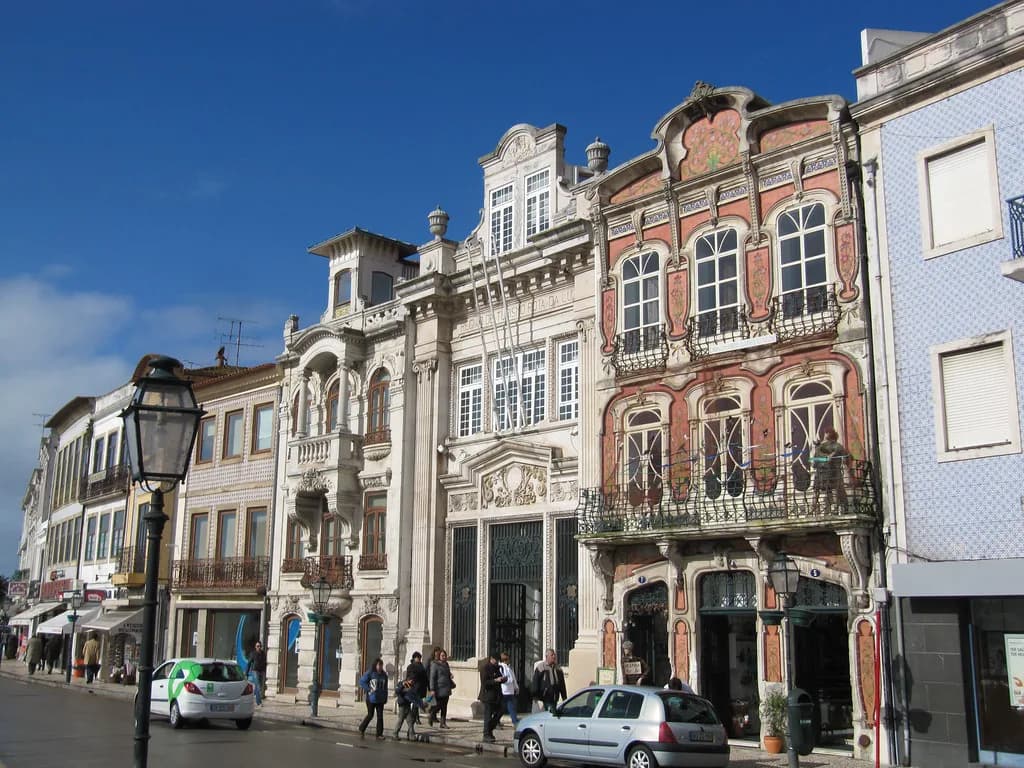
Aveiro's other signature is its azulejos, the tiled façades and interiors that give the centre its colour, and the tiles reward a slower walk than the market requires. Set aside a separate half-hour for looking up at façades and into church interiors. Hitting both in one rushed morning spoils the second.
The Ria de Aveiro shapes the city's food, its economy and its layout, and a market visit makes more sense once you have seen the water it comes from. Read up briefly before you arrive and the fish counters will mean more. For the city's museums and collections in the same neighbourhoods, see Museums in Aveiro.
Is the market worth a morning of your short break?
Yes, if you want to see how Aveiro actually shops rather than how it poses for visitors, and if you keep the visit short. No, if you were hoping for a craft market or a food hall with tastings; that is not what the Mercado Manuel Firmino is. Pair it with an ovos-moles at Confeitaria Peixinho and a canal walk, and the morning holds together.
Check the municipal market page for the days the hall is trading before you commit a morning, and confirm the Comur museum schedule if Murtosa is on your list. Everything else here is a short walk apart, so build the day around the market and let the rest of the centre fill in behind it. For more, see Aveiro old town.
Explore more Aveiro guides
Frequently Asked Questions
What is the main market in Aveiro?
The Mercado Manuel Firmino is the hall the municipality documents: a retail market installed in its own covered enclosure, with sales places given over to commerce, and part of the city's markets and fairs network.
When is the Mercado Manuel Firmino open?
Trading days and hours are not set out on the municipal page used here, so check the council's markets page for the days before you set out.
Is the market a craft or souvenir market?
No. It is a working municipal market given over to everyday commerce rather than a line-up of artisan ceramics or gift stalls.
Where can I try ovos-moles?
Confeitaria Peixinho, founded in 1856 and described as Aveiro's oldest bakery, sits on a pedestrian street by the main canal and bakes the historic recipe. Ovos-moles were the first Portuguese sweet to gain European protection status.
Where is the Comur museum?
In Murtosa, in the Aveiro region, in the former cannery building rather than in Aveiro city itself. It opens Tuesday to Sunday, 09:30–12:30 and 14:00–17:30.
Sources
Notes for your next Portuguese break
Optional updates to our town guides.
You might also like
Continue reading
More guides you'll find useful