Aveiro History: What to See and Where to Find It
A short history of Aveiro for visitors, from its salt-pan origins to the canals and azulejos you see today, plus which streets and buildings still show that past.
On this page
Aveiro's history is best read through three things you can still see: the salt pans that gave the town its first living, the water of the Ria de Aveiro that shaped its streets, and the tiled façades and canals that give the centre its character. For a one to four day visit, that means the past is not confined to a museum — it is in the layout of the town and the buildings along the water. This guide takes the story in order and points out where each chapter survives on the ground.
The nickname 'Venice of Portugal' is just that, a nickname, and the canals are better understood as a product of the Ria and the town's trading past than as a copy of anything Italian. Knowing the difference helps you spend your time on the parts of Aveiro that reward a closer look. Read this alongside our guide to things to do in Aveiro, which covers the practical side of filling your days.
What Aveiro's history means for a short break
Aveiro's story is compact enough to absorb in an afternoon of walking, which suits a short break. The useful approach is chronological but geographical: start with the salt pans and the Ria, move into the old town, then look at the wealthy centuries that rebuilt the centre. That order explains why the town looks the way it does, rather than leaving you with a list of disconnected monuments. Read this alongside our guide to Things to Do in Aveiro for the practical side of filling your days.
If you have only a day, prioritise the old town streets and the waterfront rather than trying to see everything. If you have three or four days, the history gives you a reason to leave the centre and look at the salt pans and the lagoon. Either way, the historical sights are spread out enough that comfortable shoes matter more than any ticket.
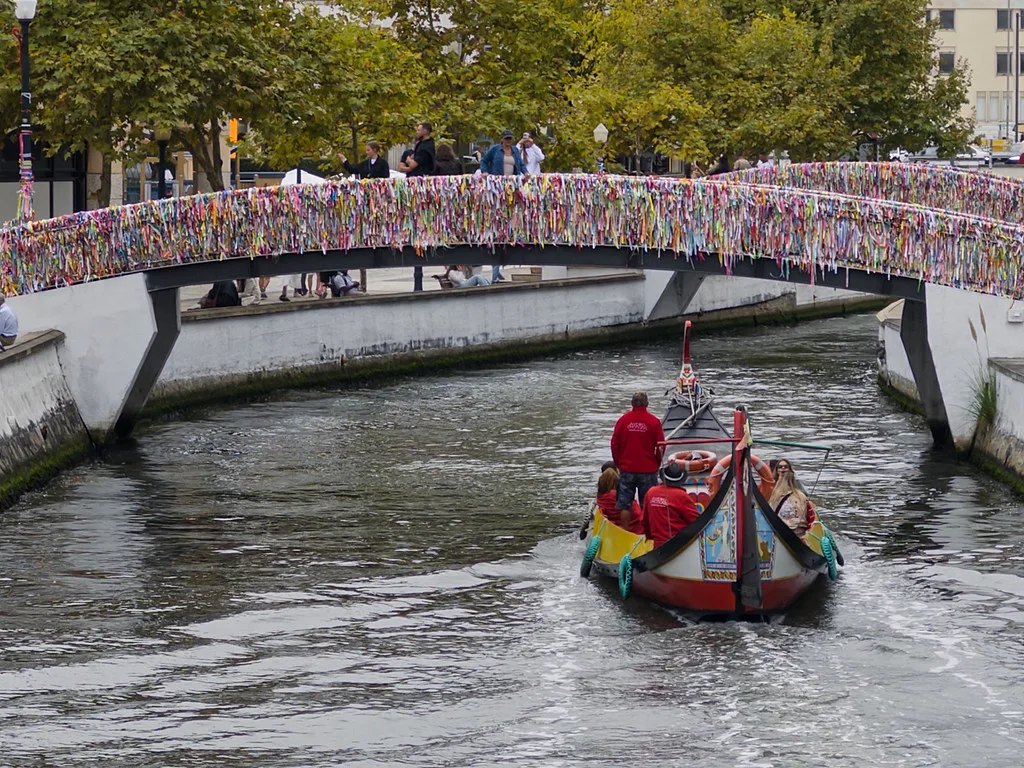
Why Aveiro is called the Venice of Portugal, and what the canals really are
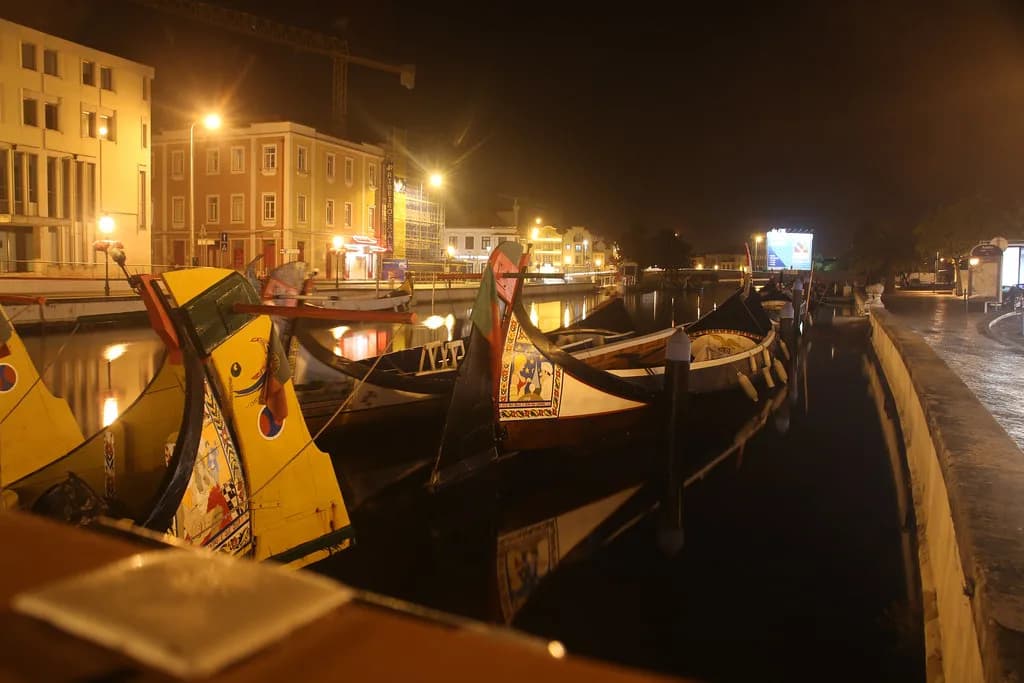
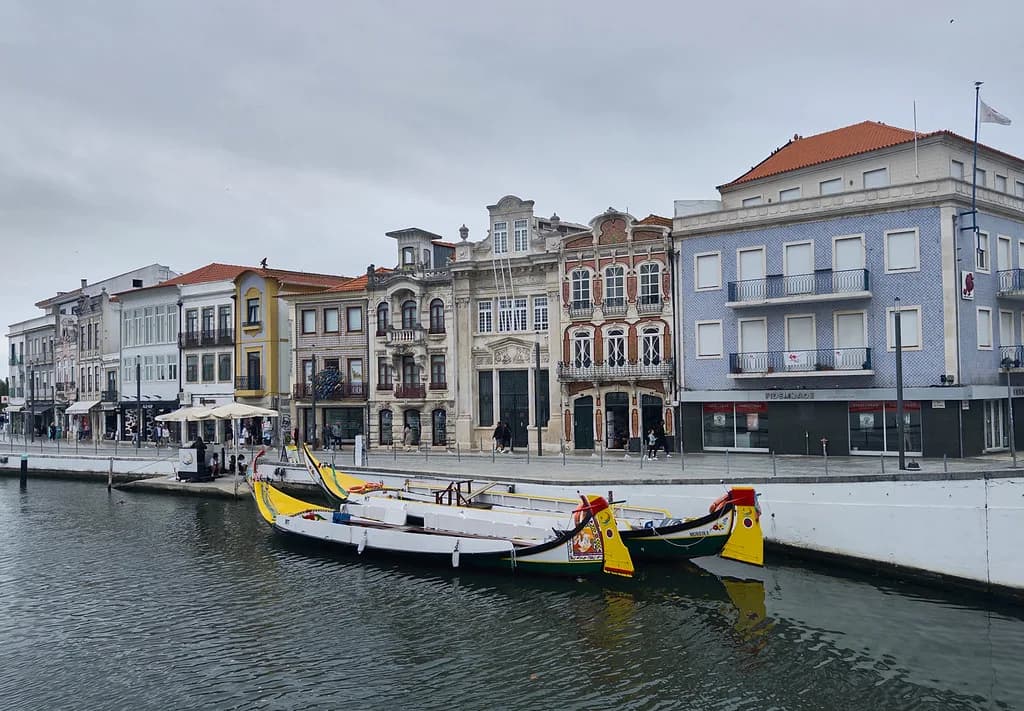
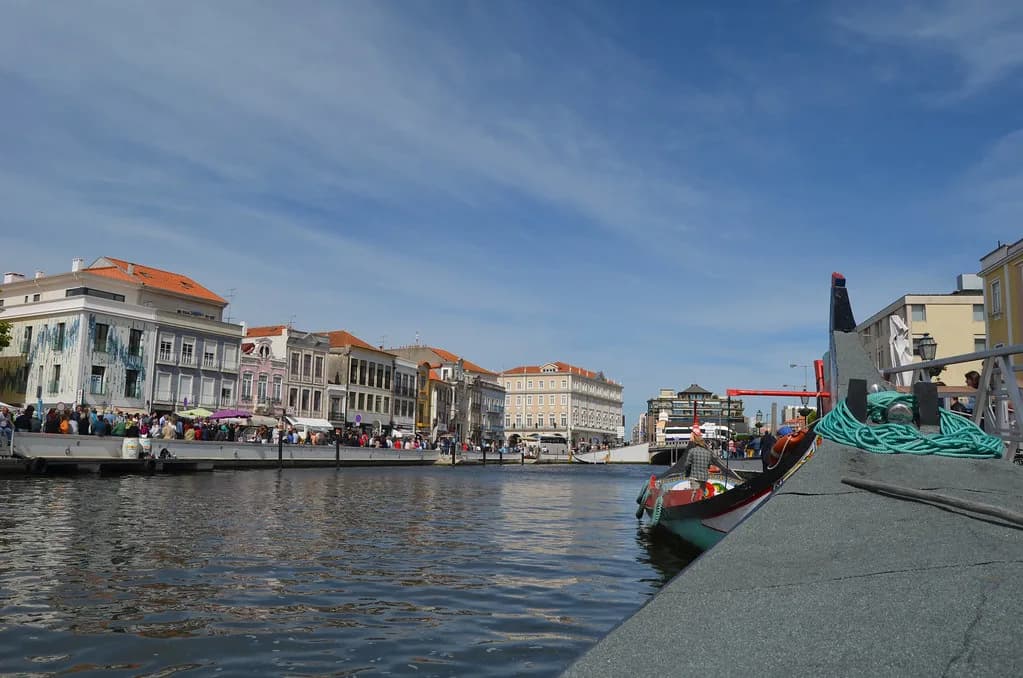
The 'Venice of Portugal' label is a tourist nickname, not an official title, and it leads visitors to expect more canal than Aveiro actually has. The waterways through the centre are closely tied to the Ria de Aveiro, the coastal lagoon that has shaped the town's economy and its street plan. Treat the canals as part of the town's working geography rather than as scenery built for photographs. Our guide to the Aveiro canals explains how the different channels fit together.
The classic way to see the water is from the Ria itself, and the boats that run from the centre give you the town from a different angle. A boat trip is worth doing if you want to sense the Ria de Aveiro's scale, but it should not replace walking the streets. Pick the boat for the wider lagoon and the streets for the buildings. Our Aveiro boat trip guide covers the options from the centre.
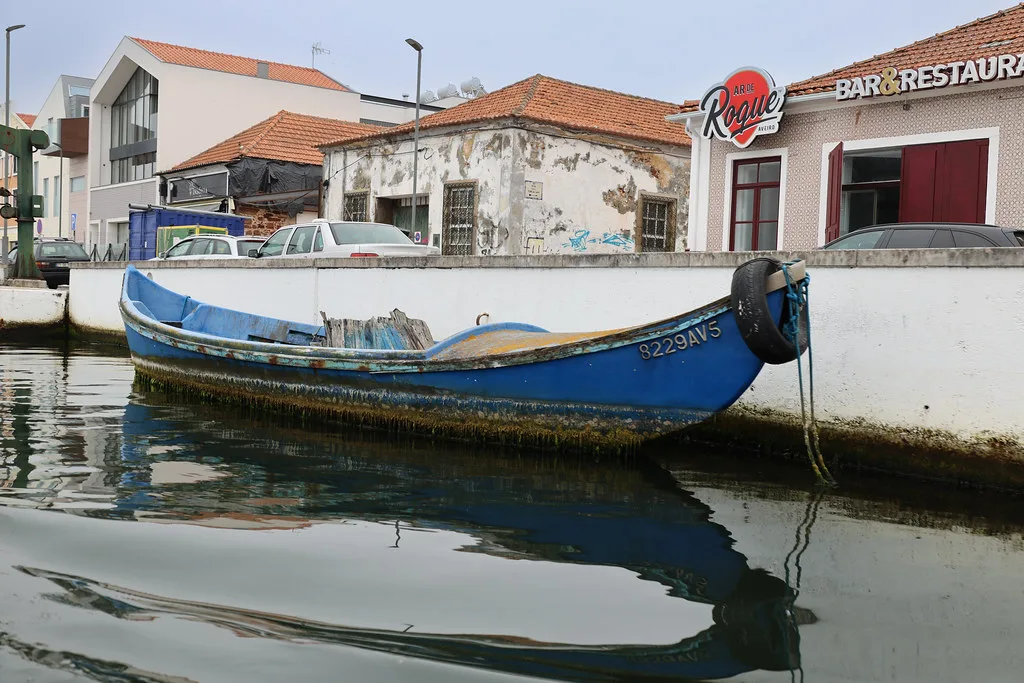
The salt pans: how salt and the Ria de Aveiro shaped the town
Aveiro grew because of the Ria. The area was recorded from at least the tenth century as terras in alavario et salinas — lands of birds and salt pans — which tells you that salt working and the lagoon's birdlife were defining features long before the canals became a visitor attraction. That early economy is the foundation on which everything else in Aveiro's story rests.
The Ria de Aveiro is the shallow coastal lagoon that made salt-working possible and later carried the town's trade. When you see the water stretching away from the town, you are looking at the reason Aveiro exists where it does. Salt pans and the lagoon are best understood together: one is the industry, the other is the landscape that allowed it.
Salt shaped more than the economy; it shaped where people built and how the town connected to the sea. The visible legacy today is the open water and the low, flat land around the town rather than any single monument. If you want to see this part of the story, plan a walk or boat trip that takes you out towards the lagoon rather than staying in the centre.
Medieval Aveiro: what survives in the centre today
Aveiro has been a centre of population since at least the tenth century, so the medieval town sits underneath the later one rather than beside it. What survives in the centre is a street pattern and a density of building that reflects that long occupation, even where individual buildings have been rebuilt. Walk slowly and look at the shape of the streets, not just the façades. Our guide to the Aveiro Old Town picks out the streets worth your time.
The Beira Mar neighbourhood is one of the places where the old town's character is easiest to read on foot, with narrow streets running down towards the water. It is a residential area as much as a sight, so walk it quietly and treat it as a neighbourhood rather than an attraction.
The eighteenth and nineteenth centuries: what the wealthy period left
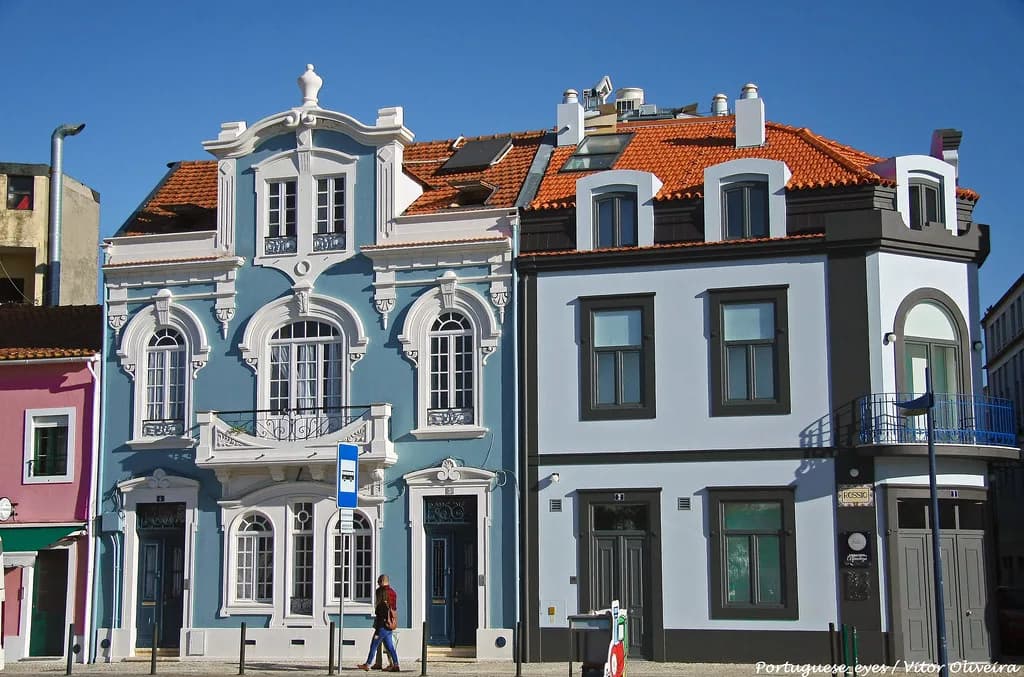
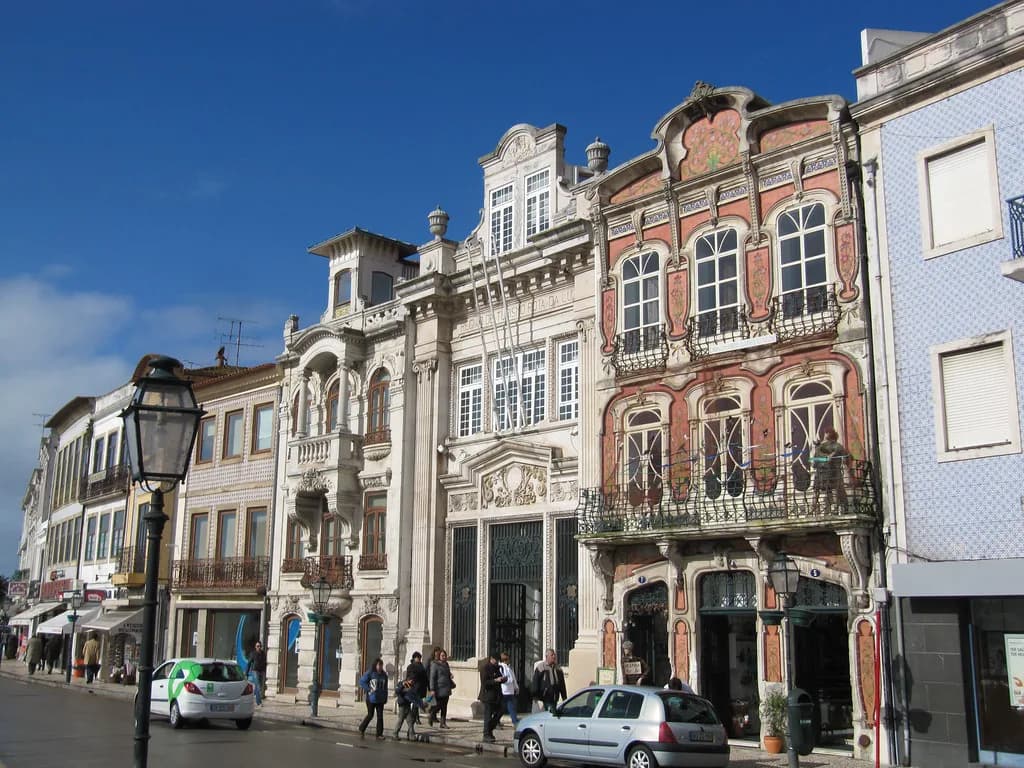
Aveiro's prosperous centuries left the centre with the buildings that visitors notice first: decorated façades, tiled fronts and a confident civic scale along the main streets. The expansion of the town in this period is what most directly produced today's Aveiro. Look for the tiled exteriors as you walk, because they are the most visible legacy of that wealth.
Art Nouveau details survive on some of the town's buildings from this period, and they reward a slower walk through the centre rather than a dash between sights. The style is a marker of the town's late prosperity and its taste for decoration. Our Aveiro walking tour route is a good way to pace a slower look at the centre.
The religious buildings of the centre also carry this layered history, and Aveiro's cathedral is a useful stop for the town's church architecture. Churches in Portugal often close at lunchtime, so plan a visit around the middle of the day rather than assuming the doors will be open. Check the door or the parish notice before you build a route around one. Our guide to churches in Aveiro picks out the ones worth including.
The Aveiro museum, housed in the former convent of Santa Joana, is the place to go if you want the town's art and religious history in one building rather than reading it off the streets. It gives context to the churches and the wealthy period that produced them. Our guide to the Museu de Aveiro / Santa Joana explains what is inside.
Where to see Aveiro's past on foot: a short route through the centre
A practical route starts at the water and works inland: follow the central channel, cross into the old town streets, then loop back through the shopping streets towards the market. This order lets you see the Ria, the medieval layout and the wealthy period in sequence. Our guide to the Aveiro canals and the wider Things to Do in Aveiro page both help you fix the route on a map.
The Mercado Manuel Firmino is a good stop because a working market shows you the town as a place people live in, not just a historic set piece. It also breaks up the walking with something to eat or drink. Our guide to the Aveiro market covers what to expect.
If your budget is tight, much of this historical walk costs nothing: the streets, the waterfront and the façades are free to look at. Save your money for the interiors you most want to see and build the rest of the day around walking. Our list of free things to do in Aveiro covers the no-ticket stops.
Shopping in Aveiro's centre is concentrated in the streets you will cross anyway, so it fits naturally at the end of a historical walk rather than as a separate outing. The town's traditional shops sit among the buildings you have been looking at. Our shopping in Aveiro guide points out where the streets run.
You can see the whole of central Aveiro on foot in a day without needing transport, which is the strongest argument for basing yourself in the centre. The historical route above is short enough to repeat in the evening, when the streets are quieter. Aveiro Attractions collects the individual sight guides if you want to plan in more detail.
Which part of Aveiro's past should you see first?
Start with the salt pans and the Ria, then walk into the old town. That sequence gives you the reason the town exists before you look at the buildings built on top of that reason. If you only have an afternoon, the waterfront and the old town streets will carry the story well enough.
The history is useful mainly as a way of deciding where to walk and what to pay to go inside. Pick the interiors that match your interests — the museum for art and religious history, the churches for architecture — and leave the rest to the streets. Museum and monument opening days vary, so confirm the day you plan to visit before you go.
Explore more Aveiro guides
Frequently Asked Questions
What was Aveiro's earliest recorded name?
The area was recorded from at least the tenth century as terras in alavario et salinas — lands of birds and salt pans — which shows salt working and the lagoon's birdlife as the town's earliest defining features.
Why is Aveiro called the Venice of Portugal?
It is a tourist nickname rather than an official title. The waterways through the centre belong to the Ria de Aveiro, the coastal lagoon that shaped the town's economy and street layout, rather than being a copy of anything Italian.
Sources
Notes for your next Portuguese break
Optional updates to our town guides.
You might also like
Continue reading
More guides you'll find useful