Things to Do in Funchal: What to See, by Area and Day
Plan a short Funchal break with the old town, cathedral, Mercado dos Lavradores, gardens, Monte cable car and viewpoints, grouped by area and days needed.
On this page
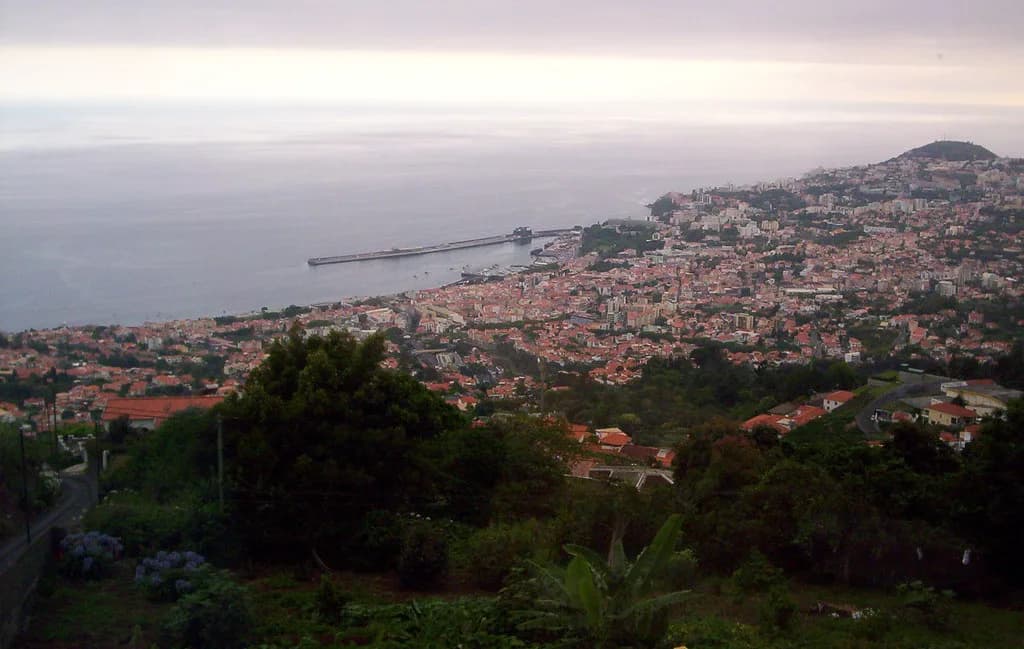
Give Funchal two full days if you want the seafront, the old town, the cathedral and a garden without rushing; add a third for the cable car up to Monte and one of the paid gardens. The city is compact and steep, stacked between a working harbour and the mountains above, so the practical skill is grouping sights by level rather than criss-crossing it.
This guide groups the sights by walking area, from the Avenida do Mar waterfront to the Zona Velha and the heights of Monte, and flags what is free, what charges admission and roughly what each district gives you for a half-day.
What to do in Funchal in one, two or three days
One day in Funchal belongs to the lower city: walk the seafront at Praça do Povo, cut inland through the old town and finish at the cathedral and the market. That route is almost entirely level-to-gentle and leaves no need for transport.
Two days add a garden and a museum, or a slow morning in the market followed by an afternoon in the parks. Three days let you commit to the Teleférico do Funchal cable car up to Monte: the last boarding is at 17:45 and the fare is €16 one way or €22 return. Pair it with the Monte toboggan on the way down, priced at €25 for a single rider or €15 per person in a double sledge.
The trade-off is height. Anything above the old town — Monte, the Botanical Garden, the hilltop fort — means a cable car, a bus or a stiff climb, so stack those on one day rather than scattering them across the trip.
How Funchal is laid out
Funchal runs in bands. The Avenida do Mar promenade and the marina sit at sea level; the old town, the Zona Velha, spreads east of the cathedral; the commercial centre and the Sé sit just behind the waterfront; and the suburb of Monte climbs into the hills roughly 20 minutes above by cable car. If you enjoy canal cities, the things to do in Aveiro follow a similar waterfront logic, with the old quarter laid out behind the water.
That means most walking days are a choice between horizontal (waterfront, old town, market) and vertical (Monte, gardens, forts). The lower city is where you spend a first half-day; the upper city is a separate outing, not a detour you squeeze in at the end.
The seafront and Avenida do Mar
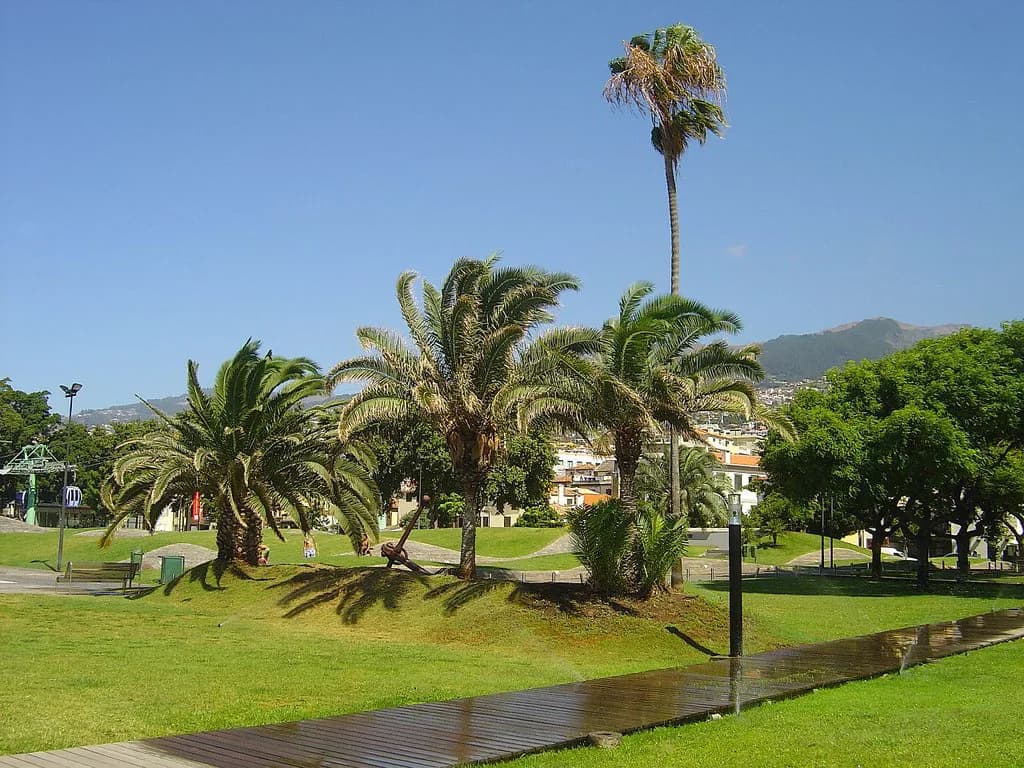
Start at Praça do Povo, the open square on the waterfront with tiered lawns facing the sea, a Madeira sign for photographs and memorials including one to Nelson Mandela. A pedestrian promenade runs for nearly a mile along this stretch, past the marina, and it is the best free orientation walk in the city.
From here the Marina do Funchal is where boat operators run dolphin watching and whale watching trips offshore; if marine life appeals, book that instead of a second garden.
The lawns are also where locals and visitors eat picnic lunches with an ocean view, so pick up bread and fruit from the market before you walk down rather than paying waterfront prices.
Funchal Old Town: paints and passages
The Funchal old town is the city's most atmospheric quarter: cobbled lanes, painted doors along Rua de Santa Maria, and a restaurant strip that runs the length of that street. The painted doors make a good free half-hour wander, and the street is busiest in the evening, so walk it in the morning for space.
The Zona Velha also holds street art beyond the doors and a scatter of small churches, so allow two hours if you stop for coffee. A guided Funchal walking tour is worth considering on a first morning if you want the lanes explained rather than just admired.
Sé: Funchal Cathedral and its ceiling
The Funchal Cathedral, the Sé, dates to the late 15th century and was inaugurated in 1514. Entry is free, which makes it the cheapest substantial sight in the centre and a sensible anchor for a budget morning.
Inside, look up: the intricate carved wood ceiling is the standout, alongside gilded altars, paintings, statues and traditional azulejos. Give it 30 to 40 minutes rather than treating it as a five-minute photo stop.
Pair the cathedral with the nearby market and the old town rather than making a separate trip, since all three sit within a short walk of each other.
Mercado dos Lavradores: fruit, flowers and fish
The Mercado dos Lavradores is Funchal's biggest market, housed in a two-storey open-air building from the 1940s and split into three sections: fruit, flowers and fish. Fruit sellers arrange passion fruit, dragon fruit, papayas and bananas in bright displays, while flower sellers wear traditional striped Madeiran dress.
The fish hall is the pungent, memorable part, where black scabbardfish — a Madeira speciality that looks far worse than it tastes — is laid out. Head up to the rooftop café for a drink or stop at the ground-floor confectioner for something sweet before continuing.
For local produce beyond fruit, the Armazém do Mercado sits steps from the market and sells work by artists alongside locally made goods, and the Restock gallery is inside it.
City gardens that cost nothing
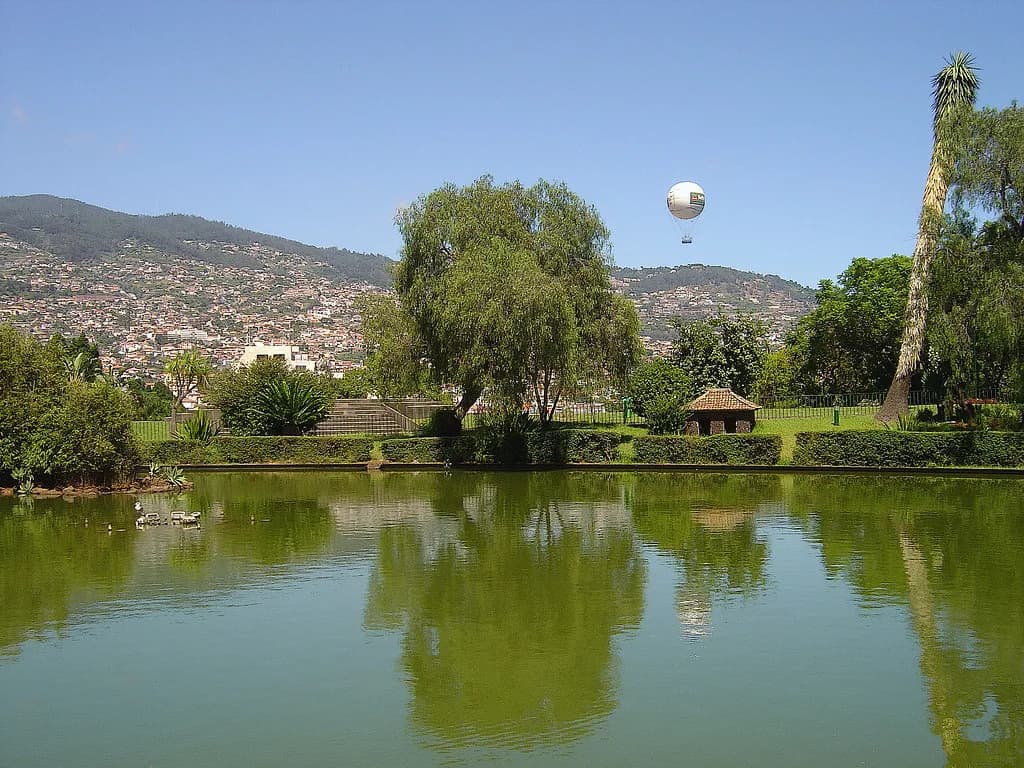
Funchal's free gardens are genuinely good. The Jardim Municipal do Funchal in the heart of the city holds a wide variety of flowers, plants and trees from around the world, and its amphitheatre hosts events. Parque de Santa Catarina has walkways, flower beds, swans and ducks on a central lake.
Further out, Jardim de Santa Luzia is marked by a towering chimney left from the sugar-cane industry, with a lawn, a children's play area and a café. Two or three free gardens fill an afternoon comfortably, and you can spend the saved admission on dinner.
Paid gardens and quintas
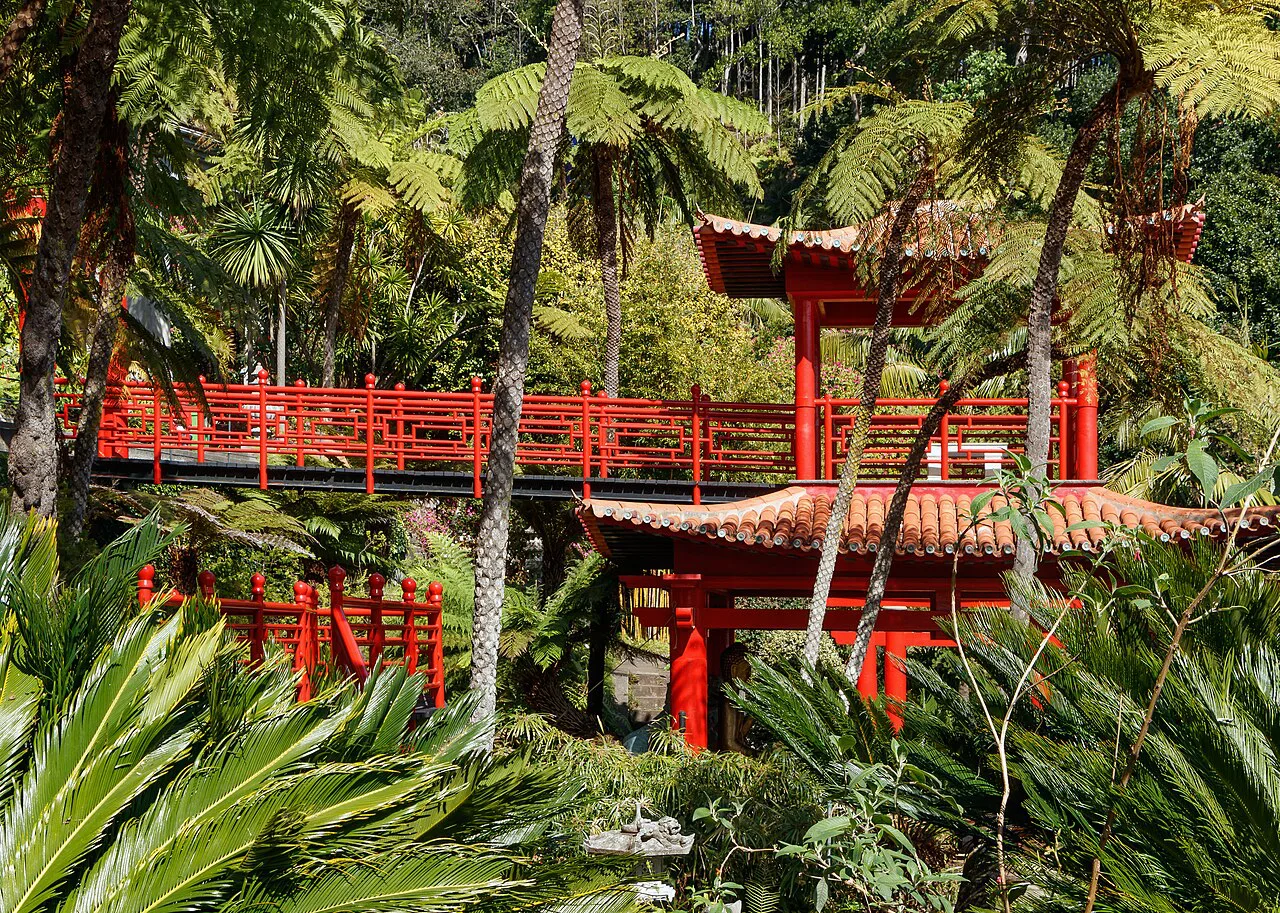
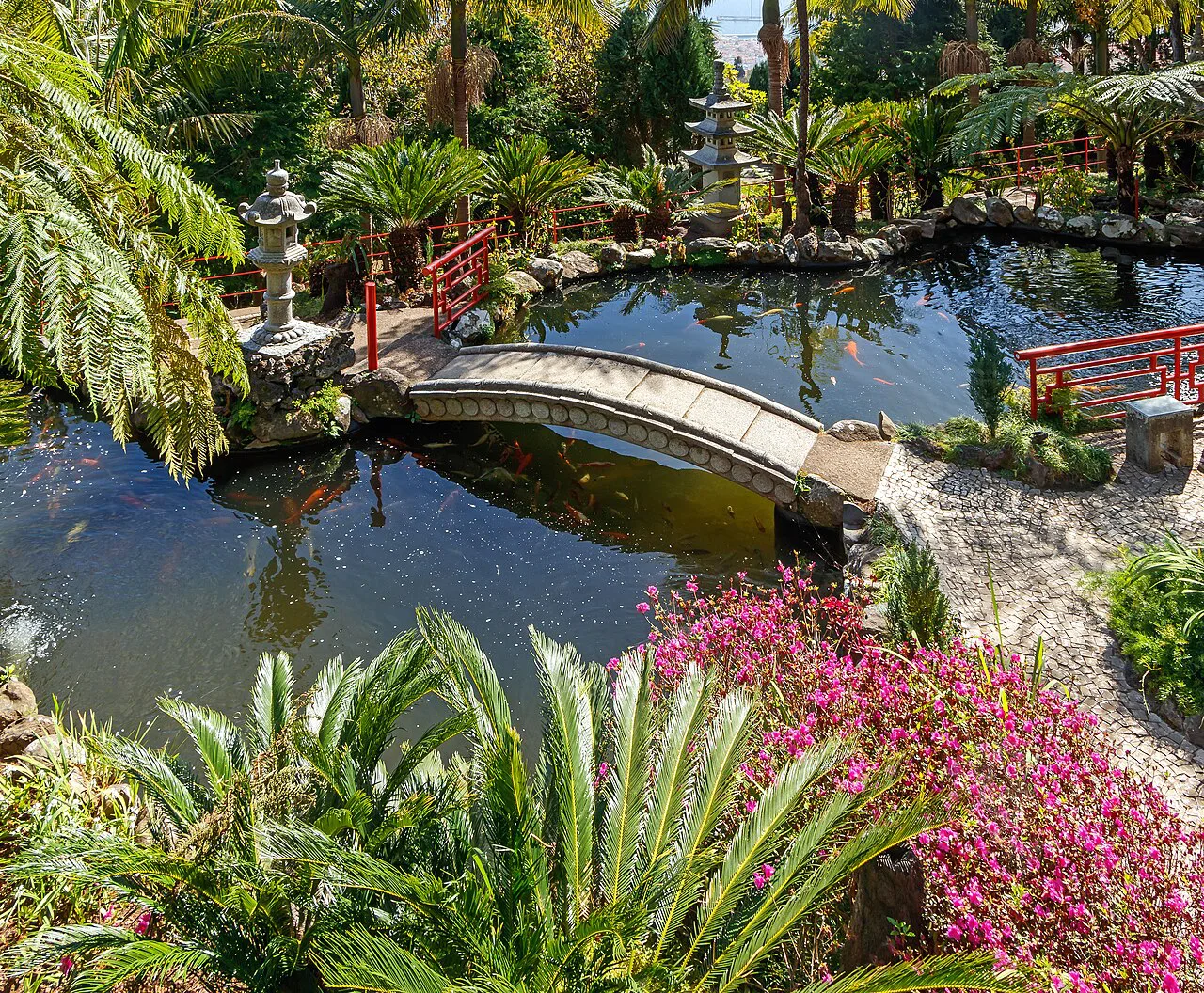
Monte Palace Tropical Garden and the Madeira Botanical Garden both charge admission, and Palheiro Gardens and Quinta da Boa Vista are also ticketed. The trade-off is real: the free city parks are pleasant, but the paid gardens are the ones with the dramatic planting and the views over the city.
Choose one paid garden rather than two, and pair it with Monte so you ride the cable car once. Check the current ticket price and opening days at the garden entrance before setting out, since they are not confirmed here.
Up to Monte by cable car, down by toboggan
The Teleférico do Funchal climbs from the lower city into Monte in roughly 15 to 20 minutes, with ocean behind you and mountains ahead, and ends beside gardens and a café. Go on a clear, sunny day; cloud or rain wastes the fare.
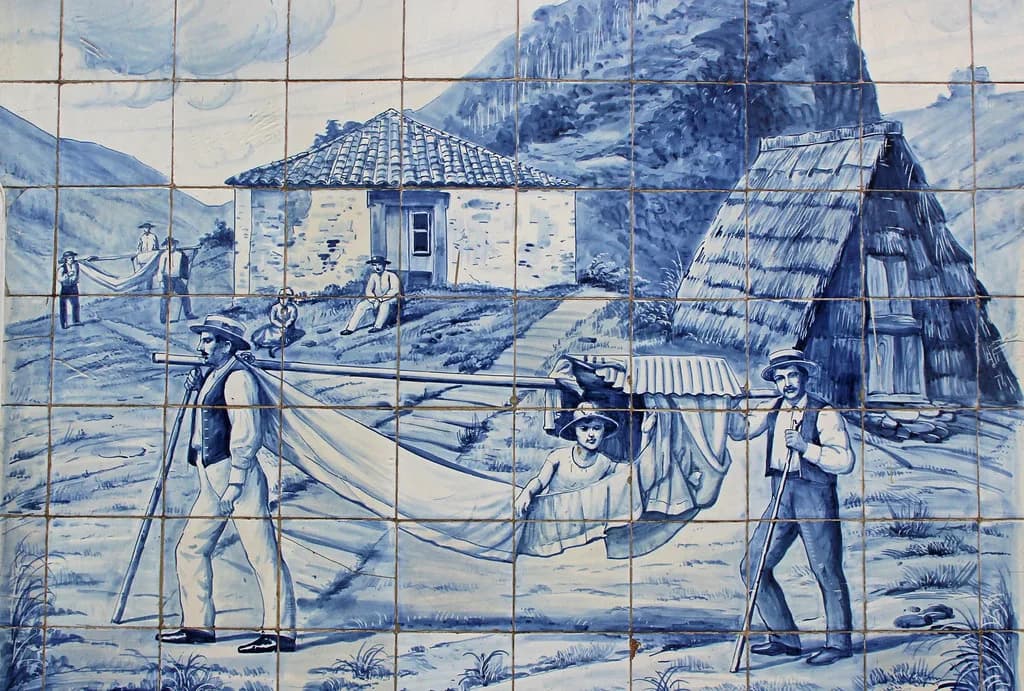
Coming down, the traditional toboggan is the other half of the day: timber and wicker sledges driven by two carreiros in white uniforms and straw hats, a tradition running since the 19th century. It runs Monday to Saturday 09:00 to 18:00 and Sunday 09:00 to 13:00, at €25 per person single or €15 per person for a double. It is not for anyone uneasy with heights, as the sledges slide down winding roads.
Museums, historic houses and a famous bookshop
For a wet or slow afternoon, Museu Quinta das Cruzes holds a collection in a historic quinta, and the Convento de Santa Clara is a further historic stop on the circuit. The Design Centre Nini Andrade Silva, reached via the old town, is a modern counterpoint.
The CR7 Museum, devoted to Cristiano Ronaldo, sits near the waterfront and suits football fans more than general sightseers. Livraria Esperança, a historic bookshop, is a free browse if you like old books, and the Art Food Corner café is a good coffee stop before or after.
Forts and viewpoints
Forte de São Tiago anchors the eastern end of the old town, a short walk from Rua de Santa Maria, and pairs naturally with the Zona Velha. The hilltop fort above the city gives the broadest view back over the harbour and the rooftops.
Both are best visited on a clear morning, when the light is behind you over the sea. Leave the late afternoon for the promenade instead, where the sunset falls over the water.
Eating and drinking in Funchal
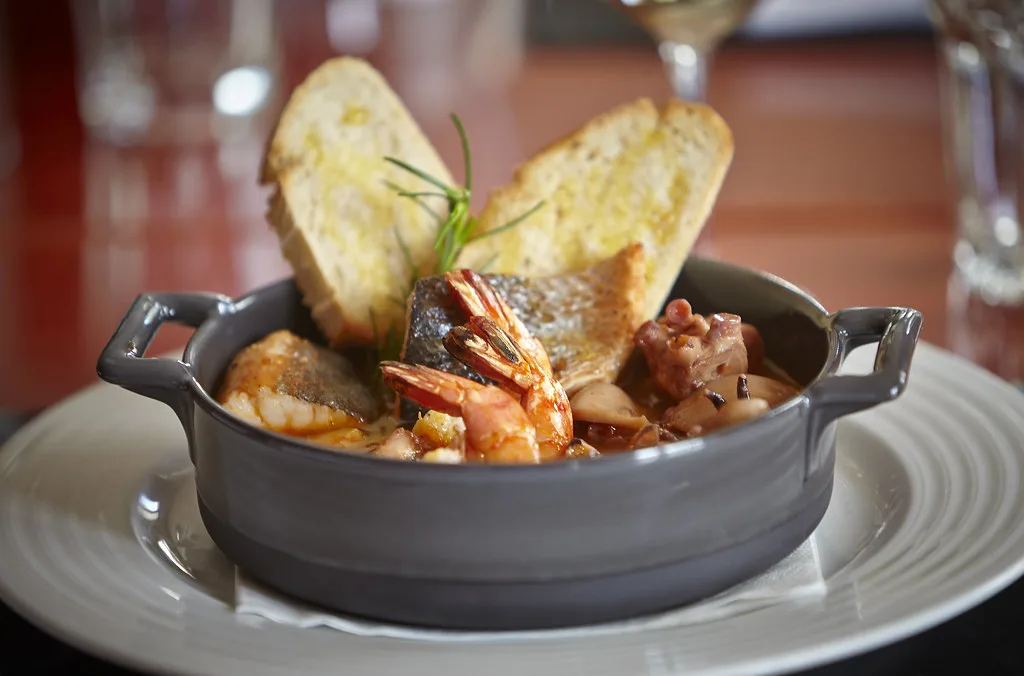
Madeira's food leans on the sea and the hills: black scabbardfish, local fruit from the market, and the small snacks sold around town. For a sit-down meal, the restaurants along Rua de Santa Maria in the old town form the densest cluster.
Deli Burger D'Mar serves more than 15 burger combinations and is open daily from 12:00 to 15:30 and 18:00 to 23:00 if you want something unfussy. The market itself has cafés, and the rooftop above the fish hall is a good spot for a drink.
Rainy days and family alternatives
Funchal's weather is mild year-round, but rain happens; look at a climate table for typical rainfall by month rather than relying on a short-term forecast. On a wet day, the market, cathedral, museums and the bookshop make a sensible indoor circuit.
With children, the free parks work well: Jardim de Santa Luzia has a play area, and Parque de Santa Catarina has a lake with waterfowl. Pair either with a short walk on the promenade.
What to skip, and how the days fit together
Skip the second paid garden, skip the second museum, and skip anything that requires a bus ride unless you have a third day. Funchal rewards slow walking more than ticking off sights.
A sensible build: day one seafront, old town and cathedral; day two market and free gardens; day three Monte by cable car, a paid garden and the toboggan down. If you have less time, drop day three.
Is the cable car and toboggan day worth it?
Yes — if the weather is clear and you treat it as a half-day rather than a quick ride. The cable car fare and toboggan cost add up, and the sledges are not for nervous passengers, but the combination gives you a view of Funchal from above and a genuinely unusual descent.
If the budget or the cloud is against you, stay low: the free cathedral, the market and the city gardens fill a rewarding day without a ticket.
Explore more Funchal guides
Frequently Asked Questions
Which country is Funchal in?
Funchal is the capital of Madeira, an autonomous region of Portugal, in the Atlantic off the coast of Morocco and roughly a two-hour flight from Lisbon.
What food is Madeira famous for?
Black scabbardfish is the local speciality, along with tropical fruit such as passion fruit and bananas sold at the Mercado dos Lavradores, and small snacks and local drinks around town.
Can you pay by card on Funchal buses?
Card and contactless payment on local buses is not confirmed here; carry some cash in euros and check the operator's own information before boarding.
When does it rain in Madeira?
Rainfall varies by month and by altitude, so look at a climate table for typical rather than forecast conditions before you book.
Sources
Notes for your next Portuguese break
Optional updates to our town guides.
You might also like
Continue reading
More guides you'll find useful