Things to Do in Guimarães: Old Town, Castle and Highlights
The best things to do in Guimarães, from the castle and city walls to Largo da Oliveira, the old town and Penha hill, plus how long the sights need.
On this page
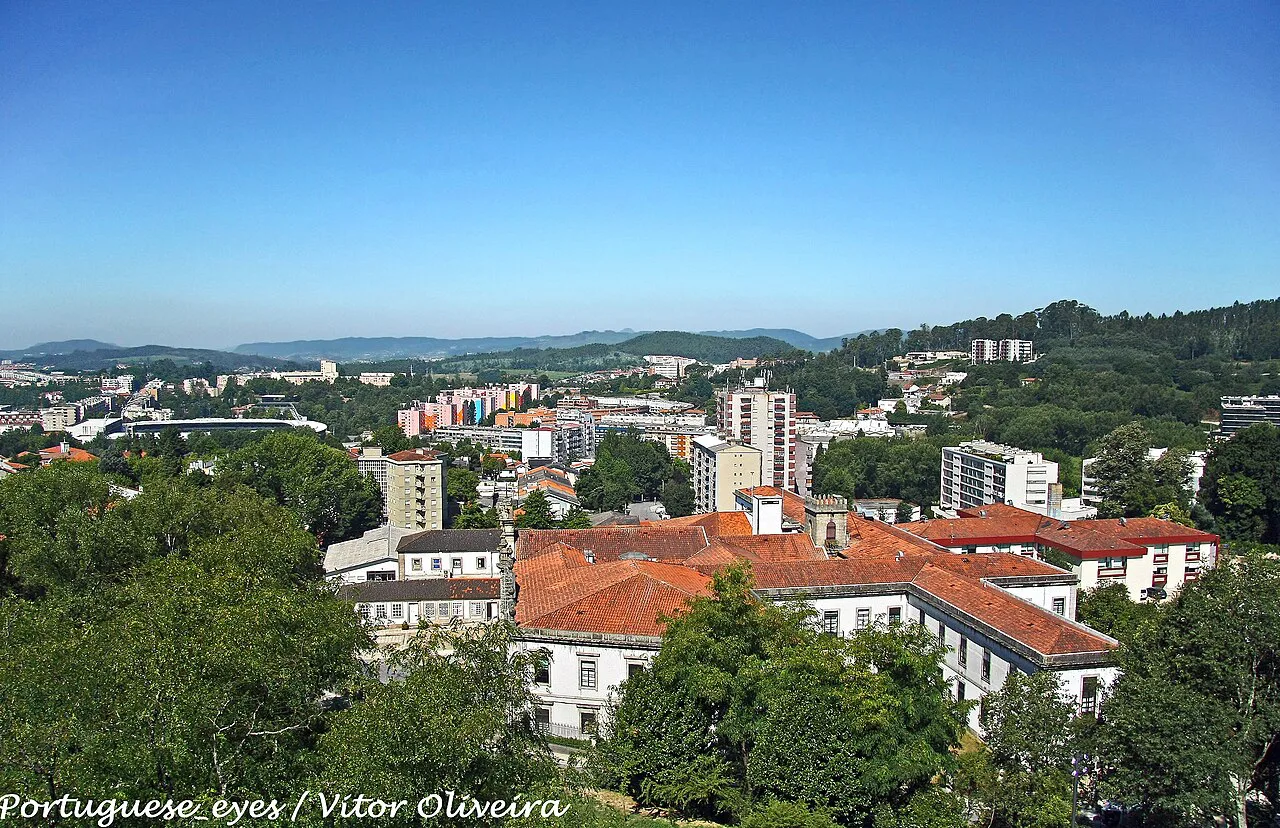
Guimarães rewards slow walking more than blockbuster sightseeing: give it one full day for the upper town and old town on foot, and two nights if you want Penha hill and a museum without rushing. The historic centre is a UNESCO World Heritage Site, and most of what you came for sits within a compact area split between the castle hill and the lanes below. This guide groups the sights into walkable routes, explains how the climb between the two halves shapes a day, and covers food, Penha hill and how to judge the trip length. If you are collecting World Heritage stops, see our guide to the UNESCO sites in Portugal.
What to See in Guimarães First: the Historic Centre on Foot
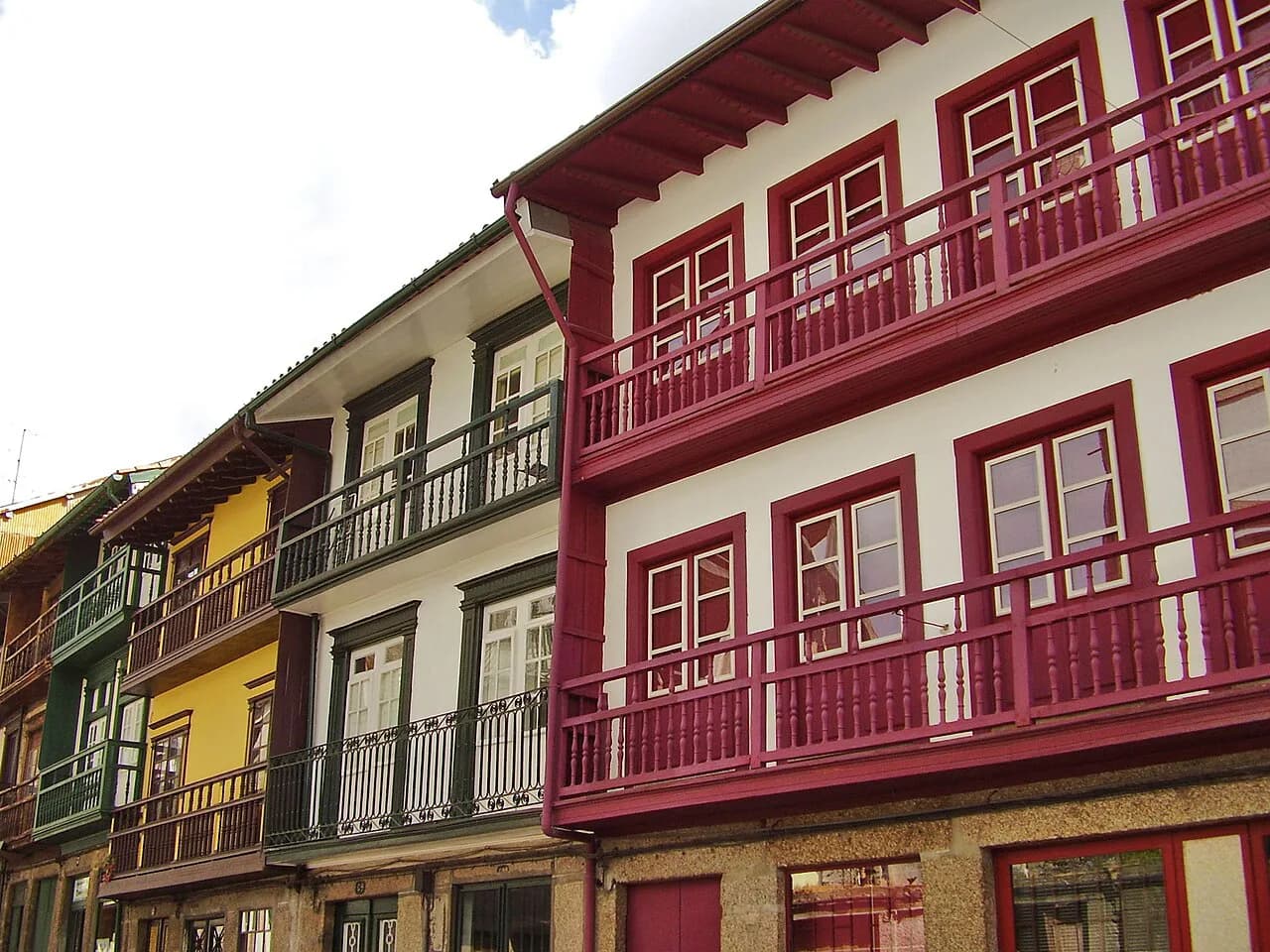
Start in the lower town around Largo da Oliveira and Praça de Santiago, where the streets are largely free of cars and the point is to wander rather than tick off sights. The whole historic centre carries UNESCO status, and the granite squares, arcaded facades and calçada paving set the tone for everything else. Allow a couple of hours simply to walk the lanes between the two squares before you visit anything with a ticket.
The tourist office and most visitors begin at Largo do Toural, the broad square at the edge of the old town, which works as a natural orientation point before you plunge into the medieval grid. The Guimarães walking tour covers this approach and the main squares in sequence, which saves time if your visit is short. Build in a slow coffee stop on Largo da Oliveira; the square is the city's living room and repays sitting still.
Guimarães Castle (Castelo de Guimarães) and Walking the City Walls
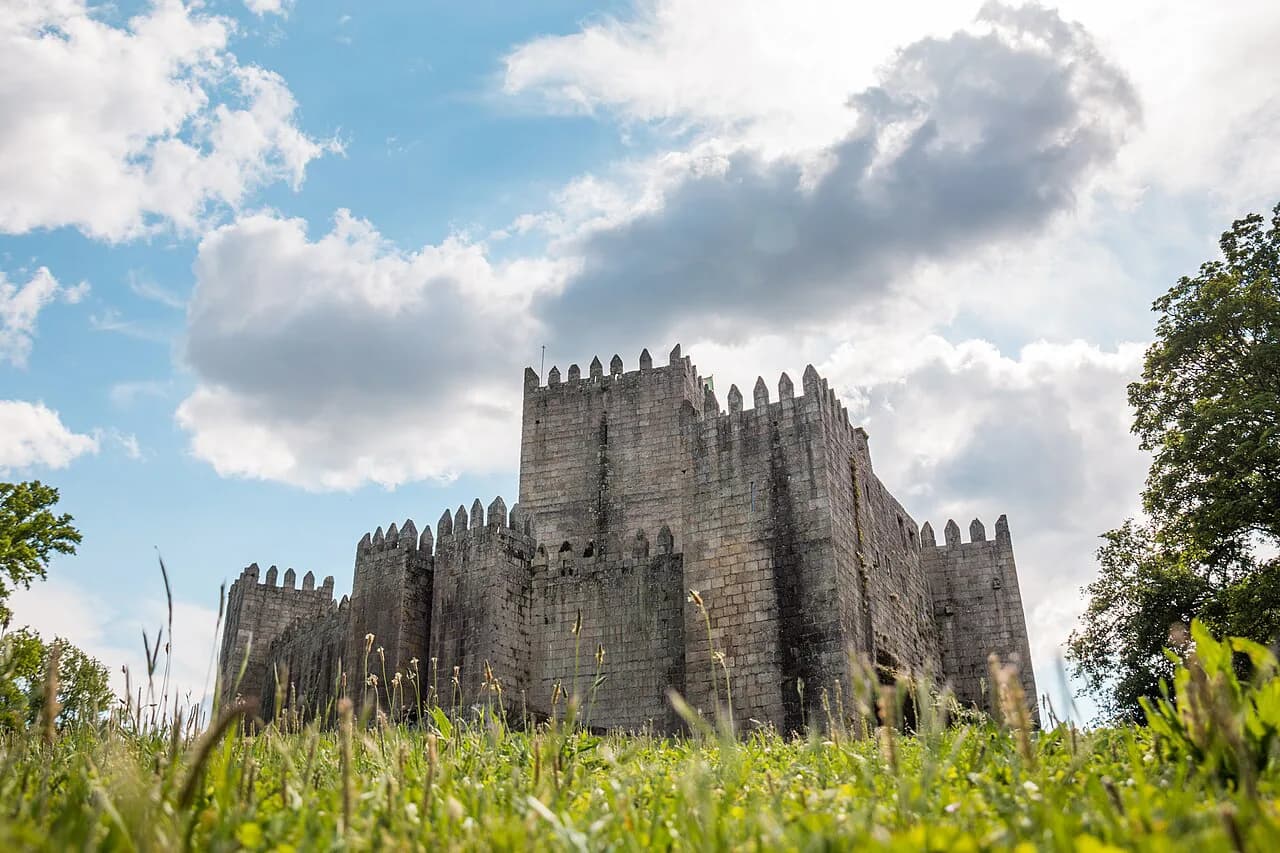
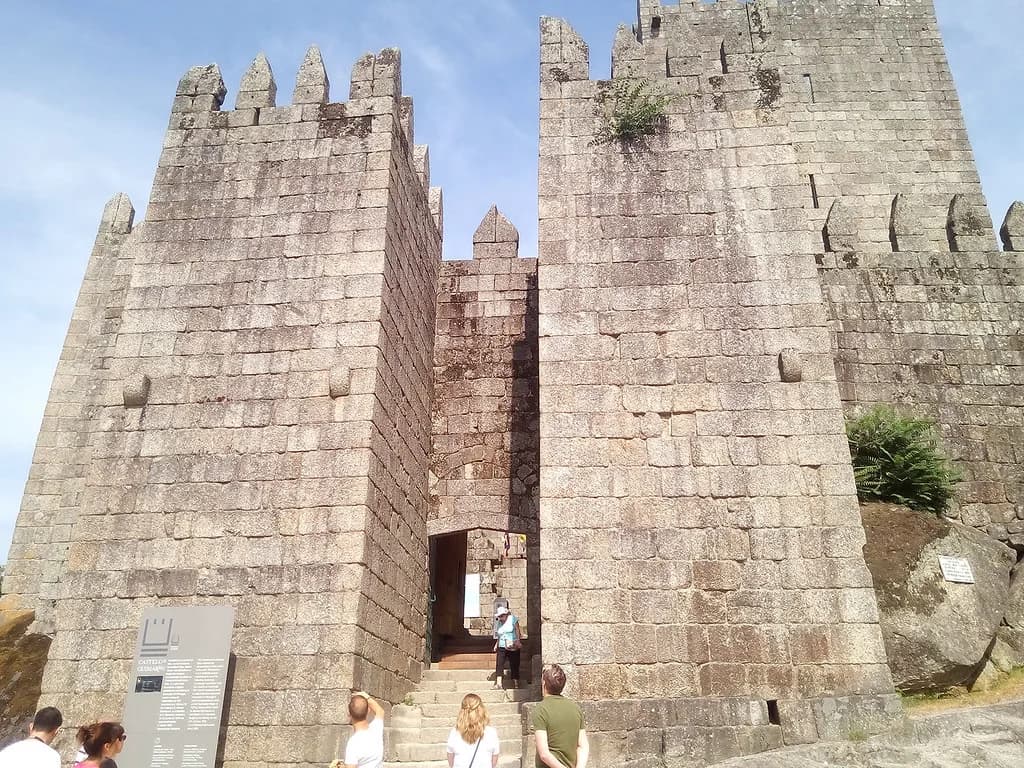
The castle is the city's emblem and the reason many visitors come: a 10th-century fortress expanded over the centuries, closely tied to Afonso Henriques, the first king of Portugal, who was born in Guimarães. Climb the towers for views over the rooftops and surrounding countryside, then walk the restored stretch of city wall on its steel platform toward the centre. The wall walk is free and short, but it gives you the best orientation of the upper town.
The castle sits on a hill less than a kilometre from the old town, a climb of roughly 10 to 15 minutes on foot that is steady rather than brutal. Do the castle and palace first thing in the morning while your legs are fresh, then descend into the old town for lunch. Ticket prices and opening days for the castle change, so check the official monument page before you set out rather than relying on older guides.
Palace of the Dukes of Braganza (Paço dos Duques de Bragança): What's Inside
A couple of hundred metres from the castle, the Paço dos Duques de Bragança is the more rewarding interior of the two: a 15th-century estate restored in the 20th century, with furnished rooms, tapestries and a chapel that give a sense of how the nobility lived. It is larger and richer than the castle's sparsely decorated rooms, so if you only have time for one interior, choose the palace. Visit both on the same morning because they are so close.
The upper town around the castle and palace is the one place where Guimarães feels like a monument site rather than a lived-in town. That is the trade-off: see it early, then spend the rest of your day downhill. Opening days and admission are set by the palace, so confirm them on the official page for the day you plan to visit.
Largo da Oliveira and Igreja de Nossa Senhora da Oliveira
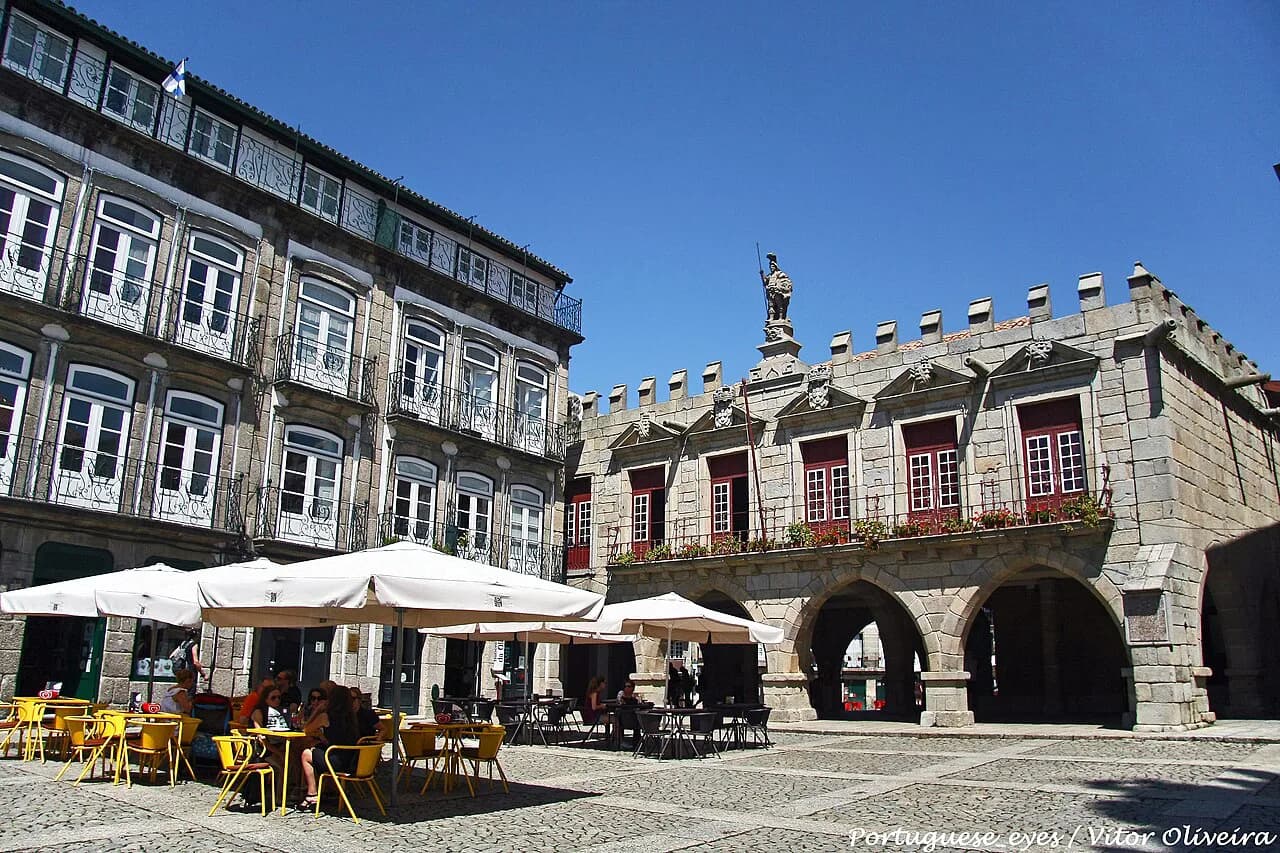
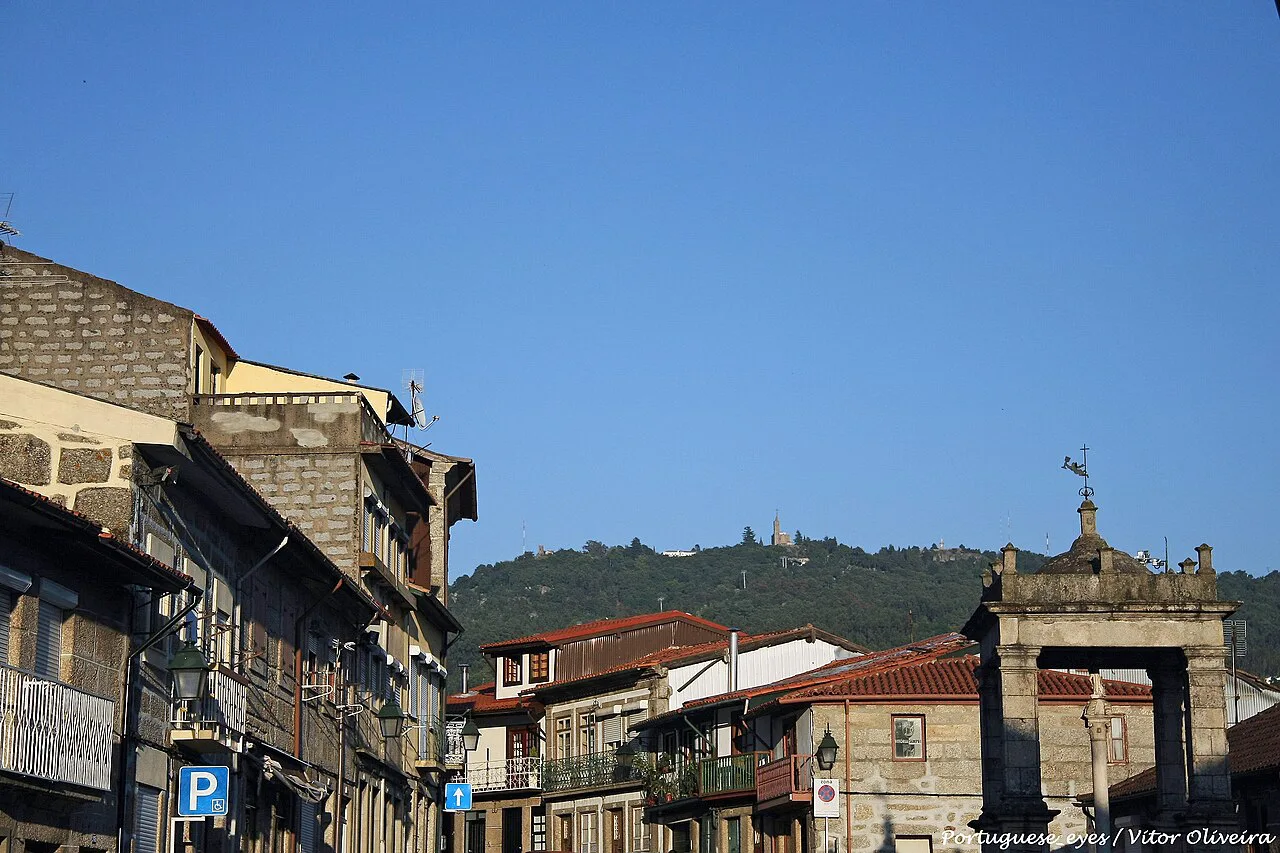
Largo da Oliveira is the prettiest square in the old town, ringed by arcades, cafés and the medieval arch that everyone photographs. The Igreja de Nossa Senhora da Oliveira adjoins it, a Gothic church with a tall interior and Baroque artwork; step inside for ten minutes rather than planning a long visit. The square is where you will end most afternoons, so leave time for a drink under the arcades.
Praça de Santiago and the Lanes of the Old Town
Praça de Santiago, a few minutes from Largo da Oliveira, is the other main square and the better one for eating: smaller, more intimate and lined with restaurants whose tables spill outside. The lanes between the two squares are the heart of the Guimarães old town, and getting deliberately lost here is the best thing you can do with an hour. Expect granite, balconies and small shops rather than major sights.
Santa Maria Street and the Old Tanneries
Rua de Santa Maria runs from the edge of the old town toward the river and holds the densest run of independent shops and ateliers in the city. Continue downhill to the old tanneries by the water, a modest but atmospheric remnant of the city's working past. This is a short detour rather than a half-day, best folded into a late-afternoon wander.
Museu Alberto Sampaio, in Guimarães' First Monastery
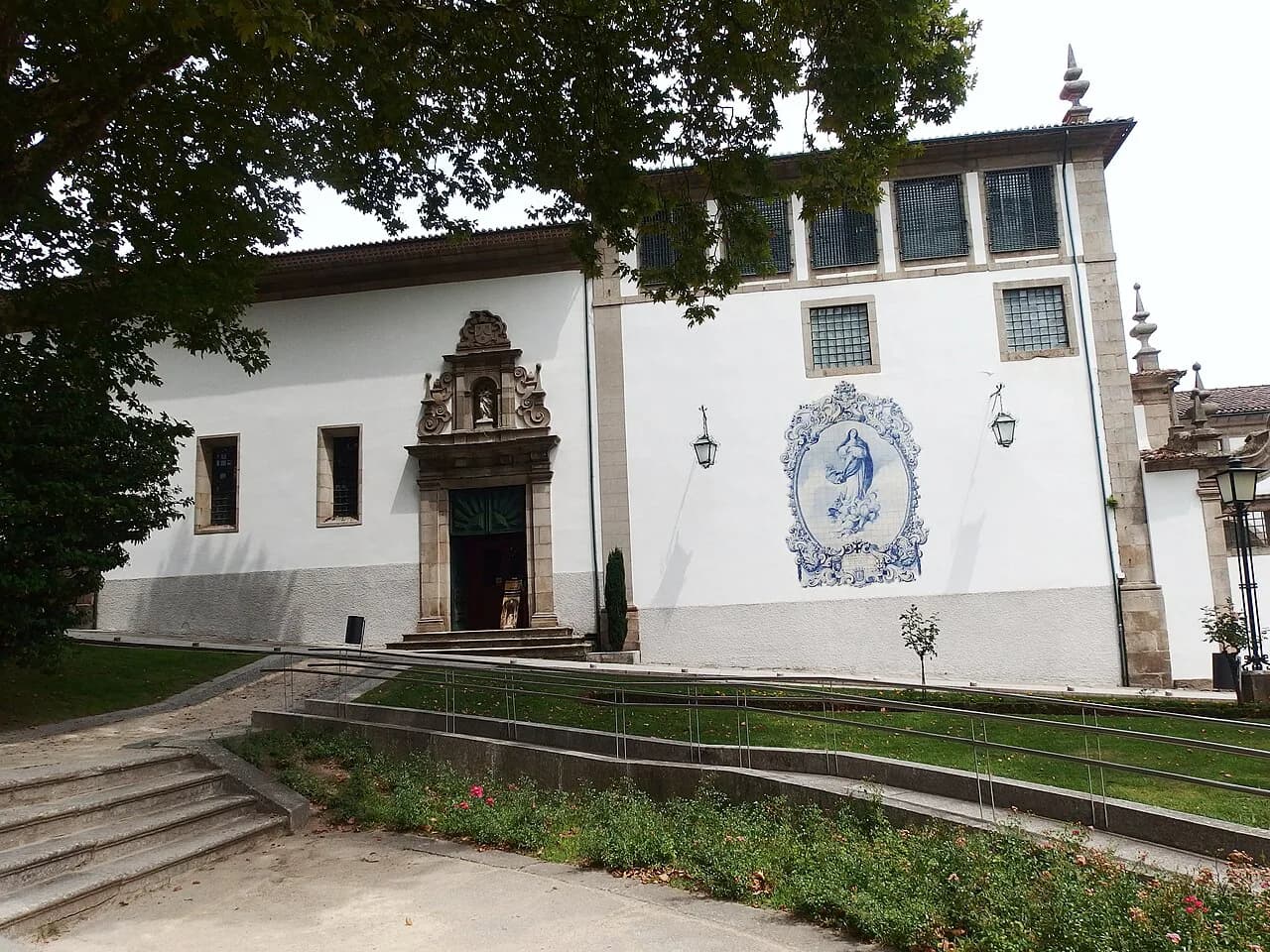
The Museu Alberto Sampaio occupies the monastery of Nossa Senhora da Oliveira, the first monastery built in Guimarães, and its arcaded courtyard and garden are as memorable as the collection inside. The displays run across three floors and include religious art and silverwork, with rotating exhibitions alongside the permanent pieces. It is the strongest museum in the historic centre if you have a rainy hour.
José de Guimarães International Arts Centre (CIAJG)
The Centro Internacional das Artes José de Guimarães, usually shortened to CIAJG, is the contemporary counterweight to the old town's medieval and Baroque sights. Its collection mixes non-European art with the work of the Portuguese artist José de Guimarães, and the building sits away from the main tourist circuit, which keeps it quiet. If you want one indoor sight that is not a church or a palace, this is it.
Church of Nossa Senhora da Consolação e Santos Passos and the Garden at Largo da República do Brasil
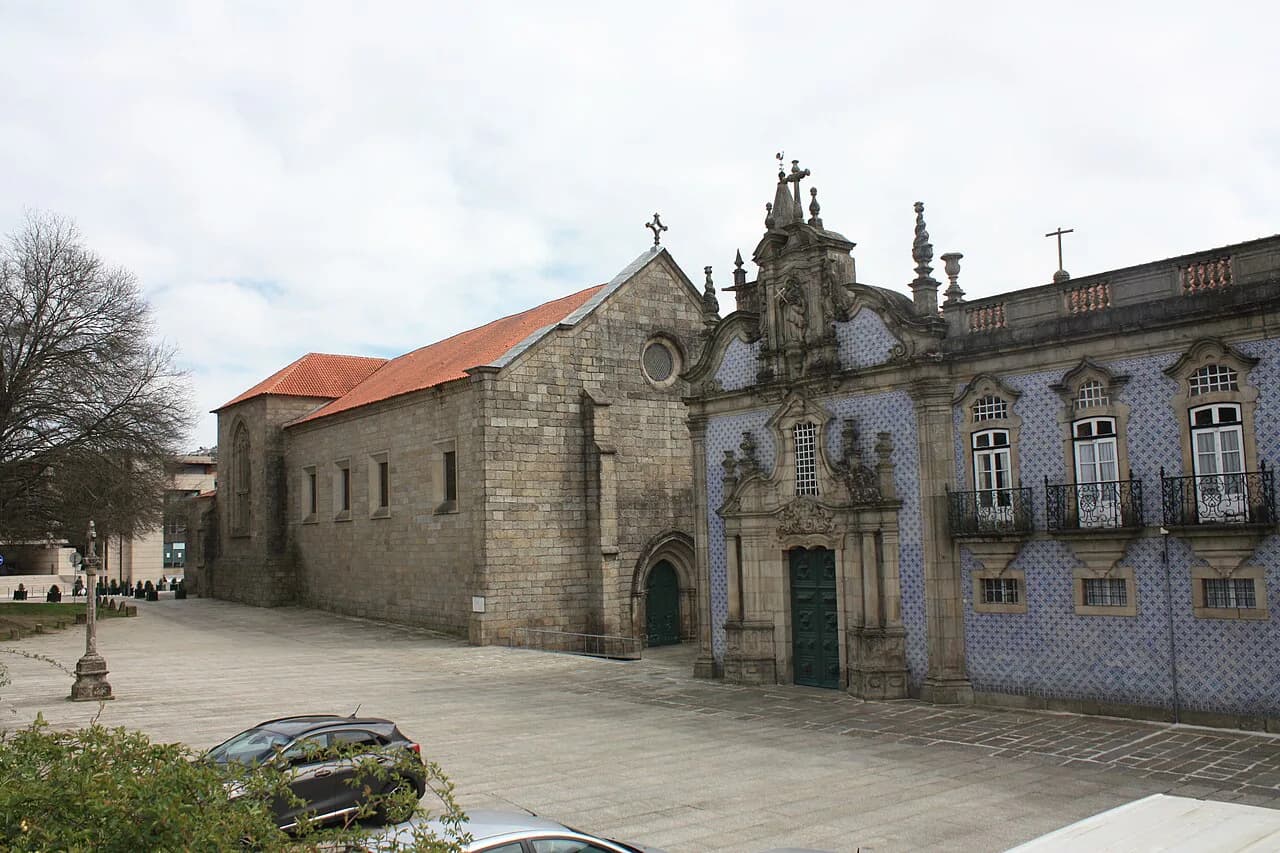
The Igreja de Nossa Senhora da Consolação e Santos Passos sits at the end of the Jardim do Largo da República do Brasil, the sweeping flower garden that marks the entrance to the city centre and is one of the most photographed spots in Guimarães. The Baroque church, framed by the garden, is often called the prettiest in Portugal, and entry is free. Combine the two on the walk between the station side of town and the old town.
Penha Hill: Cable Car and Viewpoint
Monte da Penha rises above the city and is the classic half-day escape from the granite streets: go up late in the afternoon, take in the views over the city, and come down before dinner. Walking routes lead up the hill for those who prefer the climb to a ride. Transport times and fares change with the season, so confirm them locally on the day.
Food and Drink: Local Dishes and Vinho Verde
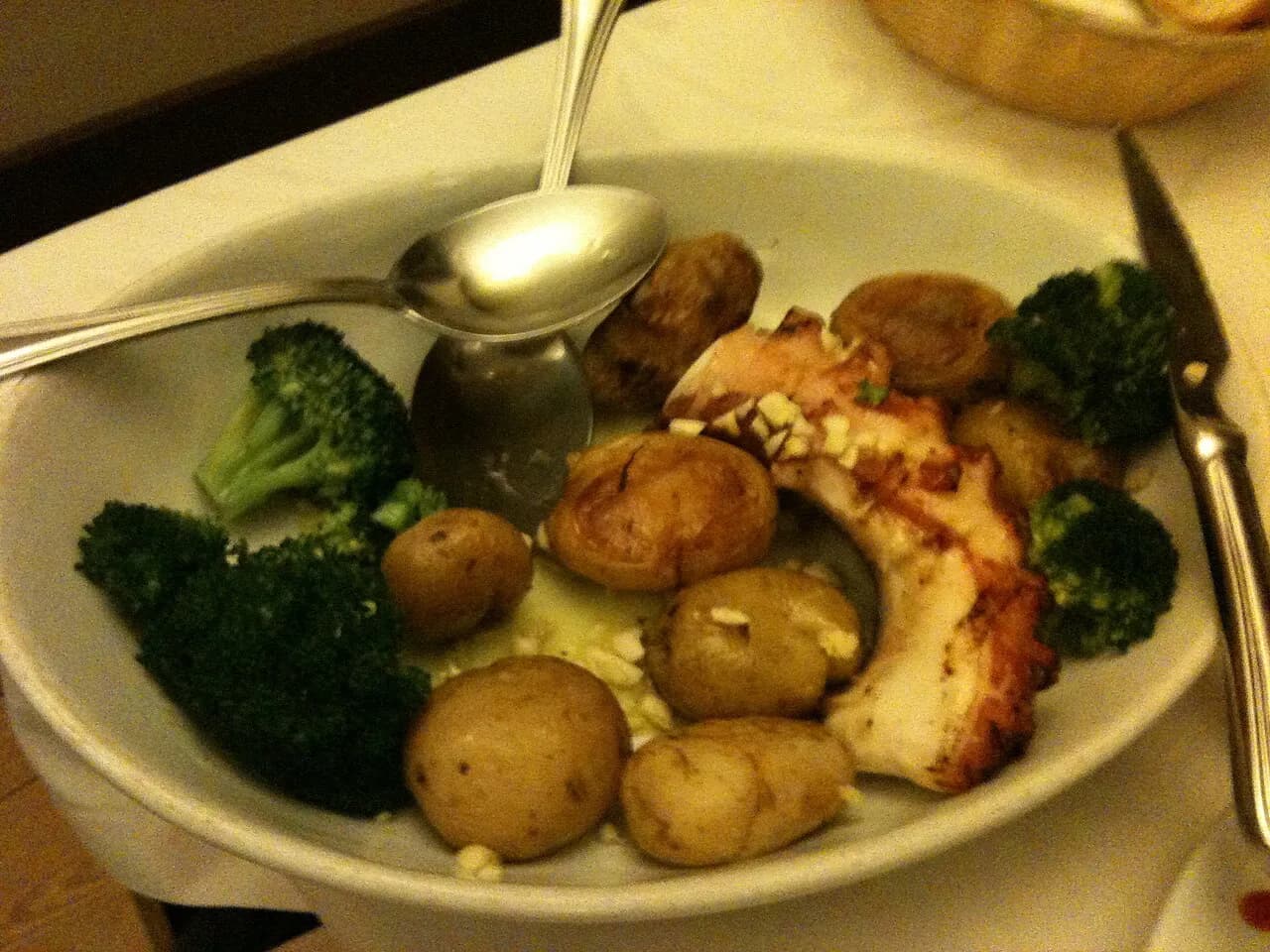
Guimarães sits in the Minho, so the local cooking leans on hearty northern dishes and the region's young Vinho Verde, which is the drink to order with lunch. Quinta de Cancela and Quinta dos Encados are two Vinho Verde producers associated with the area around the city. For places to eat, the restaurants around Praça de Santiago are the obvious starting point, with better value usually a street or two back.
Citânia de Briteiros, Beyond the City
Citânia de Briteiros is an Iron Age hillfort settlement outside Guimarães and the one sight on this list that needs a car or a taxi. The excavated stone roundhouses and walls give a different kind of history from the castle and are worth the detour if you have a spare half-day. Check access and opening arrangements before you go, because it is not a place to turn up at casually.
How Many Days Guimarães Needs
One full day covers the castle, palace, both main squares and a museum at a comfortable pace; two nights let you add Penha hill and a lazy afternoon in the old town without watching the clock. Guimarães is a strolling city, so treat the itinerary as a frame rather than a schedule and leave gaps for cafés and side lanes. If you try to bolt it onto a Porto day trip, accept that you will see the headline sights and skip the rest.
Guimarães as a Day Trip from Porto: Getting There and Back
Guimarães is about 60 kilometres northeast of Porto, and the train from Porto takes a little over an hour, which makes a day trip feasible. A bus takes around 50 minutes, though it leaves you slightly further from the old town. The walk up to the castle from Guimarães station is straightforward.
If you are weighing up other towns in the region, Guimarães pairs naturally with Braga, whose cathedral and Bom Jesus do Monte make a contrasting day, while Aveiro offers canals and moliceiros on the coast. For a coast day built around those canals, see these things to do in Aveiro. Both are easy add-ons rather than substitutes, so decide based on whether you want more monuments or more water.
One Day or Two Nights in Guimarães?
Choose the day trip if Guimarães is one stop on a Porto-based break: you can see the castle, palace and both squares between morning and late afternoon. Choose two nights if you want Penha hill, a museum and a proper evening meal without rushing back on the train. Either way, plan the castle hill for the morning and leave the old town for the afternoon, when the squares are at their best.
Explore more Guimarães guides
- Guimarães Castle (Castelo de Guimarães)
- Guimarães Old Town
- Guimarães Restaurants
- Is Guimarães Worth Visiting? What You Get on a Short Break
- Museums in Guimarães
- Porto to Guimarães
- Azulejos in Guimarães
- Brunch in Guimarães
- Churches in Guimarães
- Guimarães Food
- Guimarães History
- Guimarães Itinerary
- Guimarães Market
- Guimarães Walking Tour
- Guimarães, Birthplace of Portugal
- Shopping in Guimarães
- Vegan and Vegetarian Food in Guimarães
Frequently Asked Questions
Is Guimarães worth visiting?
Yes, if you like medieval streets and walking rather than blockbuster attractions. The castle, palace and old town fit into one full day, and Penha hill adds a half-day escape above the city.
What part of Portugal is Guimarães in?
Guimarães is in northern Portugal, in the Minho region, about 60 kilometres northeast of Porto. Trains and buses from Porto make it reachable in around an hour.
How far is Guimarães from Porto?
It is roughly 60 kilometres northeast of Porto. The train takes a little over an hour from Porto's São Bento or Campanhã stations, and the bus takes around 50 minutes.
Sources
Notes for your next Portuguese break
Optional updates to our town guides.
You might also like
Continue reading
More guides you'll find useful