Porto to Guimarães: Train Times and What to See
Trains from Porto to Guimarães take about 1h15 from São Bento or Campanhã. What to see in the UNESCO centre, from the castle to Largo da Oliveira.
On this page
The train is the simplest way from Porto to Guimarães, taking around 1 hour 15 minutes with frequent departures from either São Bento or Campanhã station. That puts the cradle of Portugal within a comfortable day trip, with a UNESCO-listed centre, a seven-towered castle and a ducal palace packed into a compact area. This guide covers which station to choose, how the town is laid out, what to see in a day and where to stop for the local sweets and codfish.
How to get from Porto to Guimarães: the short answer
Take the train. Services leave from both of Porto's main stations, São Bento in the centre and Campanhã to the east, and the ride to Guimarães runs about 1 hour 15 minutes. São Bento suits anyone staying in the historic core around Aliados or the Ribeira, since you can walk to the platforms; Campanhã is the better pick if your hotel sits near the eastern edge or you are connecting from another line. Buy your ticket at the station or through the operator rather than relying on a resale page, which carries no useful timetable detail of its own.
Guimarães sits around 55 km northeast of Porto, close enough that a same-day return is realistic without an early alarm. Aim to arrive late morning so you have the afternoon for the castle and palace, which sit at opposite ends of the historic centre. If you are weighing Guimarães against other stops on your Porto break, it earns its place on density alone: you can cover the main squares and monuments on foot in a single loop.
Arriving in Guimarães: where to start in the old centre
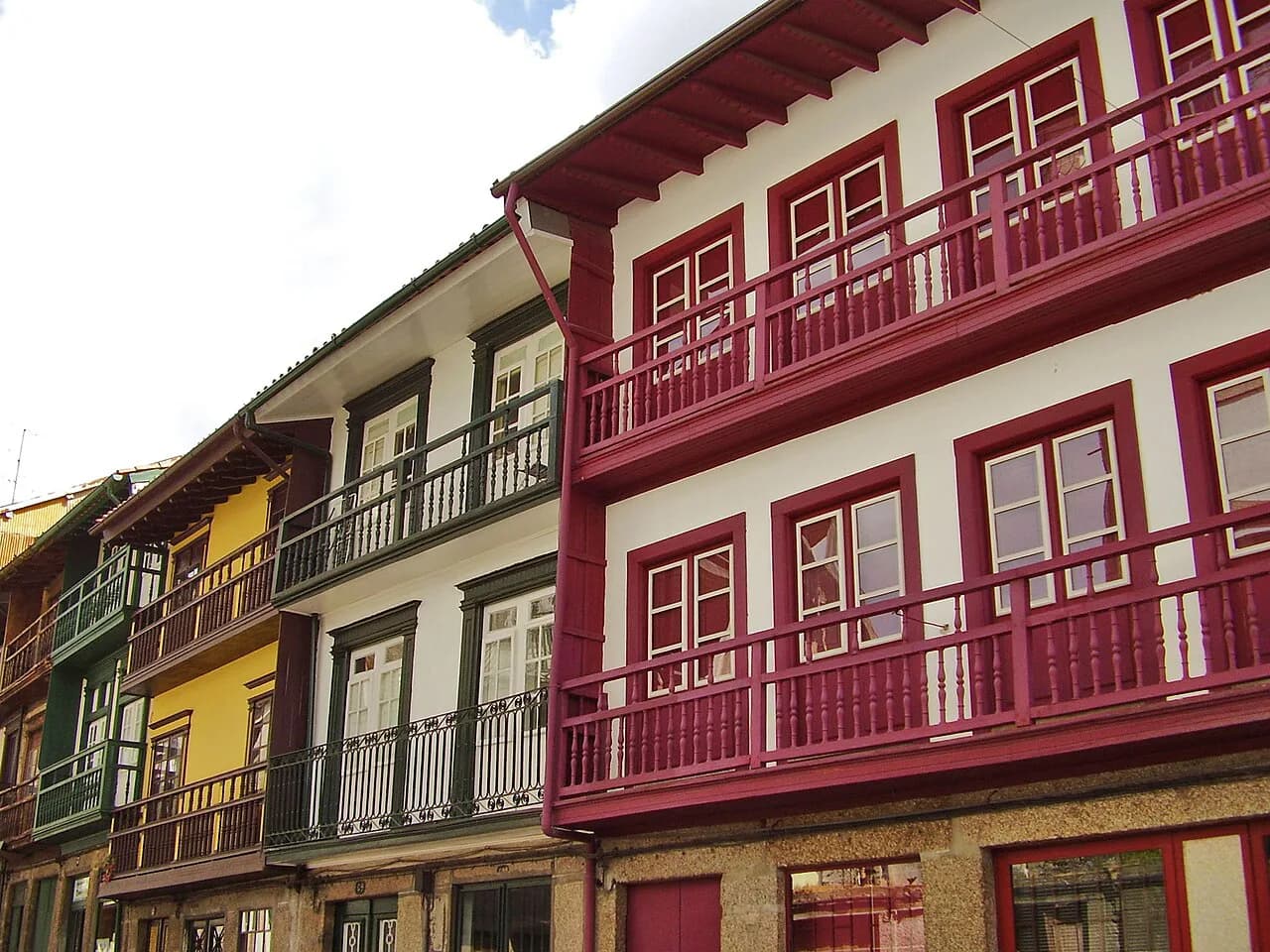
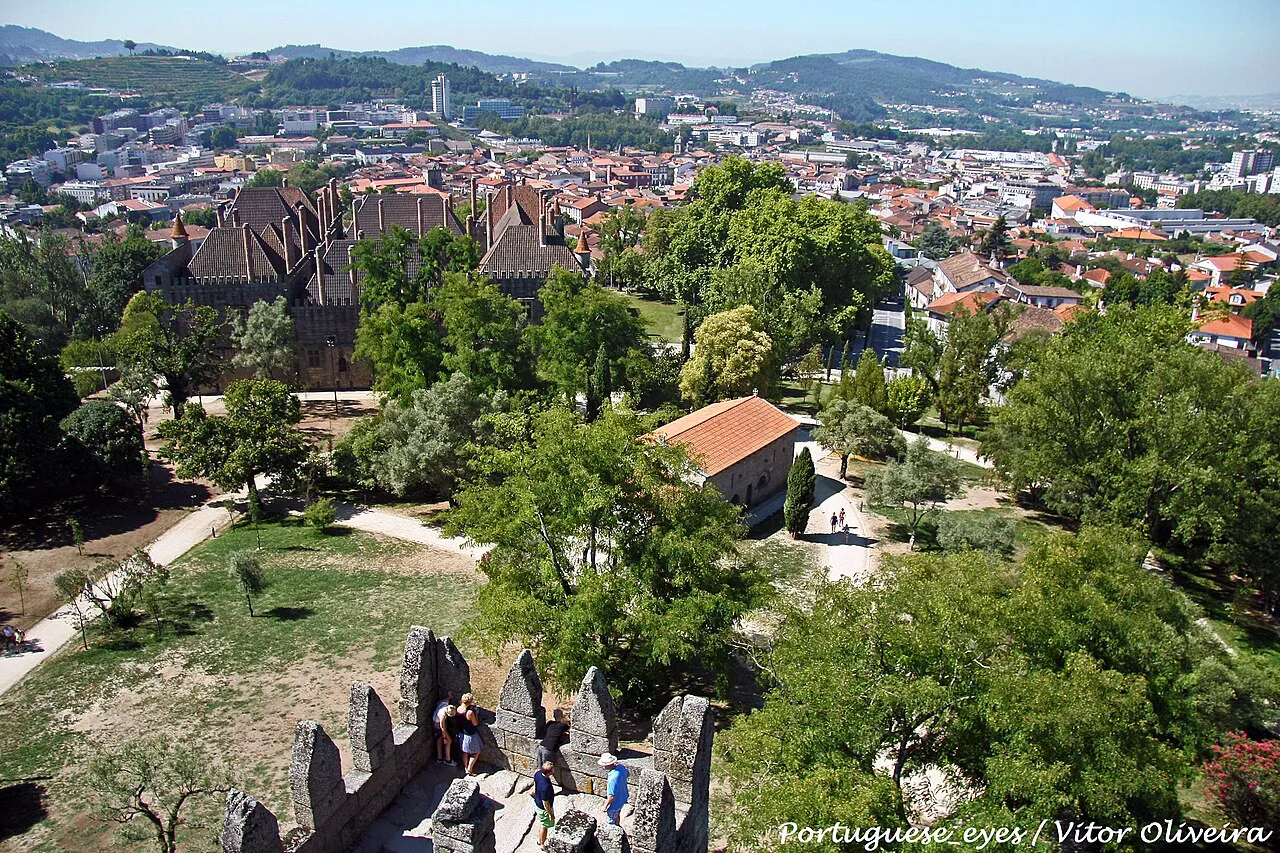
Guimarães grew up inside a set of old walls, and the granitic streets between them are the reason the centre carries its UNESCO listing. Start by orientating yourself around the two main squares rather than heading straight for the castle; the squares are the natural crossroads and everything else radiates from them. For a fuller picture of the layout, the [Guimarães Old Town] guide covers the streets and lanes in more detail.
What to see in a day: Largo da Oliveira and Largo de Santiago
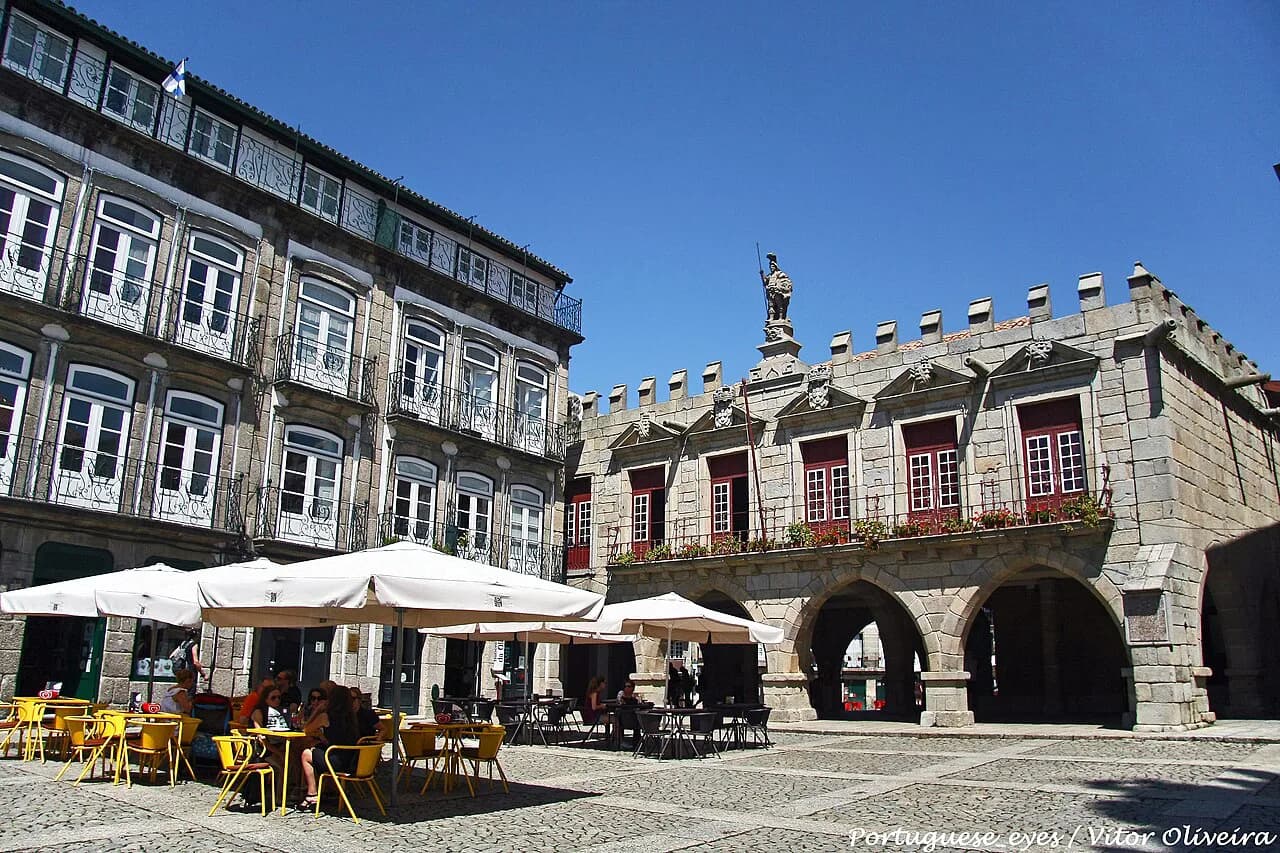
Largo da Oliveira and Largo de Santiago are the two squares at the heart of the old town, both ringed by arcaded medieval facades. The Nossa Senhora da Oliveira church on Largo da Oliveira gives the square its framing, and the combination of the church front and the arcades is one of the finest in the country. Between the two squares stands the 14th-century old town hall, its arches forming a passage that frames the view through to the square beyond.
Allow an hour for the squares and the streets linking them, including a coffee stop. The centre is small enough that you will pass through Largo da Oliveira several times in a day, so treat it as a reference point rather than a single sight to tick off. If you want the history of the buildings fleshed out, a [Guimarães walking tour] can stitch the squares, the old town hall and the churches into a coherent story.
Guimarães Castle and the Palace of the Dukes of Bragança
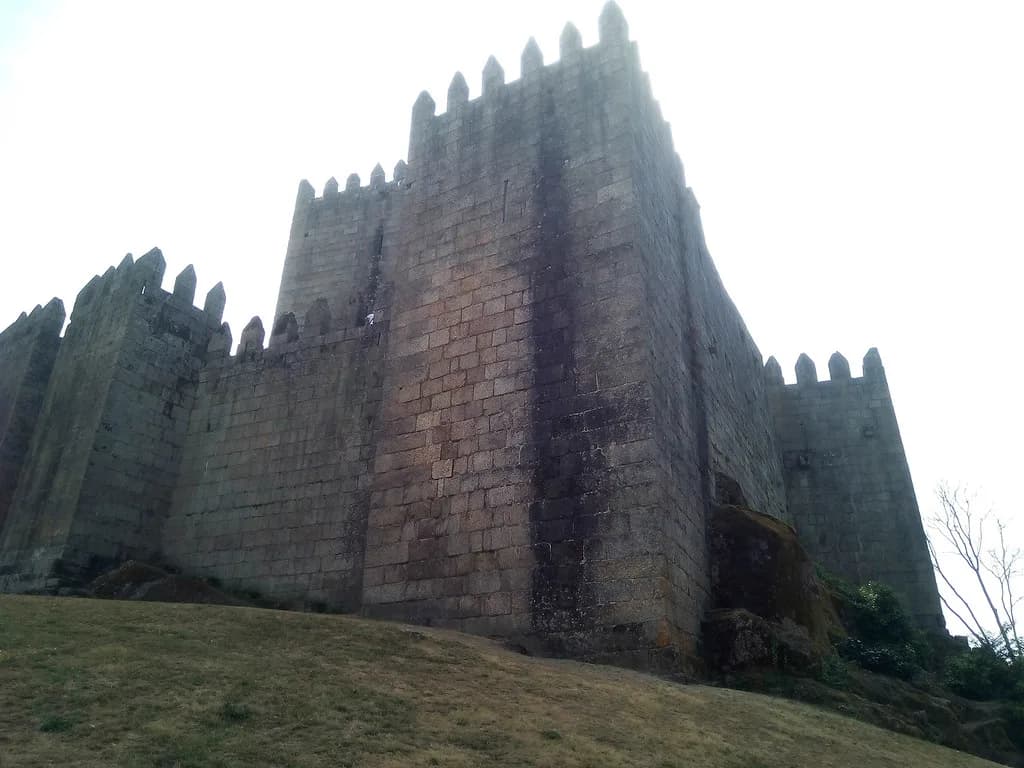
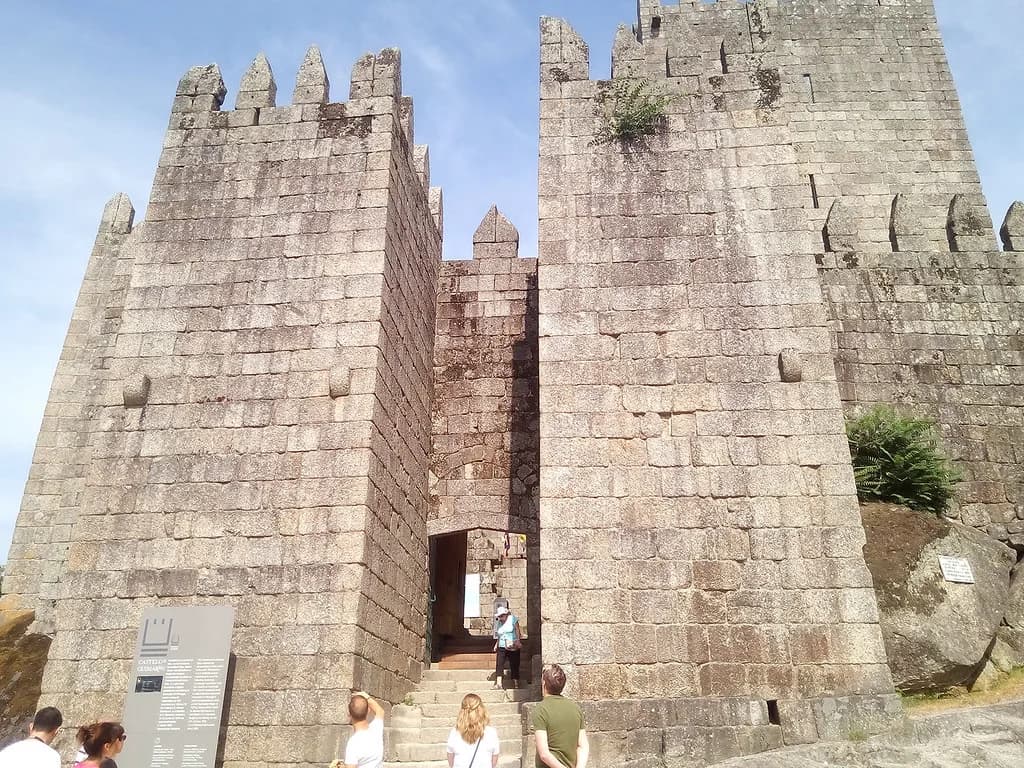
The castle is the reason many people make the trip: a seven-towered granite fortress built in the 11th century and one of the greatest symbols of Portuguese history, with strong associations to Afonso Henriques, the country's first king. It is well preserved and one of the most majestic buildings in town, and sunset is a rewarding time to see it. Opening days and ticket price are not listed here — check the castle's own page before you travel, rather than assuming it is open on any given day.
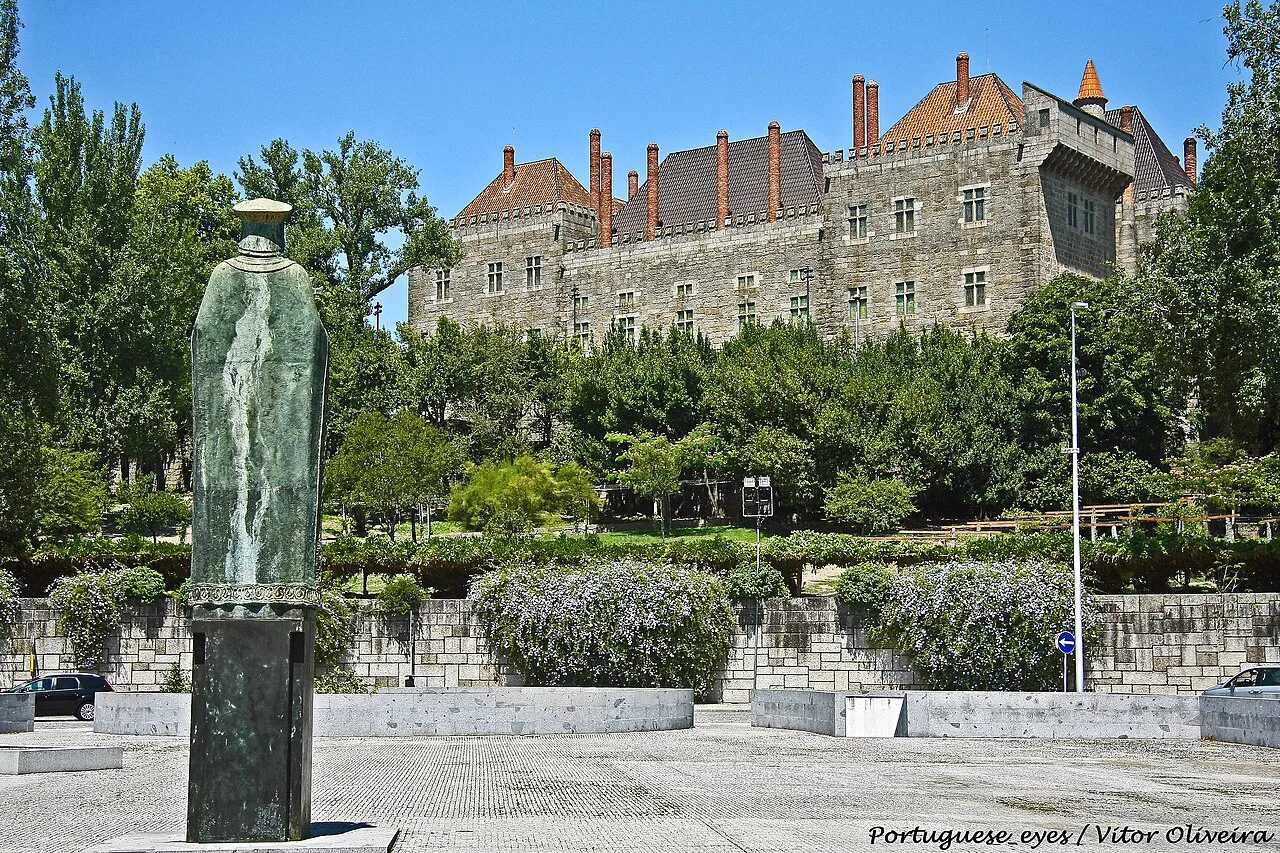
The Palace of the Dukes of Bragança, built from 1401, stands a few minutes' walk from the castle and is unmistakable for its 39 cylindrical brick chimneys and French-inspired facade. Inside, the state rooms hold Flemish tapestries, medieval weapons and furniture, and the building now serves as an official residence of the Portuguese presidency while remaining open to visitors. Pair the two sights in one block of time, then walk back down into the centre; the whole loop from castle to palace to squares is comfortably under two hours on foot.
Santo António dos Capuchos Monastery and Citânia de Briteiros
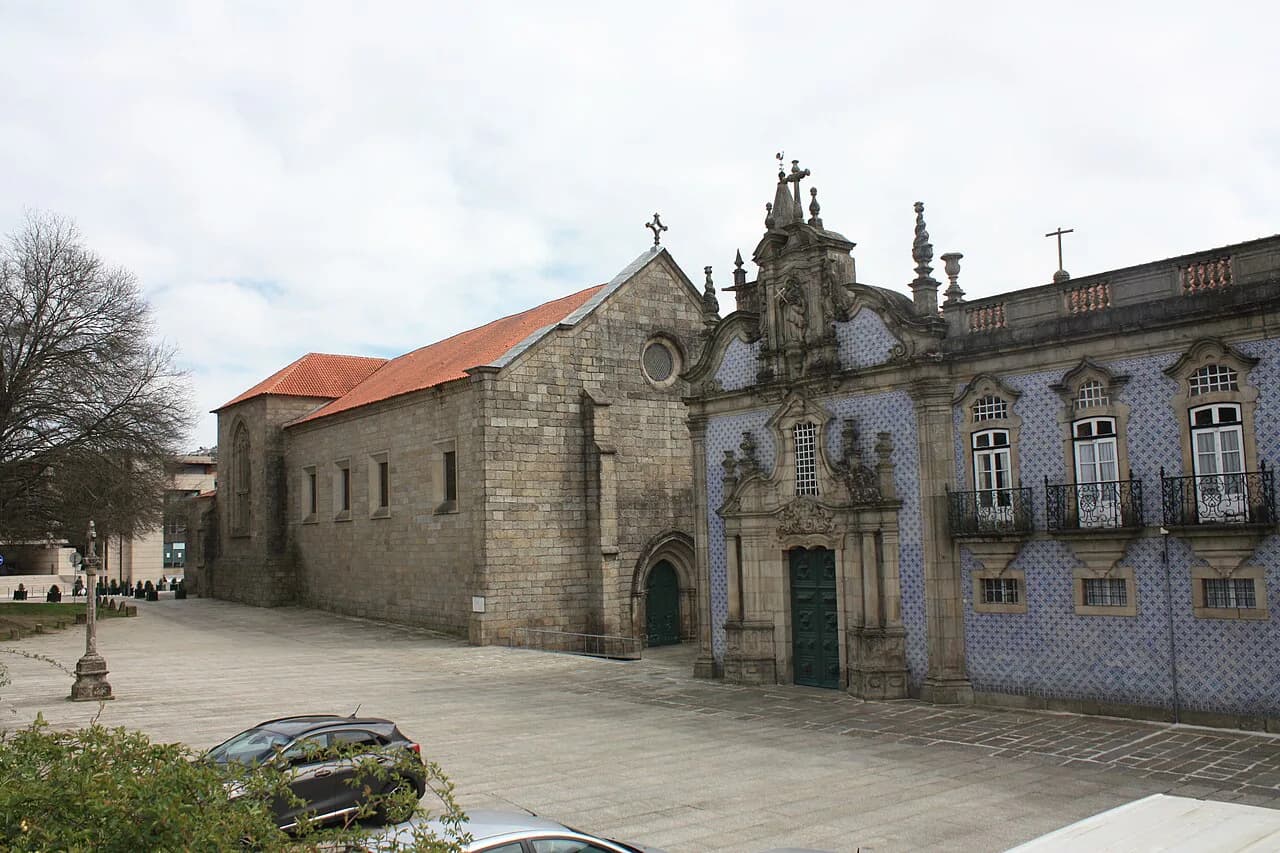
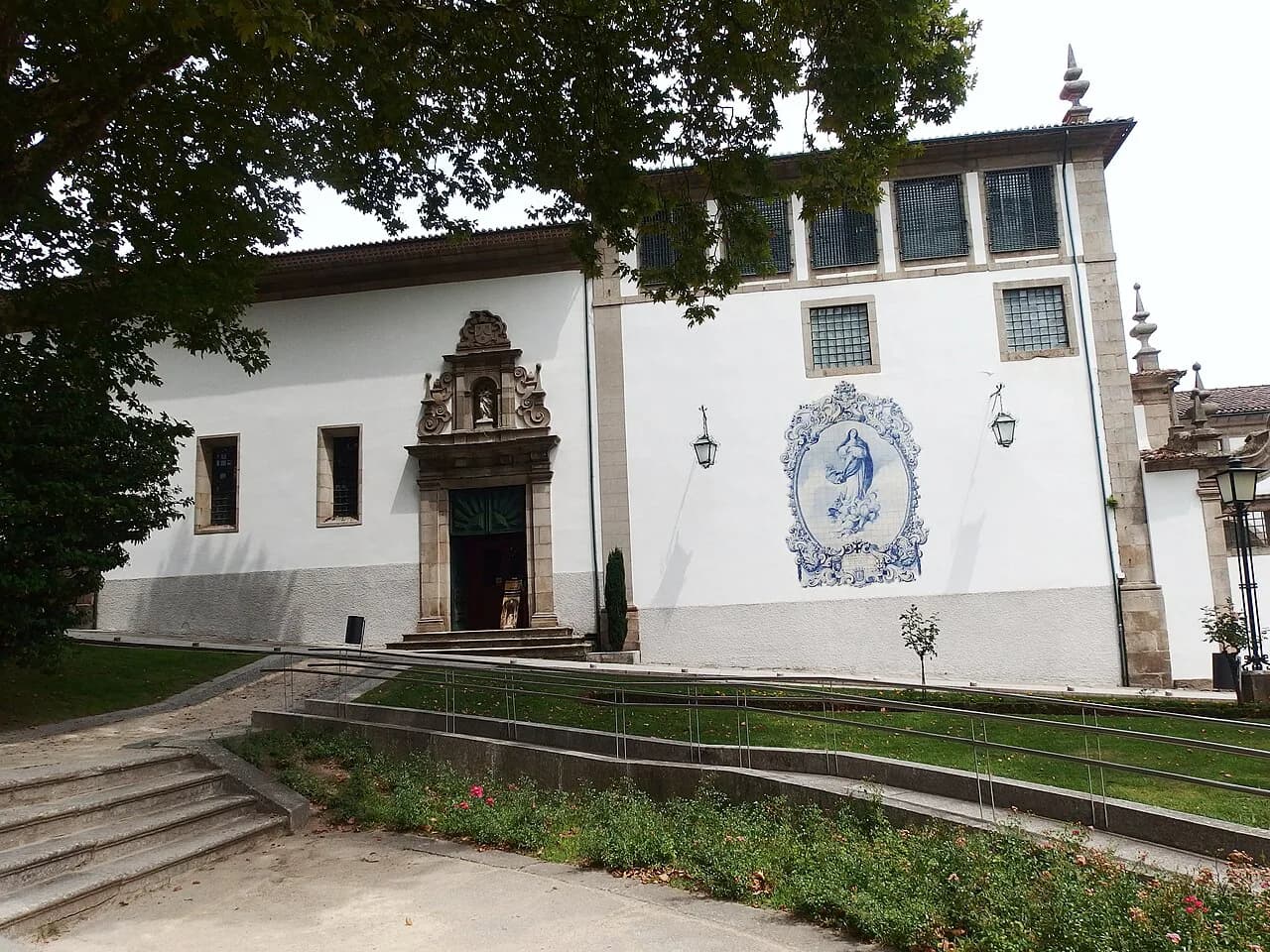
The Santo António dos Capuchos Monastery, built in the 17th century, has an odd history: the friars were allowed to take stone from the castle and town wall, which caused public outrage at the time. It later served as the town's Mercy Hospital, and its layered past makes it a quieter counterpoint to the headline monuments. Pair it with a wander through the surrounding streets rather than treating it as a standalone stop.
Citânia de Briteiros is worth knowing about only if you have a car or extra time: the Iron Age hillfort settlement sits around 14 km from Guimarães on the top of São Romão hill, with excavated stone dwellings dating back more than 2,000 years. It is one of the most extensively excavated Castro culture sites in the northwest of the Iberian Peninsula, but the distance means it does not fit into a straightforward train day trip. If you are staying overnight, treat it as a separate half-day outing.
If you want to focus your time on the town's museums rather than the outlying sites, the [Guimarães museum] coverage is a better place to start than trying to fit everything in. Between the castle, the palace and the squares you already have a full day, and adding Briteiros means cutting something else.
Where to eat: Pastelaria Clarinha, Antigo Nora do Zé da Curva and Restaurante Etc
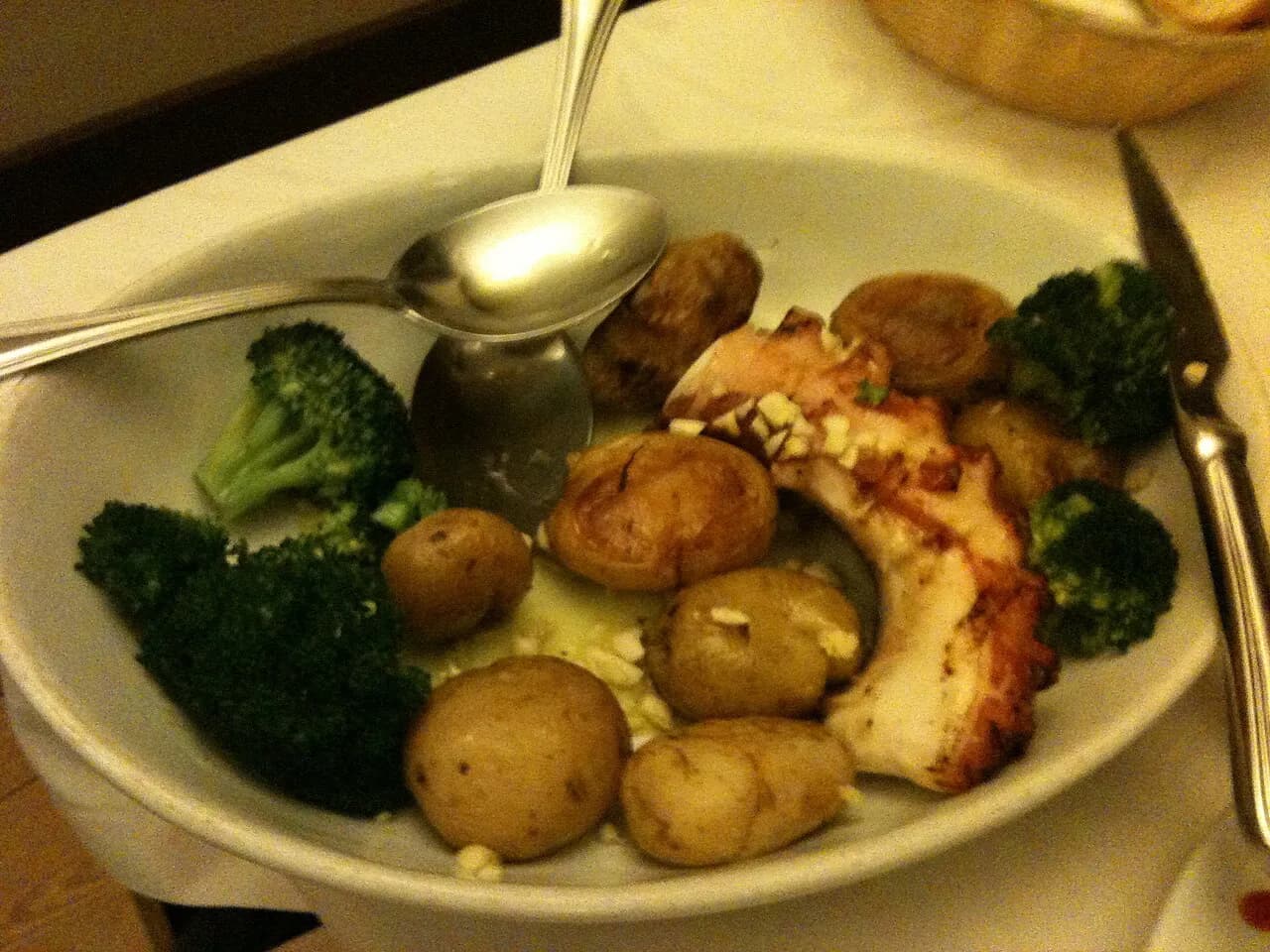
Pastelaria Clarinha has been baking since 1953 and is the place to try toucinho do céu, an almond cake, along with torta de Guimarães, the local rolled pastry. The windows alone are worth the stop, and it makes a good mid-morning anchor before you tackle the castle. For a sit-down lunch, Antigo Nora do Zé da Curva is an old-style Casa de pasto serving traditional petiscos and codfish, while Restaurante Etc deals in generous portions of meat-heavy Portuguese cooking in a family-run setting.
Book lunch or eat early if you are on a day trip, because restaurant closing days and lunchtime service hours vary and the sources here do not list them. The wider [Guimarães restaurants] guide covers more options if these three are full or closed on the day you visit.
Is Guimarães worth visiting on a short Porto break, and how many days does it need?
Yes, and one day is enough for the essentials. The UNESCO listing, the town's year as European Capital of Culture in 2012 and a place on the New York Times' 2011 'Top 40 places to visit' list are all part of the town's reputation rather than current rankings, but the underlying draw is real: a dense, walkable centre with genuine medieval architecture and a castle that most Portuguese towns cannot match. For a short break, it is a strong day trip from Porto, and if you want to stay overnight, two days gives you time for Briteiros and the monastery without rushing.
If you are still deciding whether to build your break around Guimarães, the honest answer is that it works best as a day trip or a relaxed two-night stop rather than a week-long base. The [things to do in Guimarães] guide gathers the main sights in one place, and the [Is Guimarães Worth Visiting? What You Get on a Short Break] page sets out the case in more detail.
Should you book the train or stay overnight?
For most Porto breaks, take a return train from Porto, arrive late morning and plan the castle, palace and two squares in a single loop, with a stop at Clarinha for toucinho do céu. Stay overnight only if you want Citânia de Briteiros or a slower pace around the monastery and churches. Check opening days for the monuments before you commit, since a closed day can reshape a one-day plan.
Explore more Guimarães guides
Frequently Asked Questions
Is Guimarães, Portugal worth visiting?
Yes. The historic centre is UNESCO-listed, the castle and Palace of the Dukes of Bragança are within walking distance of each other, and two medieval squares anchor a compact, walkable old town. One day covers the essentials; two days lets you add Citânia de Briteiros and the monastery.
Do trains from Porto to Guimarães leave from São Bento or Campanhã?
Both. Services depart from São Bento in central Porto and from Campanhã to the east, and the journey takes around 1 hour 15 minutes. Pick the station closest to your accommodation, and buy tickets from the operator rather than a resale site.
How many days do you need in Guimarães?
One full day is enough for the old town, castle, palace and a lunch stop. Add a second day if you want to visit Citânia de Briteiros, which sits around 14 km outside town and needs its own transport.
Sources
Notes for your next Portuguese break
Optional updates to our town guides.
You might also like
Continue reading
More guides you'll find useful