Is Guimarães Worth Visiting? An Honest Answer for a Short Break
Yes, Guimarães is worth visiting for its granite UNESCO centre, castle and palace. Here is what it does well, who it suits and how long it needs.
On this page
Yes, Guimarães is worth visiting, and one full day covers its core if you walk steadily. The town claims Afonso Henriques, born in 1109, as Portugal's first king, and its historical centre is a UNESCO World Heritage Site, which gives a short break a clear focus. Our things to do in Guimarães picks run through the same sights in walking order, and this page sets out what the town does well, which sights earn your time, and how to shape a one- or two-day stay.
What makes Guimarães different
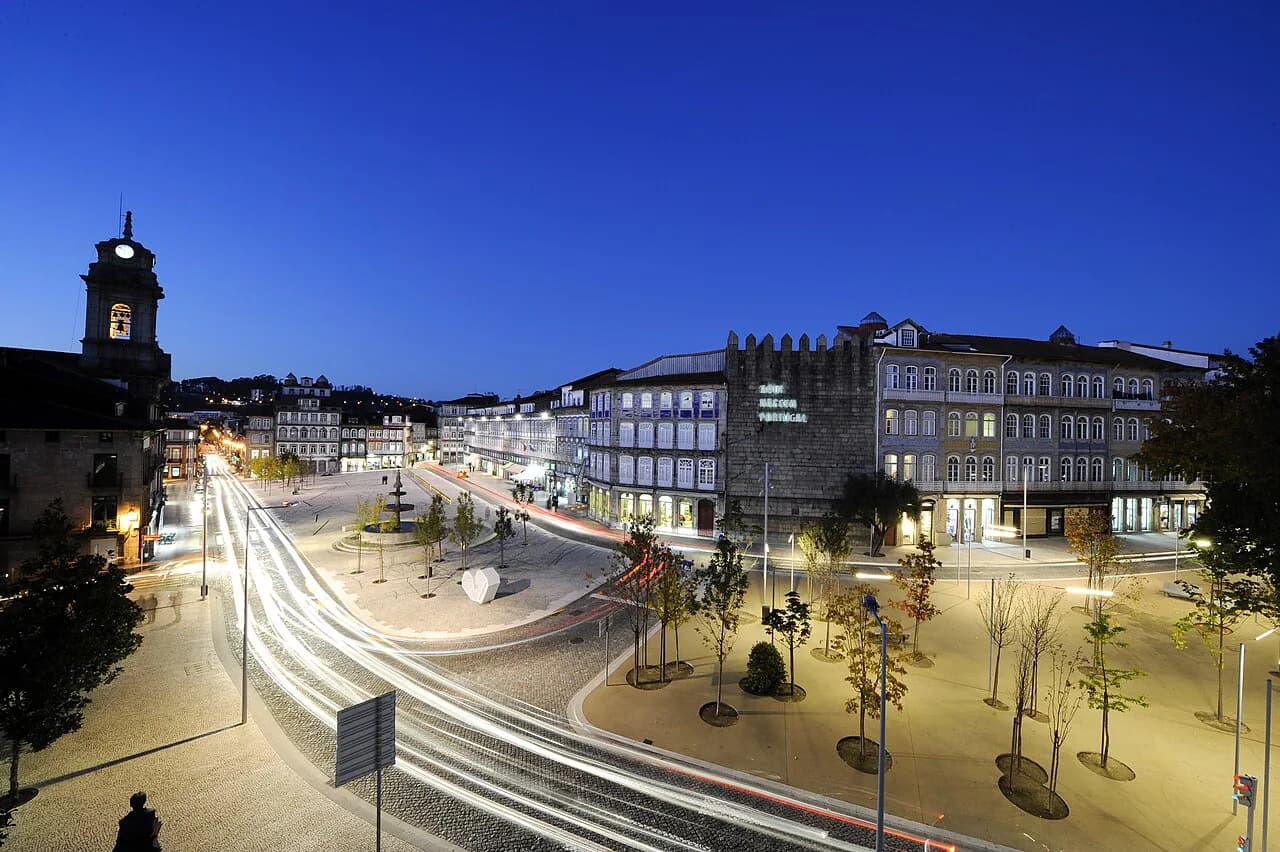
The centre is granite, tight and lived-in, with narrow streets that reward slow walking rather than a checklist. That compactness is the main argument for visiting: the castle, the palace and the two old squares sit within a short walk of each other. The wider old town, including the lanes below the castle, is easy to cover on foot in an afternoon, and flat shoes cope better than heels on the smoothed cobbles.
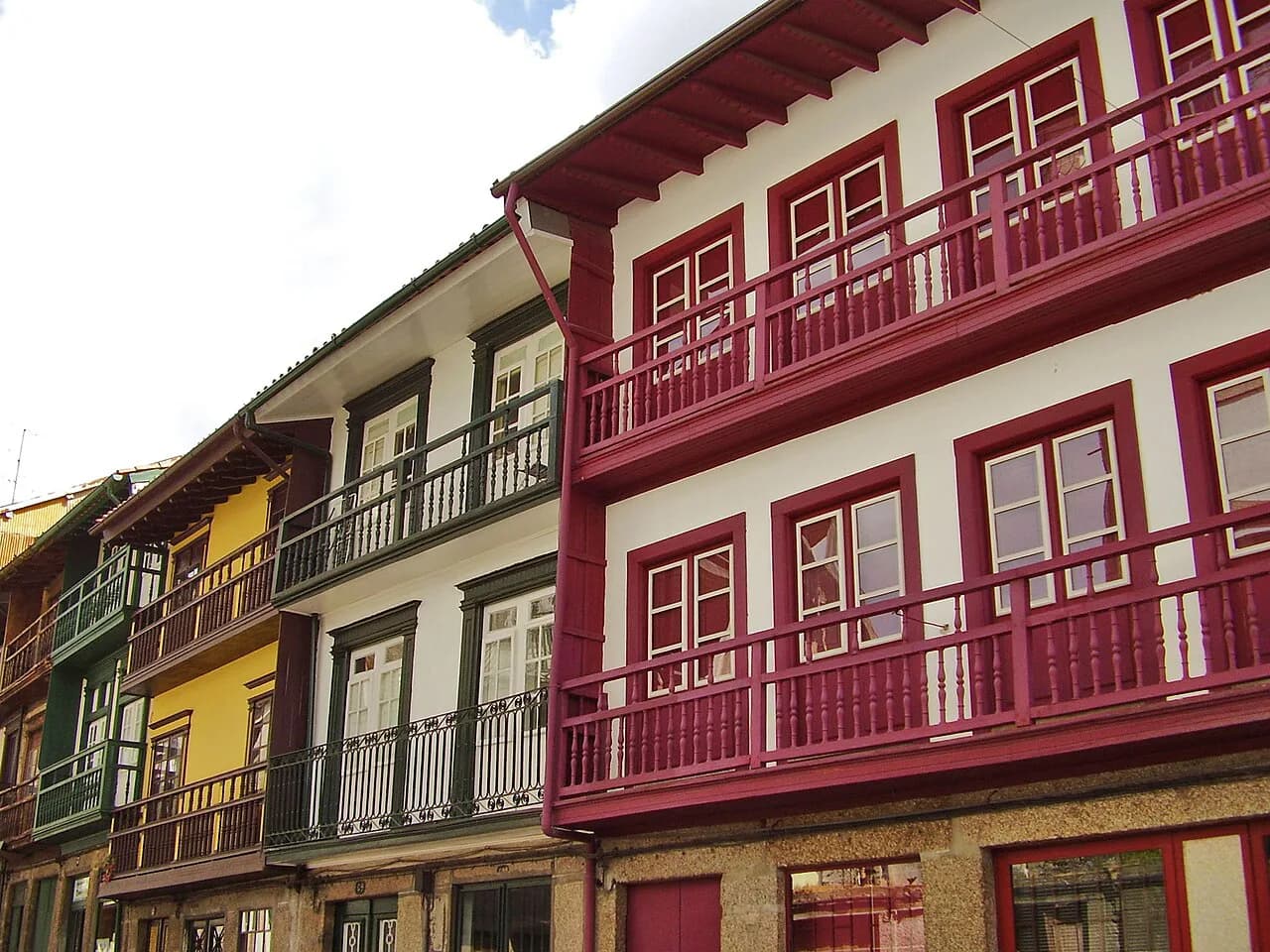
The historical centre is listed by UNESCO, and the inscription covers the tight granite streets rather than a single monument, so the walking is the sight. Balconies in forged iron and worn cobbles make the lanes photogenic, but this is a working town as much as a museum piece, with people living and working along the same routes you wander.

The core sights: castle, palace and squares
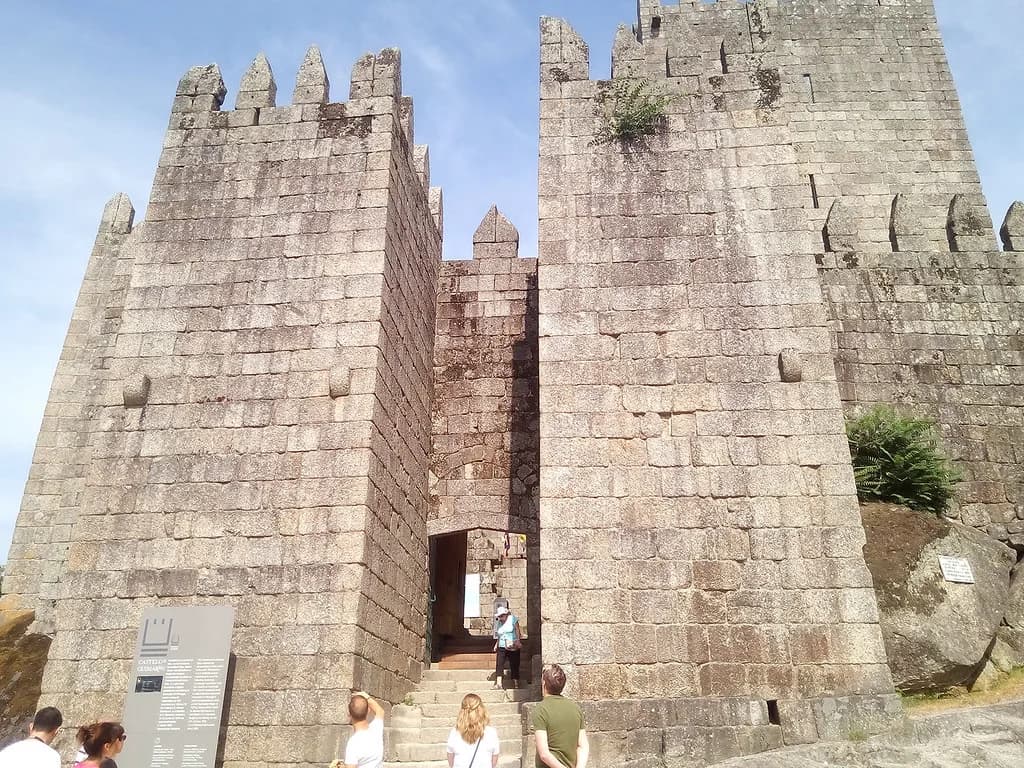
Start with the Castelo de Guimarães and the Paço dos Duques de Bragança, which stand together on the same site just above the centre. The castle holds the room where Afonso Henriques is said to have been born, and its battlements give a view back over the roofs; the palace begun in the 1420s holds furniture, plates and paintings and a chapel with coloured glass. A combination ticket lets you visit both at a cheaper price than buying separately.
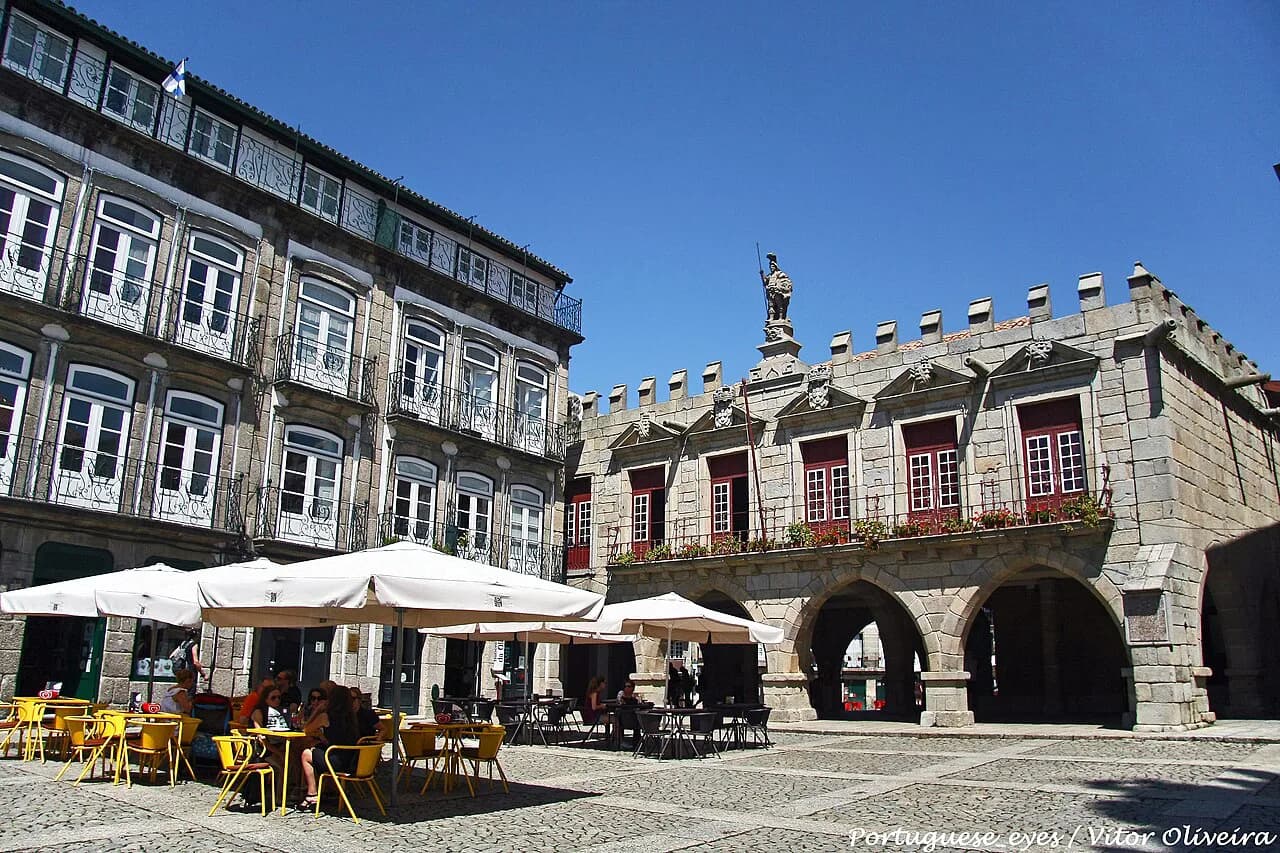
The two old squares, Largo da Oliveira and Praça de Santiago, sit close together and are where the centre's life gathers, with the Padrão do Salado monument and the Igreja Nossa Senhora da Oliveira in the first. They are the natural place for lunch before or after the monuments; Restaurant Paraxut, nearby, serves a memorable meat dish while you watch the square fill. Walking between the two takes a couple of minutes, so treat them as one stop.

Museu de Alberto Sampaio: visit or skip?
The Museu de Alberto Sampaio holds a large collection of sacred art from regional monasteries, with more than 2,000 works including textiles, ceramics, paintings and vestments, in a building whose oldest part dates to the thirteenth century. It is a good museum, but if your time is tight the palace and castle deserve priority. Put it second on a one-day plan and first on a wet two-day one, when an indoor hour is welcome, and use our museums in Guimarães guide to decide whether it earns a slot.
Monte da Penha and the churches
Monte da Penha rises above the town and offers a viewpoint over the roofs and the surrounding hills. It fits a two-day visit comfortably but strains a single day that also includes the castle and palace, so decide early which you would rather lose. Going up late in the afternoon gives softer light over the granite.
The Igreja Nossa Senhora da Consolação, built in 1769 in baroque style at the top of Largo República do Brasil, is worth a detour for its avenue approach and interior detail.
Who will love Guimarães, and who may not
Guimarães suits travellers who want history, granite streets and a compact centre they can walk in a day, and who value monuments over nightlife. It is less compelling for those seeking beaches, big-city dining or a long list of museums. The castle is modest next to the palace but remains worth seeing, so do not let a short visit tempt you to drop it.
How many days does Guimarães need?
One full day covers the castle, palace and squares at a comfortable pace; two days allow the museum, the Monte da Penha viewpoint and a slower walk through the old town. If you are based in Porto, Guimarães works as a day trip, and it sits about 25 kilometres from Braga, making a combined trip possible if you have a car. Staying overnight buys you an evening in the squares once the day visitors have gone, and a Guimarães walking tour helps you read the lanes rather than pass through them.
Should Guimarães make your short break?
Yes, if you want a compact, walkable town with a castle, a palace and two handsome squares, Guimarães justifies a day or two. Skip it only if your priorities lie elsewhere, such as beaches or big-city dining.
A combined castle-and-palace ticket works out cheaper than two separate ones, so buy that; and check opening days on the monuments' own pages before you travel, as Guimarães' sights keep their own schedules.
Explore more Guimarães guides
Frequently Asked Questions
Is Guimarães worth visiting from Porto?
Yes, it works as a day trip from Porto. The centre is compact enough to cover the castle, palace and old squares in a day, though staying overnight gives you time for the museum and the Monte da Penha viewpoint.
Is Braga or Guimarães better for a day trip?
They suit different tastes. Braga is larger and has a religious focus, while Guimarães is smaller, walkable and centred on its UNESCO-listed old town, castle and palace. If you have time, the two towns are about 25 kilometres apart and can be combined.
Sources
Notes for your next Portuguese break
Optional updates to our town guides.
You might also like

Continue reading
More guides you'll find useful