Guimarães Food: What to Eat and Where to Eat It
What to eat in Guimarães, from alheira sausages and caldo verde to Toucinho do Céu and red vinho verde, plus the taverns, tascas and restaurants serving them.
On this page
Guimarães food is hearty northern Portuguese cooking from the Minho: sausages, salt cod, cabbage soup, wet rice dishes and egg-rich convent sweets, eaten in tiny taverns or one smart dining room. Expect to spend more on a Michelin-starred tasting menu than on a plate of petiscos, and to drink vinho verde, including a red version served in small white bowls. This guide covers what to order, which venues suit a quick lunch and which need booking, and where the town's sweets come from.
The old town is compact, so most of these places sit within a short walk of the main squares, which makes it easy to pair lunch with the sights. If you are still shaping the trip, our guide to the things to do in Guimarães sets the food stops against the castle, the palace and the historic centre.
What Guimarães food is: hearty cooking in the Minho
The cooking here is northern and filling rather than Mediterranean-light: caldo verde (green cabbage soup), alheira sausages, salt cod and rice dishes appear across menus, usually with vinho verde alongside. Portions tend to be large, which makes lunch the sensible main meal if you plan an afternoon of walking.
Guimarães sits in the Minho, and the region's vinho verde is the default pour, including a red vinho verde tinto that is uncommon elsewhere in Portugal. Locals serve it in small white porcelain bowls rather than glasses, so expect sediment and purple-red teeth. Order it by the glass or the bottle with anything porky.
One quirk of the town's restaurant culture is that some places geared to day-trippers do not stay open past early evening in winter, which argues for booking dinner rather than assuming you can wander in. The old town's layout and opening patterns are covered in our guide to the Guimarães old town.
Start with the snacks: petiscos, tavern plates and the couvert
Many restaurants bring a couvert before your order: a small plate of pâté, olives or similar to start the meal. It is not free, but it is inexpensive, so either accept it knowingly or wave it away before you start picking.
For a proper snack-led meal, head to Taberna Trovador on Largo do Trovador, where the menu is built around petiscos so you can order widely and pay little. The rojões (pork with cumin and other spices) and fried quail are the plates to aim for, with the house red vinho verde tinto. The room is tiny, so phone ahead for a table.
Tasca Expresso on Largo da República do Brasil is the rustic counterpoint, with antiques hanging from the ceiling and the owner pouring local white or red vinho verde into bowls. Pair it with homemade bread and smoked meats or cheese; no reservations are taken.
The dishes to order: alheira, rojões, arroz malandrino and prego
Alheira is the sausage to try first, and it is not necessarily pork: the story goes that converso families in the Inquisition era made poultry or game sausages that looked like pork links to avoid detection. Today you will find fish and vegetarian versions alongside the meat ones, so ask what is in the one you order.
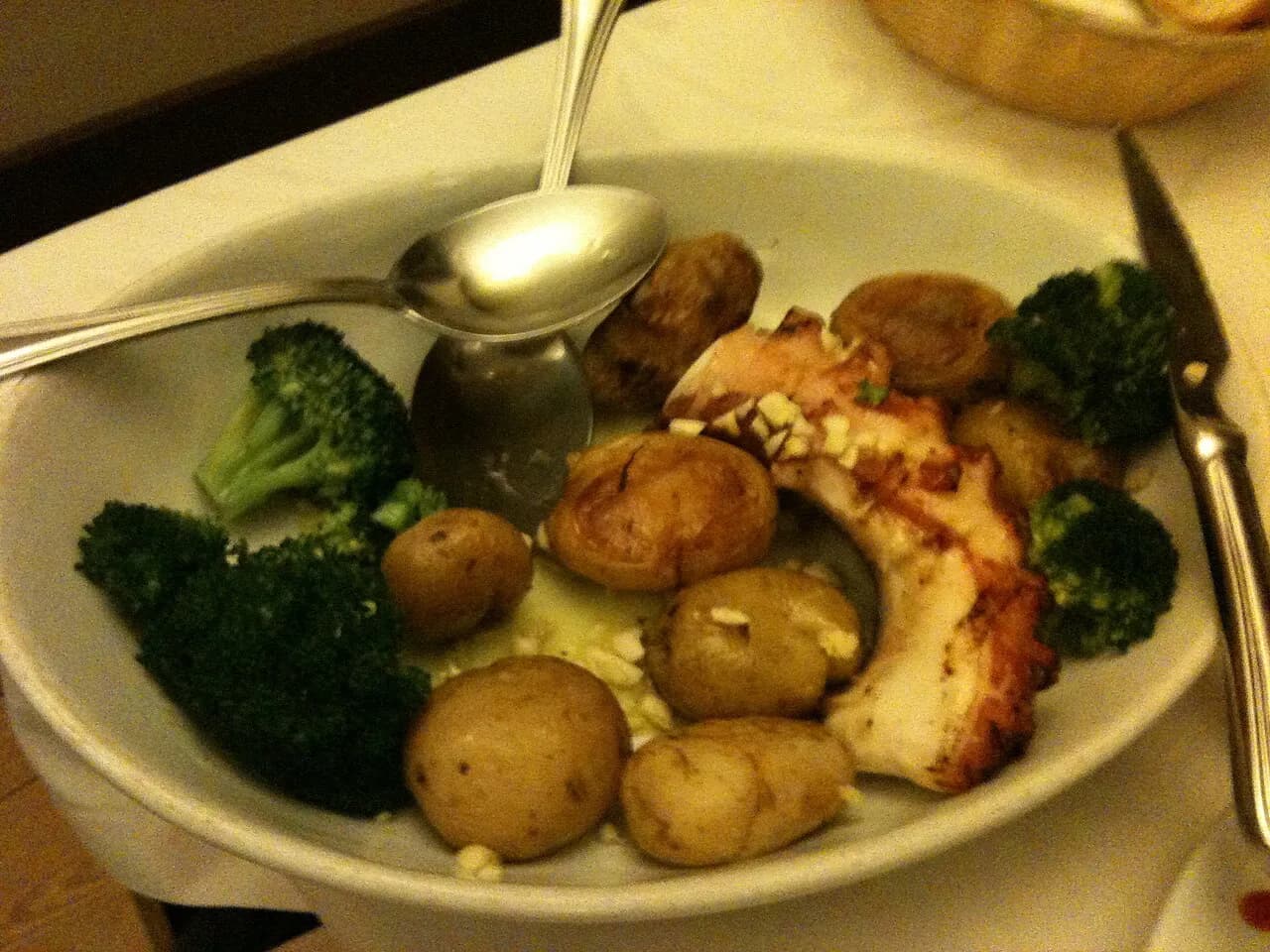
Arroz malandrino is a wet rice crowded with prawns and monkfish in fish broth, looser than paella and best eaten with a spoon. Caldo verde, a thick soup of greens, potato and sausage finished with olive oil, is the standard opener; both are staples of the Pousada Mosteiro de Guimarães table in the old Convent of Santa Marinha.
For something cheaper and quicker, prego (a steak sandwich) with a small beer is the tasca standard, and Tasquinha do Tio Julio on Rua de Couros has served caldo verde and pregos since 1981. There are no set opening hours; the owner is usually there, and the outdoor seats in the small square are the prize on a sunny day.
At Santiago Restaurant on Praça de Santiago, the draw is the range of alheiras, including fish and vegetarian versions, served with potatoes, egg, salad and cabbage in portions large enough to share. It is a homely room of beams and stone walls, and the house-labelled vinho verde is made to go with it.
Sweets: Torta de Guimarães and Toucinho do Céu
Guimarães has its own convent sweets rather than one generic custard tart. Toucinho do Céu is the egg-and-almond classic; Torta de Guimarães is the better pick for many, a crunchy half-moon pastry with buttery layers and a rich egg and almond centre. Buy both from a pastelaria and compare.
For a sit-down sweet stop, Nova Camir on Largo de Toural has an old-fashioned feel and sells small cakes by weight, with doorstep-sized creamy cakes among the cheapest treats in town. It is the sort of café where you can start with coffee and cake and stay for something savoury.
Rolhas & Rotulos on Largo de Oliveira takes the opposite approach, displaying wine and hanging hams in a smart modern room; lunch combos are cheap and quick. Sabores Gelados on Rua do Souto is the student-friendly option for crepes, toasties and ice cream, though it pays to ask what is actually available that day.
Where to eat: taverns and tascas for small plates and cheap lunches
Most satisfying cheap meals in Guimarães are tavern lunches of soup, a petisco or two and a bowl of vinho verde. Adega do Ermitão, up in the forest park of Monte da Penha, is the strangest and most memorable version: a canteen shaped by giant boulders, with flatbreads baked in a wood-fired oven set into rock. It is a fair-weather outing rather than a central fallback.
Order the flatbread with fried sardines, the rissois and the pork ribs there, and bring cash: cards are not accepted, and it does not open in bad weather. That makes it a fair-weather add-on to a Penha trip rather than a reliable fallback.
For something central and dependable, Pimenta Moscada on Largo dos Laranjas serves a more varied menu than most, with big portions and dishes cooked to order. Histórico by Papaboa on Rua de Val Donas is the best-looking room in town, with a courtyard and a modern interior, though the cooking is less adventurous than the décor.
Where to eat: a sit-down dinner from homely to Michelin-starred
A Cozinha, tucked into the old town at Largo do Serralho, holds one Michelin star under chef António Loureiro and works with local, seasonal Portuguese produce. It is one of the more affordable starred experiences in Portugal, and the wine pairing is worth taking; book online in advance.
Le Babachris on Largo Condessa do Juncal is the mid-range pick, a French-inspired bistro whose chef changes the menu every couple of weeks and which holds a place in the Michelin guide. The three-course lunch is the value play, and online booking is recommended.
If you want one grand setting, the dining room of the Pousada Mosteiro de Guimarães in the twelfth-century Convent of Santa Marinha comes with cloisters, gardens, fountains and a view over the city. It is a splurge for the room as much as the food, and lunch is the easier slot to fit around sightseeing.
Cafés and pastry shops in the old town between sights
Guimarães cafés double as bars, so you can move from coffee and cake to a beer and a lanche without changing venue. That makes them useful mid-afternoon when kitchens between lunch and dinner are quiet, and they cluster around the main squares.
Largo do Toural is the natural base for this, with Nova Camir on the square and the lanes of the historic centre running off it. If you want a route that threads the sights and the coffee stops together, our Guimarães walking tour starts from the same area.
The one market to browse for local produce
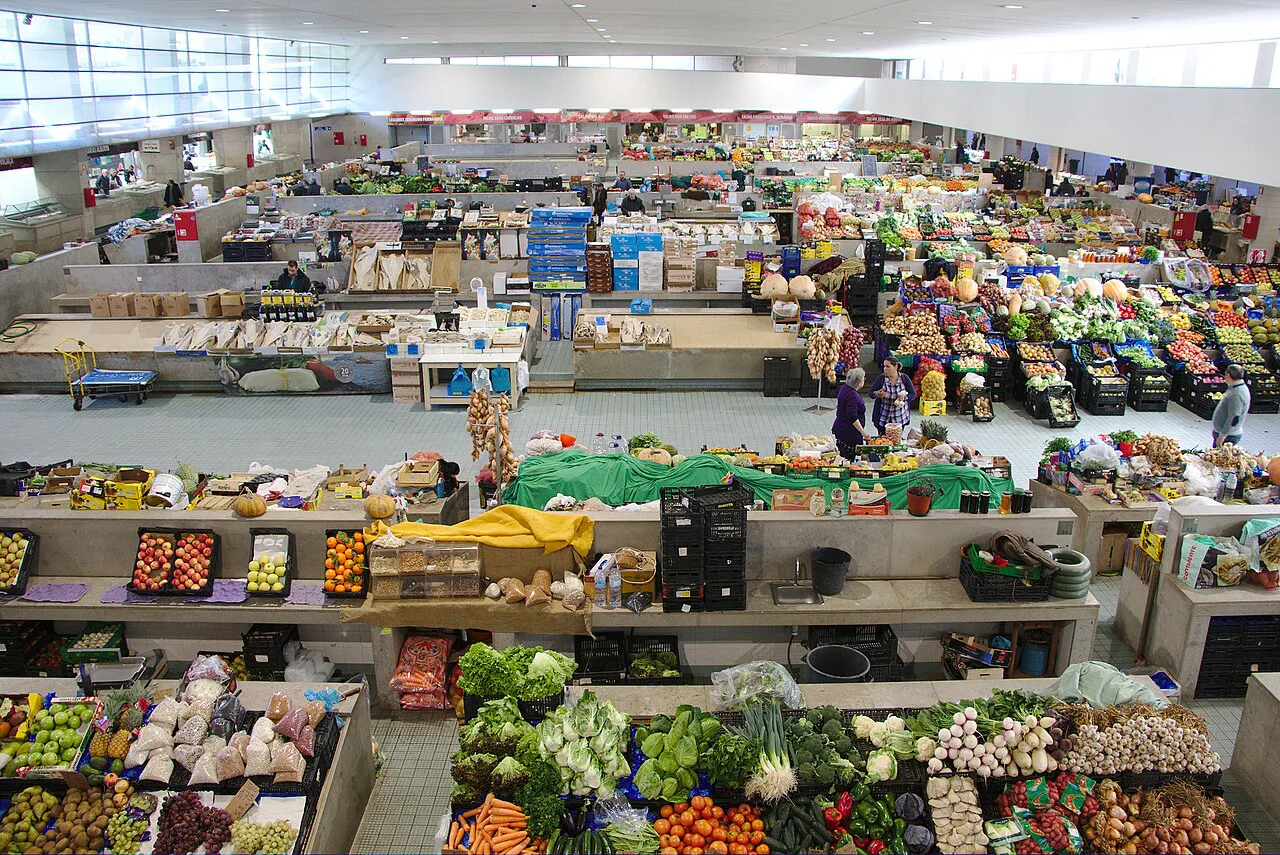
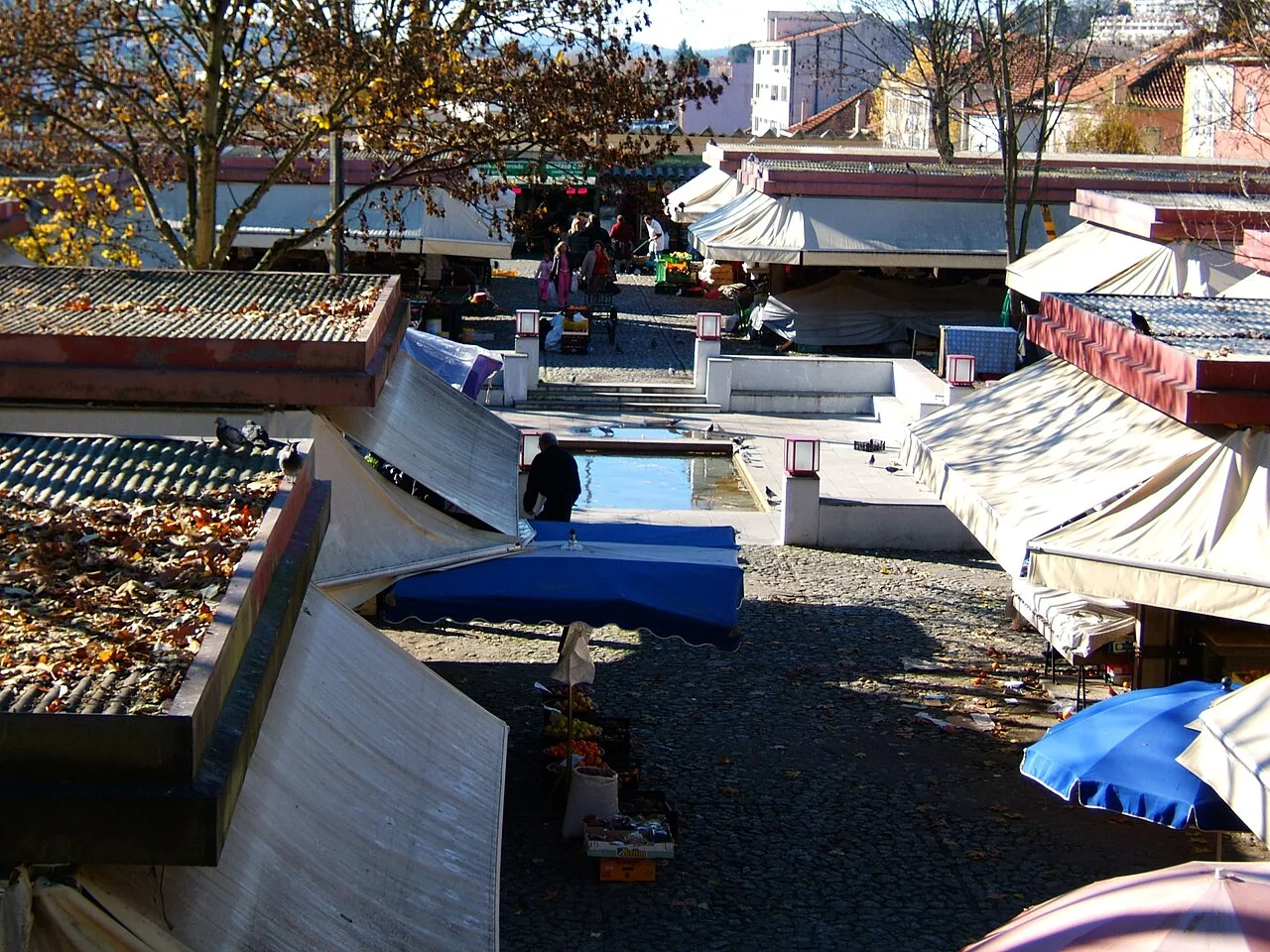
Mercado Guimarães is the town's market stop for local produce, smoked meats and cheese to take away, and it is a good place to assemble a picnic or pick up a souvenir that is not a fridge magnet. Go in the morning when stalls are fullest.
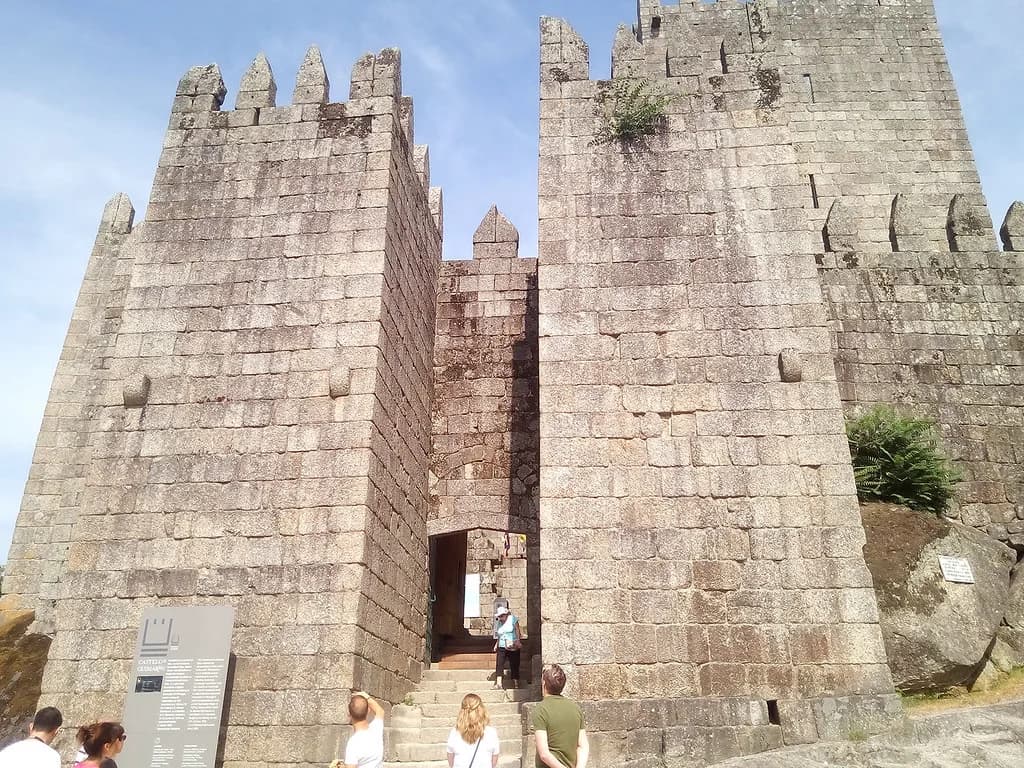
Pair the market with a castle morning: the Castelo de Guimarães sits a short walk from the centre, so you can shop, then climb. Our guide to the Guimarães market covers what is sold and when.
How to eat well on a short break: lunch, dinner, booking and cash
On a one- to three-day visit, make lunch the big meal: portions are large, prices are lower, and you keep the afternoon free. Save the starred or bistro dinner for one evening, and book it ahead since A Cozinha and Le Babachris both recommend reserving.
Carry cash for the small places: Adega do Ermitão is cash only, and tascas generally run on quick, informal service. For a wider shortlist with addresses and opening patterns, see our guide to Guimarães restaurants.
If you are weighing up whether the town justifies a stop, our honest answer on whether Guimarães is worth visiting for a short break will help you decide how many meals to plan here.
Which meal should you book first?
Book one dinner — A Cozinha if you want the starred experience, Le Babachris if you want value and a shorter menu — and leave the rest of your eating to taverns, tascas and market produce. That split gets you the town's real cooking without spending your whole budget on one table.
Before you go, confirm current opening days and whether a venue takes cards, since those details shift between seasons and several places here are small, family-run operations.
Explore more Guimarães guides
Frequently Asked Questions
What food is Guimarães known for?
Guimarães is known for hearty Minho cooking: alheira sausages (including fish and vegetarian versions), caldo verde soup, salt cod, wet rice dishes such as arroz malandrino, and its own convent sweets, Toucinho do Céu and Torta de Guimarães. Vinho verde, including a red tinto served in small bowls, is the local drink.
Do I need to book restaurants in Guimarães?
Book for the small taverns and for fine dining. Taberna Trovador is tiny and recommends phoning ahead, while A Cozinha and Le Babachris both recommend reserving online. Tascas such as Tasquinha do Tio Julio and Tasca Expresso take no reservations.
Is the couvert charged in Guimarães restaurants?
Yes, the couvert of pâté, olives or similar brought to the table is charged, though it is inexpensive. You can accept it or decline before eating; the cost appears on the bill.
Sources
Notes for your next Portuguese break
Optional updates to our town guides.
You might also like
Continue reading
More guides you'll find useful