Guimarães Old Town: Squares, Streets and Monuments to Walk
Walk Guimarães old town in one loop: the two squares, Rua de Santa Maria, the Sacred Hill with the castle and palace, and how to order the climb.
On this page
Guimarães old town is a compact loop of medieval streets, two café-lined squares and a castle-topped hill, and the core fits comfortably into half a day. The historic centre inside the old walls has been a UNESCO World Heritage Site since 2001, recognised for the originality and authenticity of its restoration. This guide explains how the centre is laid out, which squares and monuments to prioritise, and how to order the walk so you climb the hill once rather than twice.
The city calls itself the Cradle of the Nation, and that history still shapes the streets. The centre is small enough to cover on foot, with the Sacred Hill rising directly above the walled lanes. Understand that two-level geography first, then decide whether the cable car to Serra da Penha earns a slot in your short break.
What Guimarães old town is and why it is worth your time
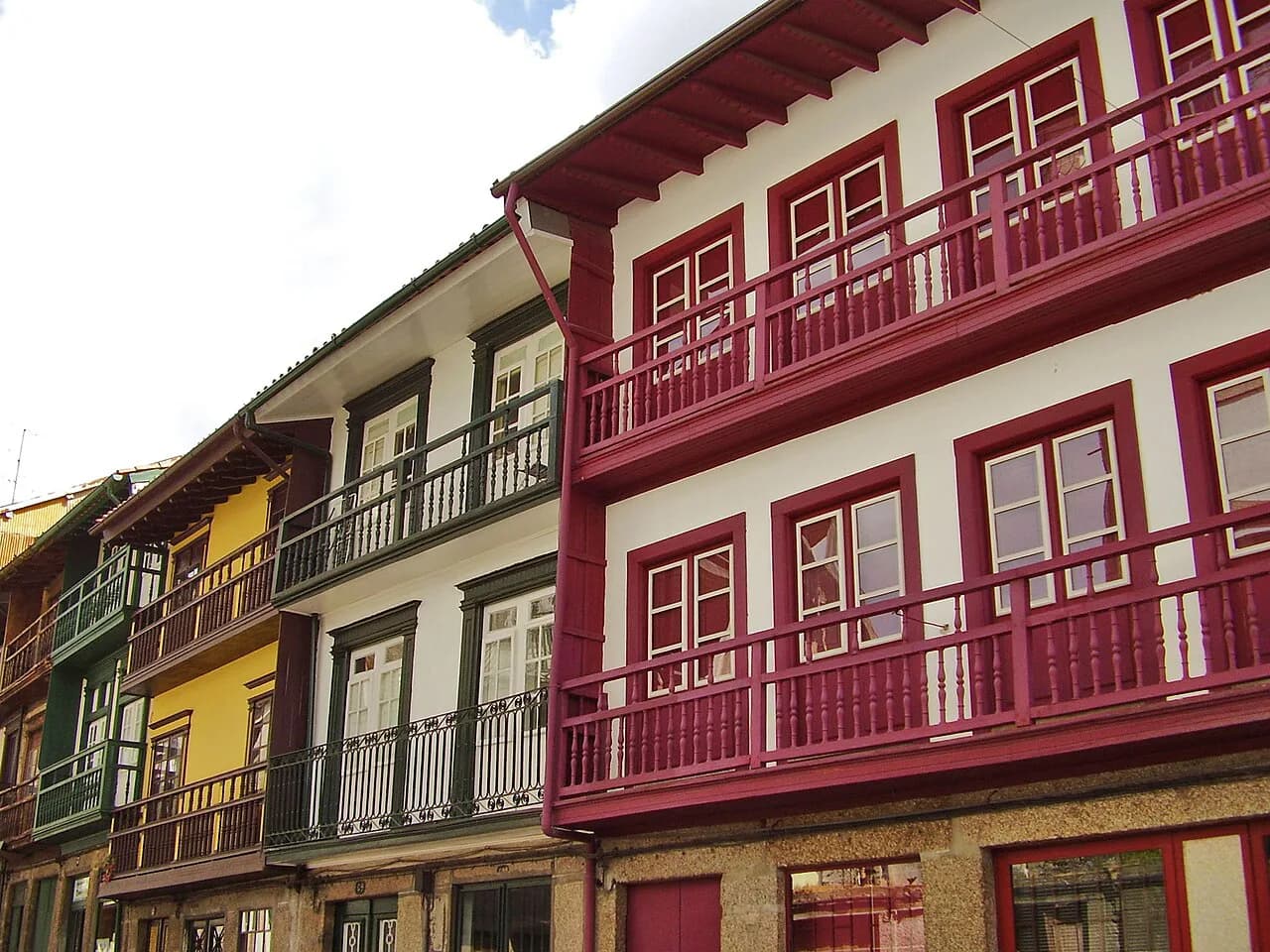
The old town covers the area that once sat inside the walls, and it earned UNESCO World Heritage status in 2001 for the originality and authenticity of its restoration. Houses with wooden balconies, centuries-old churches and narrow alleyways line the streets, making it one of the best-preserved historic centres in Europe. It is also compact enough to explore slowly on foot.
The city has embraced the present too, with the University of Minho and a cultural scene that grew out of its year as European Capital of Culture in 2012. Venues such as the Vila Flor Cultural Centre and the São Mamede Arts and Entertainment Centre keep the city active into the evening.
How the old town is laid out: the walled centre, the Sacred Hill and two squares
Think of Guimarães as two levels. The walled centre sits below, with its main squares and shopping streets, while the Sacred Hill rises above it carrying the castle, the palace and the Church of St Michael. The two are close together, but the climb between them is real, so the order of your walk matters. Start in the lower centre, walk up to the hill, then descend to finish at whichever square you want to linger in.
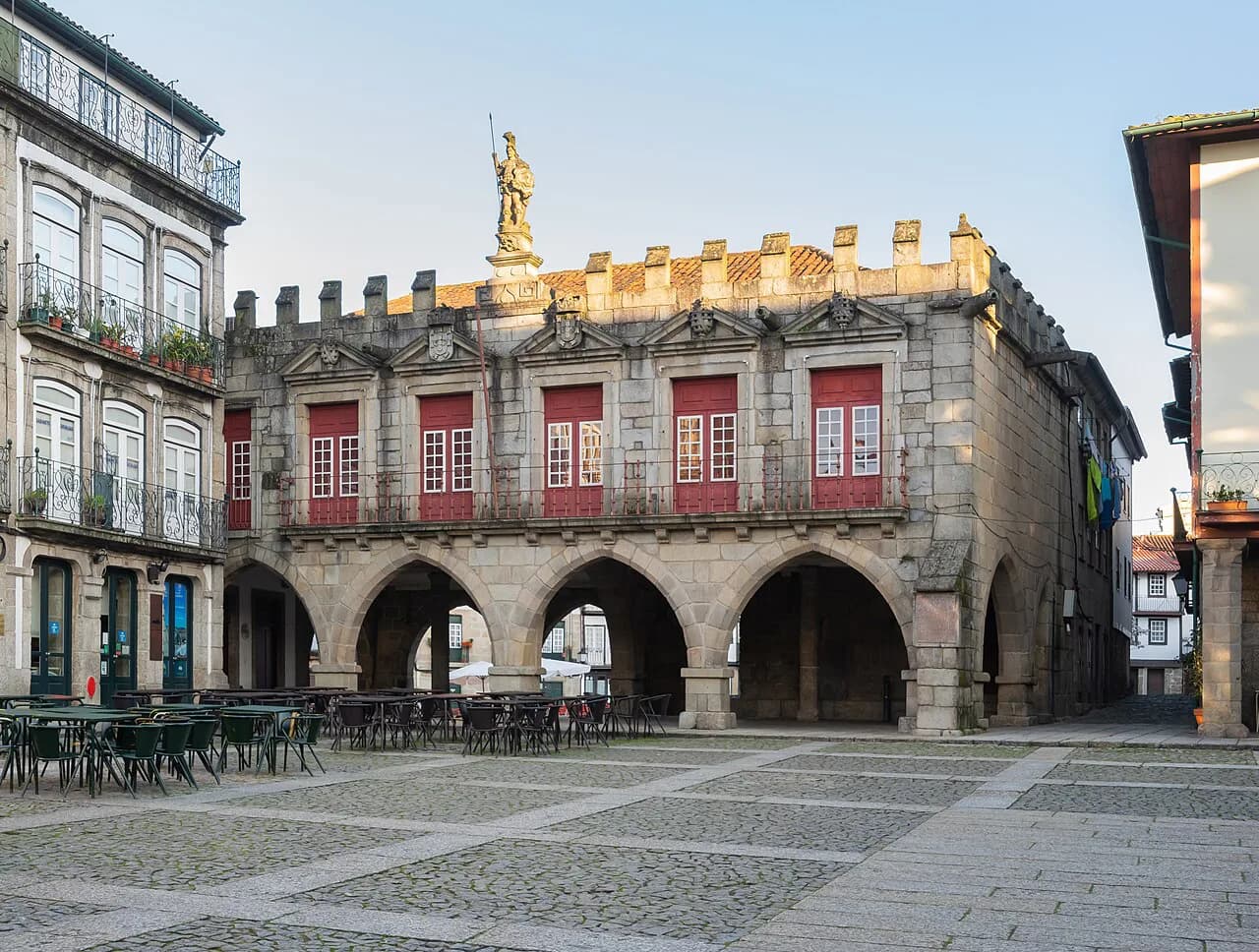
The two main squares do different jobs. Praça de São Tiago is the one for sitting outside with a coffee and watching the centre go about its business. Praça da Oliveira is the one for monuments, with the church, the Padrão do Salado and the Chapel of St Nicholas clustered together. Our Guimarães walking tour sets out a full route that starts at Largo do Toural, a natural gateway into the old town.
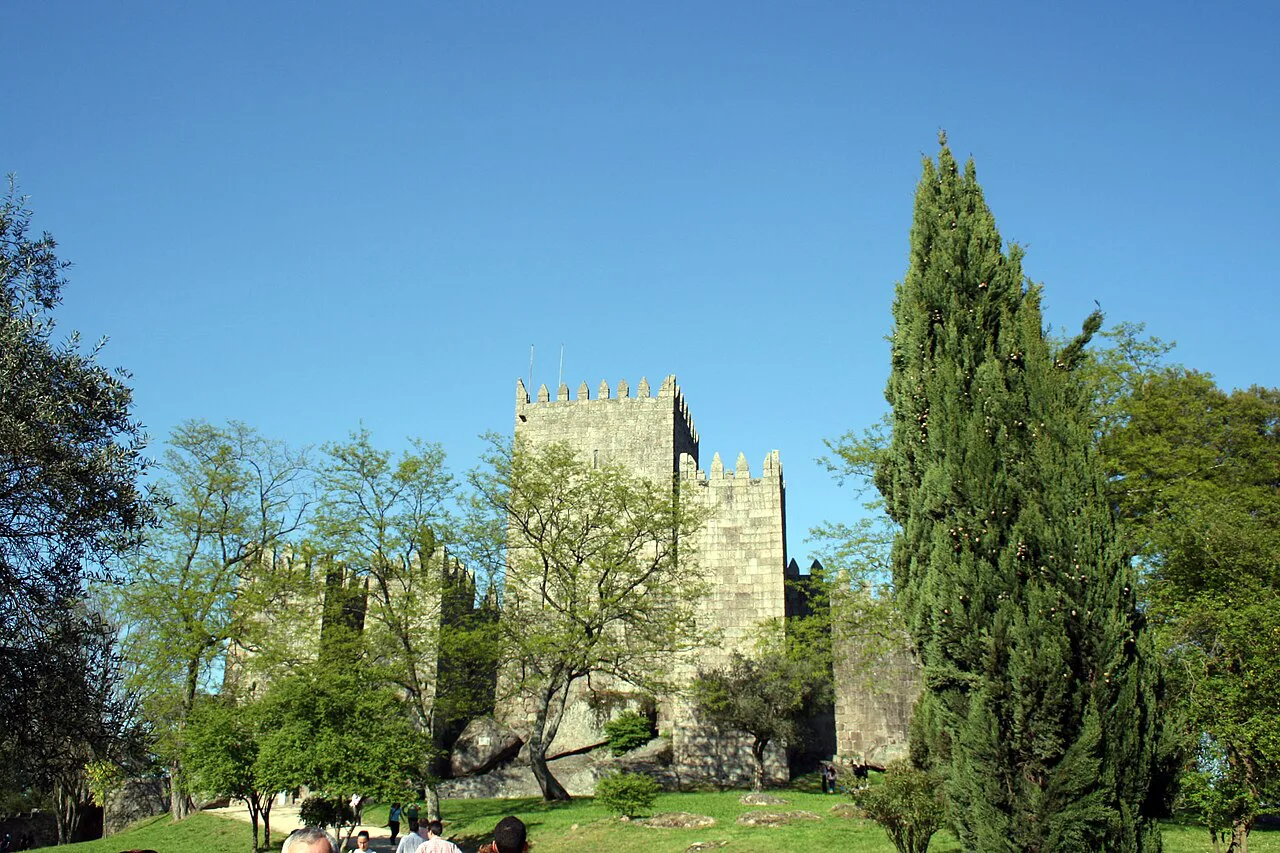
Sacred Hill (Colina Sagrada): the statue, the castle and the church
The Sacred Hill (Colina Sagrada) holds three of the city's main landmarks in one place: the Statue of King Afonso Henriques, Guimarães Castle and the Paço dos Duques de Bragança. The Church of St Michael, a national monument, also stands here and is traditionally associated with the baptism of King Afonso Henriques. Treat the hill as a single stop rather than three separate outings, because the monuments sit within a few minutes of each other.
The statue anchors the hill and gives the place its narrative. Whatever you do with the rest of the day, this cluster is the historical core of the city and the reason many travellers come. Our guide to whether Guimarães is worth visiting sets out what a short break actually delivers if you are still deciding how much time to give it.
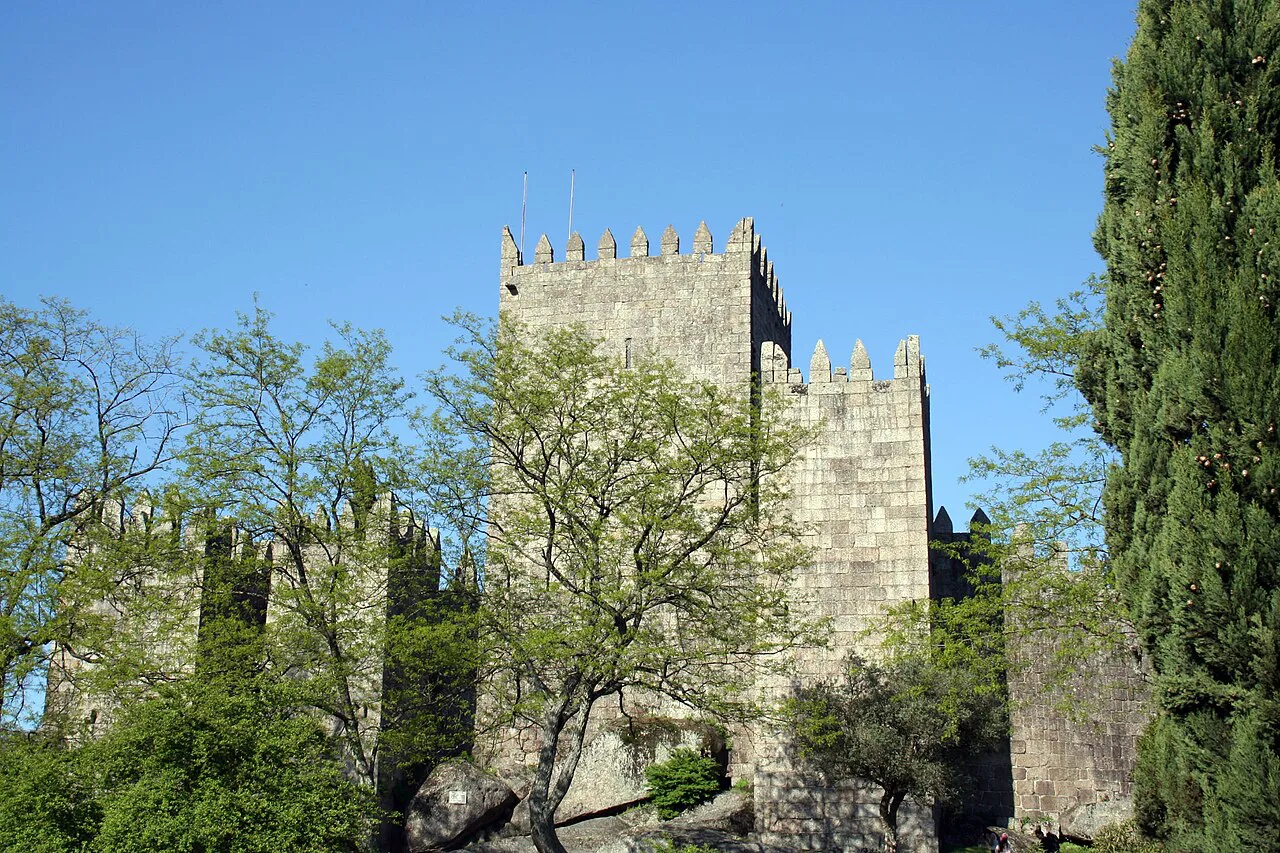
Guimarães Castle: climbing the walls and why it matters
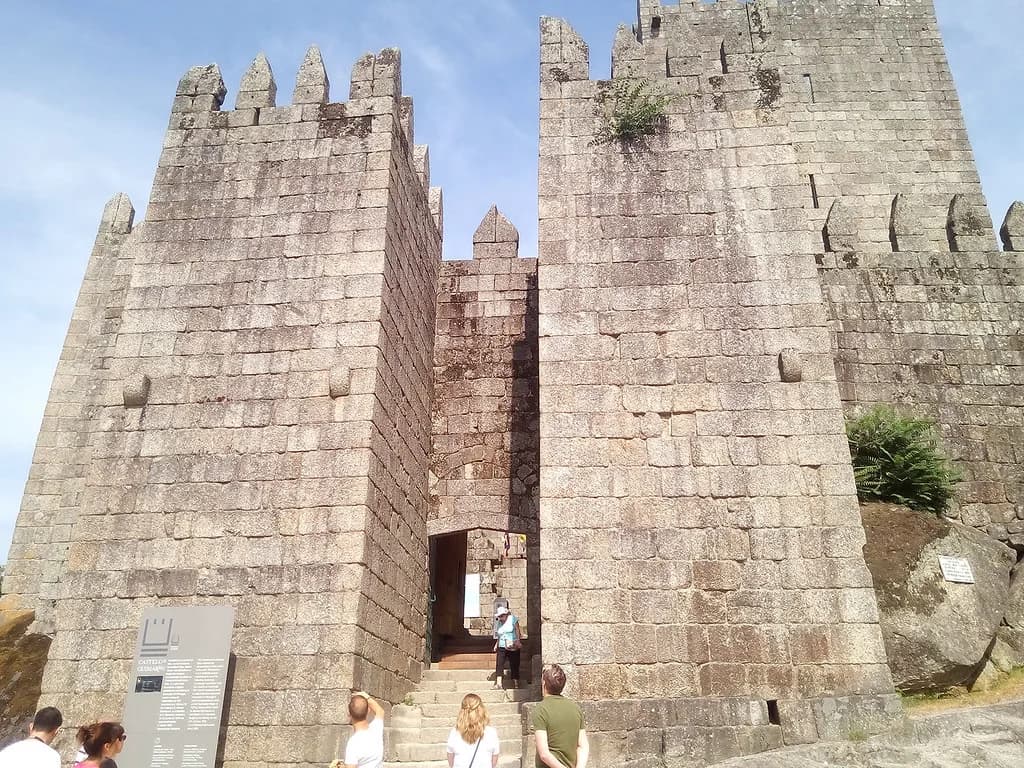
Guimarães Castle is one of Portugal's most important monuments and a symbol of Portuguese independence. Tradition holds that D. Afonso Henriques, the first king of Portugal, was born here, and the castle carries that story in its stone. Visitors can climb its walls and take in the medieval atmosphere that still echoes through the stones.
The castle is a short uphill walk from the lower centre, so save it for the middle of your route rather than the last stop. Our dedicated Castelo de Guimarães guide goes into the walls and towers in more detail. If you are planning more than one day in the city, Guimarães Attractions: 6 Visitor Guides maps the wider set of monuments.
Paço dos Duques de Bragança: the 15th-century palace next to the castle
The Paço dos Duques de Bragança is a 15th-century palace beside the castle, with 39 tall chimneys and collections of tapestries, weapons and furniture. It offers a glimpse into the aristocratic life of the past and is a unique example of its style on the Iberian Peninsula. Pair it with the castle as one combined stop rather than treating them as two outings on the same hill.
The palace is the indoors half of the Sacred Hill pair, which makes it the sensible choice on a wet or cold day or when you want a slower look after the castle walls. It sits within a couple of minutes of the castle gate, so you lose no walking time by doing both. Museums in Guimarães covers the rest of the city's indoor options.
Praça de São Tiago: cafés, terraces and the Tourist Information Centre
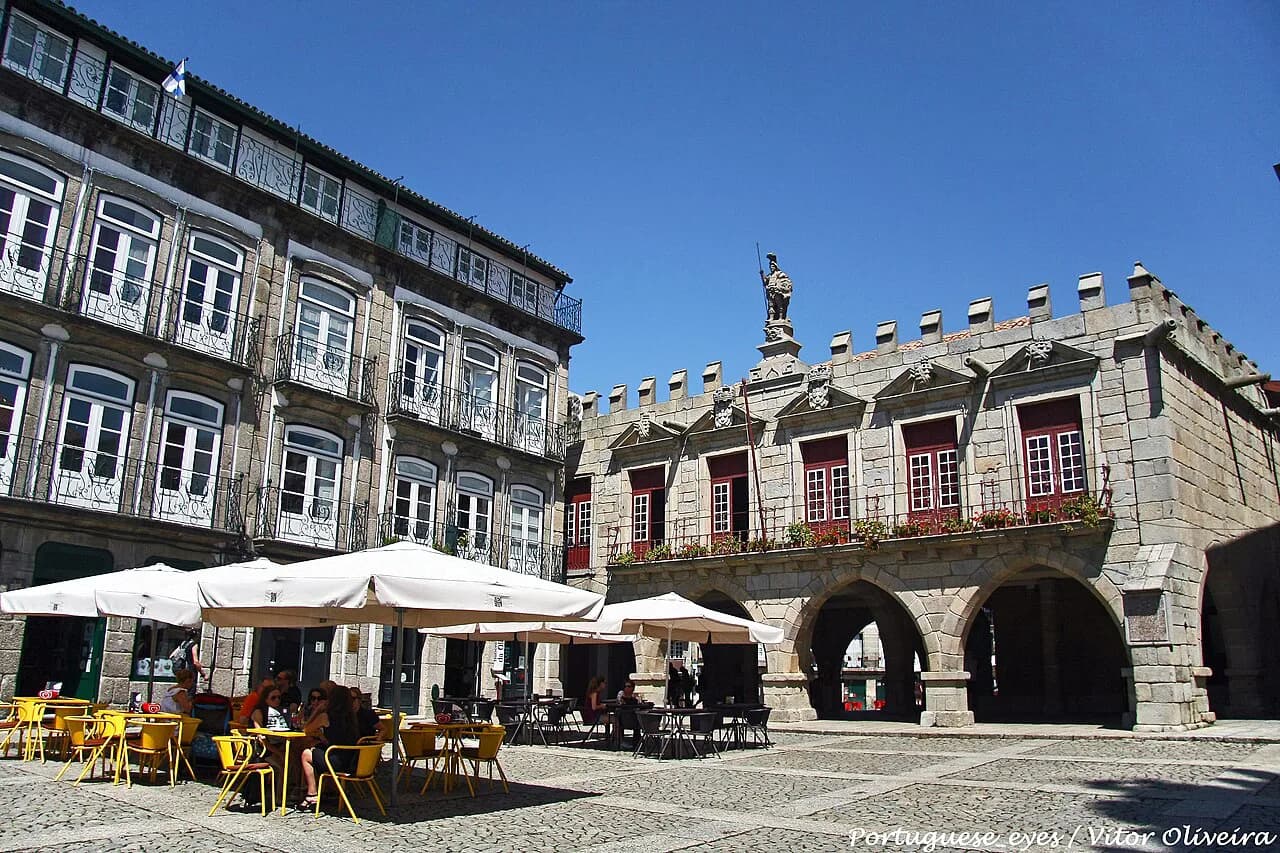
Praça de São Tiago is charming and ringed by cafés and terraces, with houses showing off the city's characteristic architecture. The Tourist Information Centre sits in the old stables of the Casa do Arco, which makes this square a sensible first stop if you want a map or local context. This is the square for a pause rather than a checklist.
Sit here at the end of the day to watch the old town change pace. The terraces fill the square and the architecture gives you something to study while you rest.
Praça da Oliveira: the church, the Padrão do Salado and the Chapel of St Nicholas
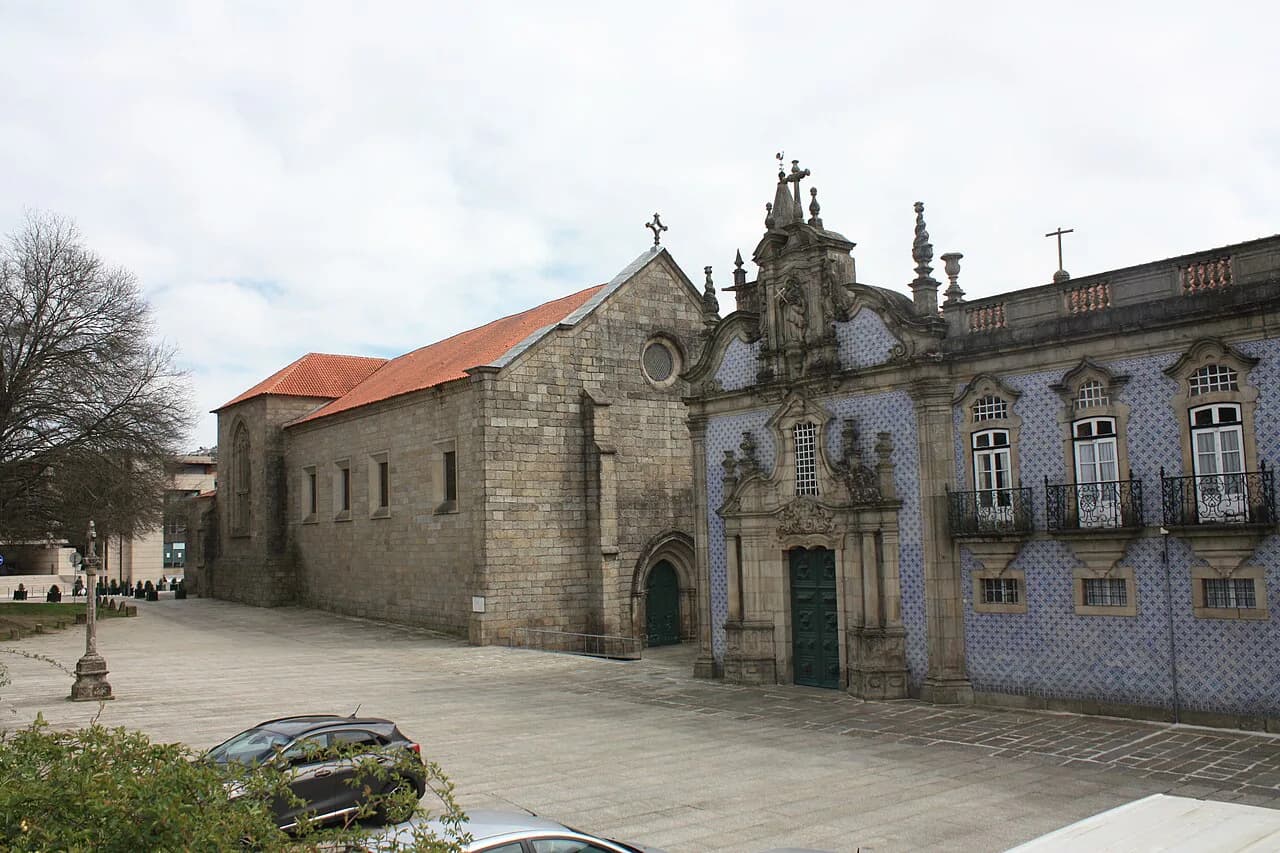
Praça da Oliveira holds the Church of Nossa Senhora da Oliveira, the irreverent Padrão do Salado and the Chapel of St Nicholas, patron saint of Guimarães students. There are plenty of cafés around the square, so you can combine a monument stop with a break. The monuments are close enough together to see in one pass.
The square is the natural heart of the lower centre and the easiest place to start or finish a walk. For the churches in more detail, including interiors and history, see Churches in Guimarães. The Alberto Sampaio Museum also opens off the square, just behind the Oliveira church façade.
Alberto Sampaio Museum, behind the Oliveira church
The Alberto Sampaio Museum is housed in part of the cloister that belonged to an old monastery. It sits on the other side of the Oliveira church façade, so you can step from the square straight into the collection. It is a useful indoor option if the weather turns or if you want to slow the pace after the hill.
Because the building is part of the experience, allow time to walk the cloister spaces as well as the displays. Opening days for the museum are not the same across the city's sights, so confirm them at the Tourist Information Centre or the museum door before you build a day around one.
Rua de Santa Maria: shops, emblazoned houses and Casa do Arco
Rua de Santa Maria is one of the oldest streets in the city and possibly the most charismatic. This pedestrianised street is filled with historic buildings, traditional shops, several emblazoned houses, the former Convent of Santa Clara, which now houses Guimarães Town Hall, and the well-known Casa do Arco. Walk it slowly and look at the facades rather than just the shop windows.
The street is a good link between the two squares, so you can use it to move from São Tiago to Oliveira without retracing your steps. The traditional shops make it the best place for a browse if you want something to take home. If the blue-and-white tiles interest you, Azulejos in Guimarães covers where to look.
A walking route through the centre
Start at Largo do Toural on the lower level, then walk into the walled centre and begin with Praça de São Tiago and the Tourist Information Centre in Casa do Arco. Follow Rua de Santa Maria to Praça da Oliveira and see the church, the square and the museum. Then climb once to the Sacred Hill for the castle, the palace and the Church of St Michael, and descend to the lower centre for a café. That order keeps the climb to a single push and leaves the rest of the walk on the flat.
If your time in the city runs longer, Things to Do in Guimarães adds options beyond the old town. The main decision is whether to end at the squares or on the hill, which depends on when you want your reward.
Cable car to Serra da Penha: fitting it into a short break
The cable car links the city centre to the Serra da Penha on a 2 km ride with a 400-metre drop. At the top you will find a sanctuary and picnic areas, and the panoramic view is the reason to go. It is an optional extra for a short break rather than a default part of the old-town walk.
On a one-day visit the old town will fill your time, and the cable car adds a round trip on top. For a two- or three-day break it earns a half day away from the streets. Ticket prices and operating times are posted at the station, so confirm both before you plan a day around it.
What to eat in Guimarães
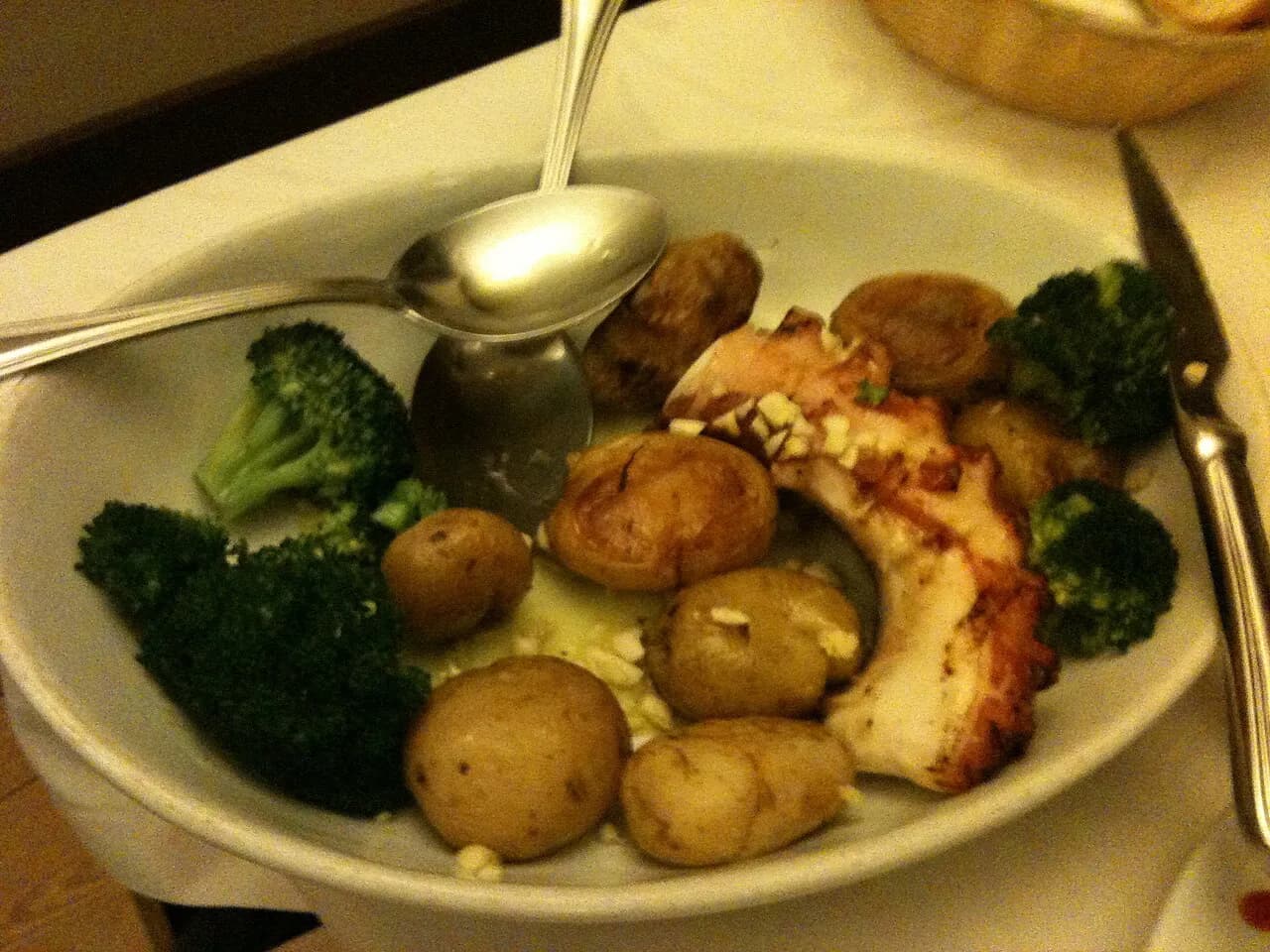
Guimarães serves the best of Minho gastronomy, with dishes such as arroz de cabidela, also known as pica no chão, sarrabulho porridge, sausages and rojões, vinho verde, toucinho do céu and Guimarães pies. The Portuguese names are worth knowing because that is how menus list them, and a tasca serving these dishes is the local way to eat. Order one main and a glass of the region's wine rather than trying everything at once.
For a sit-down meal, our Guimarães restaurants guide covers where to eat in the city. Sit on a terrace in Praça de São Tiago or Praça da Oliveira if you want the old-town setting with your food. Kitchens keep their own weekly closing day, so check the door or the menu board before you commit to a particular address.
How much time the old town needs, and what to drop
If you only have a few hours, the Ducal Palace next to the castle is a good use of the time, and the park at Penha is better saved for a longer visit. That is the shape of a short stop in the city: the hill first, the squares second.
For a fuller day, add the Alberto Sampaio Museum and walk Rua de Santa Maria at leisure. With more than a day, split the monuments across two mornings and use the afternoons for the squares and food. The old town rewards a slower pace more than a longer checklist, and staying overnight is the way to see it by day and by night.
Which part of Guimarães old town to start with
Start at Largo do Toural, walk through Praça de São Tiago along Rua de Santa Maria to Praça da Oliveira, then climb once to the Sacred Hill. This order avoids backtracking and puts the hill in the middle of the day, when you are freshest. It also leaves you walking downhill for the evening.
With only a few hours, keep the lower centre and the Sacred Hill and leave the cable car for a return trip. With a full day or more, add the museum and a longer pause in the squares. Our Guimarães Walking Tour gives the detailed route, and the Tourist Information Centre in Casa do Arco can confirm opening days before you set out.
Frequently Asked Questions
What is special about Guimarães?
It is known as the Cradle of the Nation, and its historic centre has been a UNESCO World Heritage Site since 2001. The castle, the palace and the statue of Afonso Henriques on the Sacred Hill anchor the story, and the city keeps an active cultural scene inherited from its year as European Capital of Culture in 2012.
Can you see Guimarães old town in half a day?
Yes. The two squares, Rua de Santa Maria and the Sacred Hill sit close enough to walk as one loop, with a single climb. Half a day covers the streets and the castle exterior. Add the palace or the Alberto Sampaio Museum if you want an interior as well.
Do you need to book anything for Guimarães old town?
The streets and squares are open to walk without a ticket. Monuments and museums have their own admission arrangements, so confirm opening days and entry at the site or at the Tourist Information Centre in Casa do Arco rather than assuming they follow the same pattern.
Sources
Notes for your next Portuguese break
Optional updates to our town guides.
You might also like
Continue reading
More guides you'll find useful