Churches in Guimarães: Which Ones Are Worth Your Time?
A candid guide to the Romanesque church of São Miguel do Castelo in Guimarães, what you see inside, the baptism legend and how to fit it into a short break.
On this page
Give the Igreja de São Miguel do Castelo twenty to thirty minutes, and see it in the same hour as the castle next door. It is a small, single-nave granite church rather than a cathedral-scale monument, so the reward is in the details: three doorways, six slit windows, plain tympana and two tombs set into the wall.
This page covers what the church's own monument record documents, what the Afonso Henriques baptism story is and is not, and how to sequence the visit with the rest of the things to do in Guimarães on a one- to three-day trip.
Churches in Guimarães: the short answer on which to prioritise
Put São Miguel do Castelo at the top of a church-focused short break. The monument's own record traces it from a first documented mention in 1216, through consecration in 1239, to classification as a National Monument in 1910, and it sits on the same granite hill as the castle and the Paço dos Duques de Bragança.
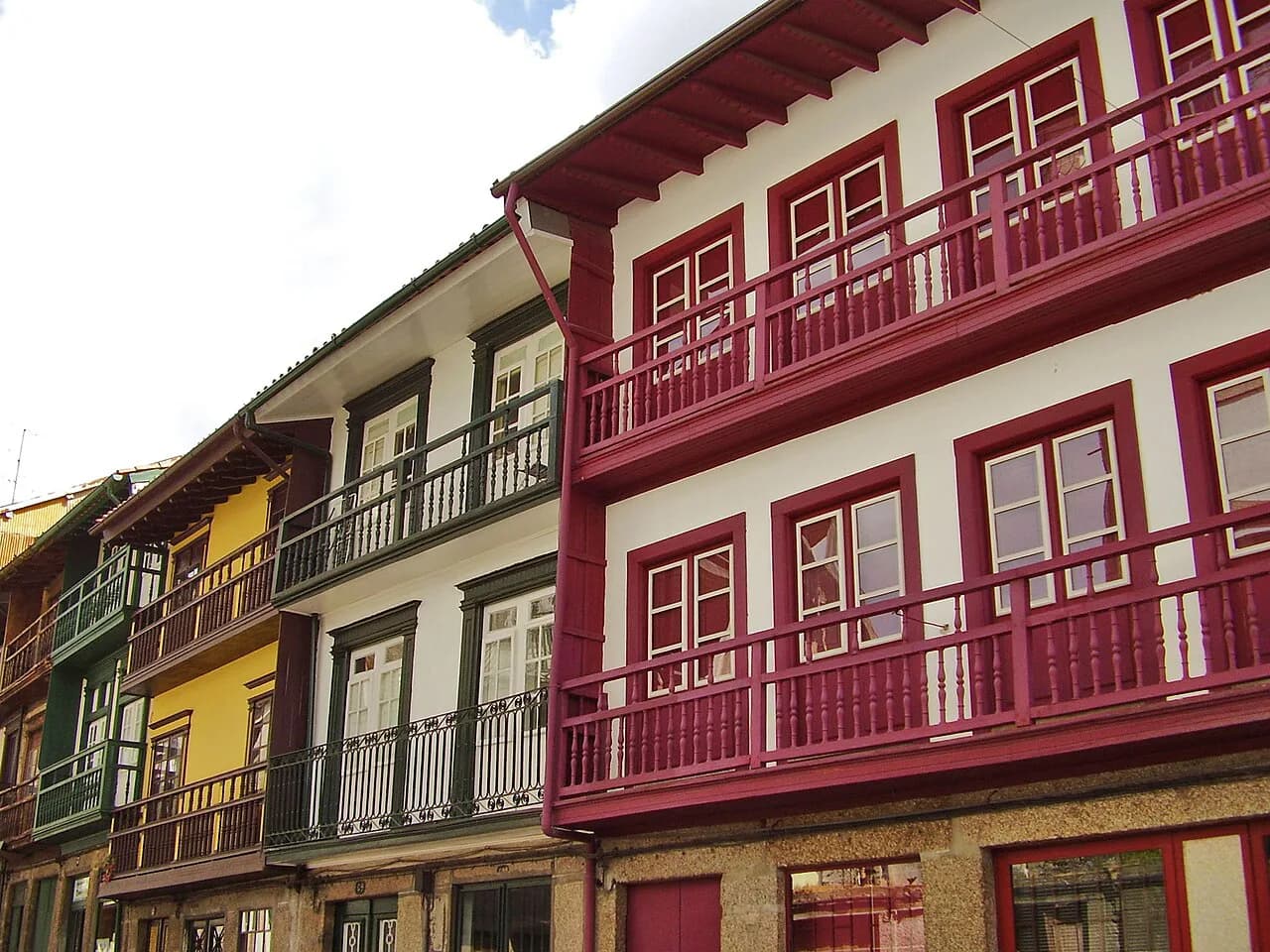
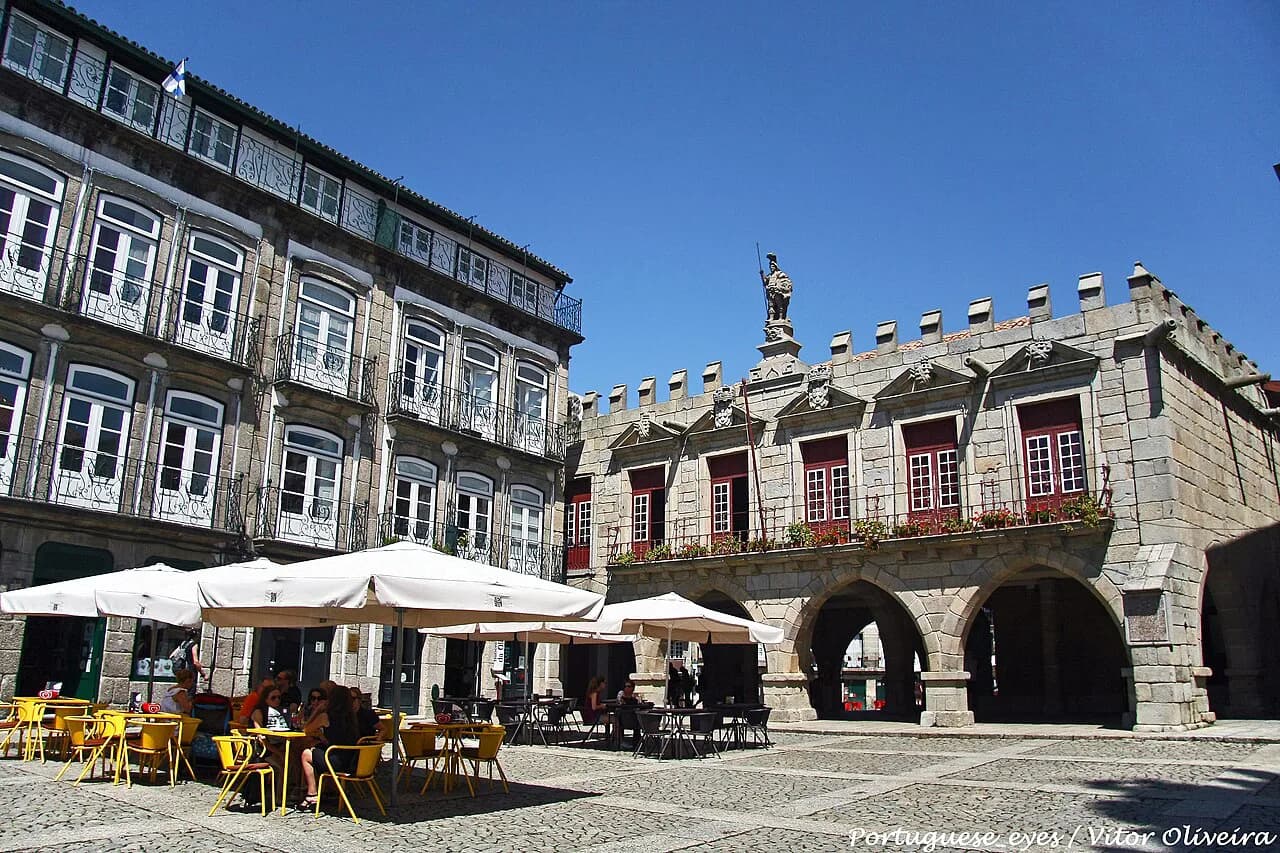
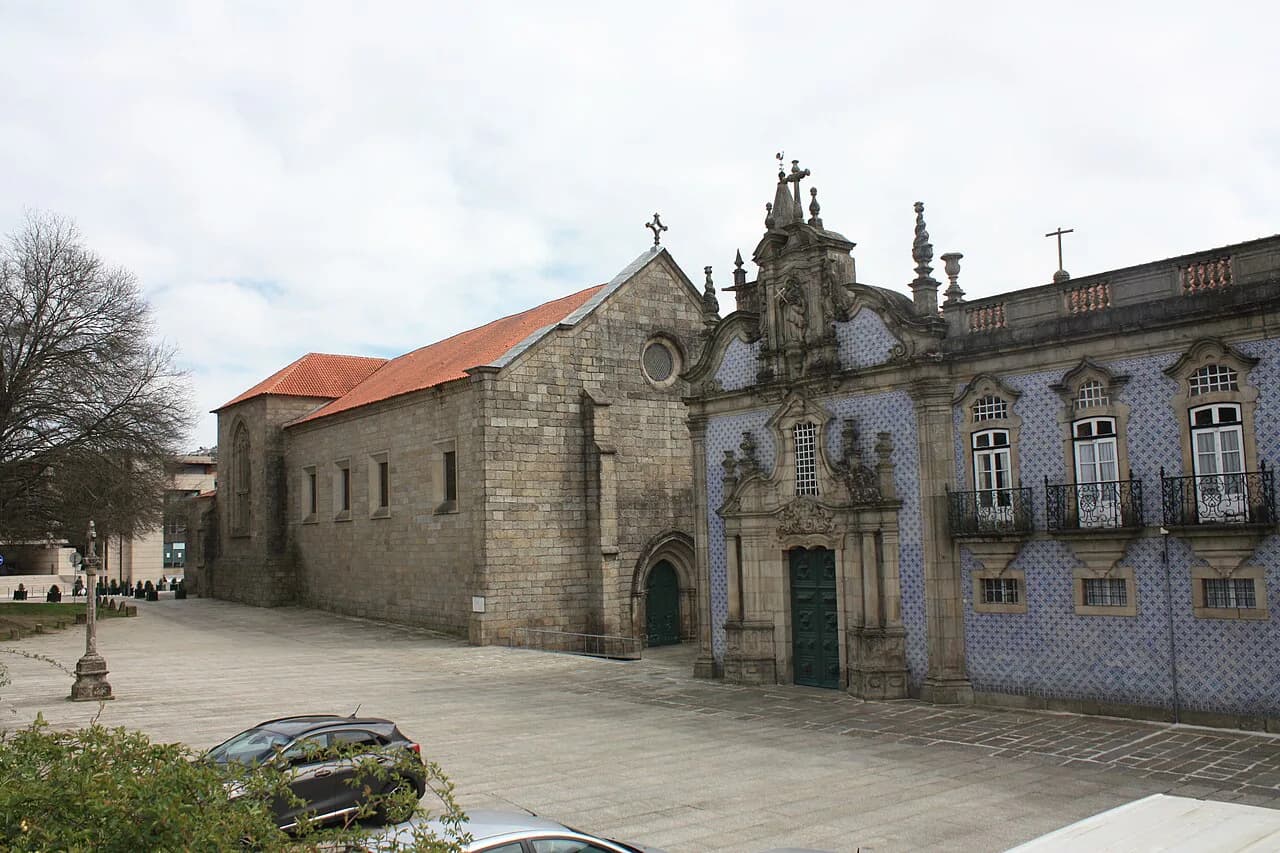
Treat the rest of the city's churches as part of a walk through the old town rather than as a checklist to tick off. The historic centre is compact enough that you pass façades and chapels simply by moving between squares, which keeps the day flexible if a service is under way when you arrive.
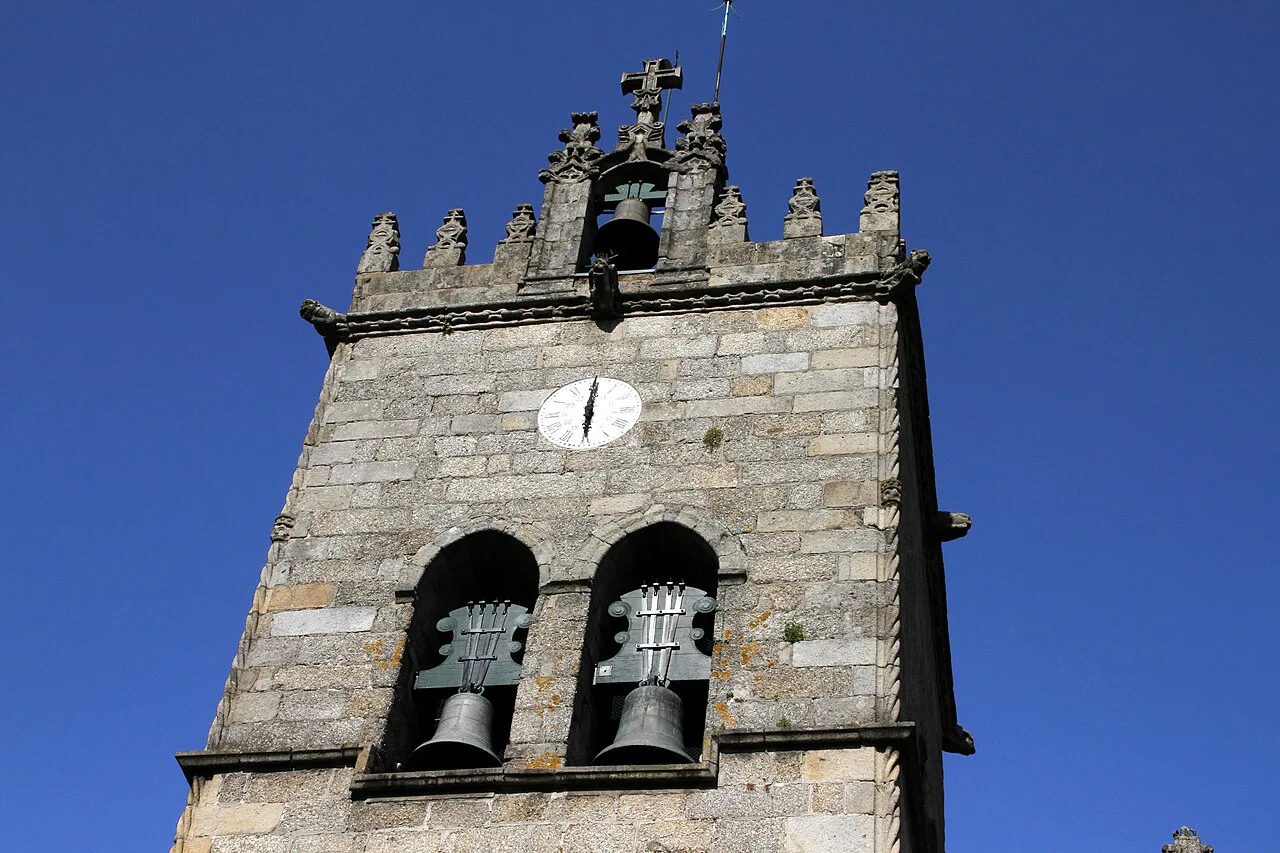
Igreja de São Miguel do Castelo: the church between the castle and the Paço
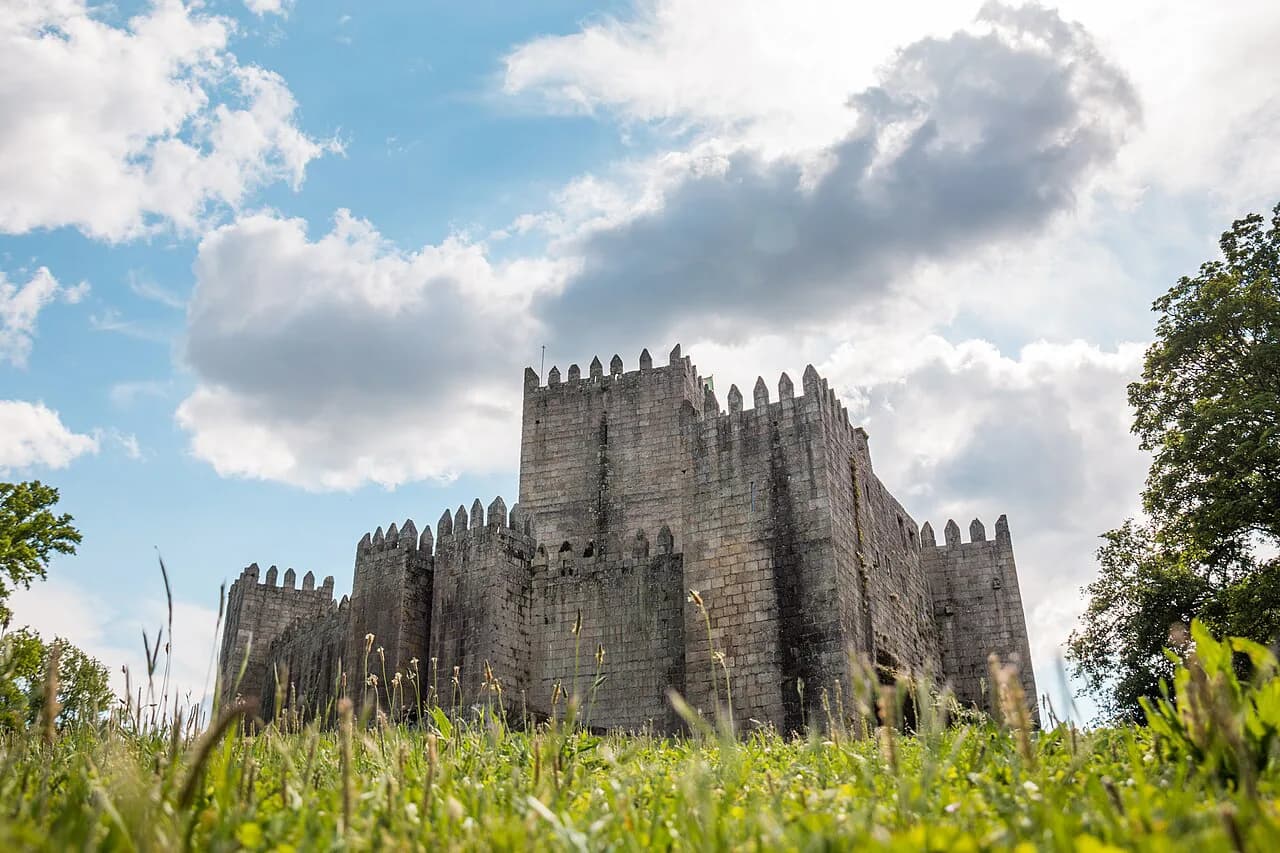
The church stands on Monte Latito, the rise shared with the Castelo de Guimarães and the Paço dos Duques de Bragança, so all three read as one group. It sits between the castle and the ducal palace, which makes it a natural part of the same walk up from the old town rather than an afterthought.
Its dimensions are modest and its setting is the point: a low granite building with a tiled roof and a plain frontispiece, framed by the castle walls above. Photograph it from the churchyard first, because the interior is dim and the exterior is where the building's Romanesque mass reads most clearly.
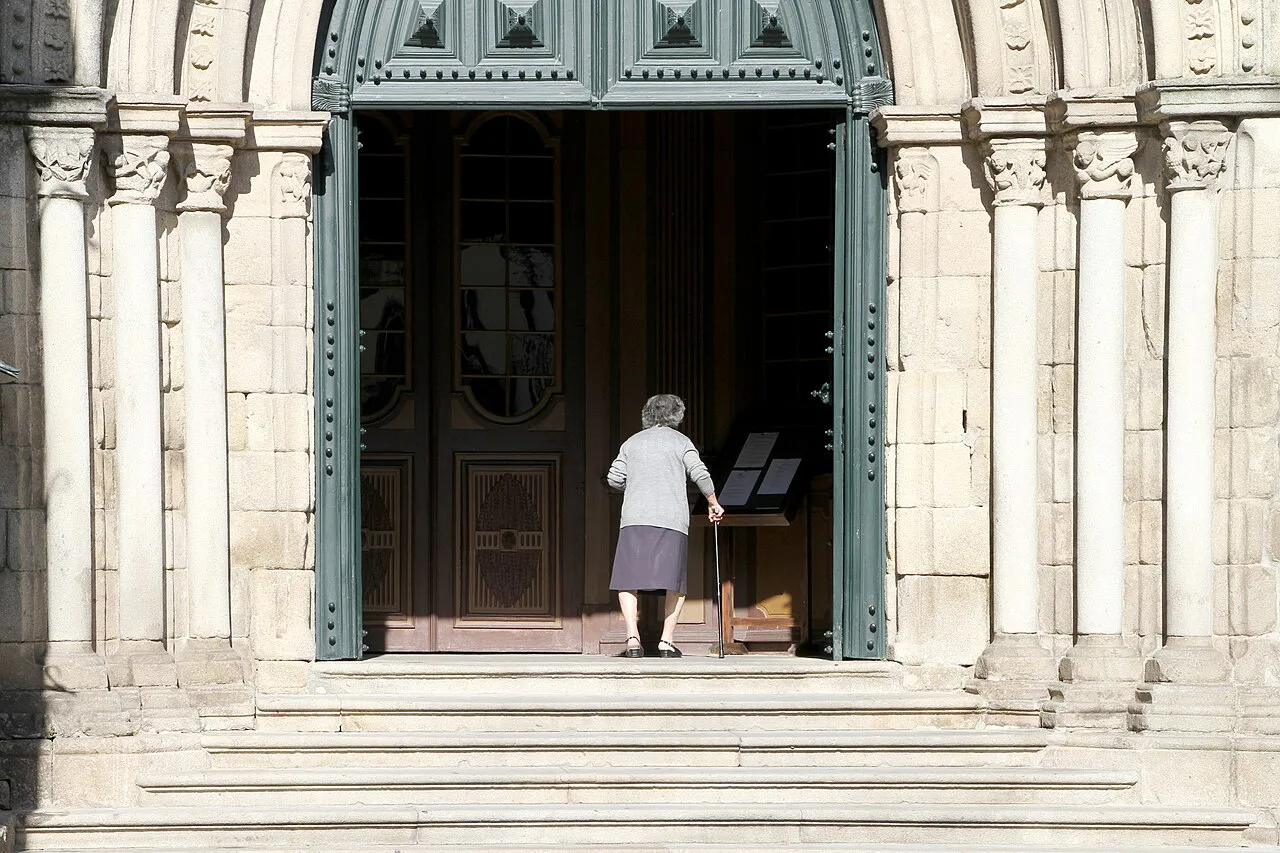
What you actually see inside São Miguel
The plan is a single rectangular nave with a matching rectangular chancel, built in coarse local granite with a wooden ceiling and no columns or carved capitals. Six small openings light the interior: one at the chancel end, one in the gable above the main door and two in each side wall, which is why your eyes take a minute to adjust.
Look for the three doors, the plain tympana, and the simple corbels and cornice running under the eaves. Ten of the twelve crosses with which a church was consecrated are still visible inside, a detail easy to miss on a quick circuit of the nave.
On the west exterior wall, two tombs are set into arched recesses cut into the thickness of the granite. They give the outside of the building as much to read as the inside, so walk round the walls before you go in.
The Afonso Henriques baptism legend and what the record says
The baptismal font inside is the reason most visitors know the church: tradition holds that Afonso Henriques, Portugal's first king, was baptised here. The documented history is later and more prosaic. The earliest known reference to the church dates from 1216 and the temple was consecrated in 1239.
The font itself has moved twice. In 1664 the prior Diogo Lobo da Silveira took it to the Igreja de Nossa Senhora da Oliveira, and in September 1927 it was returned to São Miguel, both times to honour the baptism tradition. Seeing the object makes the story legible even if you treat the legend as tradition rather than record.
The building you stand in is largely a nineteenth- and twentieth-century recovery. A public subscription and a government subsidy funded a restoration between 1874 and 1880 after the bell tower and a corner of the façade collapsed in 1872, and further campaigns followed in 1928 and between 1938 and 1940. The crossing arch was rebuilt in the 1870s in what was then considered the primitive form.
Reading the building: doors, corbels and slit windows
Romanesque here means restraint rather than ornament. The main entrance has an interrupted lintel under a double arch and a plain tympanum, with a cross fleury at the apex above, while the side walls each carry a door and narrow slit windows.
Walk a full circuit outside before going in. The north façade's arched tomb recesses and the small crosses cut into the stone give you something to look for inside, and the circuit takes only a few minutes on a site this size.
Fitting São Miguel into a one- to three-day Guimarães plan
On a one-day visit, give the upper town the morning: São Miguel, the castle and the Paço dos Duques in sequence, then drop into the old town for the afternoon. The three sights are minutes apart, so the walking is negligible and the constraint is how long you linger in each.
With two or three days, spread the churches and museums across separate mornings and keep afternoons for the squares and streets. The Guimarães old town rewards slow walking, and pairing a church interior with a museum visit gives you a break from granite and dim light.
If you are still deciding whether the city earns a slot in a northern Portugal itinerary, the honest answer is that its compact UNESCO World Heritage centre and this cluster of monuments justify a night rather than a rushed half-day.
Practical points: entry, timing and what to check
Access to the small church can be restricted around services and at quiet times of day, so treat entry as something to confirm when you are on the hill rather than a fixed, ticketed slot. If the door is shut, the exterior circuit, the wall tombs and the setting between castle and palace still justify the short climb.
Build in slack around services and around the middle of the day. Churches in Portugal often keep different visitor hours from the monuments beside them, and a short, unticketed stop is easier to reshuffle than a timed visit.
Is São Miguel worth the climb?
Yes, if you are already going up to the castle, which most visitors are. It costs you half an hour, adds the baptism font and the wall tombs to the castle visit, and gives the hill a human scale that the fortress walls alone do not.
Skip it only if you are pressed for time and indifferent to Romanesque granite. For everyone else, walk up, circle the outside, step into the nave and then carry on to the Paço dos Duques while you are still on the hill.
Explore more Guimarães guides
Frequently Asked Questions
How long does a visit to São Miguel do Castelo take?
Plan on twenty to thirty minutes. The church is a single rectangular nave with a matching chancel, so the interior is quick to see; the time goes on the exterior circuit, the wall tombs and the baptismal font.
Was Afonso Henriques really baptised in this church?
Tradition says so, and the font was moved to Nossa Senhora da Oliveira in 1664 and brought back in 1927 precisely to honour that belief. The documented history begins with a reference in 1216 and a consecration in 1239, so treat the baptism as tradition rather than established fact.
Can I see São Miguel and the castle in one morning?
Yes. The church, the Castelo de Guimarães and the Paço dos Duques de Bragança stand on the same hill within a few minutes' walk of each other, so a single morning covers all three without any transport between them.
Are there set opening hours or a ticket for São Miguel?
The church is a small monument and access can be restricted around services and at quiet times, so confirm on arrival rather than relying on a fixed timetable. If it is shut, the exterior and the setting between the castle and the palace still reward the short climb.
Sources
Notes for your next Portuguese break
Optional updates to our town guides.
You might also like
Continue reading
More guides you'll find useful