Faro Municipal Market: What's Inside and When to Go
Faro's municipal market on Largo Doutor Francisco Sá Carneiro holds fish, produce, deli and restaurant stalls under one roof. Here's what to expect and how to visit.
On this page
Faro's municipal market is a working town market rather than a food-hall attraction: one complex on Largo Doutor Francisco Sá Carneiro where fishmongers, greengrocers, butchers, delicatessens and restaurant counters share the same building. Come for the fish and produce side first, then decide whether the restaurant areas suit your timing. This guide covers what is sold where, how the entrances, stairs and lift work, and how the permanent hall differs from Faro's monthly pop-up markets.
What is the Faro municipal market and where is it?
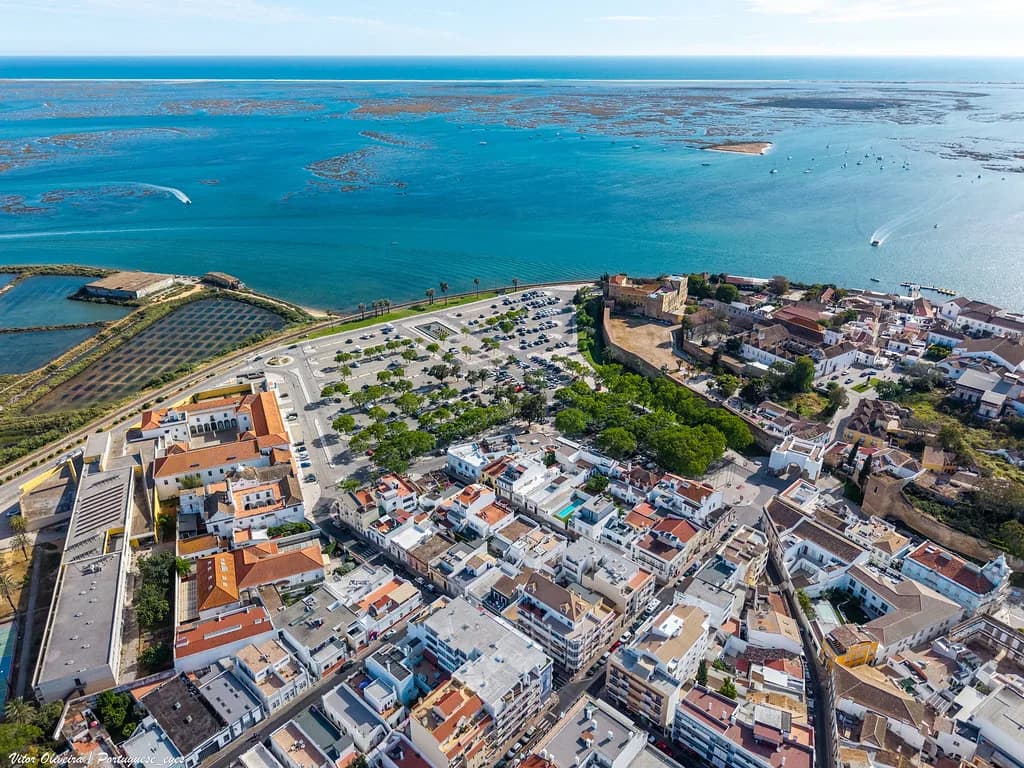
The Mercado Municipal de Faro sits at Largo Doutor Francisco Sá Carneiro in the Sé e São Pedro parish, with the contact line and market website published for traders and visitors. It is a multi-floor complex rather than a single hall, so plan on moving between levels if you want to see the full range of stalls. The address puts it within easy walking reach of the centre, which makes it a sensible first stop before a morning in the old town.
Treat the building as a place where locals shop for the week's food, not as a curated market with tasting boards at every counter. That is the honest trade-off: you get real fish, real vegetables and real prices negotiated over the counter, but little in the way of signage explaining what you are looking at. Go with an appetite for browsing and a willingness to point at what you want.
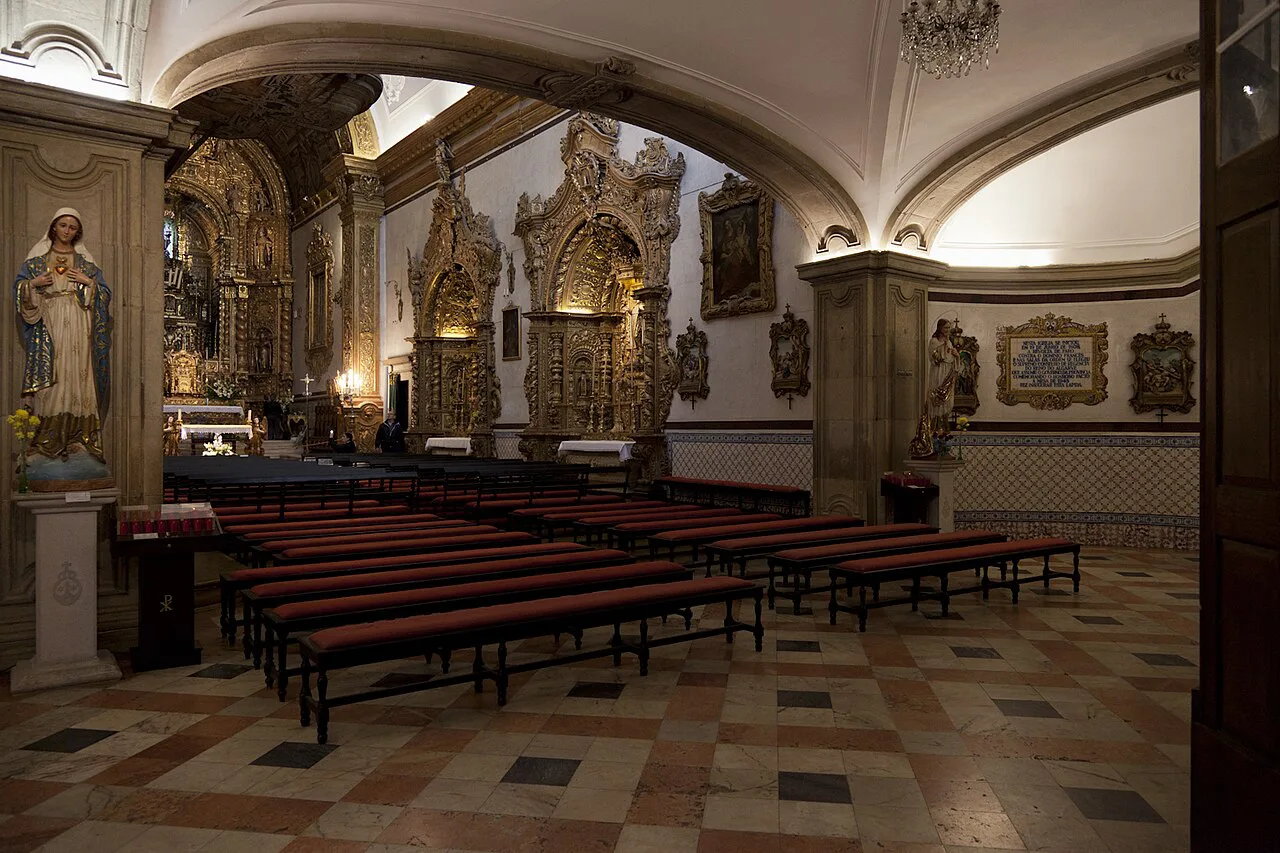
What's inside: fish and seafood, fruit and vegetables, bread and cakes, deli and gourmet stalls, butchers, flowers
On level 0 the market groups fruit and vegetables, fish and seafood, bread and cake stalls, a delicatessen and gourmet products, flowers and vegetables, cereals and animal feed, butchers and restaurant areas. In practice that means you can assemble a picnic or a self-catering supper in one loop: fish from the seafood side, tomatoes and fruit from the produce stalls, bread and a slice of cake for later. The gourmet and deli counters are where to look for cheese, cured meats and jarred goods to take home.
The fish and seafood counters are the reason many visitors come, and they reward an early start: market halls across the Algarve generally open around 8am to 9am and traders often begin packing up around 1pm. That is the regional pattern for municipal markets rather than a published timetable for Faro, so check the day's activity before you build a morning around it. Bring cash as a backup even if cards are accepted, and expect the fish side to smell of fish — this is a working market, not a showroom.
Outside the food aisles, the market is a practical errand stop as much as a sight. If you are self-catering, buy fish and vegetables here and cook them simply with olive oil and salt; if you are not, buy fruit for the day and treat the rest as a walk-through. Allow the flower and plant stalls a few minutes, as they give a good sense of what grows locally.
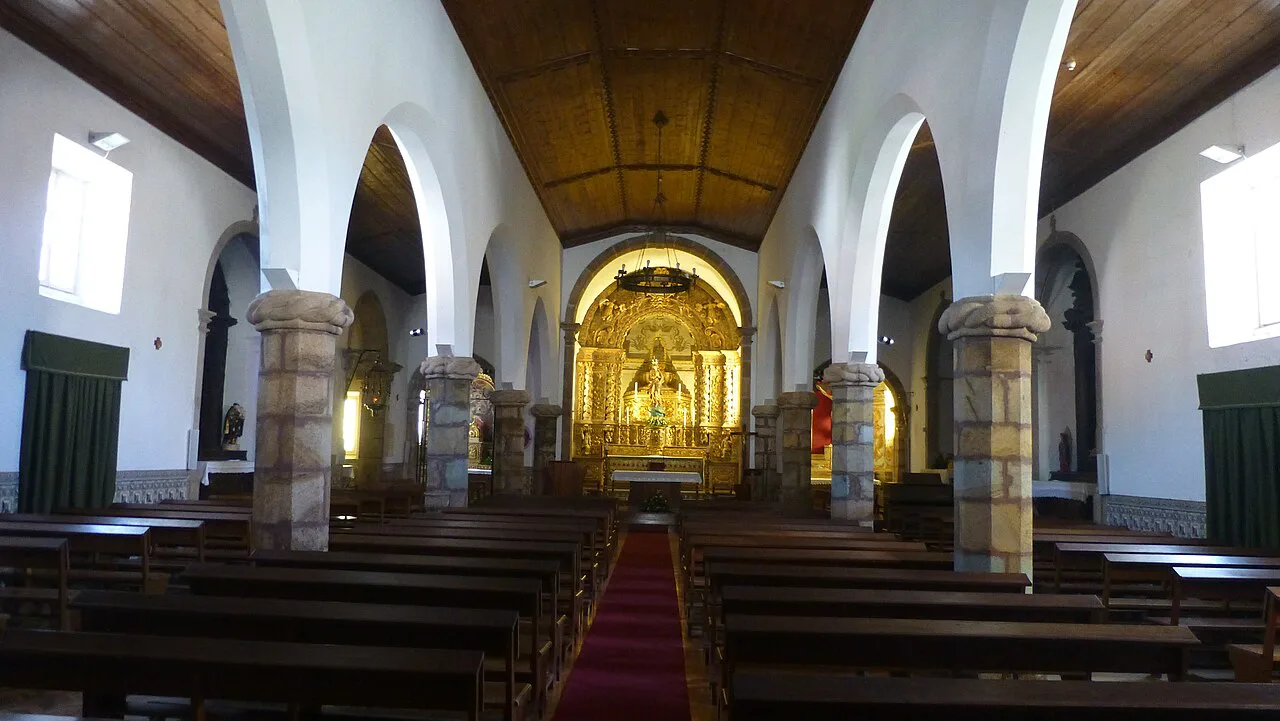
Eating at the market: the restaurant areas inside the hall
Restaurant areas sit on level 0 of the market complex, so you can eat without leaving the building after your shop. These are everyday lunch counters rather than destination dining rooms, and they suit travellers who want a quick plate of grilled fish or a sandwich between errands. Because the market is a municipal facility, the practical rhythm is a lunchtime trade rather than an evening one.
If you want a proper sit-down meal with a view, save it for elsewhere in the centre and use the market restaurants for a fast, cheap stop. The advantage of eating here is proximity: you eat next to the produce you have just seen, and you can be back out on the street within half an hour. Look over the counters on arrival and see what is trading before you commit to a particular stall.
Access and layout: entrances, lift between floors, accessible toilet and parking
The main entrance has no steps or ramp at the threshold, and the accessible route through the door is at least 78cm wide, according to an accessibility survey of the market. Inside, wheelchair circulation is described as total, with colour-contrasted and large-print signage to help you find your way. There is a lift between floors with braille buttons and buttons at a height suitable for wheelchair users, plus stairs with handrails.
An adapted toilet in the common areas has an outward-opening door, grab bars on both sides and clear turning space of at least 150cm. Parking reserved for visitors with reduced mobility sits next to the building on level ground and is clearly marked. If you use a wheelchair or travel with someone who does, these details make the market a realistic stop rather than a hopeful one.
Faro's monthly market days: the gypsy and farmers markets at Faro, Estói and Montenegro
Separate from the permanent hall, Faro has monthly open-air markets that are easy to confuse with the municipal market. Among the gypsy and farmers markets listed for the area, Faro city's market is held on the second Sunday near the municipal theatre; Estói's falls on the second Sunday by the Mercado Abastecedor; and Montenegro's is on the first Sunday in front of the Junta da Freguesia. These are pop-up affairs with a mix of produce, household goods and street food, not the daily fish-and-vegetable trade of the hall.
Algarve markets of this kind generally open early and wind down around 1pm, so a Sunday morning is the realistic slot. Expect farturas and charcoal-grilled chicken from the food vans alongside the stalls, which makes them a good breakfast-and-browse outing. If you are in Faro on the right weekend, go early and combine one with a walk along the waterfront.
Where to buy fish and produce elsewhere in the Algarve
Most towns and cities in the Algarve run municipal markets open Monday to Saturday, selling fish, fruit, vegetables, olives, cheese and cured meats. Locals often prefer them to supermarkets for flavour even though they pay a little more, which is a fair description of what you get in Faro too: better fish, less convenience.
For a short break, the Faro hall covers the same ground as most regional markets in a single visit. Use it as your introduction to Algarve produce, then compare with whatever market you find in the next town. That is more useful than chasing a longer list of markets you will never reach, and it leaves room for the wider Things to Do in Faro.
How long to allow and how it fits into a short Faro break
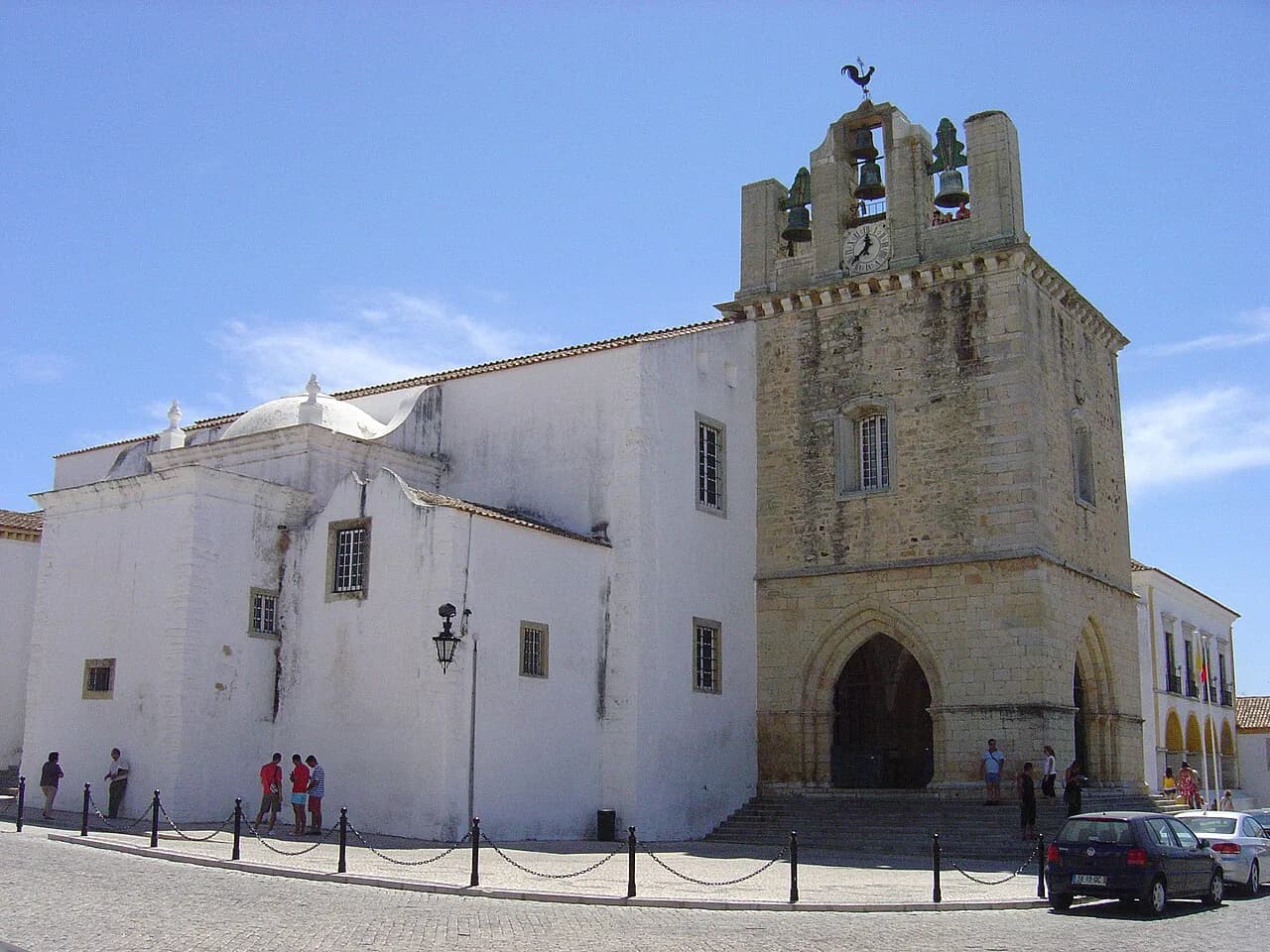
Forty-five minutes to an hour sees the market properly, including a coffee stop; twenty minutes is enough if you only want a quick look at the fish counters. Slot it into a morning before the day heats up, then walk into the old town for the cathedral and the city walls. The market works best as the first stop of the day rather than a destination in itself.
From the market you are close to the Cidade Velha and its landmarks, so pair the two without a plan change. A simple loop of market, old town and waterfront fills a half-day comfortably. If the weather turns, the market's indoor floors give you a dry place to wait it out.
Is the market worth a stop on your Faro itinerary?
Yes, as a short morning stop rather than a headline sight: the hall delivers real fish, produce, deli goods and a cheap lunch in one building, and the accessibility provision is unusually thorough for a municipal market. Go early, treat it as a working market, and save the old town for afterwards. Check the market's own website or call the published number before a special trip, particularly around public holidays.
Explore more Faro guides
Frequently Asked Questions
Is Faro expensive to eat out?
The market's restaurant areas are an everyday option rather than a splurge, which makes them a useful budget stop for lunch. Elsewhere in Faro, prices vary by street and by whether you sit down or stand at a counter, so compare a few menus before committing. The market's own counters show you what a simple plate costs on the day.
Sources
Notes for your next Portuguese break
Optional updates to our town guides.
You might also like
Continue reading
More guides you'll find useful