Faro Coffee and Pastry Stops: A Short Guide to the Old City
Faro is a compact one-to-three-day city: here is how a morning coffee stop fits the old town, the market and the museums, what museums cost and when they close.
On this page
Faro works well over two or three days, and a morning coffee stop fits that rhythm better than a café crawl. Order at the counter where you can, and use the stop to plan the day before the heat builds. This guide sets out the city's layout around the Cidade Velha and the Mercado Municipal, the Arco da Vila gateway, and museum prices and opening days.
Set your expectations first: Faro is a working Portuguese city, and a coffee stop is a quick, everyday habit rather than an all-day brunch occasion. Plan one stop per morning, not three, and use it to orient yourself before the sights open.
Pastelaria, padaria and the counter divide
Three formats cover most of what you will walk past in Faro. A padaria (bakery) centres on bread, rolls and simple baked goods, usually with a short counter and brisk service. A pastelaria (pastry shop) sells sweets and savoury snacks alongside coffee and is where most short-break travellers end up. Knowing which one you are walking into tells you whether to queue at the counter or wait for a table.
The counter divide matters more than the sign outside. At a counter-service pastelaria you order, pay, and carry your own coffee and pastry, which keeps the stop short and cheap. Table service costs more in time, and works better if you want to spread out a map and plan the day's walking. Decide which mode you want before you sit down.
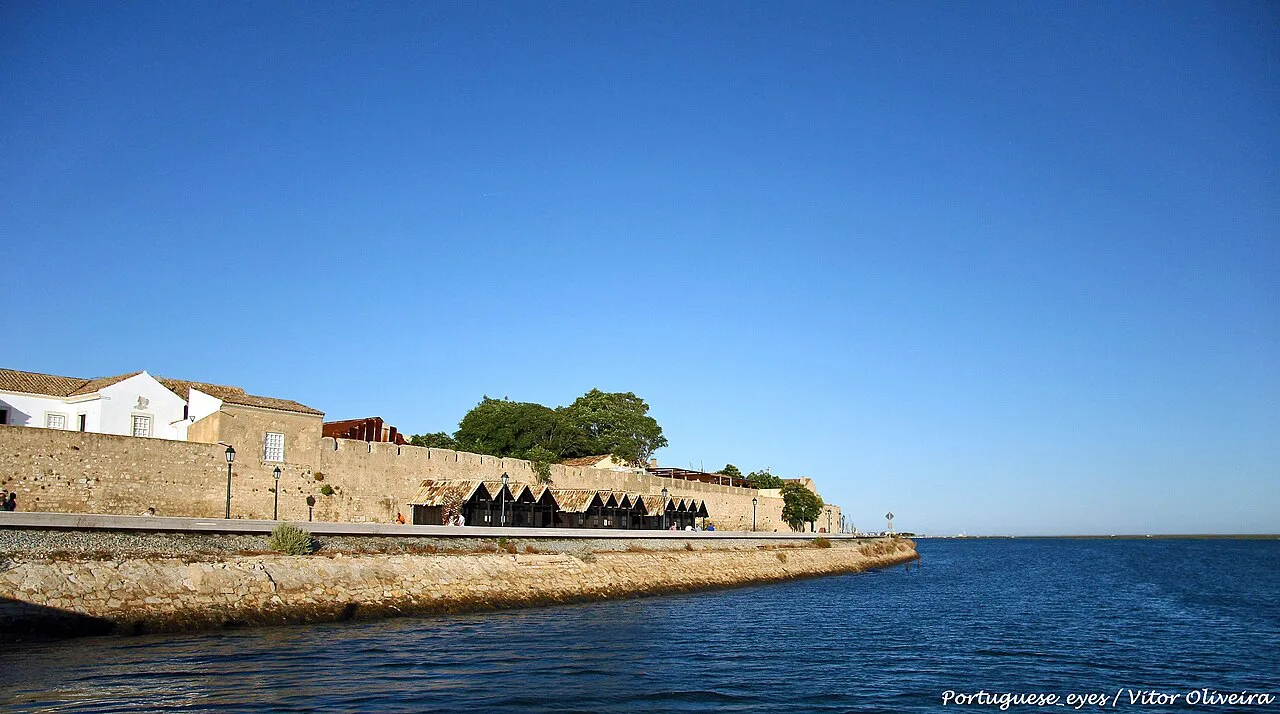
Where a morning coffee stop fits a one to three-day Faro itinerary
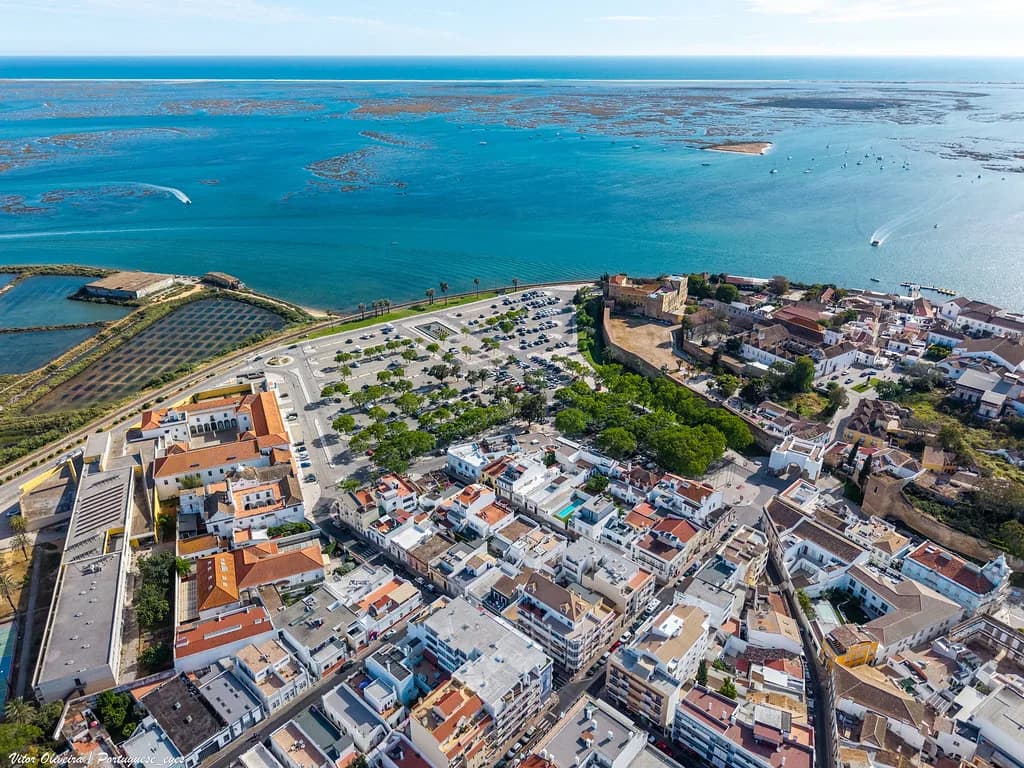
Faro's old quarter, the Cidade Velha, is compact and its gateways are the obvious morning anchor. Start with coffee and a pastry before walking through the Arco da Vila into the walled centre and up to the Largo da Sé. The monumental gateway was commissioned by Bishop D. Francisco Gomes de Avelar to a design by the Genoese architect Francisco Xavier Fabri and inaugurated in 1812; it is a National Monument.
Three days gives you room for a coffee stop plus a second around the Mercado Municipal, a morning in the old city and an afternoon on the water in the Ria Formosa Natural Park. Two days still works if you pick one museum and one boat trip. A single day suits the walled centre and the market area on foot, but you will move faster and sit down less.
If food is the reason you came, give a bakery morning and a proper lunch equal weight rather than filling every meal with pastries. Faro food rewards that balance, with grilled fish and shellfish doing the heavy lifting later in the day.
What to order with your coffee in Faro
The pastel de nata is the safe order and the right place to start: a small custard tart, best eaten warm with cinnamon if you like it. It is a national standard rather than a Faro speciality, and it needs no special trip to track down. Treat anything more specific as something to discover on the counter rather than reserve in advance.
Savoury options are where a coffee stop can become a light lunch. Expect filled rolls, small savoury pastries and simple sandwiches rather than full meals, and ask what has just come out of the oven. If you want a proper sit-down lunch instead, Faro restaurants are a short walk from the old town.
For something more substantial than pastry, the seafood in Faro is the reliable local choice, particularly at lunch when the market end of town is busy.
Coffee in Faro: bica, meia de leite and how to order at the counter
Order a bica for an espresso and a meia de leite for coffee with roughly half milk; those two cover most of what you will want. Say the name and the quantity, pay at the till or counter as directed, and keep the receipt if you are given one. A galão is the larger milky option when you want to sit longer.
If coffee alone will not do and you want eggs or a fuller plate, plan a breakfast stop rather than a pastelaria. Faro breakfast options stretch beyond the counter, and knowing which you want saves a wasted walk.
What a short cultural stop costs in Faro: museum prices in euros
Faro's municipal museums give you a concrete benchmark for how cheap a short cultural stop can be. The Museu Regional do Algarve charges adults €2.50, visitors aged 13 to 26 along with students, teachers and retirees €2.00, children aged 3 to 12 €1.00, under-threes free, a family ticket for two adults and two children €7.00, and a combined ticket covering the regional and municipal museums €5.00. That is the kind of modest outlay to budget for alongside your morning coffee.
Set a cash budget for the morning rather than a per-item target, since the total varies with what you order and where you sit. Keep small notes and coins for counter service, and read the price board before ordering so the bill is not a surprise. If you want the lowest possible spend across the day, Faro cheap eats are easier to find at the counter than at a table.
For a realistic three-day bakery budget, assume one coffee and one pastry each morning and treat everything else as optional. That keeps the food spend predictable and leaves room for a proper lunch.
Faro Municipal Market and the surrounding streets for a morning stop
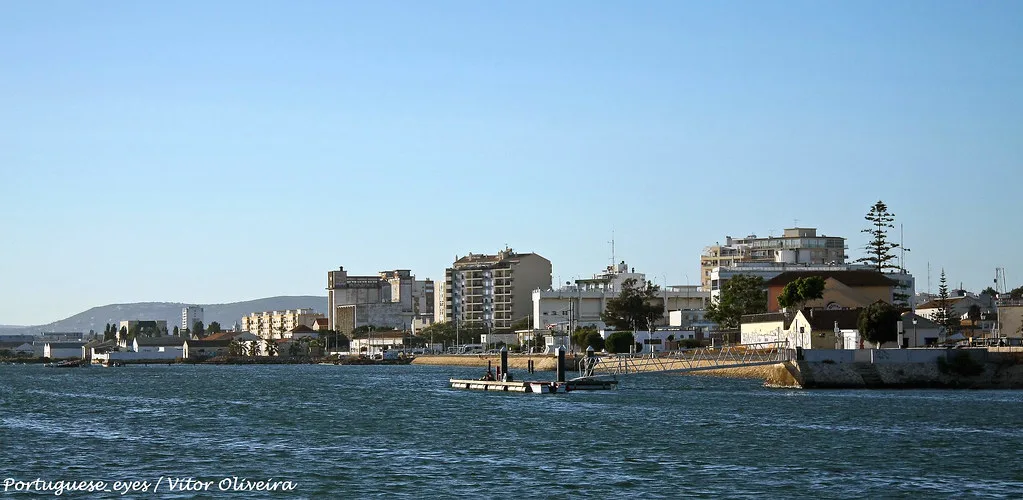
The Mercado Municipal is the natural pairing with a bakery stop, because the market and the surrounding streets give you produce, fish and everyday shops in one small area. Go early, walk the market first, then take coffee nearby rather than the other way round. This also keeps you close to the old town for the rest of the morning.
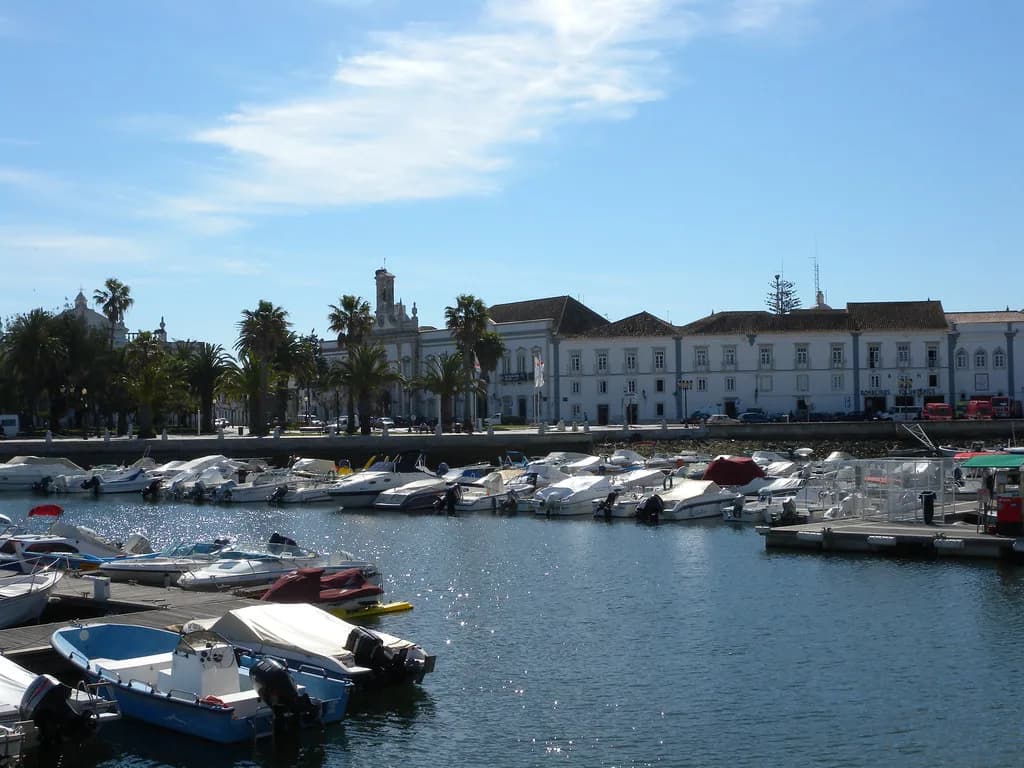
Rua de Santo António is the other useful axis, running through the shopping district with the marina and Jardim Manuel Bivar at one end. It is a straightforward walk between the old city gate and the modern centre, which makes it a sensible route for a bakery stop plus a museum. More ideas for the day sit in the Faro Attractions: 4 Visitor Guides collection.
Opening days and hours: what to expect on Sundays and public holidays
Do not assume Sunday opening. The Museu Regional do Algarve opens Tuesday to Friday from 10:00 to 18:00 and Saturday from 10:00 to 16:30, closes on Sundays and Mondays, opens on public holidays and can close on specific days by municipal decision. That pattern is a reminder to read each business's own sign rather than extrapolating from one place.
For a bakery or café, read the hours on the door and any days closed printed beside them. Public holidays can change the pattern, so a morning plan built on one shop can fall flat. Have a second option on the same street in mind.
Sitting down versus standing at the counter: the trade-off
Standing at the counter is faster and usually simpler to pay for, and it suits a quick bica before a museum slot. Sitting down buys you time and space to plan, and it is worth it when you are waiting for a museum to open or resting between walks. The trade-off is time, so decide which you are buying before you order.
If you are travelling with someone who wants a full breakfast and someone who wants a pastry, split up for twenty minutes and meet at the Largo da Sé. That is usually quicker than negotiating a single venue, and it gets you into the old city earlier.
Bakery etiquette: tickets, table service and paying
At a counter, order first, then pay where the till is, and take your items with you rather than expecting them to be brought over. Where table service operates, wait to be seated or ask before sitting, and pay at the end. Keep your receipt visible on the table, since that is how many places track what you have had.
Small habits smooth the visit: say Bom dia on entry, ask for the bill rather than waiting for it, and leave a small coin if service was at the table. Card payment is common but not universal at small counters, so carry some cash as backup.
Local sweets and the pastel de nata
The pastel de nata is the national standard: small, warm and cheap with coffee. It is the safe choice if you want something you already know, and it needs no special trip. If a single stop has to count, make it the one where the counter is busy with local customers.
Buy by weight from the counter rather than a pre-packed box where possible, and ask for a small quantity if you only want a taste. That is the everyday way to try something new without committing to a full box.
A realistic bakery budget for a short break
Treat the bakery as the cheapest meal of the day and budget accordingly, with one coffee and one pastry as the base unit. Over three mornings that stays modest and leaves money for a museum ticket, a boat trip in the Ria Formosa and a proper lunch. Review the plan the night before so unused budget can go on the one thing you actually want.
If you prefer a vegetarian lunch to a pastry-heavy morning, plan around the places that cater for it rather than hoping the bakery counter will. Faro vegetarian restaurants are worth checking before you set out.
Which morning stop suits your Faro break?
Use a counter-service pastelaria for speed and a table for planning, and do not expect a Faro bakery to double as an all-day café. Pair each bakery stop with a walk through the Arco da Vila into the Cidade Velha or a lap of the Mercado Municipal, then move on before the morning goes. Keep one indoor stop in reserve for the hottest part of the day.
Read the door for opening days and holiday notices, carry a little cash, and let the bakery be the cheap, quick start to a day built around the old city, the market and the lagoon.
Sources
Notes for your next Portuguese break
Optional updates to our town guides.
You might also like
Continue reading
More guides you'll find useful