Faro Seafood: What to Eat, How It's Priced and Where
Faro seafood means grilled fish, shellfish and cataplana, often sold by the kilo. Here is what to order, how the fish market works and where to eat it.
On this page
For seafood in Faro, order grilled fish or a cataplana to share and expect to eat it either inside the Cidade Velha (old town) or along the marina. This guide covers the dishes worth knowing, how fish sold by the kilo affects the bill, what the municipal market tells you about the day's catch, and which named venues a source supports. It is written for a one-to-three-day stay, not a restaurant ranking.
Faro is the Algarve's working capital rather than a resort, which shapes what lands on the plate. The Ria Formosa lagoon and the Atlantic sit on the doorstep, so fish and shellfish are at the heart of local cooking, and the old town's lanes and the marina give you two distinct settings for a seafood meal. Use this page to plan one or two seafood lunches or dinners, and save the rest for the wider Faro restaurants guide.
Seafood in Faro: the short answer
The short answer is grilled fish and shellfish, with cataplana as the signature shared dish. Bacalhau (salt cod) also appears on Algarve tables, though it is not a local catch. If you want one seafood meal, make it grilled fish at lunch and a cataplana in the evening if you are two or more people.
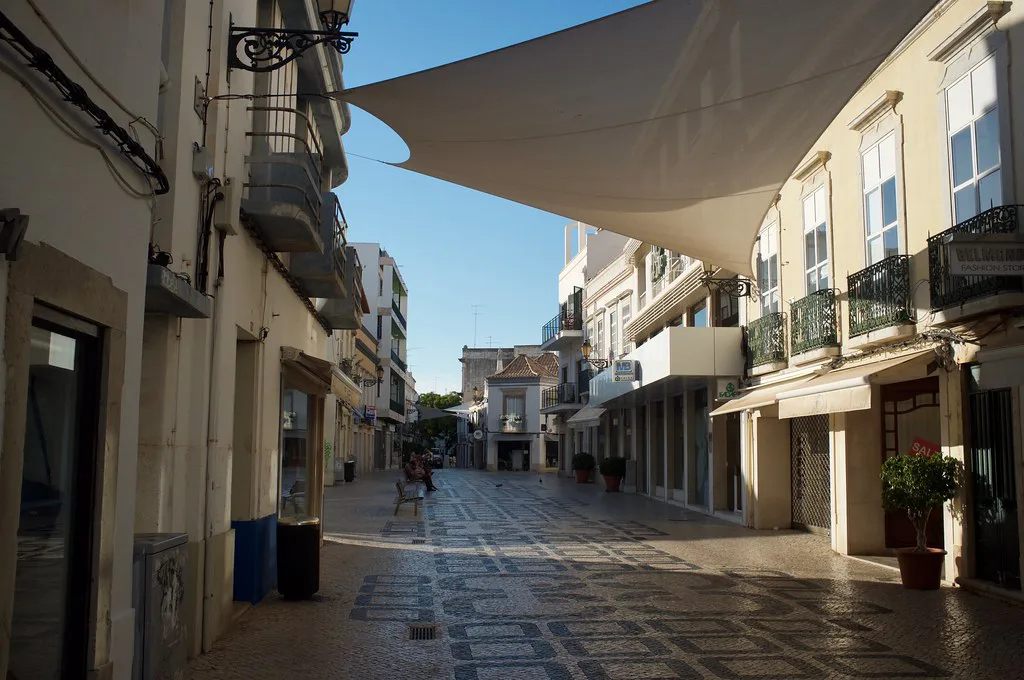
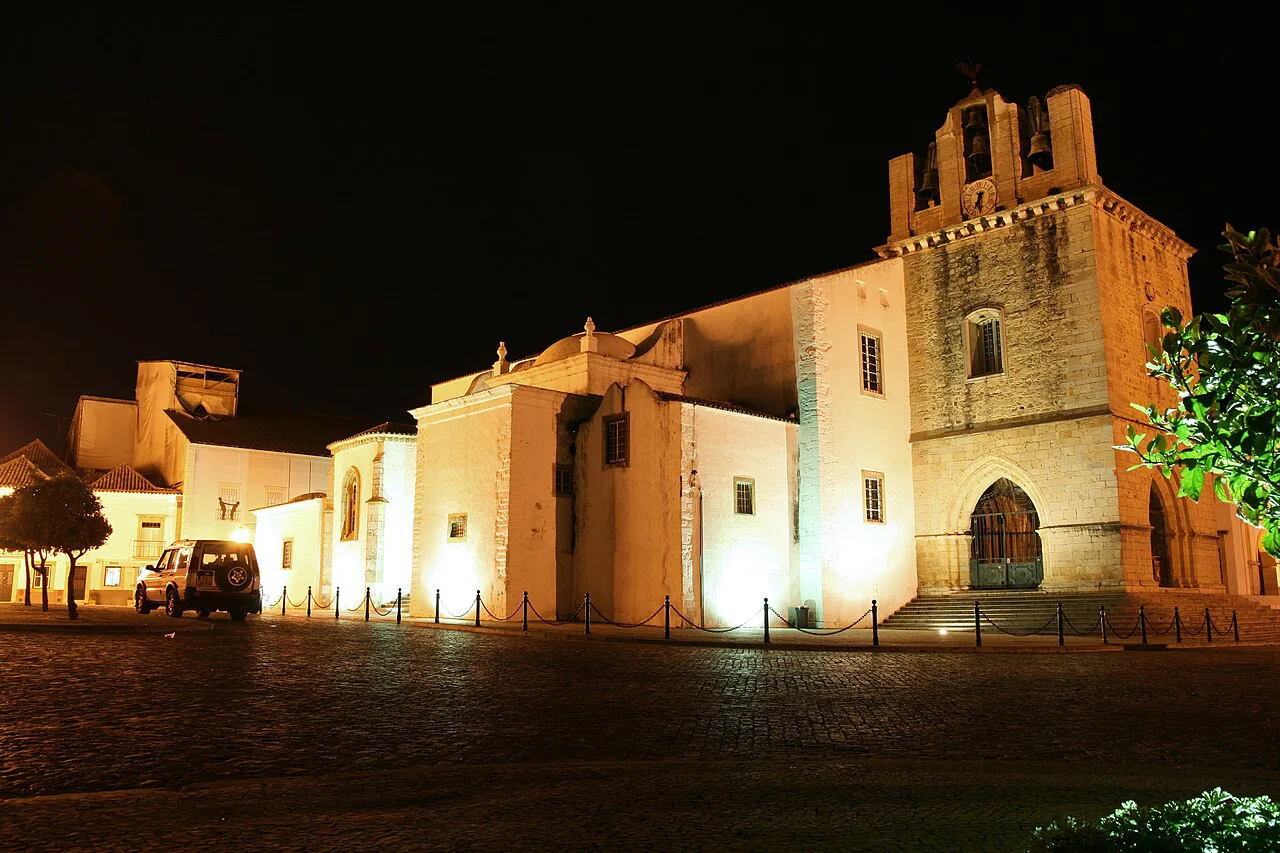
Faro's historic centre is compact: the Arco da Vila leads into the Cidade Velha, and the Largo da Sé sits at its heart. That means a seafood lunch inside the walls fits naturally into a morning of sightseeing, while the marina side suits a slower evening. The Arco da Vila itself is a monumental 1812 gateway with an interpretive centre inside, and it marks the entry to the old town.
What to order: cataplana, bacalhau, grilled fish and shellfish
Cataplana is the Algarve seafood stew cooked and served in a clam-shaped copper pot. Treat it as a shared dish: it is built for two or more, so a solo traveller should ask about portion size before committing. The pot is the point as much as the contents, and it usually centres on shellfish and fish.
Grilled fish is the other staple and the simplest test of a kitchen: whole fish, olive oil, lemon and potatoes. For shellfish, look for clams, mussels and prawns, often served as a starter or a bulhão pato-style clam dish. Bacalhau is a Portuguese staple rather than a Faro catch, so order it if you want the national classic rather than the day's landing.
If fish is not the whole table's preference, Portuguese menus more broadly also cover grilled meat and other classics, which keeps a mixed group happy. The wider Faro Food guide is the place to plan the non-seafood meals.
How fish is priced by the kilo and what it means for your bill
Fish sold by the kilo is priced per kilogram, and the restaurant typically weighs your fish before cooking, so the final bill depends on the size of the specimen rather than a fixed menu price. Ask for the weight and the kilo price before you agree, and ask whether the price covers the fish alone or the full plate with potatoes and salad.
The other variable is the market price, which changes with the day's catch and the season. Published menu prices for seafood are therefore less reliable than for fixed dishes such as cataplana. If you want a predictable bill, choose a dish with a set price rather than a whole fish sold by weight.
One local pick on a community forum is O Tintol for fish, roughly priced per person by those who recommend it, which gives a rough anchor for a generous fish lunch rather than a confirmed current price. Confirm the day and the price when you book or arrive.
The fish market and the rhythm of the seafood day
The Faro Municipal Market is the place to see the day's fish before it reaches the restaurants, and it is named among the city's sights alongside the old town gate and the Sé. Go in the morning: that is when the fish counters are at their fullest and when the market is part of local routine rather than a tourist stop. The market sits close to the marina and the Jardim Manuel Bivar, so it fits a morning walk.
Seafood eating in Faro runs on a Portuguese clock: lunch is the main fish meal, and dinner starts late by British standards. Many restaurants serve grilled fish at lunch, and some close one day a week or between lunch and dinner, so check the specific venue rather than assuming. A market visit in the morning followed by a fish lunch nearby is the most efficient way to eat with the city's rhythm.
Museum and monument opening days matter if you are pairing culture with seafood. The Museu Regional do Algarve opens Tuesday to Friday from 10:00 to 18:00 and Saturday from 10:00 to 16:30, and closes on Sundays and Mondays; entry is €2.50 for adults, €2 for students, teachers, retirees and 13 to 26 year-olds, and €1 for ages 3 to 12, with a €5 combined ticket for two museums.
Where to eat seafood in Faro
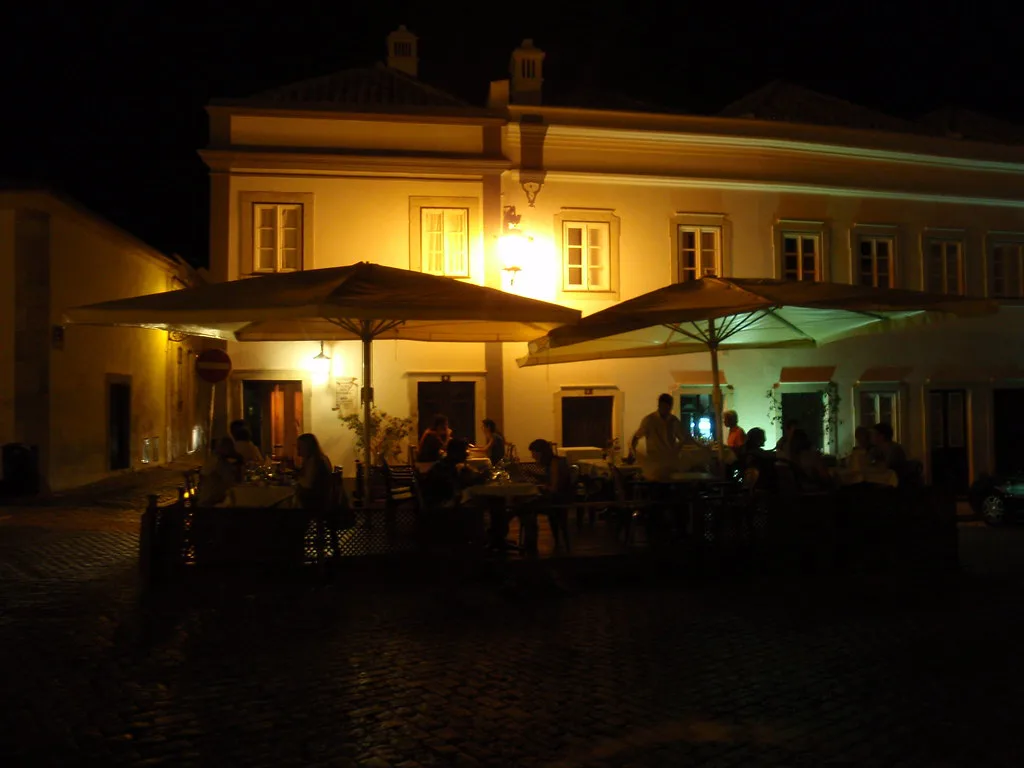
A Do Pinto comes up as a place to try cataplana, and O Tintol as a fish recommendation; Amura and Sal'mare Beach Club appear among Faro's restaurants with a view. These are leads rather than a ranking. The practical approach is to pick one old-town address for cataplana and one marina or waterfront address for grilled fish with a view.
Beyond those, Faro restaurants cover the wider eating landscape, including tascas and family-run places where grilled fish is the everyday order. Use the pillar guide to shortlist by neighbourhood and meal, then book or turn up early. Seafood places fill at Portuguese lunchtime, so arriving before the peak is a simple tactic.
If your group mixes seafood eaters with others, a tasca with a broad menu is easier than a seafood-only house. Cheap eats in Faro is the page for lower-cost everyday options, including the fish dishes that locals order on a weekday.
Old Town versus the marina: choosing your setting
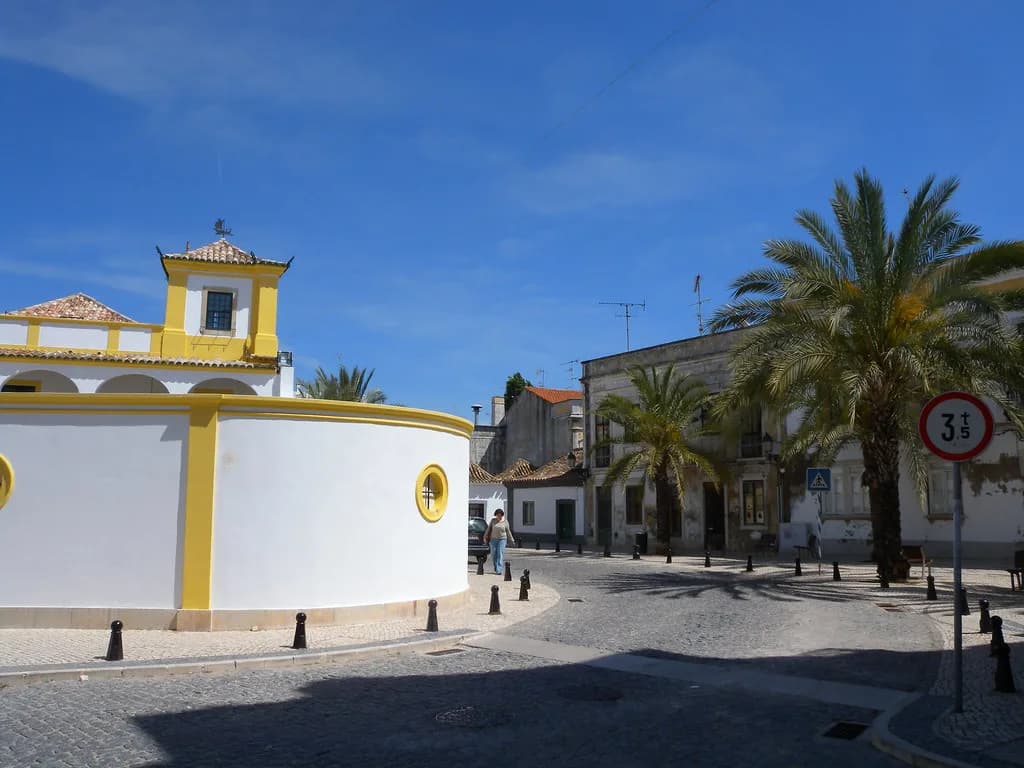
Inside the Cidade Velha you eat among cobbled lanes, the Largo da Sé and the Sé Cathedral, with the old walls around you. The trade-off is space: tables are tight and the setting is more atmospheric than roomy. That suits lunch after a morning at the Museu Regional do Algarve or a look at the Arco da Vila, the monumental 1812 gateway that leads into the Cidade Velha.
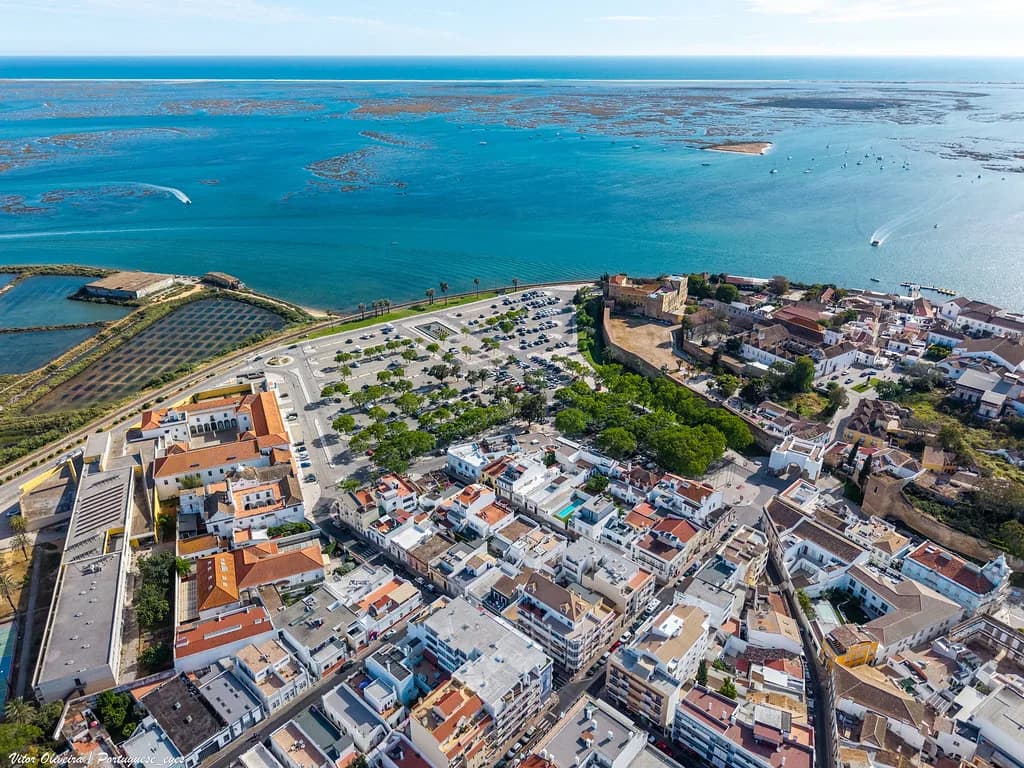
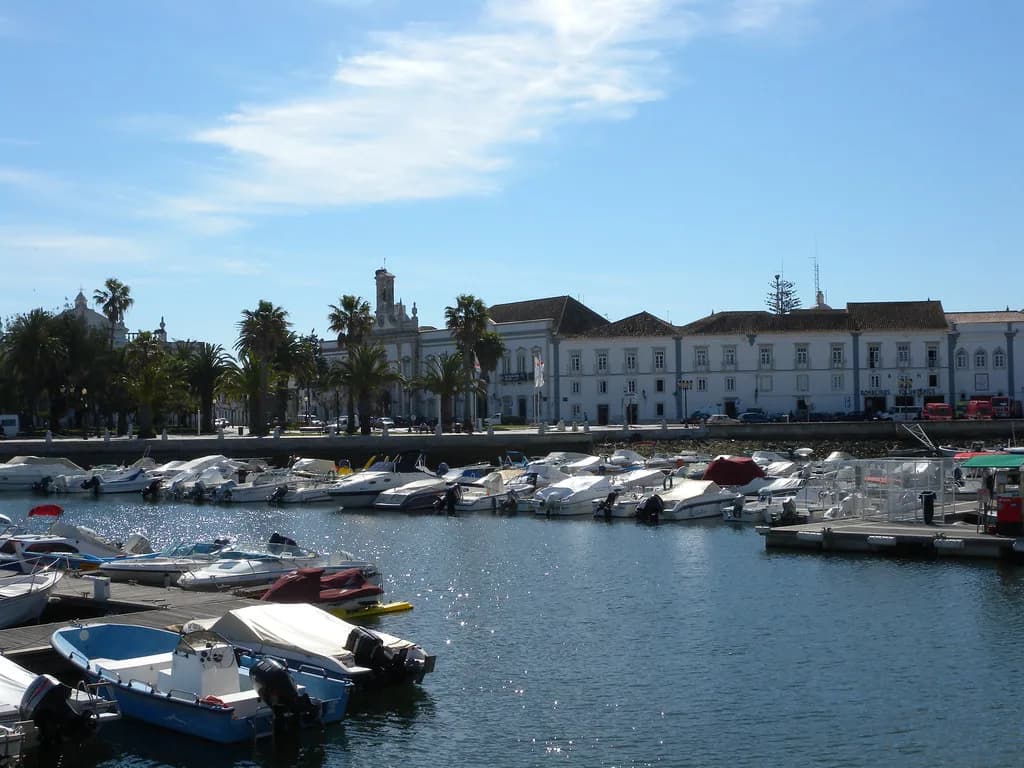
The marina and the Jardim Manuel Bivar side give you water views, more space and a straight walk back towards the bus and train stations. The trade-off is that you are eating with the harbour in front of you rather than inside the medieval streets. For a seafood dinner with a view, this is the more comfortable choice.
A practical split is old town for cataplana and marina for grilled fish, so you see both sides of Faro in two meals. If you only have one seafood meal, choose the setting that matches the rest of your day: old town if you are sightseeing, marina if you are arriving or leaving by transport.
What a seafood meal costs in euros
There is no single published price for Faro seafood, so budget around the style of meal rather than a fixed figure. A shared cataplana or a whole fish by weight is the higher-cost option, while a set fish dish or a tasca lunch is lower. Ask before ordering how a dish is priced so the bill holds no surprises.
Museum entry gives you a fixed-cost cultural anchor: the Museu Regional do Algarve charges €2.50 for adults and €5 for a two-museum ticket, so a culture-and-seafood day can be budgeted with confidence. Confirm the fish weight and kilo price before ordering to avoid a surprise at the till.
Mistakes to avoid when ordering in a Portuguese restaurant
The most common mistake is ordering a whole fish without asking the weight. Ask for the fish to be weighed and the kilo price confirmed, and decide whether to share before it goes to the kitchen. A second mistake is assuming the couvert, bread, olives and butter brought to the table are free; they are normally charged, so decline them if you do not want them.
Portion expectations differ from British ones: a cataplana is a shared pot, and a single portion of grilled fish is usually a whole fish. Order one cataplana between two and add a starter rather than ordering two mains. On timing, lunch is the main fish meal, and turning up at peak Portuguese lunchtime without a booking can mean a wait.
Finally, do not expect every restaurant to serve the same dishes at every hour. Some close one day a week, and seafood availability follows the catch. If you have one seafood meal in mind, check the specific venue's day and hours before building your day around it, and have a second option within the old town or along the marina.
Which seafood meal should you book first?
Book the cataplana first if you are two or more, because it is the dish that defines Algarve seafood eating and it needs company. Then add a grilled fish lunch near the market or in the old town, and keep the marina for a view-led dinner. That sequence uses the city's geography and its eating rhythm rather than fighting either.
Faro rewards travellers who treat seafood as part of a day rather than a stand-alone event: market in the morning, museum or old town at midday, fish on the table after. Use the Faro restaurants guide for the wider shortlist and the attractions hub to slot meals around opening days. Confirm the day's fish and any closing day directly with the venue before you go.
Explore more Faro guides
Frequently Asked Questions
What food should I try in Faro?
Start with cataplana, the shared Algarve seafood stew cooked in a clam-shaped copper pot, and grilled fish sold by weight or by the dish. Bacalhau is the Portuguese salt-cod classic, though it is not a local catch.
How is fish priced by the kilo in Faro?
Fish sold by weight is priced per kilogram, and the fish is typically weighed before cooking, so the final price depends on the size of the specimen rather than a fixed menu price. Ask for the weight and the kilo price before you agree to have it cooked.
Do I need to book a seafood restaurant in Faro?
Booking is wise for dinner, especially at the weekend and for a cataplana, which takes time to prepare. At Portuguese lunchtime the busiest places fill quickly, so arriving early is a practical alternative. Some restaurants close one day a week, so check the specific venue before you plan around it.
Sources
Notes for your next Portuguese break
Optional updates to our town guides.
You might also like
Continue reading
More guides you'll find useful