Poncha: Madeira's Cane Spirit Drink Explained
Poncha is Madeira's drink of cane aguardente, honey and fresh lemon whisked frothy. Here are the classic, fisherman's and fruit versions and where to try them.
On this page
Poncha is Madeira's cane-spirit drink: aguardente de cana mixed with honey and fresh lemon juice and whisked until it turns frothy, then served short. Order one in a Funchal bar and you get a small, sharp, sweet-sour glass rather than a long cocktail, which is exactly how it is meant to arrive. This guide covers what goes into it, how the classic differs from the fisherman's version, what the fruit variants taste like, roughly how strong each one is and where on the island to drink it.
What poncha is: cane spirit, honey and lemon, whisked frothy
The base is aguardente de cana, a spirit distilled from sugar cane, which gives poncha its heat and its slightly rustic edge. Honey softens that burn and fresh lemon juice cuts through the sweetness, so the three ingredients pull in different directions and the balance is the whole point. What separates a good poncha from a flat one is the whisking: the drink is beaten by hand until the lemon, honey and spirit emulsify into a pale foam.
That froth is not decoration. Beating the mixture aerates it and softens the raw spirit on the palate, which is why the drink is served in a small glass and sipped rather than gulped. Home recipes that simply stir the ingredients together miss the texture that defines the drink. If you order one and it arrives clear and still, it has not been made properly.
Poncha Regional: the benchmark version
Poncha Regional is the version to order first, because everything else is a variation on it. It is sugarcane spirit, honey and fresh lemon, hand-whisked frothy, and it takes about five minutes to put together. The honey is present but not dominant, and the lemon keeps the finish clean rather than syrupy.
Judging a bar by its Regional is fair: if the honey is too heavy or the lemon has been replaced with squash, the fruit versions will be sweeter still. Asking for it by name, poncha regional, gets you the standard pour wherever you are.
Poncha de Pescador: the drier fisherman's pour
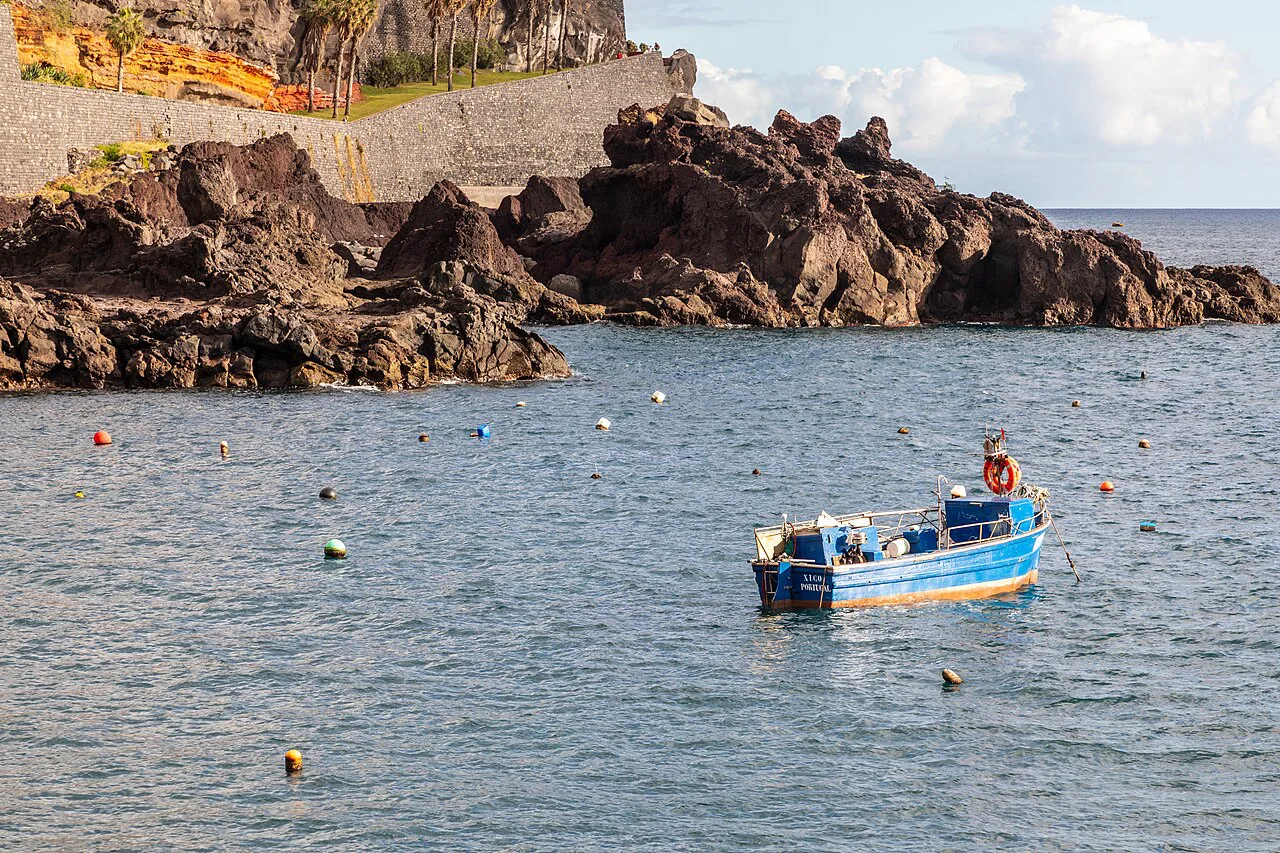
Poncha de Pescador is the older, more bracing style associated with Câmara de Lobos, the fishing town west of Funchal. It uses more aguardente and sharp lemon with little or no honey, which makes it dry, punchy and considerably less forgiving than the Regional. If you find the classic too sweet, this is the one to order.
Treat it as a drink to sip slowly at the end of an afternoon rather than something to work through quickly. The lack of honey means nothing cushions the spirit, and the lemon sits right at the front of the glass. Order it in Câmara de Lobos if you can, since the town is where the style belongs.
The fruit variations: maracujá, tangerina and laranja
Poncha de Maracujá adds fresh passion fruit to the spirit and honey, balanced with a squeeze of lemon, which keeps the tropical sweetness in check. It is fragrant and easy to like, and the most crowd-pleasing of the fruit versions. Poncha de Laranja uses fresh orange juice in the same way, with a touch of lemon, and is the smoothest and sweetest of the set, so it suits anyone trying poncha for the first time.
Poncha de Tangerina brings fresh tangerine juice with a little lemon, and it is a seasonal winter favourite rather than a year-round fixture. All three fruit versions sit in the same rough strength band, and in each case the lemon is doing the same job: stopping the fruit juice from tipping the drink into something closer to a dessert.
How strong is poncha?
The ABV figures published for these recipes are approximate and sit meaningfully higher than wine: the Regional at around 25%, the Pescador at around 30%, and the fruit versions at around 22%. Those numbers describe the mixed drink as the recipe makes it, not a guaranteed strength in any bar, because the pour of aguardente varies from place to place.
A short glass at around 25% carries real weight, and the froth makes it go down faster than the strength suggests. Two is a sensible afternoon; four is a lost evening. Drink water alongside, and remember that the fruit versions taste lighter than they are.
Where to drink poncha in Funchal and Câmara de Lobos
Funchal is the practical base, with poncha served in the old town's small bars and alongside the standard Madeiran menu of espada com banana and espetada Madeirense in the city's restaurants. Order one as an aperitif rather than a dessert drink, since the lemon works better before a meal than after it. For the wider eating picture around the city, the Funchal Food guide covers the ground beyond the drink.
Câmara de Lobos, a short drive west of Funchal, is the other name to know: it is the home of the Pescador style, and the town's bars are the place to drink a dry one by the water. For a broader shortlist of places to eat around the city, the guide to the best restaurants in Funchal covers the ground beyond the drink. Between the two towns, you have both the classic and the fisherman's version within easy reach.
Bars change hands and hours shift with the season, so ask at your accommodation for a current recommendation rather than relying on an old list. In the Lido area and elsewhere, the places that mix to order are the ones worth seeking out.
Judging a bar is straightforward once you know what to look for: fresh lemons being squeezed, a whisk in use and honey from a jar rather than a pump bottle. If the poncha is pre-mixed in a jug, the foam will be flat and the lemon will taste cooked. Paying a little more for a hand-mixed serve is usually worth it, and the poncha recipes themselves take about five minutes to make each, which tells you how quickly a proper one should reach you.
How to order and what to expect
Ask for a poncha regional if you want the standard pour, or specify Pescador, maracujá, tangerina or laranja if you know which you want. It arrives in a small glass, often with a spoon or a straw, and it is meant to be sipped slowly rather than knocked back. If you are unsure, say you would like the less sweet version and let the barman steer you.
Expect a short wait, because a proper one is made to order and whisked by hand. Expect, too, that the strength catches up with you: the drink is roughly a quarter alcohol by the recipes, and a small glass goes down quickly.
Making poncha at home
The home version needs only three ingredients for the classic: aguardente de cana, honey and fresh lemon juice. Warm the honey slightly so it dissolves, combine everything in a jug and beat it hard with a hand whisk or a wooden tool until a pale foam forms. The whisking is the step that home recipes most often skip, and it is the one that matters most.
For the fruit versions, add fresh maracujá, tangerina or laranja juice and keep a squeeze of lemon in the mix to stop it becoming too sweet. Aguardente de cana is not stocked in every UK or US off-licence, so check a Portuguese deli or an online specialist before planning a batch. Serve in small glasses while the foam is still standing.
Poncha next to other Portuguese drinks
Poncha sits in a different place from vinho verde, the light, low-alcohol green wine that suits a hot lunch, and from ginjinha, the sour cherry liqueur sipped in small doses, usually in Lisbon. Aguardente on its own is a straight spirit taken after a meal; poncha is that same spirit tamed with honey, stretched with lemon and aerated. If you like a sharp aperitif rather than a sweet one, start with the Pescador. For the wider eating and drinking picture on the island, the Madeira food guide is the place to look before you plan the rest of the day.
Which poncha should you order first?
Order the Poncha Regional first, because it is the benchmark and tells you whether the bar can balance honey and lemon. Move to the Pescador on a second visit if you want something drier, and try the fruit versions when tangerines are in season or when you are introducing someone to the drink. In Funchal, drink it before dinner; in Câmara de Lobos, drink it by the harbour.
The drink is short, strong and easy to like, and the difference between a good and a poor one comes down to fresh lemon and a hand whisk. Once you have had a proper one, the pre-mixed versions are easy to spot.
Explore more Funchal guides
Sources
Notes for your next Portuguese break
Optional updates to our town guides.
You might also like
Continue reading
More guides you'll find useful