Funchal Food: What to Eat in Madeira's Capital
Funchal food explained: lapas, espada, espetada, bolo do caco and bolo de mel, what each dish is, and named Funchal places to eat them on a short break.
On this page
Funchal food is Madeiran cooking rather than mainland Portuguese cooking: grilled limpets, black scabbard fish, beef skewers, sweet-potato flatbread and puddings built on passion fruit and honey cake. On a short break of one to four days you can cover most of the classics, using the capital as your base and eating your way through the Old Town between sights. This guide explains each dish before you meet it on a menu, then names the Funchal venues that the cited restaurant guides single out for it.
The island's cooking sits where the Atlantic meets a volcanic, subtropical landscape, which is why fresh fish appears in such abundance alongside tropical fruit grown on the island. Funchal itself ranges from snack bars selling a steak sandwich on garlic-buttered bread to three Michelin-starred dining rooms with panoramic views.
What Funchal food is: Atlantic fish, beef, sweet-potato bread and subtropical fruit
Madeiran cuisine is defined by simplicity and locality: vegetables grown in volcanic soil, fish landed in quantity, and meat cooked over coals. That combination produces a short list of dishes worth knowing before you sit down, from limpets to honey cake. Many of the best-known dishes are also cheap, which makes eating well here less about budget than about knowing what to order.
A practical approach on a short break is to treat lunch as the local meal and dinner as the restaurant meal. Order a shared plate of limpets or a bowl of soup at midday, then commit to a proper sit-down dinner for espetada or fish. Madeira food also travels beyond the capital, with the beef skewer associated with the fishing village of Câmara de Lobos just west of Funchal.
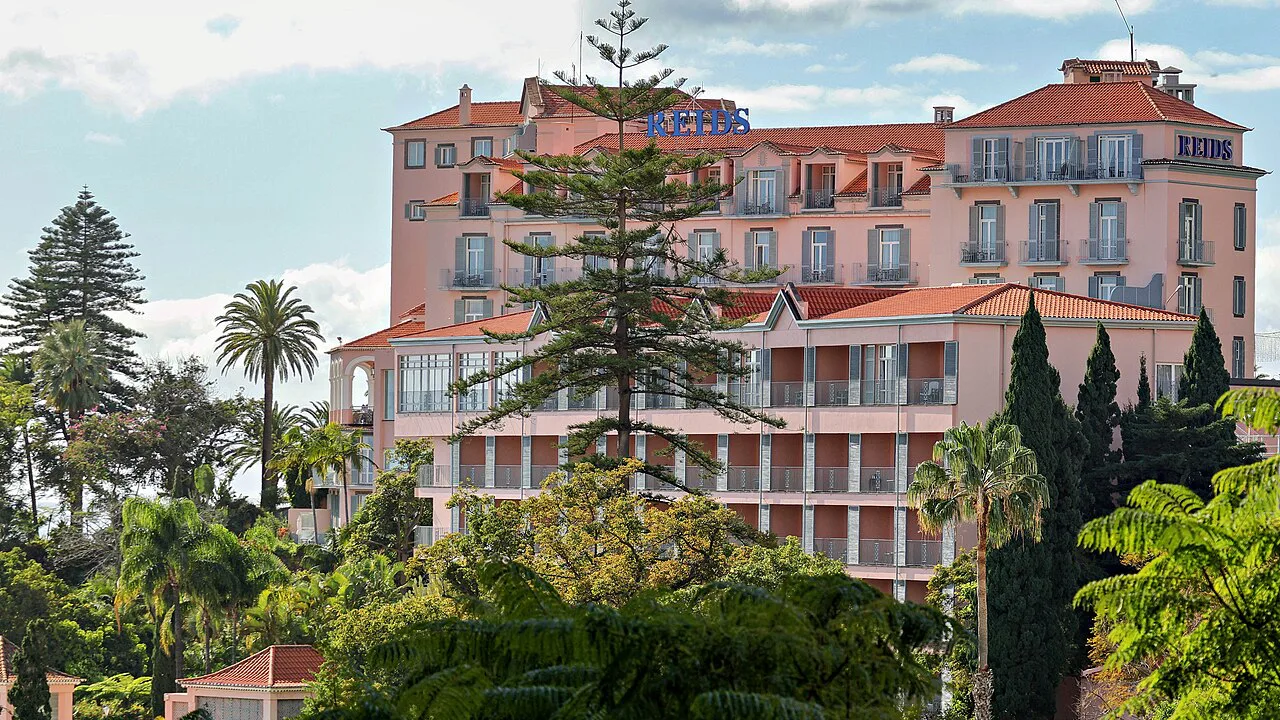
Start with lapas: grilled limpets in their shells
Lapas are limpets, molluscs in cone-shaped shells that cling to the rocks around the island and arrive at the table grilled with butter, garlic, lemon and paprika. They are served hot in their shells and eaten as a starter or an afternoon snack with a glass of wine, and most traditional Madeiran restaurants in Funchal keep them on the menu.
The cited food guides name Tas'ca Principal, a garden-and-alley address, for grilled limpets, with Restaurante Taberna Ruel on Rua de Santa Maria as another typical Madeiran option. Order bread alongside, because the garlicky juices are the point. If you want to build a whole meal around fish and shellfish, our pick of the seafood restaurants Funchal does best will point you further.
Espada: black scabbard fish, plain and with banana
Espada is black scabbard fish, a deep-sea species that looks alarming and tastes mild, and it is the island's signature fish. The version to try at least once is espada com banana, where the fried fish meets a piece of fried banana on the plate, a sweet-savoury pairing that divides visitors and defines the island.
If the banana combination sounds like a step too far, order espada simply grilled and work up to it. Octopus, tuna steak and rainbow trout also appear widely, so a fish-shy companion has options.
Espetada Madeirense: beef on a skewer, served hanging from a hook
Espetada Madeirense is beef cut into large cubes, seasoned with salt, pepper, garlic and bay leaf, speared on a skewer and grilled over coals. It arrives still hanging from a hook above the plate, sometimes with butter poured over the top so it trickles down the meat; you take the lowest piece by hand and work upwards.
The dish is generally credited to Madeira, and Câmara de Lobos in particular, and some kitchens now offer chicken, squid or fish versions. An alternative that keeps the beef but loses the theatre is picado à Madeirense, cubed beef served without the skewer.
Bolo do caco and the prego: Funchal's cheap lunch pairing
Bolo do caco is a round, flat bread whose recipe dates back centuries, when wheat was scarce and islanders added sweet potato to the dough, giving it a dense, chewy crumb. It is baked on a hot stone or in a pan, then split, spread with garlic butter, sprinkled with parsley and toasted. It turns up as a starter with most meals, so you will meet it within your first hour at a table.
The same bread makes the prego no bolo do caco, a steak sandwich layered with garlic butter, thin-sliced beef, lettuce, tomato, cheese, ham and bacon, with a fried egg optional. The guides single out Casa do Bolo do Caco on Rua Dr. Fernão de Ornelas for an exceptional version, and Bela 5 Snack Bar for a crowded, hot, thoroughly local one. Either makes a fast, filling lunch between sights.
Everyday dishes to order alongside: milho frito, soups and fish
Milho frito, cubes of fried maize porridge, is the dark, crisp accompaniment that often lands beside meat, and sopa de tomate is the simple tomato soup that turns up as a first course. Sopa de trigo, a wheat soup, is the heartier local variant worth trying if you see it.
A shared plate of milho frito and a bowl of soup is also the most economical way to eat in Funchal, leaving your budget for one bigger dinner. Getting around the centre on foot between these stops is straightforward, and a look at what else Funchal Attractions offers helps you place lunch between sights.
Sweets to finish: bolo de mel, broas de mel, queijada and pudim de maracujá
Bolo de mel, a dark honey cake, and broas de mel, honey cookies, are the island's traditional sweet souvenirs, both built on sugar cane and long keeping. Queijada, a small cheese pastry, is the lighter option, while pudim de maracujá brings the island's passion fruit to the end of a meal in pudding form.
Island-grown bananas and other tropical fruit are a good finish too, and buying a few at a Funchal bakery or a market stall makes a cheap breakfast or an afternoon snack.
Where to eat traditional Madeiran food in Funchal
For traditional dishes, the guides name Tas'ca Principal and Restaurante Taberna Ruel for limpets, Restaurante Armazém do Sal and Cantinho dos Amigos in the Old Town, and Casa do Bolo do Caco on Rua Dr. Fernão de Ornelas for bread and sandes. Cantinho dos Amigos is noted as inexpensive, which matters if you want the traditional experience without the fine-dining bill.
Several of these sit on or near Rua de Santa Maria, the Old Town street where the restaurant signs start. Walking between them makes for an easy evening, and the wider Best Restaurants in Funchal guide covers the broader spread.
Fish and seafood, plus a cheaper lunch in the Old Town
The cited guides name Peixaria no Mercado and ÁKUA by Chef Júlio Pereira, both in the Old Town, for fish and seafood, and Santa Maria (on Rua de Santa Maria) and Tipografia for bistronomic menus. A market fish lunch is the best value of the day, and it puts you next to the market itself when you are done.
For cafés and cheap sandwiches, Funchal's snack bars do the prego at a fraction of restaurant prices, and street-level addresses fill up quickly at midday. Our cheap eats Funchal picks are a good fallback when the Old Town looks full.
Splurge dinners: Desarma, Il Gallo d'Oro and William, with per-person price ranges
Funchal has three Michelin-starred dining rooms: Desarma (one star, on the 11th floor of Hotel The Views Baia) for chef Octávio Freitas's modern take on Madeiran dishes, Il Gallo d'Oro (two stars, at The Cliff Bay Hotel) under chef Benoît Sinthon, and William (one star, at Reid's Palace Hotel) for chef José Diogo Costa's cooking. Il Gallo d'Oro was awarded Madeira's first Michelin star in 2009, and both Desarma and Il Gallo d'Oro require reservations.
The published price ranges are high: Desarma between €195 and €300 per person, and Il Gallo d'Oro between €255 and €295 per person, excluding drinks. Treat them as the cost of the grandest meal of your trip rather than a normal dinner, and book well ahead for the evening you want.
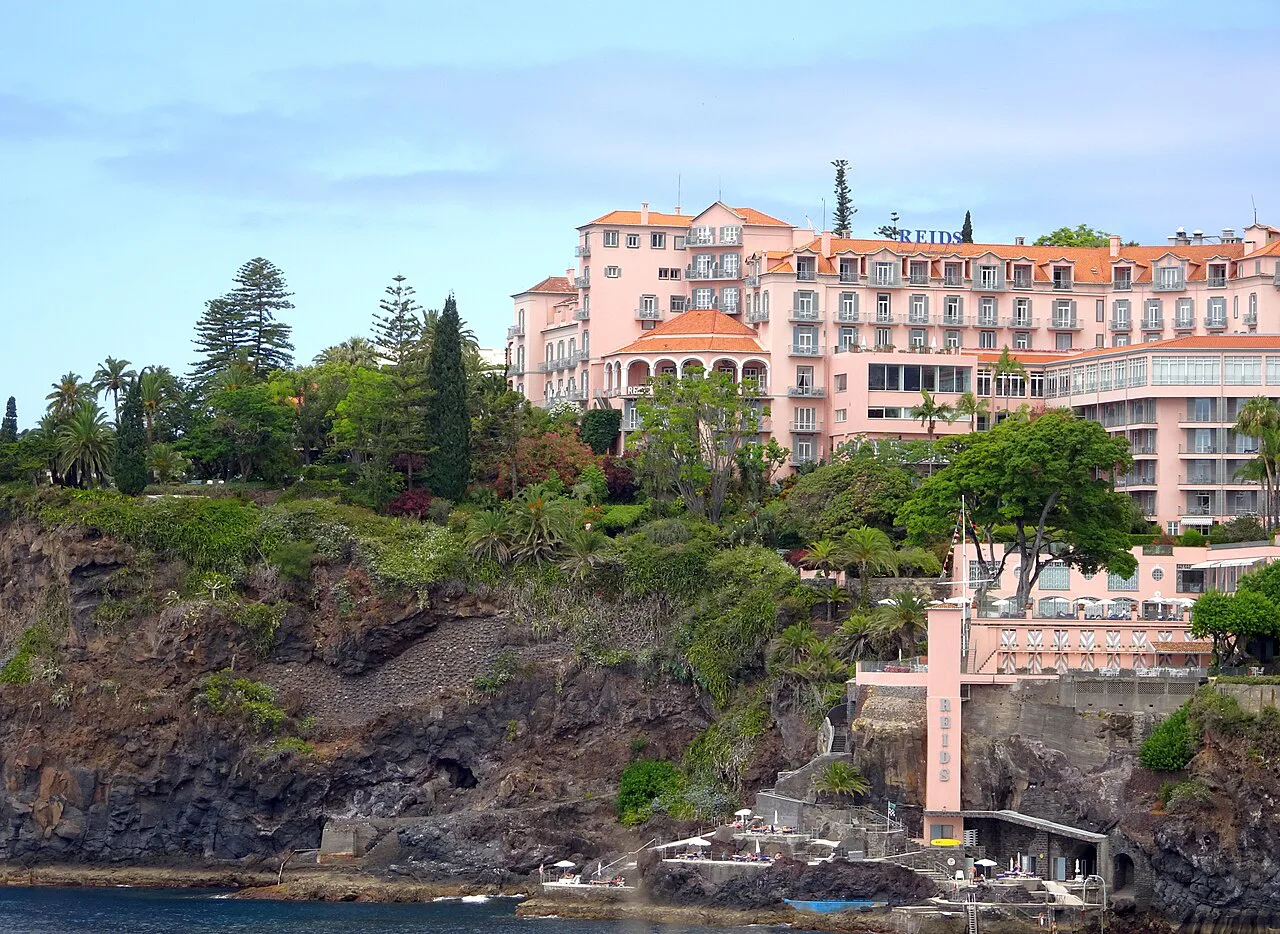
Drinks with your meal: Madeira wine, poncha, Nikita and Brisa Maracujá
Vinho Madeira, the fortified wine, is the obvious order for the table, while poncha, a sugar-cane drink, is the island's sharp aperitif. Nikita is a frothy pineapple cocktail more common in the beach bars, and Brisa Maracujá, a passion-fruit soda, is the non-alcoholic option that appears in many cafés.
When you want to understand the cane spirit before ordering one, our poncha guide covers how and where to try it.
What Funchal food costs
The prices you can pin down from the cited reviews are the splurge end: Desarma €195 to €300 per person, Il Gallo d'Oro €255 to €295 per person, both excluding drinks and both requiring reservations. For the middle ground, Avista carries a Bib Gourmand badge, while Casal da Penha (also Bib Gourmand) and 5 Sentidos sit in the bistronomic bracket, which signals mid-range cooking rather than the fine-dining prices above.
Traditional addresses and street food offer the budget route: a prego and a bolo do caco will fill you for far less than a tasting menu, and the local snacks are the dishes you came for anyway. For a clearer picture of what a meal at Funchal's mid-range addresses costs, check each restaurant's own menu before booking.
How to eat well on a short break
Lunch is the right time for the prego, the lapas and the fish, then dinner for espetada and the sit-down restaurants. Walk between Old Town and centre, because most of the named addresses are within that band, so you can place a morning of sightseeing between two meals.
Book any event at Desarma or Il Gallo d'Oro well ahead, as both require reservations, and keep one evening free for the cheaper Old Town tables. For a lighter start to the day, see our Funchal breakfast picks.
Vegetarian eating and a second look at the list
Vegetarian options are limited at the traditional lapas-and-espetada addresses, so look at dedicated vegetarian restaurants Funchal lists before you commit to an evening, and ask what prego or skewer substitutes are possible.
Which Funchal meal do you book first?
My order would be a market fish lunch and a plate of lapas early in the trip, then one splurge dinner at Desarma or Il Gallo d'Oro with a reservation made before you fly. Between them, the prego, bolo do caco and bolo de mel cover the everyday eating, and the Old Town walk links them all.
If your dates are tight, put the fine-dining night first and leave the rest flexible: traditional tables and snack bars take walk-ins far more easily than a Michelin-starred room.
Frequently Asked Questions
What food is Madeira, Portugal known for?
Madeira is known for Atlantic fish such as espada (black scabbard fish), grilled limpets (lapas), beef espetada skewers, bolo do caco flatbread, honey cake (bolo de mel) and passion fruit puddings.
Is Madeira expensive for food and drink?
The splurge end of the menu is costly, with the published per-person ranges at Desarma and Il Gallo d'Oro sitting well above everyday prices; check each restaurant's own menu for the current figure. Street food, pregos and bowls of soup cost far less, so a short break can be done cheaply if you mix the two.
Where do the locals eat in Funchal?
Traditional snack bars and tascas rather than the fine-dining rooms: the guides point to addresses such as Bela 5 Snack Bar for pregos, Tas'ca Principal and Taberna Ruel for limpets, and Cantinho dos Amigos for inexpensive Old Town cooking.
What should I be careful of in Madeira?
Espada com banana divides opinions, so order espada grilled on your first try, and note that some addresses require reservation for dinner, so book ahead for the Michelin-starred rooms.
Sources
Notes for your next Portuguese break
Optional updates to our town guides.
You might also like
Continue reading
More guides you'll find useful