Things to Do in Cascais: Old Town, Coast and Museums
Plan a Cascais short break with the old town, Cidadela art district, museum quarter, Boca do Inferno and the coast path, plus how many days to allow.
On this page
Cascais suits two to three days. One day covers the old town, the Cidadela and the museum quarter on foot; two days add the cliff walk to Boca do Inferno and a slow afternoon at the market or marina; three days let you take the train to Sintra or push out to Cabo da Roca without rushing. This guide groups the town by area so you are not criss-crossing the centre, and sets out where the coast path costs you time.
The town is small enough that you can walk between the old town, the marina and the museum quarter in a morning, which is why Cascais works well as a short break base rather than a day-trip tick-box. The Estoril to Cascais promenade and the cycle route along the same coast give you a second, car-free way to fill an afternoon. Everything below is grouped by where it sits, so you can plan each day around one stretch of town.
How Cascais is laid out
The centre runs from the old town and Praia da Ribeira north-east along the marina to the Cidadela, the walled fort complex that now holds the art district and the Santa Marta lighthouse. West of the centre, the museum quarter holds the Palácio dos Condes de Castro Guimarães and Casa de Santa Maria almost side by side. Beyond that, the coast path heads west to Boca do Inferno, roughly a 20-minute walk from the centre.
Two practical consequences follow. First, group the Cidadela, marina and old town into one half-day and the museum quarter plus Boca do Inferno into another, because they sit on opposite sides of the centre. Second, the coastal path and the promenade towards Estoril are linear, so plan a one-way walk rather than an out-and-back if you want to save your legs.
What to see in one, two or three days
With one day, start in the old town around Praia da Ribeira, walk through the Cidadela art district and lighthouse, then follow the coast west to the museum quarter and Boca do Inferno for sunset. With two days, keep the market for a Wednesday or Saturday morning and use the second afternoon for the Estoril promenade or a boat trip from the marina. With three days, add Cabo da Roca or a train to Sintra and leave the town itself unhurried.
What to cut on a tight visit: the marina is a pleasant stroll but not a sight in itself, so treat it as a lunch stop rather than a destination. The beaches in town are small coves, fine for a dip but not a full beach day. If you only have an afternoon, pick the old town and Boca do Inferno and leave the museums for next time.
The old town on foot: cobbles, Praia da Ribeira and pastel frontages
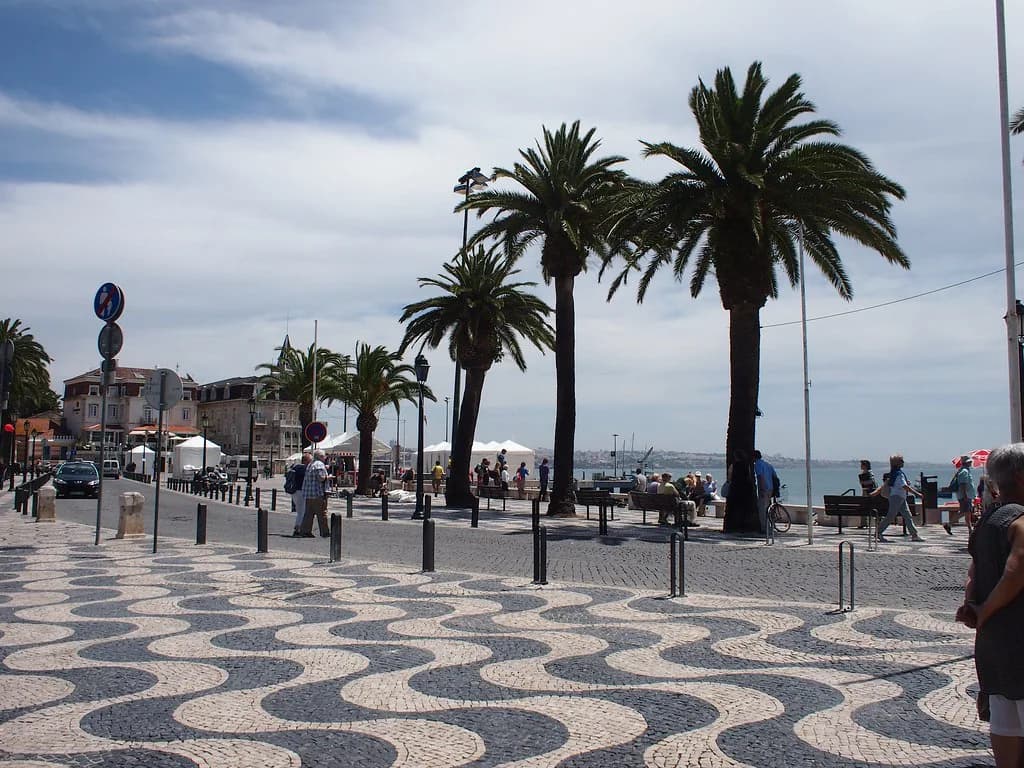
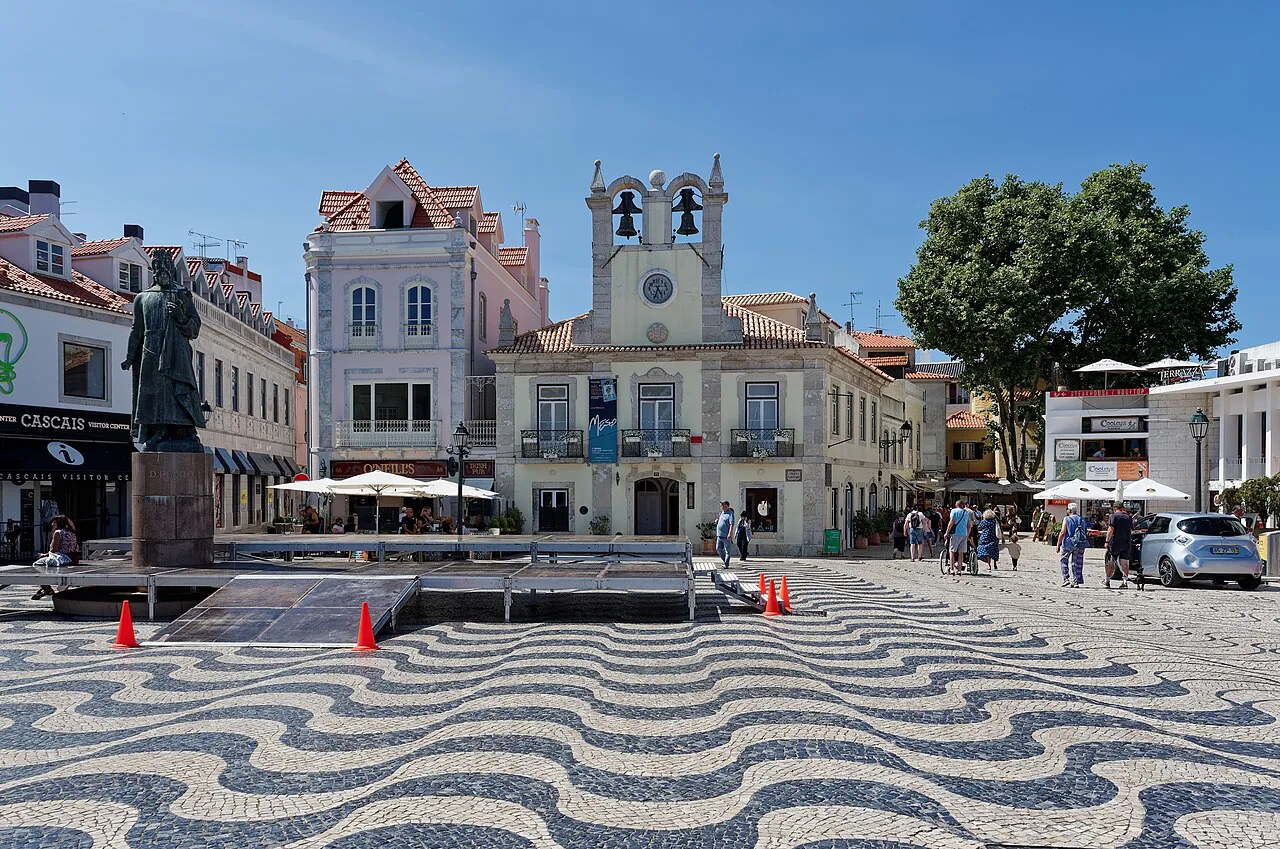
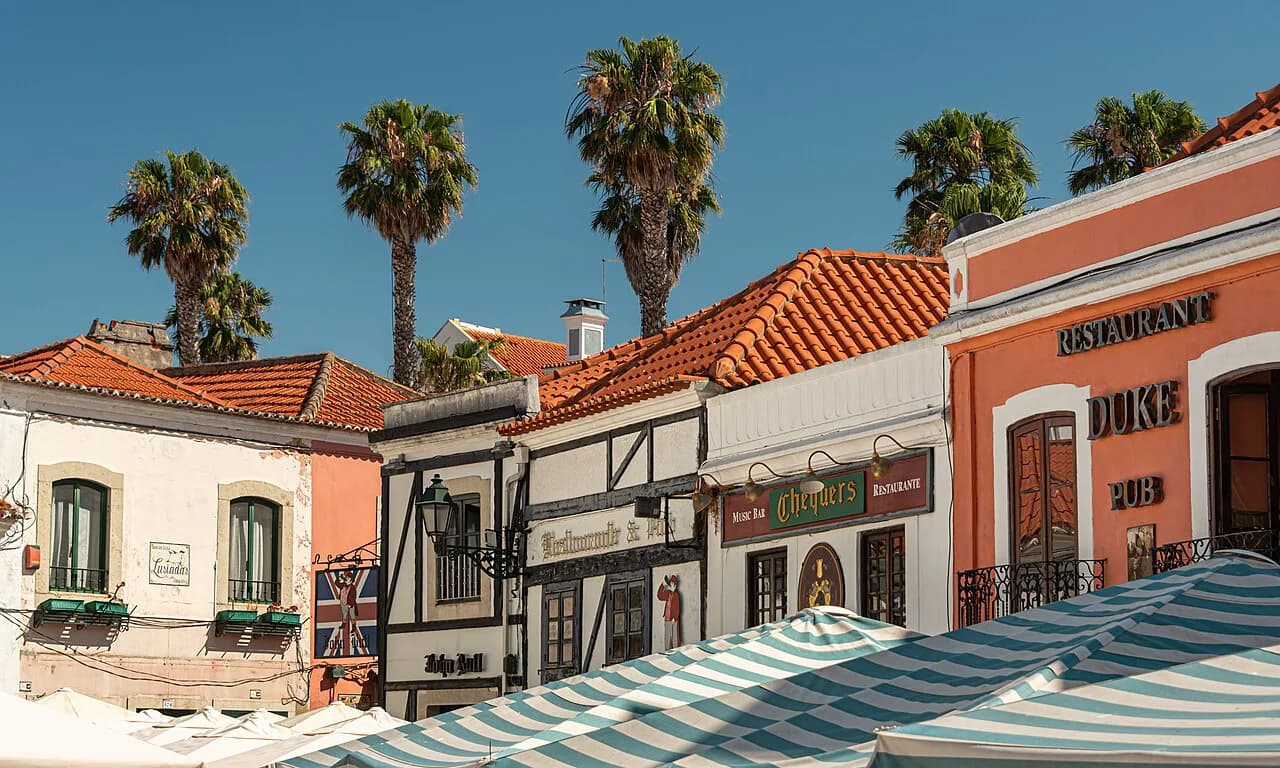
The Centro Histórico de Cascais is a compact grid of cobbled lanes and whitewashed buildings lined with patterned tiles, best taken slowly rather than with a checklist. Praia da Ribeira sits at its foot, with the town's main beach and the buildings of the old centre rising behind it. Allow an hour to wander without a map, longer if you stop for coffee in one of the small squares.
Look up as you walk: the tile façades are the reason to slow down here rather than photograph the same street twice. The town's church and the small lanes around it reward a detour, and the flat, shaded streets make this the easiest part of Cascais to explore with children or in heat.
Cidadela art district and the Santa Marta lighthouse
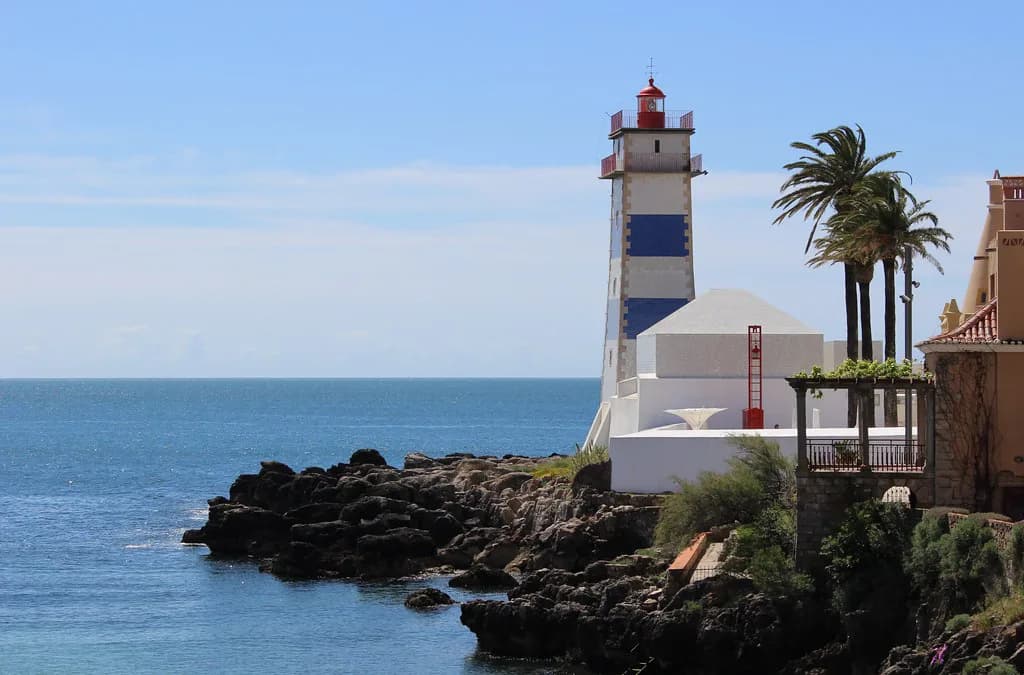
The Cidadela is the walled fort area beside the marina, now a cultural quarter with galleries and the Santa Marta lighthouse at its edge. It works as a single stop: walk the walls, look at the art spaces and take in the sea view from the lighthouse side, then come back out to the marina for lunch. Allow an hour and a half if you go into the exhibition spaces, less if you treat it as a walk.
This is the part of Cascais where the town's history as a royal and aristocratic summer resort is easiest to read, and it sits naturally between the old town and the marina on foot. The art district has shops and galleries rather than a single ticketed attraction, so dip in and out as things catch your eye.
The museum quarter: palace, villa and their azulejos
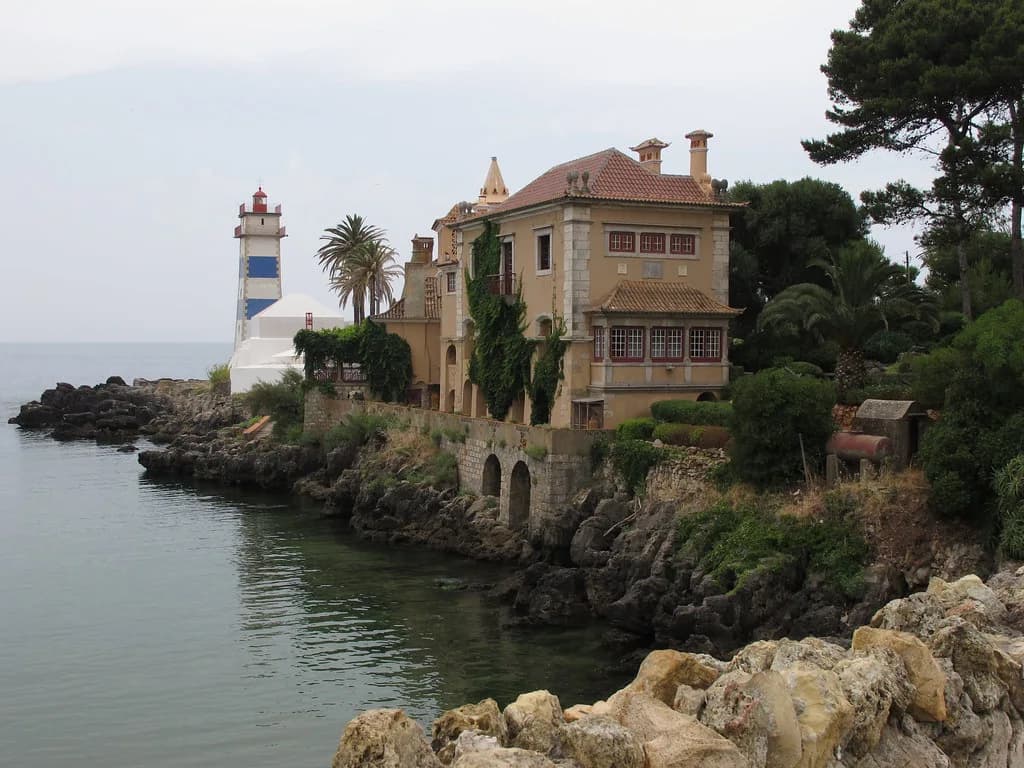
The Bairro dos Museus, or museum quarter, holds two neighbouring houses: the Palácio dos Condes de Castro Guimarães, a former aristocratic residence built in 1900 with a rare book collection, period furniture and a private chapel, and Casa de Santa Maria across the street, a Mediterranean-style villa built in 1902 and filled with azulejos. Between them they make the strongest cultural half-day in Cascais.
Entry days, hours and ticket prices vary between the houses and change by season, so confirm them with the Cascais municipal culture pages or in person before you build a day around them. Just beside Casa de Santa Maria, an inlet in the rocky coast serves as a natural swimming spot, and even without swimming it is worth the short look for the ocean spray and cliffs.
Parque Marechal Carmona and the walk from town to coast
Parque Marechal Carmona sits between the museum quarter and the town, a shaded park that makes a natural pause on the walk west. Pair it with the palace and villa rather than treating it as a separate outing, and use it to break up the coastal walk if you are visiting with children.
From the park, the path continues towards the cliffs and Boca do Inferno, so the park is the hinge between the town's sights and its coastline. This is the stretch where you want comfortable shoes rather than sandals, since the surfaces are uneven in places.
Boca do Inferno: the cliff walk and the viewing platform
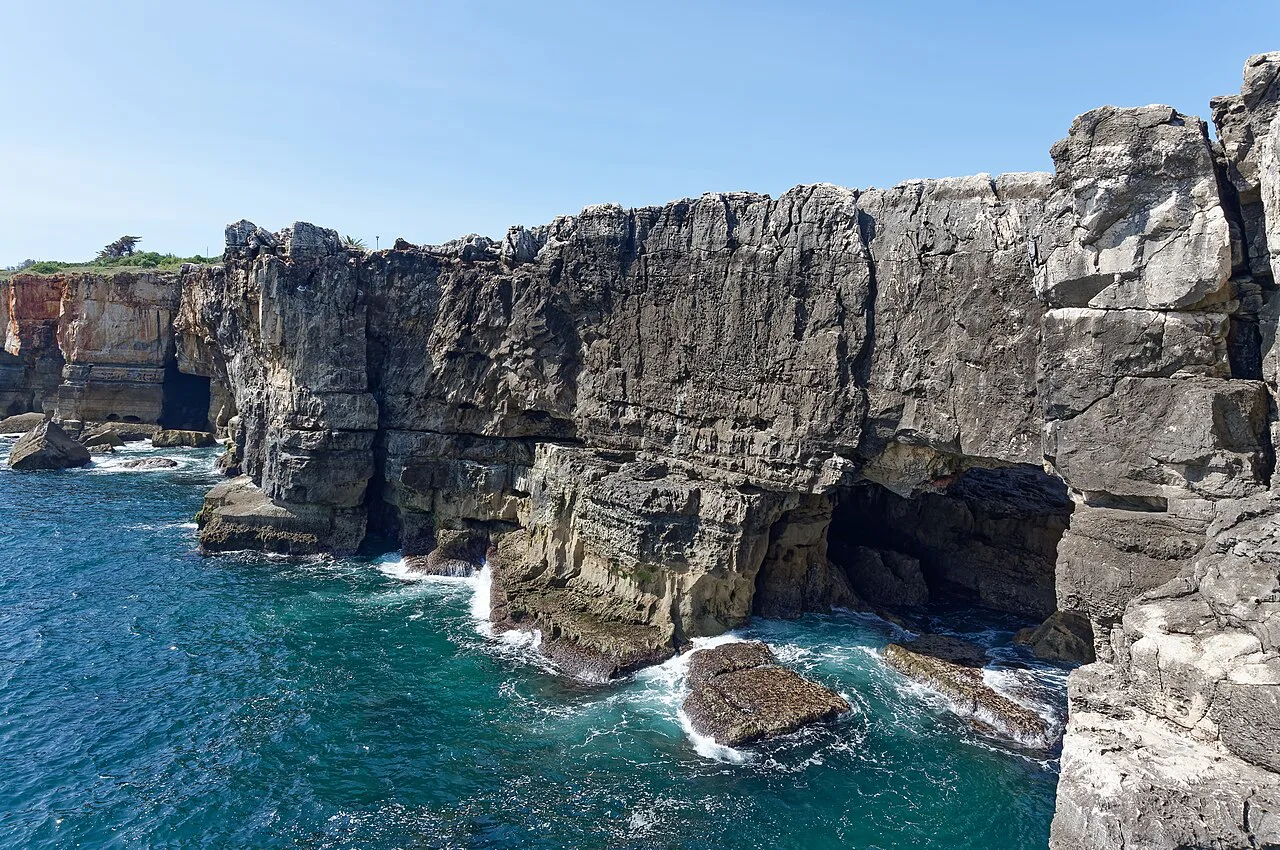
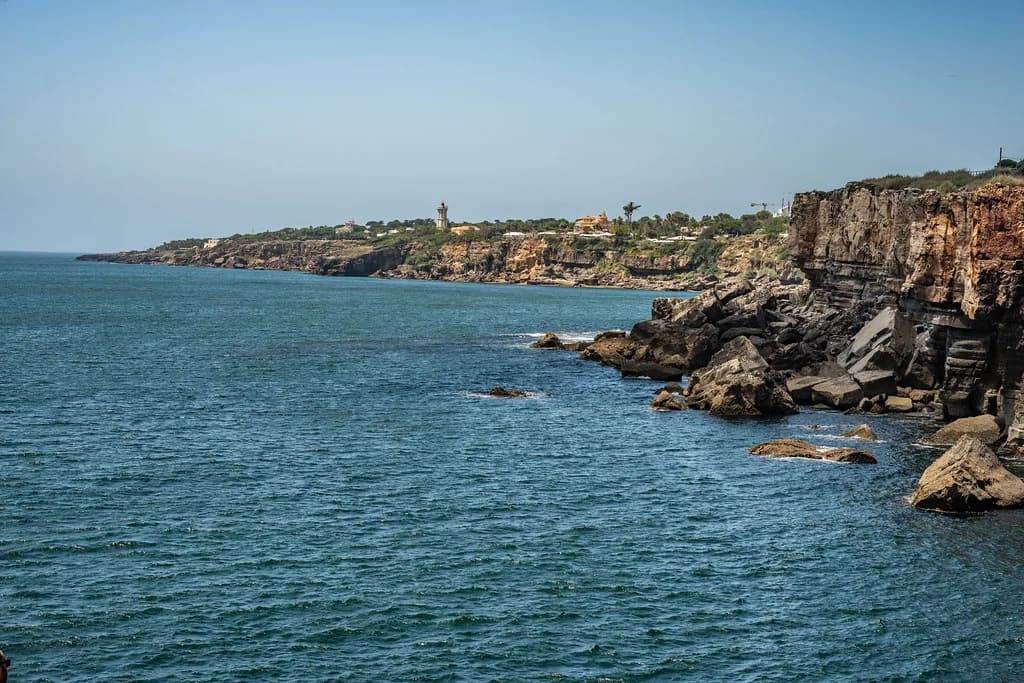
Boca do Inferno, the Mouth of Hell, is a collapsed cliff arch where the Atlantic surges into the rocks, and it is about a 20-minute walk from the centre of town. There is a viewing platform, and cafés nearby make it an easy stop rather than an expedition.
Treat it as a walk with a time cost: the round trip from the old town takes the best part of an hour at an easy pace before you stop, so give it a half-afternoon rather than squeezing it between two museums. Sunset is the popular slot, and on rough days the spray is the point. On calm days the drama is smaller, so adjust expectations and enjoy the cliff path instead.
The Estoril to Cascais promenade and the cycle route
The seafront promenade links Cascais with Estoril, about a 30-minute walk in one direction, and a marked cycle route follows much the same coastline. Bikes can be rented in town if you would rather ride than walk. This is the easiest car-free afternoon in Cascais and a good use of a second day.
If you are based in Lisbon, the train from Cais do Sodré takes just under 40 minutes to Cascais, and the coastal views from the window are part of the trip. Ticket machines may not accept every foreign debit card, so carry coins or allow time at the ticket desk. Check the current single and return fares with the operator or at the desk.
Mercado da Vila Cascais: market days and places to eat
Mercado da Vila Cascais trades on Wednesdays and Saturdays, when locals come for produce, flowers and cheese. The building also holds restaurants, cafés and shops, so it works as a lunch stop as well as a browse. Time your visit to one of those two days or you will find a quieter, less useful market hall. For the practical details, see the Cascais market.
Inside, Marisco na Praça is the seafood option if you are eating at lunchtime, and the market sits close enough to the centre to combine with the old town. For something sweet, Santini has been serving ice cream since 1949 and is a short walk away.
Marina evenings: boardwalk, seafood and outdoor tables
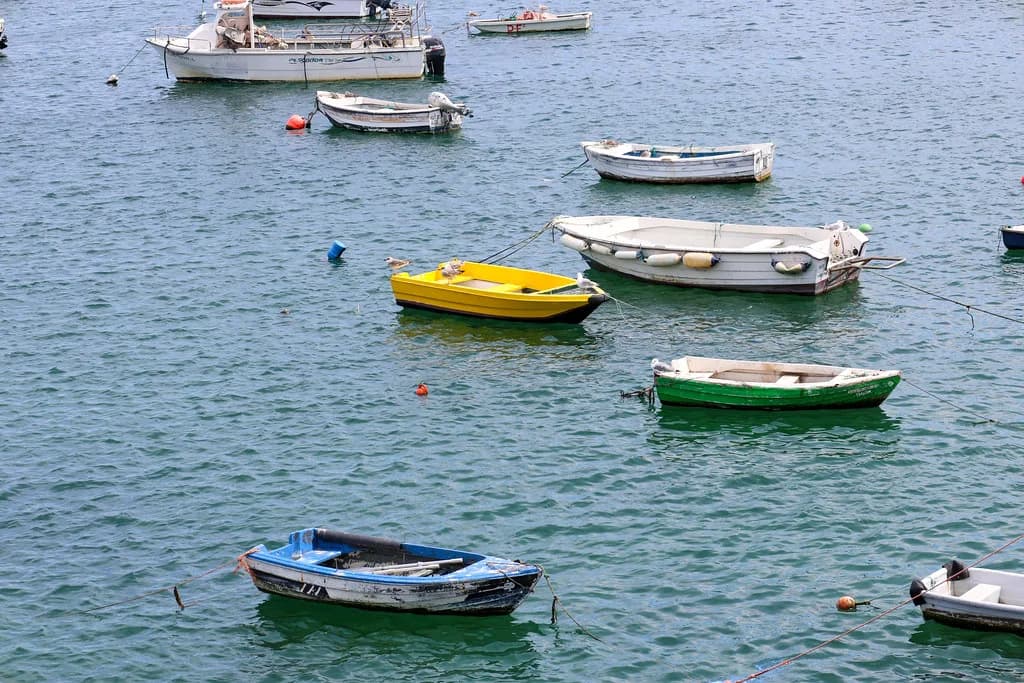
The marina is a boardwalk of shops, cafés and seafood restaurants with outdoor tables facing the water, and it is at its best in the late afternoon and early evening. Look for grilled octopus, clams and the daily catch rather than a fixed menu, and expect to pay for the position as much as the food.
It is a twenty-minute stroll from the old town and pairs naturally with the Cidadela, so end a sightseeing day there rather than making a separate trip. If you want a boat trip or dolphin watching, the marina is where the operators leave from, and booking ahead in summer is sensible.
Beaches in town: Rainha, Conceição and Duquesa
Praia da Rainha is a small cove right in town, good for a quick dip rather than a long day on the sand. Praia da Conceição and neighbouring Praia da Duquesa offer more space, calmer water and beach cafés with shade. All three are within walking distance of the centre.
If you want to surf rather than swim, the exposed coast west of town is the place to head, and the town's beaches are better for families. Keep beach time to an afternoon and let it replace, not add to, the walking plan.
Cabo da Roca: worth the trip or not
Cabo da Roca, the westernmost point of continental Europe, is the headline excursion from Cascais, but it is a separate trip rather than a walk from town. Go only if the romance of standing at the edge of the continent appeals, and give it half a day including travel. In poor visibility the view disappears and the trip loses its point.
The alternative is to spend the same half-day on the town's own cliff path and museum quarter, which need no extra transport and no timing. For a one- or two-day break, that is usually the better trade.
Dolphin watching and boat trips from the marina
Boat trips and dolphin watching leave from Cascais Marina, and they are the simplest way to see the coast from the water. Trip lengths, departure times and prices vary by operator and season, so compare at the marina kiosks or book through the operator before committing a morning. Sea conditions decide whether a trip runs, so keep a walking plan as a fallback.
How many days Cascais needs, and what to cut
Two days is the honest answer for Cascais itself. Day one covers the old town, Cidadela and museum quarter on foot; day two adds the Boca do Inferno walk, the promenade towards Estoril and the market or marina depending on the day of the week. Add a third day for Cabo da Roca or Sintra rather than for more of the town.
With one day, cut the marina and the beaches and do the old town, Cidadela, museum quarter and Boca do Inferno. That is a full day of walking but a coherent one. Skip the Cabo da Roca trip, which eats half a day in transit and needs clear weather to be worth it.
Where Cascais fits with Sintra and Lisbon
Cascais works as a coastal base for the Lisbon area: the train to Cais do Sodré takes just under 40 minutes, and Sintra is roughly 30 minutes away by train according to the same trip report. That makes it a quieter alternative to staying in the capital while keeping both within reach.
As a comparison, Sintra is palaces and hills and Cascais is sea and a walkable old town, so choose by what you want from the days rather than by which is prettier. If you are touring Portugal beyond Lisbon, towns such as Aveiro and Braga offer a similar short-break shape with their own character, and our guide to things to do in Aveiro covers its canals and moliceiros the same way this one covers the coast. For other coastal and inland options that work as a short break, see our guide to the best towns in Portugal.
Which Cascais plan fits your days?
For a two-day break, walk the old town and Cidadela on the first day, then the museum quarter out to Boca do Inferno on the second, with the market if it is Wednesday or Saturday. If you have only one day, do the first half and the cliff walk and leave the museums for next time.
Add Cabo da Roca or Sintra only if you have a third day and clear weather, and treat the marina as an evening rather than a sight. Check opening days and ticket prices for the palace, villa and lighthouse with the town's culture pages before you travel, since they change by season and are not fixed here.
Explore more Cascais guides
Frequently Asked Questions
Is there a direct train from Lisbon to Cascais?
Yes. Trains run from Cais do Sodré to Cascais and take just under 40 minutes. Fares change, so check the operator's site or the ticket desk for the current single and return prices. Ticket machines may not accept every foreign debit card, so carry coins or allow time to pay at the desk.
Which is nicer, Sintra or Cascais?
They offer different things. Sintra is palaces and wooded hills; Cascais is a walkable old town, a cliff path and the sea. For a short break that mixes sightseeing with coastal walking, Cascais is the easier base, and Sintra is around 30 minutes away by train if you want both.
Is Cascais expensive to eat out?
Expect marina and seafront tables to cost more for the position, while the market hall and streets back from the water are cheaper. Prices change by season and venue, so check menus outside before sitting down rather than relying on any quoted figure.
What is the prettiest town in Portugal?
That is a matter of taste rather than fact, and Cascais makes its case with pastel frontages, azulejo façades and a coastline you can walk. If you like walled towns and river canals, Aveiro and Braga are worth comparing before you commit your days.
Sources
Notes for your next Portuguese break
Optional updates to our town guides.
You might also like
Continue reading
More guides you'll find useful