Cascais Old Town: What to See and How to Walk It
Plan a walk through Cascais old town: cobbled pedestrian lanes, shops, restaurants and two small town beaches, plus how the centre fits together on foot.
On this page
Cascais old town needs two to three hours on foot. The historic centre is a small, walkable grid of cobbled lanes and pedestrian streets lined with shops, restaurants and small galleries, with the train station behind you and the sea in front, and it rewards a slow loop rather than a checklist of sights. This guide covers how the centre is laid out, a route that starts and ends at the seafront, where to eat, and whether the old town deserves an afternoon or a full day.
The centre sits inside Cascais, a former summer retreat for Lisbon's wealthier families that is now one of Portugal's more affluent corners, roughly 25 km from the capital. That history shows in the mix of old and new: traditional fishing-town streets on one side, luxury hotels and the Estoril casino nearby on the other. If you want the wider picture before you set out, the guide to things to do in Cascais covers the town beyond these lanes.
What the historic centre actually is
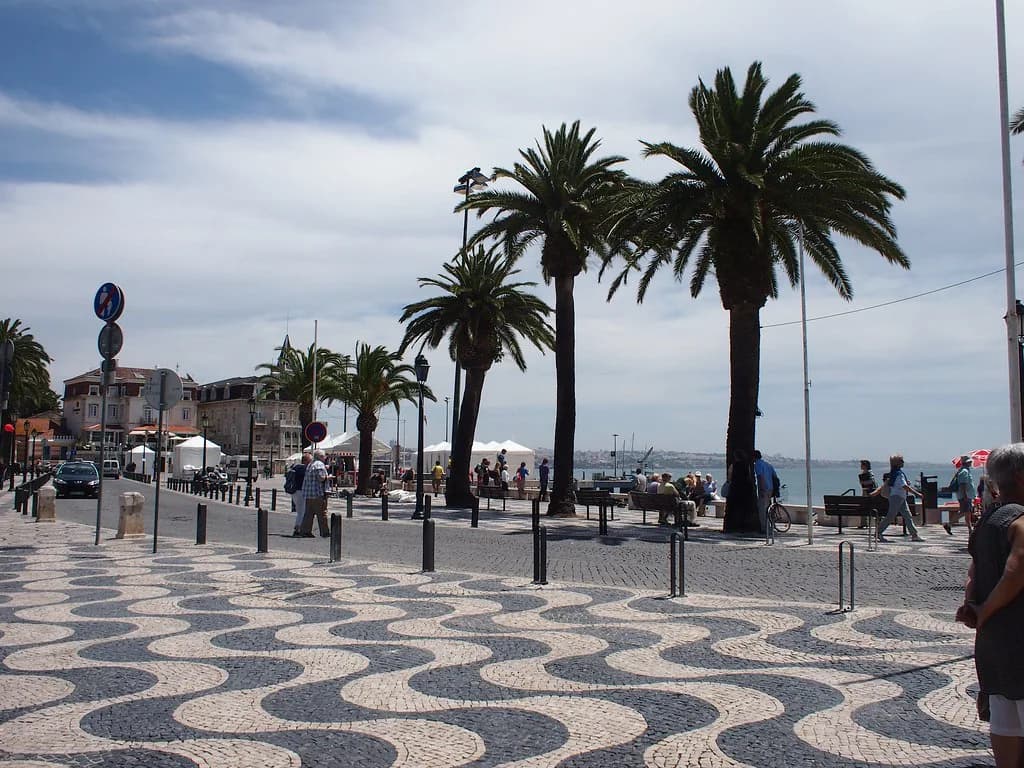
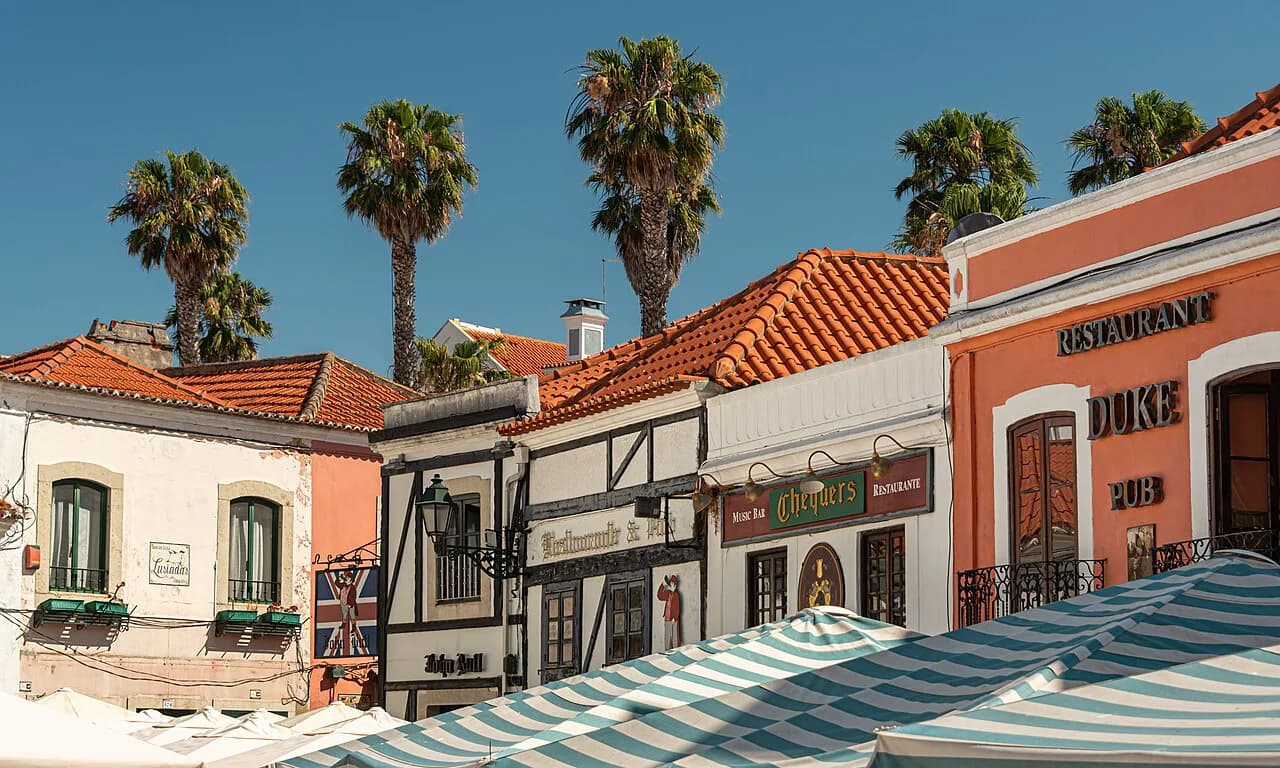
Centro Histórico de Cascais is the old core of the town: narrow streets with good shopping, plenty of restaurant choice and a small but nice beach at its edge. The pleasure is in the lanes themselves, the tiled façades, the café tables and the way the streets open onto the water.
Cascais markets itself on exactly this combination: exceptional beaches, fish and seafood on every corner, and a whole neighbourhood of museums, parks and gardens to explore year-round. Treat the old town as the compact, pedestrian heart of that offer, with the cultural venues around it as a second layer. That layer earns its own page, and the guide to museums in Cascais is the place to plan which ones fit your day.
How the centre is laid out
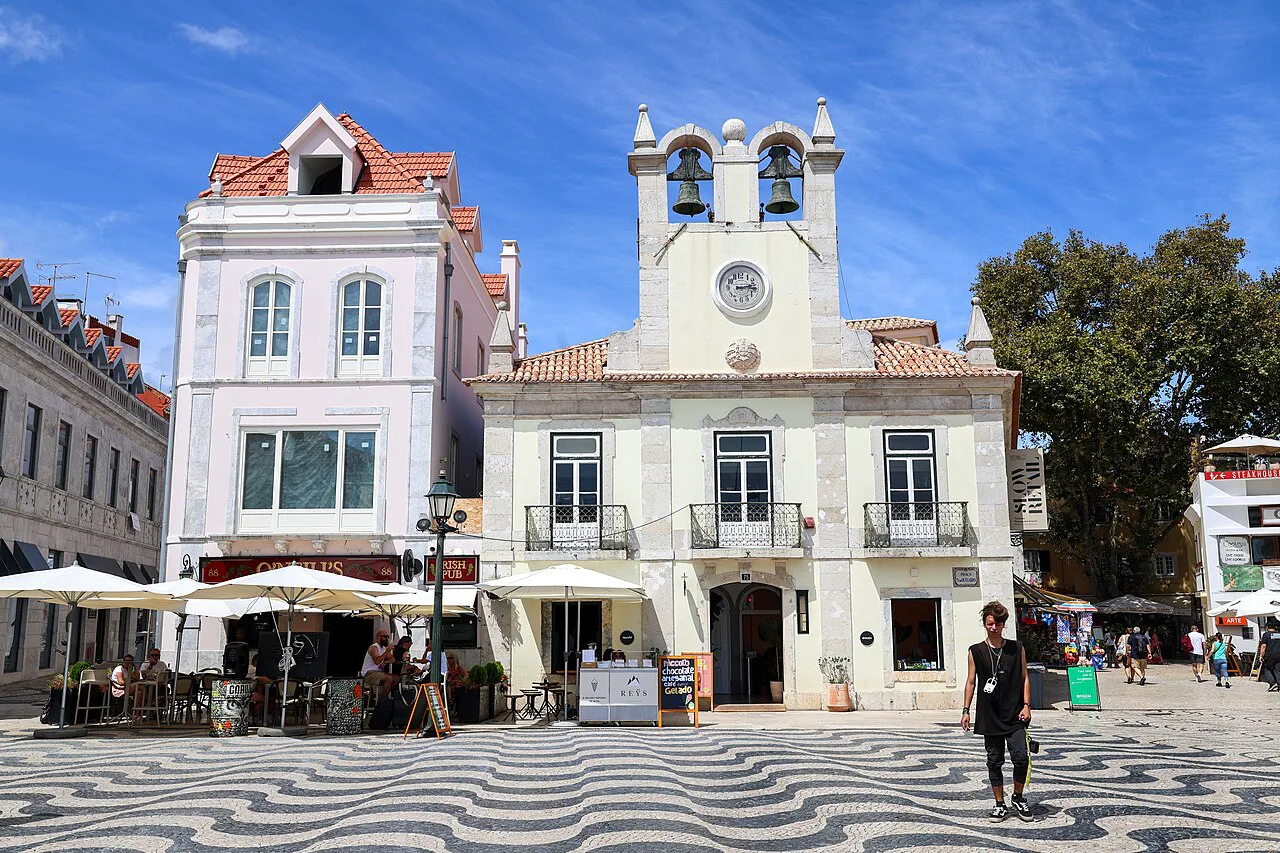
Two anchors do most of the orientation work: the train station and the seafront. Arrive from Lisbon and you step off the platform within a short walk of the historic streets, with the sea ahead and the pedestrian grid spreading between the two. Because the centre is small, you can cross it on foot in minutes rather than planning bus hops.
The lanes are largely pedestrian and filled with restaurants, bars and small shops, which makes the walking easy but the navigation vague: there is no single main square that everything radiates from. Pick a landmark you can see or a street you can remember, then let yourself drift and use the seafront as your reset line whenever you lose your bearings.
A half-day walking route
Start at the seafront, walk inland through the cobbled lanes until you have looped back towards the station, then return to the water. That simple figure gives you the shopping streets, the restaurant clusters and the quieter residential edges in one pass without any backtracking. The route below is short by design, because the old town is the kind of place that rewards a second slow lap more than a longer one.
If you would rather follow a set line with commentary than improvise, the Cascais walking tour covers the town in a structured sequence and saves you the guesswork. Otherwise, keep the loop loose and stop whenever a courtyard, shopfront or tiled wall catches your eye; that is the point of a centre this small.
To see how the individual pieces fit together before you go, the Cascais Attractions: 7 Visitor Guides page gathers the separate sights into one overview, so you can decide what to save for a return visit. Allow the old town itself a half day and treat anything further afield as an add-on rather than part of the loop.
Eating in the old town
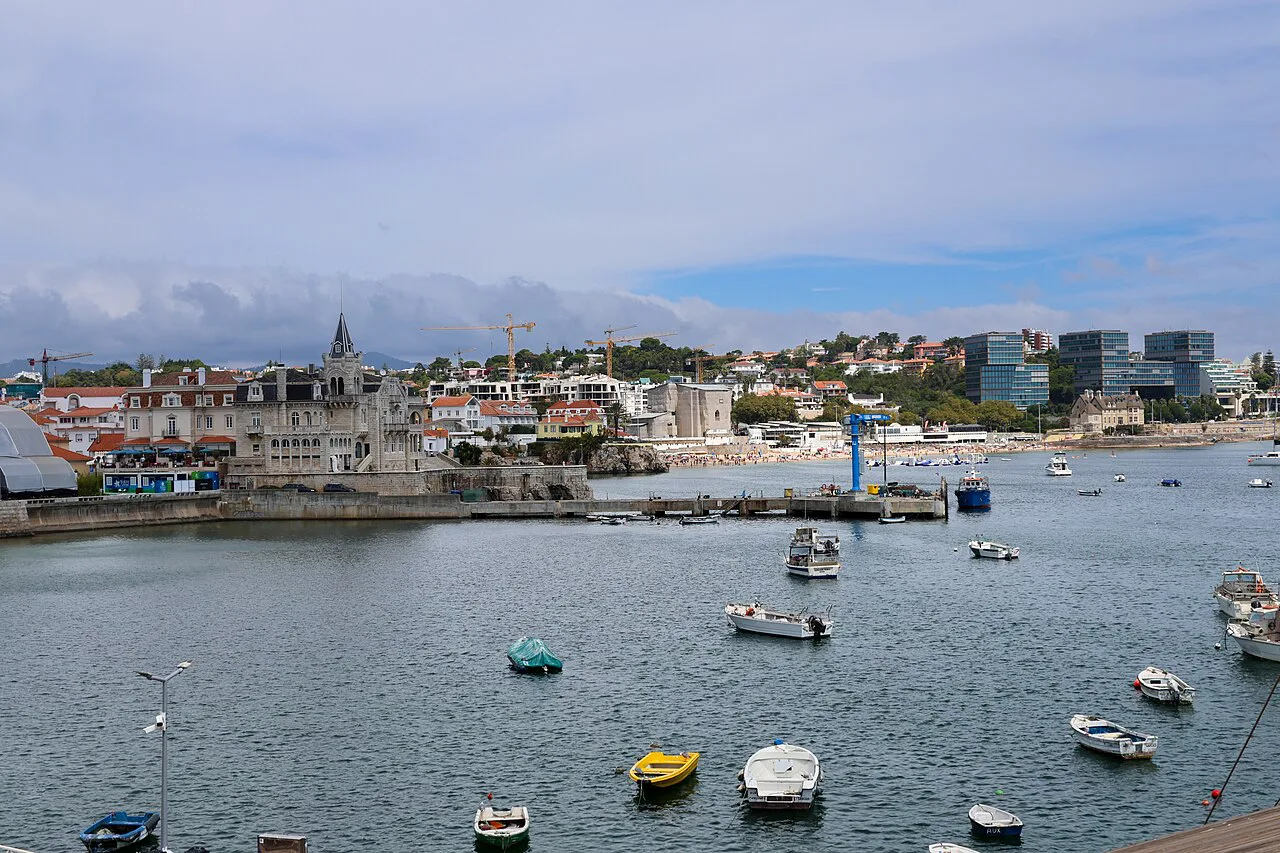
Seafood is the default here, and fish and seafood appear on menus throughout the centre. Sit down for a proper lunch of local fish rather than grabbing a sandwich, since the restaurant choice is one of the old town's real strengths. Compare a couple of places before committing.
Non-fish eaters have a named option: Café Galeria House of Wonders serves vegetarian and vegan dishes in a colourful setting, with fresh fruit sangria alongside. It is a useful fallback when the seafood-heavy menus start to feel repetitive.
The two town beaches
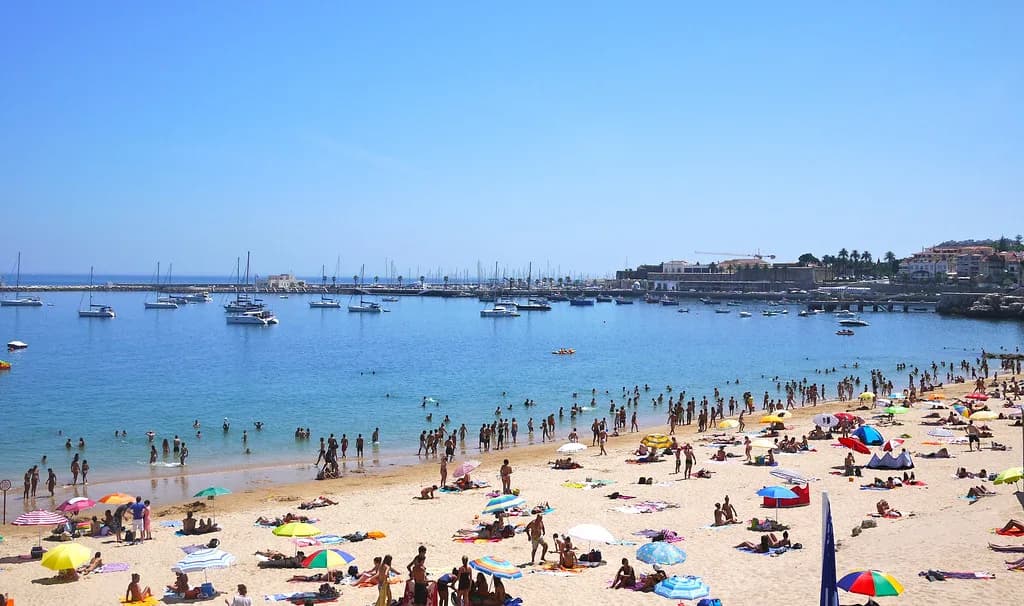
The centre has two beaches of its own, Praia da Conceição and Praia da Ribeira, so you can break the walk with a swim or simply sit and watch the water. They are town beaches rather than destination sands: small, central and best used as a pause between lanes rather than as the reason for the trip.
Cascais is coastal, so it typically escapes the most intense inland heat, though that does not make it cold. Swimming is a summer affair in practice, and the Atlantic here is bracing even at its warmest, so pack for a brisk dip rather than a bathtub.
Beyond the lanes: what to add and what to skip
Two coastal sights sit outside the centre and are best treated as separate outings. Boca d'Inferno, the 'Mouth of Hell', is a rock formation about 2 km from the centre with jagged cliffs and natural pools, reached on foot or by bike along a paved shore road. Cabo da Roca, the westernmost point of mainland Europe, is around 40 km from Lisbon and needs a proper half day of its own.
Boca d'Inferno draws a crowd at sunset, so an earlier visit is calmer, and neither sight should be folded into a short old-town loop. The same applies to the town's modern side: the casino at Estoril and the golf and tennis crowd belong to a different kind of visit. Keep the old town as its own compact walk and let the coast be a second trip.
An afternoon or a full day?
An afternoon is enough for the old town. The lanes, the two beaches and a leisurely lunch fit comfortably into half a day, and that leaves room to pair the centre with one coastal sight or a museum rather than racing through everything. If you have a full day, spend the morning in the historic streets and the afternoon on the coast.
Cascais works in both directions, as a short break in its own right or as an escape from Lisbon's heat, and the town is compact enough to cover on foot, by rented bike or by e-scooter. For the complete picture of what else the town offers, the Cascais Attractions: 7 Visitor Guides hub links the individual guides.
Should the old town be your first stop?
Yes, it is a sensible first stop. Start at the seafront, loop the cobbled lanes, stop for a fish lunch and finish with a dip at Praia da Conceição or Praia da Ribeira. That half day gives you the town's character before you spend any time on the coast or in museums.
The one adjustment worth making is timing: go early if you want the lanes to yourself, and check restaurant opening days before you build your day around a particular table, since individual places keep their own hours.
Explore more Cascais guides
Frequently Asked Questions
How long does it take to walk Cascais old town?
Two to three hours covers the lanes, both town beaches and a pause for coffee, and a leisurely lunch stretches it to half a day. The centre is small and pedestrian, so you will not need transport between sights.
Is Cascais old town worth visiting on a short break?
It is the most compact and characterful part of town, with cobbled streets, shops, restaurants and two small beaches within a few minutes of each other. It works well as a half-day base before you add a coastal sight or a museum.
Can you swim at the beaches in the old town?
Praia da Conceição and Praia da Ribeira sit right in the centre and work as a break in the walk. In practice the water is bracing even in summer, so treat a dip as a brisk refresher.
Sources
Notes for your next Portuguese break
Optional updates to our town guides.
You might also like
Continue reading
More guides you'll find useful