Surfing in Cascais: Breaks, Seasons and Lessons
Surfing in Cascais means two coastlines and breaks for every level, from Guincho to Carcavelos. Here is which spot suits you and when each one works.
On this page
Surfing in Cascais works because the town sits between two coastlines: an exposed west coast that takes the full Atlantic swell and a south-facing shore running towards Lisbon that picks up south and west swells, plus northwest swells too big for the west side. That geography means you can usually find rideable waves somewhere within about half an hour's drive, and it is why the area suits beginners and longboarders as well as experienced surfers.
This guide covers the main breaks one by one, with the tide, wind and season each one prefers, then looks at what local schools offer and how to fit a session around the rest of a short break. If you also want the sights, pair it with our guide to things to do in Cascais.
Which Cascais surf breaks suit your level, and when they work best
The breaks split into two groups. Praia do Guincho, on the west coast, is the summer option and the most consistent from June to October, while Carcavelos, São Pedro do Estoril, Bafureira and Parede, along the south-facing shore towards Lisbon, come into their own from September or October through to May or June. Pick your month first, then your level, and the choice usually narrows to one stretch of coast.
Beginners and improvers are best served by Carcavelos on a small day and by the mellow right-handers at Bafureira, while São Pedro do Estoril and Parede suit intermediate and advanced surfers working on their lines. Experienced surfers get the bigger, more variable waves at Guincho and the faster walls at Parede. None of this replaces a look at the water: conditions change daily, so check a live surf report before you commit to a beach.
Guincho: the summer break for all levels, with mid to low tide and south or east wind
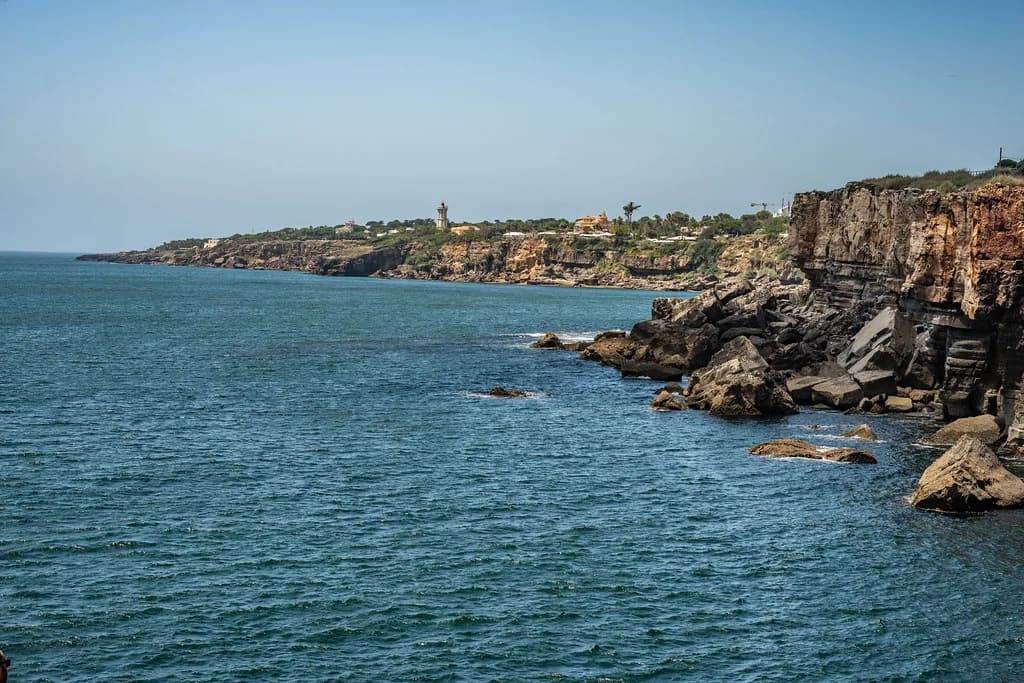
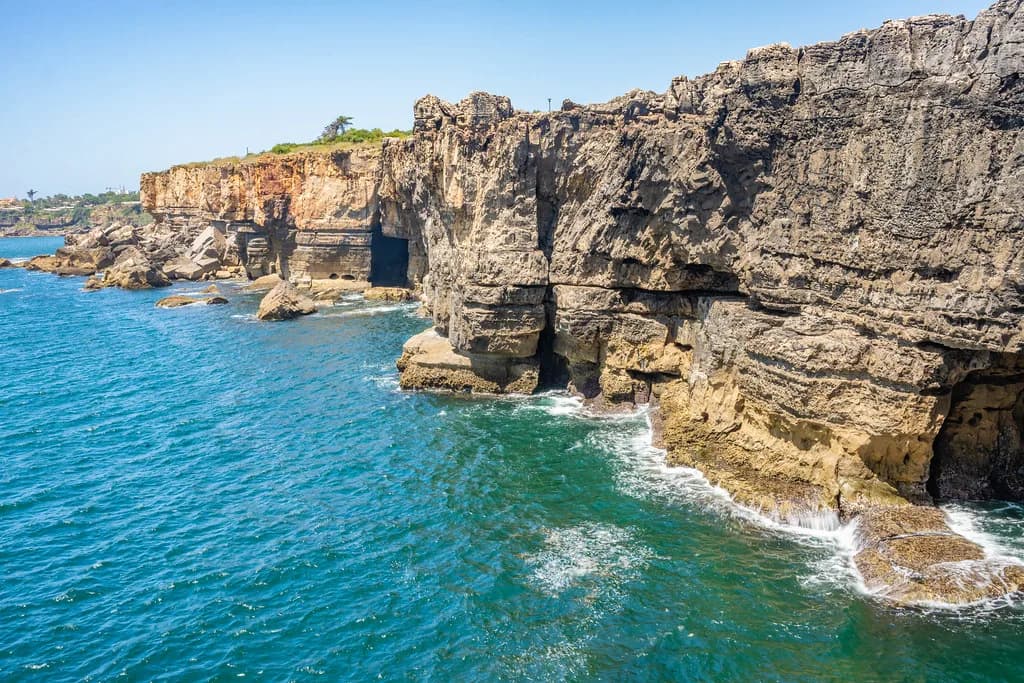
Praia do Guincho is the closest break to the Cascais surf scene and the most spectacular: mountains on one side, dunes on the other, and clear water between. It is a windy beach, so expect a breeze, but it is consistent through the summer months and can offer waves for every level depending on the day. It usually works best around mid to low tide, with wind from the south or east quadrant, and the neighbouring beaches of Crismina, Abano and Arriba run on the same conditions.
The trade-off is exposure. On a big northwest swell the west coast can be too much, which is exactly when the south-facing breaks towards Lisbon become the sensible choice. From the surf camp it is roughly five minutes away by car or ten by bus.
Carcavelos: versatile from September to May, but crowded
Carcavelos is the most versatile beach on this stretch, ranging from gentle beginner waves to serious tube-riding days. Its south-southwest facing geography means it works mostly in winter, fed by mid-Atlantic swells or big northwest storms, and the prevailing offshore wind comes from the north. It usually works best with mid to high tide and is a good bet from September to May; even onshore days can be fun and relatively quiet.
The catch is the crowd. Its proximity to Lisbon means compact line-ups and plenty of company on a good day. It is about fifteen minutes by car or twenty-five by train, which makes it the easiest break to reach without a car.
São Pedro do Estoril and Bafureira: mellow right-handers for intermediate and longboard surfers
Between Cascais and Carcavelos, São Pedro do Estoril is a long, soft right-hand point break and a proving ground for Portuguese longboard talent. It gives you time to choose a line and draw gentle curves, which makes it ideal for intermediate and advanced surfers working on trimming and cutbacks. It works best with a north wind and mid to low tide, from October to June, and is about fifteen minutes by car or twenty-five by train.
On the same beach, Bafureira is a right and left peak that is equally mellow and works better around mid tide. Both are gentler than Guincho or Carcavelos, though São Pedro gets crowded when conditions are good. For a non-surfing afternoon, the stretch inland has plenty to see, including the Cascais old town.
Parede: a faster, quieter right with a long paddle out
Parede is the second long right-hand point break on this coast and runs faster than São Pedro, with far fewer people in the water. The tide can be neither too high nor too low, but when it all lines up you get long, fast walls to work with. The honest drawback is the paddle out, which is long enough to test your fitness.
It is also fifteen minutes by car or twenty-five by train, and its season runs from October to June. If you are keen on a long, glassy right and do not mind the effort, it is worth the extra paddling.
How to pick a break by tide, swell direction and season across the year
Start with the season. From June to October, head for Guincho and the west coast; from September or October to May or June, the south-facing breaks at Carcavelos, São Pedro, Bafureira and Parede are the ones in form. If a big northwest swell makes the west coast unmanageable, cross to the sheltered side and you will usually find something workable.
Then match the tide and wind. Guincho prefers mid to low tide and south or east wind; Carcavelos prefers mid to high tide and north wind; São Pedro wants north wind and mid to low tide; Parede needs a mid tide; Bafureira is best around mid tide. A just-over-the-hill pair, Praia Pequena and Praia Grande, stay consistent and are sheltered from the north wind, making them a summer refuge when you want powerful glassy waves with a sweatshirt within reach.
Surf schools and lessons in the Cascais and Sintra area: what operators offer
Moby Dick Surf School runs lessons for all levels from beginner to advanced, with two-hour sessions, and a separate programme of surf lessons and activities for children aged six to fourteen, Monday to Friday. It also rents boards, wetsuits, leashes, fins and car racks, and runs stand-up paddle lessons, so you can travel light and hire what you need.
Surf Cascais also teaches in the area, and its own account of local breaks is the source for the tide, wind and season notes above; its school, villa and rates pages are where to confirm current lesson arrangements. Book ahead in high season, and confirm the meeting point and lesson time with the school directly, because these change with conditions.
What a two- to four-day surf break in Cascais looks like, and where surfing fits around sightseeing
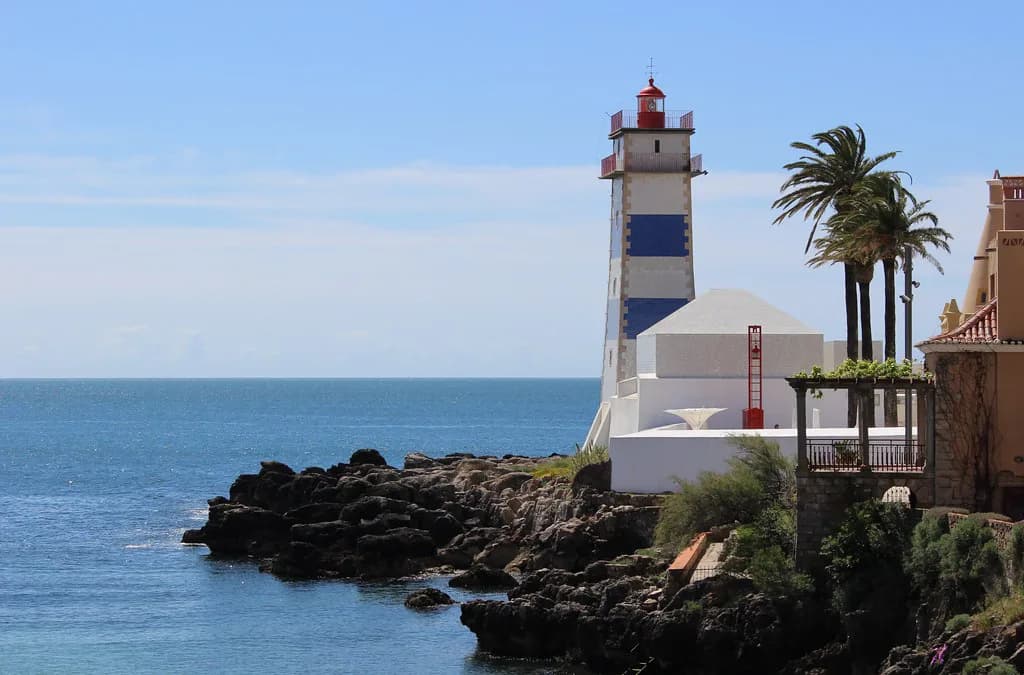
On a short break, surf in the morning and sightsee in the afternoon. A two-day trip might mean a lesson at Guincho or Carcavelos on day one, then the old town, the Santa Marta Lighthouse area and the seafront on day two. Our Cascais Attractions: 7 Visitor Guides covers the main sights if you want to build the non-surfing half of the day properly.
With three or four days, add a session at São Pedro or Parede and a rest day for the museums in Cascais, which fill a wet or flat morning well. If the surf is small, a Cascais boat trip along the coast is a good substitute, and a walking tour of the Bairro dos Museus gives the town's architecture some context between sessions.
Which break should you head for first?
For a first session, choose by month and level: Guincho from June to October if you want the scenery and can handle a breeze, São Pedro do Estoril or Bafureira for a gentler right-hander, or Carcavelos if you are relying on the train. Leave Parede for a day when you have energy for the paddle out, and give the west coast a miss when a big northwest swell is running.
Book lessons before you travel, hire kit locally rather than flying with it, and keep one afternoon free for the town itself. Check the live report each morning, and the rest of the trip will fall into place around the tide.
Explore more Cascais guides
Frequently Asked Questions
Do you need your own board to surf in Cascais?
No. Moby Dick Surf School rents boards, wetsuits, leashes, fins and car racks, so you can travel light and pick up kit locally. Confirm availability and the current hire arrangements with the school before you travel, since stock and booking rules vary with the season.
Is Cascais good for beginner surfers?
Yes. Carcavelos has beginner-friendly days when the waves are small, and Bafureira is a mellow right and left peak. São Pedro do Estoril is a gentler long right but is pitched at intermediate and advanced surfers. Beginners should book a lesson with a local school and let the instructors choose the beach for the day's conditions.
Can you surf in Cascais without a car?
Carcavelos and São Pedro do Estoril are both about twenty-five minutes by train, which makes Carcavelos the easiest break to reach without a car. Guincho is quicker by car or bus. Schools often meet at the beach, so ask where to meet when you book.
Sources
Notes for your next Portuguese break
Optional updates to our town guides.
You might also like
Continue reading
More guides you'll find useful