Cascais Itinerary: A Practical 2–3 Day Plan for a Short Break
Plan a two- or three-day Cascais itinerary by area, with the old town, Boca do Inferno, Guincho and Santa Marta, plus realistic walking distances and meal breaks.
On this page
Two days covers Cascais properly and three gives you room for a half-day out at Guincho or into the Sintra-Cascais Natural Park without rushing. This itinerary groups each day by area so you walk in one direction, anchors each morning with a museum, and leaves the afternoons for the coast. It assumes you arrive by train and stay in or near the centre, and it is written so you can drop the third day without unpicking the rest.
Cascais layout: old town, marina, coast road and Guincho
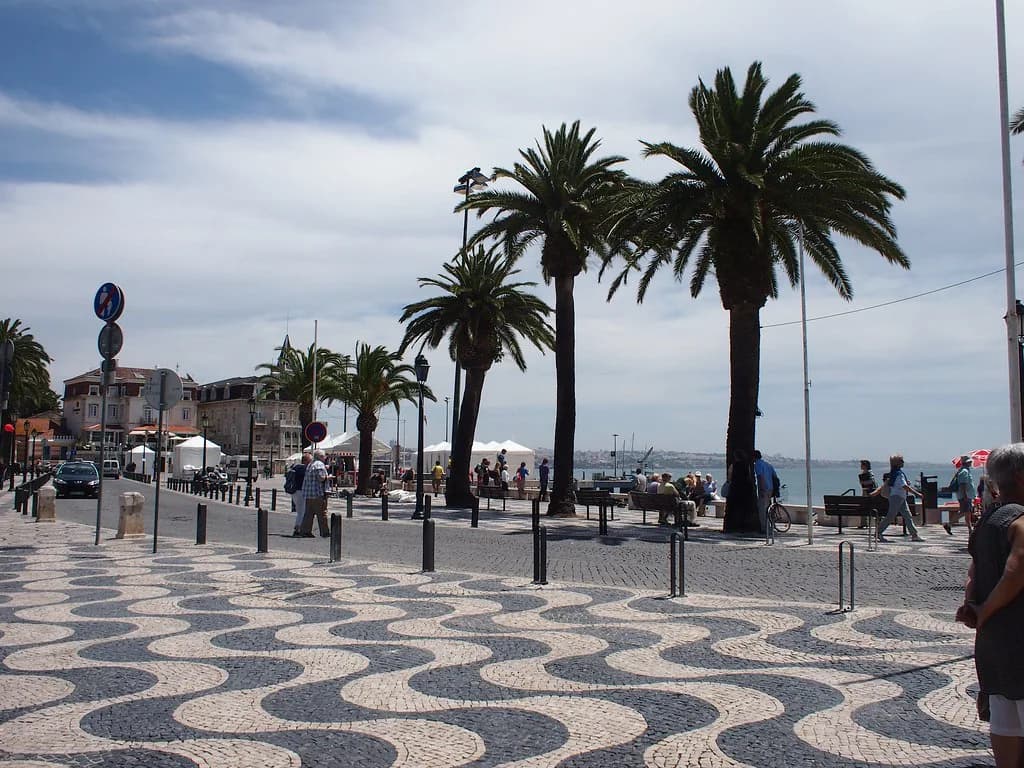
Cascais is a seaside town on the Estoril Coast roughly 40 minutes by train from Lisbon, and the historic centre is compact enough to cross on foot in a morning. The old town's cobbled lanes, tiled houses and palm-lined squares sit inland from the marina, with the town beaches strung along the front. Everything you need for two days sits within that band; Guincho is the one sight that needs a deliberate trip.
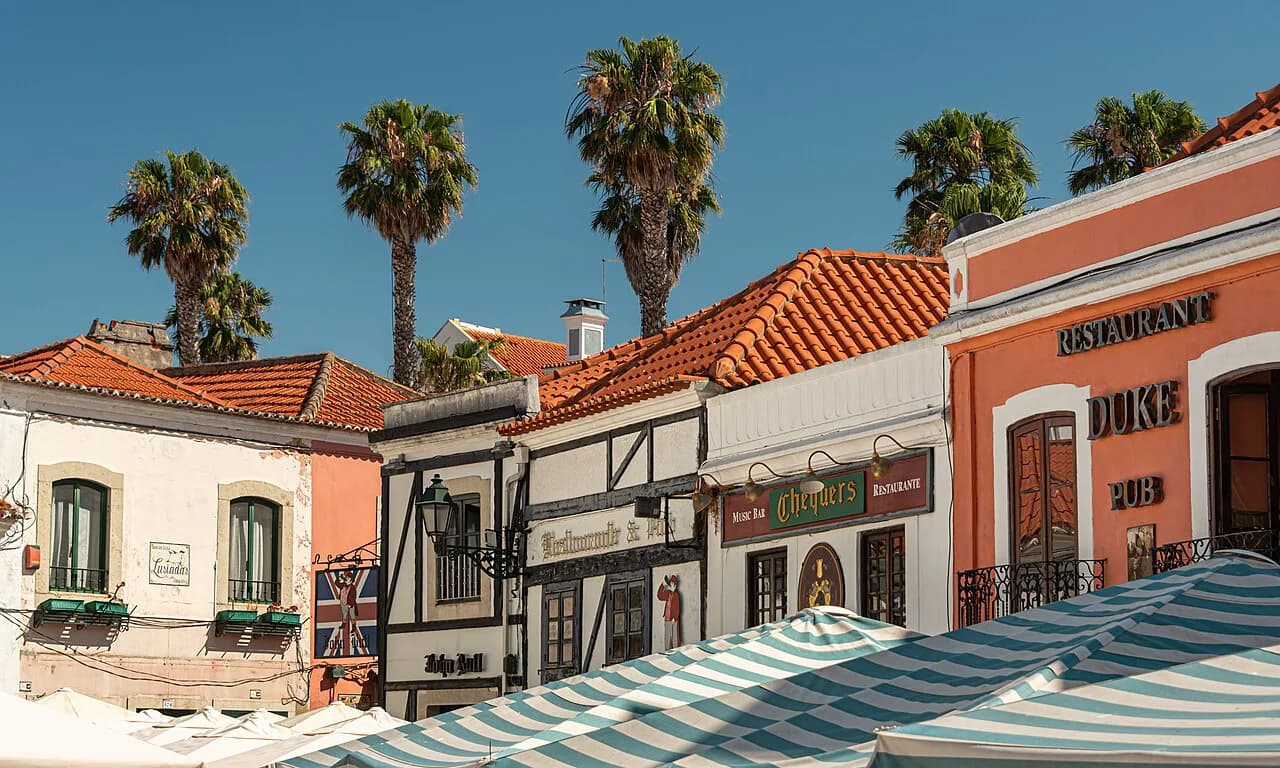
Think of the town in three layers. The first is the Centro Histórico with its squares and shopping streets, where Largo Luís de Camões holds a dense cluster of restaurants and Rua Frederico Arouca has stalls selling accessories and souvenirs. The second is the coastal strip running north through Boca do Inferno towards Guincho, best done on the dedicated coastal bike path. The third is the green and museum layer around Parque Marechal Carmona, which you can bolt onto either of the others.
Walking links them better than any transport plan. The old town to Boca do Inferno is a straightforward coastal stroll, and the dedicated coastal bike path towards Guincho is a nine-kilometre route that follows the shore past coves and viewpoints. If you have only a single day to spare, the [One Day in Cascais] plan keeps everything inside the old town and the marina rather than splitting your time between town and coast.
Day one: the old town on foot
Start at Largo Luís de Camões, the square at the heart of the old town where the eating options run from seafood and traditional Portuguese cooking to Italian. Work your way along Rua Frederico Arouca for the shop stalls, then take the cobbled lanes at whatever pace the morning allows. This is the most photogenic part of Cascais, so give it two to three unhurried hours rather than treating it as a corridor between sights.
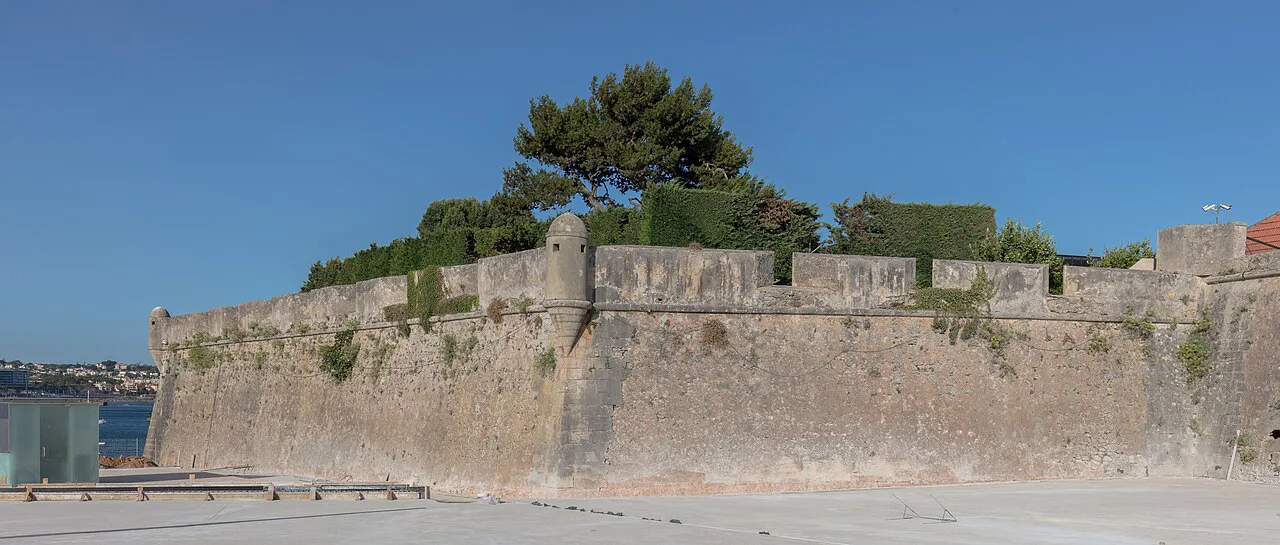
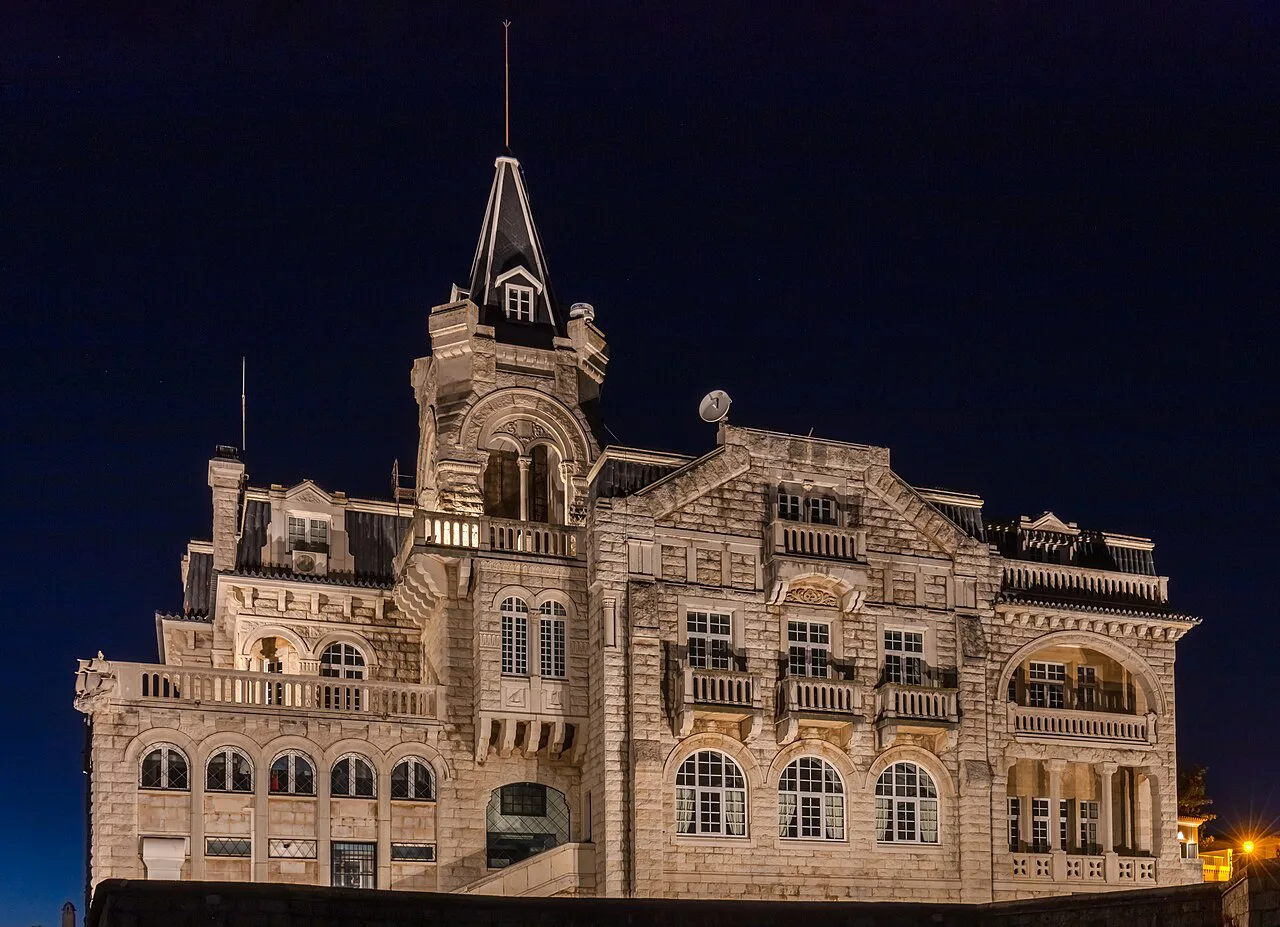
The medieval Nossa Senhora da Luz Fort and the Citadel Palace that once served as a royal retreat anchor the seaward end of the old town. Nearby stands the whitewashed Nossa Senhora da Assunção church, worth a look for its glazed azulejo tiles. Pair these three as one block, because they sit close enough together to visit without retracing your steps.
Finish the afternoon on the town beaches, several of which sit within walking distance of the centre, including Praia da Conceição and Praia da Rainha, and pick one to stay put on rather than touring all five. For a coffee or ice cream on the way back through the lanes, Euphoria Specialty Coffee and Santini are both in the old town.
Day one add-on: Santa Marta lighthouse and Boca do Inferno
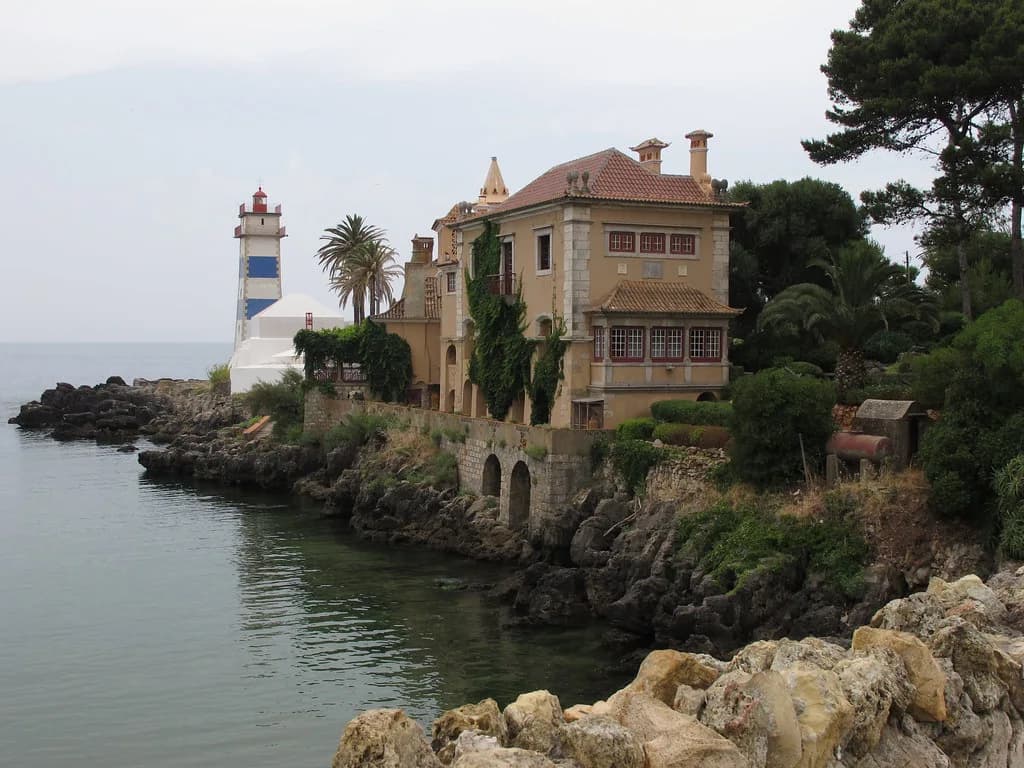
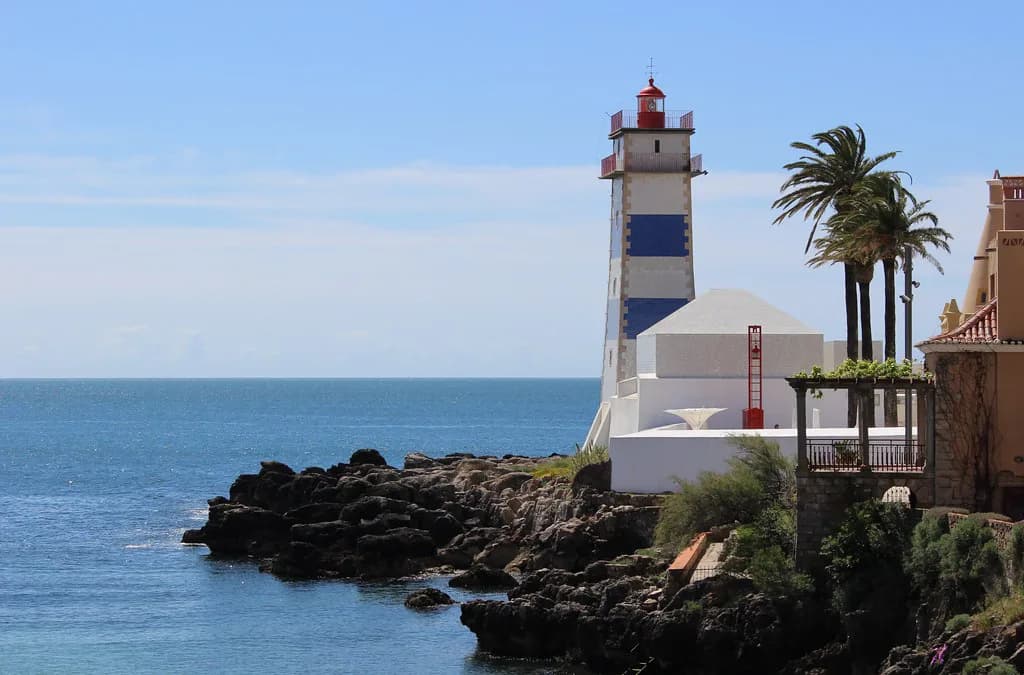
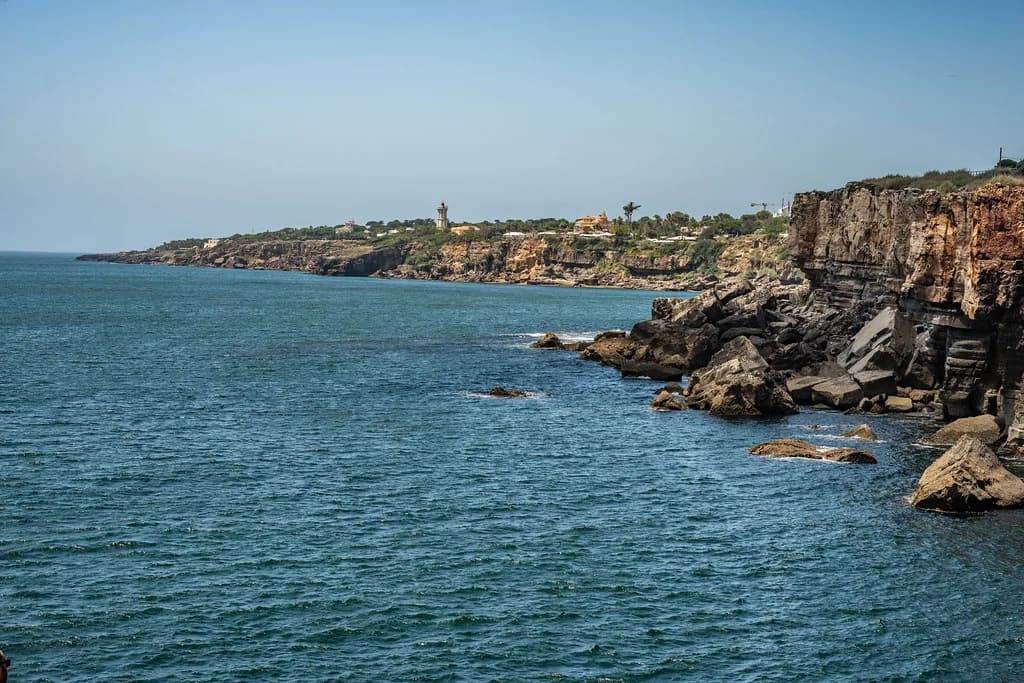
If the old town finishes early, add the Santa Marta lighthouse and museum, a nineteenth-century lighthouse that explains Portugal's maritime history through film and the oversized Fresnel lenses, with sea views from the site. Give it an hour. Then continue along the coast to Boca do Inferno, a cave and natural arch cut by the waves, which earns its name from the sound the sea makes when it crashes into the rock.
Both stops are outdoor or semi-outdoor, so this is the section of the itinerary most exposed to Atlantic weather. On a windy day the cliffs are dramatic but brief; on a calm one you can linger. Keep the walk one-way and return through town rather than looping back along the same cliff edge.
Day two morning: one museum, not three
Cascais's museums are spread between the town and the park, so pick one as the morning's anchor. The Paula Rego Museum shows the work of the Portuguese artist raised in Cascais in a modern building, and it is the stronger choice if contemporary painting appeals. The alternative is the Condes de Castro Guimarães Museum inside Parque Marechal Carmona, a house holding Indo-Portuguese furniture, paintings, a chapel and a library.
Beyond that, the honest trade-off is breadth against depth: the park museum comes with gardens and lawns attached, while the Paula Rego suits anyone who wants to stand in front of paintings rather than rooms.
Parque Marechal Carmona itself justifies the trip either way, with spacious lawns, trees, lakes, a picnic area, a playground and the Municipal Library of Children. Every Saturday the park hosts the Biological Market of Cascais, where fresh organic produce is sold. That market is a Saturday fixture rather than a daily one, so plan around it rather than assuming it.
Day two afternoon: the coastal path towards Guincho
Treat Guincho as a half-day, not a stop. The nine-kilometre coastal bike path runs from town along the shore, past coves and viewpoints, and most bike rental shops in Cascais offer hourly or day-long hire so you can turn back when you have had enough. Cycling is the sane option; walking the full route both ways eats an afternoon and then some.
Praia do Guincho is a broad Atlantic beach known for surfing, windsurfing and kite surfing, and the wind that makes it work for watersports is exactly what makes a picnic or a lie-down unreliable. Go to watch, walk the sand and take in the cliffs, and hold the swimming decision until you see the flags. There is a beach bar and a handful of restaurants nearby if you want to eat before heading back.
If the wind is up or the cloud is down, swap this afternoon for the Casa da Guia, an eighteenth-century mansion repurposed into shops and cafes with sea views, and keep the coast for the following morning. That swap costs you the beach but rescues the day.
Day three: slower mornings and the Sintra-Cascais Natural Park
A third day is best spent slowly. Take the Casa da Guia in the morning if you skipped it, or return to the park and the old town for the parts you rushed on day one. The point of the extra day is not another checklist but the chance to sit in a square with a coffee and an areia, the small butter cake that Cascais is known for.
The bigger option is a half-day in the Sintra-Cascais Natural Park, a protected area of roughly 14,500 hectares stretching from the hills of Sintra to the Atlantic, with Cabo da Roca, the westernmost point of mainland Europe, on its coast. Choose one target within the park and accept that the rest waits for another trip. Cramming Pena Palace, Quinta da Regaleira and the coast into one afternoon leaves you seeing all three from a queue.
Pacing a short break: what to drop when the weather turns
The structure that holds this itinerary together is museum morning, coast afternoon. Cascais's sights split cleanly between town and shoreline, and the coast is the half that weather can take away. Keep the museum flexible so it can absorb a wet morning, and hold Guincho for whichever afternoon looks calmest.
If you lose a day entirely, cut the third day's park trip first, then Guincho, then the second museum. The old town, the citadel and Boca do Inferno are the parts that make a short break feel complete. Two days done at that pace beats three days spent moving between them.
Where to eat in Cascais
Largo Luís de Camões is the practical base for eating, with seafood, traditional Portuguese cooking and Italian options packed into one square, plus bars and pubs in the surrounding streets. Book nothing on day one and see what the square offers when you are hungry. Restaurant closing days vary by venue, so check the door or the venue's own listing rather than assuming a town-wide pattern.
For daytime eating, the old town's cafes cover brunch and coffee, and the Biological Market in Parque Marechal Carmona on Saturdays is where you pick up fresh produce for a picnic on the lawns. Budget-wise, Cascais is a cosmopolitan town in one of Portugal's wealthier areas, so treat the square's seafood restaurants as the pricier end and the bakeries and market as the cheaper one.
Getting in and out, and how it shapes the plan
Arriving by train from Lisbon's Cais do Sodré is the simplest option and puts you in the centre without a car, which is why this itinerary is built entirely on foot and by bike. The journey is roughly 40 minutes with coastal views along the way. Use the train as your arrival and departure spine, and plan the last day so you are not crossing town to catch it.
If you are weighing Cascais against staying in Sintra, the deciding factor is what you want from the evenings: Cascais gives you the coast and a walkable town centre, Sintra gives you the palaces on the doorstep. This plan assumes Cascais as the base and treats Sintra as an outing. If you would rather build your break around canals and boats, an Aveiro itinerary makes a comparable short-trip base further north. At the national scale, our Portugal itinerary covers how this Estoril Coast stop slots into a longer trip.
Two days or three in Cascais?
Two days is the right answer for most short breaks: old town and citadel on day one, one museum and the coast on day two. Add the third only if you want Guincho without hurry or a half-day in the Sintra-Cascais Natural Park, and drop it first if the forecast turns. If you are still weighing it up, see [How Many Days in Cascais? One, Two or Three Days].
Sort the museum day and the coast day before you travel, then leave the rest loose: the town rewards wandering far more than scheduling. Confirm opening days for whichever museum you choose, and let the wind decide your Guincho afternoon.
Explore more Cascais guides
Frequently Asked Questions
How long does the train between Lisbon and Cascais take?
Roughly 40 minutes from Lisbon's Cais do Sodré station to Cascais, with coastal views for much of the route. That makes Cascais workable as a base for a short break rather than a place you visit once and leave.
Is it better to stay in Sintra or Cascais?
Cascais suits travellers who want a walkable coastal town with beaches, restaurants and a compact old town. Sintra suits anyone whose priority is palaces and gardens on the doorstep. On this itinerary Cascais is the base and Sintra is a half-day outing into the Sintra-Cascais Natural Park.
Is Cascais expensive to eat out?
Cascais is a cosmopolitan town in one of Portugal's wealthier areas, so seafood restaurants around Largo Luís de Camões sit at the pricier end. Bakeries, cafes and the Saturday Biological Market in Parque Marechal Carmona give you cheaper daytime options.
How many days should I spend in Cascais?
Two days covers the old town, the citadel, one museum and the coast, which is enough for most short breaks. Three days adds Guincho at an easy pace or a half-day in the Sintra-Cascais Natural Park without squeezing either.
Sources
Notes for your next Portuguese break
Optional updates to our town guides.
You might also like
Continue reading
More guides you'll find useful