Is Cascais Expensive? Real Costs in Euros for a Short Break
Cascais costs more than inland Portugal, yet a short break stays affordable. Here are typical prices in euros for coffee, lunch, museums and the train from Lisbon.
On this page
Cascais is moderately expensive by Portuguese standards and cheap by British or American ones, so a short break here is affordable as long as you watch accommodation and dinner. The town's own prices for coffee, lunch and local transport are ordinary Portuguese figures; the premium shows up in seasonal rooms and in the seafood end of the restaurant list. This guide sets out what you actually pay in euros for sights, food and the train from Lisbon, and shows which costs drive the total for a stay of one to four days.
Read it as a budgeting page rather than a list of things to do: the figures below come from published cost guides and a detailed Cascais travel guide, and where a price is not published the text says so instead of guessing. If you are still deciding whether the town suits you at all, our separate answer on is Cascais worth visiting covers what you get for the money.
Is Cascais expensive? The short answer
For a visitor, Cascais sits in the middle: more than a small inland town, less than Lisbon at its priciest. A couple can eat and drink reasonably on café lunches and one proper dinner a day, and the sightseeing bill is small because the best-known monument museum charges a token sum and the lighthouse museum is free. The two lines that decide whether the trip feels cheap or pricey are your room and how often you eat seafood in the evening.
That verdict rests on ordinary Portuguese pricing for everyday items and on a handful of low-cost or free attractions, so a one-day visit can cost very little beyond the train and lunch. Staying two or three nights is where accommodation starts to dominate, and summer is when room rates and restaurant queues both grow.
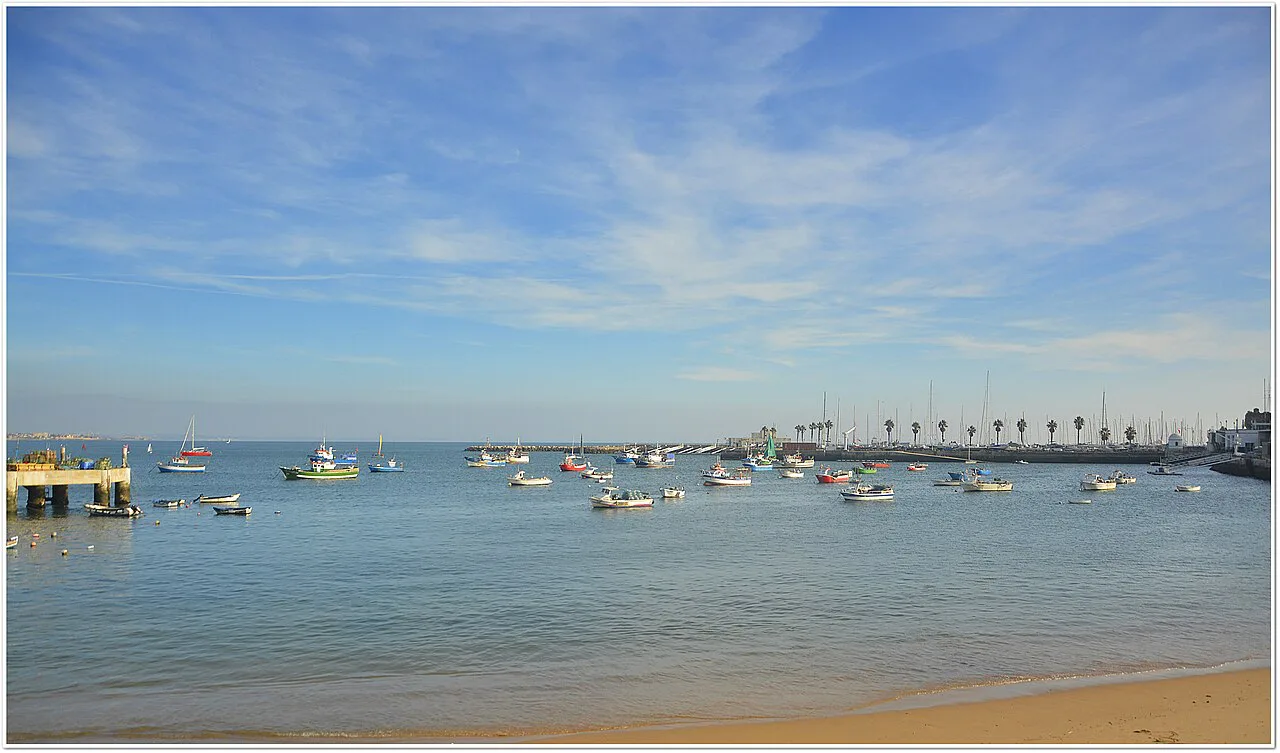
What things cost in euros: coffee, lunch, dinner
Everyday spending is modest. A coffee and a pastry comes to roughly €2.50 at many cafés, and the lunchtime menu do dia, usually a starter, a main and a coffee, is commonly €10–€15 in local cafés. A mid-range dinner runs about €25–€40 per person, while seafood places tend to push higher and high-end or international restaurants can pass €60–€100 per person.
The practical lesson is to take your main meal at lunch, when the fixed menu is a genuine bargain, and keep dinner simple on some evenings. Ice cream is the town's famous small extravagance: Gelados Santini, which began beside Estoril's Praia do Tamariz in 1949, now has two central branches, on Avenida Valbom and overlooking the bay, both open daily with slightly different hours.
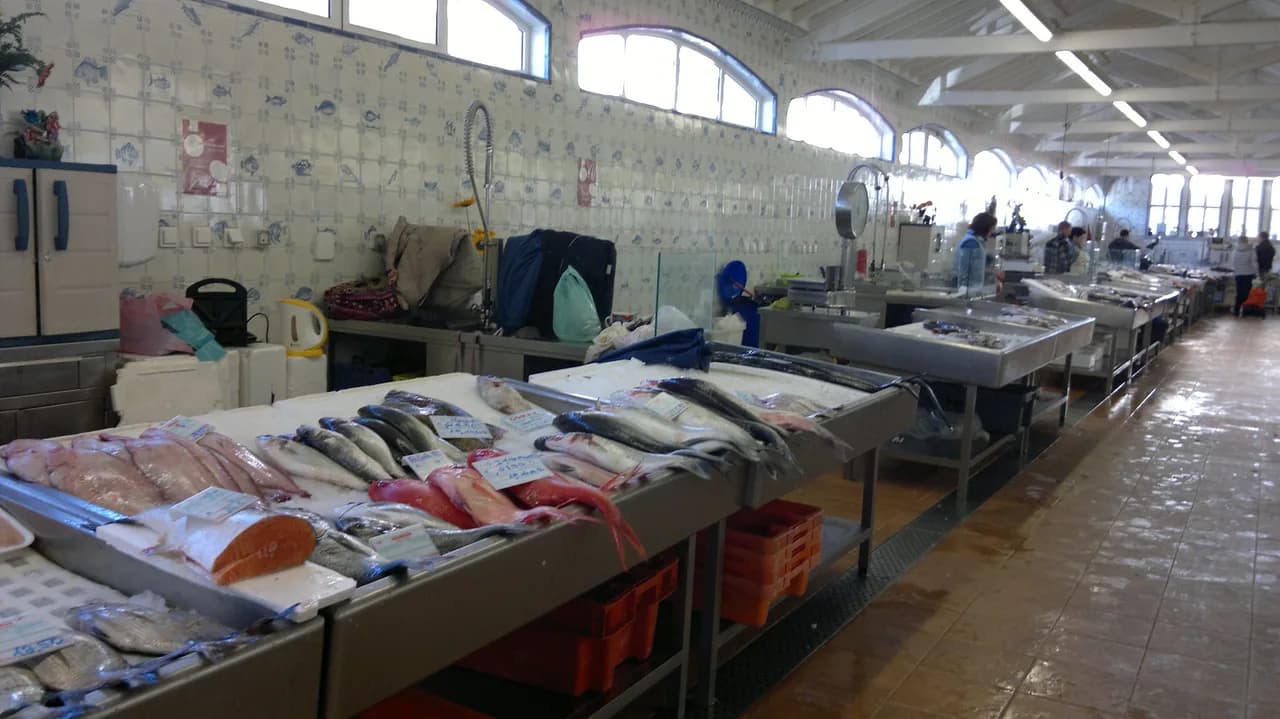
Self-catering trims the food bill further. The Mercado da Vila is the town market for produce, and a picnic assembled there costs a fraction of a restaurant lunch; the same guide pairs it with A Nova Estrela for an inexpensive sit-down meal. For a stay of several days, buying breakfast and lunch ingredients locally is the simplest way to keep the daily total down.
Sights and museums: what you pay to get in
Ticket costs are small. Casa das Histórias Paula Rego, the red pyramid-towered contemporary art space designed by Eduardo Souto de Moura, costs €5 and opens Tuesday to Sunday from 10am to 6pm. That is the price of a single coffee-and-cake stop elsewhere in town, which makes it the best-value paid sight for most visitors.
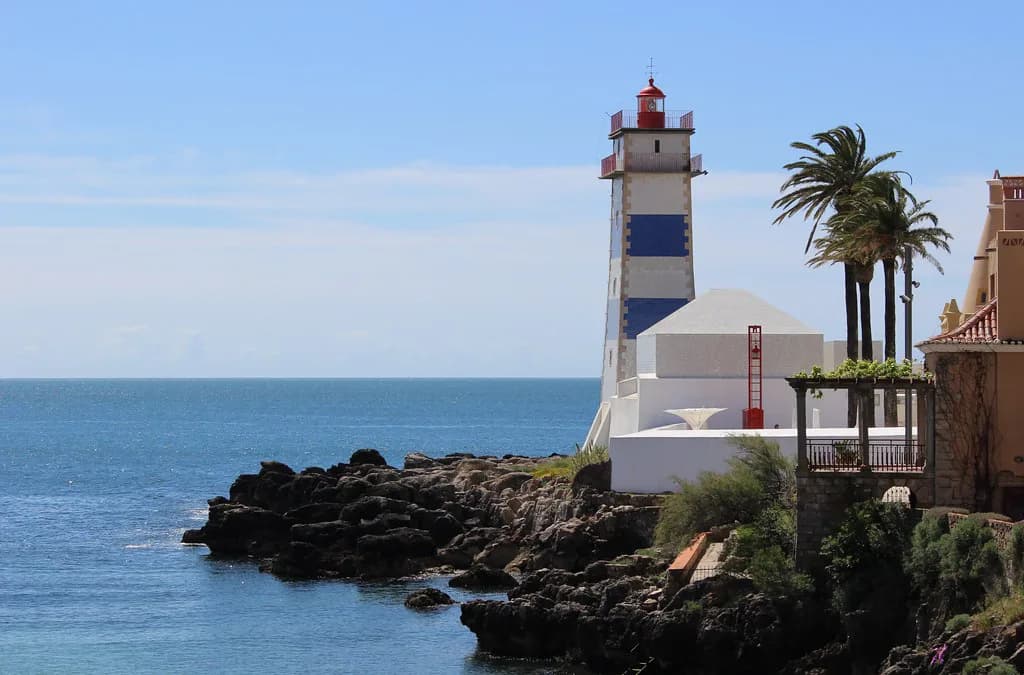
Santa Marta Lighthouse, still working and remodelled in 2007, keeps its old keepers' quarters as a small museum on Portugal's lighthouses, and entry to that museum is free. It opens Tuesday to Sunday, 10am to 1pm and then 2pm to 6pm, so the long lunchtime gap catches people out; plan it for the morning or mid-afternoon.
The Cidadela de Cascais is free to wander: its courtyards hold galleries, artists' studios and outdoor installations even if you are not staying at the hotel inside the old fort. The former royal palace within it can be visited on guided tours from Wednesday to Sunday, booked in advance and subject to the presidential schedule, so check the current arrangement before you build a day around it. For a walking route through these sights, see our One Day in Cascais.
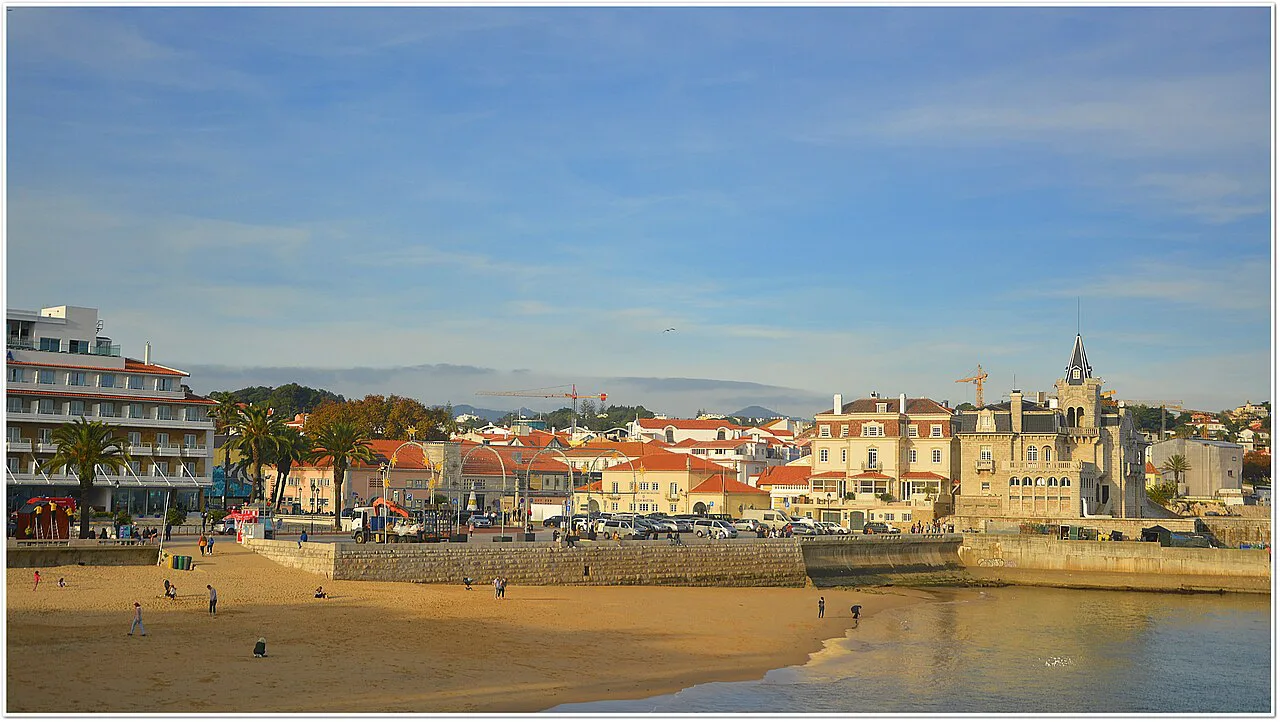
Getting there and getting around: train and local fares
The train is the cheapest way in. The direct service from Lisbon's Cais do Sodré takes around 40 minutes, and because the fare is not published in the sources used here, buy your ticket at the station or check the operator's current price rather than budgeting from a guess. Once in town, most of what you want is walkable, which is the real saving.
For local hops, buses and trains charge roughly €2–€3 for a single ticket, and a monthly pass between Cascais and Lisbon costs about €40–€60; the monthly figure only makes sense if you are commuting, not for a short break. Driving brings fuel near €1.75 a litre plus metered parking in the centre, so a car is an unnecessary cost for a town-centre stay.
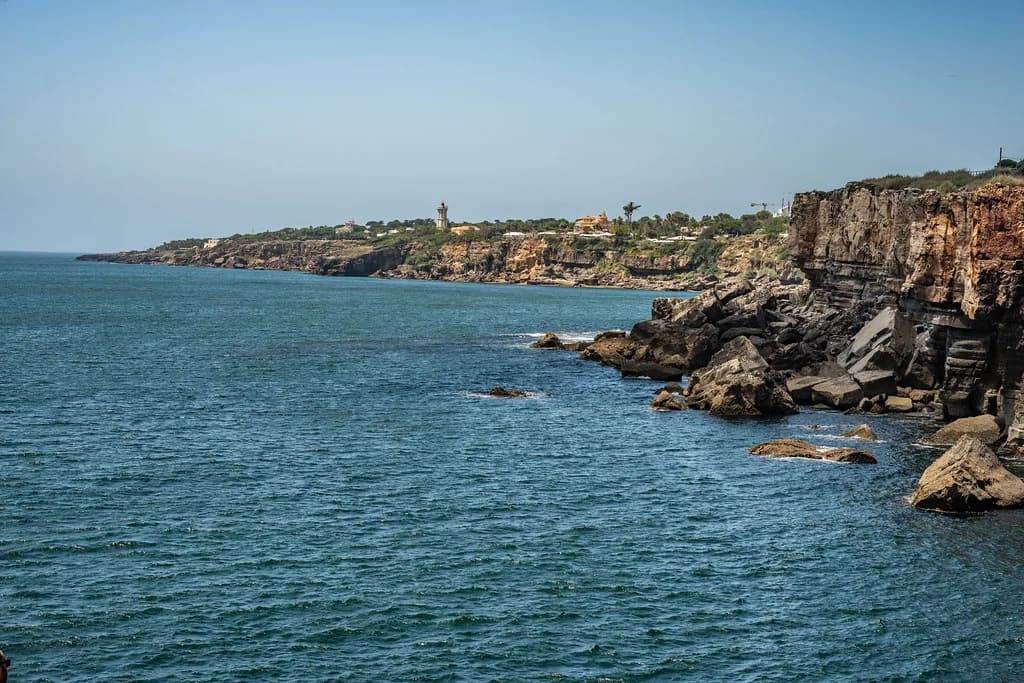
Distances between the sights are short: the old town, the harbour, the citadel and Santa Marta lighthouse all sit within a compact coastal strip. Walking the coast towards Boca do Inferno costs nothing and is the best-value excursion in town.
Where the money goes: the costs that decide your budget
Three lines dominate a Cascais budget: accommodation, evening meals and any boat trip or lesson you add. Rooms are the volatile part and the one figure no reliable source here gives for short stays, so compare dates directly with the places you are considering; summer is described as the busy season, when demand is highest.
Dinner is the second lever. If you eat at the mid-range level of roughly €25–€40 per person each night, a three-night break spends more on dinner than on every museum, train fare and coffee combined. Shifting two of those dinners to lunch menus or market food changes the total far more than skipping a paid sight.
Optional extras are exactly that. Boat trips, surf lessons and dolphin-watching outings are the kind of add-ons that can double a day's spending, and they are worth budgeting deliberately rather than deciding on the harbour wall. Decide before you arrive whether the water is part of your trip, and let the rest of the budget follow.
Ways to spend less without missing the town
Start with the free sights: the citadel courtyards, Santa Marta's lighthouse platforms and the walk to Boca do Inferno for sunset. Add one paid museum, such as the €5 Casa das Histórias Paula Rego, and the cultural side of the trip costs less than a round of coffees.
Eat your cooked meal at midday on the menu do dia and keep evenings to market produce, a shared plate or an ice cream from Santini. Use the train rather than taxis, and treat the town beaches, Praia da Rainha for its setting or Praia da Conceição and Praia da Duquesa for space, as free half-days.
Finally, keep the plan compact. Our Cascais itinerary fits the town into a short break without paid transport, and if you are weighing a longer stay against a day trip, how many days in Cascais explains what each extra day actually adds.
Is Cascais worth the cost for one to four days?
Yes, provided you accept that the money goes on where you sleep and what you eat rather than on admission charges. One day costs little beyond the train and lunch; two or three nights add accommodation at busy-season rates; four days only makes sense if you also want the coast and a Sintra excursion.
Weigh the alternatives honestly. Estoril next door shares the same stretch of coast and the same train line, so comparing the two on room rates and atmosphere is worth ten minutes before you book; our Cascais vs Estoril comparison sets out the trade-off.
Set your daily budget before you book
Fix the two big numbers first: a room for your dates and a rough dinner allowance per evening. Then add the small certainties, a coffee and pastry, lunch, one museum and the train from Lisbon at the operator's current fare, and you have a realistic daily figure.
If that total looks comfortable, book the trip; if not, shorten it to a day or two, eat your main meal at lunchtime and spend the savings on the ice cream queue instead.
Explore more Cascais guides
Frequently Asked Questions
Is Portugal an expensive country to visit?
Portugal is generally moderate by Western European standards, and Cascais sits at the pricier end for a Portuguese town without reaching Lisbon's peak. Café lunches, local transport and museum tickets stay low; rooms and seafood dinners are where costs climb.
What is Cascais known for?
A working harbour and old fishing quarter below grand coastal houses, the citadel with its galleries, Santa Marta lighthouse, the Boca do Inferno cliffs and the beaches along the bay. It is also associated with Gelados Santini, whose ice cream began beside Praia do Tamariz in Estoril in 1949.
Which is nicer, Sintra or Cascais?
They offer different days out. Sintra is palaces and gardens on wooded hills; Cascais is sea, harbour and a compact old town with a low sightseeing bill, so choose according to whether you want monuments or coastline, and note that a day trip can cover only one comfortably.
Sources
Notes for your next Portuguese break
Optional updates to our town guides.
You might also like
Continue reading
More guides you'll find useful