One Day in Cascais: A Realistic Morning-to-Evening Itinerary
Plan one day in Cascais with a walking route from the old town to Boca do Inferno, taking in the citadel, museum quarter, market lunch and sunset.
On this page
One day in Cascais is enough for the old town, the harbour, the Cidadela, one museum and the coastal walk to Boca do Inferno, provided you start in the morning and keep the coast for late afternoon. The town centre is compact and walkable, so the day is shaped less by distance than by opening days. This [Cascais Itinerary](/cascais-itinerary) runs from first light in the old town to sunset on the cliffs, with the fixed opening hours and the trade-offs spelled out.
Arrive by direct train from Lisbon's Cais do Sodré, a journey of around 40 minutes, which puts you in the centre early enough to see the old town before the day-trippers arrive. Drop any plan that depends on covering Sintra as well on the same day; the two are separate outings and trying both leaves you rushing through each.
How the town fits together on foot
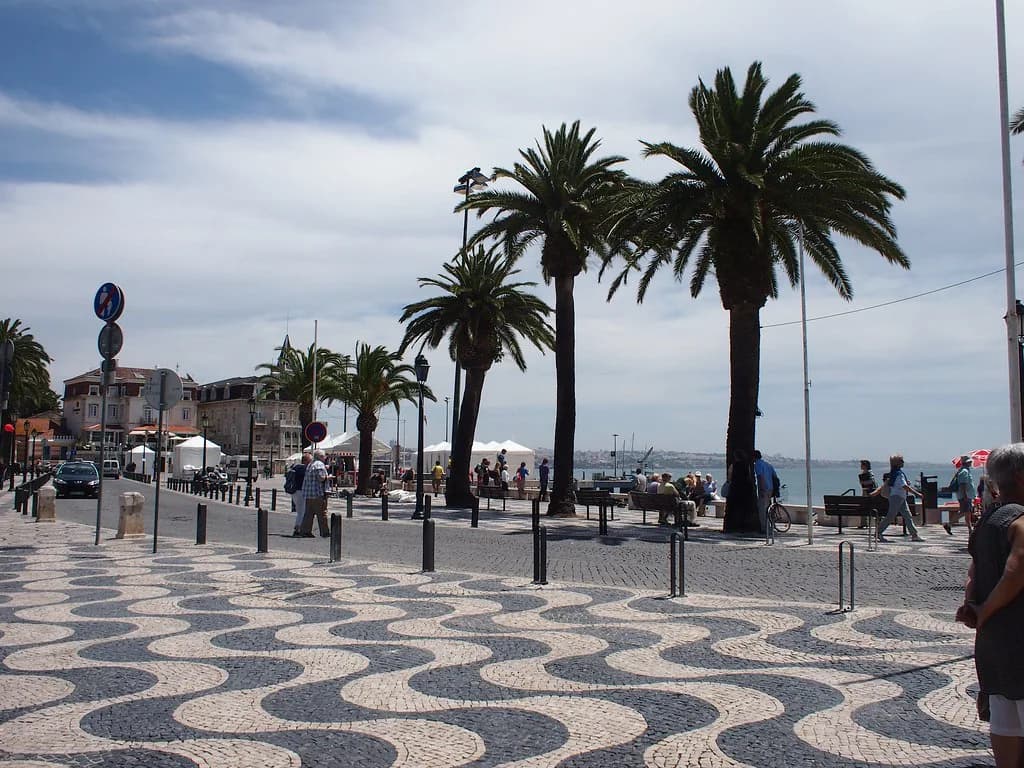
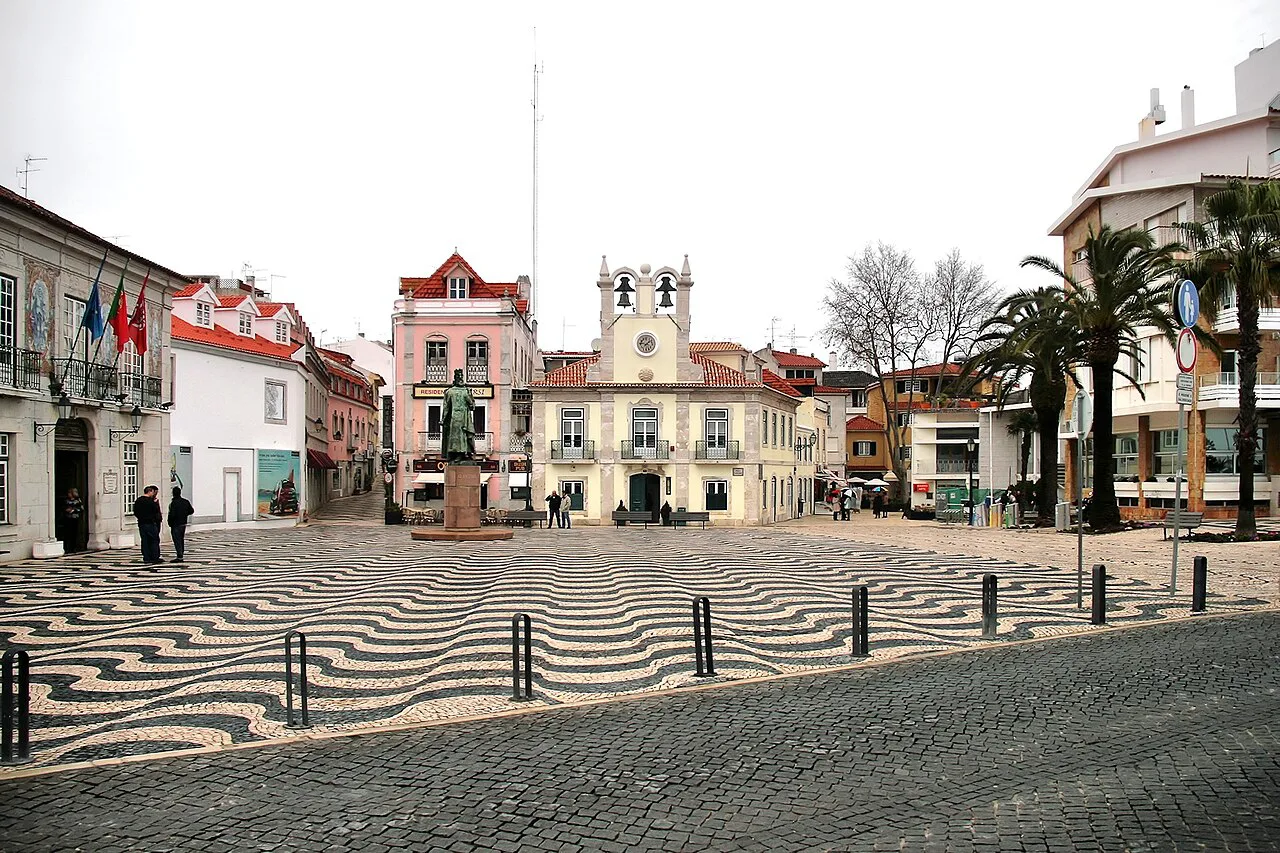
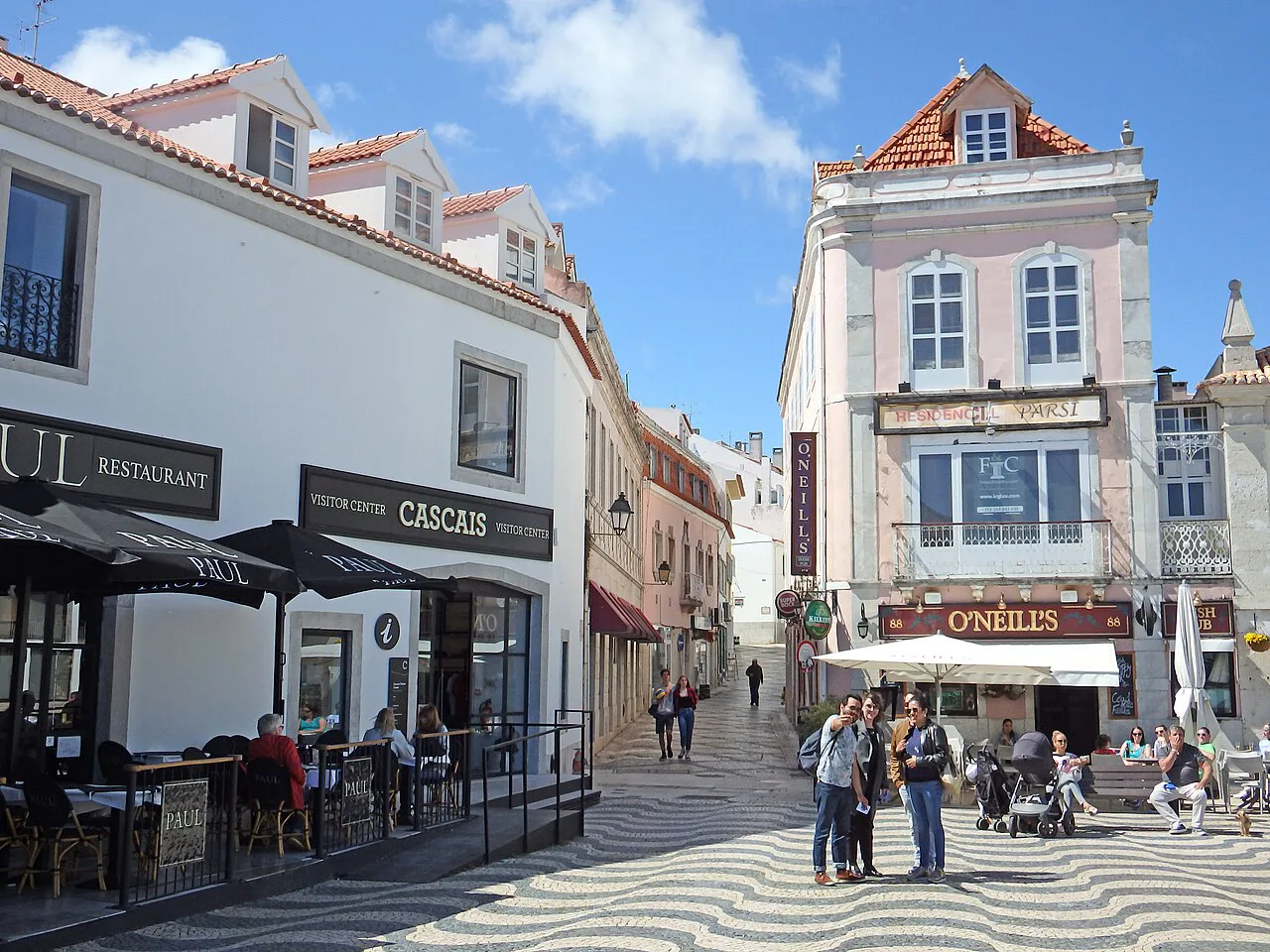
Cascais stacks neatly from the centre outwards: whitewashed streets and pastel façades in the old town, the working harbour and the Cidadela fort beside it, then the museum quarter and parks to the north-west, with the coast running south to Boca do Inferno. Almost everything on this route is reachable on foot in short hops, so you will not need transport between stops.
Think of the day as a loop rather than a list: old town first, harbour and citadel next, the lighthouse and museums before lunch, then the parks, and finally the cliffs at sunset. Doing the coastal walk in the middle of the day costs you the best light and puts you on exposed ground when the sun is strongest.
Morning: the old town at first light, the harbour and the Cidadela
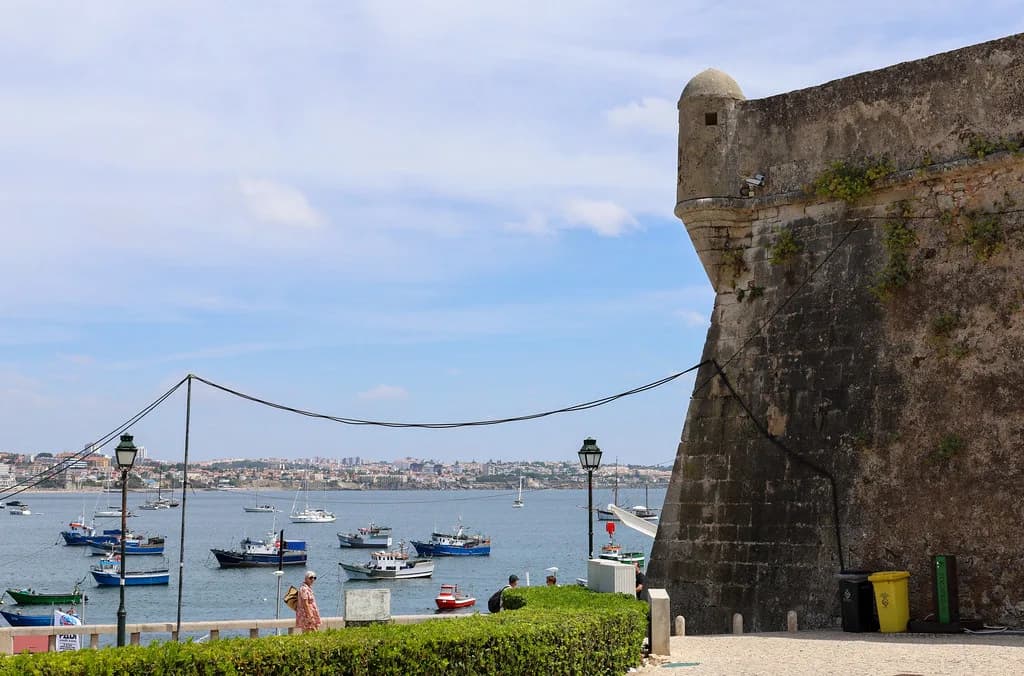
Start in the old town while the streets are still quiet, then walk down to the harbour, where boats still work from the quay and the old fort stands at the water's edge. Parts of the Cidadela have been converted into a hotel, but you can walk through the old fort, whose courtyards hold galleries, artists' studios and outdoor installations.
The former royal palace inside the Cidadela can be visited on guided tours from Wednesday to Sunday, and those tours should be booked ahead because the presidential schedule can affect them. Treat the palace as the fixed point of the morning: if your day falls on a Monday or Tuesday, skip it and give the extra time to the lighthouse and museum quarter instead.
Mid-morning: Santa Marta lighthouse and the museum quarter
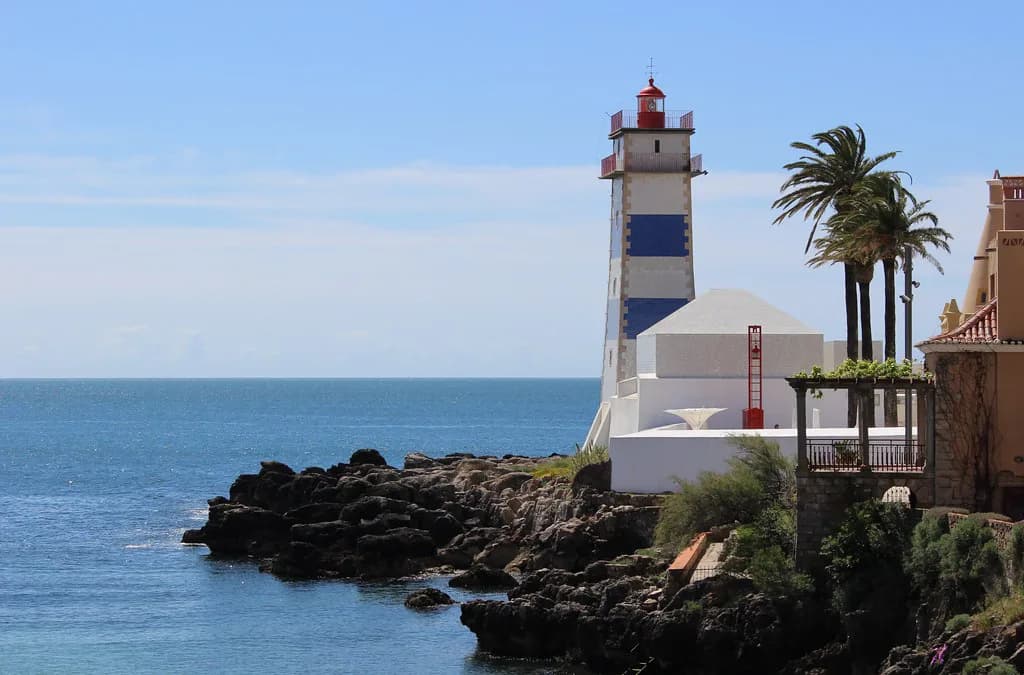
From the palace, follow the marina round to the Santa Marta lighthouse, which is still active and whose former keepers' quarters now hold a small museum on Portugal's lighthouses. The old fort platforms give wide views across the bay, and entry is free.
The museum keeps split hours, opening Tuesday to Sunday from 10am to 1pm and again from 2pm to 6pm, so the midday gap decides your order. Arrive before one o'clock to see it, or leave it for after lunch and use the interval for the museum quarter instead.
The surrounding neighbourhood of museums, parks and gardens is billed as somewhere to explore year-round, which makes it a sensible block to hold in reserve when one venue is shut. Museu Condes de Castro Guimarães sits within this quarter and is worth an hour if the lighthouse is closed for its break.
Lunch: Mercado da Vila or a seafood restaurant
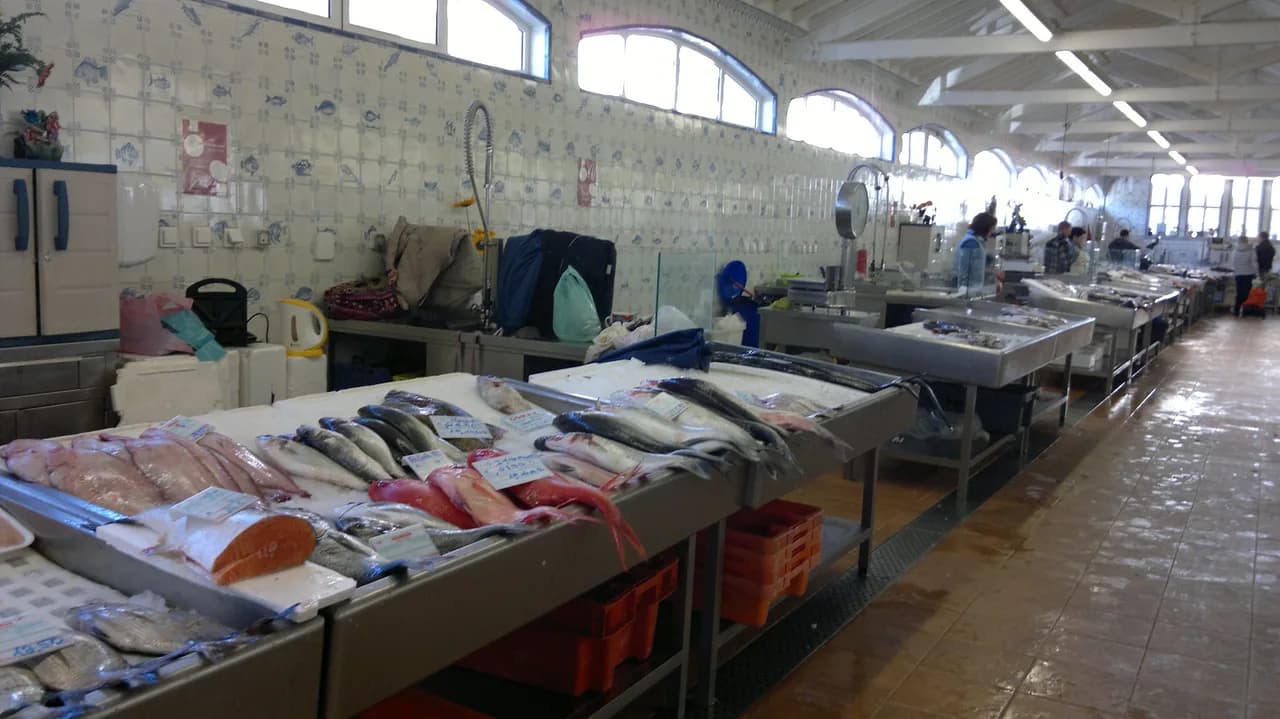
Mercado da Vila is the flexible option: browsing the food and drink stalls takes as long as you want and leaves the afternoon intact. A sit-down seafood restaurant is the better meal but eats about an hour and a half, which is roughly the difference between reaching Boca do Inferno in good light and arriving after the sun has gone.
Cascais is known for fish and seafood on every corner, and the town markets itself on that reputation, so a long lunch is a legitimate way to spend the middle of the day if you have already seen the citadel and lighthouse. If this is your only day, keep lunch short and save the proper meal for the evening.
Afternoon: Casa das Histórias Paula Rego and Parque Marechal Carmona
Casa das Histórias Paula Rego holds work by the Portuguese-British artist alongside pieces by her husband Victor Willing and a changing programme of temporary exhibitions. The building itself, two red concrete pyramid towers by the Porto architect Eduardo Souto de Moura, has become a Cascais landmark. It is open Tuesday to Sunday.
On a Monday, when the gallery is shut, move the museum quarter earlier and give the afternoon to Parque Marechal Carmona, the shaded park that is the obvious place to escape the sun. Combine it with a look at Museu Condes de Castro Guimarães next door rather than doubling back into the centre.
If you want one swim, Praia da Rainha is the setting to choose, while Praia da Conceição and Praia da Duquesa give you more space. Keep it to a single dip; the coastal walk still needs to happen before dark.
Late afternoon: the coastal walk to Boca do Inferno
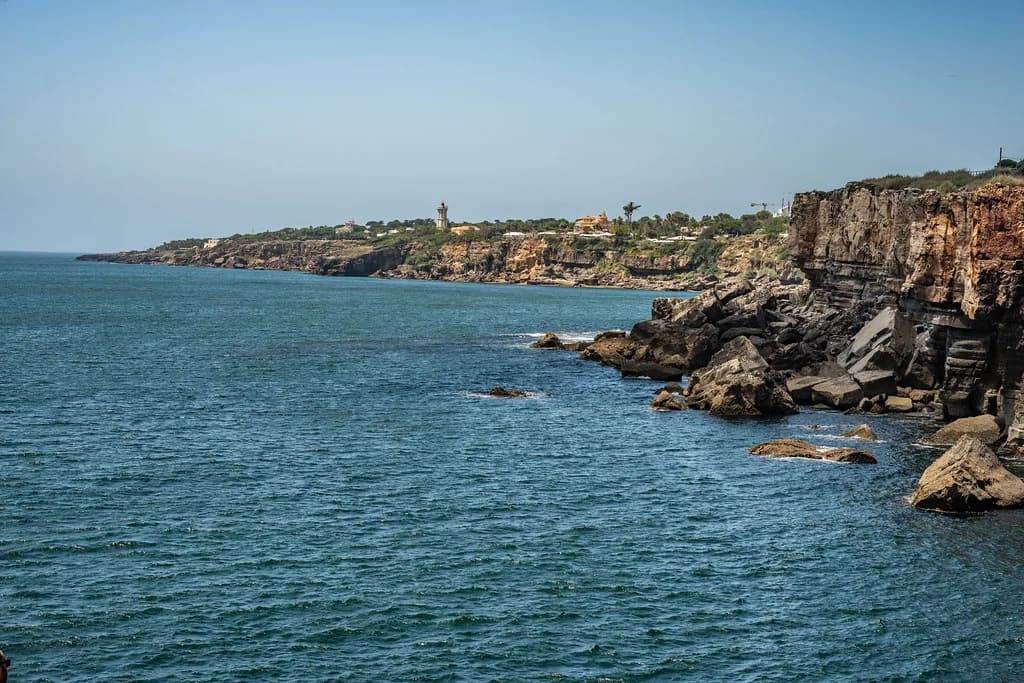
Walk the coast to Boca do Inferno in the late afternoon, in time for sunset, rather than at midday. The route passes viewpoints along the way, including the Santa Maria lighthouse, so you get a second look at the bay from a different angle.
The alternative is to cycle the coastal path to Praia do Guincho, past Boca do Inferno and Casa da Guia, which covers far more ground but turns a gentle evening stroll into an outing of its own. On a one-day visit the walk wins; the cycle is the better choice if you have a second day.
Cabo da Roca, the westernmost point of mainland Europe, is reachable by bus but sits well beyond the town and will not fit alongside everything above. Save it for a longer stay rather than sacrificing the coast at your feet.
Evening: sunset and dinner in the centre
Once the sun has gone down at Boca do Inferno, walk back into the centre for dinner, where the choice is dense enough that you can decide on the day. If you want a fixed plan, pick your restaurant in the old town before you set out for the cliffs so you are not making the decision on a dark coastal path.
Finish with ice cream from Gelados Santini, which began in 1949 beside Praia do Tamariz in Estoril and now has two central Cascais shops, one on Avenida Valbom and one overlooking the bay. Both are open daily, though their hours differ slightly, so check the shop you plan to use.
Opening days and timings that shape the day
Two fixed points can break the day. The Cidadela palace tours run Wednesday to Sunday, and Casa das Histórias Paula Rego opens Tuesday to Sunday. A Monday visit loses both, so the honest answer is to reshuffle the day around the lighthouse, the museum quarter and the parks.
The lighthouse museum's split hours, morning then a midday break then afternoon, are the third constraint, and they push the museum quarter either before one o'clock or after two. Build the day around these three timings and everything else fits into the gaps. Confirm current hours before you travel, since these are the details most likely to shift.
Ticket prices to budget for in euros
Budget for Casa das Histórias Paula Rego; the lighthouse museum costs nothing to enter. Those are the only two admissions this route needs, which keeps a one-day visit cheap beyond food and the train fare.
Palace tour prices and restaurant bills are not set out here; check the Visit Cascais site for the palace tour arrangements and the venue's own listing for the price before you commit. For a wider picture of what a short break in town costs, the [money guide](/is-cascais-expensive) is the place to start.
If you only have half a day
With half a day, cut the museums and keep the town: old town, harbour, Cidadela courtyards, then the coast to Boca do Inferno. That sequence gives you the town's character and its best viewpoint without depending on any opening hours.
Lisbon day-trippers often cover Cascais alongside Sintra and Cabo da Roca in a single excursion, which means each stop gets only a brief look. If that is your only window, accept the glimpse of Cascais and plan the museums for another trip.
Should you stay a night or two instead
One day covers the essentials but asks you to keep moving. Two nights, with a full day in between, lets you sit in cafés, see the museums properly and take the coastal cycle to Guincho without the clock running.
Cascais is often compared with the French Riviera and remains busy in summer, yet it keeps much of its old fishing-village character despite the crowds. If you are weighing it against Estoril or Sintra for a short break, both comparisons are worth reading before you book, and the [How Many Days in Cascais? One, Two or Three Days](/how-many-days-in-cascais) guide helps you decide how long to allow.
Is one day in Cascais enough?
One day is enough for a well-paced walk through the old town, the citadel, the lighthouse, one museum, the parks and the cliffs at Boca do Inferno, as long as you start in the morning and accept that Monday shuts the palace tours and the Paula Rego gallery. The trade-off is time in cafés and a proper seafood lunch, which a two-night stay buys you.
Build the day around Wednesday to Sunday if the palace and gallery matter, keep the coastal walk for late afternoon, and hold the market lunch as your buffer for when one stop runs long. That is the difference between a rushed checklist and a day that feels like a short holiday.
Explore more Cascais guides
Sources
Notes for your next Portuguese break
Optional updates to our town guides.
You might also like
Continue reading
More guides you'll find useful