

Palaces in Portugal: Which Ones to Visit Beyond Sintra
A practical guide to palaces in Portugal outside Lisbon and Sintra: where each one sits, how long it needs and which are worth the journey on a short break.
On this page
If you want palaces in Portugal without queuing behind day-trippers from Lisbon, look to Mafra, Guimarães and Vila Viçosa rather than Sintra. Each is a full half-day or more in its own town, which makes them a better fit for a two- or three-night stay based somewhere other than the capital. This guide sorts the country's royal, ducal and estate palaces, places each in its town, and sets out how to choose between interiors and gardens.
The palaces around Sintra and Lisbon are covered here only as a yardstick, because they dominate most search results and skew expectations of what a Portuguese palace visit involves. Treat them as the crowded, well-signposted option and the inland palaces as the quieter, slower one.
What counts as a palace in Portugal
Portuguese uses Palácio for a grand residence and Paço for a palace with a court function, which is why the ducal seats at Guimarães and Vila Viçosa carry the second name. Some are former royal residences run as museums, some are estate houses built to impress, and a few still have a working ceremonial role. Knowing which you are booking tells you whether to expect state rooms, furnished apartments or mostly gardens.
These are also the buildings most often confused with the country's fortifications, so it helps to keep the two categories apart when planning. If your interest is walls, keeps and hilltop ruins rather than gilded salons, start from the fortified side instead and read about the castles in Portugal before adding palace interiors to the same trip.
Sintra and Lisbon palaces in brief
Sintra packs the Palácio Nacional de Pena, the Castelo dos Mouros, Quinta da Regaleira, the Palácio de Monserrate and the Palácio Nacional de Sintra within one hilly town, with the Palácio de Queluz and the Palácio Nacional da Ajuda down towards Lisbon. The estates are far larger than day-trippers assume, and the gardens alone can absorb an hour or two at each stop — the main five are better spread over several days than rushed into one.
Bundled tickets are the usual way to cut the cost of seeing several Sintra sites, and booking ahead skips the ticket line at the busiest palaces. Prices vary by combination and change, so check what a bundled ticket actually covers before you commit. Expect peak-season crowds at Pena Palace, worst in summer afternoons, and time your arrival for opening or late in the day if that bothers you.
Those crowds explain why many travellers with a short break do better heading inland. The comparison is simple: Sintra gives you the famous image and the shortest journey from Lisbon, while the palaces further out trade convenience for space and quiet.
Mafra: the vast baroque palace-monastery
The National Palace of Mafra is a palace, monastery and basilica in one enormous baroque complex, built under King João V and set in a town of its own north-west of Lisbon. It is the kind of building that swallows a half-day before you have seen the library or the royal apartments, so do not treat it as a stop on the way to somewhere else. Give it a proper block of time and pair it with an unhurried look at the town.
Read up on the Mafra palace layout before you go, because the scale makes it easy to miss whole wings. Sensible planning means checking the palace's own published opening days for your dates, since a long journey on a closed day is the most common wasted trip.
Paço dos Duques de Bragança in Guimarães
The Paço dos Duques de Bragança sits in the heart of Guimarães, a short walk from the castle and the old-town streets, which makes it the easiest palace to fold into a town break. The building is a twentieth-century restoration of a medieval ducal seat, so you get heavy granite, tapestries and a courtyard rather than gilded rococo. Its position means you can pair it with the castle and the historic centre in a single day without transport.
Guimarães rewards that arrangement because everything worth seeing is within walking distance of the centre. Book your palace and castle hours around the same afternoon rather than splitting them across days. If you are choosing where to spend a short break in northern Portugal, this is the strongest palace-and-castle combination in one compact place.
Paço Ducal de Vila Viçosa in the Alentejo
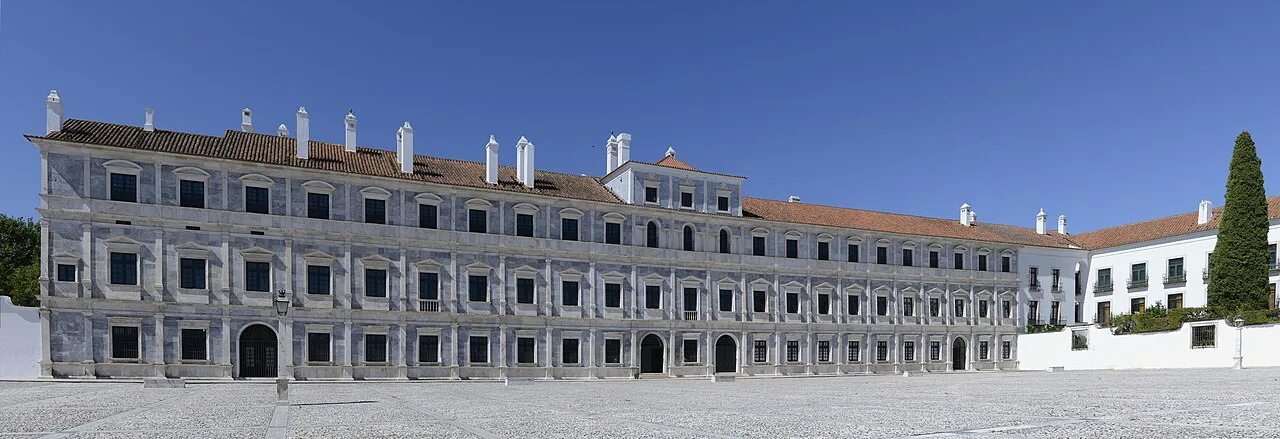
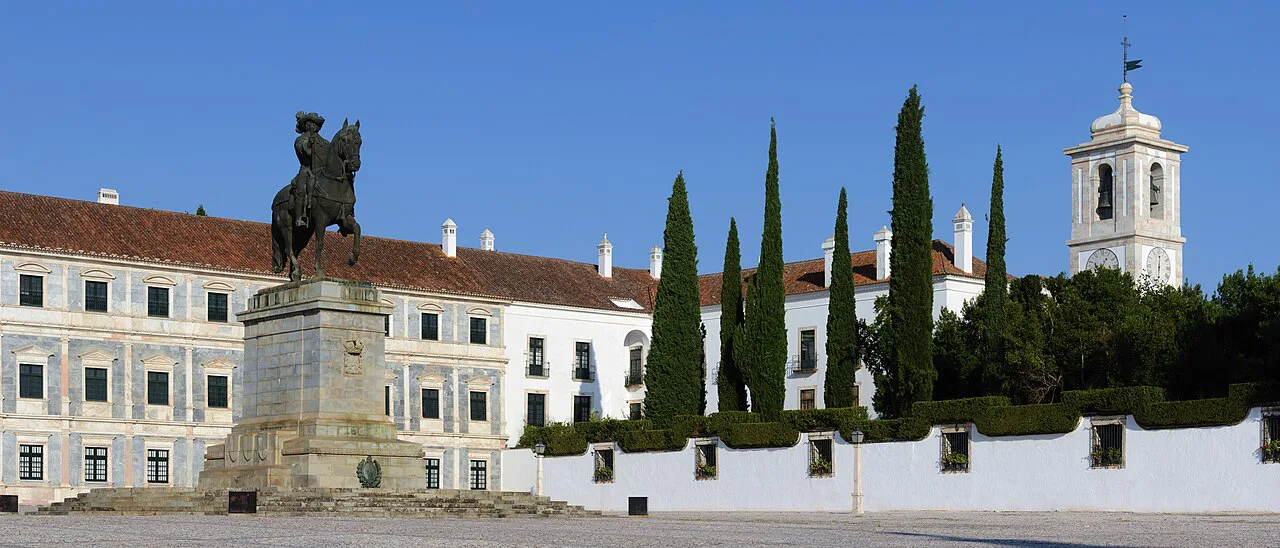
Vila Viçosa holds the Paço Ducal, the Bragança family's Alentejo seat, in a marble town that most visitors never reach. The palace is the reason to come, but the town's marble-fronted houses and quiet squares justify the stay rather than a rushed stop. It is the kind of place that suits travellers who have already done Lisbon and want a slower, inland contrast.
Travel time is the real constraint here, so plan Vila Viçosa as its own night rather than a detour. Otherwise you spend the day in a car and see the state rooms tired. Check the palace's published visiting arrangements for your dates before booking transport.
The Palace of Bussaco and the Buçaco forest
The Palace of Bussaco stands inside the Buçaco forest, a walled woodland of tall trees and chapels that is as much the attraction as the building itself. Most people come for the forest and the palace's romantic silhouette rather than a long interior tour. Allocate time for walking the forest paths, and remember that forest and palace are managed as a single visit.
This is the palace most likely to disappoint anyone expecting furnished state rooms, so set expectations from the forest side. It works best as a peaceful half-day combined with the surrounding woodland rather than a headline stop on a palace tour.
Palaces that are easier on a short break
If you only have two or three nights and want palaces near Lisbon, the Palácio de Queluz and the Palácio Nacional da Ajuda are the practical pair, sitting within easy reach of the capital and its transport. Queluz has formal gardens that reward a slow wander, while Ajuda gives you a royal interior without the Pena crowds. Both are far simpler to reach than Mafra or Vila Viçosa.
The trade-off is that neither carries the spectacle of Sintra. What you get instead is a shorter journey and a calmer visit, which often matters more than sheer scale on a short break. If you have already seen Sintra, they are the next step out rather than a repetition.
How to choose which palace to visit
Start with travel time from your base, then decide whether you want interiors or gardens. A palace with famous interiors but a long journey can cost you a whole day, while a smaller palace in a walkable town centre leaves room for a castle, a church and a long lunch. Match the visit to what your short break actually allows rather than to a wish list.
Opening days are the second filter, and Portuguese palaces and national monuments do not all keep the same rhythm. Confirm the specific palace's published days for your dates before you build a day around it, and keep a walkable old-town alternative in reserve. That single check saves more trips than any ticket discount.
Costs and tickets
Bundled palace tickets sold online are listed as 'from' figures and vary by combination and date, so treat them as a starting point rather than a fixed entry fee. On the booking platform, combined entry for the Pena Palace and Quinta da Regaleira starts from €47.50, while Castelo dos Mouros with Monserrate Palace starts from €25.20. Those figures are platform prices that can include transfer options or audio guides, so check the current official ticket office for the palace you actually want.
Bundling only helps if you genuinely intend to see every site in the package, and it locks you into a fixed plan before you have seen how long the estates take. Buy single tickets when your schedule is flexible, and bundle only when two or three sites in the same town are certain.
Mistakes to avoid
The commonest error is cramming several palaces into one day on the assumption that each takes an hour. Estates are much bigger than they look, and gardens eat time. Pick one palace a day and add a town walk around it.
The second is assuming a Monday opening or that public holidays leave everything running as normal. Check the day for the specific palace rather than relying on a general rule. The third is ignoring the gardens, which are often the better half of the visit and the place to slow down.
Where to base yourself if palaces are the point
Base in Guimarães if you want the ducal palace, castle and old town in one walkable break, or in Mafra's town if the palace-monastery is the main purpose. For Vila Viçosa and the Alentejo palaces, an overnight in the town itself beats a day trip. If you are mixing palaces with fortifications, comparing the best castles in Portugal alongside them will tell you which towns justify a night.
Where a castle sits on an island or a river bend, the journey itself becomes part of the day, as with the Almourol castle on the Tagus River. Those stops work better as a full excursion than an add-on, and the same logic applies to the palaces furthest from Lisbon.
Which palace earns your one free day?
If you have a single day beyond Lisbon and Sintra, choose between Mafra's palace-monastery and the Paço dos Duques de Bragança in Guimarães. Mafra wins on scale and baroque drama, while Guimarães wins on convenience because the palace, castle and old town sit within one walk.
For a quieter, marble-town contrast, give Vila Viçosa its own night in the Alentejo. Whatever you pick, confirm that specific palace's published opening days for your dates, then build the rest of the day around it rather than the other way round.
Frequently Asked Questions
Is there a royal palace near Lisbon?
Yes. The Palácio Nacional da Ajuda and the Palácio de Queluz both sit within reach of Lisbon and its transport, and either makes a simpler half-day than the Sintra palaces. Queluz is known for its formal gardens, while Ajuda offers a royal interior without the Pena crowds. Check each palace's published opening days for your dates before setting out.
Are there any paradors in Portugal?
Portugal's historic-stay network uses different branding from Spain's paradors. If you want to sleep in a historic building, look at the pousadas rather than paradors, and confirm directly with the property which buildings are part of the network. Availability and rates change constantly, so verify with the operator.
Sources
Notes for your next Portuguese break
Optional updates to our town guides.
You might also like



Continue reading
More guides you'll find useful




