Best Towns in Northern Portugal: 9 Places Worth a Short Break
The best towns in northern Portugal, from Braga and Guimarães to Ponte de Lima and Bragança, with what each is like and what there is to see.
On this page
Braga and Guimarães are the two northern towns that most justify a short break, and Viana do Castelo and Ponte de Lima make the best coastal pair. The rest split by distance: Amarante and Barcelos sit close to Porto, Lamego looks over the Douro, and Bragança and Chaves demand a long eastern haul. This guide covers what each town is known for, which sights anchor a visit, and how to fit them around Porto.
Much of northern Portugal's appeal is compactness. Braga's Bom Jesus do Monte and its cathedral, Guimarães's granite medieval centre and Viana do Castelo's oceanfront all sit within a day of each other by road or rail, so a three- or four-day trip can take in two or three towns without rushing.
What makes a northern Portuguese town worth a short break
The region's towns reward compressed itineraries because each has one or two defining monuments rather than a sprawl of sights. Braga has its cathedral and the pilgrimage complex above it; Guimarães has its castle and UNESCO-protected lanes; Viana do Castelo has its waterfront and hilltop sanctuary. That means a well-planned day genuinely covers a town rather than skimming it.
Topography is the variable that catches travellers out. Guimarães's centre is a maze of narrow medieval passageways and cobbled pavements, and Braga's best-known monument sits on a hill above the city, so footwear and pace matter as much as the timetable. Coastal towns are flatter and easier to walk end to end.
Braga: Bom Jesus do Monte and Portugal's oldest cathedral
Braga is the strongest single base in the north after Porto, with Roman origins, a cathedral consecrated in 1089 and a baroque pilgrimage hill just outside the centre. The Sé de Braga, or cathedral, mixes Moorish, Gothic, Manueline and Baroque work because generations of royalty and church money kept rebuilding it. It is often described as the first cathedral built in Portugal, though it actually predates the country.
Bom Jesus do Monte is the reason many people come. The basilica and its zig-zagging staircase were built in the 1700s on a mount that has drawn pilgrims since the fifteenth century, and the funicular added a century later is Portugal's oldest and the world's oldest still using water as a counterweight. Give Braga a full day: cathedral and old centre in the morning, the hill in the afternoon.
The city also holds Roman remains that reward an extra hour, including the Domus da Escola Velha da Sé villa and the Termas Romanas do Alto da Cividade baths. Braga's most famous landmark is Bom Jesus do Monte, so treat the Roman sites as a bonus rather than the main event.
Guimarães: the UNESCO-listed birthplace of the kingdom
Guimarães is the town to prioritise if you want medieval atmosphere rather than monuments. Its UNESCO-protected centre is a dense grid of granite houses three storeys high, with exaggerated eaves, wrought-iron balconies and laundry strung across the lanes, and it is treated as the birthplace of the Kingdom of Portugal. The castle and the old palace anchor the visit, and the centre itself is the attraction.
Budget more time than the map suggests. The cobbles are uneven, the streets climb, and the pleasure is in wandering rather than ticking off sights, so a half-day squeezes it and a full day suits it. Guimarães pairs naturally with Braga on a two-town trip, since both sit within easy reach of Porto.
Viana do Castelo: the jewel of the northern coast
Viana do Castelo is the north's best coastal town for a short break, with an oceanfront setting and a hilltop sanctuary looking back over the rooftops. It is often called the jewel of the north, and the combination of river mouth, Atlantic views and a walkable historic centre makes it a relaxed counterweight to Braga's density.
It also works as the base for the Minho coast and the Lima valley rather than a standalone stop. Travellers with one day in the area should choose between the town and the coast; with two, Viana do Castelo and Ponte de Lima combine into a coherent loop.
Ponte de Lima: the oldest small town in Portugal
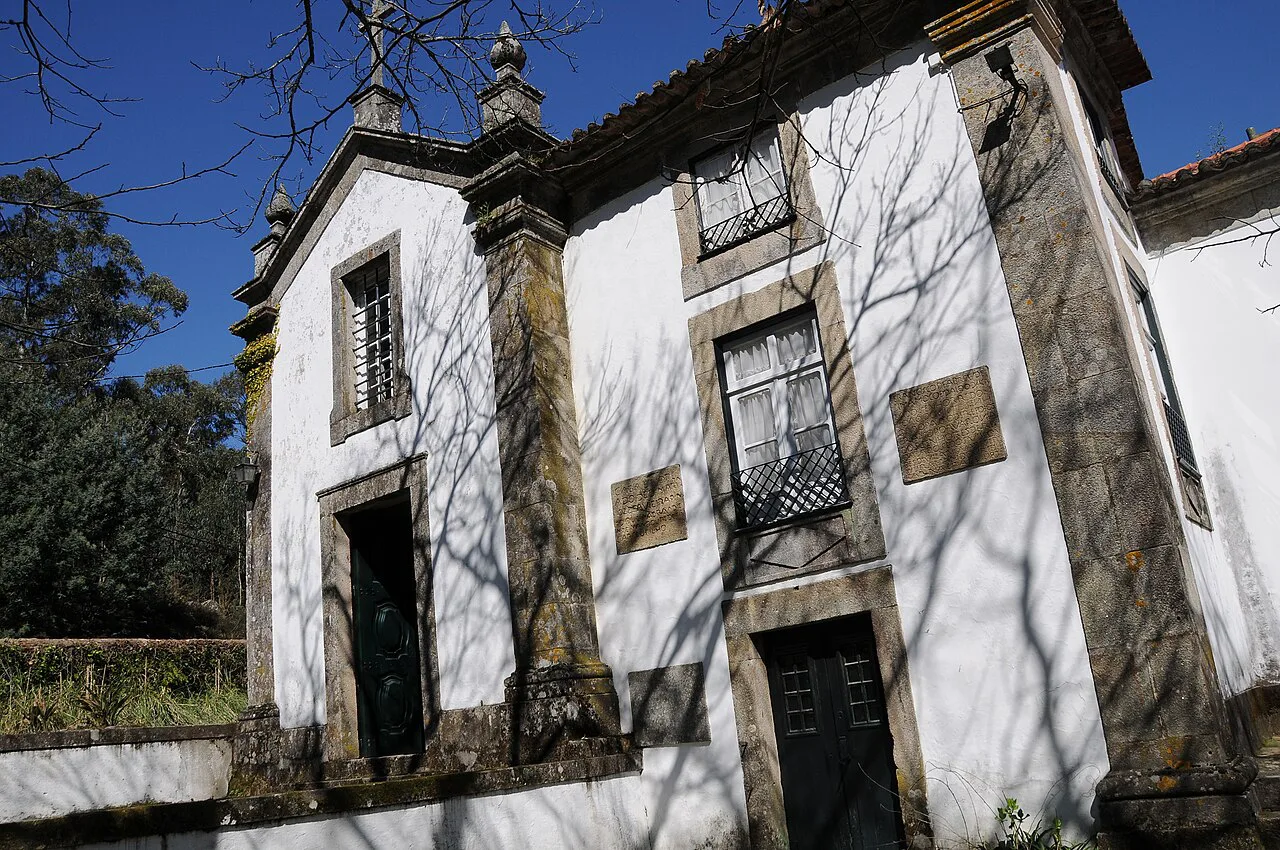
Ponte de Lima is the quiet, small-scale option in the north, known as the oldest small town in Portugal and built around its Roman bridge over the Lima. It suits travellers who want a slow half-day of river walks and old streets rather than a monument-heavy schedule.
The honest trade-off is scale. Ponte de Lima does not fill a day on its own for most visitors, but paired with Viana do Castelo it makes an easy northern loop with very different scenery from Braga and Guimarães. It is the town to pick when you want the Minho's green, river-fed landscape rather than another granite old quarter.
Amarante: the São Gonçalo bridge and river setting
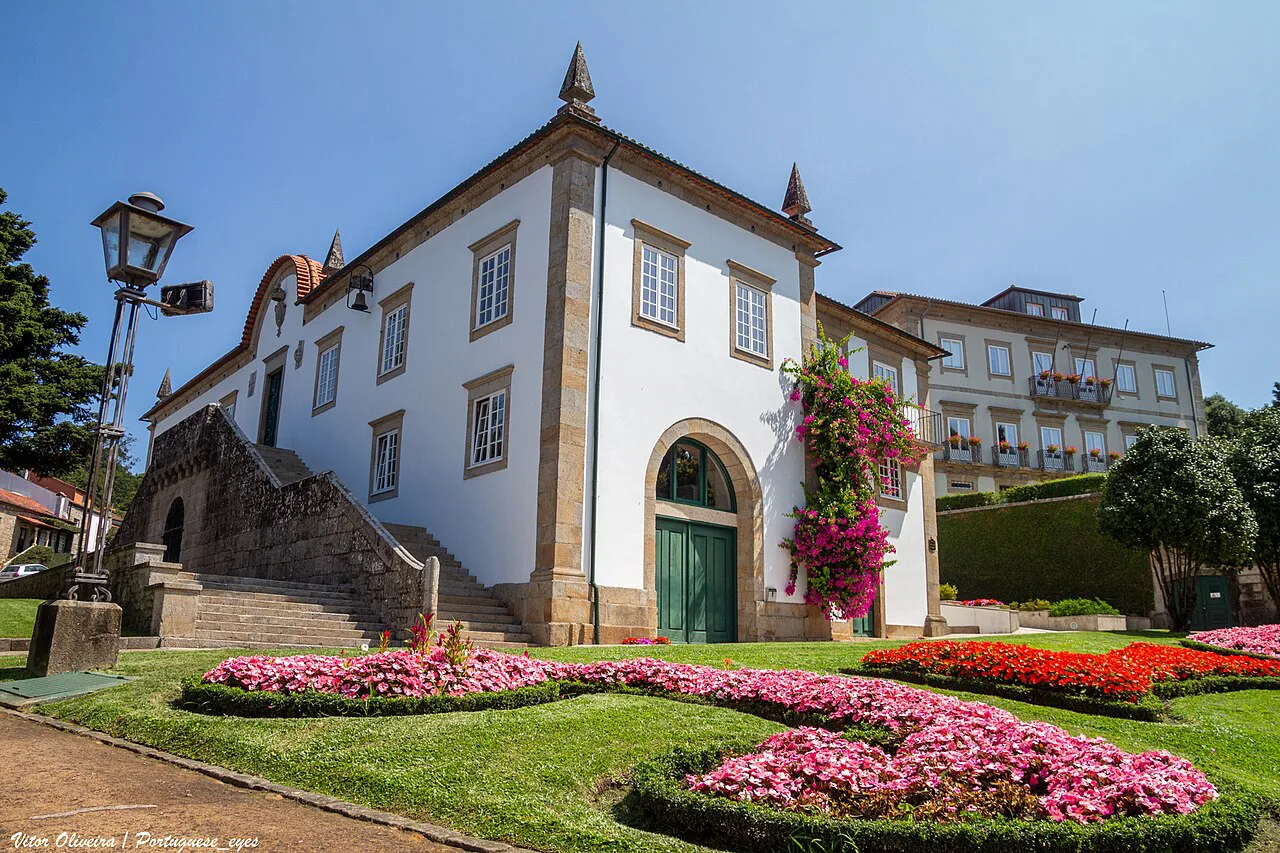
Amarante sits on the Tâmega river, and its defining view is the old bridge of São Gonçalo with the church and convent behind it. The town is small and the pleasure is the riverfront and the walk across the bridge, so treat it as a gentle half-day rather than a destination in its own right.
Its position between Porto and the Douro makes it useful as a stop rather than a base. If your itinerary already includes Guimarães and Braga, Amarante is the one to drop when time is short; if you want a slower pace and a river setting, it earns its place.
Barcelos: the town of the cockerel
Barcelos is the town of the cockerel, the brightly painted ceramic bird that has become a symbol of Portugal. The old centre and the riverside are the places to walk, and the town is close enough to Porto to work as a half-day.
It suits travellers who want a working Portuguese town rather than a museum piece, and it combines easily with Braga or Guimarães on the same day. If Barcelos is the reason for your stop, build the rest of the route around what you most want to see there rather than around a fixed timetable.
Lamego: the Sanctuary of Our Lady of Remedies
Lamego is the Douro's baroque showpiece, and the Santuário de Nossa Senhora dos Remédios is the reason to come: a pilgrimage church reached by a long, tiered staircase that is one of the north's great set pieces. The town below has a cathedral square and a compact old centre, and the whole visit fits comfortably into a day.
Lamego is the natural town stop on a Douro Valley itinerary, which is UNESCO-listed for its terraced vineyards and river scenery. Rather than treating the valley as a scenic drive, base yourself here for a night and climb the staircase in the morning before the day-trippers arrive.
Bragança: the castle in the far north-east
Bragança is the far north-east's fortress town, with a castle that dominates the old quarter and a setting in the wild Trás-os-Montes region. It is the most rewarding town for travellers who want distance and emptiness: the drive there is part of the point, and the castle and walled centre justify an overnight rather than a flying visit.
The trade-off is straightforward: Bragança is a long way from Porto, so it belongs on a longer trip through the north-east rather than a Porto-based short break. If you have only three days, choose Braga and Guimarães and leave Bragança for a return visit.
Nearby, the granaries at Lindoso and Soajo are among the region's distinctive sights for anyone already heading this far east.
Chaves: Roman roots and hot springs in the Trás-os-Montes
Chaves sits in the Trás-os-Montes near the Spanish border, with Roman origins and thermal springs that have drawn visitors for centuries. The old town and its Roman bridge give it a different feel from the Minho's granite squares, and it pairs naturally with Bragança on a north-east loop.
Like Bragança, Chaves is a long haul from Porto and works best as part of a multi-day eastern route. Travellers deciding between the two should pick Bragança for its castle and Chaves for its spa-town atmosphere.
How to reach the northern towns from Porto
Porto is the gateway for all of these towns, and the Douro line is one of the most scenic rail routes in Europe, following the river towards Peso da Régua and Pinhão. The Douro Valley has been UNESCO-listed since 2001, and the train journey and the drive are both considered among the continent's finest.
For the Minho towns, road and rail radiate from Porto, with Braga and Guimarães closest and Viana do Castelo and Ponte de Lima further north. Bragança and Chaves are the outliers, better reached as a loop than as day trips. Confirm current timetables with the operator before committing to a tight schedule.
Which town suits a one-day visit and which needs two
One day is enough for Ponte de Lima, Amarante or Barcelos, and enough for Viana do Castelo if you skip the sanctuary hill. Braga and Guimarães each reward a full day, and Guimarães in particular needs time because the pleasure is in the streets rather than a single monument.
Two days suits a Braga and Guimarães combination, or a Viana do Castelo and Ponte de Lima loop, or Lamego plus a Douro drive. Bragança and Chaves are overnight towns, not day trips, because the distance from Porto is the constraint rather than the sightseeing.
Choosing between a town and the Douro or Peneda-Gerês
The real choice in northern Portugal is not which town but whether to spend your days in towns at all. The Douro Valley offers terraced vineyards and river views, and Peneda-Gerês is a protected mountain landscape with rivers and wildlife. Both are stronger than any single town for scenery, and weaker for the compact, walkable old quarters that make town visits easy.
A sensible split for a four-day trip is two days of towns and two of landscape, with Lamego as the hinge between them. Travellers who want monuments and architecture should stay with Braga, Guimarães and Viana do Castelo; those who want the north's emptiness should head east to Bragança and the Trás-os-Montes.
Which northern town to book first
Start with Braga and Guimarães if you have two or three days, and add Viana do Castelo or Ponte de Lima if you have a fourth. These four give you the north's range — baroque pilgrimage, medieval granite, Atlantic coast and river town — without long transfers.
Save Lamego for a Douro trip, Barcelos for a market half-day, and Bragança and Chaves for a longer eastern journey. If you are comparing northern towns with the rest of the country, the same logic applies: pick one or two places and give them a full day rather than collecting six in a week.
Explore more Portugal guides
Frequently Asked Questions
What are some good towns near Porto, Portugal?
Braga and Guimarães are the closest and the most rewarding, with Barcelos and Amarante working as half-day stops. Viana do Castelo and Ponte de Lima are further north but still manageable from Porto as part of a two-town loop.
Which part of Portugal is the most beautiful?
Northern Portugal is the strongest region for travellers who want historic towns, green river valleys and mountain scenery in one trip. The Douro Valley is UNESCO-listed for its terraced vineyards, while the Minho and Trás-os-Montes offer very different landscapes within a few hours of each other.
What should you not miss in Portugal?
In the north, Bom Jesus do Monte above Braga, the medieval centre of Guimarães and the baroque staircase at Lamego are the sights that justify the journey on their own. Each rewards a full day rather than a rushed stop.
Sources
Notes for your next Portuguese break
Optional updates to our town guides.
You might also like



Continue reading
More guides you'll find useful