Historic Villages of Portugal: Which to Visit and How to Plan
The 12 Historic Villages of Portugal span the central interior. See which villages to pick, what each is known for and how to link them on a short break.
On this page
The Historic Villages of Portugal are a network of 12 villages in the central interior, spread over 10 municipalities and run under a single tourism brand. For a short break of one to four days, pick two or three villages in one corridor rather than attempting the whole network. This guide sets out which village suits which kind of traveller, how each one is laid out, what to look for on the ground and how to string them together by car.
What the Historic Villages of Portugal network is
The network is managed by the Aldeias Históricas de Portugal – Associação de Desenvolvimento Turístico, a non-profit private association created in 2007 and based in Belmonte. The 12 villages are Almeida, Belmonte, Castelo Mendo, Castelo Novo, Castelo Rodrigo, Idanha-a-Velha, Linhares da Beira, Marialva, Monsanto, Piódão, Sortelha and Trancoso. They sit in the municipalities of Almeida, Arganil, Belmonte, Celorico da Beira, Figueira de Castelo Rodrigo, Fundão, Idanha-a-Nova, Mêda, Sabugal and Trancoso.
The brand groups places that share granite or schist building traditions, castle walls and a position on Portugal's old border country, and its strategy centres on cultural heritage and local products. Treat the list as a practical shortlist rather than a tick-list: every village is a real settlement with its own character. Other celebrated medieval towns such as Óbidos, Monsaraz and Marvão lie outside the network's 12 named villages.
Which villages to pick for a short break
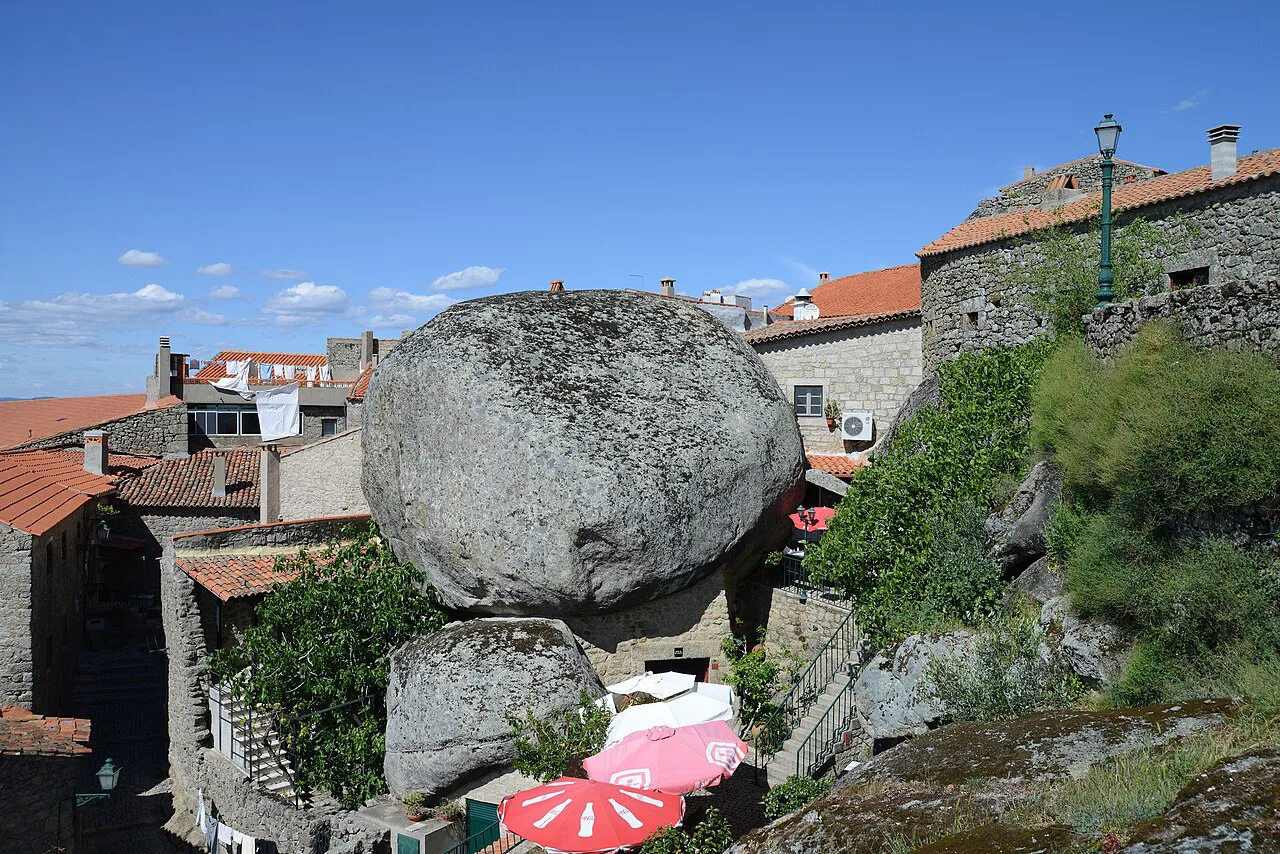
Granite strongholds such as Sortelha, Castelo Rodrigo and Marialva give you walls, keeps and stone streets; schist villages such as Piódão give you dark, terraced hillside architecture. Border fortresses and planned towns such as Almeida and Belmonte add a different story — sieges, defences and communities — and Castelo Novo mixes a slope on the Serra da Gardunha with civic buildings and fountains. Pick by character, not by distance alone.
The honest trade-off is distance: 12 villages across 10 municipalities means no short break can cover the whole network. A sensible plan is one cluster per day, with a base town for the night. A single day can hold two villages within 20 to 30 minutes' drive of each other; four days lets you spread into three or four zones without spending the break in the car.
Monsanto: the village built around its boulders
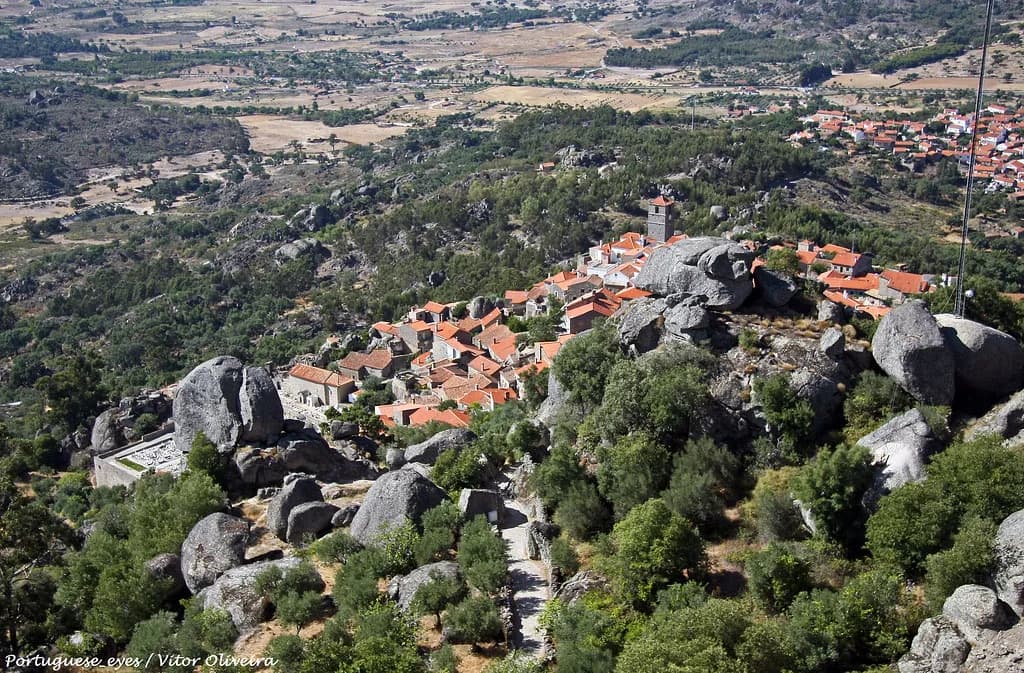
Monsanto is the village that grew around its boulders, with houses threaded between the rocks rather than cleared away from them. Its granite outcrop gives long views over the surrounding countryside, and the streets reward slow walking rather than a quick loop. For a detailed look at which lanes, viewpoints and gates to seek out, see our guide to Monsanto, Portugal.
A village wrapped around rock means steps, uneven paving and a steep approach on foot, so travellers with limited mobility should plan to see the lower lanes rather than the summit. Give Monsanto half a day, including time to sit in a square and eat, and pair it with Castelo Novo or Marialva in the same day if you are driving the central corridor.
Sortelha: the walled village where houses sit inside the defences
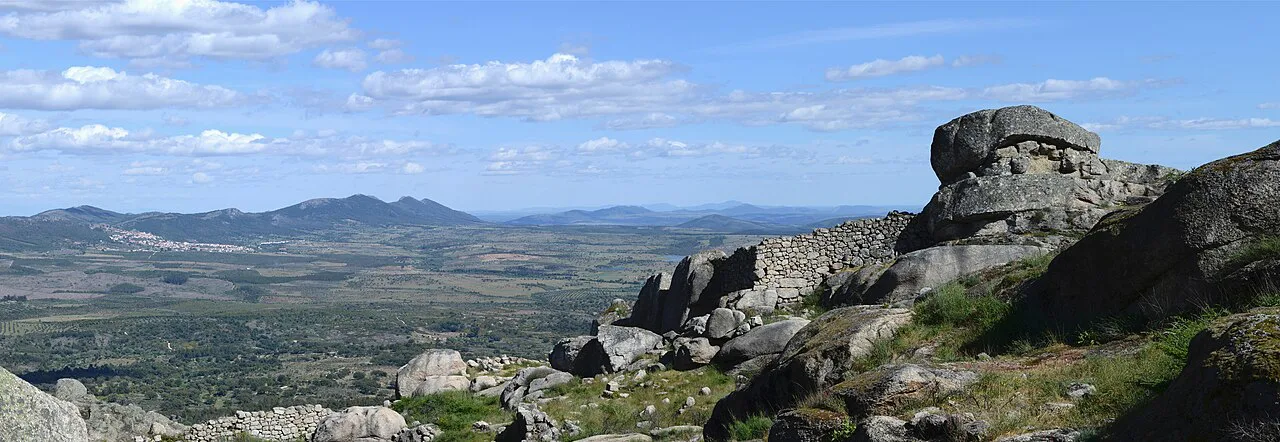
Sortelha is one of the best-preserved medieval villages in Portugal, and its streets and granite houses sit inside the defences rather than spilling out below them. The castle is the anchor, and a short circuit of the walls shows how compact the village really is. Whether you plan a half-day or an overnight, our guide to Sortelha covers the walls, streets and the view back over the rooflines.
Belmonte: the Land of the Jews and the Cabrais
Belmonte is known as the Land of the Jews and the Cabrais, and it sat on a defensive line protecting the Alto Côa before the Alcanizes Treaty of 1297. That double identity — a Jewish heritage and a noble family — gives the village more to read than a single set of walls. Use Belmonte, Portugal, as your detailed plan for the village's historic centre and its castle.
Belmonte makes a sensible base for the network's eastern villages, and it is the association's own home. From here you can reach the border country and the Côa corridor without relocating each night, which is the single biggest time-saver on a short trip.
Castelo Rodrigo: medieval outlines inside imposing walls
Castelo Rodrigo still keeps its medieval outline, surrounded by walls that recall a history divided between both sides of the border. It is a compact village, so a visit is mostly a walk through gates, uphill lanes and viewpoints rather than a museum circuit. The border position and the long view from the walls are the reason to include it on a route through Figueira de Castelo Rodrigo.
Almeida: the fortified stronghold on the Côa plain
Almeida sits on a vast high plain overlooking the Côa River and was one of Portugal's most important strongholds in the modern age. Walk the defences first to understand how the town was enclosed and defended, then go inside to see the grid of streets within.
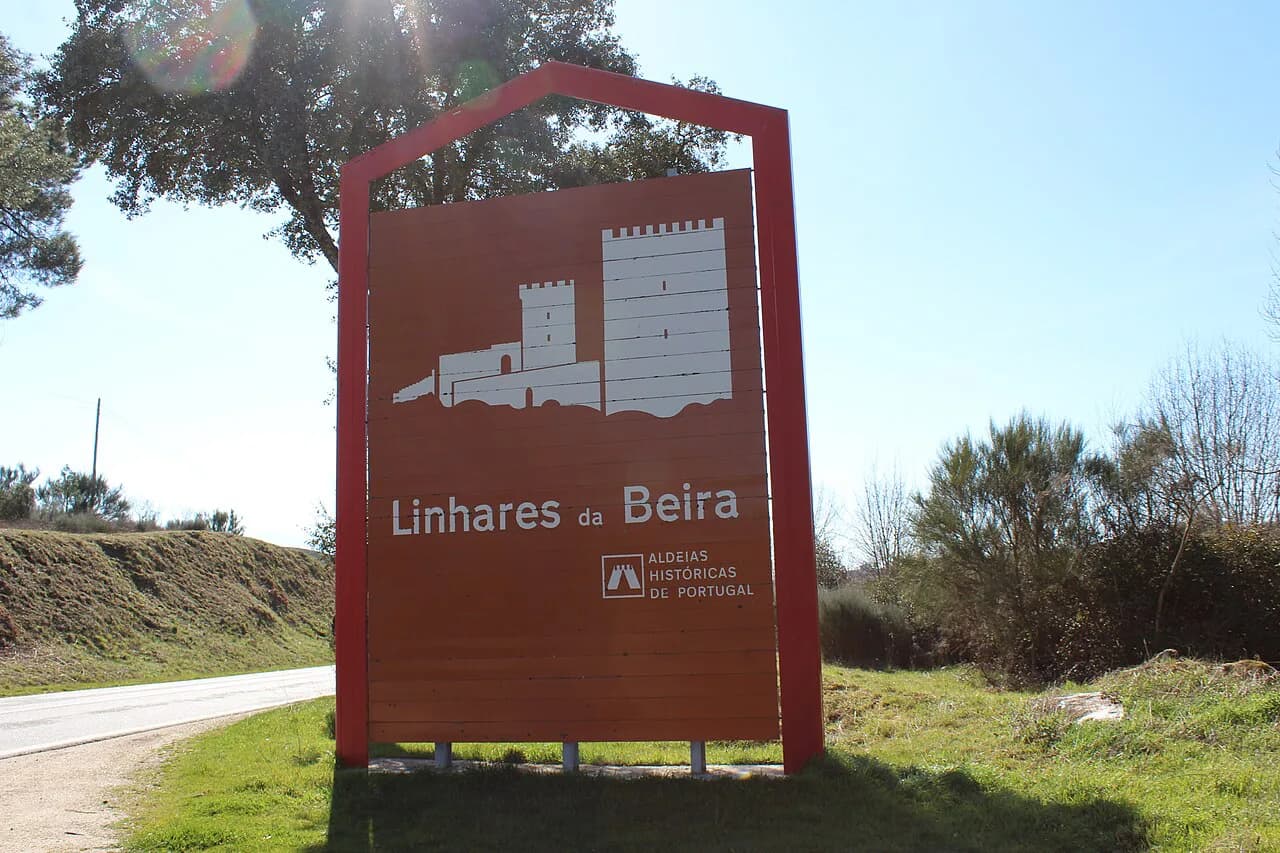
Linhares da Beira: a castle on the Serra da Estrela slope
Linhares da Beira rises on the northwest slope of Serra da Estrela, and its castle was built during the reign of King Dinis, making it the village's calling card. A short stroll takes in the castle and a museum village that tells its own story through its architecture. Approach from the valley side to appreciate the slope the village was built on, and set aside half a day for the walk and the views.
Marialva: castle, walls and keep rising from the rock
Marialva is about 7 km from Mêda and rises like a memory from medieval times, with its imposing castle, walls and a solid keep rising from the rocks. The village is divided into parts, including the town within the castle walls and the medieval hamlet further away, so a visit involves moving between them rather than one continuous stroll. See both the defensive core and the lower settlement for a complete picture.
Castelo Novo: squares, fountain and the Serra da Gardunha slope
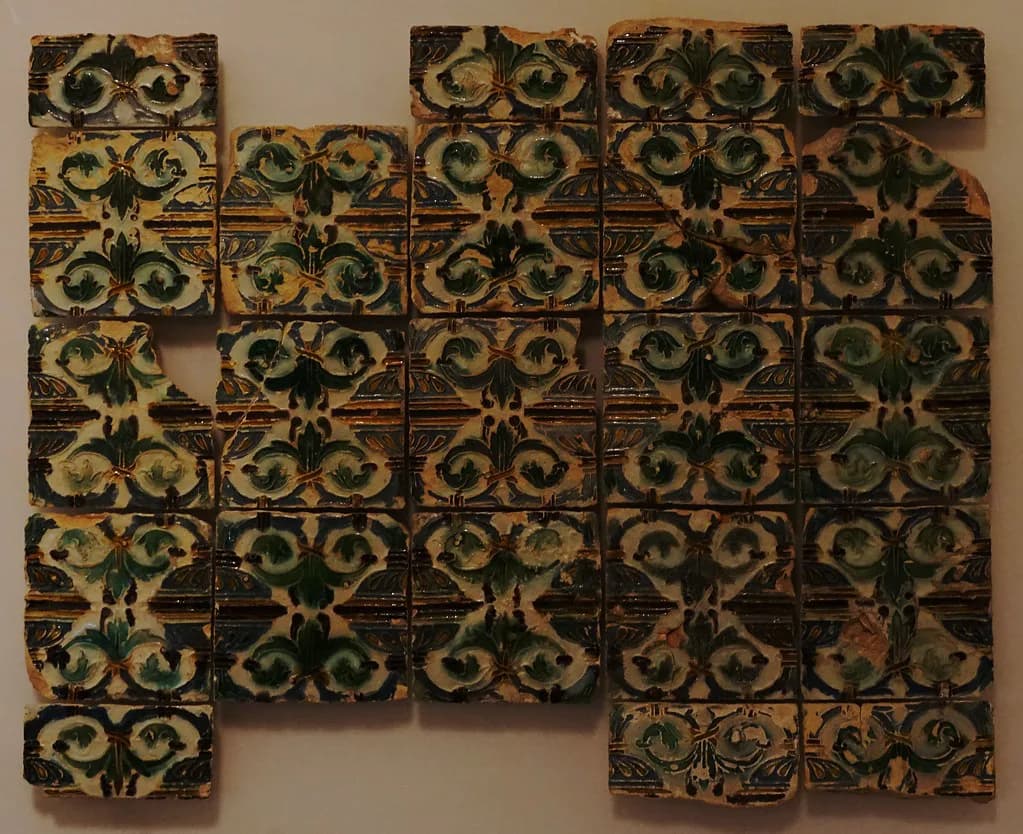
Castelo Novo spreads around the slope of the Serra da Gardunha, with narrow streets that curl up toward the keep, in the way of many raia beirã towns. The smallest details are the point: Largo do Pelourinho, Largo da Bica, the town hall, the jail and the fountain. A loop from the lower square up to the keep and back takes in the village's granite fabric. If the painted tiles inside some of these civic buildings catch your eye, our guide to azulejos in Portugal explains their history and where to see them statewide.
Piódão and the remaining network villages
Piódão stands apart in character as a schist village in the Serra do Açor, and it makes the clearest case for a fourth day if you have one. Its dark stone terraces and hillside position contrast sharply with the granite strongholds to the east, so include it as a separate leg rather than a village that slots into an eastern corridor. Our Piódão: What to See in Portugal's Schist Village of the Serra do Açor guide covers the streets, the church and the approaches.
Idanha-a-Velha, Castelo Mendo and Trancoso round out the network and sit closest to the eastern corridor. Idanha-a-Velha has Roman and Visigothic layers, Castelo Mendo is a tiny border settlement, and Trancoso is a larger town with its own historic centre rather than a walled hamlet. Fit these into a second day rather than stretching your route to include everything.
How the villages are laid out and how long each takes
Most of these villages are compact enough to walk from one gate to the other in under half an hour, but that is not the same as seeing them. Cobbles, steps and slopes define the older centres, so comfortable shoes matter more than any ticket. Plan two to three hours per village for a proper look, and half a day for any village with a castle to climb.
Park outside the walls wherever you see designated parking, because driving a car into a walled village is rarely practical. The reward for walking is finding the quieter squares, the fountain or the pelourinho that give each village its specific character. A slower pace also lets you stop for a coffee or a meal in the village itself rather than driving on to the next one.
Getting around the central interior by car
The villages are spread across the central interior, and a car is the realistic way to link them; the association itself publishes practical pages for reaching the network. Base yourself in one place — Belmonte in the east and Castelo Novo or Fundão in the south are workable — and drive out each day rather than changing hotels. Fuel up in the larger towns, as filling stations thin out between villages.
Roads between villages are often narrow and winding, so keep daily driving to a realistic total. A route that links Castelo Novo, Monsanto and Marialva in one day is feasible if you start early; adding Almeida as well will leave no time in any of them. Build your route around one or two adjacent villages each day and leave the rest for another trip.
Where the villages sit against Óbidos, Monsaraz and Marvão
Óbidos, Monsaraz and Marvão are often lumped in with Portugal's medieval villages, and all three are rewarding in their own right. But they are not members of the Historic Villages of Portugal network, which is why a route built from the network's list looks different from the usual short-break itinerary. Choose the network for a central-interior trip and treat the others as separate destinations.
Marvão is a different Alentejo from the plains and can be combined with Castelo de Vide if you are heading south, while Óbidos is a well-known walled town closer to Lisbon. These are worth a dedicated stay rather than a rushed addition to a network route. For a separate plan, see our guide to Marvão: Portugal's Walled Hilltop Village and Castle.
What to eat and where to stop
A food culture built on mountain produce and local baking runs right through this region. The snack to look for in Castelo Novo is the famous pumpkin pastry, alongside the typical goat's cheese made in the area. Pair a coffee or a snack with the villages you came to see, rather than driving on to the next one.
Which two villages fit your break
If you have one day, choose a pair that shares a walled or fortress character: Sortelha and Castelo Rodrigo, or Castelo Novo with Monsanto. If you have three or four days, add Almeida, Marialva and Linhares da Beira, and consider a fourth day for Piódão and the schist country. Base yourself once, drive one corridor per day and leave the far side of the network for a second visit.
Before you set out, confirm the current opening arrangements for any castle, monument or museum you intend to visit, since the network's pages do not list them all. Checking the association's guide and local contacts a week ahead is the practical way to avoid an unexpected locked gate.
Explore more Portugal guides
Frequently Asked Questions
Are Óbidos, Monsaraz and Marvão part of the Historic Villages of Portugal?
No. The network's 12 members are Almeida, Belmonte, Castelo Mendo, Castelo Novo, Castelo Rodrigo, Idanha-a-Velha, Linhares da Beira, Marialva, Monsanto, Piódão, Sortelha and Trancoso. Óbidos, Monsaraz and Marvão are separate medieval towns and make their own trips.
How many days do you need for the Historic Villages of Portugal?
Two or three villages a day is a comfortable pace if you group neighbours, so a two-day trip covers four or so villages and a four-day trip covers the main eastern and southern groups. Trying to see all 12 in one short break means too much driving between Mêda, Sabugal, Fundão and Arganil.
Do you need a car to visit the villages?
A car is the practical way to travel between villages spread over 10 municipalities in Portugal's central interior. Use a larger town such as Belmonte or Castelo Novo as a base and drive one cluster each day, keeping the daily driving distance modest.
Sources
Notes for your next Portuguese break
Optional updates to our town guides.
You might also like
Continue reading
More guides you'll find useful