
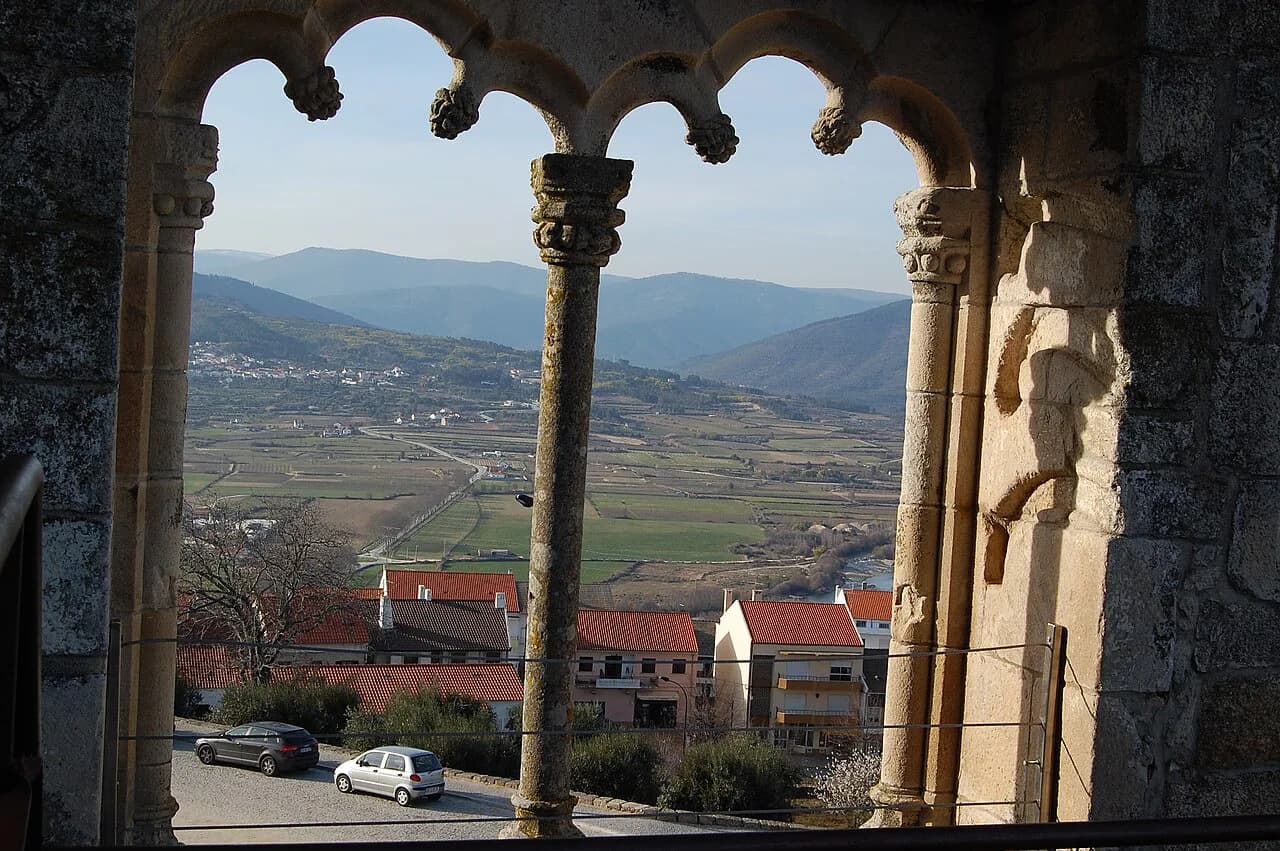
Belmonte, Portugal: A Short-Break Guide to the Jewish Town
Plan a short break in Belmonte with the castle, its Jewish heritage and the Cabral birthplace, plus honest timing from Covilhã or Guarda.
On this page
Belmonte needs half a day, not two nights. The small hill town in the Beiras is known above all for a Jewish community that preserved its traditions in secret across centuries, and for the castle and walls that sit over its old centre. This guide covers the castle, the Jewish heritage, the Cabral birthplace and how to slot Belmonte into a short break from Covilhã or Guarda.
Belmonte sits in the Côa country of the Beiras, within the defensive line that guarded this borderland before the Treaty of Alcanizes in 1297, as the Centro de Portugal describes it. That position explains the castle and the compact, sloping old town rather than any grand city layout. Its size is the point: everything in the historic centre is walkable.
The one thing Belmonte is known for
Belmonte is known for its Jewish community, which kept its traditions alive in secret during the centuries of the Inquisition. The town is also the birthplace of the navigator Pedro Álvares Cabral, which gives it a second, very different claim on a visitor's time. Treat these as two separate visits on two different parts of your day.
The Jewish story here is a matter of historical record and living memory, not a folk attraction. Approach the museum and the old Jewish quarter as you would any working heritage site: quietly, and without expecting to meet or talk to community members. What you can see is the built fabric of the town and the interpretation the museum provides.
How Belmonte is laid out
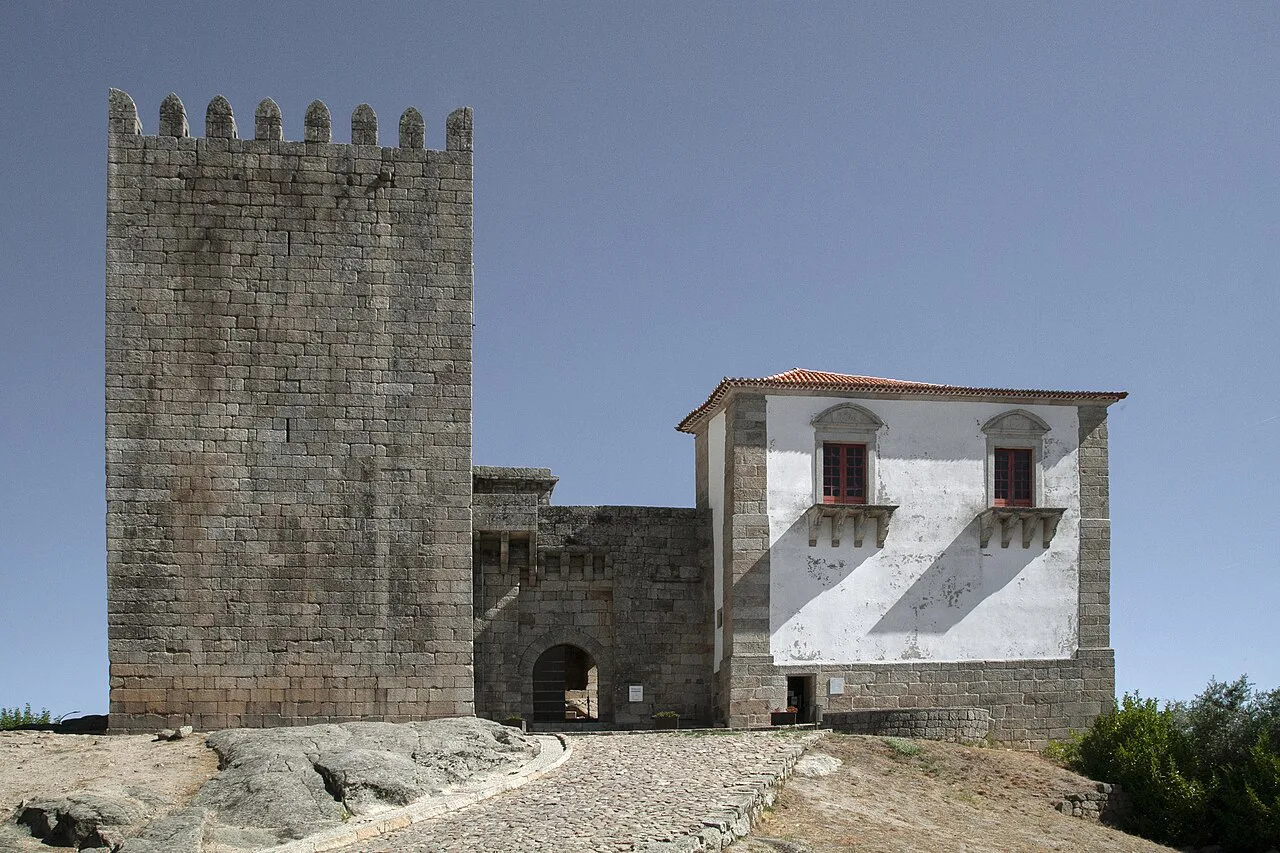
The town climbs a slope, with the castle at the top and the old centre falling away below it. The historic core is compact enough to cross on foot in a couple of hours at an unhurried pace, including stops. Streets are steep and paved with stone, so wear shoes with grip rather than smooth soles.
Plan your walk as a loop: castle first while your legs are fresh, then the old centre and the Jewish heritage sites, then the Cabral birthplace if it is on your list. Because the town is small, you will pass the main squares more than once, which makes it easy to double back if something is shut when you arrive.
Belmonte Castle and the walls
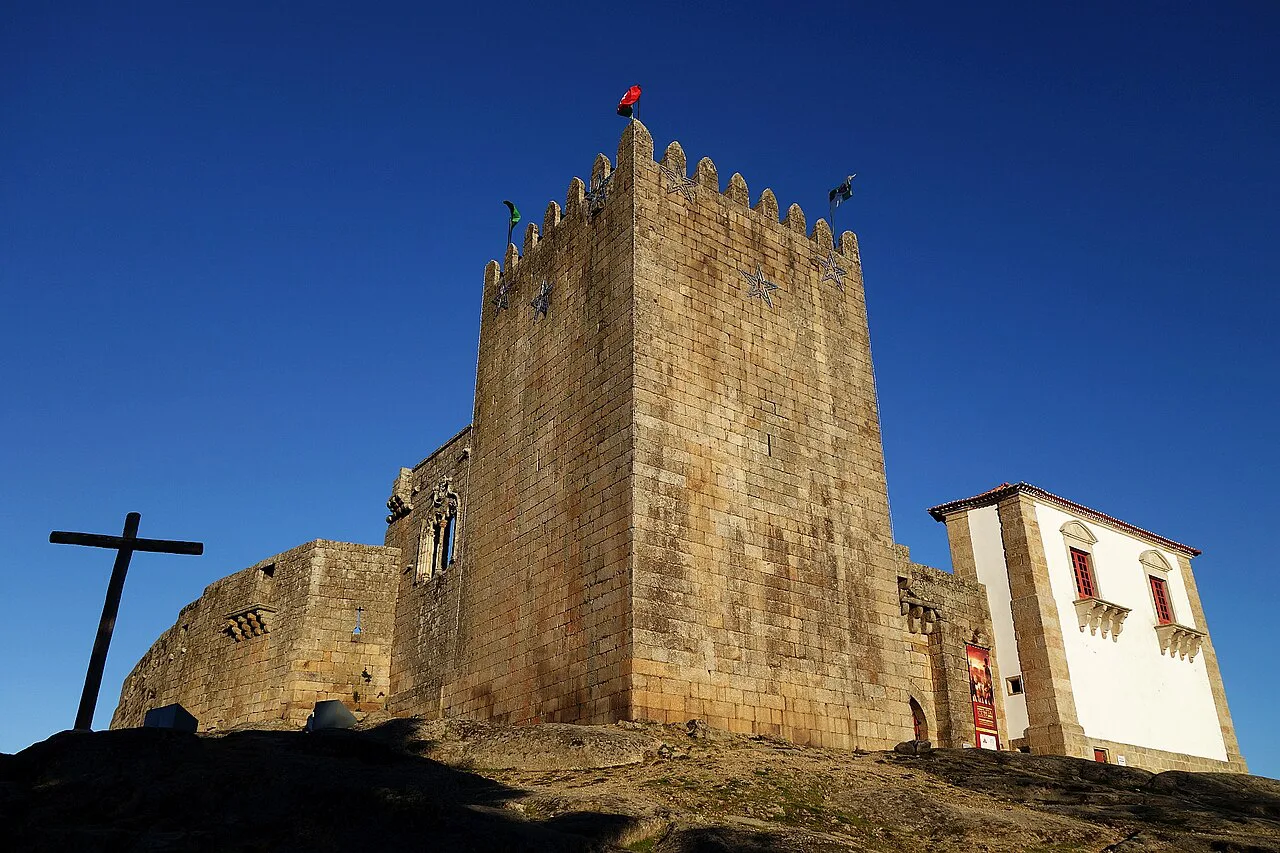
The castle is the visual anchor of the town and the reason the skyline reads as medieval from a distance. Set your expectations honestly: this is a short visit, not a half-day monument on the scale of the great monasteries. Come for the walls, the views over the Côa country and the sense of the defensive line this town once formed.
If you have seen the big Cistercian set pieces of the region, calibrate accordingly. The Monastery of Alcobaça, for instance, preserves its church, cloister, sacristy, chapter house, dormitory, refectory and an 18th-century kitchen with a 26-metre chimney, which is a different order of sightseeing entirely. Belmonte's castle is best enjoyed as a brisk, atmospheric stop.
Opening times for the castle are not something to guess at, and they vary through the year at comparable monuments in the region. Check the castle's own listing or the municipal tourism office for the day you plan to visit, and build the rest of your walk around whatever slot you get.
Jewish heritage in Belmonte
The Jewish museum is the place to start if you want the community's history explained properly. Give it a proper hour rather than tacking it onto the castle visit, because the story it tells deserves attention and the displays reward slow reading. Check the museum's own published hours before you set out, since small museums keep limited days.
Combine the museum with a walk through the old Jewish quarter, where the street pattern and the position of the houses tell you something the labels cannot. The town's Jewish identity has also made it a reference point for Jewish travel in Portugal, which is why Belmonte appears on itineraries alongside places such as Castelo de Vide, where the Museum of the Synagogue and the castle cover a related story.
The Cabral connection
Pedro Álvares Cabral, the navigator credited with the Portuguese landfall in Brazil in 1500, was born in Belmonte, and the family house is the town's other headline sight. For visitors it is a short, focused visit that gives the town a second layer beyond the medieval and the Jewish. If you have an hour to spare after the castle, this is the obvious way to spend it.
It also makes Belmonte a stop for travellers following the Portuguese age of discovery rather than the castle trail, so the town draws two quite different kinds of visitor. That mix is worth knowing when you plan: the centre can feel busier than its size suggests on a fine weekend.
How much time Belmonte needs
Half a day covers Belmonte comfortably: the castle, the old centre, the Jewish museum and the Cabral house. A full day only makes sense if you want a long lunch, unhurried museum time and a slow wander through the streets. If you are building a short break, give Belmonte a morning and use the afternoon for a nearby village.
The main constraint is not distance but opening days. Small Portuguese museums and monuments often keep limited hours, so lining up the castle, the museum and the Cabral house on the same day takes a bit of checking. Ring-fence the Jewish museum for the part of the day when it is definitely open, then fit the castle around it.
Getting there without a car
Covilhã and Guarda are the practical arrival hubs for Belmonte in the Beiras, and both have rail connections. Coming from Lisbon or Porto by train puts you in this corridor, from which you reach Belmonte by local bus or a short taxi ride. Check the current bus timetable with the operator or the local tourism office before you commit, because rural services are thin.
With a car, Belmonte is straightforward and you gain the freedom to combine it with other villages in a single loop. Without one, base yourself in Covilhã or Guarda and treat Belmonte as a half-day outing rather than a place to stay. Either way, do not plan to arrive late in the day and expect everything to still be open.
Where Belmonte fits with the nearby villages
Belmonte belongs to the same borderland world as the historic villages of Portugal, the walled and fortified places strung along the old frontier. Pair it with one of them rather than trying to collect several in a day. The distances look short on a map but the roads are slow and the walking inside each village takes longer than you think.
Monsanto is the obvious companion if you want dramatic granite scenery and a village that clings to its hillside, and it makes a natural second stop on a driving day. Trancoso, with its medieval centre, is the other sensible pairing. Choose one of the two, not both, if Belmonte is your morning.
If the schist villages of the Serra do Açor appeal more than the castles, Piódão is a rewarding detour inland, reached by steep roads and best seen on foot once you park. Its schist houses, slate roofs and stair-linked lanes are the draw, and the village also has a museum. That is a full day in itself, so do not stack it on top of Belmonte.
Money and timing in Belmonte
Ticket prices for the castle, the Jewish museum and the Cabral house are modest, as they are across this part of the Beiras, but they change and they are set by each site. Confirm the current entry fee at the door or on the museum's own page rather than relying on an old figure.
Opening days are the thing that trips people up. Build your day around the fixed points you have verified, keep the castle flexible and leave slack for a closed door. A short break here rewards a little forward planning far more than a packed itinerary.
If you are extending your trip across the region, it helps to know the wider pattern of the centre of Portugal before you book. The same logic of short visits, slow roads and limited opening days applies whether you are in Belmonte or at Almourol Castle on its island in the Tagus, which the official tourism page says can be visited every day of the week, with boats departing from Tancos hourly within set seasonal windows.
Is Belmonte worth half a day?
Yes, as half a day rather than a base. Belmonte gives you a castle, a Jewish museum and a navigator's birthplace in a compact old centre you can walk in a morning. Its value comes from pairing it well, not from stretching it out.
Base yourself in Covilhã or Guarda, verify the museum and castle hours for your dates, and pair Belmonte with one nearby village rather than three. If you are touring the region's walled places more broadly, the same planning logic runs through the historic villages of Portugal as a whole.
Explore more Portugal guides
Frequently Asked Questions
How do you pronounce Belmonte?
In Portuguese, Belmonte is stressed on the second syllable: bel-MON-tê, with a closed final vowel that sits between an English 'e' and 'ay'. The 'l' is light, closer to a soft 'w' sound than the heavy English 'l'. English speakers who say bel-MON-tay will be understood perfectly well.
Where do most Jews live in Portugal?
The main Jewish centres in Portugal today are Lisbon and Porto, which have the largest communities, while Belmonte is known for its historic community that kept its traditions in secret. For anything beyond that, check with the community organisations themselves rather than relying on travel descriptions.
Is Monsanto, Portugal worth visiting?
Yes, if you like granite hill villages and dramatic scenery. It works as a natural second stop on a driving day with Belmonte, but the roads are slow and walking inside the village takes time, so do not try to add a third stop. Check opening times for any monument you want to see inside.
Sources
Notes for your next Portuguese break
Optional updates to our town guides.
You might also like



Continue reading
More guides you'll find useful





