Ponte de Lima: What to See in Portugal's Oldest Vila
Plan a short break in Ponte de Lima, Portugal's oldest vila: the medieval bridge, riverside, old streets and Minho food, with honest advice on how long to stay.
On this page
Ponte de Lima deserves a full day, and two if you want the river and the countryside as well as the old streets. It holds the title of Portugal's oldest Vila, a medieval chartered town rather than a modern city, and the town is still shaped by the Lima river and its long medieval bridge rather than by a queue of ticketed monuments. This guide covers the layout, the streets worth walking, where to eat and how the town fits a short Minho break.
Come here as a base for quiet Minho days, not as a day trip bolted onto Lisbon or Porto. The town rewards slow walking: cross the bridge, follow the river, then work back through the lanes to the Largo da Matriz.
Ponte de Lima and its 'oldest Vila' title
Ponte de Lima is known as the oldest Vila in Portugal, and the distinction is administrative rather than romantic. A Vila was a medieval chartered town, a status that predates the modern categories of city and town, so the claim is about the town's charter history rather than about a single ancient street. Visitors should read it that way: a small river town with an unusually old legal identity.
The town sits on the Lima river in the Minho, the green north-west corner of Portugal between Braga and the coast at Viana do Castelo. That position makes it a natural pause on a northern itinerary rather than a destination that needs its own flight. If you are collecting Portugal's historic villages, treat Ponte de Lima as the river-and-bridge counterpart to the granite hill villages covered in the historic villages of Portugal guide.
How the town is laid out around the river
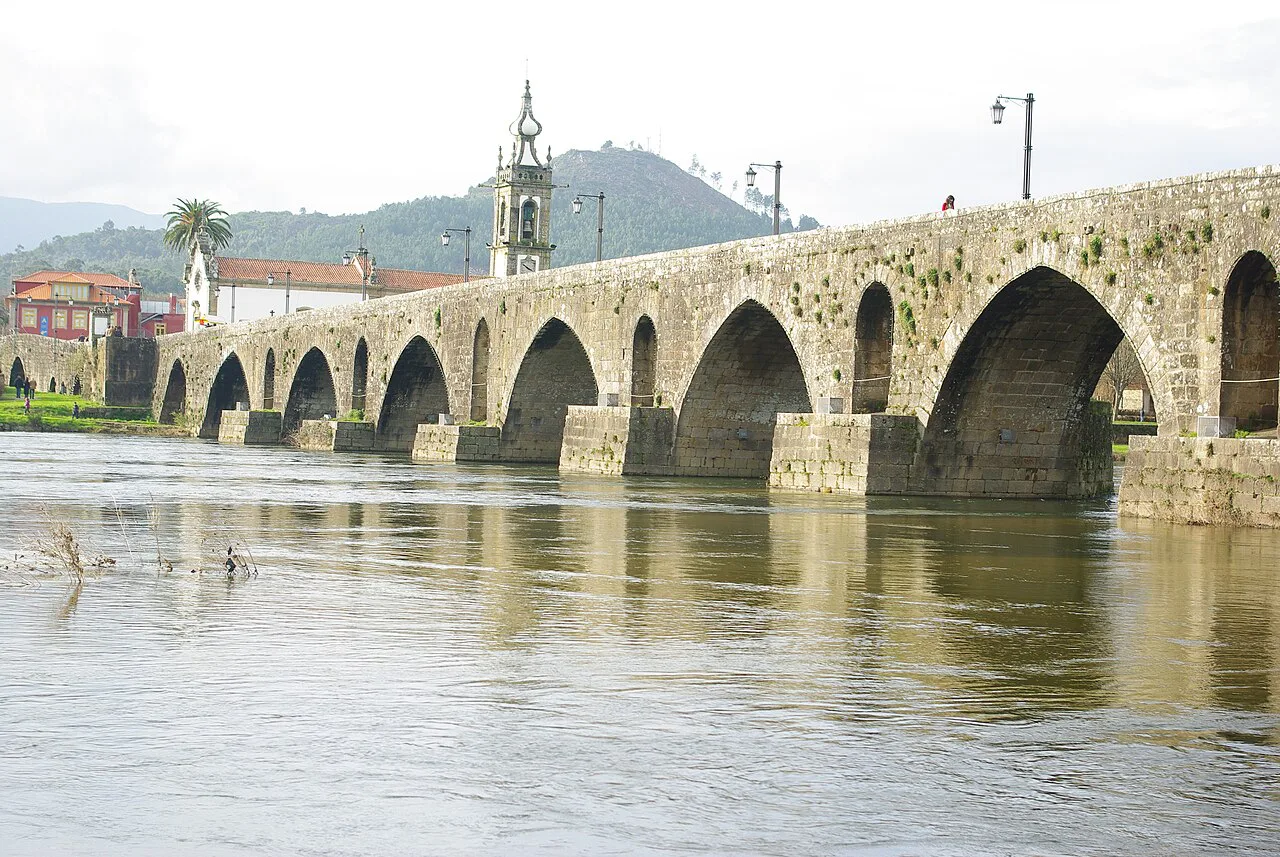
Ponte de Lima has two halves and one spine. The river runs along the south edge of the old centre, the medieval bridge crosses it, and the streets climb gently from the water into the town. Almost everything a short-break visitor wants sits within a compact area, which is why an afternoon can work and why a second day is about depth rather than distance.
Orient yourself by the water first. Walk the riverside in one direction, cross the bridge, and return through the lanes to the Largo da Matriz, the small square at the heart of the old town. From there, Rua Formosa and the surrounding streets carry most of the cafés, restaurants and shops, so it is the obvious place to end a first wander.
The medieval bridge and the riverside
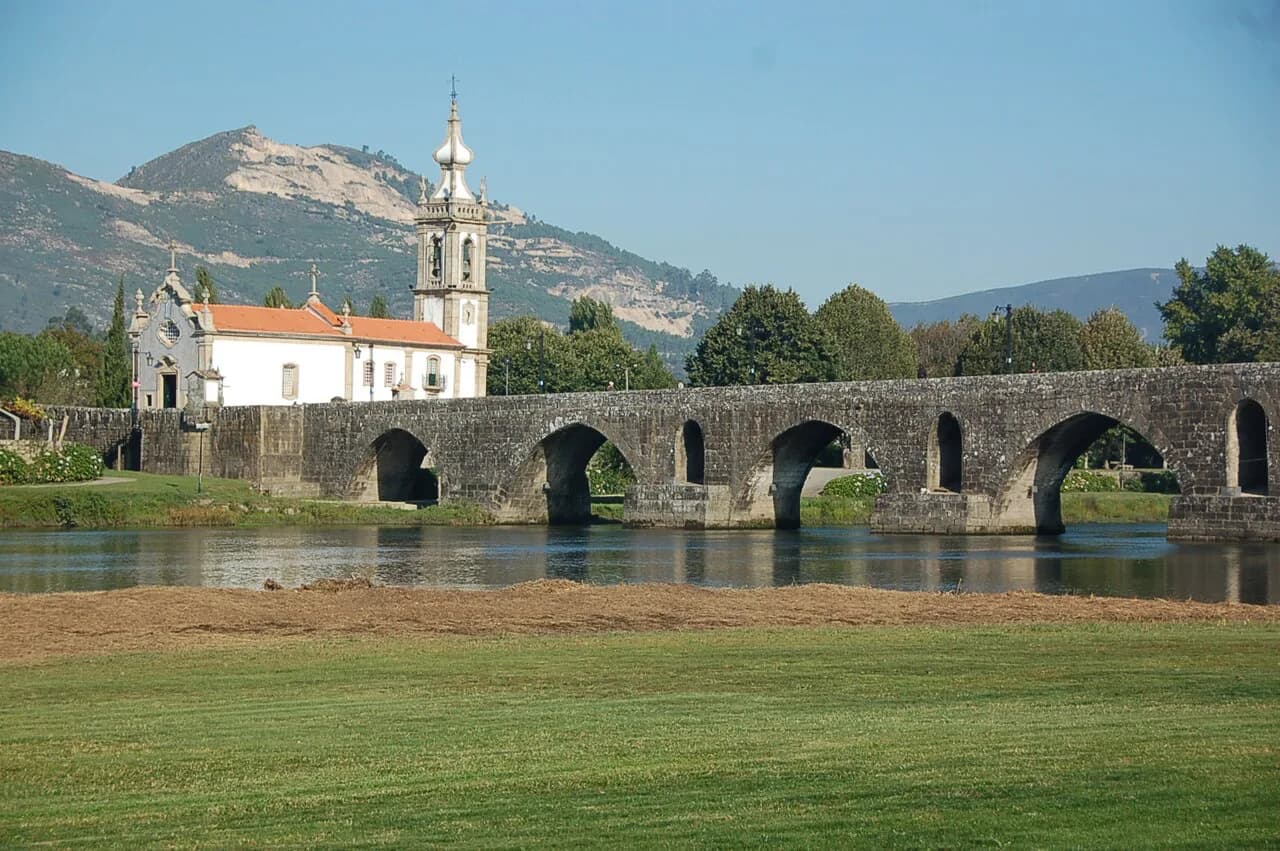
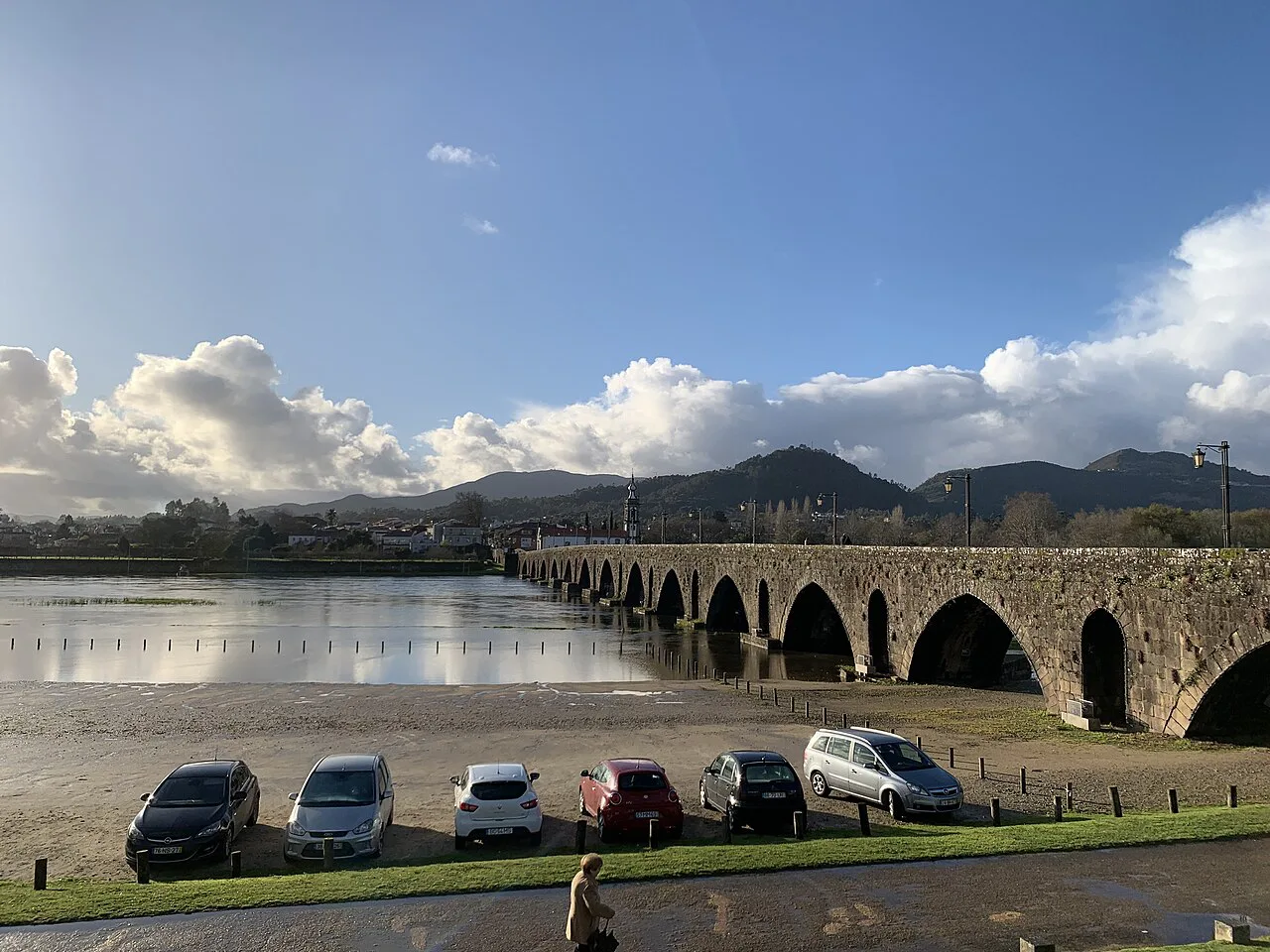
The bridge is the reason to come and the best introduction to the town, a long stone crossing over the Lima. Walking it gives you the classic view back over the houses and the river. Go early or in the late afternoon for the softest light and the fewest people.
On the town side, the riverside along the Lima is the place locals use for an evening stroll, and it is where a short-break visitor should slow down rather than tick off another sight. Allow an hour for the bridge plus the river walk, more if you stop.
The historic centre: Largo da Matriz and Rua Formosa
The old centre is small enough to walk without a map. Largo da Matriz is the anchor, with the parish church on one side and cafés spilling out around it, and Rua Formosa runs away from it with restaurants and small shops on both sides. Several of the town's noted kitchens sit on these two streets or just off them.
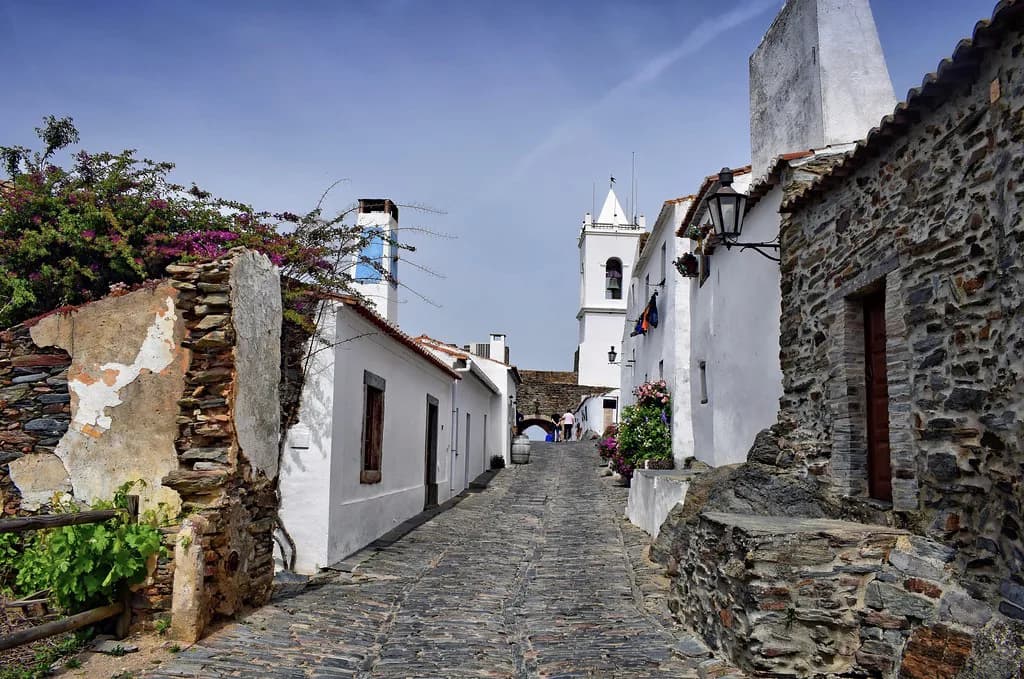
Aim to wander rather than march. The pleasure here is the scale: granite houses, balconies, calçada pavements and a square that still works as a meeting point. If you only have an afternoon, spend it on the bridge, the riverside and this loop rather than trying to reach every chapel.
Churches and religious buildings in the old town
The church on the Largo da Matriz is the natural first stop, since it gives the square its name and its shape. Beyond it, the old centre holds layers of chapels and religious buildings, best found by walking the lanes rather than by following a fixed trail.
Opening arrangements vary from building to building, so check the entrance or the parish notice before you plan a visit around one. The reliable way to see the churches is to pass them during a wander and step in when a door is open, rather than making a church the fixed point of a morning.
How many days Ponte de Lima needs
Give Ponte de Lima an afternoon if the bridge and the old centre are the point, and a full day if you want the riverside, a long lunch and a proper look at the churches. Two days turns it into a base: one day in town, one day in the Minho countryside or the nearby towns.
The trade-off is simple. An afternoon gives you the postcard and a coffee; a full day gives you the pace the town is built for, with time on the river bank and a meal that is not rushed. Anyone who tries to see Ponte de Lima in an hour will remember the bridge and little else.
The riverside gardens and the walk along the Lima
The riverside walk along the Lima is the town's second sight after the bridge, and it is what makes Ponte de Lima more than a photo stop. The paths run beside the water, so it suits a slow hour even on a warm afternoon.
Use the river as your route between the bridge and the old centre rather than walking the same street twice. Cross at the bridge, follow the bank in one direction, then climb back into the lanes by a different street. That loop gives you the water and the town in a single, unhurried walk.
Food in Ponte de Lima: where to eat
Ponte de Lima eats well in the Minho style, and the named kitchens cluster around the old centre. Petiscas sits on Largo da Alegria, Trisabores on Rua da Matriz, and Casa do Folar Limiano on Rua Salvato Feijó. Adega do Espeta is on the N203, and Restaurante A Tulha on Rua Formosa, which keeps it close to the main wander.
For something quick, the pastelarias and coffee shops in the old centre cover breakfast and an afternoon coffee. Try a folar with a coffee rather than a full sit-down meal.
Restaurant timetables in a town this size are not fixed for visitors, so the honest approach is to decide where you want to eat and confirm the day and hours directly before you build an evening around it. Lunch is the safer main meal if you are passing through, with the evening kept flexible.
What it costs in euros
Ponte de Lima is not an expensive town, and most of what you spend goes on food and coffee rather than tickets. With no queue of ticketed monuments in the centre, a day here costs what you choose to put on the table.
Menu prices are set by each restaurant, and online figures are often converted from other currencies and go out of date. Check the menu board outside before you sit down, and ask for the price of the dish of the day rather than assuming. That is the reliable way to keep a Minho lunch within budget.
Getting to Ponte de Lima from Braga or Viana do Castelo
Ponte de Lima sits between Braga and Viana do Castelo, which makes it an easy stop from either rather than a separate journey. Coming by car gives you the most flexibility for the surrounding Minho countryside; the local transport timetable is the thing to check for the day you travel.
If you are relying on public transport, plan the return leg before you set out, because a small-town service can be thin in the evening. Arriving in the morning gives you the bridge, a riverside walk and lunch before the journey back, which is the most efficient shape for a day visit.
Where Ponte de Lima fits in a Minho itinerary
In a one-to-four-day Minho plan, Ponte de Lima works best as a full day between Braga and the coast. Day one in Braga, day two here, day three towards Viana do Castelo and the river mouth, and you have a northern short break with three different scales of town.
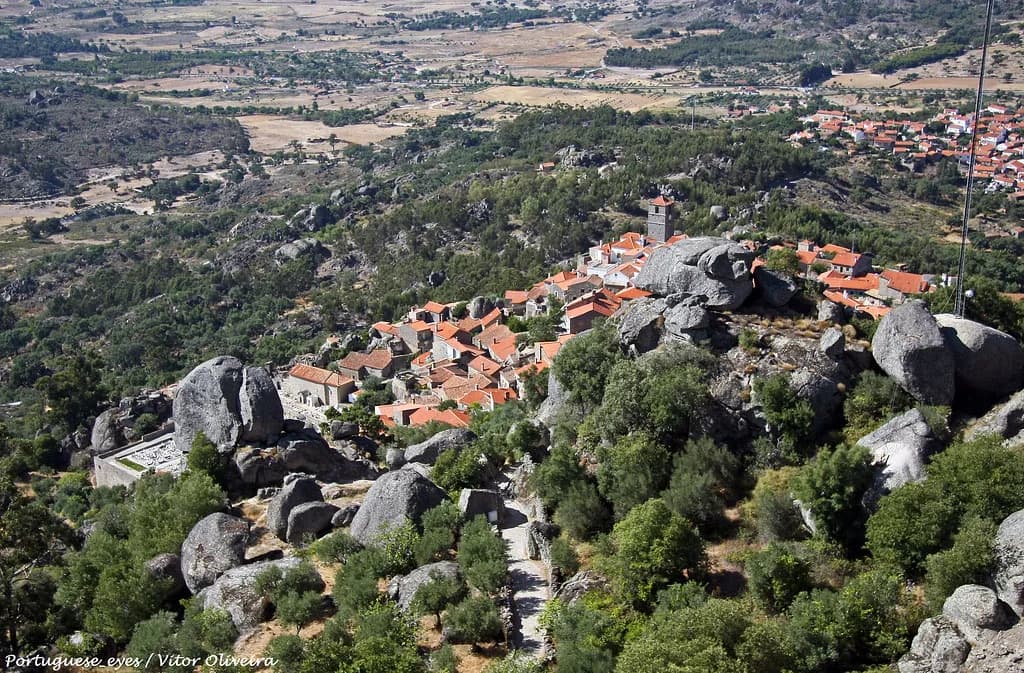
If you are touring Portugal's older settlements more widely, Ponte de Lima is the river-and-bridge stop on the historic villages circuit, while the granite hill towns to the east and south offer a very different, higher and more defensive kind of place. Monsanto is the extreme version of that contrast: a village built into boulders, with none of Ponte de Lima's flat riverside ease.
Is Ponte de Lima worth the stop?
Yes, if you give it a day rather than an hour. The bridge and the Lima riverside are the reason to come, the old centre around Largo da Matriz and Rua Formosa is where you eat and wander, and the town is small enough to see properly without a checklist.
Build it into a Minho route between Braga and Viana do Castelo, arrive in the morning, and keep the afternoon free for the river. If you want a second day in the region, the schist village of Piódão makes a sharply different counterpart to this green, watery town.
Explore more Portugal guides
Sources
Notes for your next Portuguese break
Optional updates to our town guides.
You might also like
Continue reading
More guides you'll find useful