
Ribeira Brava, Madeira: A Half-Day Stop on the South Coast
Plan a short break in Ribeira Brava, Madeira: the seafront, the museum, how the town is laid out, and how much time it needs between Funchal and the west.
On this page
Give Ribeira Brava half a day, or one night if you want the south coast without Funchal's traffic. The town sits on a sheltered bay below steep, green slopes, with its seafront and small museum packed into a compact centre you can cover on foot in an afternoon. This guide sets out the walking order, which indoor sights earn the stop, how the beach compares with expectations, and how the town fits into a wider tour of Madeira's towns.
What Ribeira Brava is and why it earns a stop between Funchal and the west
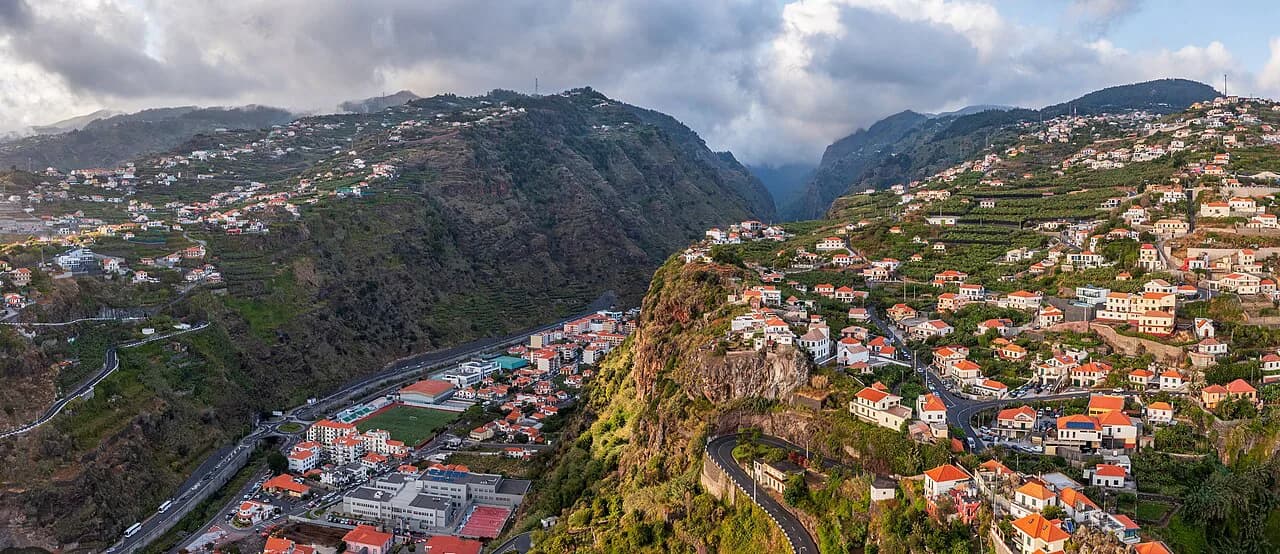
Ribeira Brava is a coastal town on Madeira's south coast, on the road between Funchal and the western side of the island. Its setting is the reason to stop: red-roofed houses crowd a river mouth beneath cliffs, and the seafront opens onto a sheltered bay. It works best as a break in a driving day along the south coast rather than as a destination in its own right.
The town's centre is small enough that a couple of hours covers the main streets, the church square and the seafront, with the ethnographic museum adding an hour or so for anyone interested in island life. Treat it as a half-day stop with lunch, or as an overnight if you want an early start on the west of the island the next morning. Either way, pair it with the cliff viewpoints and fishing villages nearby rather than expecting a full day of sights inside the town.
How the town is laid out: the seafront, the river mouth and the old centre on foot
The town reads as three bands. The seafront promenade and beach sit at the bottom, the river runs down to the sea through the middle of the built-up area, and the older streets and museum sit slightly above and behind the waterfront. Park near the seafront, walk the promenade first, then climb through the centre so the return is downhill.
Because the streets rise steeply behind the waterfront, keep the walking order simple: waterfront, river mouth, church square and museum, then back down. The compact scale means you will not need transport inside the town, and the flat seafront is the easiest ground for anyone with limited mobility.
The Igreja de São Bento and the town's church square
The parish church anchors the upper part of the old centre and is a natural midpoint for a walk, giving you a good orientation point above the waterfront. Churches on Madeira often keep limited daytime hours and may close around lunchtime, so plan the church as a flexible stop and check locally on the day rather than building the afternoon around it.
The Madeira Ethnographic Museum: what is inside and who it suits
A small museum covering traditional Madeiran farming, fishing, transport and craft, along with shopping and home life, is the town's strongest indoor draw and the reason Ribeira Brava is more than a beach stop. It makes a useful primer on how the island worked before tourism and suits travellers who want context for the terraces, fishing boats and villages they will see later on the drive.
Allow roughly an hour for the museum, longer if you read the displays in full. It is a sensible rainy-day or midday stop, and a better use of time than stretching the beach visit. Entry arrangements are best confirmed at the door or through the town's tourist information before you set out.
Ribeira Brava's beach and promenade: what to expect from the water
The bay is described as sheltered black sand, with its protected position keeping the waves minimal, which makes it a reasonable paddle for families with young children. Do not picture soft, pale sand: this is black sand, so bring footwear you do not mind getting wet and gritty.
Use the promenade as a stroll rather than a full beach day. The seafront gives you the best view back towards the town's cliffs and red roofs, and it is the easiest flat walking in Ribeira Brava. If a proper sandy swim is the goal, look elsewhere on the island and treat this as a scenic pause.
Cabo Girão and the cliff-top viewpoint west of town
Cabo Girão sits along the coast west of Ribeira Brava and makes an obvious pairing with the town on a south-coast drive. The viewpoint at the top looks down onto terraces and the sea, and the stop takes little more than half an hour. Combine it with the fishing village of Câmara de Lobos for a fuller half-day loop.
The practical trade-off is that the cliff-top is exposed and often busy with coach groups, so go early or late in the day if you want quiet. It is also a drive from Ribeira Brava rather than a walk, so plan it as part of a loop with the town rather than a separate outing.
Walks and levada routes that start from or near Ribeira Brava
Levada walking on Madeira is a separate outing from the town, with routes in the surrounding hills reached by road rather than on foot from the centre. Levada paths are narrow, sometimes wet and can be busy, and the weather in the hills differs sharply from the coast. Check trail conditions and transport arrangements locally before committing to a route, and treat walking as an add-on to the town visit rather than the reason to come.
Whether to base yourself here or visit from Funchal
Funchal gives you more restaurants, more evening life and easier transport; Ribeira Brava gives you a quieter base closer to the west of the island. If your short break is mostly about the south coast, Cabo Girão and the western valleys, staying here saves driving time each day. If you want city evenings and a wider choice of places to eat, visit Ribeira Brava as a stop and sleep in Funchal.
The town is also well placed for onward runs to Ponta do Sol and, via the interior road, São Vicente on the north coast. That makes a single night here a practical way to split the island rather than a compromise. Weigh the quieter evenings against the convenience of a bigger base before you book.
How many days Ribeira Brava needs: half a day, a full day, or an overnight
Half a day is enough for the seafront, the church and the museum, with time for lunch. A full day only makes sense if you add Cabo Girão and a coastal village nearby. One night is the sensible maximum for the town itself, using it as a base for the west rather than a destination to settle into.
Where to eat in town and what Madeiran dishes to order
The town's restaurants are concentrated in the centre, and lunch is the easiest meal to plan around a visit. Order Madeiran staples such as grilled fish, espetada and bolo do caco, and look for a tasca rather than a large dining room if you want a simple plate at midday. Restaurants on the island often close one day a week, so check the door or ring ahead if you are set on a particular place.
For a quick stop, a pastelaria near the seafront covers coffee and a pastel de nata without cutting into your walking time. Keep lunch flexible if you are driving on afterwards, since the town's eating places are few and fill up at conventional hours.
Getting there and onward links to Ponta do Sol and São Vicente
Ribeira Brava sits west of Funchal on Madeira's south-coast road, and is straightforward by hire car, which also lets you link the town to the cliff viewpoints and the western villages. Buses run along the coast, but timetables are thin and not ideal for a tight short break, so a car gives you the most control over timing. From here the road continues west to Ponta do Sol and Calheta or climbs north through the interior to São Vicente.
If you are coming from the east, Machico and Santa Cruz are on the airport side of Funchal and better saved for a separate run. Allow for winding coastal roads and slow traffic in and around Funchal when you plan driving times.
The honest trade-offs: what Ribeira Brava does not give you
Ribeira Brava is a pleasant, functional town rather than a showpiece. The centre is small, so it will not fill several days; the museum is the cultural weight, and the best scenery nearby needs a car. Expect a quieter evening and a limited choice of restaurants compared with Funchal, with Câmara de Lobos and the coast villages as the nearest alternatives.
That is precisely why the town works as a stop. Use it to break a south-coast drive, see the museum and church, and move on to the cliffs or the western valleys. If you want a place to linger for a week, base yourself somewhere with more to do and visit Ribeira Brava in passing.
Half-day stop or overnight base?
Choose the half-day stop unless you are using Ribeira Brava to split the island. A morning covering the seafront, church square and ethnographic museum, followed by lunch, is the efficient version. Book a single night only if the west of Madeira is your priority and you want to skip the drive back to Funchal.
Frequently Asked Questions
Is Madeira Portuguese or Spanish?
Madeira is Portuguese. Ribeira Brava, like the rest of the island, uses Portuguese place names, signage and currency, and Portuguese is the local language, though English is widely spoken in tourist-facing businesses.
Does Madeira have beaches?
Yes, though many are pebble or black sand rather than pale sand. Ribeira Brava's seafront opens onto a sheltered black-sand bay; Madeira's beaches vary around the coast, so check the specific beach you plan to swim at.
What is the best month to visit Madeira?
Madeira is a year-round island, and the best month depends on whether you want warmer sea, quieter roads or walking conditions in the hills. Check current conditions and any local advice before booking, since the weather in the hills can differ sharply from the coast.
Sources
Notes for your next Portuguese break
Optional updates to our town guides.
You might also like



Continue reading
More guides you'll find useful





