
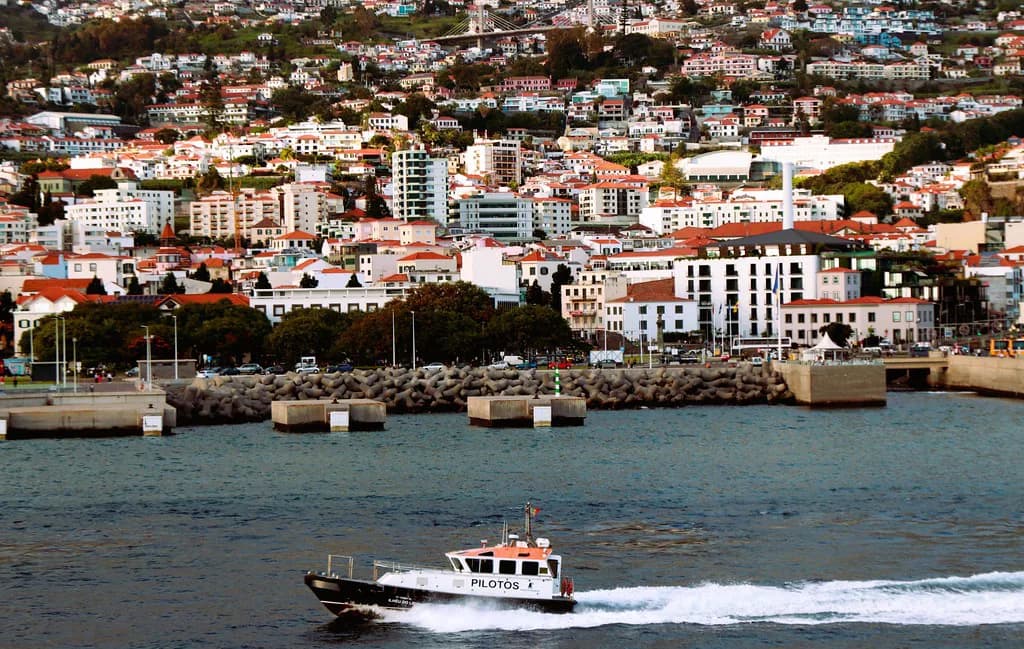
Câmara de Lobos: Fishing Harbour, Churchill Viewpoint & Cabo Girão
Plan a short visit to Câmara de Lobos in Madeira: the fishing harbour, Churchill's viewpoint, espada and poncha, and the Cabo Girão skywalk nearby.
On this page
Câmara de Lobos is worth a half-day, and a very good one, if you fold in the cliff viewpoint at Cabo Girão on the same outing. The village sits just west of Funchal and combines a working fishing harbour, steep basalt cliffs dropping to the sea, and the spot where Winston Churchill set up his easel in 1950. This guide walks through the harbour, the miradouro above it, the breakwater and the skywalk, then tells you what to order and how to split your time.
It is one of the easier additions to a short Madeira break because you do not need to commit a whole day to it. The village rewards an unhurried couple of hours, and Cabo Girão is minutes away by road, so the pair fits neatly into a morning or an afternoon. Read on for the specific dishes, the walking order and the trade-offs that decide whether you stay for sunset.
Is Câmara de Lobos worth a visit?
Yes, provided you treat it as a village stop rather than a destination in its own right. What you get is a compact, still-working fishing port with colourful boats, a harbour front you can walk in minutes, and cliffs rising immediately behind the houses. The Churchill connection gives the upper viewpoint a reason to climb to it beyond the view itself.
The honest trade-off is scale. This is not a town of museums and monuments that fills a day on its own, and the harbour has a dual identity as a working fishing port and a stop for excursions. Come for the atmosphere, a plate of fish and the cliff viewpoints, and pair it with Cabo Girão rather than expecting a full day of sights.
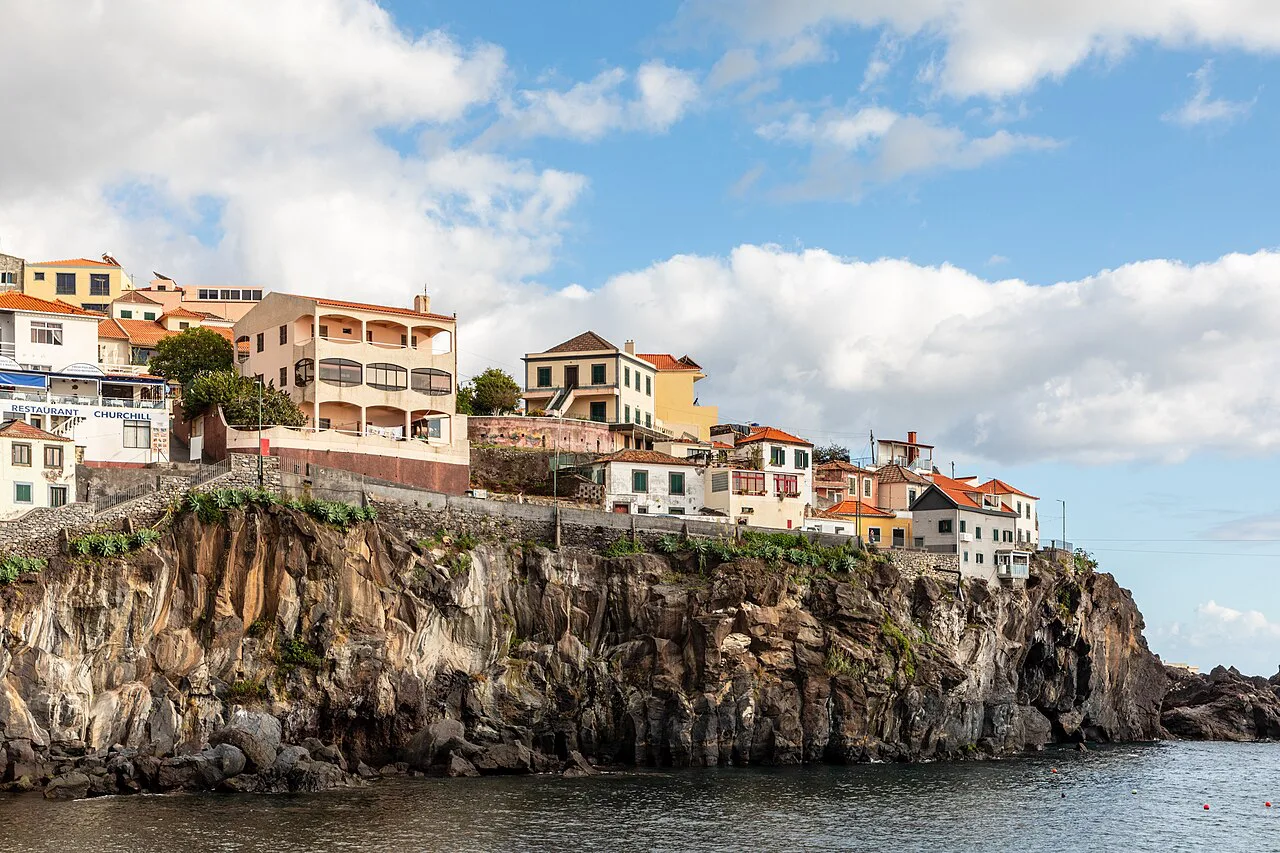
Where Câmara de Lobos sits in relation to Funchal
The village lies just west of Funchal along the coast, which makes it one of the simplest outings from the capital. The clifftop viewpoint at Cabo Girão is a short drive or bus ride further up and west, roughly fifteen minutes from the village. Because the two sit so close together, the sensible plan is to see them as one trip rather than two.
Getting there is straightforward by road, and the same road continues to other settlements along the south coast. If you are building a wider itinerary, compare this stretch with Machico, Madeira's first settlement on the eastern side, to see how different the two halves of the island feel.
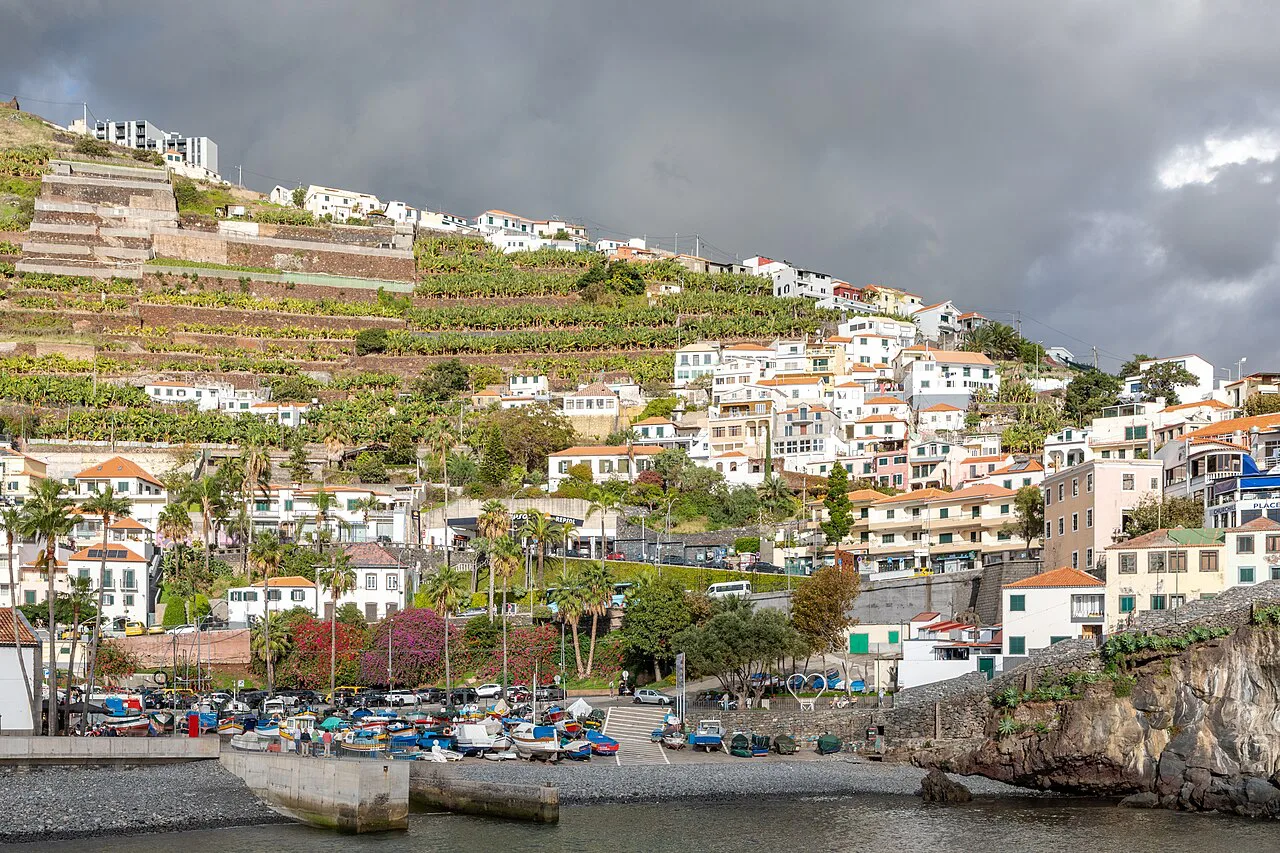
The fishing harbour and the boats
Start at the colourful fishing harbour, where the boats are the point rather than a backdrop. This is a working port, so you are watching an active fleet tied up below the village rather than a staged display. Give yourself time to walk the quayside slowly and look up at the basalt cliffs that frame the bay.
The harbour is also where the village's eating places cluster, so it makes sense to combine the walk with lunch or a late drink. Fresh black scabbardfish with banana, the local dish, is the thing to order at one of the harbour-side restaurants, followed by a poncha at a village bar. If you are weighing up other coastal stops on the island, Calheta offers a different, more resort-like day out.
Churchill's viewpoint above the village
From the harbour, walk up to the miradouro where Churchill famously painted the view in 1950. The painter's connection is the reason this viewpoint deserves the climb: you are looking down on the same bay, boats and cliffs that drew him to set up an easel here. Treat the story as the justification for the stop, then let the view do the rest.
The climb is short but worthwhile in its own right, because the elevated angle shows you how tightly the village is wedged between sea and rock. Go early if you want the harbour below you in clearer light, or late if you are combining the walk with sunset.
The breakwater and the evening light
Walk out to the end of the pier as the sun drops behind the cliffs, when the fishing boats silhouette against the orange light on the basalt. This is the village's best free spectacle and the natural way to close a day here. If you are staying nearby, plan the breakwater walk for the end of your visit rather than the start.
Sunset timing shifts through the year, so check the day's sunset before you set out rather than relying on a fixed hour. The pier is exposed, so bring a layer even when the village itself feels warm.
What to eat and drink: espada, poncha and Madeira wine
Order the espada, or black scabbardfish, served with banana, which the local guide names as the village's signature dish. Follow it with a poncha, the island's rum drink, at a village bar, or try Madeira wine if you prefer something sweeter. These three are the specific things to seek out here rather than generic seafood.
Harbour-side restaurants are convenient but you pay for the position, so compare a couple of menus before sitting down. Menus and prices change, so read the board at the door rather than expecting a fixed figure.
Cabo Girão skywalk: the viewpoint above the cliffs
Drive or take a bus fifteen minutes up the cliff to Cabo Girão, where a glass-floor walkway extends out over the edge. The local guide describes the sensation as both terrifying and unmissable, and the floor lets you look straight down the cliff face. It is the natural second half of a Câmara de Lobos outing.
Cabo Girão is one of Europe's highest sea cliffs — the local guide calls it the second-highest on the continent — and the glass floor over the edge is the draw rather than any single superlative. The walkway sits high above the sea and the exposure is real, which matters if anyone in your group is uneasy with heights.
How long Câmara de Lobos needs
Allow a half-day for the village and Cabo Girão together, and stretch it to a full day only if you want a long lunch and a sunset on the breakwater. A sensible shape is harbour first, then the Churchill miradouro, then lunch, then the skywalk, and back for the pier at dusk.
If you only have two hours, choose the harbour and the miradouro and skip the skywalk, because the drive up and back eats into a tight schedule. If you have a car, the skywalk is easy to add; without one, check the bus options before committing to both.
Practical trade-offs to weigh
The harbour is both a working fishing port and a stop for excursions, so expect company at peak times and quieter quays earlier in the day. Harbour-side prices reflect the position, so walk one street back if you want better value. And the cliffs create their own weather, so pack for wind at Cabo Girão even if the village below is calm.
Opening days and hours for the skywalk and any harbour businesses are not fixed in the sources here, so confirm them the day before you go. If you want a contrasting day on the island, Santana's thatched houses make an easy counterpart in the north.
Half-day or full day at Câmara de Lobos?
Choose a half-day: harbour, Churchill's miradouro, espada with banana and a poncha, then the Cabo Girão skywalk on the way back. Add the breakwater at sunset if your schedule allows, because that is when the village looks its best.
Only stretch it to a full day if you want a slow lunch and no rush between the village and the cliff. Either way, slot Câmara de Lobos into your wider plan of towns in Madeira rather than treating it as a standalone trip.
Explore more Portugal guides
Frequently Asked Questions
Is Câmara de Lobos worth visiting?
Yes, as a half-day stop paired with Cabo Girão. The village has a working fishing harbour, the viewpoint where Churchill painted in 1950, and local dishes such as espada with banana and poncha. It is compact, so do not expect a full day of museums.
How do you get to Câmara de Lobos from Funchal?
The village lies just west of Funchal, and Cabo Girão is roughly fifteen minutes further by road or bus. Check current bus routes and times before you travel, since timetables change.
What food should you try in Câmara de Lobos?
Order espada, or black scabbardfish, served with banana, then a poncha at a village bar. Madeira wine is the other local drink worth trying. Read the menu boards at the harbour before choosing a table.
Sources
Notes for your next Portuguese break
Optional updates to our town guides.
You might also like



Continue reading
More guides you'll find useful




