
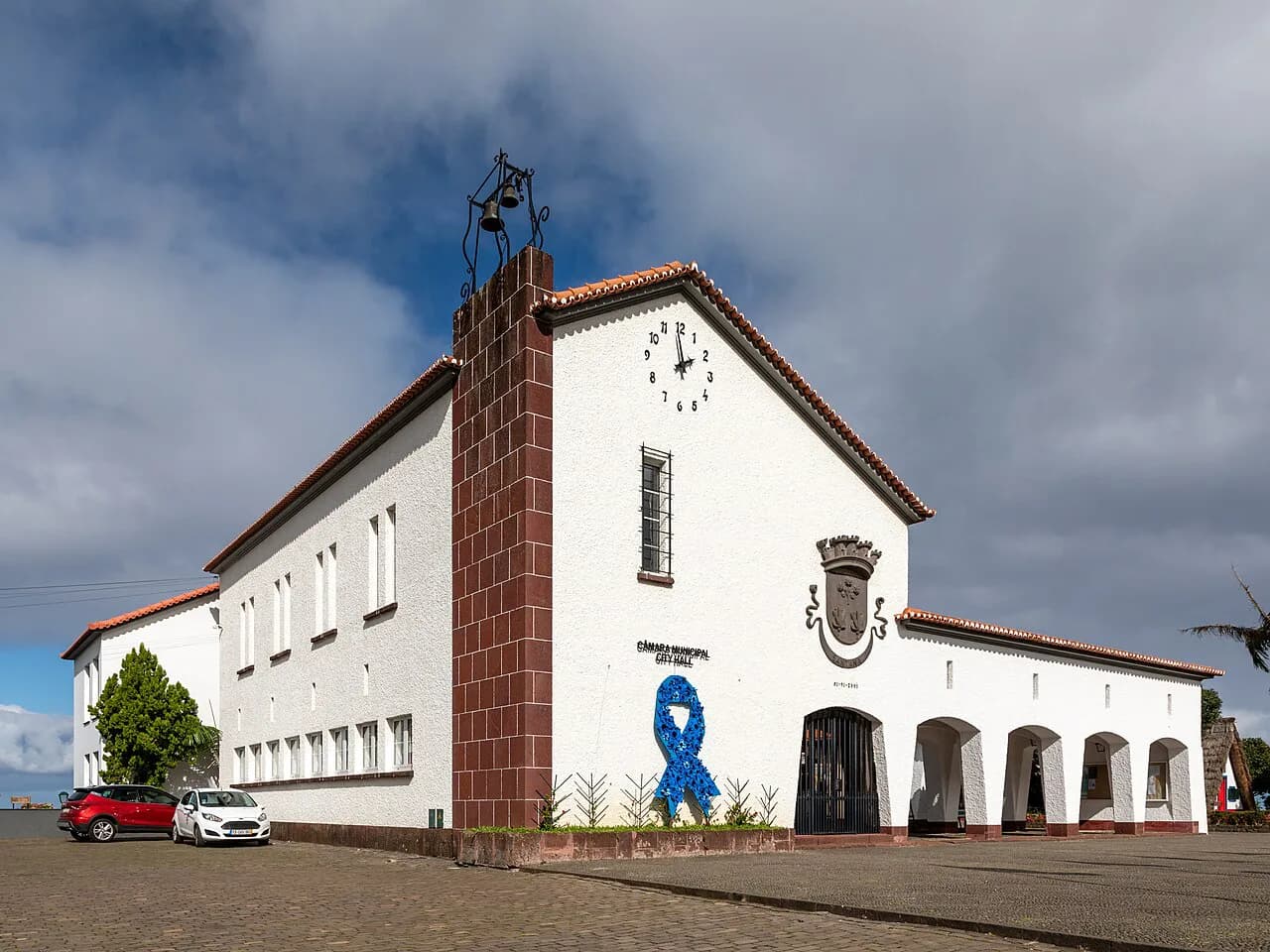
Towns in Madeira: Which Ones to Visit on a Short Break
A practical guide to Madeira's towns, from Câmara de Lobos and Machico to Santana, São Vicente and Porto Moniz, with what each is like to visit.
On this page
On a one- to four-day break, Madeira rewards three or four towns rather than a full circuit. Câmara de Lobos and Machico sit close to Funchal and the airport and work as half-days, while Santana, São Vicente and Porto Moniz need a full day on the north and north-west coasts. This guide describes what each town is actually like, which ones reward a slow base and which are simply a good stop, and how to combine them without spending the holiday in the car.
The choice is really about coast and gradient. Madeira's villages are strung around a steep, volcanic island where roads wind and climb, so a place that looks close on the map can take far longer to reach than expected. The island's microclimates add a second variable: the south coast and Funchal tend to be sunnier and drier, while the north is greener and wetter, as one village-by-village comparison sets out.
Which towns in Madeira are worth your time on a short break
Treat the island as four loose zones. The south coast around Funchal gives you Câmara de Lobos, Ribeira Brava, Ponta do Sol, Calheta, Jardim do Mar and Paul do Mar; the east gives you Machico, Santa Cruz and Caniçal; the north gives you Santana, São Vicente and Seixal; and the far west gives you Porto Moniz. Pick two zones for a two-day break and three for a four-day stay, and you will see real variety without driving the same road twice.
Not every town suits a base. A village with a pedestrian centre, limited groceries and few evening options is a lovely place to wake up but an awkward headquarters for a busy schedule. The local comparisons are blunt about this: Jardim do Mar, for example, is described as a completely pedestrian village where you walk to the car park at the entrance whenever you want to drive out. Match the town to your pace, not to its postcard.
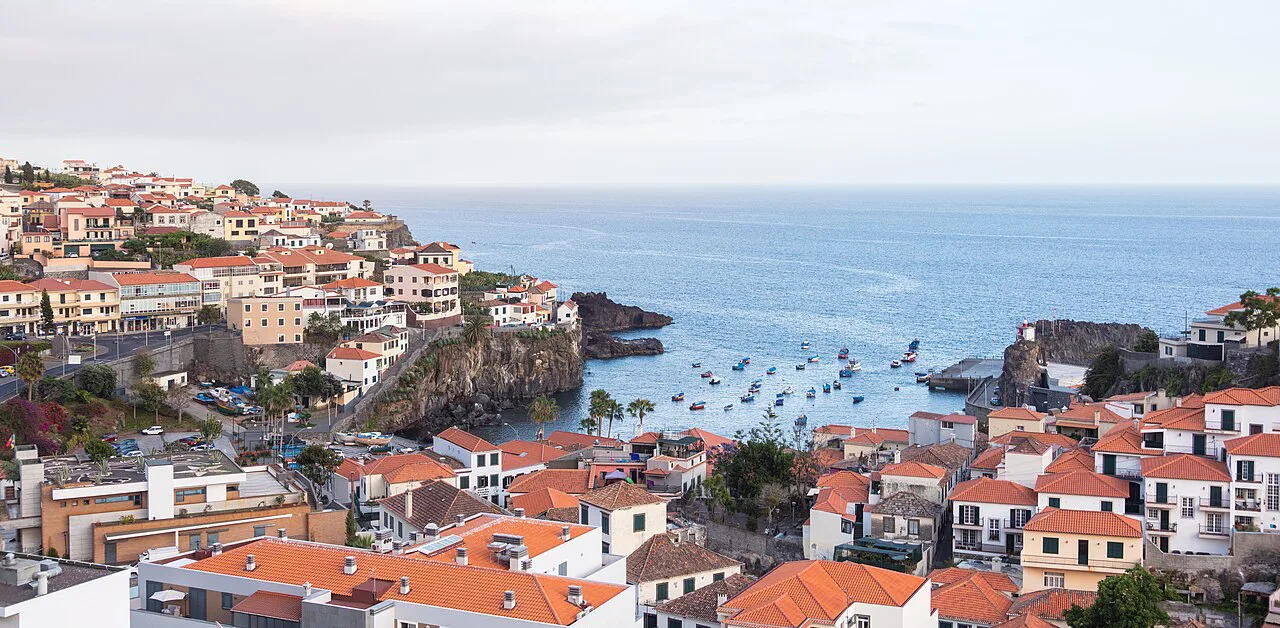
Câmara de Lobos: the fishing harbour close to Funchal
Câmara de Lobos is the easiest town to add to a Funchal-based break. It is a historic fishing village with boats in the bay, a harbour-side setting and a genuine local buzz alongside the tourist draw, and it sits close enough to Funchal and the airport to reach without a long drive. That makes it a sensible half-day: harbour, lunch, and back before the afternoon traffic builds.
The village also pairs naturally with the cliff scenery above the south coast, including the glass-floored viewing platform at Cabo Girão, one of the island's signature viewpoints. Because the roads climb sharply from the water, plan Cabo Girão for the same outing rather than a separate day. Readers who want the practical detail on the harbour and the viewpoint can follow it through the Câmara de Lobos guide.
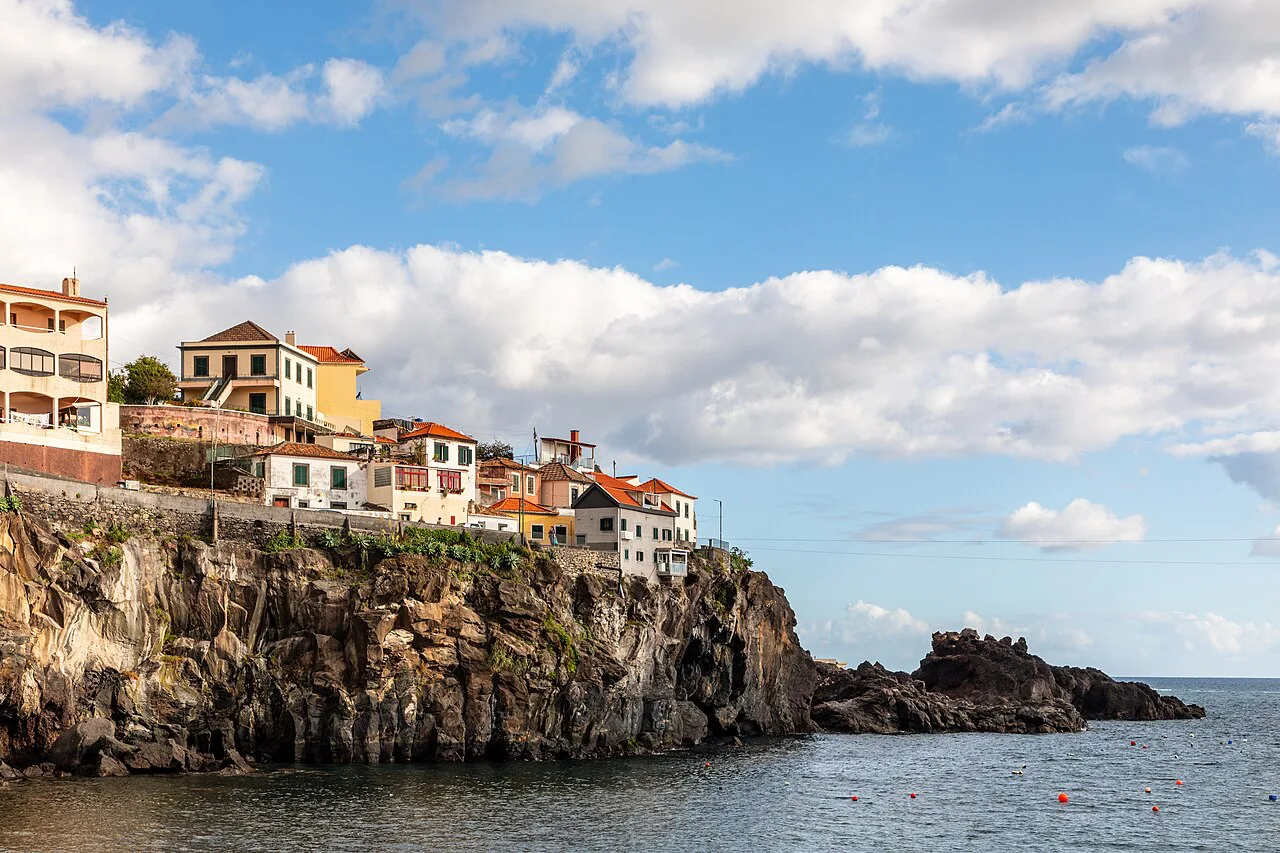
Machico: the historic bay town near the airport
Machico sits on the east coast close to the airport and combines a bay, a historic centre and a family-friendly feel, which makes it useful on arrival or departure day. It is a proper town rather than a village, so you can eat, walk the seafront and see the old streets without committing a whole day. The fuller picture of the beach, the old town and the town's claim as Madeira's first settlement is worth reading before you go.
Pair Machico with the eastern tip rather than with the north. Caniçal, the island's easternmost fishing village, is a laid-back place where the harbour has kept its old whaling associations. The two together make a natural east-coast day, and both keep you on gentler roads than the mountain crossings.
If your flight lands late or leaves early, Machico is also the least stressful place to spend a night before moving on. The trade-off is distance from the west and north coasts: an east-coast base means long drives if Porto Moniz and Santana are your priorities.
Santa Cruz: a quiet stopover on the east coast
Santa Cruz is the practical stop between the airport and Machico, a residential town rather than a sight in itself. Its value on a short break is logistical: it breaks up an early flight or a late arrival without pulling you into Funchal's traffic. Plan it as a night, not an excursion.
Santana: the thatched triangular houses on the north coast
Santana is the Madeira of souvenir shops: small triangular houses with white walls, red doors and blue trim under straw thatch, a symbol of the island since the sixteenth century. Many of the houses are kept as a visitor attraction rather than lived in, so come for the architecture and the rural setting rather than for a working village tour. The surrounding countryside, with vineyards and green slopes, is what makes the drive worthwhile. If the painted tiles you spot on older Portuguese buildings catch your eye, the azulejos Portugal guide explains where they come from and where to look for them on your travels.
Santana belongs on a north-coast day rather than as a base for the whole island. It is rural and spread out, and the honest verdict from local comparisons is that it sits between myth and rural reality: charming for a stop, less convenient for evening activity. Combine it with São Vicente or Seixal and keep Funchal as your base.
São Vicente: the north-coast village of chapels and green valleys
São Vicente sits in a green valley on the north coast, with the small Capela da Ponte by the sea, said to mark the spot where the saint appeared, and a park in front of the chapel that suits a stretch of the legs. The village works as a natural lunch stop between the centre and the north-west, with a handful of seaside restaurants as the main eating options.
As a base, São Vicente appeals to travellers who want local rather than resort atmosphere. The trade-off is the same everywhere on this coast: the roads are steep and narrow, and once night falls the deep Madeira roads go completely dark, so plan your driving for daylight. A car is the natural extension of a stay here.
The north coast's weather is the other consideration. The island's microclimates mean the green north is humid and can be wet when Funchal is sunny, so keep a flexible day in reserve if the north is your priority.
Seixal: the small green village with the natural pools
Seixal is one of the smallest stops on the north coast, a green village that fits neatly between São Vicente and Porto Moniz. That makes it a good place to break a westbound drive rather than a destination in its own right. The local comparison calls it the green, humid jewel of the north; treat that as a description of atmosphere, not a promise of sunshine.
Porto Moniz: volcanic rock pools at the north-west tip
Porto Moniz is the far west's headline: volcanic rock pools cut into lava, filled with clear Atlantic water, with a children's pool and play area alongside. The scenery is the point, with huge lava rocks and big waves breaking beyond the sheltered bathing area. It is the natural turning point of a west-coast day from Funchal.
As a base, Porto Moniz suits travellers exploring the north-west, but it is remote. The same village comparison describes the far west as a place where every outing is an expedition, with distances stretching and late returns wearing after a long day. Use it as a stop or a single overnight, not as a hub for the whole island.
Further west, Ponta do Pargo marks the edge of the island on a cliff, with frequent wind and weather that changes quickly. It is a place to slow down deliberately, not to improvise from.
Calheta: the modern seaside base with the imported yellow-sand beach
Calheta is the easiest corner of Madeira in terms of comfort: modern infrastructure, a marina and one of the island's few yellow-sand beaches, made with imported sand. Accommodation here tends to be high-end and well equipped, which makes it the choice for travellers who want seaside ease rather than traditional village life. The trade-off is that you lose the wild side of the island.
For a short break, Calheta works best as a south-coast base for a night or two, with Ponta do Sol and Ribeira Brava within easy reach along the coast. It is also the gentlest introduction to the south-west, which matters if winding mountain roads are not your idea of a holiday.
Ponta do Sol and Ribeira Brava: the sunny south-coast stops
Ponta do Sol and Ribeira Brava fill the south coast between Câmara de Lobos and Calheta, and both are useful rather than spectacular. Ribeira Brava is described locally as a strategic crossroads, which is exactly how to use it: a pause on the coastal road where you can eat and regroup. Ponta do Sol is the sunnier, steeper, more chic stop, with the south coast's reliable sunshine as its main draw.
Neither needs a dedicated day on a short break. Slot one in on the drive west, or use Ponta do Sol as an evening base if you want sun and a shorter run back to Funchal. The coastal road is far gentler than the mountain crossings, so this is the stretch to schedule when you want an easy driving day.
Jardim do Mar and Paul do Mar: the pedestrian village and the surf village
Jardim do Mar, the garden of the sea, is the most beautiful village on the south coast: flowered gardens, cobbled alleys and no cars in the centre. It is completely pedestrian, compact and calm, which makes it a wonderful place to walk and an awkward place to run a busy itinerary from. Leave the car at the public car park at the entrance and accept that everything is done on foot.
Paul do Mar, just along the coast, is the opposite proposition: a fishing village wedged between a monumental cliff and the ocean, with surfer bars, fish restaurants and the constant crash of waves. It has real soul and permanent salt in the air, but parking is a headache in the narrow streets and the access road plunges steeply from the cliff. Visit for the day rather than committing a short break to it.
Caniçal: the eastern fishing village
Caniçal is the quietest of the eastern stops, a laid-back fishing village with colourful wooden boats by the pier. It was once the centre of Madeira's whaling industry, and the whaling scenes in John Huston's film version of Moby Dick were shot here, which gives the harbour a layer of history beyond the view. It pairs naturally with Machico on an east-coast morning.
How Madeira's towns differ: coast, steep roads and microclimates
Three factors decide whether a Madeira town works for you: which coast it sits on, how steep the access is, and whether there is anything open in the evening. The south around Funchal and Calheta gives you easier roads and more reliable sun; the north gives you greener valleys, more rain and darker night driving; the far west gives you drama and distance. None of these is better, but they suit different travellers.
The steepness is not a detail. The island's roads climb and switch back sharply, and night driving on unlit mountain roads is demanding. Plan the west and north loops for daylight, keep the south coast for evenings, and resist the temptation to add one more village at the end of a long day.
How to group the towns into two or three days from Funchal
For two days from Funchal, take the west on day one: Câmara de Lobos in the morning, then Ribeira Brava or Calheta for lunch, and Porto Moniz before returning along the north coast. Keep day two local with Machico and Caniçal, or a slow morning in Funchal followed by an afternoon at Câmara de Lobos and Cabo Girão.
For three days, give the north its own day: São Vicente, the chapel by the sea, Seixal and Santana, with Santana's thatched houses as the visual finish. Use the third day for Calheta and the south-west, or for a second eastern outing to Machico and Santa Cruz if you are flying out that side.
A four-day break allows one genuinely unhurried day. Spend it in a single place rather than ticking off villages: Jardim do Mar on foot, or the pools at Porto Moniz with a long lunch. The honest trade-off is that Madeira's pleasures are in the landscape between the towns as much as in the settlements themselves, and a tight schedule spends too much of it behind glass.
Getting between the towns without a car
Without a car, Funchal is the only sensible base: it is the easiest place for public transport around the island, and most organised excursions leave from the capital, often with accommodation pick-up. That solves the steep-road problem entirely, at the cost of fixed departure times and less freedom to linger.
With a car, the flexibility is worth it, but not every village welcomes one. Jardim do Mar is pedestrian, Paul do Mar has narrow streets and difficult parking, and the north-coast roads demand daylight. Decide per town whether you are driving in or parking at the edge, and build the day around that.
Which Madeira towns should you actually choose?
Pick by coast and by pace. Base yourself in Funchal or Calheta for comfort and easy roads, use Câmara de Lobos and Machico as effortless half-days, and give Santana, São Vicente and Porto Moniz a full day each on the north and west. Skip the villages that would force a long, dark drive back.
If you only have two days, choose the west loop and the east coast and leave the north for next time. If you have four, add the north-coast day and one slow morning somewhere small. That is a short break that feels like Madeira rather than a race around it.
Explore more Portugal guides
Frequently Asked Questions
Is Madeira cheap or expensive?
Prices for accommodation, meals and transport vary by season and by town, and no fixed figures apply across the island. Funchal and Calheta have the widest choice and the most competition, while remote villages have fewer options. Check current prices directly with operators and accommodation providers before booking.
What are the best towns to stay in Madeira?
Funchal is the most practical base if you have no car, since public transport and most organised excursions start there. Calheta suits travellers who want modern seaside comfort and easier roads, while São Vicente appeals for a more local north-coast atmosphere. Jardim do Mar and Porto Moniz are beautiful but restrictive as everyday bases.
Can you visit Madeira's towns without hiring a car?
Yes, by basing yourself in Funchal and using public transport or organised excursions, which often include pick-up from accommodation in the capital. The trade-off is fixed timetables and less freedom to stop along the way. Villages with pedestrian centres or narrow streets are easier to enjoy on foot in any case.
What is the prettiest village in Madeira?
That depends on what you want from a village. Jardim do Mar is the most beautiful on the south coast, with flowered gardens and car-free cobbled alleys, while Santana is famous for its thatched triangular houses and Porto Moniz for its volcanic rock pools. Each offers a different kind of scenery rather than a single ranking.
Sources
Notes for your next Portuguese break
Optional updates to our town guides.
You might also like



Continue reading
More guides you'll find useful





