
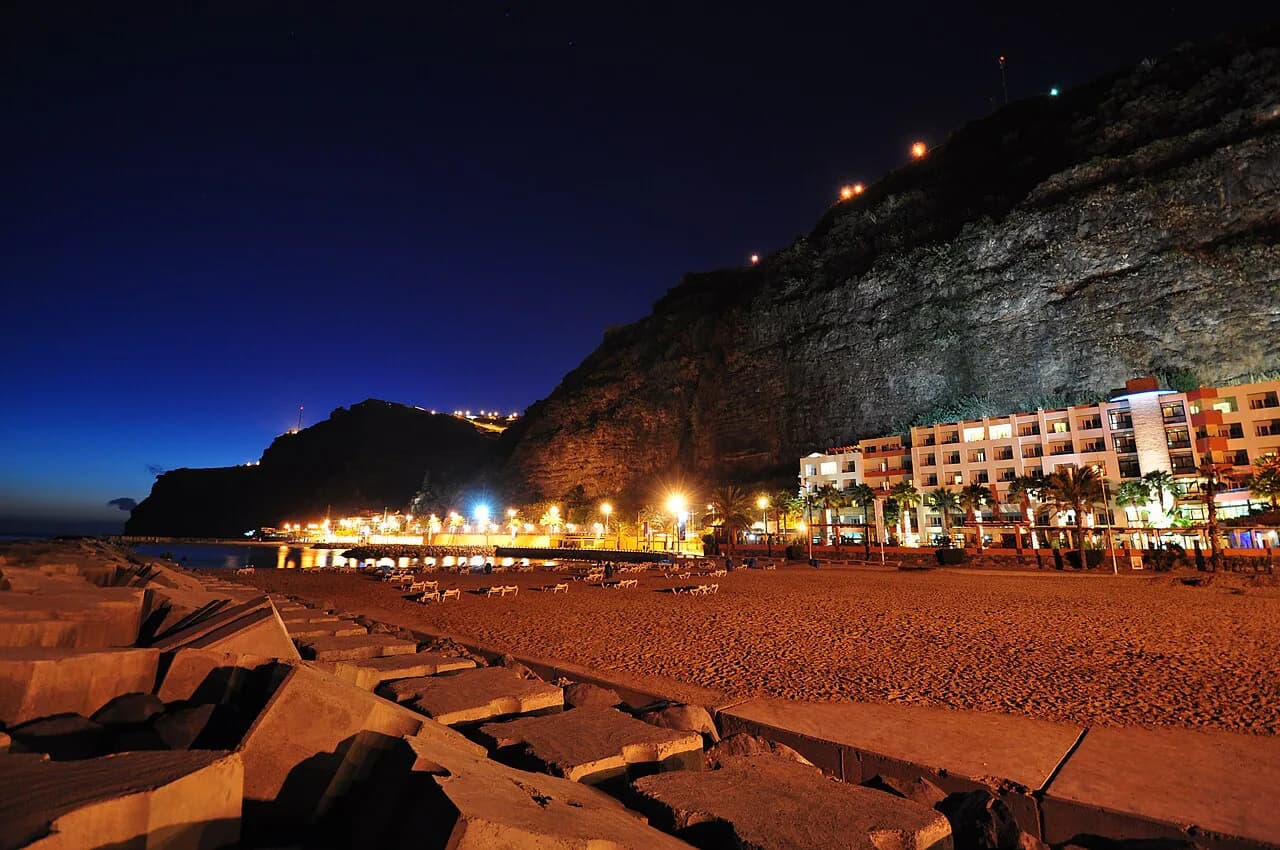
Calheta, Madeira: A Short-Break Guide to the Sunny South-West Coast
Plan a short break in Calheta on Madeira's south-west coast, with the golden beach, marina and art centre, and how it fits around Funchal.
On this page
Calheta needs one full day if you are staying in Funchal, or two to three nights if you want a quiet base with a proper beach on the south-west coast. The town itself is small: the seafront, marina and art centre form a compact core that you can walk without hiring a car.
This guide covers the layout, the beach, the marina promenade, the art centre and the realistic trade-offs, then gives you a one-day and a three-day shape for the stay. Everything here is built around the town as it actually works for a short break, not a checklist.
What Calheta is and where it sits
Calheta is a coastal town on Madeira's southern shoreline and one of the island's oldest parishes. For a short break it sits on the same south-coast stretch as Câmara de Lobos and Ribeira Brava, west of Funchal.
For a short break it works best as a low-key complement to Funchal: a place to slow down, sleep near the sea and use the beach, rather than a town with a long list of ticketed sights. Most travellers pair it with a day or two in Funchal and a drive west rather than spending a week there.
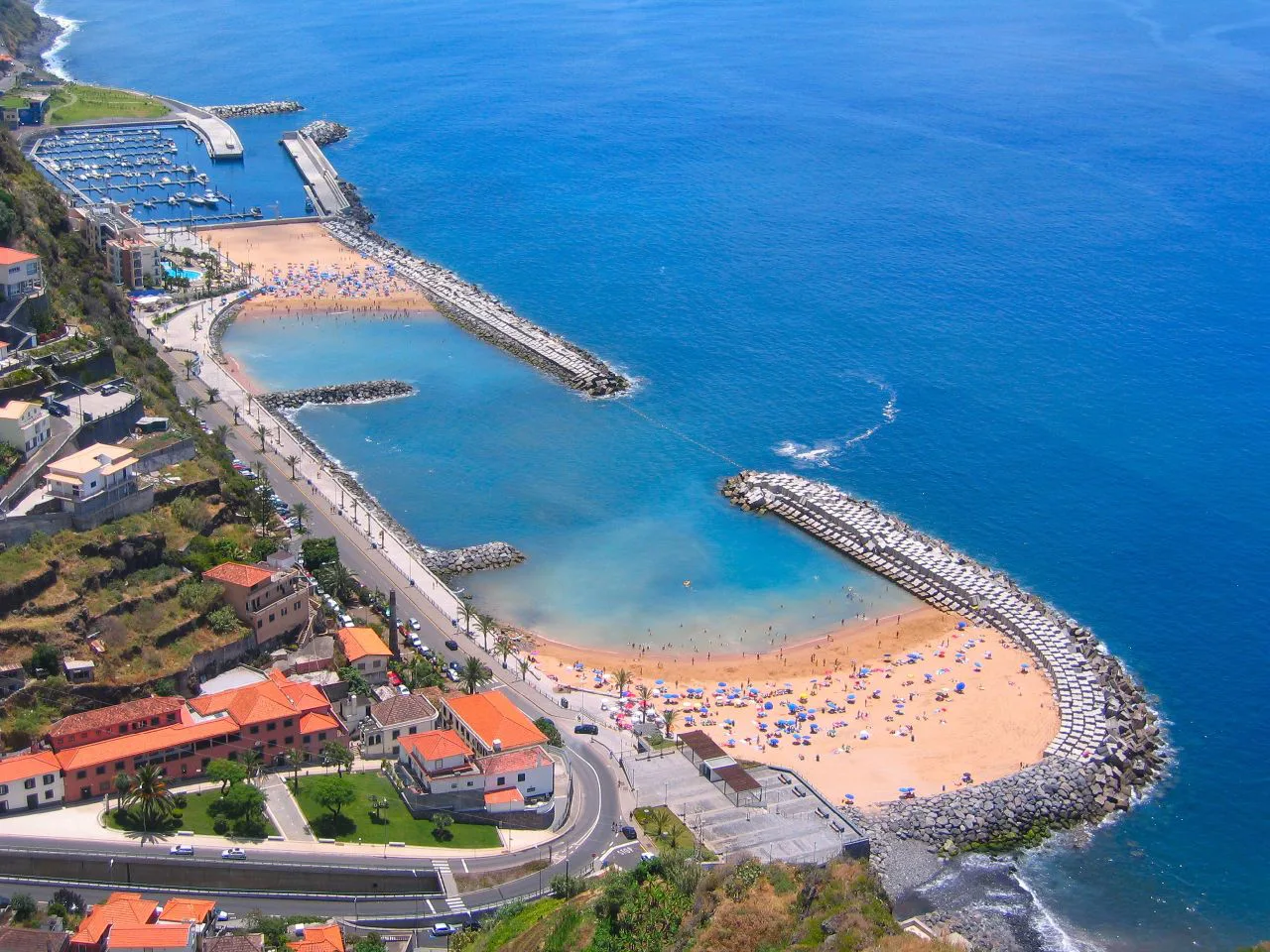
How Calheta is laid out: seafront, marina and upper village
The lower town is built around the seafront and marina, where the beach, the promenade and the art centre sit within easy walking distance of each other. This is where you will spend most of a short stay.
The upper village rises on the slopes behind, with the parish church and ordinary local streets, and the main road threads through it. If you are on foot, expect some climbing between the waterfront and the village centre.
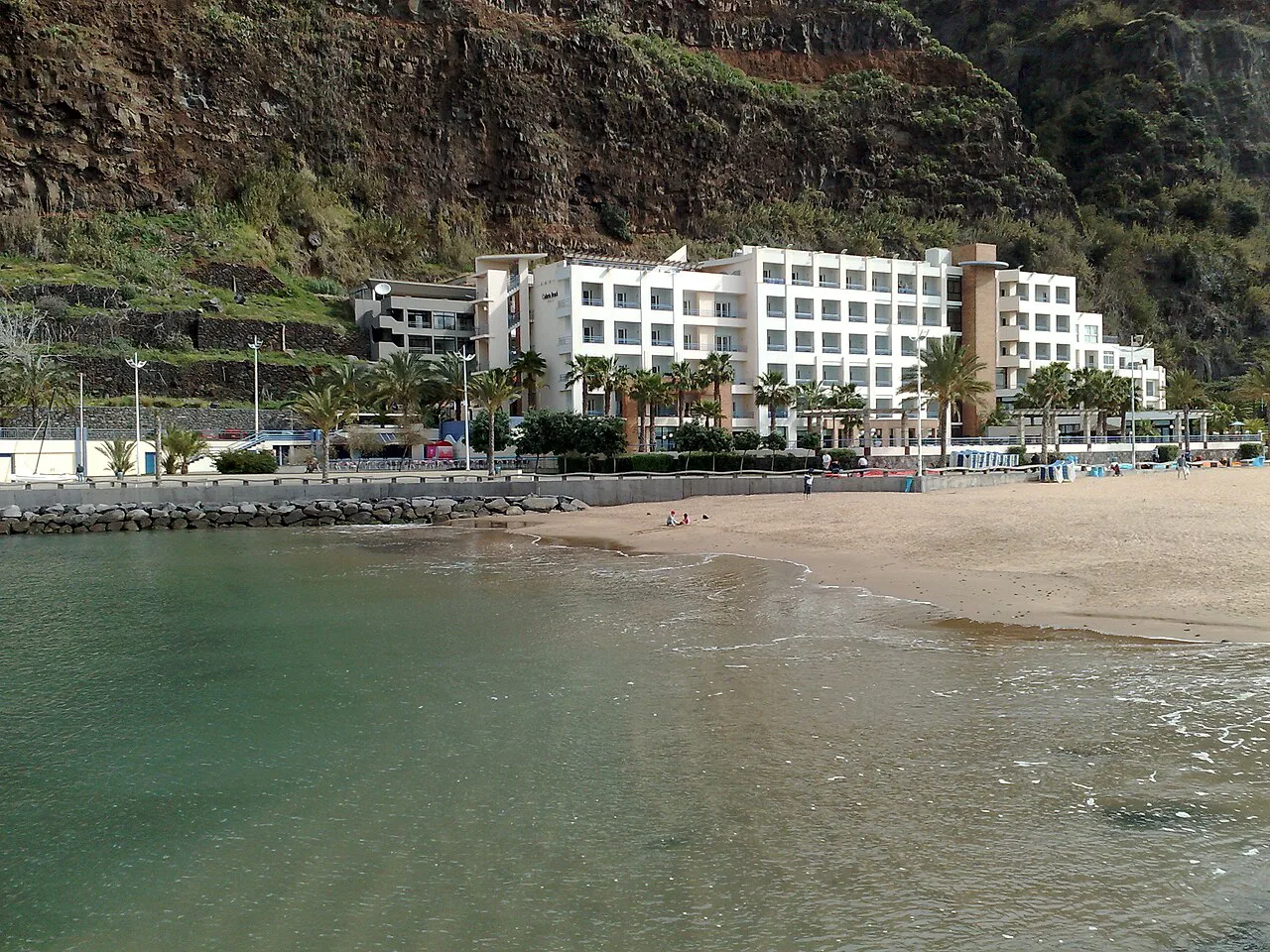
How many days Calheta needs
One day covers the beach, a walk along the marina and a couple of hours in the art centre, with time left for lunch. Two nights is the practical minimum if you want quiet evenings by the sea rather than a rushed day trip from Funchal.
Three days suits travellers who want slow mornings, a beach afternoon and a little time in the surrounding hills. Beyond that, you need a car and a wider itinerary around Madeira's coast to keep the days full.
Praia da Calheta: the golden sand beach
Praia da Calheta is the town's main anchor: a stretch of sand beside the harbour, and unusual on an island where many beaches are pebble. Lonely Planet lists it as a named attraction.
It fills up on sunny afternoons and in high season, so early morning is the quietest time for a swim and to claim space. Check locally on the day for sunbed and shade availability and rates rather than budgeting in advance.
The marina and seafront promenade
The marina and its seafront promenade form a short, flat walk that is easy to fit around the beach and the art centre. Allow an hour at a relaxed pace: the marina, the small harbour mouth and the view back up the valley are the things to look at.
This is where Calheta feels most like a resort rather than a working town, with the waterfront doing most of the work. It is pleasant rather than dramatic, which is fair warning if you are choosing between Calheta and a more rugged coastal base.
Calheta's art centre and what it holds
Calheta's best-known cultural stop is its contemporary art centre, which is the main indoor thing to do in town and a sensible choice when the weather turns. Timed opening days and ticket details should be checked before you travel, since museum schedules on the island vary through the year.
Plan an hour or two for the galleries and a cafe stop, and check the opening days before you travel. It is also a good rainy-day anchor for a short break in Calheta.
Walks and viewpoints around the village that need no car
Without a car, you can fill an afternoon with a loop between the upper village, the parish church and the seafront, plus the marina promenade at sunset. The slopes give you small sea views without leaving the town, and the streets themselves are the walk.
If you have a car, the south-west coast opens up: Cabo Girão to the east is one of Madeira's most celebrated viewpoints, and Ribeira Brava to the south is a straightforward stop on the same road. Those give Calheta's quiet streets a purpose on a longer stay.
Getting to Calheta from Funchal
Calheta is reached from Funchal by road along the south coast, and the drive is short enough for a straightforward day out. Buses serve parts of the south coast, but services are infrequent, so check the current timetable for the day you travel.
If you are weighing bases, the same road links several Towns in Madeira that make good shorter stops, each with a different character. Câmara de Lobos suits a half-day, and São Vicente is the pick for the north-west.
Where to eat in Calheta
Calheta's eating is coastal Portuguese: grilled fish, seafood, espetada and the everyday snack stop. The seafront and marina area has the densest cluster of cafés and restaurants, and the upper village has bakeries and small tascas for lunch.
Restaurants in Madeira commonly close one day a week, so a promising address on the marina can be shut on a quiet day. Ask before you commit to a long walk, and expect the evening choice to be thin once the day-trippers have gone.
What Calheta costs
Calheta is not a pricey town: the beach and the promenade cost nothing, and eating and drinking are modest. The art centre is the one sight with a possible ticket, so check its current admission rather than assuming.
For volatile costs, the right move is to ask on arrival or check the venue's own page. That applies to sunbed hire, museum entry and any boat or tour from the marina.
Morning and evening temperatures on the south coast
Calheta sits on Madeira's southern shoreline, which is generally warmer and drier than the north of the island. Evenings by the sea can be cool, and visitors report chilly mornings and evenings in November, so bring a layer for the promenade after dark.
Use published climate averages for the south coast when you plan a trip, rather than treating any single day as typical. The contrast between sun on the sand and a cool breeze after sunset is the main thing visitors underestimate here.
Trade-offs: quiet evenings, limited sights and the car question
Calheta is quiet in the evening: it is a place for a slow dinner and an early night, not for a full calendar of bars and clubs. If nightlife matters, Funchal is the obvious base, and Calheta becomes a beach day out.
The second trade-off is range: the town's own sights can be covered quickly, so a longer stay needs a car or an appetite for walking coast roads. The beach and the art centre carry the day, and everything else is a drive.
A one-day and a three-day plan for Calheta
For one day, arrive mid-morning, walk the marina promenade, swim at Praia da Calheta and eat lunch on the seafront, then spend an hour or two in the art centre before driving back to Funchal. That order dodges the busiest beach hours and the midday heat.
For three days, give day one to the beach and marina, day two to the art centre and the upper village church, and day three to a coastal drive west or east. Keep one evening free for a sunset on the promenade, which is the best free spectacle in town.
Calheta or Funchal for a short break?
Choose Calheta if you want a beach, a slow seafront and quiet evenings, and accept that the town's own sights are limited. Choose Funchal if you want range and evening choice, and use Calheta as one good south-coast day out.
Explore more Portugal guides
Frequently Asked Questions
Is Calheta worth visiting for a day?
Yes, if you want the sand beach, the marina walk and the art centre in one easy day. It is less rewarding as a multi-day base unless you have a car or want a deliberately quiet stay.
Do you need a car in Calheta?
Not for the beach, marina and art centre, which are walkable from the seafront. A car makes a longer stay work, because the wider coast and viewpoints are the real draw beyond the town itself.
What is Calheta known for?
Its sand beach and its art centre are the two anchors, with the marina and seafront promenade giving the town its shape.
Sources
Notes for your next Portuguese break
Optional updates to our town guides.
You might also like



Continue reading
More guides you'll find useful





