Best Towns in the Algarve: 8 Short-Break Picks and Who Each Suits
The best towns in the Algarve for a one to four day break, from Tavira and Silves to Lagos and Sagres, with what each is like and who suits it best.
On this page
For a short break, the best towns in the Algarve are Lagos, Tavira, Silves, Faro, Ferragudo with Carvoeiro, Sagres, Loulé and Olhão. Each has a real old quarter you can walk in a morning or an afternoon, and each suits a different kind of traveller: Lagos for walls, a fortress and the cliffs at Ponta da Piedade, Tavira for churches and slow squares, Silves for the region's best-preserved Moorish castle.
This guide judges each town on what you can do on foot in one to four days rather than on beach quality, and it names the trade-offs: inland Silves is castle-led and quiet, Lagos is busier and better connected, Ferragudo is small enough for an afternoon. It also says how many days each place needs and which two pair well.
Which Algarve town suits your short break? A quick answer
Pick Lagos if you want the fullest day of sights and the easiest base for boat trips to the caves; pick Tavira if you want the quieter east with churches, squares and the Ria Formosa on the doorstep. Silves is the one inland exception worth a day for its castle and old streets, and Faro earns a day of its own before or after a flight.
For a two-day break, pair towns that contrast rather than repeat: Lagos with Sagres for the western edge, or Tavira with Olhão and Loulé for the eastern markets. Ferragudo and Carvoeiro sit close enough to Portimão to form a single unhurried day of fishing-village streets, a square lined with cafés and cliff paths.
Lagos: old-town walls, the fortress and Ponta da Piedade
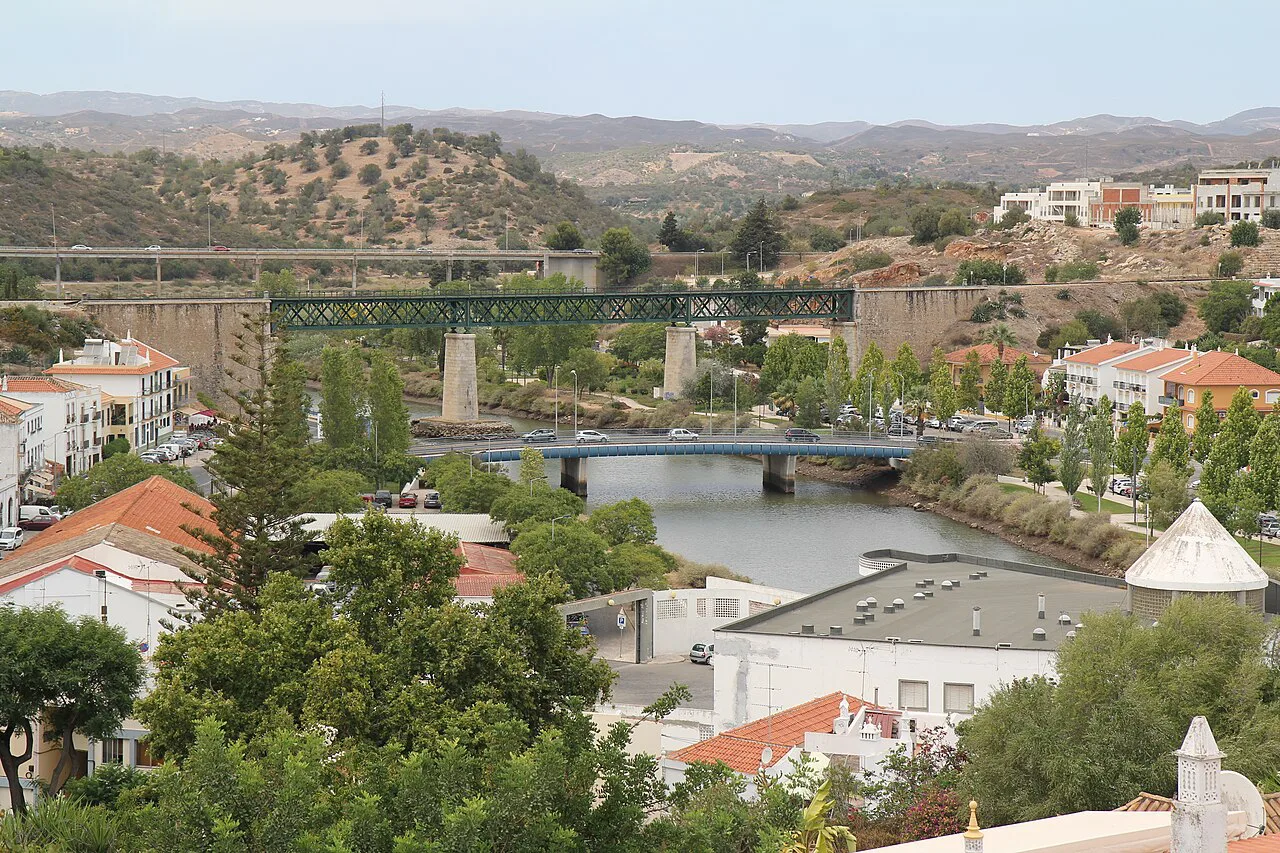
Lagos is the busiest and most complete of the short-break towns, with a walled old centre, the Castle of Lagos, the Forte da Ponta da Bandeira and two town beaches within a few minutes of each other. The old town is compact enough to cover on foot in half a day, and Praia da Batata and Praia dos Estudantes sit just outside it, with a passage through the rock at low tide leading to a smaller beach under a distinctive bridge.
The cliff scenery is the reason to give Lagos more than a day. Ponta da Piedade is a three-minute drive from town, has stairs down to the water where small fishing boats run tours, and swimming there is prohibited.
Walking the lanes between the walls and the waterfront is the point of the place, and the old town has the cafés, shops and outdoor tables that make an evening easy without a plan.
Two days covers the town and the cliffs without rushing. Add a third if you want a boat trip to the caves, and accept that wind can cancel water activities for several days at a stretch, so keep the boat day flexible.
Tavira: the east-Algarve town for churches, squares and slow days
Tavira is the best eastern base for travellers who want a working town rather than a resort: a riverfront, a grid of whitewashed streets, plenty of churches and a pace that rewards lingering. It suits couples and older travellers in particular, and the Ria Formosa islands lie offshore for a half-day outing.
Nearby Cacela Velha is a tiny village with a viewpoint over the lagoon and is worth an hour if you have a car.
Two days is right for Tavira itself, plus a day if you want to add the lagoon. The town is small enough that a single afternoon gives you its shape, and the second day is for churches, the river and the market.
Silves: the inland Moorish castle and quiet streets
Silves is the one inland town on this list and the clearest trade-off: no beach, but the best-preserved Moorish castle in the Algarve, a hill of ochre roofs, orange trees and a church that was once a mosque. It is a short drive from the coast and rewards an afternoon or a full day, with a small museum holding ruins and artefacts from the Islamic period.
The town also has independent studios and shops selling locally made ceramics, which makes it a better stop for a considered souvenir than the resort strips. One day is enough for the castle, the church and the old streets; anything longer means using Silves as a base for the inland hills.
Faro: the airport city worth a day of its own
Faro is usually treated as a gateway and skipped, which is a mistake if you have a spare day: the old town inside its walls, the cathedral square and the waterfront give you a compact morning's walk. It is also the most practical base if you arrive late or leave early. A day is enough, and it pairs naturally with Olhão or Loulé rather than with the western towns.
Carvoeiro and Ferragudo: the fishing-village pair near Portimão
Ferragudo is a fishing village next to Portimão that has kept its traditional character, with the main square, Praça Rainha Dona Leonor, lined with cafés where you can eat while boats are unloaded nearby. It is small enough for an afternoon, and one street of colourful houses and flowers is the village's best-known corner.
Carvoeiro sits on the other side of the Arade estuary and works as the same day out, with cliff paths above the water and boats running to the Benagil caves. If you want the full picture before committing a day, our guide to things to do in Carvoeiro sets out the walks and boat trips. Treat the two as one destination of a day, or two if you want a boat trip and a slow lunch.
Sagres: the south-western edge, the fortress and the lighthouse
Sagres is the end of the line, and that is its appeal: the Sagres Fortress, the cliffs and the Farol do Cabo de São Vicente, the most south-western point of Portugal and of the Algarve. Budget about 20 minutes at the lighthouse itself, which is mostly a viewpoint, and pair it with the fortress and a stop in the village.
A day covers Sagres if you have a car; without one it is awkward, because the lighthouse and fortress sit apart and the coast here is exposed in windy weather. Pair it with Lagos for a two-day western loop rather than making it a base.
Loulé and Olhão: markets, old quarters and everyday Algarve
Loulé gives you an inland market town with an old quarter and a castle, and it is the better food-shopping stop of the two. Read a fuller guide to Loulé: What to See in the Algarve's Market Town before you go, because the market days shape the visit more than anything else in town.
Olhão is the fishing town on the Ria Formosa, known for its markets and its cubist houses, and it makes the best half-day for anyone staying in Tavira or flying out of Faro. Olhão: Markets, Cubist Houses and the Ria Formosa sets out what the old quarter offers on foot. Half a day is enough for most visitors, with a ferry across the lagoon as the obvious extension.
Inland from Loulé, Alte is a whitewashed village with a waterfall dip and a quiet square, best treated as a two-hour detour in the hills of the Caldeirão mountain range.
How many days each town needs, and how to string two together
Lagos needs two days, three with a boat trip; Tavira needs two; Silves and Faro one each; Ferragudo and Carvoeiro one day together, two if you add a cave tour; Sagres one day; Loulé a morning and Olhão half a day. The towns themselves are small, so a morning or afternoon in each is usually enough, which makes a four-day break comfortably fit three or four of them.
Pair by geography: Lagos with Sagres in the west, Ferragudo and Carvoeiro with Portimão in the centre, Tavira with Olhão and Loulé in the east, and Faro either side of a flight. Doing the Algarve by public transport is slower than driving, so build in slack if you are relying on trains and buses.
Which towns to skip if you only have one day
With one day, base yourself in Lagos or Tavira: both are walkable old towns with a full half-day of sights. Sagres, Silves and the Ferragudo–Carvoeiro pair are better with a car and a clear half-day each, so leave them for a longer trip, and check Loulé's market day before committing a day to it.
If you are travelling on to the north of the country, the best towns in northern Portugal follow a different logic of granite centres and riverside squares, with Viana do Castelo as the coastal counterpart to Lagos.
Pick one western town and one eastern town
The simplest short-break formula for the Algarve is one western town and one eastern town: Lagos for walls, the fortress and Ponta da Piedade, then Tavira for churches, squares and the lagoon. If you have a spare day, put Silves or Faro in between rather than adding a third coastal stop.
The Algarve stays mild into autumn and is busiest and most expensive in summer, so shoulder-season travel gives you the towns at walking pace with shorter queues at the sights.
Explore more Portugal guides
Frequently Asked Questions
Is Lagos or Tavira better for a short break?
Lagos suits travellers who want more sights and easier access to boat trips and cliff viewpoints, while Tavira suits those who want a quieter town with churches, squares and the Ria Formosa nearby. Lagos is busier and better connected; Tavira is slower. For two days, either works, and the choice comes down to whether you want walls and cliffs or a river town.
Do you need a car to visit the Algarve towns?
Not for Lagos, Tavira, Faro or Olhão, which can be done on foot once you arrive. Silves, Sagres and the Ferragudo and Carvoeiro pair are much easier with a car, and relying on trains and buses takes longer, so leave slack in a short itinerary.
Can you see the Algarve towns without spending time on the beach?
Yes. Lagos has its walls, castle and fortress, Tavira has churches and squares, Silves has its Moorish castle, and Faro and Loulé have old quarters and markets. Beaches are optional rather than the point of these towns.
Sources
Notes for your next Portuguese break
Optional updates to our town guides.
You might also like



Continue reading
More guides you'll find useful