Albufeira Old Town: What to See and How Long You Need
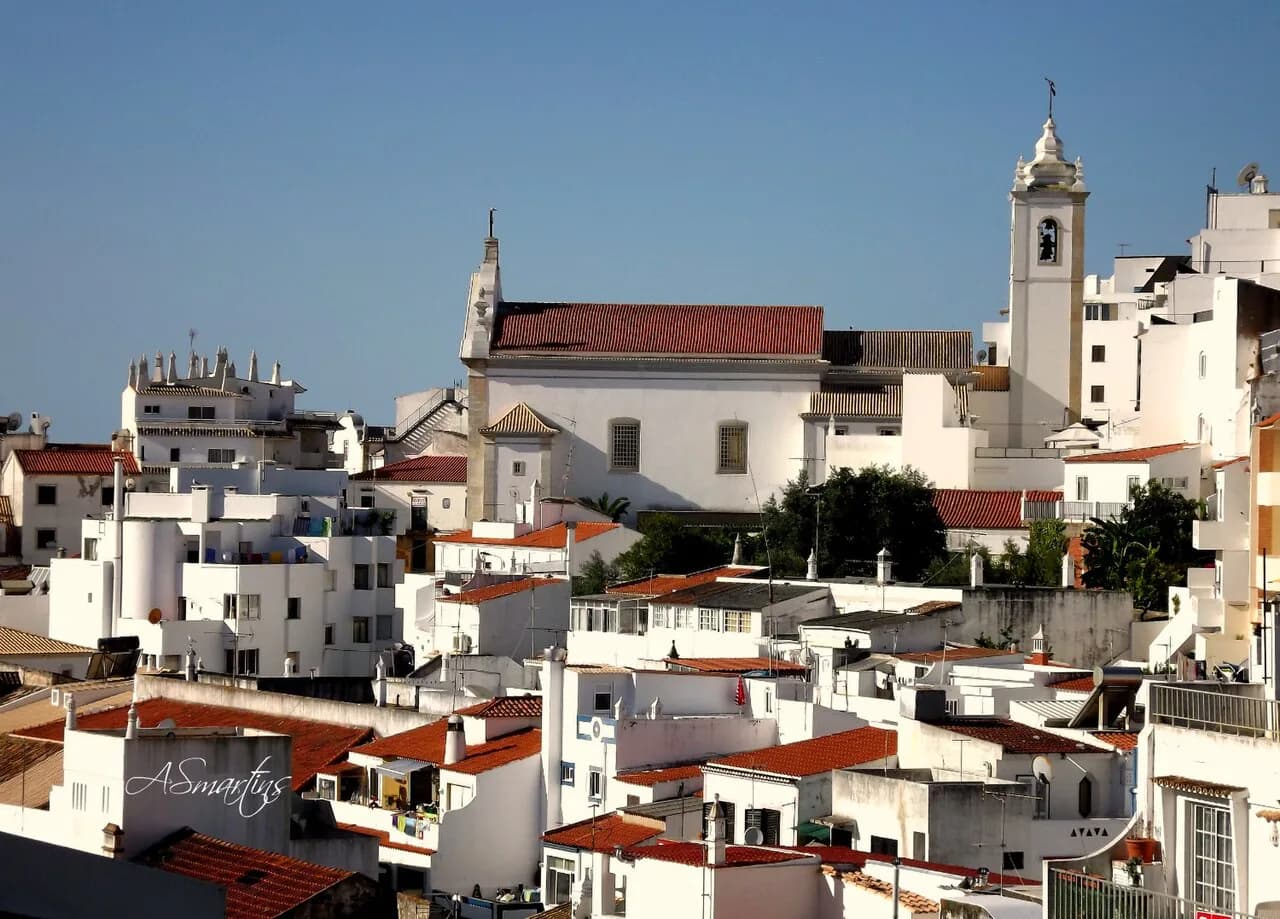
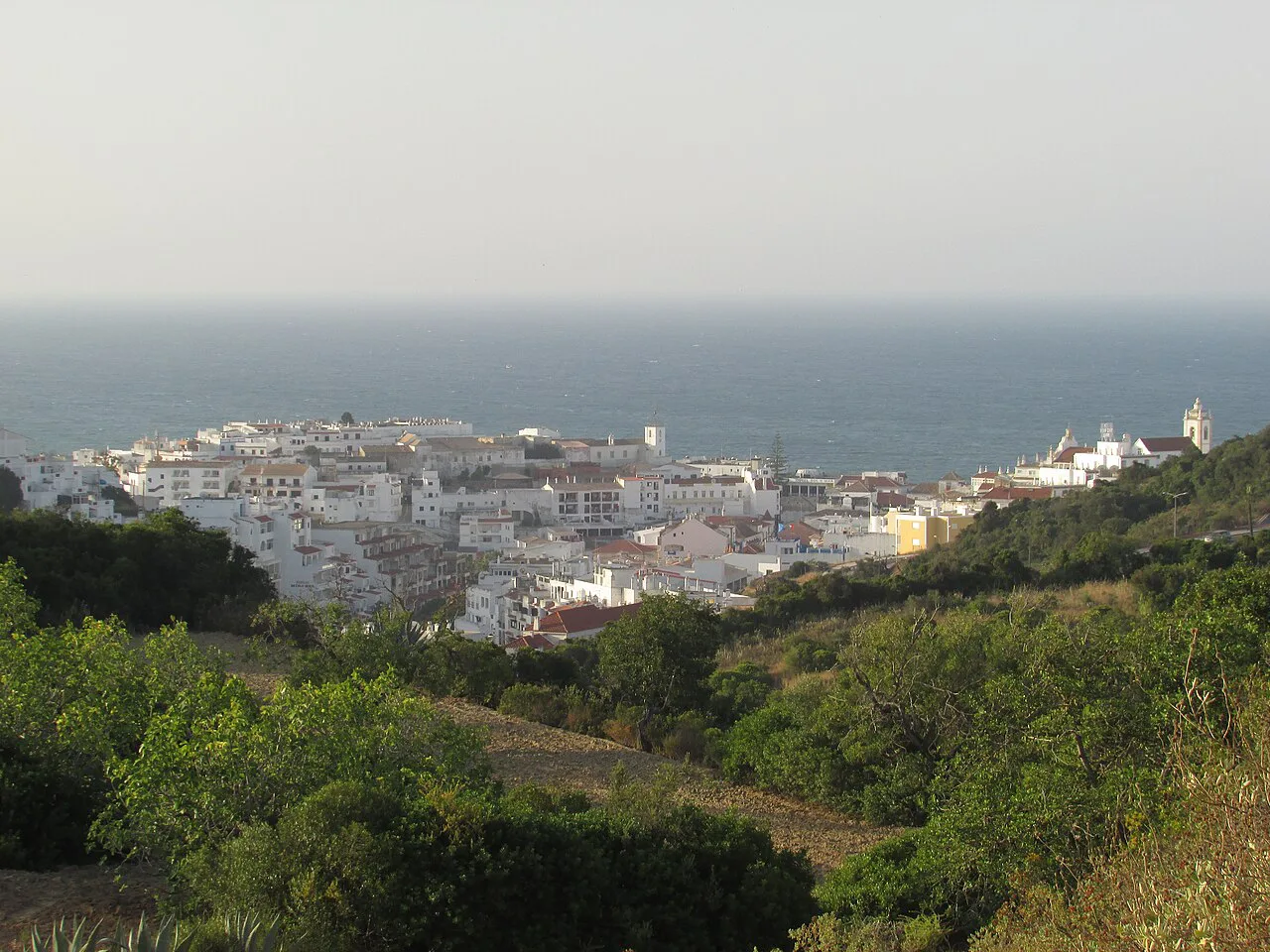
Albufeira Old Town is a compact whitewashed grid of lanes above a sheltered beach, with the Igreja Matriz on the main square, Praça da República.
On this page
Albufeira Old Town is a half-day by default and a full day only if you add the beach and a boat from the harbour. It is a whitewashed tangle of lanes packed between a hilltop square and a gateway down to the sand, with the Igreja Matriz (parish church) at the top of the rise and the sea in front of you. This guide maps it as a route rather than a list, covering the church square, the surviving street plan, the beach and harbour.
The shape of the Old Town: square up top, beach gate below
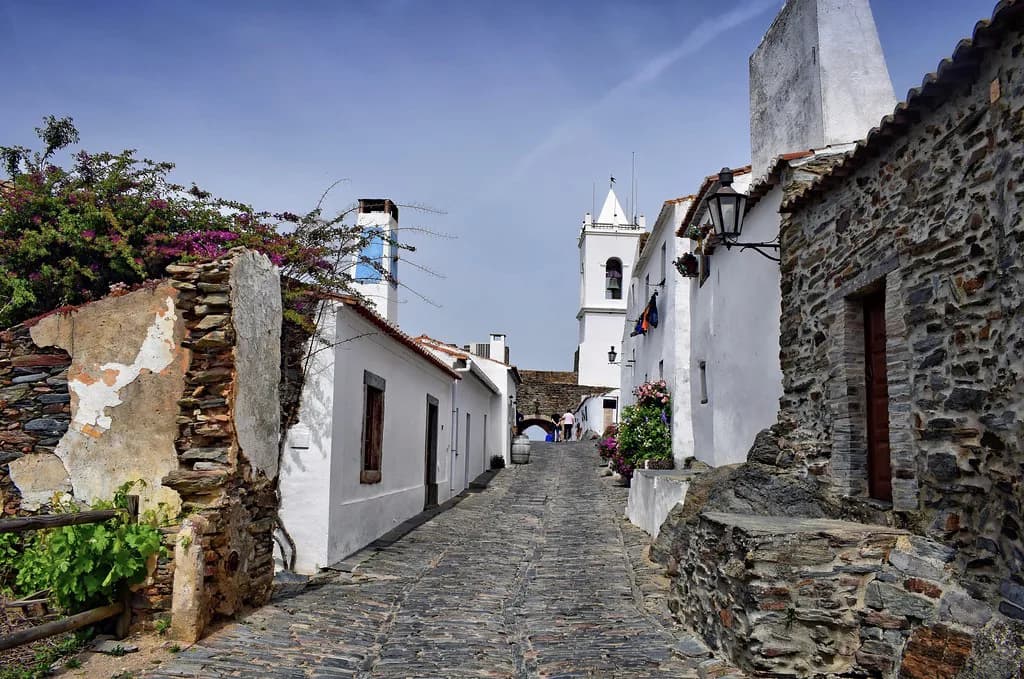
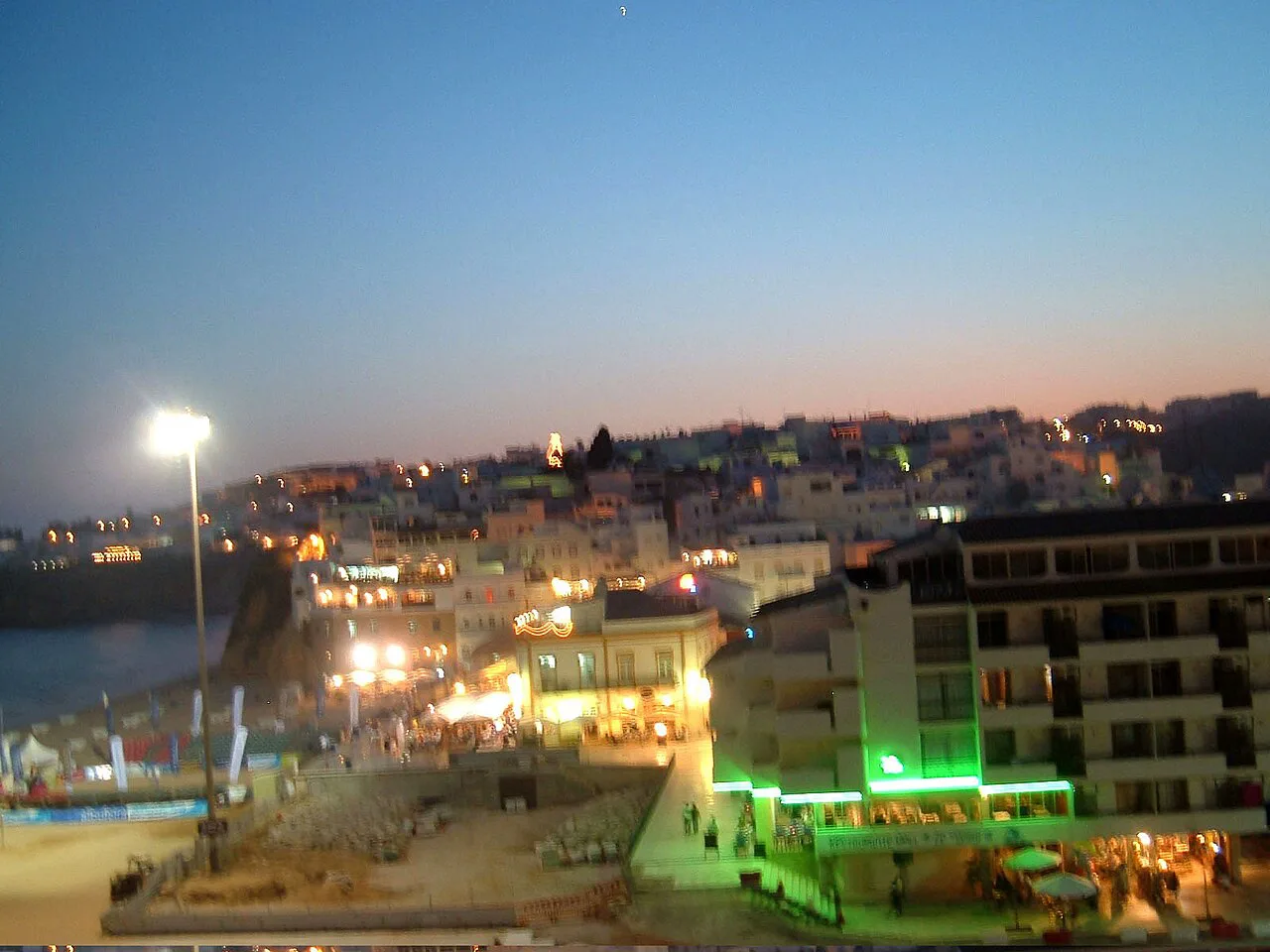
Think of Albufeira Old Town as two levels joined by a slope. At the top is the main square, Praça da República, with the whitewashed Igreja Matriz beside it; the streets fall away from there towards the sea, and a gateway at the bottom opens onto the sheltered beach. The lanes between form a deliberate maze of narrow alleys and short flights of steps, laid out for shade and to slow anyone arriving from inland.
That two-tier arrangement is what makes the Old Town easy to plan. Start at the church square for orientation, walk downhill through the lanes to the beach gate, and climb back up by a different alley so you see a new set of doorways. The area is compact enough that you will cross your own path, and the sea is always a useful bearing when you lose it.
Praça da República and the Igreja Matriz
Praça da República is the natural anchor of a visit: a broad square ringed with cafés and dominated by the church front. The Igreja Matriz is plain on the outside, whitewashed and boxy, and its history is one of destruction and rebuilding after the 1755 earthquake that hit Albufeira hard. The town's present look mostly dates from that reconstruction, which is why the houses share the squared-off style you see throughout the lanes.
The square is the best place to pause before tackling the alleys, and it is where the evening passeio, the traditional stroll, tends to gather. Walk it early in the day while the light is soft and the square is quiet; later, the same space fills with people drifting between cafés. The church front is worth a few minutes for its proportions, but the main event is the lanes behind it.
The lanes: what survived the 1755 earthquake
The street plan is older than the buildings. The Moors held Albufeira for five centuries, and the layout of lanes either side of the church square is the surviving trace of that period, along with the name the town carries, Al-Buhera, meaning roughly 'Castle of the Sea'. The castle itself has gone, but the alleys still show the logic of a shaded grid.
What stands today is largely post-1755, rebuilt in a simple, earthquake-conscious style with low, boxy forms and thick walls. Look for the details while you walk: tiled doorways, iron balconies, blue-painted skirting and the occasional glimpse of the sea at the end of an alley. The lanes are the heart of the old fishing village, and they reward slow walking more than a checklist.
The beach at the foot of the Old Town and the harbour
The beach sits directly below the Old Town, reached through the gateway at the bottom of the lanes, and it is sheltered rather than wild. That makes it the obvious reward for walking down through the streets, especially since the two levels mean you are never far from either. From the sand you can look back up at the white houses stacked on the slope.
The harbour is a short walk from the beach end and is where boat trips leave. Operators sell cave and grotto cruises, dolphin-watching trips and Benagil cave excursions, with third-party tickets listed from around €23 per adult for a Benagil caves and coastline trip, so compare what each kiosk includes before you pay. Check at the harbour for departure times rather than relying on any figure quoted online.
How long Albufeira Old Town needs: half a day or a full day
Give the Old Town half a day if you want the lanes, the church square and a coffee. You can walk the whole grid in an hour or so without hurrying, and the rest of the time evaporates in cafés and on the sand. A full day makes sense if you add a swim, a boat trip from the harbour and a proper lunch.
The trade-off is heat rather than distance. The lanes are exposed at midday and the cobbles reflect the sun, so the half-day version works best in the morning or after the worst of the afternoon. Treat the Old Town as an early start and leave the afternoon free for the wider Algarve; it sits naturally among the best towns in the Algarve for a short break, and Loulé: What to See in the Algarve's Market Town makes an easy second stop if you have two days.
A morning-to-evening plan that avoids the midday heat
Start at Praça da República for a coffee and the church front, then walk downhill through the lanes to the beach gate. Aim to be on the sand before the sun peaks and enjoy the shelter of the cliffs while the town above bakes. By midday you can be at the harbour, looking at boat trips or sitting in the shade.
Eat a proper lunch in the Old Town, ideally grilled fish or a cataplana, the seafood stew cooked in a sealed copper pot, then use the quietest hours of the afternoon for the covered lanes and small shops. As the light softens, walk back up to the church square for the passeio. That sequence puts most of your walking into the cool ends of the day.
Getting around on foot: cobbles, slopes and where not to drive
Walking is the only sensible way to see the Old Town, but the surface is cobbled and the lanes are uneven, so flat, comfortable shoes are not optional. The route from the square down to the beach has slopes and steps, and the climb back up is the thing most people forget to budget for. Give yourself time to stop, and avoid heels altogether.
Do not try to drive into the centre. The lanes were never designed for cars, and parking is tight and confusing; the practical fix is one of the paid car parks on the outskirts, then walk in. That also means you can leave the car for the day without worrying about a scratched hire car.
Eating in the Old Town: grilled fish, cataplana and backstreet tascas
The Old Town is built for fish. Restaurants down towards the beach specialise in grilled fish, and the catch is often displayed out front, so you can point at what looks good rather than wrestling with a menu. Sardines and sea bass are the reliable stalwarts, and a cataplana for two is the heartier alternative when you want something cooked in a pot rather than on a grill.
The backstreets hold the cheaper, more local end of the scene, with tascas serving Portuguese classics like black pork and piri-piri chicken. Prices drop as you move away from the square, and the atmosphere becomes less about the view and more about the food. Some restaurants close on a set day of the week, as is common across the Algarve, so check the door if you have your heart set on one place.
What to buy in the Old Town's small shops
The lanes carry a steady run of small shops, mostly ceramics and cork products but also the usual holiday goods, and they are part of the reason to walk slowly rather than march from square to sand. The artisan shops are the ones worth stopping for: a single good bowl or a wine stopper beats a bag of generic souvenirs. Keep your eyes open, because the best shops are folded into the alleys rather than lined up on the main square.
That is true across the Algarve, where shopping is a side effect of walking the old streets rather than a destination in itself.
Old Town or the Strip: which suits your short break
The Old Town and the Strip are two different holidays separated by a short drive. The Old Town is for the lanes, the church square, the beach and the fish; the Strip is a dedicated nightlife and resort strip. If you want a short break built on walking and eating, base yourself around the Old Town and ignore the Strip. If nightlife is the point of your trip, the Old Town will feel quiet by comparison.
Albufeira is a good base for the central Algarve, with the coastline around Praia da Galé a short drive west and historic inland towns within easy reach. For a short break mixing old streets and boat trips, though, the Old Town is the version of Albufeira most people are looking for.
Is the Old Town worth the detour?
Yes, as a half-day, and yes again if you stretch it with a swim and a boat from the harbour. The Old Town gives you the historic Albufeira that the resort version does not: the church square, the lanes and the beach in one compact walk. Build it around a morning or a late afternoon, wear flat shoes, and leave the car outside the centre.
If you have a second day, head inland to Loulé or west towards Lagos; the wider region repays the extra driving. Keep the Old Town as the anchor of your Albufeira plan, and treat the Strip as a contrast rather than a companion.
Explore more Portugal guides
Frequently Asked Questions
Can you walk from Albufeira Old Town to the New Town?
The Old Town and the Strip sit close enough that a reasonably fit walker can cover the distance, though it is a longish stroll better done in the cool of the evening than in the heat of the day. The route passes some slopes and roads, so take your time and keep an eye out for traffic.
Which part of Albufeira is best for a short break?
For a one-to-four-day break built on food, history and beaches, the Old Town wins: it packs the church square, the lanes, the sheltered beach and a working harbour into a single walkable pocket. Choose the Strip only if nightlife is your main interest, because the Old Town is much quieter in the evening.
What towns are close to Albufeira for a day out?
Loulé is close and worth a day for its old town, and Lagos on the west side makes a longer but rewarding trip. Both work as straightforward day outings, and each gives you a different side of the Algarve from the resort coast.
Sources
Notes for your next Portuguese break
Optional updates to our town guides.
You might also like
Continue reading
More guides you'll find useful