
Portimão in One to Three Days: What to See and How It Fits Together
Plan a one- to three-day Portimão break: the old town, the riverfront and sardine quay, the museum in the old cannery, and the Algarve circuit inland.
On this page
Portimão needs two days to be seen properly, and three if you want the Algarve circuit as well as the town. The first day covers the old centre, the parish church and the riverfront; the second takes in the sardine trade and the circuit inland at Mexilhoeira Grande. This guide sets out the layout, the walking order and the trade-offs so you can build a one-to-three-day break around it.
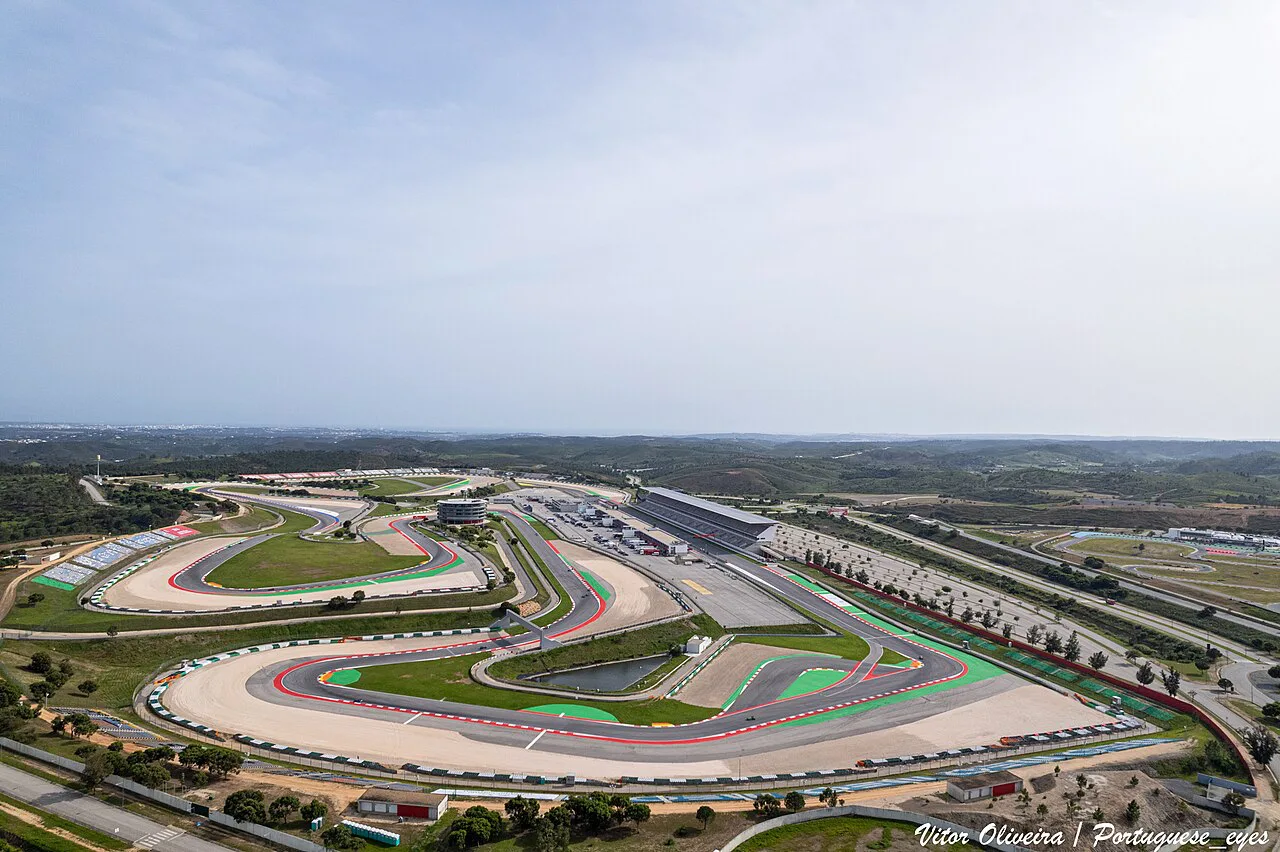
The town has two separate centres of gravity, and that shape decides the plan. The historic river town sits on the Arade, while the Autódromo Internacional do Algarve lies inland at Sítio do Escampadinho in Mexilhoeira Grande, a venue that brings together racing, karting, an off-road track, a hotel, apartments, a technology park and a sports complex. You cannot walk between the two, so the circuit needs its own half-day rather than an hour squeezed into the old town.
What Portimão is like for a short break
Portimão is a working river town with an old centre, not a resort strip. Its identity comes from the canning and sardine trade on the Arade, and the most rewarding sights are built around that story rather than around beach entertainment. Travellers who come expecting a promenade of bars tend to be disappointed; those who come for a functioning Portuguese town with a fishing past usually are not.
The town still belongs to a wider municipality that includes Alvor and Mexilhoeira Grande, and both stretch a stay without a change of base. Alvor is the fishing village at the river mouth, Mexilhoeira Grande is the inland parish that holds the circuit. Treating them as part of Portimão rather than as separate stops is the simplest way to fill three days.
If you are weighing Portimão against the rest of the coast, it sits in the same bracket as the other historic towns that make up the best towns in the Algarve, closer in character to a market town than to a holiday complex. For a different inland market-town contrast, Loulé: What to See in the Algarve's Market Town is the companion read.
How Portimão is laid out
Think of Portimão in three pieces: the old town on the west bank of the Arade, the riverfront and sardine quay below it, and the separate beach and circuit areas to the south and inland. The old town is compact and walkable, with the parish church, the main shopping streets and the riverfront within a few minutes of each other. The Praia da Rocha beach area sits away from the centre, and the circuit sits further out again at Mexilhoeira Grande.
Across the water, Ferragudo faces Portimão at the mouth of the Arade, and its waterfront squares and river views make a natural pairing with a Portimão riverfront afternoon. The river itself, not the road, is the link between the two banks, and the crossing is the reason the two towns feel like neighbours rather than separate destinations.
One day in Portimão: old town, church and riverfront
Start in the old town and work downhill to the water. The Igreja Matriz de Portimão, the parish church, is the anchor of the historic centre, and the surrounding streets of shops and cafés give the town its everyday texture. Give the church quarter an hour or so, then drift towards the riverfront, where the view opens across the Arade. If you are planning several Algarve stops, The Best Towns in the Algarve for a Short Break helps to slot Portimão into the wider trip.
The riverfront walk is the day's best free hour. The quays, the fishing boats and the far bank give you the working side of the town, and the route naturally brings you to the sardine quay. Keep the afternoon loose: the pleasure here is the unhurried circuit of streets, church and quays rather than ticking off sights.
If the weather turns, the old town's cafés and the museum below give you a plan B without leaving the centre. That is one reason to keep a day in Portimão rather than treating it as a transport stop.
The Portimão Museum in the old cannery
The Portimão Museum occupies the old cannery building and is the anchor sight that explains why the town looks the way it does. Its subject is the sardine canning industry that shaped the riverfront, the workforce and the town's growth. Visit it before the sardine quay rather than after: the factory context makes the working quay legible when you get there.
Treat the museum as the centrepiece of a morning rather than a filler for a wet afternoon. The building itself, a converted industrial site, carries as much of the story as the displays. Admission, opening days and any seasonal closures vary, so check the museum's own listings before you set the day around it.
The sardine quay and the fishing side of town
The sardine quay is where Portimão's fishing identity is still visible, and it is the natural sequel to the museum. Boats, nets and the smell of the working harbour do more to explain the town than any display case. Go in the morning if you can, when the quay is at its busiest and the light on the river is best.
Pair the quay with the old town rather than making it a separate trip. The walk from the historic centre down to the water is short, and the route passes the churches and squares that give the town its shape. This is the half-day that most justifies a night in Portimão rather than a day trip from elsewhere.
Two days: the circuit at Mexilhoeira Grande or a slower afternoon
On a two-day break, the second day is a straight choice between the circuit and a slower afternoon in the old town. The Autódromo Internacional do Algarve opened in 2008 and runs to over 4.6 kilometres, and it has drawn some of the biggest names in motor racing as well as hosting major international series such as the Le Mans Series and the Superbike Championship. If motorsport is why you came, give it the whole second day; if not, the old town rewards a second, quieter pass.
The circuit is more than a race track: the site also includes a karting track, an off-road course, a hotel, apartments and a sports complex, and the visitor information page points to the circuit's website for the experiences currently available. What is on offer depends on the race calendar rather than on a fixed daily schedule, so book ahead rather than turning up at the gate.
The Autódromo Internacional do Algarve: what it is and how to book
The circuit sits at Sítio do Escampadinho in Mexilhoeira Grande, inland from the town, and the venue contact number published by the town's visitor service is +351 282 405 600. It is built to host world motor racing and motorcycling championships at the top level, and it opened in 2008. That pedigree, not a theme-park atmosphere, is what you are paying for.
How you experience it depends on the day. Spectating at a race meeting and driving an experience are different products with different booking routes, and neither has a fixed walk-up price that holds across the year. The visitor information page directs you to the circuit's own website for the experiences currently available, so book in advance rather than turning up at the gate.
Karting at the same venue
The karting track shares the Autódromo site, which makes it the practical option for mixed groups. The venue brings racing and karting together at a single site, and visitors describe the circuit as a long, undulating lap with good views from most observation points. If part of your group wants racing and part wants something shorter, the kartódromo is the compromise that keeps everyone on the same site.
Session times and availability follow the venue's own calendar, so check the circuit's website for what is running before you go. Allow a half-day including travel from the town, and keep an eye on the race calendar: a major race weekend changes what is accessible on site.
Three days: splitting Portimão with Alvor and Mexilhoeira Grande
A third day is best spent in the municipality rather than adding another town. Alvor, at the river mouth, is the fishing village half of the story, and Mexilhoeira Grande is the inland parish that holds the circuit. One day split between the two gives you the coast and the interior without changing base.
The Alternative third day heads away from the coast. The Caldeirão mountain range and the villages below it give a different Algarve, and Alte is the obvious hill village to look up if you want a change from another harbour. Either choice works; the point is to spend day three within reach of Portimão rather than commuting.
Walking times between the old town and the riverfront
The old town, the parish church and the riverfront are close enough to cover on foot in an afternoon, which is why one day in Portimão feels complete rather than rushed. The long stretch is the one out to the beach area, and the circuit is a different trip altogether. Plan the day in a loop that ends at the water, so the walk back is uphill and short rather than long and uphill.
The practical friction in Portimão is the gap between the three pieces of town, not the distances within any one of them. Once you accept that the circuit is a half-day excursion rather than a walk, the rest of the plan falls into place.
Trade-offs: river town versus beach base
Choosing where to sleep in Portimão means choosing between the river town and the beach. The old town gives you the museum, the church, the quay and the restaurants on foot, with the beach a short trip away. The beach base gives you sand and sea but puts the sights behind a journey. For a short break centred on the town's history, the old centre is the more efficient choice; for a family stay, the beach side is.
Portimão as a whole is a river town first and a beach destination second, and the beach content is a single line: Praia da Rocha is the long sandy beach south of the centre that most visitors know by name. Everything else worth seeing here is on the river or inland.
Portimão versus Lagos for a short Algarve break
Lagos wins on scenery and on the sheer concentration of dramatic rock formations, and the clifftop views at Ponta da Piedade are the sort of sight Portimão does not have. Portimão wins on working-town character and on the circuit, and it feels less handled. If you want the postcard Algarve, choose Lagos; if you want a Portuguese town with a fishing past and motorsport within reach, choose Portimão.
Lagos old town is also the stronger base for that western stretch of coast, with the Muralhas de Lagos and Praça Gil Eanes at its centre. Portimão's equivalent draws are the river, the museum and the quay rather than fortifications and squares. Read the two towns side by side before committing, because the difference is character as much as convenience.
Where to eat in Portimão and Alvor
Portimão's visitor listings name restaurants in the town and in Alvor, from snack bars to tabernas, and they are a sensible starting point for picking a name. Among those listed are Taberna da Maré and Taberna de Portimão in Portimão, and A Ribeira and Caniço in Alvor. Treat them as leads rather than endorsements, and check each place's own hours before you go.
Order the local fish rather than the international menu, and look for the sardine dishes that give the town its identity. Use each restaurant's own listings to check opening days and current details, since individual kitchens set their own rest days.
Filling a wet or quiet afternoon in Portimão
A wet afternoon is the museum's natural moment, and it is also the best introduction to the town if you arrive late on day one. Beyond that, the old town's cafés and the church quarter fill a quiet couple of hours without a long walk. Portimão's appeal is concentrated, so a damp day costs you the riverfront walk rather than the whole trip.
If you want a change of scene for a few hours, Loulé is the sort of inland town that pairs well with a Portimão stay, and its market hall is the reason to go. The drive up into the hills also breaks the coastal rhythm of an Algarve break without eating a whole day.
Is the circuit the reason to come, or the town?
Decide before you book what Portimão is for you. If it is the circuit, plan around a race or an experience date and treat the old town as the evening. If it is the town, two days cover the museum, the church, the quay and the riverfront comfortably, with Alvor and Mexilhoeira Grande as the third-day extension.
Whichever you choose, Portimão rewards travellers who come for a working river town rather than a resort, and it punishes those who expect the beach strip to be the centre. Build the days around the river and the circuit, and the town's slightly awkward layout stops being a problem and starts being the point.
Explore more Portugal guides
Frequently Asked Questions
Is Portimão a nice town?
It is a working river town with a compact historic centre, a parish church quarter, a riverfront and a sardine quay, and a museum in the old cannery that explains the town's past. It is not a resort strip, so it suits travellers who want a real Portuguese town rather than a promenade of bars.
Is Portimão a party town?
There is nothing here to support that picture. The town's own visitor listings lead with heritage, the museum, the riverfront, the circuit and family activities, and the resort-style entertainment sits elsewhere on the coast. Choose Portimão for the working town and the motorsport, not for nightlife.
When did the F1 race in Portimão?
The visitor information for the town does not set out the circuit's Formula 1 history, so rather than guess a year, check the circuit's official website and its own event history. What the town's visitor service does confirm is that the Autódromo opened in 2008, is built to host world motor racing and motorcycling championships at the top level, and has hosted series such as the Le Mans Series and the Superbike Championship.
Sources
Notes for your next Portuguese break
Optional updates to our town guides.
You might also like



Continue reading
More guides you'll find useful




