
Lagos Old Town: What to See and How Long You Need
Lagos old town packs walls, the slave-market museum and the gilded Igreja de Santo António into half a day on foot. Here is what to see and in what order.
On this page
Lagos old town needs half a day on foot, and a full day only if you add the museums and slow down along the waterfront. The walled centre is compact, whitewashed and largely an 18th-century rebuilding, so you are walking through a restored town rather than a medieval one. This guide sets out a route, the sights worth your time and the honest trade-offs.
Almost everything inside the walls dates from after the 1755 earthquake, which destroyed most of the earlier town; the surviving stretch of ancient wall and the 17th-century fortress that still stands are the main exceptions. The Prince Henry the Navigator connection is the other thread: his statue faces the harbour, and the square behind it holds Europe's first slave market. Expect cobbles, a few hills and plenty of cafés rather than a museum-heavy day.
What Lagos old town is and where it sits
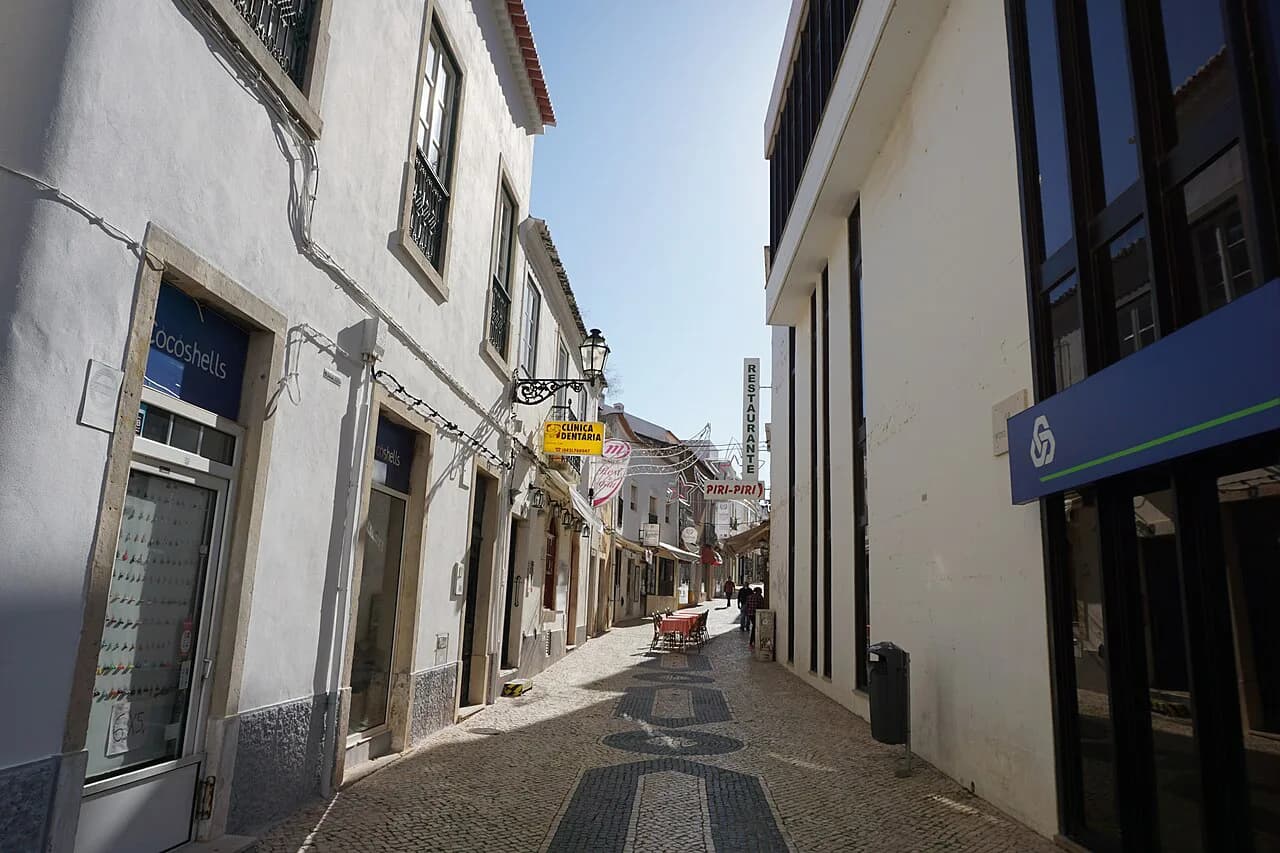
The historic centre occupies the pocket between the marina on the river side and the small beaches immediately east of the fortress. The Muralhas de Lagos still mark the old fortified boundary, so the shape of the town is easy to read once you find a stretch of wall. Inside, pedestrian streets of cobbles and whitewashed buildings give the centre its Algarve character.
This is not a walled town on the scale of Óbidos. Most of what you see is 18th-century construction or restoration, and the pleasure comes from the streets, the squares and the churches rather than from defensive architecture. If you have come for castles and ramparts, adjust expectations before you start walking.
Lagos itself is small enough to cross on foot, and the centre has hills but nothing like the gradients of Lisbon or Porto. That makes the old town a comfortable half-day for most travellers. Treat the beaches and the marina as separate outings rather than part of the same walk.
How long you need
Half a day is the realistic figure for the streets, the churches and a coffee stop. The main highlights sit within a couple of hours of easy walking, which leaves time for lunch and a look at the sea edge before the afternoon.
Stretch it to a full day by adding the Museu de Lagos and the Mercado de Escravos, then walking down to the marina or over to Praia da Batata. Museum time is what changes the shape of the day, not the distance. A sensible split is culture in the morning and the waterfront later, when the light softens and the terraces fill.
Where the old town is and how to enter it
Come in from the marina side and you pass the harbour front before the streets narrow. The old town is small and the walls enclose it clearly, so you do not need a map to find the centre once you are close; the pedestrian streets do the guiding. Aim for Praça Gil Eanes as a first fixed point, since the tourism office sits on that square.
The Porta de São Gonçalo gate and the Castelo de Lagos are the named entry points on the landward side. Both are quick stops rather than destinations, and the castle in particular is a modest visit. Use them as orientation markers on your way in rather than as the reason for the walk.
A walking route through the centre
Start at Praça Gil Eanes, where cafés and shops ring the tourism office, then cross to Praça do Infante D. Henrique, which links several of the historic landmarks and has a more cultural feel. From there the route runs through the pedestrian core towards the church and the sea.
Slot in the Porta de São Gonçalo and the Castelo de Lagos if you want the gate and the walls in one stretch, then turn back towards the Igreja de Santo António and the museum beside it. Finish downhill at the Forte da Ponta da Bandeira, with the beaches right next door.
The whole loop is short, but the pleasure is in the detours: tiles on the buildings, wrought-iron balconies, street art and small squares along the way. Walk it slowly and let the route fold in on itself rather than treating it as a checklist.
Igreja de Santo António and the Museu de Lagos
The Igreja de Santo António is the cultural highlight of the centre, with a Baroque interior covered in gold brought from Brazil. Even if you see nothing else inside the walls, step in here. The church and the museum are effectively one stop, so budget your time for both together.
The Museu de Lagos, founded by José Formosinho, occupies an annex of the church and covers art, archaeology and the history of the town. Entry was recorded at a price, which makes it an easy addition rather than a commitment; that is a past snapshot rather than a current price, so confirm the ticket when you arrive.
The church and the museum between them carry most of the history you will find in the old town. If your time is tight, choose these over the castle and the fort without hesitation.
Mercado de Escravos: the serious stop
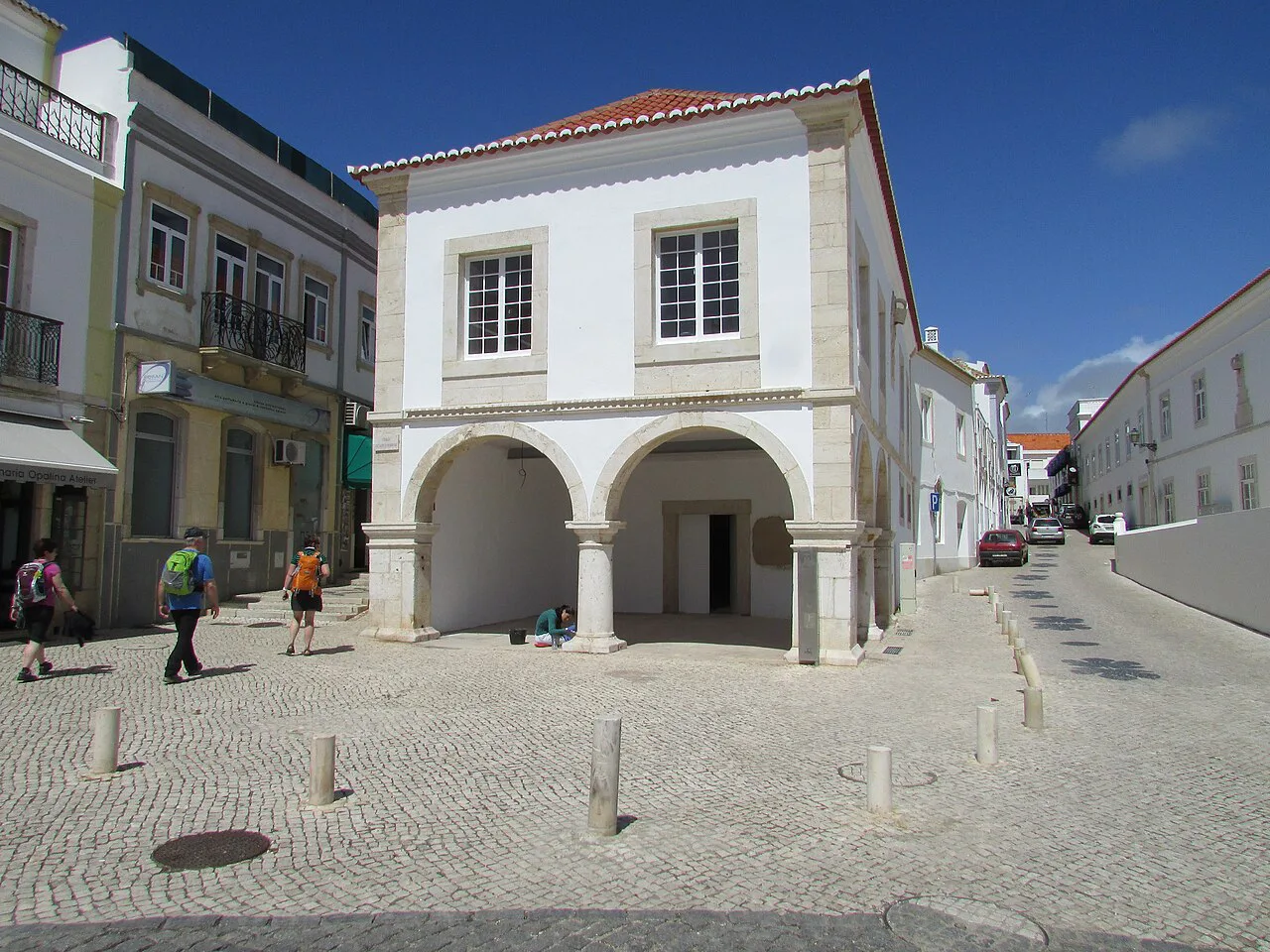
The Mercado de Escravos stands on the site of the city's former slave market, which dates to 1444, and is now a museum about slavery in Lagos and in Portugal as a whole. It is small but substantial, with artefacts and multimedia displays, and it treats the subject plainly rather than as a curiosity.
This is the stop that gives the old town its weight. The maritime history that the fortress celebrates is the same history that produced the market, and seeing both in one morning is more instructive than either alone. Go here before the waterfront rather than after it.
Forte da Ponta da Bandeira and the sea edge
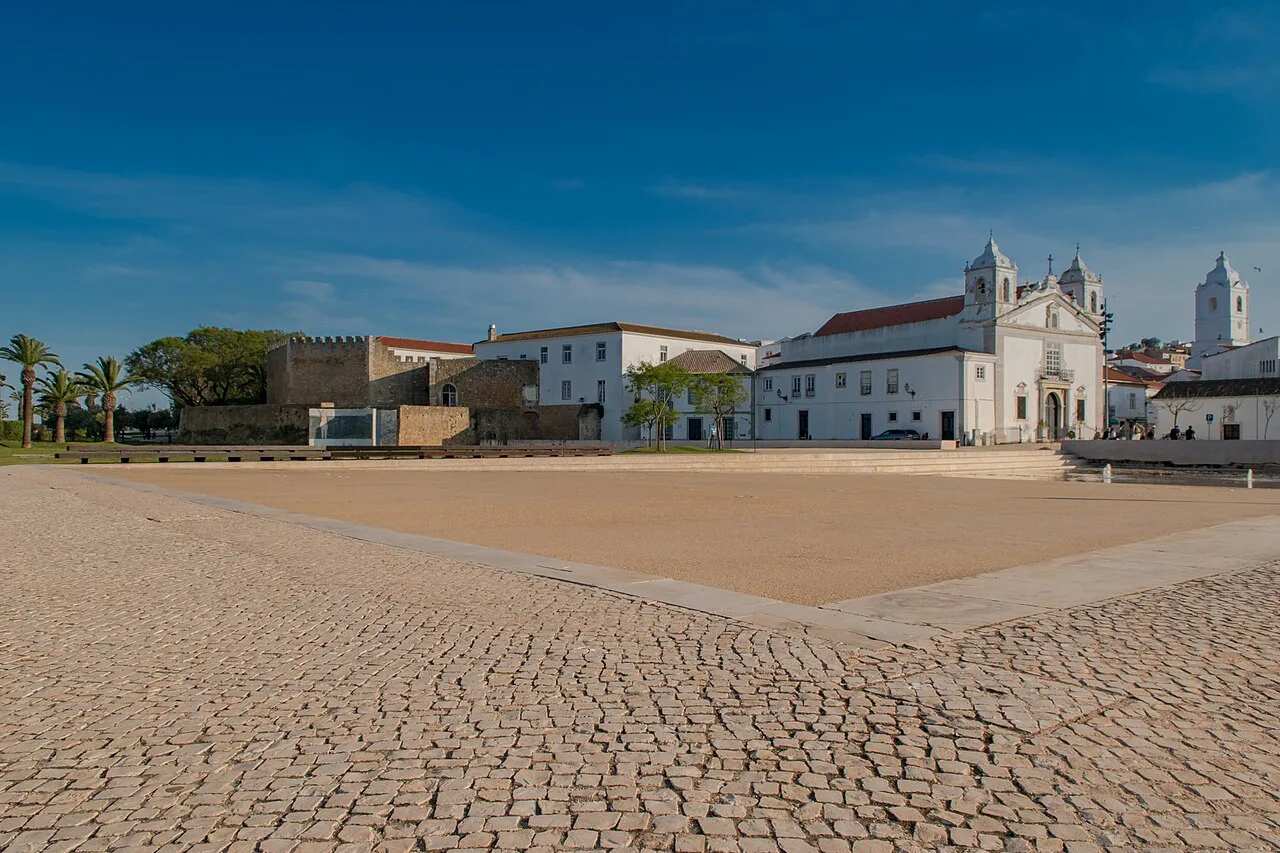
The 17th-century fortress survived the 1755 earthquake and now holds a small exhibition on local history and the Age of Discovery. It is a short visit with a harbour view, so treat it as the end of the walk rather than a set piece.
From the fort you are steps from the town beaches, and the walk to the Marina de Lagos takes only a few minutes. That closeness between heritage and coast is what distinguishes Lagos from inland Algarve towns. Coast paths and boat trips around the rock formations are a separate outing, best saved for a later afternoon.
The main streets for shops and cafés
Rua 25 de Abril and Rua Cândido dos Reis are the two streets to know, lined with local shops, cafés and restaurants and busy from morning into the evening. This is where you break the walk rather than where you march through it.
The centre is also where dinner happens, and the streets come alive in the evening as people head out for drinks and food. A seafood market near the marina adds a working-town note to the polished shopfronts.
Eating in the old town
Portuguese food is the reason to eat in the centre rather than on the harbour front. Among the options that have been recommended are Cantinho Algarvio for local cooking, Tasca Jota Lagos for tapas-style plates and Nah Nah Bah for burgers, with empanadas at Empanadas & Co. and Tex-Mex at The Green Room.
Book nothing on the strength of a name alone. Menus, prices and the day a kitchen closes change with the season, and the town is at its most crowded from late June through August. Look at the board outside and decide on the spot.
An honest verdict on the sights
The castle and the fort are not the most exciting visits in the Algarve, and pretending otherwise would waste your morning. The Igreja de Santo António and the Mercado de Escravos carry the history, and the beaches immediately beside the walls are the real draw.
That balance suits a short break. Give the centre half a day, then decide whether the rest of your time goes to the coast or to the museums. If you want a market town with more substance inland, Loulé: What to See in the Algarve's Market Town makes a useful contrast.
The centre also has an obvious evening life, with the old town square at the heart of dining and drinking. That is a reason to stay nearby rather than to spend the afternoon there.
Lagos old town versus the rest of Lagos
The centre gives you walls, churches, museums and squares in a compact walk; everything else in Lagos is spread out along the coast. Praia da Batata, Praia dos Estudantes and Praia do Pinhão sit close enough to reach on foot from the walls, while Praia do Camilo, Ponta da Piedade and Meia Praia need more time or a ride. Keep the two halves of the trip separate or the old town will dissolve into a beach day.
For the wider short-break picture, The Best Towns in the Algarve for a Short Break sets Lagos against the region's other bases. Closer at hand, Ferragudo across the Rio Arade offers a quieter harbour, Portimão in One to Three Days covers the larger neighbour, and Olhão: Markets, Cubist Houses and the Ria Formosa suits travellers who want markets over monuments.
Inland alternatives such as Alte, Algarve and Monchique trade the coast for stone villages and wooded hills. They work as a half-day contrast, not a substitute for the old town itself.
Half a day or a full one?
Book half a day for Lagos old town: Praça Gil Eanes, the Igreja de Santo António and the Museu de Lagos, the Mercado de Escravos, then down to the Forte da Ponta da Bandeira and the sea. Add the marina and a long lunch if you have a full day to spare. Treat the castle and the fort as quick stops rather than headline sights and spend the saved time on the coast.
Check the current ticket for the Museu de Lagos and the opening hours of the church and museums before you set out, as these change with the season and are best confirmed on the day. Carry cash for small cafés and wear shoes for cobbles. That is all the preparation the centre needs.
Explore more Portugal guides
Sources
Notes for your next Portuguese break
Optional updates to our town guides.
You might also like



Continue reading
More guides you'll find useful





