Things to Do in Faro: Old Town, Ria Formosa and City Sights
Plan a short break in Faro with the old town, city walls, cathedral, museums and a Ria Formosa boat trip, plus how to group them into one to three days.
On this page
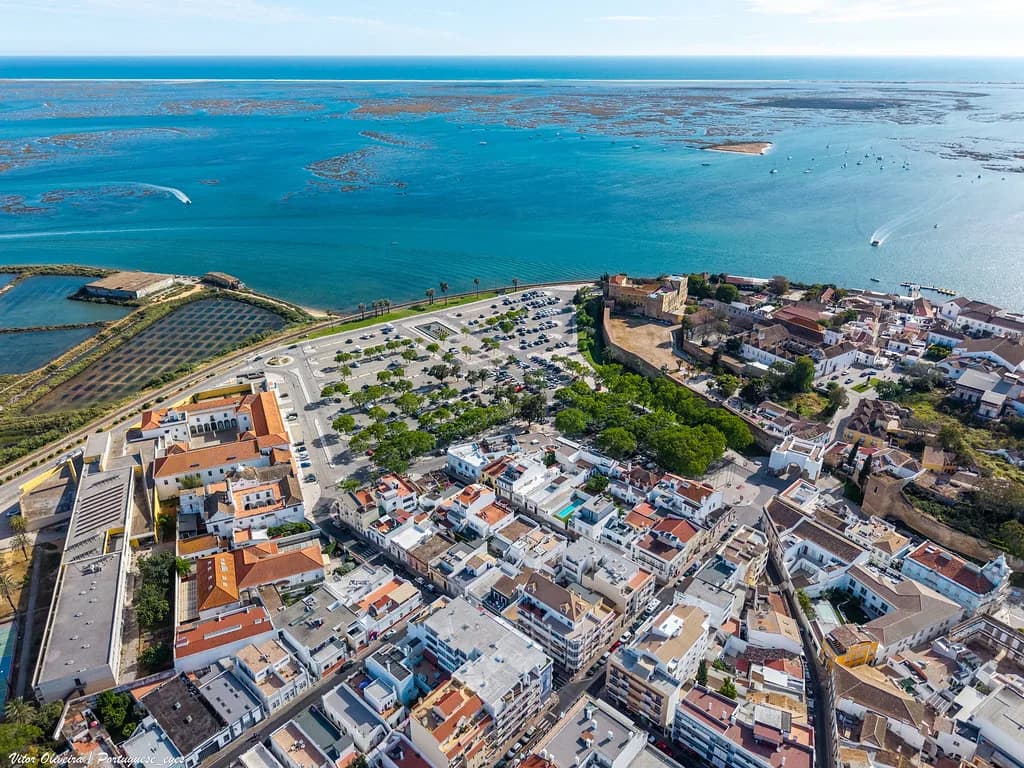
Faro is a one-day city that stretches comfortably into two or three if you add the Ria Formosa lagoon and the Capela dos Ossos. The historic core is small enough to cross in twenty minutes, so the pleasure is in slow loops rather than a checklist: the marina and Jardim Manuel Bivar first, then the Arco da Vila into the Cidade Velha and the walls behind the cathedral.
This guide groups the sights by geography, then splits them into a one-day plan and an add-on list for a longer stay, with the free stops separated from the paid ones. Opening days and ticket prices change with the season, and the cathedral and museums publish their own.
What there is to do in Faro, and how much time it needs
The city divides into four walkable pieces: the waterfront strip with the marina and Jardim Manuel Bivar, the walled Cidade Velha entered through the Arco da Vila, the shopping streets north of the old town, and the Carmo church with its bone chapel a short walk west. One day covers the first three at an easy pace with a long lunch; two days adds the Ria Formosa and the chapel without hurry.
A third day is best spent on the water or on a single excursion rather than adding more churches. The lagoon islands are reached only by boat, so a half-day there trades against time in the old town, and the choice depends on whether you prefer tiles and stone or birds and sand.
Start at Jardim Manuel Bivar and the Marina de Faro
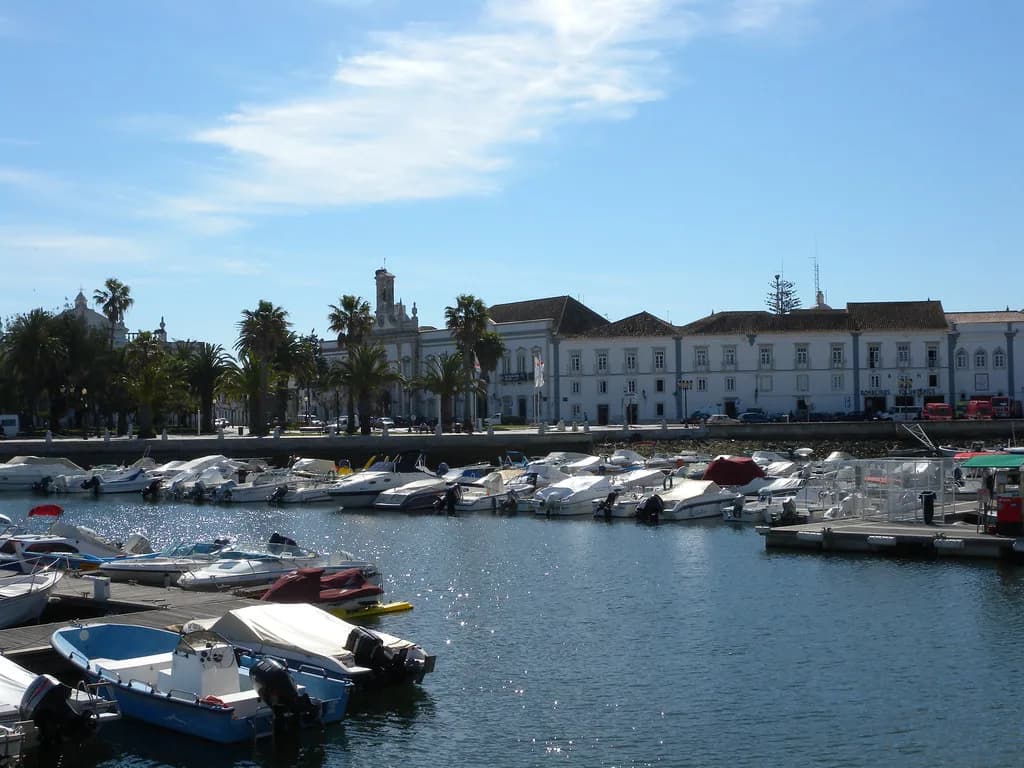
Jardim Manuel Bivar is the shady garden beside the marina, with benches facing the water, well-kept beds and a steady flow of locals crossing to the bus and train stations. It works as a meeting point and a place to sit for ten minutes before entering the old town, and it regularly hosts events and performances.
The marina itself is lined with small fishing boats as well as pleasure craft, with statues dotted around the quays and terraces for a drink. The fishermen coming in give it more life than a purely tourist harbour.
Enter the Cidade Velha through the Arco da Vila
The Arco da Vila is the nineteenth-century gate that marks the entrance to the Cidade Velha, and it is the natural place to begin a walk. In a niche above the arch stands a statue of São Tomás de Aquino, and inside the gate you can see remains of the earlier Arab entrance.
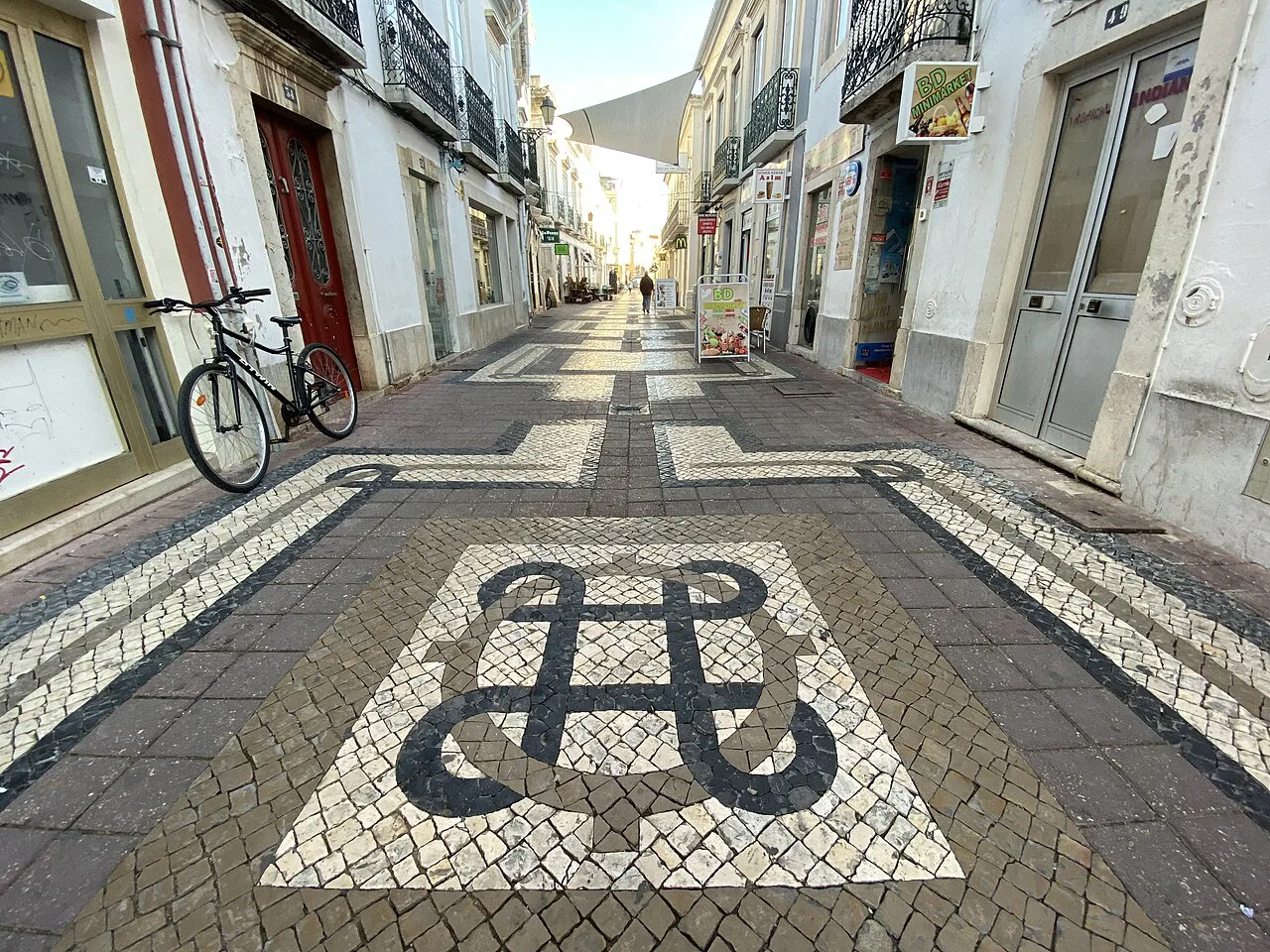
Beyond it, the old town is a knot of narrow cobbled streets and small squares around the cathedral, quieter and less polished than the streets outside the walls. It rewards drifting rather than navigating, and the small squares make good pauses between sights.
For a structured version of the same route, the Faro Walking Tour covers the gate, the lanes and the wall in one loop. It is the easiest way to see the old town without retracing your steps.
Walk the Muralhas de Faro and find the Arco do Repou
Sections of the Muralhas de Faro, the old city walls, still stand around the historic centre, and walking them gives the clearest sense of how small the original town was. The Arco do Repou is another surviving gate in the circuit, worth locating as you follow the wall line.
The walls are free to see from the outside, which makes them the best-value stop in the city on a tight budget. Pair them with the gate and the squares and you have a half-day of sightseeing that costs nothing.
See the Sé and the old town squares
Faro cathedral, the Sé, is also known as the Igreja de Santa Maria and dates back to the thirteenth century, making it one of the oldest buildings in the city. Inside, look for the Baroque altarpiece; the bell tower, originally a minaret under Moorish rule, gives a panoramic view over the rooftops.
The tower is a genuine viewpoint with one audible drawback: the bells ring right beside you, and they are loud. Go up anyway, but time it between chimes and do not linger on the hour.
The surrounding squares and lanes hold the best of the city's azulejos on church and house fronts, so the walk between sights is part of the visit rather than dead time.
Museu Municipal de Faro for the city's history
The Museu Municipal de Faro is the place to make sense of the Roman, Moorish and later layers you have been walking over, and it sits inside the old town near the cathedral. Give it an hour if you like context, or skip it on a one-day trip.
The museum's own opening days and admission are the details to confirm before you build a day around it, since municipal museums keep their own calendar.
The Igreja do Carmo and the Capela dos Ossos
The Igreja do Carmo, with its Capela dos Ossos, sits outside the old town core, so it needs planning rather than working in as a passing detour. The bone chapel is the reason most people make the walk, and it is a sober, small space rather than a spectacle.
Check the church's visiting hours before you set out, since a working church may be closed for services when you arrive. Build it into the end of an old town loop so a closed door costs you little.
Palácio Belmarço and Faro's street art on foot
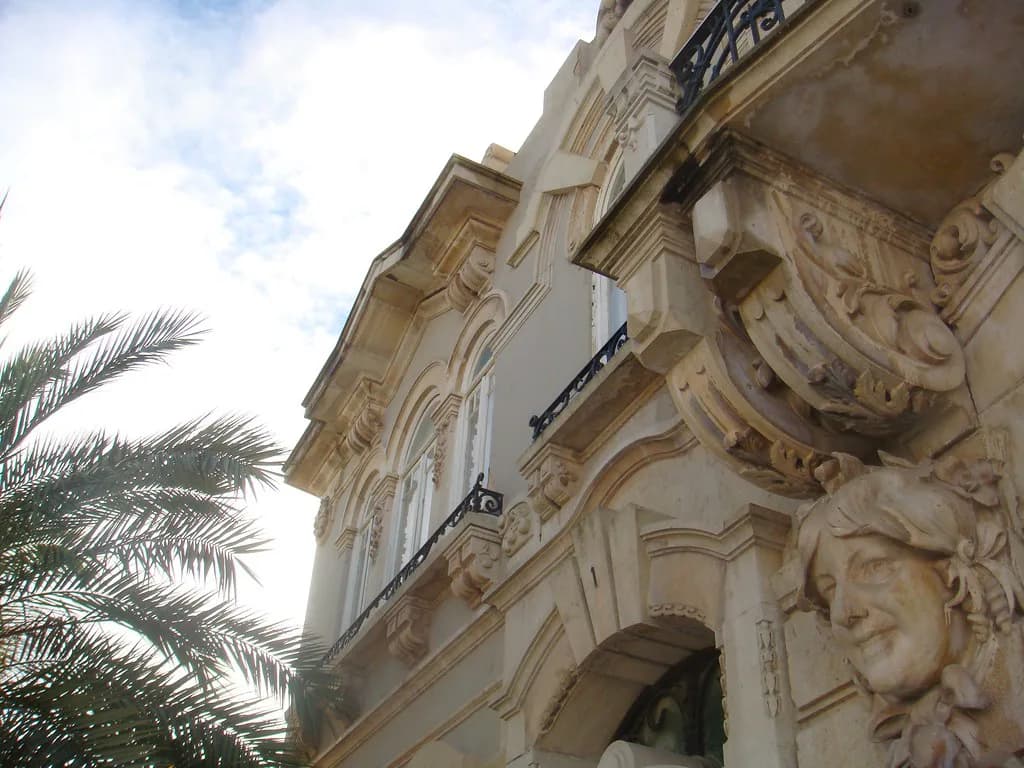
Palácio Belmarço is an ornate private mansion worth a look from the street for its facade, and it sits on the route between the shopping centre and the old town. Street art turns up on walls around the centre too, so keep your eyes off the map for a few streets.
The main shopping streets north of the old town are the natural place for a browse, and a stop at the Faro municipal market fits the same morning.
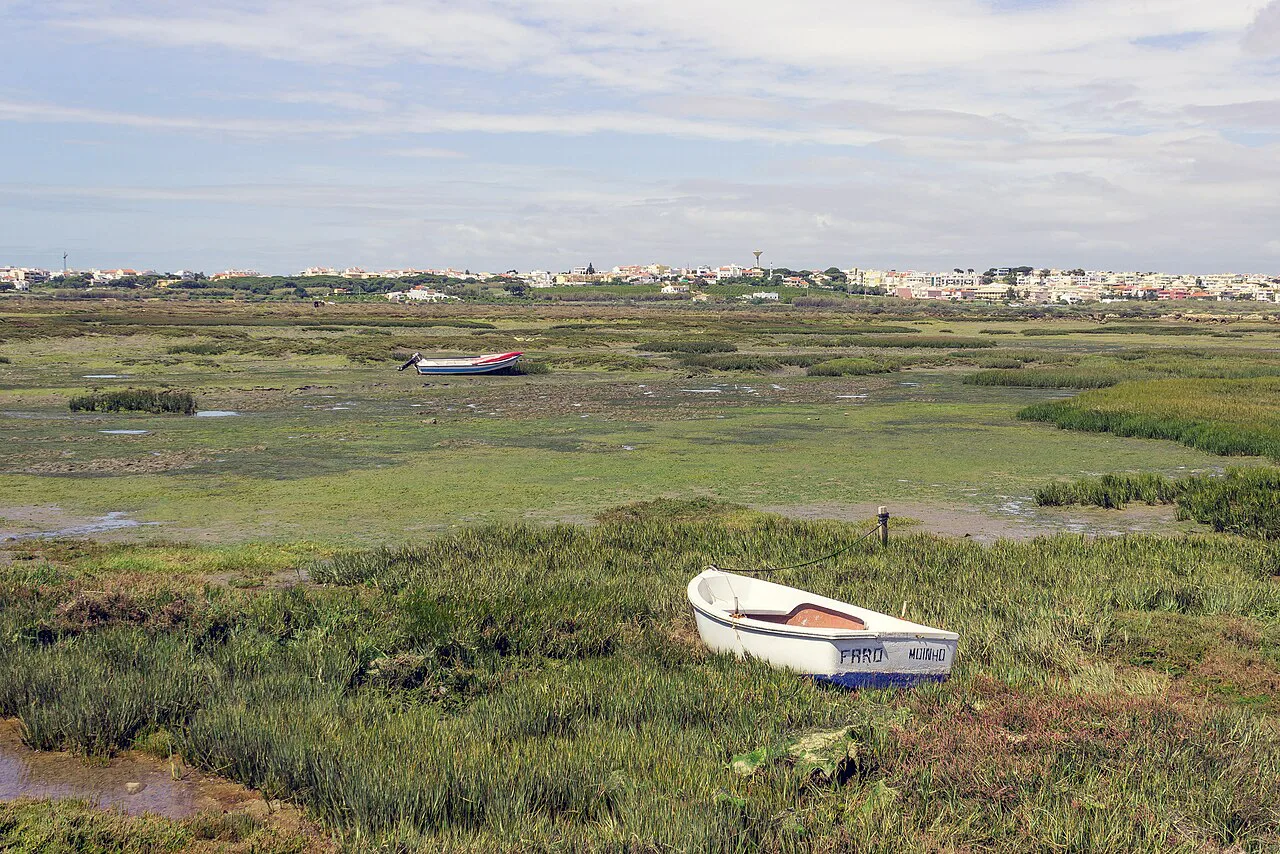
The Ria Formosa lagoon: boat trips, birdlife and Ilha Deserta
The Ria Formosa is the wide lagoon system along this coast, listed as a UNESCO biosphere reserve, with winding channels, salt pans and sandy islands. Boat trips run from Faro into the reserve and are the practical way to see it, since the islands are reached only by water.
Ilha Deserta is the quietest of the islands, with long empty sand, very few buildings and good birdwatching. The trade-off is that everything on it depends on the boat you arrived on, so treat the crossing as the anchor of that half-day.
Operators publish their own departure points along the marina and their own fares, so compare on the quay rather than assuming a single service. Flamingos and other waders turn up in the lagoon, but sightings are never guaranteed.
Praia de Faro in one sentence, and when the beach is the better call
Praia de Faro is the long sandy island beach across the lagoon, and it is the better call on a hot afternoon when walking cobbles has lost its appeal. Otherwise the lagoon and old town earn the time more clearly.
How the city fits together: a walking route from marina to old town
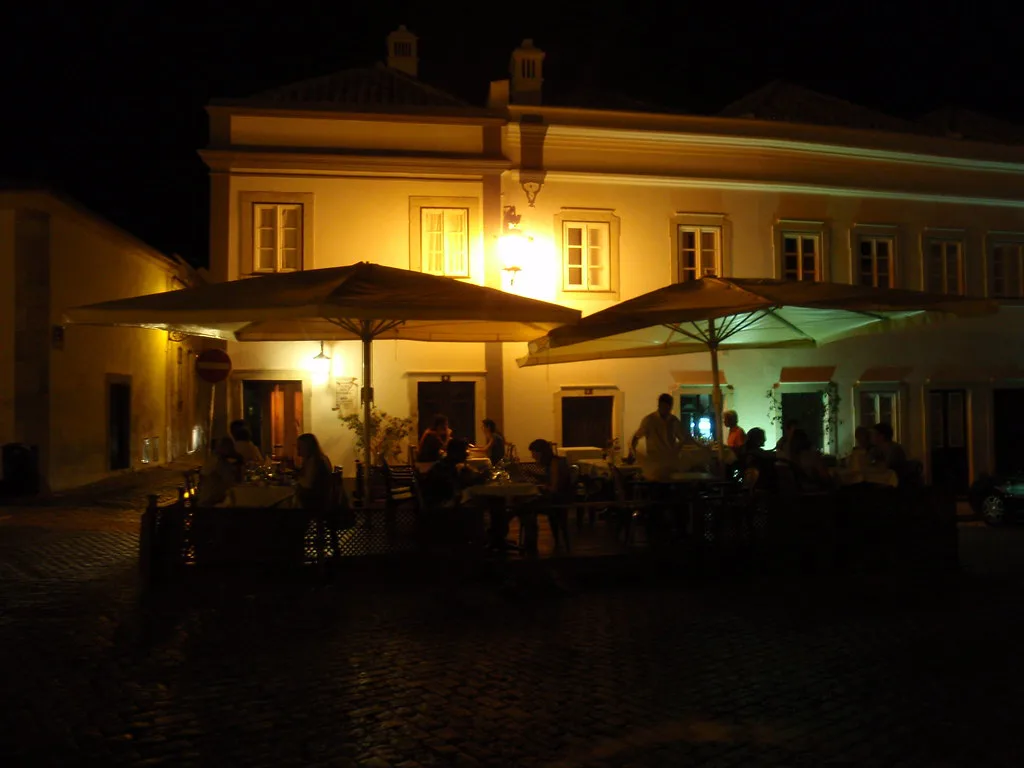
A sensible loop starts in Jardim Manuel Bivar, crosses to the marina for a look at the boats, then passes through the Arco da Vila into the Cidade Velha. From there, climb the cathedral tower, follow the surviving wall line past the Arco do Repou, and come back out through the old town squares for lunch.
The entire loop is short enough to repeat in the evening, when the walls and gate are quieter and the marina terraces fill up. Walking is the only transport you need inside this core.
One day in Faro: what to prioritise
With one day, take the marina and garden, the Arco da Vila, the old town lanes, the cathedral and its tower, the walls, and a long seafood lunch. Leave the museum and the bone chapel for another trip, since both eat into a short visit for modest returns.
If the weather turns, the museum and the Carmo church are the obvious indoor swaps, and the shopping streets fill a wet hour. That is a workable rainy-day version of the same route.
Two to three days in Faro: what to add
A second day belongs to the Ria Formosa: a boat trip out to Ilha Deserta or a shorter lagoon circuit, then a slow afternoon back in the city. A third day can take the Capela dos Ossos properly and add the Museu Municipal without rushing either.
Palácio de Estoi, a palace outside the city, is the one excursion worth naming if you want a change of scene. Anything further, including the famous Algarve beaches and caves, is a separate day out rather than part of a Faro short break.
Eating in Faro: seafood, petiscos and where the city eats
Faro eats fish, and the marina side is where the seafood restaurants cluster, with fresh catch and petiscos to share. Santa Maria Petiscaria is one name around the harbour for fish, and the terraces make a natural lunch stop after the old town.
Beyond the waterfront, the streets around the centre hold pastelarias and tascas for coffee and a cheap plate, and the municipal market is the place to see what the city cooks with. Menus are the reliable guide to price, so read one before sitting down rather than assuming the city is cheap or dear.
Free and low-cost things to do in Faro
A lot of Faro costs nothing to look at: the marina, Jardim Manuel Bivar, the old town squares, the street art and the surviving walls seen from the outside. Add a browse along the shopping streets and you have a full day without buying a ticket.
The paid stops to weigh against each other are the cathedral tower, the museum, the bone chapel and a boat crossing. Pick two of the four on a budget day and the rest of the city still fills the hours.
Practicalities: getting around the centre on foot and checking opening days
Everything in the centre is walkable, and the bus and train stations sit beside Jardim Manuel Bivar, so you can step off and start the loop immediately. The Carmo church and the lagoon jetties are the only pieces that need a deliberate walk or a booking.
Church and museum hours vary by season and by service times, and boat operators set their own departures and fares, so check the specific venue before you go. Two checks at the start of the day cover almost everything.
Is Faro worth one day or three?
Give Faro one full day for the marina, the old town and the walls, and add a second only if the Ria Formosa appeals or you want the bone chapel without hurrying. The city rewards walking and pausing more than ticking off sights, and its free stops carry a short break on their own.
If you are weighing Faro against another Portuguese city, Aveiro offers canals and moliceiros while Braga brings its own cathedral and Bom Jesus do Monte, and both reward the same one-to-three-day rhythm. For the canal city, our guide to the things to do in Aveiro covers the moliceiros and the Cais da Fonte Nova waterfront.
Explore more Faro guides
Frequently Asked Questions
Is Faro worth visiting on a short break?
Yes, if you want a compact, walkable city with a walled old town, a cathedral tower with a view, a working marina and a lagoon on its doorstep. One day covers the core; two or three let you add the Ria Formosa, the bone chapel and the municipal museum at an unhurried pace.
What is special about Faro compared with other Algarve towns?
Faro combines a genuine historic centre entered through the Arco da Vila with the Ria Formosa, a lagoon system listed as a UNESCO biosphere reserve, reachable by boat from the city. That pairing of old-town walking and wetland wildlife is unusual in one small city.
Are there free things to do in Faro?
The marina, Jardim Manuel Bivar, the old town squares, the street art and the surviving walls viewed from the outside can all be seen without buying a ticket. Paid stops such as the cathedral tower, the museum and the bone chapel are the ones to choose between if you are watching the budget.
Sources
Notes for your next Portuguese break
Optional updates to our town guides.
You might also like

Continue reading
More guides you'll find useful