Faro Old Town: What to See Inside the Cidade Velha
Plan a wander through Faro old town, from the Arco da Vila to the Sé bell tower and the Capela dos Ossos, with a walking route and honest trade-offs.
On this page
Faro old town needs half a day, not a full one. The walled Cidade Velha is compact enough to cross in minutes, so the pleasure is in the gates, the cathedral tower and the white cobbled lanes rather than in ticking off a long list. This guide covers how the old town is laid out, what to see inside and just outside the walls, and how the centre fits into one, two or three days in Faro.
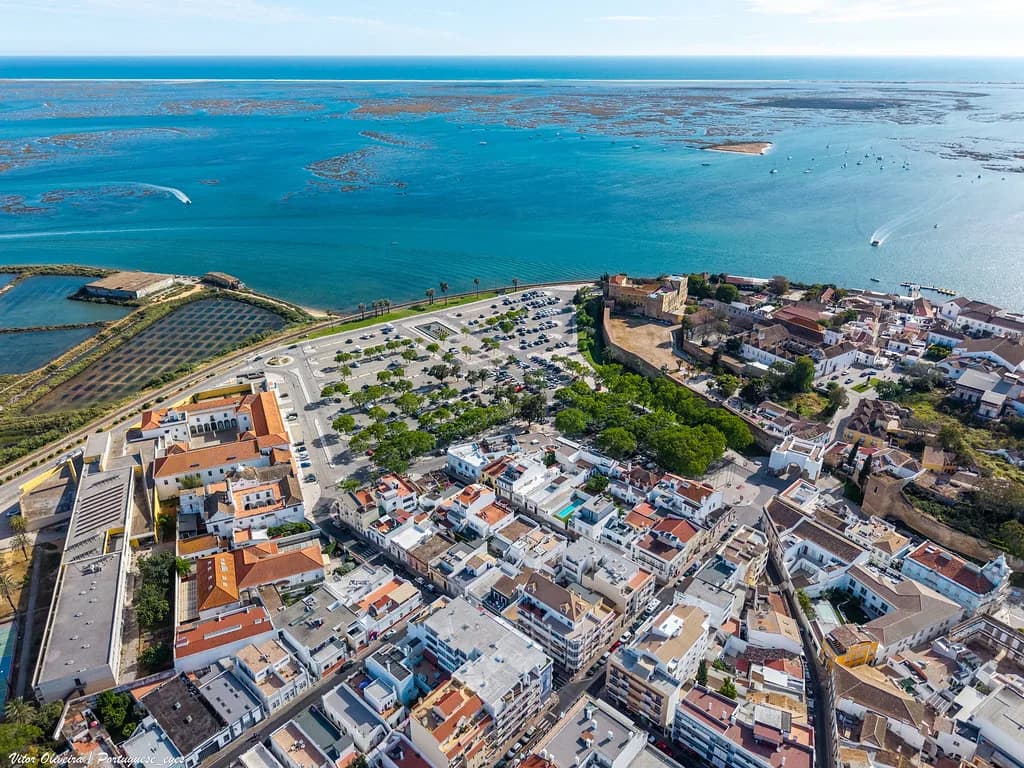
Faro is the Algarve's capital and sits between the marina and the Ria Formosa estuary, with the historic centre almost completely enclosed by ancient city walls. Most travellers treat the city as an airport stop and drive on, which is exactly why the old town stays quiet even in season. Arrive on foot from the marina and you are inside the walls within a couple of minutes.
Where Faro old town sits between the marina and the Ria Formosa
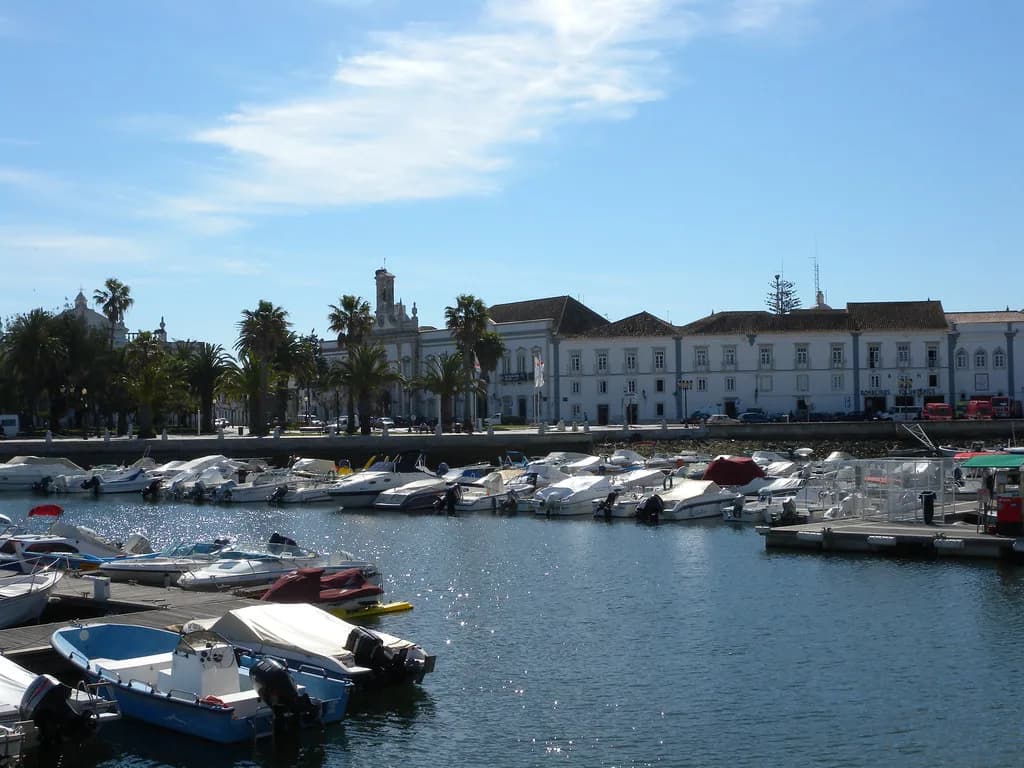
The old town, also called Vila Adentro, occupies the highest ground in the centre, a short walk north of the marina and the Jardim Manuel Bivar park. South of it lies the Ria Formosa, the lagoon and wetland system that gives the city its setting and its boat trips. That geography matters: you can walk from the waterfront, through the gates and around the whole historic core without needing transport.
If you arrive by bus, train or car, you will most likely end up near the marina first, with the old town visible just beyond it. The marina itself is small but attractive, with views across the estuary and a café in the park for a drink before you start. Treat it as the natural start and finish of a circuit rather than a sight in its own right.
How the Cidade Velha is laid out: walls, gates and squares
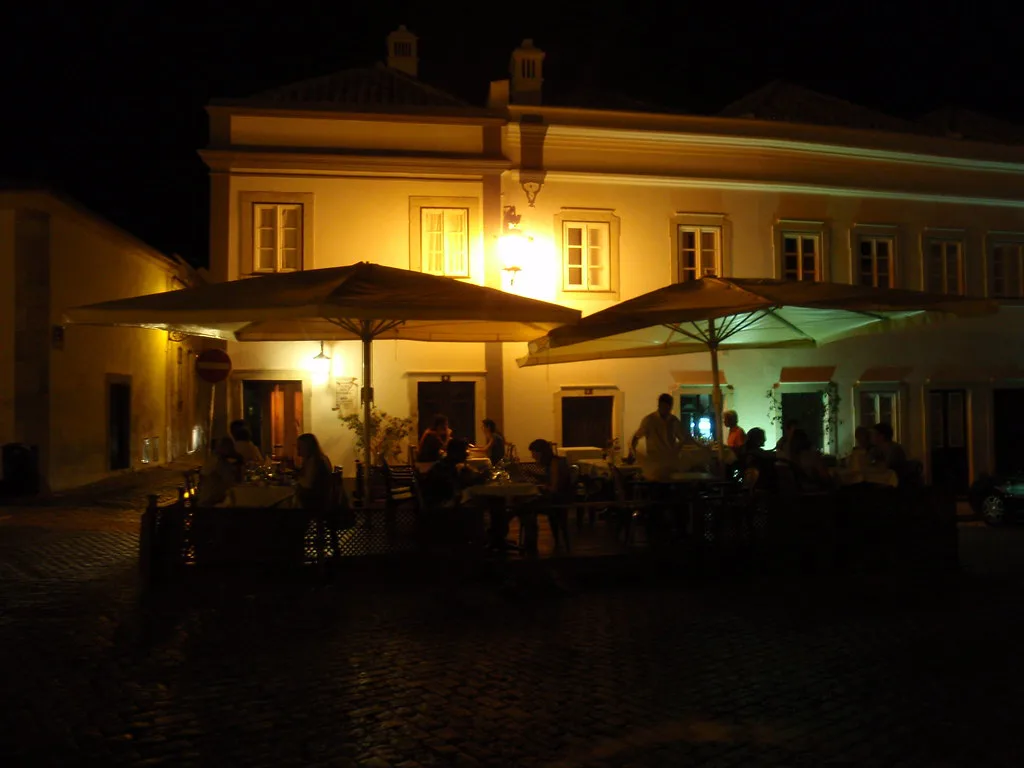
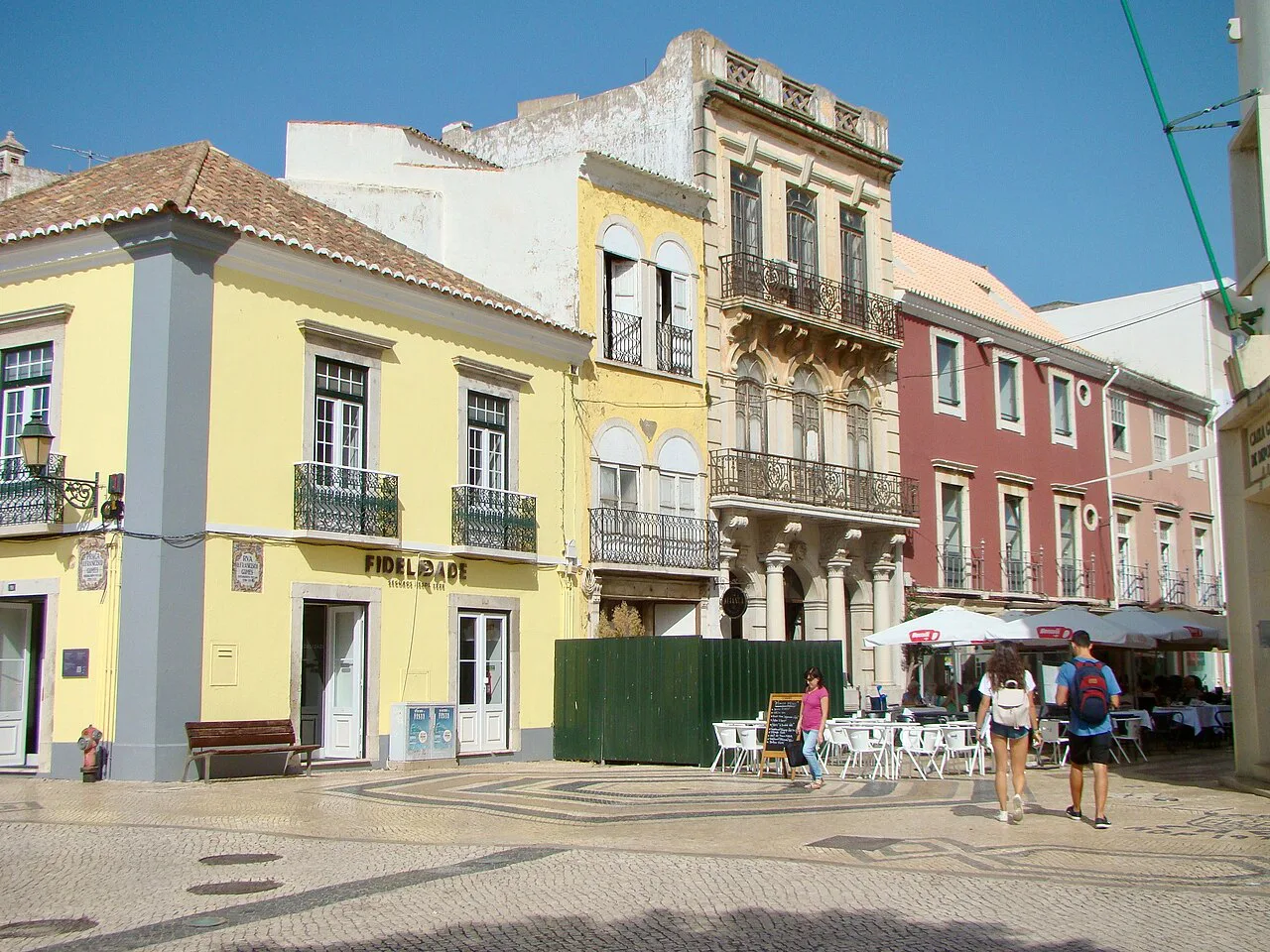
Think of the old town as a rough oval of walls with a handful of arched gateways. Inside, the streets are narrow, cobbled and lined with whitewashed buildings that shield residents from the summer sun. There are several small squares within the ancient walls, most with street cafés and restaurants, so you will not go hungry mid-circuit.
Navigation is simple once you know the landmarks. From any gate, follow the brown and white signs for the Sé (cathedral) and you arrive in the large square lined with citrus trees, flanked by the city hall and the cathedral. Use that square as your pivot: the museum, the second gate and the lanes of shops all sit within a few minutes of it.
Arco da Vila and Arco do Repouso: the two gateways worth knowing
The Arco da Vila is the showpiece entrance, a 19th-century archway with a bell tower above it, and passing through it genuinely feels like stepping into another century. Beyond it, the old town opens into cobbled streets and traditional whitewashed houses. The Arco do Repouso, near the statue of King Afonso III, is the other gate you will use if you approach from the museum side.
The Arco do Repouso is the more beautiful of the two monumental gates, though the Arco da Vila is the more theatrical arrival. In practice, walk in through one and out through the other so you see both without doubling back. Neither gate needs more than a few minutes, but they set the tone for the whole circuit.
The Sé de Faro: azulejo side chapels and the bell tower view
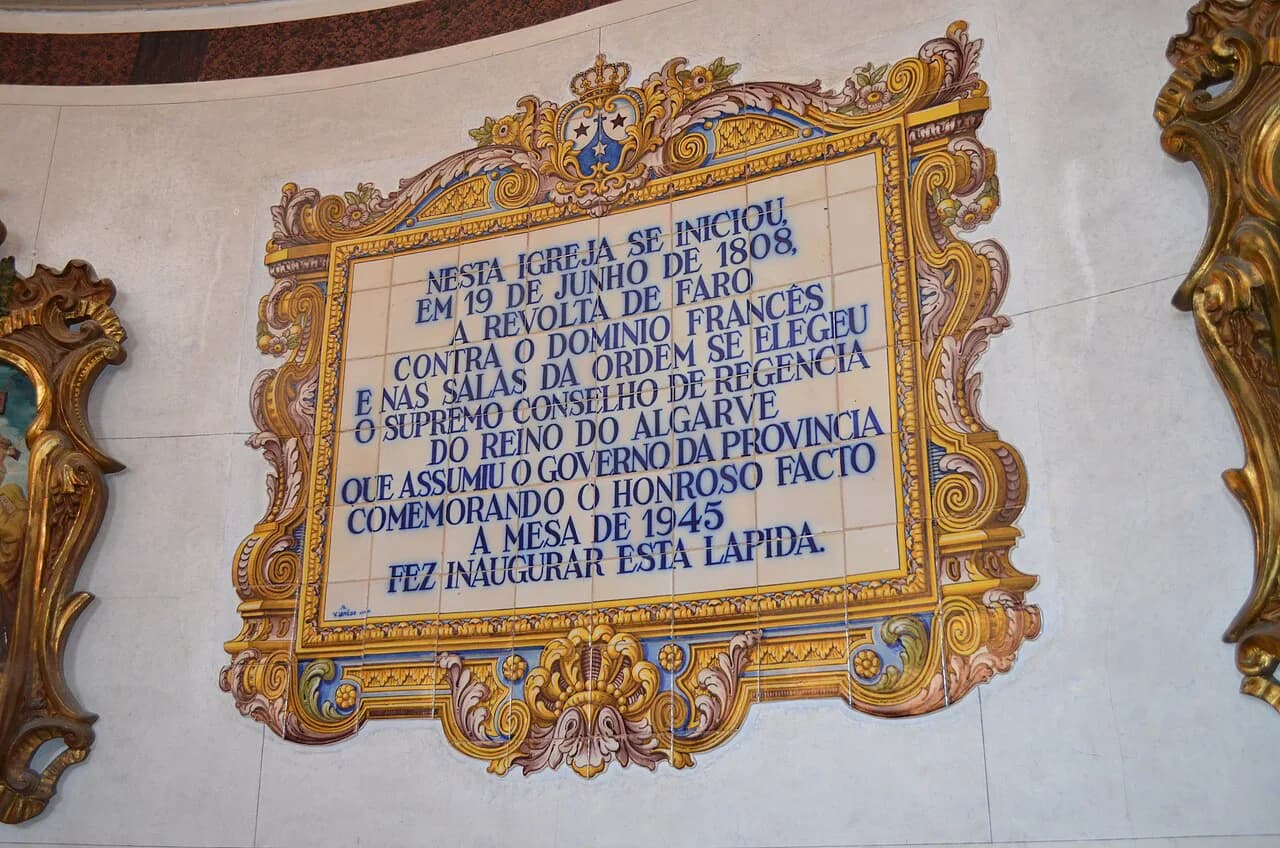
Faro cathedral dates from the 13th century and had to be rebuilt after the 1755 earthquake, which explains the mix of styles inside. The reward is the vaulted side chapels, tiled floor to ceiling in azulejos, plus inlaid marble and carved woodwork. There is also a small bone chapel in the courtyard.
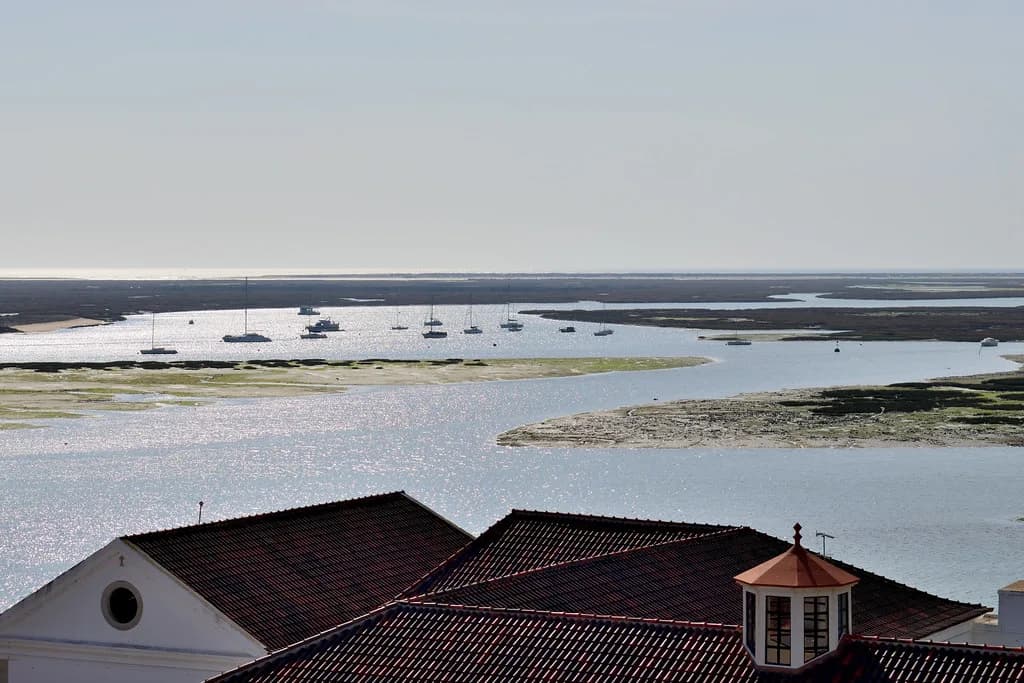
Climb the bell tower even if decorative arts leave you cold. Because the city is low-rise, the tower gives the best view in Faro, taking in the old town rooftops, the Ria Formosa and the airport to the south. It is the one viewpoint worth building your route around, so go up while your legs are fresh.
The cathedral square and the cafés around it
The square in front of the Sé is the social heart of the old town: a broad, eye-catching space lined with citrus trees, with the city hall and cathedral as its most imposing buildings. This is where the brown and white signs deliver you, and where the lanes of galleries and quirky shops radiate outwards. Sit here for coffee rather than in the busier streets beyond the walls.
Small squares inside the walls almost all have street cafés and restaurants, so lunch is a matter of picking a table rather than planning ahead. That said, the old town is small and the choice is limited, so if you want a proper sit-down meal rather than a snack, eat before you start the circuit rather than after.
Wandering the white cobbled streets: galleries, shops and azulejo façades
The lanes inside the walls are the attraction as much as any monument. Look for Portuguese tiles on façades, painted doors, flowers in pots and sudden views through gaps in the buildings. Art galleries and small shops are scattered through the streets, so allow time to wander without a fixed objective.
Just outside the walls, the new town's main shopping streets take over, with bigger brands, souvenir shops and small boutiques. If you want a Portuguese food souvenir, the decorated tinned fish shops are the local speciality, and Comur Conserveira de Portugal is the prettiest in Faro. It is a pleasant contrast to the old town rather than a substitute for it.
The Capela dos Ossos at the Igreja do Carmo, just outside the walls
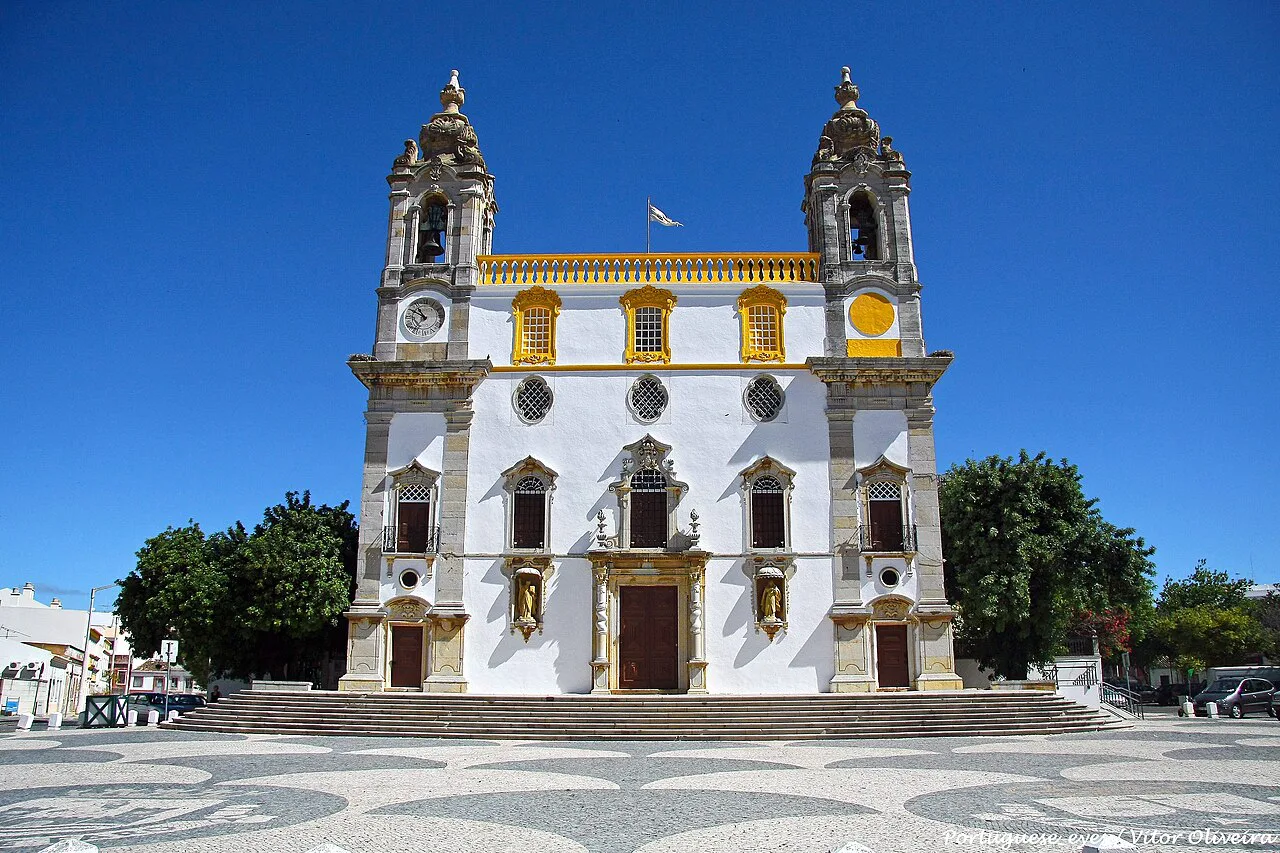
The Capela dos Ossos (Chapel of Bones) sits in the gardens of the Igreja do Carmo, outside the historic centre, so it is a deliberate detour rather than part of the walled circuit. The church's white and yellow Renaissance façade gives little warning of what is behind it. Inside, walls built from skulls and bones remain intact, an unusual sight built when the city's cemeteries were full.
More than 1,200 skulls are said to have been used in the chapel, and an inscription at the entrance warns visitors to consider their own mortality. It is a compact space, so treat it as a short stop rather than a half-day outing of its own. The cathedral's tiny bone chapel is a different, much smaller thing entirely.
The Museu Municipal in its 16th-century convent setting
The Museu Municipal de Faro, also known as the Museu Arqueológico, occupies a 16th-century convent with arched cloisters and a courtyard garden. It sits near the Arco do Repouso, which makes it a natural pairing with the old town gate. The building alone justifies the stop, even before you reach the collections.
Inside, the highlight is a gigantic mosaic of Oceanus from the Roman ruins of Milreu, alongside an Arraiolos tapestry depicting one of the Canticles of Holy Mary. Paintings by the local artist Carlos Porfírio, inspired by Moorish-themed legends published in 1898, fill out the collection. The museum also hosts a short Fado session with Portuguese guitar, voice and a wine tasting.
The marina and Jardim Manuel Bivar as the natural start and finish
The Jardim Manuel Bivar park faces the marina and the Ria Formosa estuary, with a café in the park and a couple of restaurants on the waterfront. It is the obvious place to gather yourself before entering the walls and the obvious place to collapse afterwards. Come back in the evening and the same waterfront gives you the old town silhouette from across the water.
A walking route for half a day, with rough timings on foot
Start at the marina and Jardim Manuel Bivar, then walk through the Arco da Vila into the old town. Head for the cathedral square, climb the Sé bell tower while you are fresh, and spend time in the tiled side chapels. Wander the lanes towards the Arco do Repouso, then leave the walls for the Museu Municipal, which sits just behind it.
Finish with the 10-minute walk out to the Igreja do Carmo and the Capela dos Ossos, then loop back to the marina via the shopping streets. Allow roughly two to three hours on foot if you go into the cathedral and museum, plus a coffee stop. Everything is flat and close together, so the constraint is your attention, not your legs.
How Faro old town fits into one, two or three days
With one day, do the old town circuit in the morning and spend the afternoon on the water or at the beach. Faro's own beach, Praia de Faro, sits across the lagoon, and boat trips into the Ria Formosa leave from the marina. Two days lets you add the museum and the bone chapel without rushing, and three days makes Faro a workable base for the central and eastern Algarve, including Loulé and Tavira.
The honest trade-off is that the old town alone will not fill three days. If you want a city break built around museums and churches, Faro's centre is modest; if you want a base with an airport, a lagoon and easy trains, it works well. Decide which of those you want before you book the extra nights.
Where to break for coffee and lunch in and around the centre
Inside the walls, the small squares are where you will find street cafés and restaurants, and the cathedral square is the most pleasant of them. Outside, the marina and Jardim Manuel Bivar offer waterfront options and a park café. For a proper local flavour, look for a pastelaria for a pastel de nata and a coffee rather than a full restaurant lunch.
Faro also has a local ice cream tradition worth trying while you wander the shopping streets. Seasonal timings shift through the year, so confirm the day's arrangements before you build lunch into a tight schedule.
Is half a day in Faro old town enough?
For most short-break travellers, yes: half a day covers the gates, the cathedral and tower, the lanes and the museum, with the Capela dos Ossos as a worthwhile add-on outside the walls. Add a second day only if you want the lagoon, the beach or a slower pace. Faro rewards a morning far more than it rewards a rushed hour between flights.
Opening days and ticket prices for the cathedral, museum and bone chapel are set by each site, so confirm them before you travel. Even without that certainty, the walk itself is free and the layout never changes.
Explore more Faro guides
Frequently Asked Questions
How far is Faro old town from the beach?
The city's own beach, Praia de Faro, sits across the Ria Formosa on the barrier island, so it is a boat or bus ride rather than a walk from the old town. Small ferries and buses serve the lagoon, and the trip is short enough to combine with a morning in the Cidade Velha. Check the current crossing times at the marina before you set out.
Is Faro old town worth visiting if I only have a few hours?
Yes. The walled centre is compact, so a couple of hours is enough to pass through the Arco da Vila, see the cathedral and climb its bell tower, and wander the white cobbled lanes. Add the Museu Municipal if you have another hour, and the Capela dos Ossos only if you can stretch to a detour outside the walls.
Do I need a guide to walk Faro old town?
No. The old town is small and the gates and cathedral square make it easy to navigate on foot without help. A guide adds context on the azulejos, the 1755 earthquake rebuilding and the bone chapel, which is worth considering if history is the main reason for your visit.
Sources
Notes for your next Portuguese break
Optional updates to our town guides.
You might also like

Continue reading
More guides you'll find useful