Faro Castle: What Survives of the Old City Walls
Faro has no castle to tour, only fragments of its Arab walls and gates. Here is what survives, where to find it and how it fits a short break.
On this page
Faro has no castle you can tour. The city was once enclosed by walls, and what remains today is a set of traces and entrances of the ancient Arab walls, with some sections in a state of neglect. This guide explains what survives, where to find it in the centre, and how much of your short break it deserves.
The honest verdict is that the walls are a modest detour, not a half-day out. If you want to walk a full Islamic fortress in the Algarve, you need Silves, not Faro. Read on for how the fragments fit into a practical day of things to do in Faro.
What you will and will not find at Faro castle
There is no castle building, keep, tower or castle museum waiting for you in Faro, so do not go looking for a ticket office. The old defences survive as stretches of wall and the openings of former gates, folded into the streets of the Cidade Velha. Expect masonry to look at in passing rather than a site with interpretation boards and a route.
Treat the name Faro castle as shorthand for the city's fortifications and set your expectations accordingly. Visitors who arrive expecting a walled enclosure to walk will leave disappointed; those who treat the fragments as texture on a walk through the old town get more out of them. The surviving traces are described as partly neglected, so approach them as urban archaeology rather than a polished attraction.
Save the dedicated fortress day for Silves and give Faro's walls the time they actually need. The two are not comparable, and that is fine: Faro's appeal sits in its old-town streets, its cathedral and its lagoon rather than in military architecture.
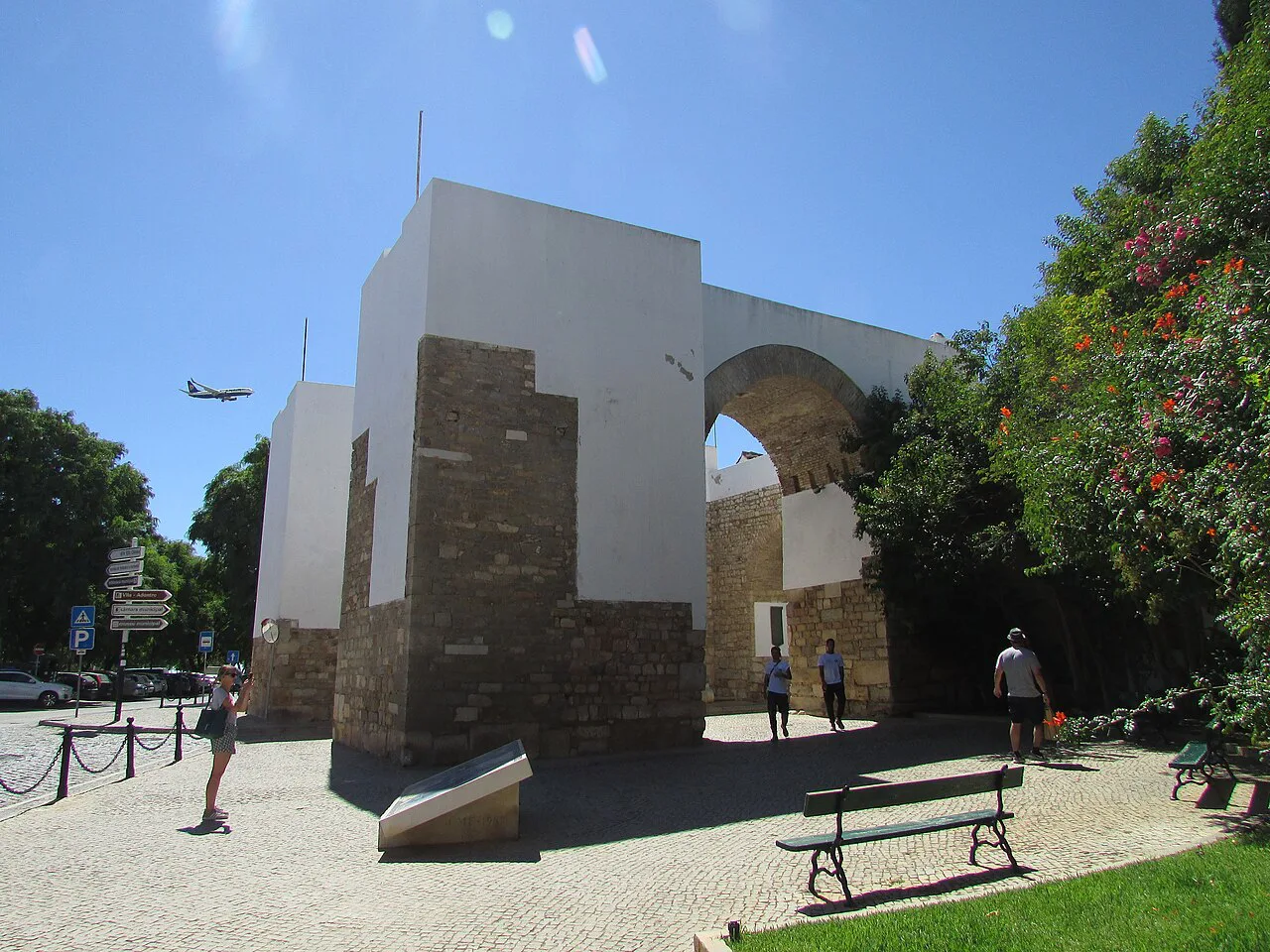
What survives of Faro's Arab walls today
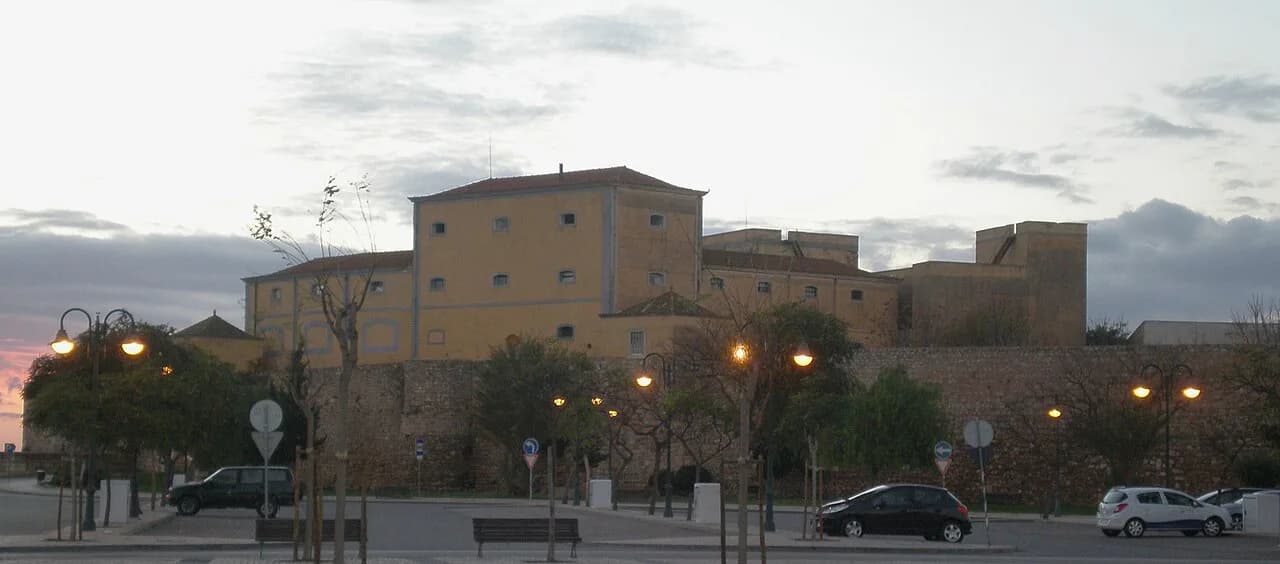
Faro was once enclosed by walls, and what you see now are the traces and entrances of the ancient Arab walls. Some sections stand in a state of neglect, which means overgrowth, patched stone and little on-site explanation. You will read them best by looking at the line they draw through the streets rather than at any single stretch.
The former gates are the clearest thing to look for, since an entrance in a wall line tells you more than a loose fragment does. Walk the edge of the old centre and you will cross the points where the defended town met the outside. Photograph the gate openings and the wall courses, then move on.
Do not expect a continuous circuit you can follow end to end. The surviving pieces are scattered, and some are easier to spot from one direction than the other. Allow for a little wandering rather than a linear route.
Where to see the wall fragments and old gates in the centre
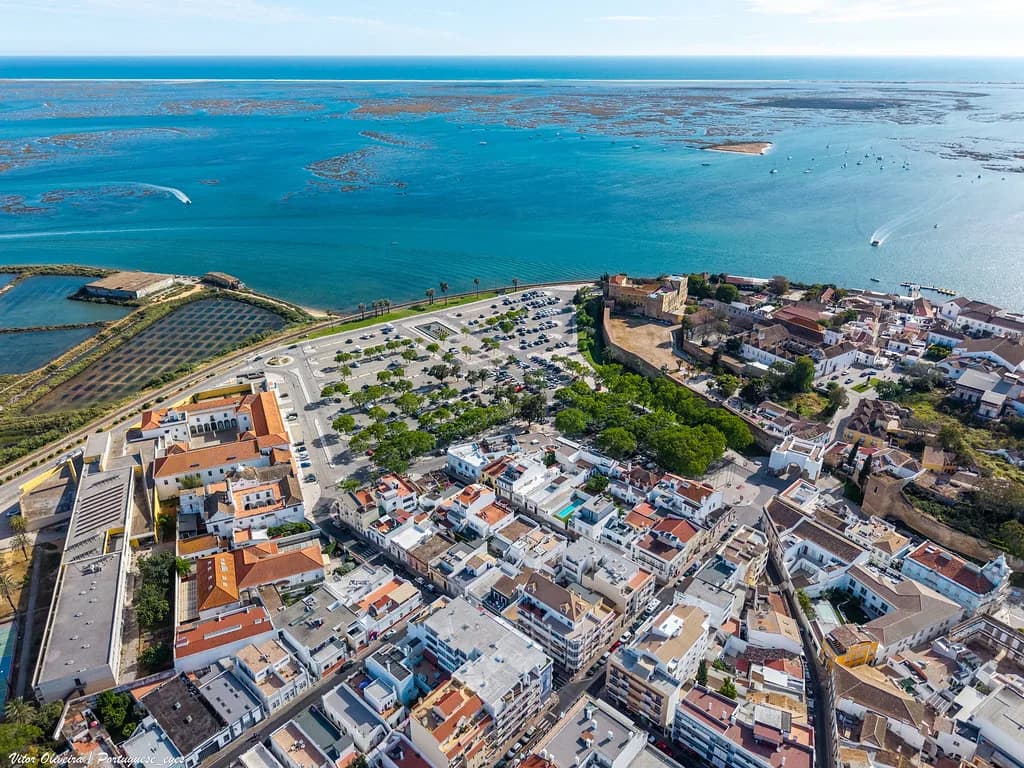
Start in the Faro Old Town, the historic centre enclosed by the old defences, and work outwards from its edges. The wall traces sit within ordinary streets rather than behind a fence, so you will meet them between cafés and shops rather than at a formal entrance. A short loop of the old centre covers most of what remains.
The pedestrian shopping streets of the centre give you a natural walking line back towards the old town. They are not a heritage trail, but they are how you reach the fragments without a long detour.
If you would rather have the history narrated as you walk, a Faro walking tour is a reasonable way to cover the old centre and its defences in one pass. Otherwise, self-guided is perfectly workable here because the distances are short.
The history in brief: from Arab Faro to the Portuguese town
Faro's defences belong to its Arab period, which is why the surviving fabric is described as the ancient Arab walls rather than a Portuguese castle. The town that grew up after the Christian conquest reused and eventually lost much of that enclosure, and later building swallowed the rest. That is why you now find fragments instead of a monument.
The wider Algarve story is easier to grasp at Silves, where a fortress survives intact enough to walk through, the largest and best-preserved Islamic fortress in Portugal. Seeing Silves first makes Faro's fragments legible: you understand what a defended town looked like before you meet its remains.
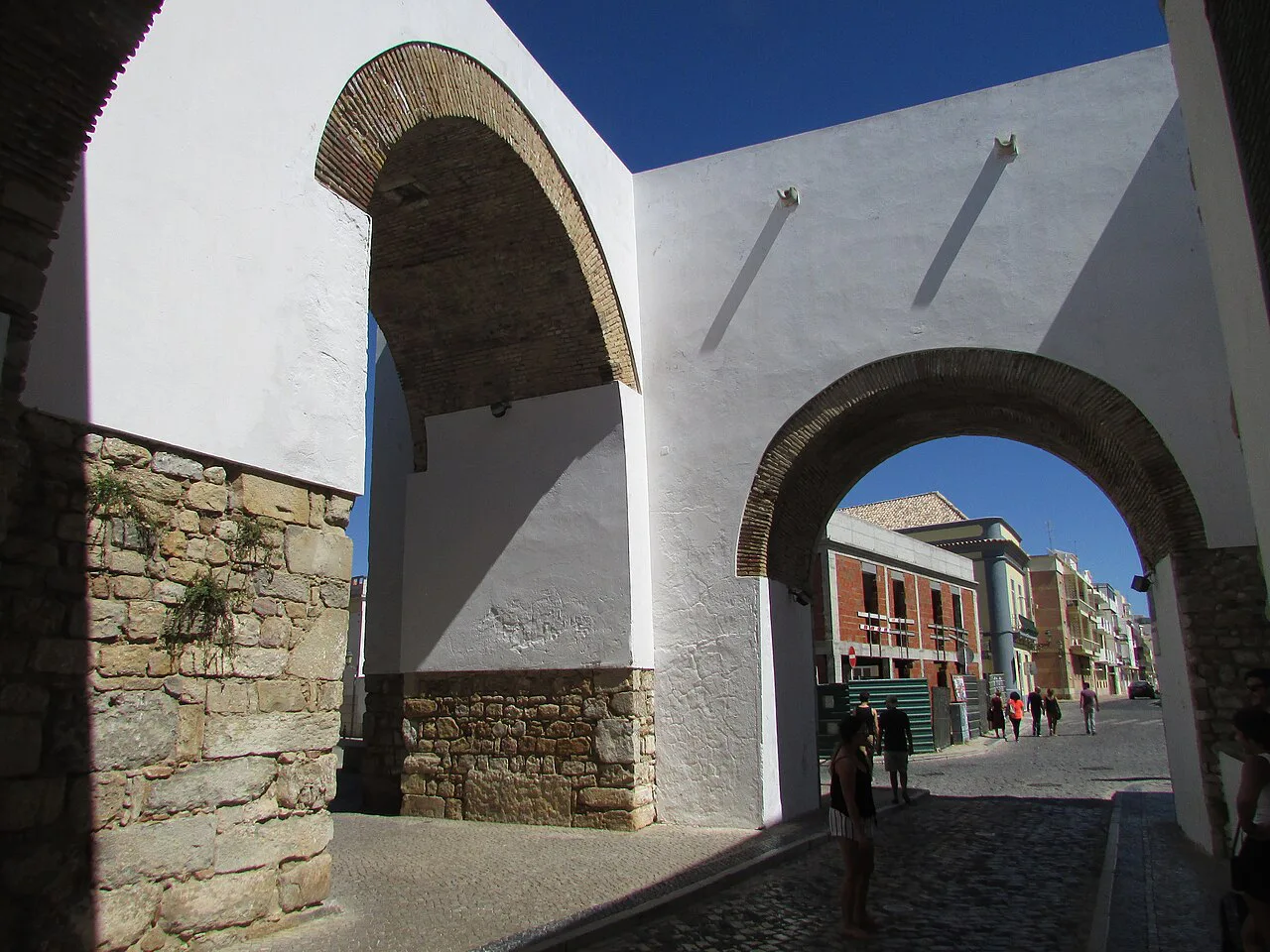
How long a look at the walls takes and how to fit it into a day
Give the walls and gates half an hour at most, folded into a morning in the old town. The fragments are close together and there is no site to work through methodically, so the time goes on walking between them. Anyone with a single day in Faro should not build the schedule around them.
A sensible order is the old-town streets and the cathedral first, the wall traces on the way through, then the waterfront. That way the walls cost you nothing in time and you still see them. Keep the afternoon free for the lagoon, which is where Faro's distinctive appeal lies.
If your short break runs to two or three days, spend one of them on Silves and keep Faro's walls as a stroll. Three days gives you room for the old town, the lagoon and a fortress day without rushing any of it.
Sights near the walls worth pairing with them
The cathedral sits inside the old town, so the wall walk and a visit fit naturally into the same hour. Beyond it, the museums in Faro give you the context the walls themselves do not, particularly on the city's history.
The Faro municipal market is a short walk from the centre and gives you a different slice of the city on the same morning. Go early if you want it at its liveliest.
The Ria Formosa is the counterweight to all that stone: a boat trip out among the islands shows you why the town grew where it did. Book the water for the afternoon and the walls for the morning.
For the tiled interiors that give the region its colour, keep an eye out for azulejos in the churches and civic buildings you pass between the wall fragments. The Faro azulejos are a better use of an hour than a second circuit of the gates.
Practical points: tickets, opening days and closures
There is no single visitor attraction here, and the fragments are not run as one: no shared ticket, no published opening hours and no closure schedule. Treat them as part of the streetscape. Where a specific stretch belongs to a building, that building's own published hours apply.
If you want a fixed opening time and a ticket desk, plan that day around the museums instead. Those have published hours, and they tell you more about Faro than the remaining masonry does.
Two practical habits cover most of the uncertainty. Check current details for any museum or church you intend to enter, since Portuguese sites commonly close one day a week and many shut over lunch. Then build your day around what is confirmed open rather than around the walls.
Silves Castle: the Algarve fortress worth the trip if you want walls to walk
Silves, up the Arade river, holds red sandstone walls around what was Xelb, the capital of an 11th-century emirate. The site spans the 8th to 13th centuries, and its inner citadel is placed in the Almohad period. This is where you go if you want to walk a full enclosure rather than read fragments.
The trade-off is the journey: Silves is a separate town, not a Faro neighbourhood, and getting there costs you a chunk of the day. Check current travel options before committing, since the castle sits above the town and the walk up from the station adds time. Do it as a planned excursion rather than an impulse.
If you only have one day in Faro, skip Silves and give the time to the old town and the lagoon instead. With two or three days, the fortress day earns its place as the best military architecture in the region.
Should you go looking for Faro castle?
Look for the walls, not a castle. Walk the edge of the Cidade Velha, find the old gate openings, and give the fragments half an hour on your way to the cathedral or the market. That is the honest return on them.
If walking a complete Islamic fortress is the point of your trip, book the day for Silves and accept the journey. If it is not, Faro rewards you more for its lagoon, its tiled churches and its streets than for the stones of its old defences.
Explore more Faro guides
Sources
Notes for your next Portuguese break
Optional updates to our town guides.
You might also like

Continue reading
More guides you'll find useful