Museums in Faro: What to See, Opening Days and Ticket Prices
Faro has few museums but the Museu Regional do Algarve is worth a morning. Here is what it holds, when it opens, ticket prices and how long to allow.
On this page
Faro is a small museum city, and the one collection that genuinely earns a slot in a one- to four-day break is the Museu Regional do Algarve, an ethnographic collection of roughly 1,400 objects devoted to Algarve fishing, farming and domestic life. Allow about an hour, and do not build a day around it. This guide covers what it holds, its opening days, what tickets cost in euros, how to walk there and how to fit it into a short itinerary, with a short note on the science centre and honest alternatives if you want more.
The practical catch is the weekend. The museum closes on Sundays and Mondays, so a Saturday or a Tuesday to Friday morning is your window, and the ticket is cheap enough that a rainy-hour gamble costs little.
Which museums in Faro are worth visiting on a short break
Treat the Museu Regional do Algarve as the anchor of your indoor time. It is run by the Câmara Municipal de Faro, the city council, and its remit is the region's material and immaterial culture: work tools, furniture, household utensils, some costume and the old rural landscape. For a first-time visitor this is the clearest place to understand what the Algarve was before tourism, and it asks little of your time or budget. The Centro Ciência Viva do Algarve, below, is the other indoor option.
That is the honest shape of the museum offer here. Plan one indoor morning, then spend the rest of your break outdoors on the Cidade Velha, the waterfront and the Ria Formosa, which is where Faro earns its day. If you want a fuller menu of what fills the hours, our guide to things to do in Faro sets out the squares, the marina and the boat options.
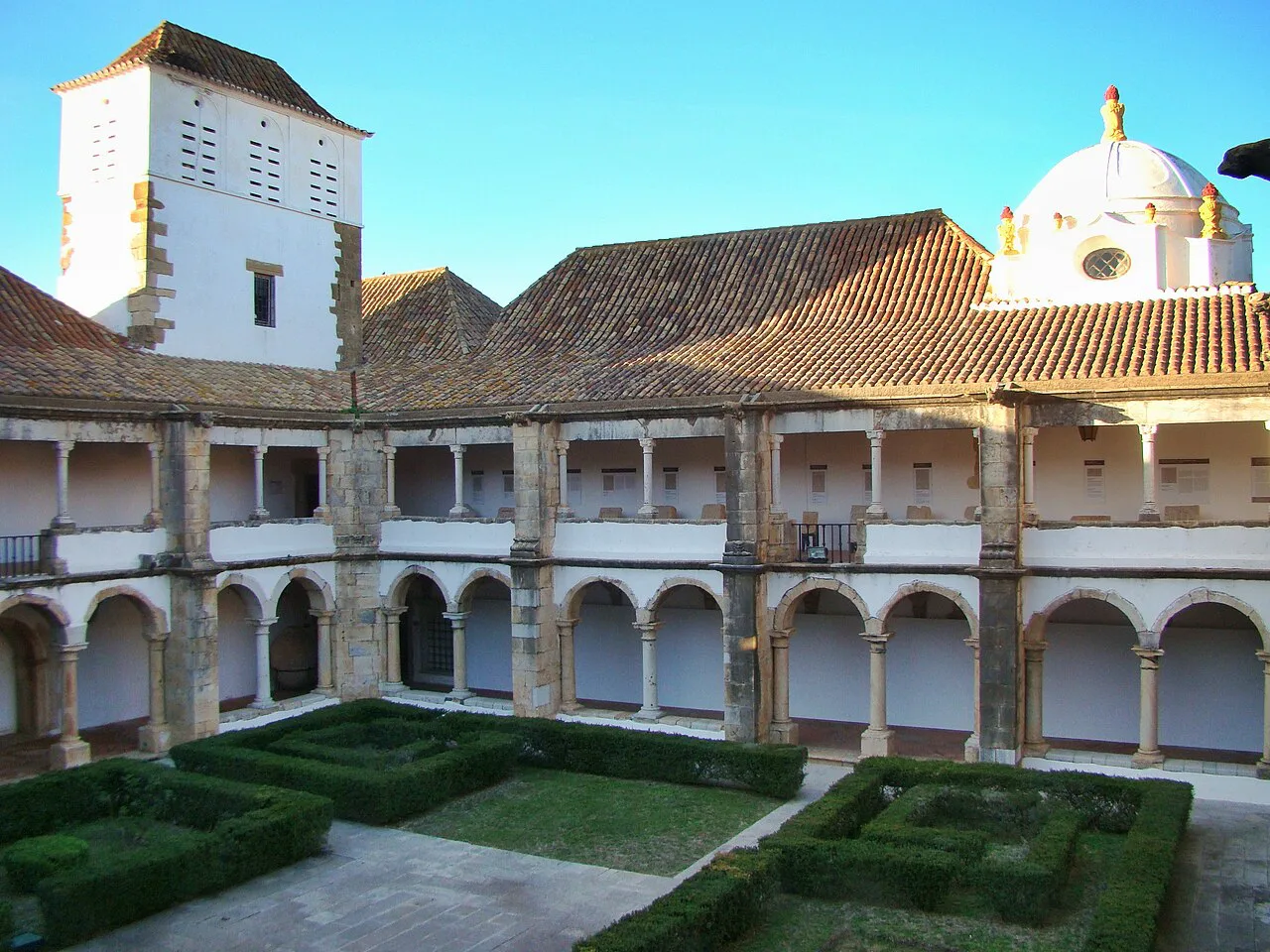
Museu Regional do Algarve: the Algarve's fishing and farming life in 1,400 objects
The museum opened in December 1962 as the Museu Etnográfico Regional de Faro, organised by the painter Carlos Porfírio, and most of the collection comes from his own field collecting plus later donations. Expect wooden carts, small fishing boats used into recent decades, recreated domestic interiors with ceramics and fabrics, local costume and folk art. Labels appear in several languages, including English, so you can read the objects without a guide.
Set your expectations about the displays. They read as dated rather than redesigned, and roughly half the collection is on show, which is exactly why an hour is enough. At a low ticket price that is a fair trade; if you are choosing between this and a long lunch by the marina, the museum wins on substance, not on spectacle.
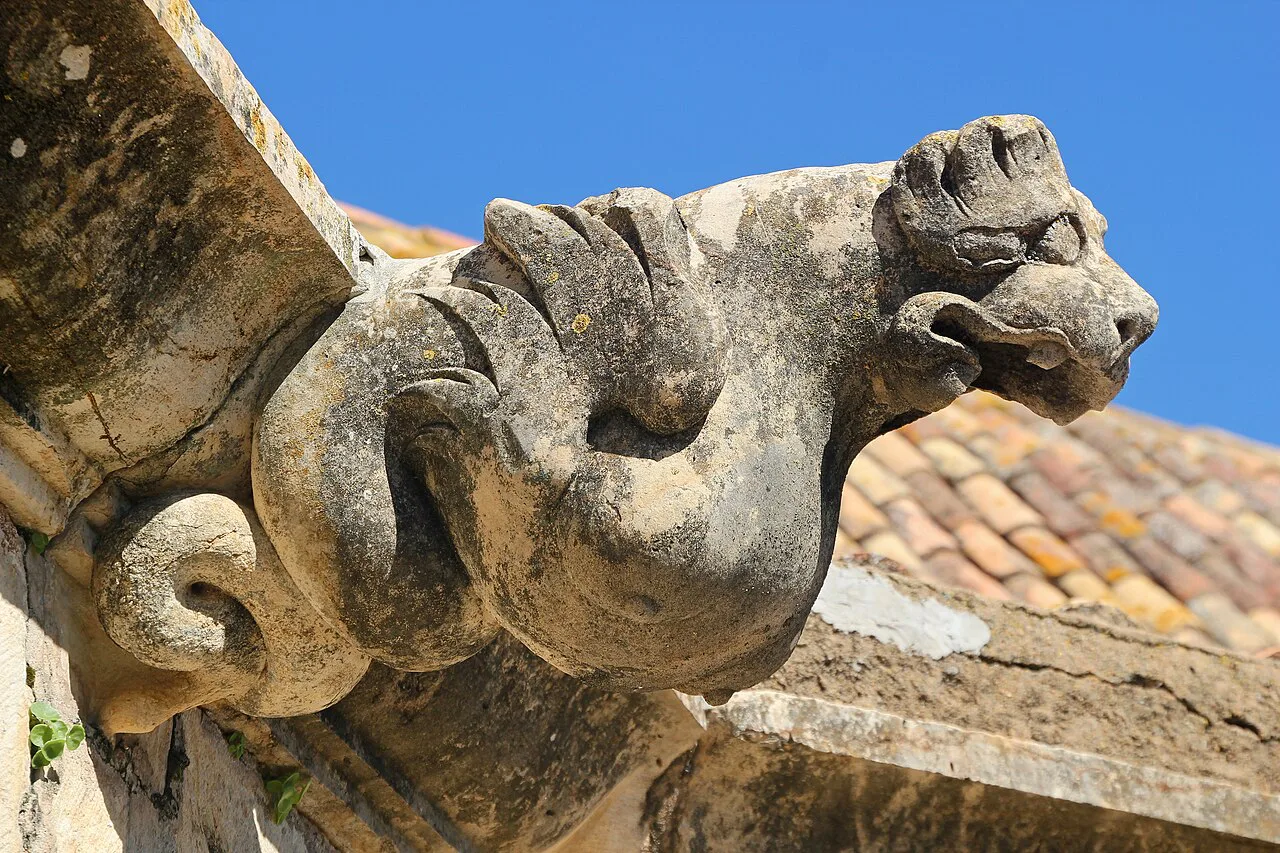
Opening days and hours at the Museu Regional do Algarve
The museum opens Tuesday to Friday from 10:00 to 18:00 and on Saturdays from 10:00 to 16:30, and it closes on Sundays and Mondays. The council also states that it opens on public holidays but may shut on specific dates by municipal decision, so if your visit lands on a holiday, confirm the day before rather than assuming.
A Saturday works if you go before mid-afternoon, which leaves the rest of the day free for the old town. Read the timetable against your arrival and departure: a Sunday-to-Tuesday city break gives you no window at all, so either reshuffle the days or accept the museum as the one thing you skip.
Ticket prices in euros, including the combined ticket with the municipal museum
Adults over 26 pay €2,50 and concessions for teachers, students, retired visitors and ages 13 to 26 pay €2,00. Children aged 3 to 12 pay €1,00, under-threes go free, and a family ticket for two adults and two children costs €7,00. Guided visits are charged per person on top.
The value decision is the combined ticket at €5,00, which covers entry to both the regional museum and the municipal museum. If you are already paying for one, the second comes cheap, and it gives you a second indoor stop for a wet afternoon. Check the council's fee regulations if you think you qualify for an exemption.
How long to allow and how to walk there from the old town
The museum sits at Rua do Pé da Cruz, number 4, at the end of the Rua de Santo António shopping street and about five minutes on foot from the old town. That position makes it an easy add-on: wander the shops, duck into the museum, then carry on into the Cidade Velha. Our Faro old town guide covers the streets, the arch and the cathedral square you reach next.
One hour covers the rooms comfortably; ninety minutes if you read every label and linger over the boats. Pair it with the Sé and the surrounding lanes rather than treating it as a half-day out, and you can walk the whole centre without transport.
Centro Ciência Viva do Algarve: the science centre for a wet or windy hour
Faro also has a science centre, the Centro Ciência Viva do Algarve, which is the city's other museum-type indoor stop and a sensible fallback when the weather turns. Treat it as a supplement to the regional museum rather than a replacement, and check its hours and ticket price directly with the centre before you go, since neither is published in the city's museum pages.
What Faro's museums leave out — and where to go instead if you want more
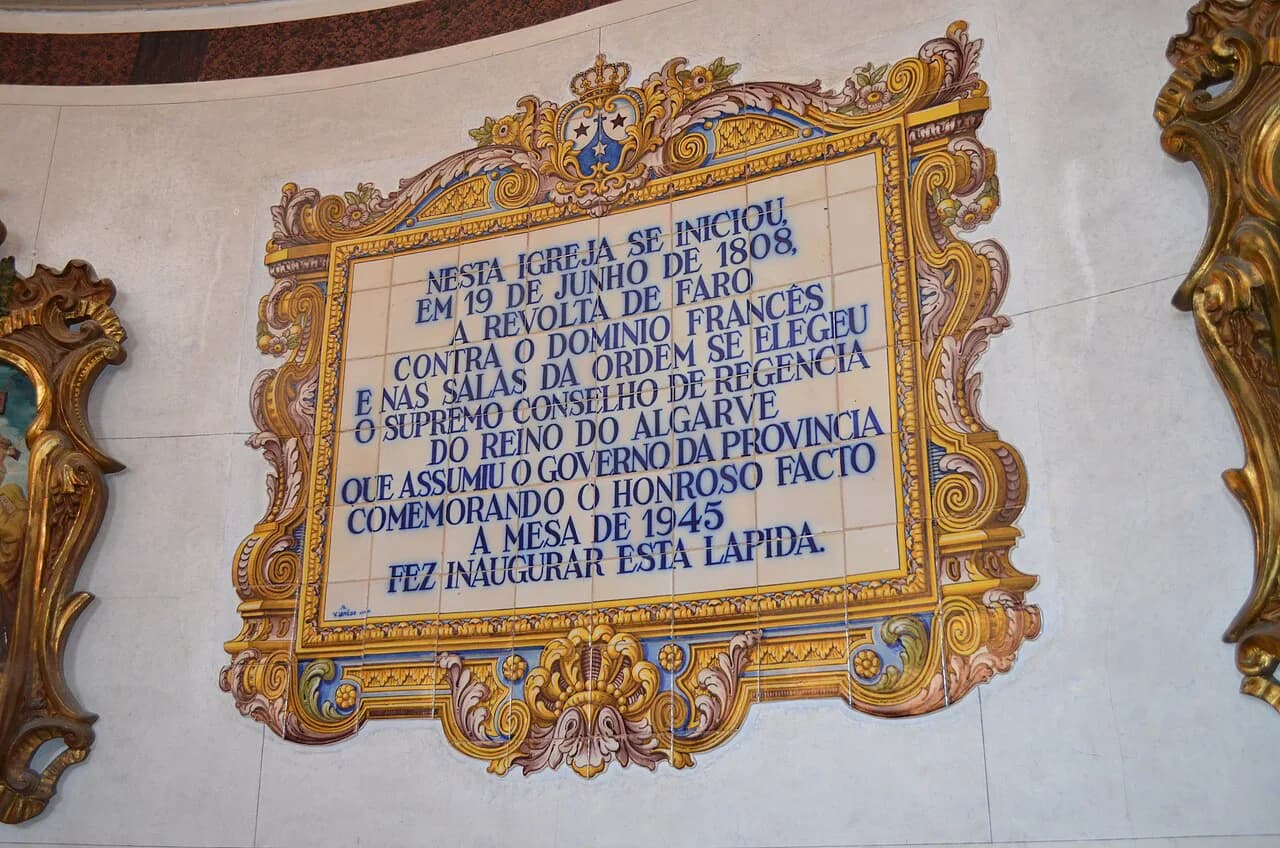
The regional museum is about rural life, not fine art, church treasure or archaeology, so do not expect a national collection. If you want religious art and azulejo interiors, spend the time in Faro's churches instead, where the tiles and gilded chapels do the work a gallery would elsewhere. The Sé and the Igreja do Carmo are short walks from the museum, and our Faro Old Town guide covers the streets and squares around them.
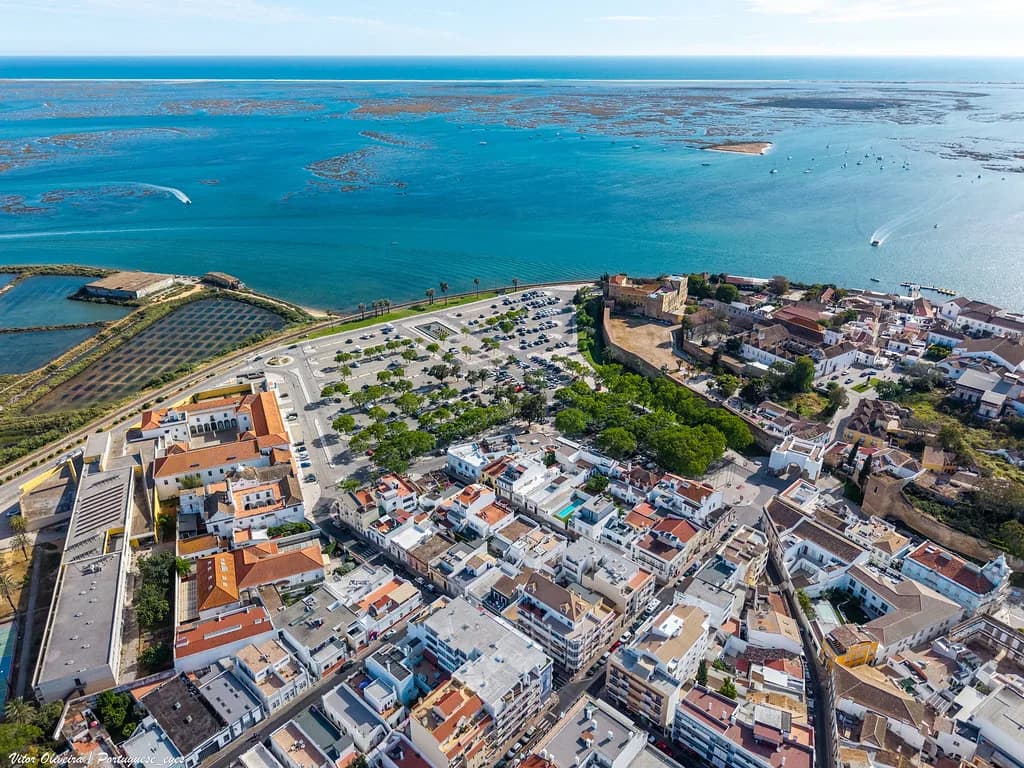
For scale, head to the water. A boat trip into the Ria Formosa Natural Park gives you the sandbanks, birds and islands that the museum's fishing displays only hint at, and it uses an afternoon better than a second small collection would. The Cidade Velha's walls and gates fill another hour.
Fitting a museum into one, two or three days in Faro
With one day, go Tuesday to Friday morning: museum at opening, then the old town, lunch and the marina. With two days, keep the museum on day one and give day two to the Ria Formosa by boat. With three, add the science centre and a slow wander along the shopping streets, which the shopping in Faro guide covers.
None of this needs booking, and the museum's low ticket means you can decide on the morning based on the sky. Keep Sunday and Monday clear of museum plans, and use those days for the waterfront and the islands. For the full set of sights, start from our Things to Do in Faro guide.
Is the Museu Regional do Algarve worth an hour of your break?
Yes, if you are in Faro on a Tuesday to Saturday and want one cheap, compact introduction to Algarve life before tourism. Skip it on a Sunday or Monday, when it is shut, and do not expect a modern gallery.
Buy the combined ticket if you fancy a second indoor stop, walk there from Rua de Santo António, and spend the rest of your day outdoors. That is the right balance for a short break in a city whose real draw is the Ria Formosa and the old town streets.
Explore more Faro guides
Frequently Asked Questions
Are museums free in Portugal?
Not generally. Faro's Museu Regional do Algarve charges adults a small entry fee, with reduced rates for children, students, teachers, retired visitors and young adults, and a family ticket. Some visitors may qualify for an exemption, so check the council's published fee rules before you pay.
What is special about Faro?
Faro combines a compact old town of cathedral, walls and tiled churches with the Ria Formosa, a lagoon of sandbanks and islands reached by boat from the city. Its museum of regional life is small and inexpensive, so the outdoors rather than the collections is what makes the city worth a short break.
Which day should I avoid for museums in Faro?
Sunday and Monday, when the Museu Regional do Algarve is closed. Tuesday to Friday gives the longest opening hours, and Saturday closes mid-afternoon. On public holidays the museum opens, but the council may close it on specific dates, so confirm the day before.
Sources
Notes for your next Portuguese break
Optional updates to our town guides.
You might also like
Continue reading
More guides you'll find useful