Faro Itinerary: How to Plan 2 or 3 Days in the Algarve Capital
Plan a Faro itinerary for two or three days: the Cidade Velha and Sé, the bone chapel, the Ria Formosa by boat, Praia de Faro and a half day at Estoi.
On this page
Two full days are enough for Faro: one for the Cidade Velha (old town) inside its walls and one for the Ria Formosa lagoon, with a third day left for Praia de Faro, Estoi or a run out to Olhão or Loulé. The city is compact and flat, so you walk between the sights rather than plan around transport. This plan sequences each day by area, respects the museum's Monday closure, and names what each day costs.
Faro rewards travellers who treat it as a working Algarve city rather than a resort. The medieval quarter, the baroque church and bone chapel, and the lagoon islands sit within a couple of kilometres of each other, with the marina and the shopping streets of Rua de Santo António between them as the practical bridge.
How many days you need in Faro
Two days is the honest minimum: day one in the old town, day two on the water, with enough slack for a long lunch. Three days lets you choose between a slow beach morning at Praia de Faro, a half day north to Estoi for the Palácio de Estoi and the Milreu Roman ruins, or a public-transport trip to Olhão or Loulé. Read the call on how many days in Faro before you book if you are weighing a longer Algarve stay.
If you have only a single day, cut the lagoon trip rather than the old town, and follow a one day in Faro plan that keeps the Arco da Vila, Largo da Sé and the Sé together. The city's sights are low-effort and mostly cheap, which makes a rushed visit poor value and a paced one good value.
Anyone weighing Faro against a bigger Algarve base should know what the city is: a real working town where locals outnumber visitors, not a beach resort. That is the trade-off, and it is why two or three days sit comfortably here. That shape also suits a Faro city break better than a flying visit, because the lagoon and the old town each want their own morning.
The shape of the city: walls, marina and lagoon
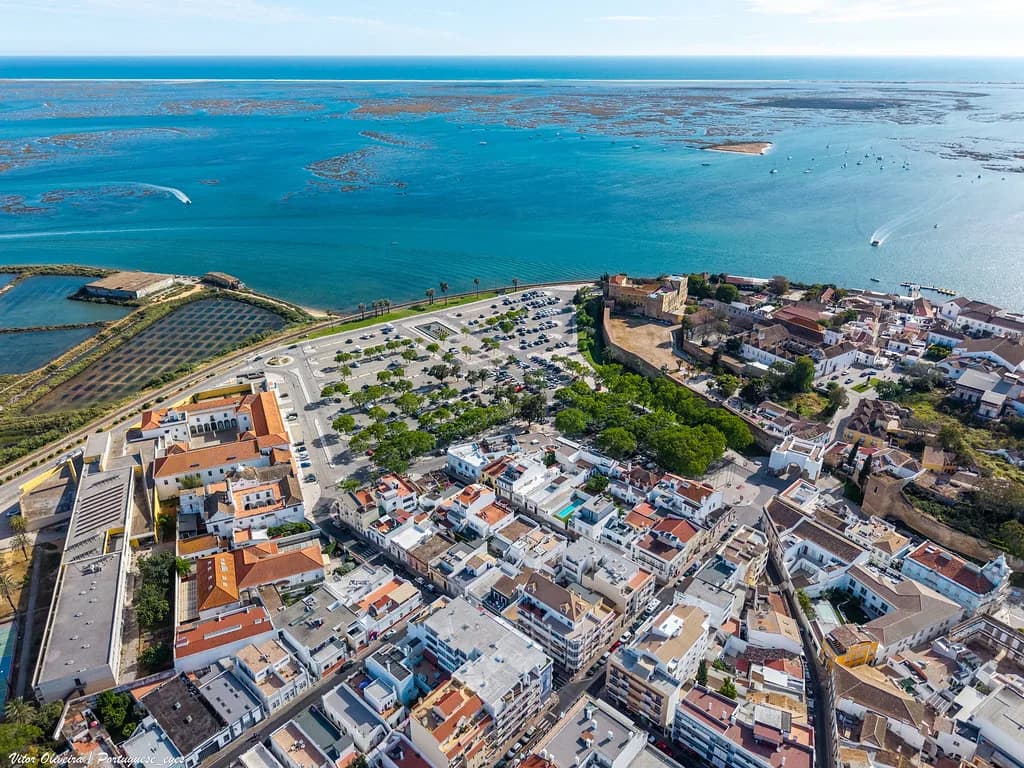
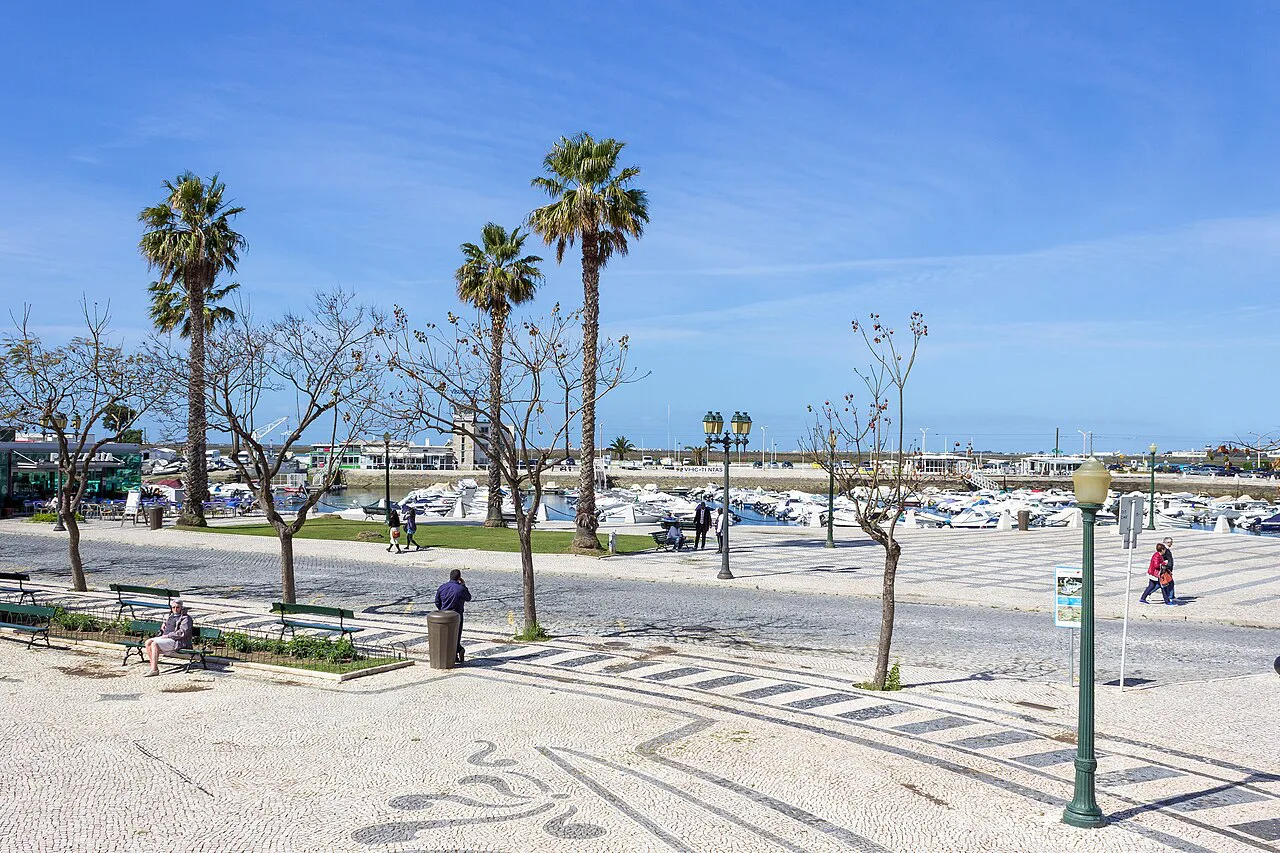
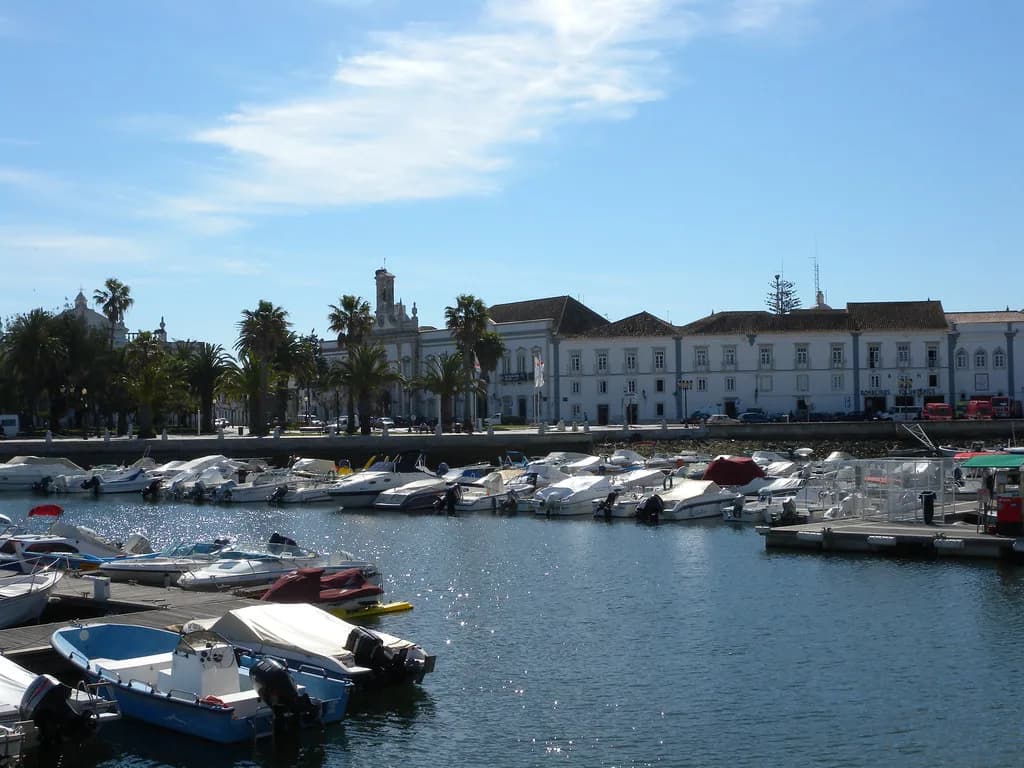
Faro's sightseeing area has three layers. The Cidade Velha is a maze of cobbled streets behind ancient walls, entered through the Arco da Vila, an 1812 neoclassical gateway built around an original 11th-century Moorish arch and fronted by the Largo da Sé. South of the walls runs the marina and the Jardim Manuel Bivar garden, and east of those the modern shopping streets around Rua de Santo António.
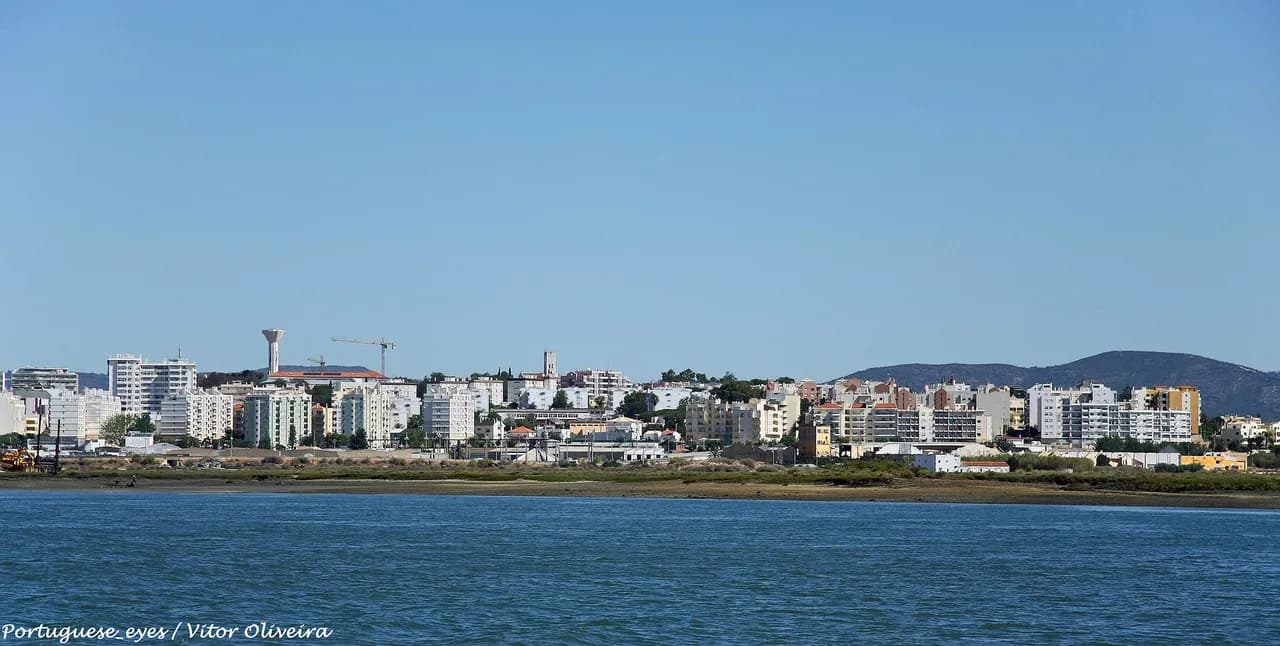
Beyond the marina the Parque Natural da Ria Formosa begins: a protected lagoon system of sandbanks, channels and barrier islands. Boats to Ilha Deserta and the fishing community of Ilha da Culatra leave from the waterfront, which makes the waterfront your transfer point as well as your evening stroll. Everything in the historic core is walkable within fifteen to twenty minutes.
When to start each day: fitting the museum around closed days
The Museu Municipal de Faro, housed in a 16th-century former convent, is the one sight most likely to catch you out: it closes on Mondays. Slot it into a morning or afternoon from Tuesday to Sunday, and keep Monday for the old town streets, the marina and the lagoon. The museum's exhibits cover prehistoric to modern Faro and include a well-preserved 3rd-century Roman mosaic found locally in the 1920s; entry is quoted at €4, and separately at €2 with the same Monday closure noted, so check the price at the door before paying.
The Sé de Faro, built from 1251 and standing through the 1755 earthquake, holds 17th- and 18th-century azulejos, gilded altarpieces and an organ decorated with Chinese motifs. Its tower gives the best view over the tiled roofs and the lagoon beyond. Pair the cathedral and Largo da Sé in the same block of time, since both sit inside the walls a minute apart.
Day 1 morning: Arco da Vila, Largo da Sé, the Sé and the walls
Enter the old town through the Arco da Vila and you come out on the Largo da Sé, the square that forms the heart of historic Faro, shaded by orange trees and lined with buildings from Gothic to baroque. Climb the cathedral tower first, while the light is clear and the steps are quiet, then look round the interior. Give the morning two to three hours and walk the surviving stretches of the medieval walls before lunch.
The walls and gate are the point of this quarter: the Arco da Vila's layered stonework is the clearest single sign of how Roman, Moorish and Christian Faro built over one another instead of starting again. No ticket is needed to walk the streets and squares; the cathedral tower is the only paid element of the morning.
Day 1 lunch and afternoon: Carmo, the bone chapel and the market
Walk out of the walls towards the Igreja do Carmo and its Capela dos Ossos, a bone chapel lined with the remains of more than 1,000 skeletons. The baroque church and the chapel beside it make a short, sobering stop and a sharp change of mood after the cathedral. Lunch nearby on the Rua de Santo António axis, where the shopping district has the densest run of cafés and tascas.
Finish the afternoon at the Mercado Municipal and the marina, then decide your evening there. The market and waterfront need no planning; treat them as a wander rather than a ticketed sight.
Day 1 evening: a rooftop dinner or a wine bar
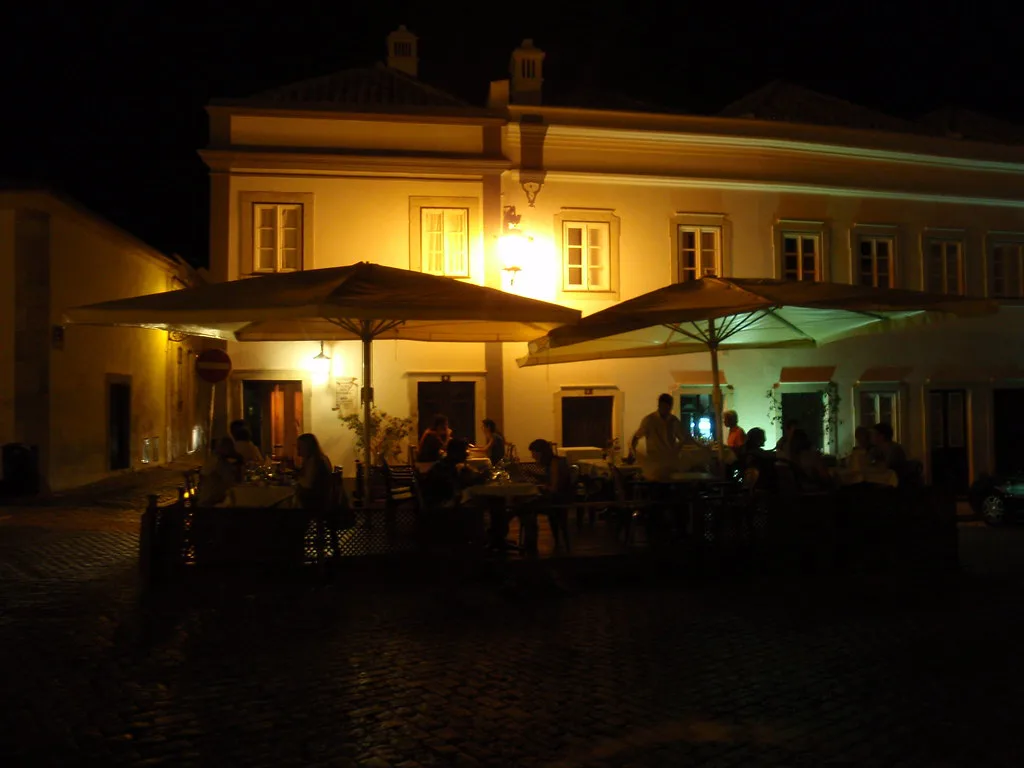
For a special first evening, Restaurante Ria Formosa sits on the rooftop of Hotel Faro above the Praça Dom Francisco Gomes, looking over the marina towards the lagoon at sunset; book ahead because the terrace is the draw. For something more casual, Bago Wine Bar does glasses and tapas, and the Rua de Santo António district keeps the walk home short.
Day 2 morning: a boat into the Parque Natural da Ria Formosa
Day two belongs to the lagoon. Guided boat tours from the Faro waterfront run into the Parque Natural da Ria Formosa, calling at Ilha Deserta and the traditional fishing community of Ilha da Culatra, with birdlife and calm channels between. Solar Boat Tours runs several departures a day depending on the trip you choose, with prices starting at €20. Choose an island boat over a short loop if you want time ashore.
Take the first departure you can and you get the channels before the heat and the crowds. Check the operator's current departures and boarding point at the kiosk on the marina rather than assuming yesterday's timetable holds. Bring water and sun cover; shade on the sandbanks is thin.
Day 2 afternoon: kayak, paddleboard or a water taxi
If you would rather move under your own power, rent a kayak or paddleboard and work the sheltered waterways at your own pace; the lagoon is calm enough for beginners. Alternatively take a water taxi to a barrier island of your choice and come back on a later boat. Both options keep the afternoon flexible, but both depend on tides and weather, so confirm the return time when you set out.
Day 2 alternative: the Museu Municipal and its Roman mosaic
If the water does not appeal, or the weather turns, spend the afternoon at the Museu Municipal in its 16th-century convent. The building is the star: a manicured open-air courtyard, cloisters with carved gargoyles and 17th-century oil paintings and 16th-century stonework inside. A single visit covers archaeology, painting and architecture in one modest building, which makes it the best rainy-day substitute in the city.
Day 3 option A: Praia de Faro and a slow beach day
Praia de Faro is a long sandy beach on the barrier island reached by road from the city, and it suits a third day when you want nothing more than swimming and a long lunch. It has none of the convenience of a town-centre beach, which is the trade-off. Go early, eat on the island, and leave the afternoon free; this is the option for travellers who value rest over another museum.
Day 3 option B: Estoi's palace and the Milreu Roman ruins
Estoi sits about 10km north of Faro and packs two sights into a half day: the Palácio de Estoi, a restored 19th-century pink palace now run as a hotel, and the Ruínas Romanas de Milreu, a 2nd-century villa site with well-preserved mosaics. It is a realistic half day rather than a full-day excursion, leaving the afternoon in Faro. This is the choice for anyone who wants Roman Portugal and a photogenic palace in one trip.
Day 3 option C: Olhão or Loulé by public transport
Both Olhão, a traditional fishing town with a working waterfront, and Loulé, a market town built around its covered market hall, are easily reached by public transport from Faro and make a low-stress third day. Olhão suits anyone who wants boats and seafood; Loulé suits market browsers and shoppers. Choose one, not both, and go on a day when the market you came for is trading.
What it costs and how the days add up
The big variable is the lagoon. A boat tour is the single largest per-person outlay of the two-day plan, and the museum, at the prices quoted above, is the cheapest. Check the museum's current entry at its own ticket desk, because the published figure has been given as both amounts.
The old town itself costs little beyond the cathedral tower and the bone chapel, and walking is the default way to move between them. That makes Faro a good-value two-day base even if you eat one proper dinner above the marina. Build a small cash buffer for boat upgrades and entrance fees rather than a detailed budget.
What to skip or save for a longer trip
Skip anything that needs a car and half a day unless you have already done the old town and the lagoon; a three-day trip is not the place to chase the far western Algarve. On a short break, cut the day trips and the second beach day before you cut the Cidade Velha. If you are planning a weekend in Faro, keep the boat trip and one museum, and let the rest of the time fill itself.
The city also works well paired with another Portuguese town if you are touring: the Aveiro itinerary and the Braga itinerary follow the same logic of one walkable core plus one water or hill excursion.
Where to eat, by meal and neighbourhood
For breakfast, Baixa Caffee on Rua de Santo António 54 does coffee, pastel de nata and egg dishes, and it closes on Sundays. For lunch, Á do Pinto on Travessa Rebelo da Silva and Rua de Santo António serves traditional Portuguese cooking, including seafood rice, fried squid Algarvian style and razor clams with garlic and coriander.
For the evening, split between the rooftop restaurant above the marina and a wine bar for tapas; both keep you close to the waterfront for the walk back. Lunch around the Rua de Santo António shopping streets gives you the widest choice without crossing town.
Which third day should you take?
Take the beach day if you want rest, Estoi if you want Roman mosaics and a palace, and Olhão or Loulé if you want another Portuguese town without moving hotels. If you only have two days, do the old town and the lagoon and leave the rest.
Book the boat trip first, then build the days around it, since it is the one element that needs a time slot. The museum and cathedral fit wherever a closed day has not taken them, and the streets need no booking at all.
Explore more Faro guides
Sources
Notes for your next Portuguese break
Optional updates to our town guides.
You might also like
Continue reading
More guides you'll find useful