Évora Itinerary: A Practical Two to Three Day Plan for the Old Town
Plan a two or three day Évora itinerary with the Roman temple, cathedral roof, Capela dos Ossos and Praça do Giraldo, grouped by area and walked on foot.
On this page
Two nights in Évora is the right shape for a short break: you get one full day for the sights, with an arrival afternoon and a departure morning free either side. The old town is compact and every headline sight sits within walking distance, so you never need a car or a bus once you are inside the walls. This plan groups those sights by area, adds meal stops between them and shows where a third day earns its keep.
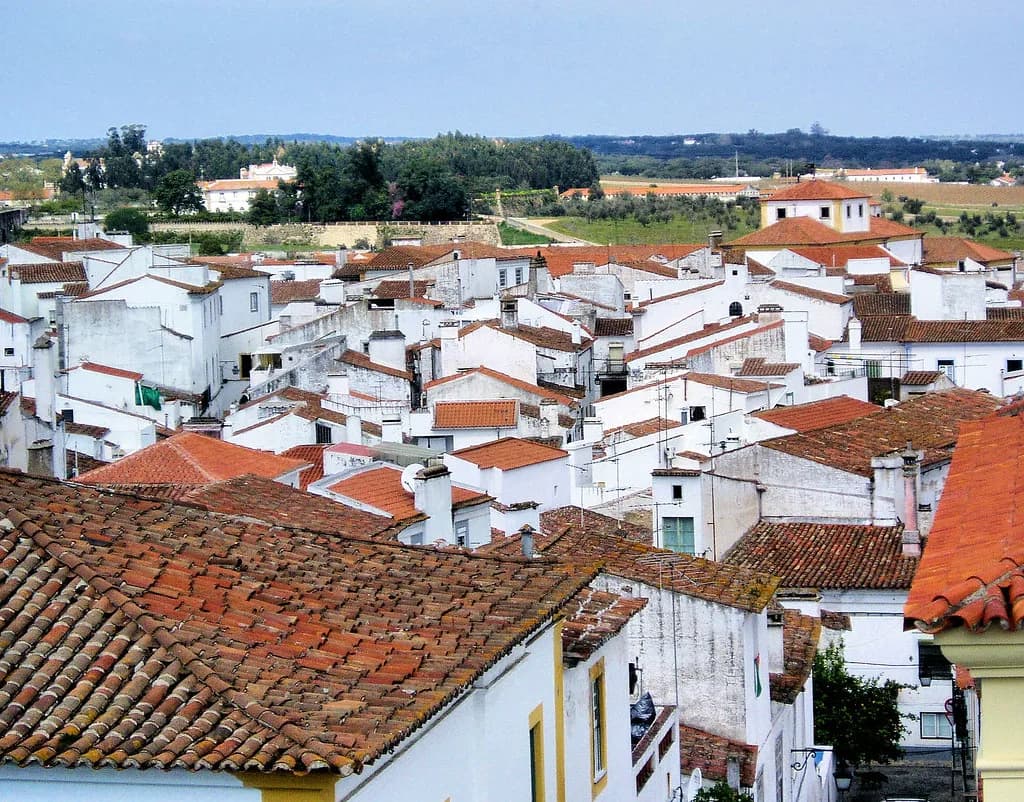
Évora sits inland in the Alentejo, roughly a 1.5-hour drive from Lisbon, and has a population of about 50,000, which keeps it small-town in feel despite the weight of its monuments. The historic centre has been a UNESCO World Heritage Site since 1986, and its whitewashed and yellow-trimmed houses are unusually well kept. Everything below is on foot, so bring shoes that cope with calçada cobbles.
How the Old Town Fits Together on Foot
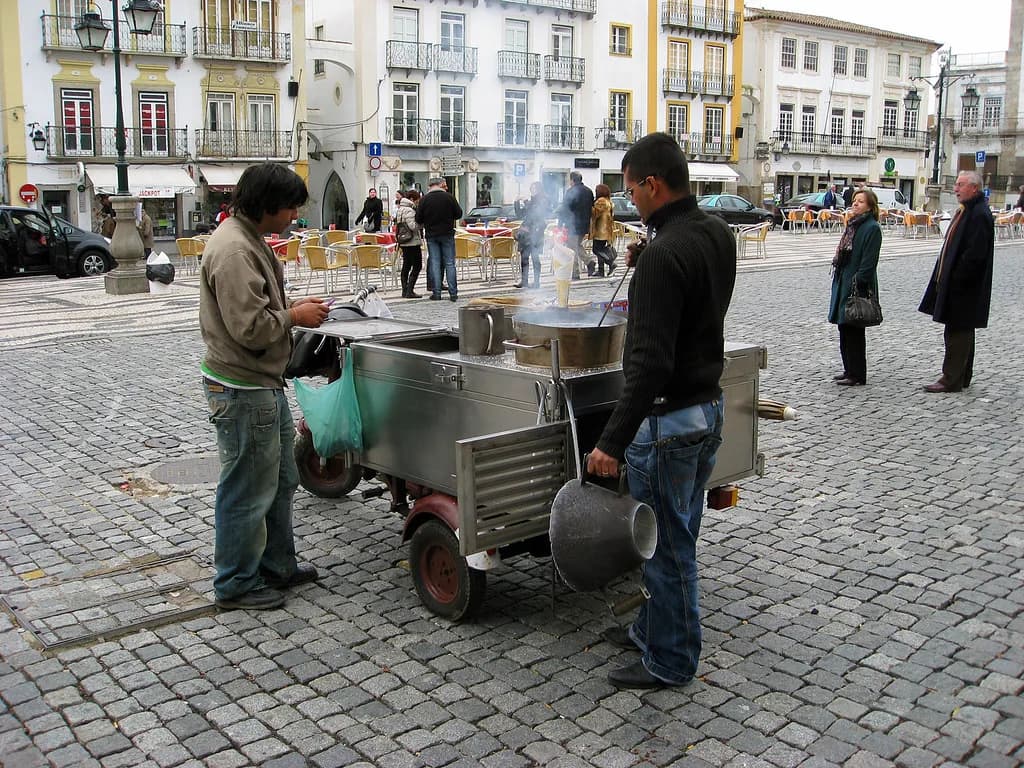
Praça do Giraldo is the hinge of the old town and the natural place to start, a broad arcaded square named after the Christian knight whose surprise attack reclaimed Évora in 1165. From it, Rua 5 de Outubro runs north towards the cathedral and carries most of the visitor traffic, so it feels busier than the rest of the centre. Read the square first, then follow that street uphill.
Largo da Porta de Moura is a second, quieter square near the middle of the centre, and it makes a useful landmark when you are working out which lane to take. North of the cathedral the streets empty out towards the aqueduct, where you get the calmest walking of the trip. Plan your blocks around those three anchors rather than zigzagging between individual sights.
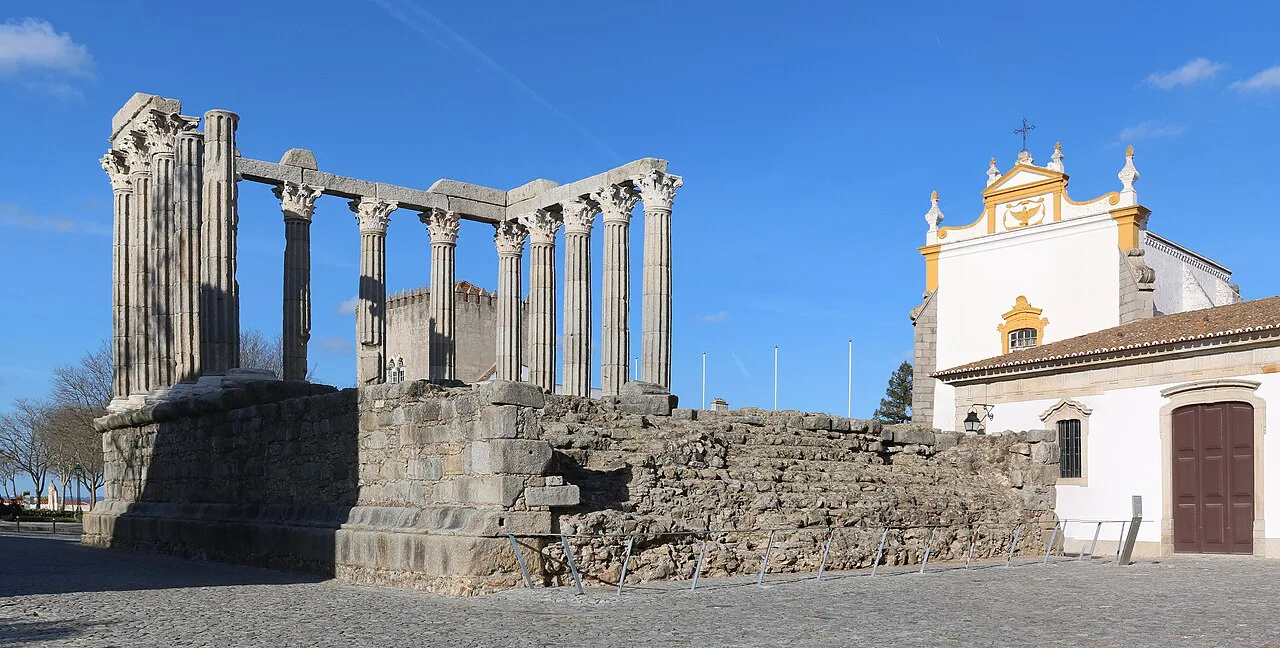
Day 1 Afternoon: Squares, Then the Roman Temple at Golden Hour
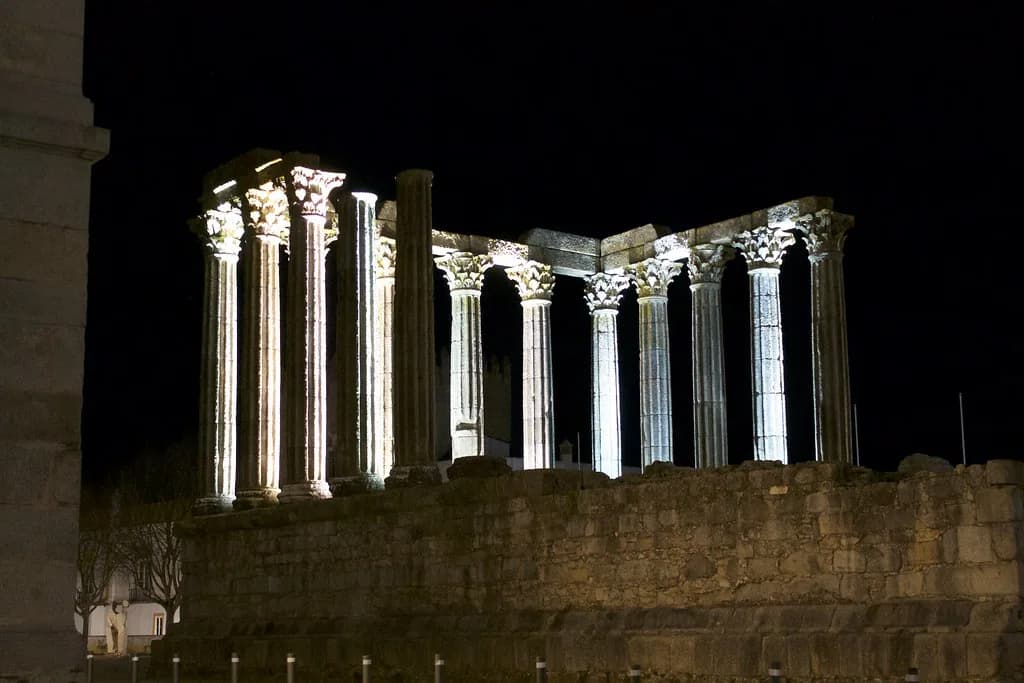
Arrive, drop bags and walk Praça do Giraldo and Largo da Porta de Moura while you still have daylight, treating them as orientation rather than sightseeing. The Roman Temple and the adjoining Jardim Diana sit a short walk from the cathedral and make the obvious early-evening stop, when the light softens and the square fills with people rather than coach groups. There are no museum displays or information boards at the temple, so a slow circuit of the columns is the whole visit.
The temple dates from the 1st century AD, which makes it roughly two thousand years old and the reason most travellers come. A small kiosk by the garden means you can take a drink while you look at it, which is a better use of the slot than rushing on to another interior. If this is your only evening in town, spend it here.
Finish with a first taste of queijadas, Évora's convent sweet, at Pastelaria Conventual Pão de Rala, and eat dinner back near the centre.
Day 2 Morning: The Cathedral of Évora (Sé) and Its Roof
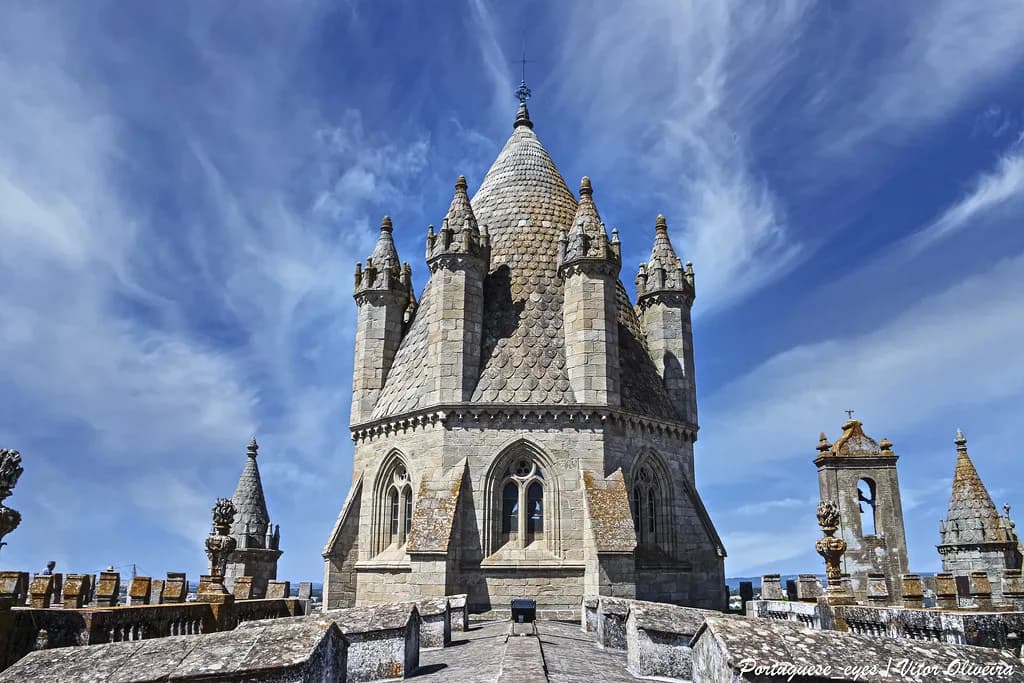
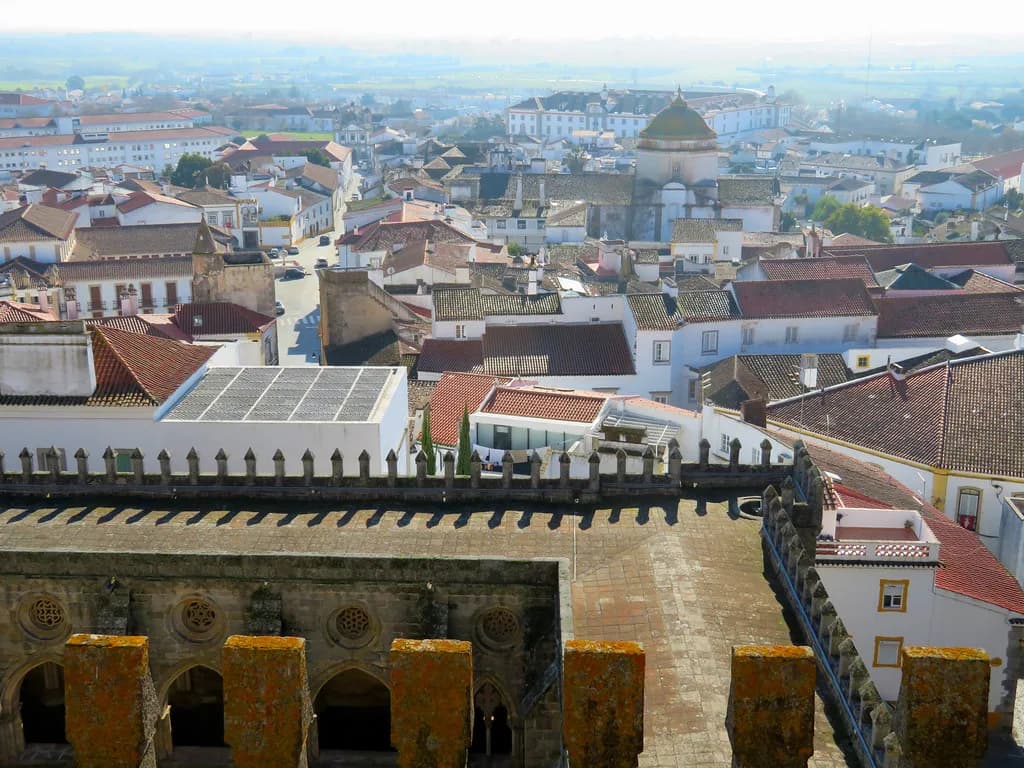
Give the Cathedral of Évora, the Sé, the first clear block of the morning. It is the largest cathedral in Portugal and the visit runs as a set circuit: you climb to the roof for the panorama, drop into the Gothic cloister with its orange trees, then finish in the vast interior. The roof is the reason to come early, before the day heats up and the tour groups build.
Admission is listed, with a small supplement including the treasury, so the supplement buys you a second room of silver and vestments. Treat the listing as a guide rather than a guarantee and confirm the current ticket at the door. Budget the better part of an hour for the full circuit.
Day 2 Late Morning: Capela dos Ossos and Igreja dos Lóios
The Capela dos Ossos, the Chapel of Bones, is close enough to the cathedral to pair with it on foot, and its walls are lined with thousands of human bones. The message above the entrance addresses the visitor directly, warning that the bones inside wait for yours, which is the point of the room rather than decoration. It is small and it is crowded by mid-morning, so go straight after the cathedral.
The Igreja dos Lóios is the other easy add nearby, and combining the two keeps your morning tight without a long walk between them.
Day 2 Lunch: An Alentejo Plate in the Old Town
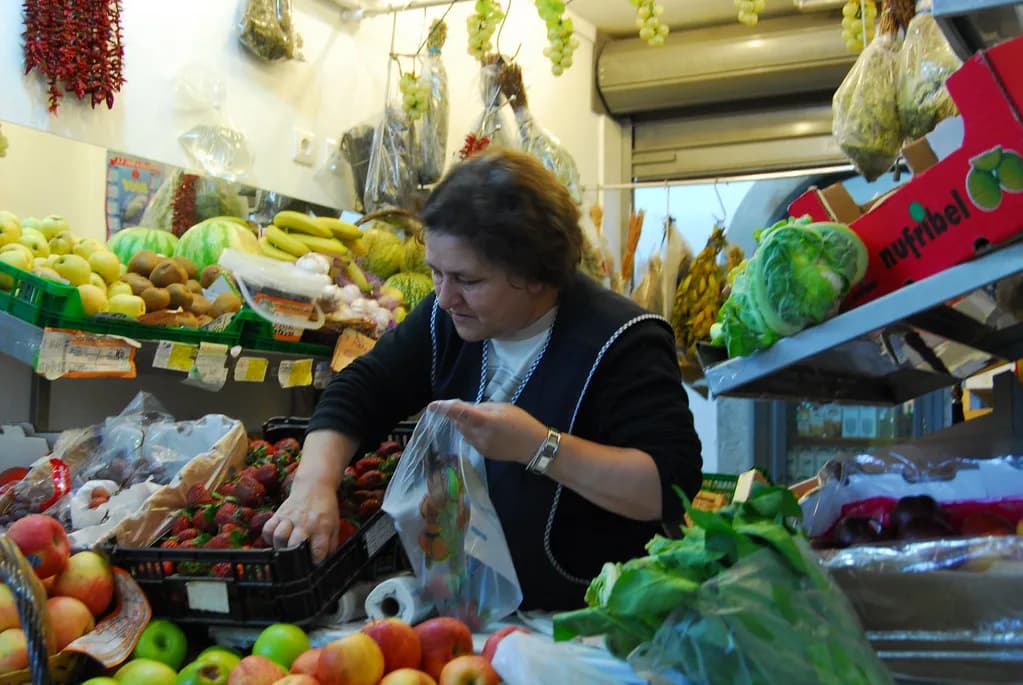
Take lunch in the old town rather than pushing on, because the afternoon interiors are better with a proper break behind you. Alentejo cooking leans on what the region grows: local wines, sheep's cheeses and olive oil are the things to order. Keep the meal to an hour if you want the afternoon to hold both the university and the viewpoint.
Day 2 Afternoon: The Universidade de Évora or the Aqueduct
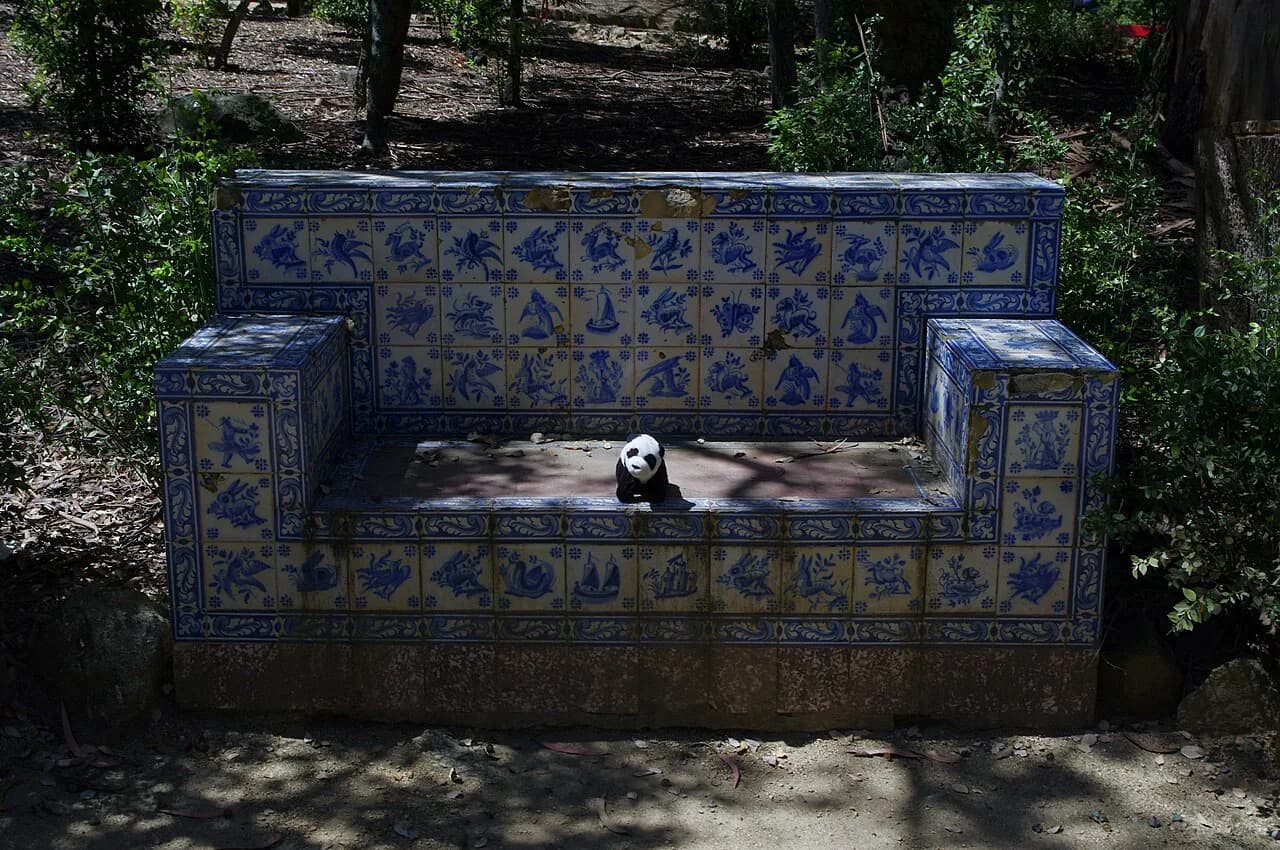
The Universidade de Évora and the Igreja da Misericórdia give you the scholarly, azulejo-tiled side of the city, with tiled rooms that reward a slow look. If the morning has already been dense with interiors, swap this block for the Aqueduto da Água de Prata and the quiet northern lanes instead. Both versions work; the choice is between more tiles and more open air.
The northern end near the aqueduct is where Évora turns genuinely serene, with few visitors and a slow rhythm quite unlike Rua 5 de Outubro. Use it as the decompression half of the day.
Day 2 Late Afternoon: Alto de São Bento and Dinner
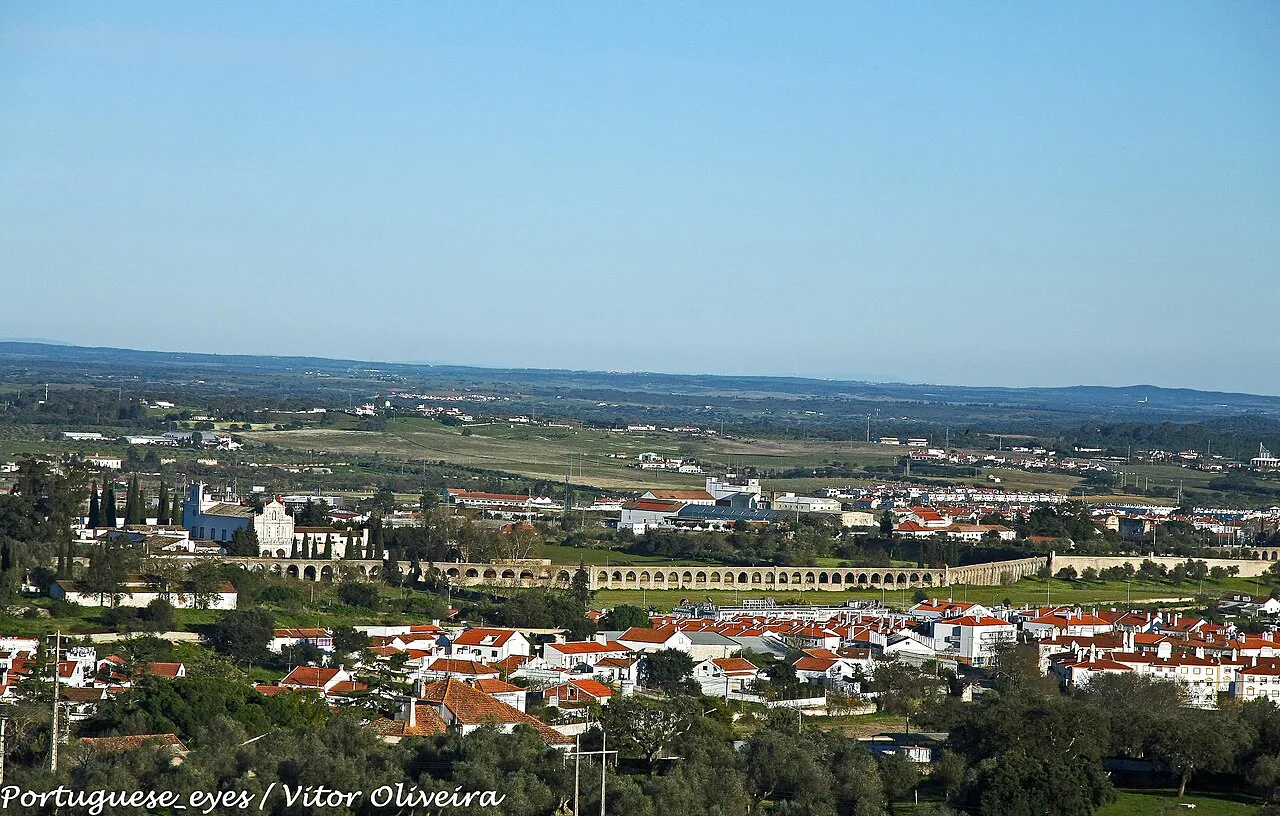
Climb to the Alto de São Bento viewpoint for the wider city and the plain beyond it, which is the one view that puts Évora's position in the Alentejo into perspective. Go late in the day when the light is low and the heat has gone. Then walk back down and eat near the centre.
Day 3 Morning: A Short Loop and a Last Coffee
Use the last morning for anything you missed, a final coffee and one more circuit of the old town before you leave. If your shortlist is still long, a tighter plan for one day in Évora will tell you what to cut without losing the essentials. Leave the big interiors for this morning only if you have not already done them.
If You Only Have One Night
One night still works: take the Roman Temple and Jardim Diana on the arrival afternoon, then the cathedral roof and the Capela dos Ossos the following morning before you go. That pairs the two sights people come for with the best free stop in the city, and it keeps the walks short. What you sacrifice is the university quarter and the aqueduct, which is a fair trade on a tight schedule.
What a Third Day Adds
Three days lets you give the university quarter and the aqueduct area proper time, and it turns meals into unhurried stops rather than gaps between sights. If you are still weighing up the length of your break, see How Many Days in Évora for one, two and three nights side by side. Use the extra day for the northern lanes rather than repeating the centre.
Honest Trade-offs: Opening Days, Lunch Breaks and Meal Stops
The practical rhythm of a Portuguese old town shapes this plan more than any single sight. Churches often shut for lunch, museums and monuments often close on Mondays, and restaurants commonly take one day a week off, so check the specific venue's own published hours before you build a day around it rather than assuming a pattern. Keep the paid interiors for mornings and leave afternoons for squares, viewpoints and the aqueduct, which need no ticket.
What to Budget in Euros
The main line in your budget is paid interiors, and the cathedral is the clearest example; the treasury is the alternative. Add lunch with regional wine and coffee, plus a queijada or two, and a two-night stay stays modest by western European standards. A fuller breakdown of Évora cost, from tickets to coffee, is worth reading before you set a daily figure.
Getting There and Getting Around
Évora is roughly a 1.5-hour drive from Lisbon, which makes it a realistic short-break destination from the Portuguese capital. Once inside the old town you walk, full stop, and the compact layout means no leg of this itinerary needs transport. Sort out your arrival and departure before you book anything else. If canal cities appeal more than inland plains, an Aveiro itinerary makes a useful contrast for planning a short break.
Is Évora Worth Two Nights Rather Than One?
Two nights is the version that lets the cathedral roof, the Capela dos Ossos and the university quarter breathe, with a proper lunch sitting between them. One night covers the essentials but cuts the northern lanes and the slower meal stops. If you are still deciding whether the city suits you at all, read is Évora worth visiting before you lock in the dates.
Book the two-night version if the Alentejo food and the quieter streets matter to you; take one night if Évora is a stop on a longer Portuguese route. Either way, check the published hours for the specific interiors you want before you set the day around them.
Explore more Évora guides
Frequently Asked Questions
Is there a direct train from Lisbon to Évora?
Check the current timetable with the Portuguese rail operator before you plan around a train, because schedules and any engineering work change. If you are driving instead, Évora is roughly a 1.5-hour drive from Lisbon, which is the simplest way to arrive with luggage for a short break.
What should I see in Évora in one day?
Prioritise the Cathedral of Évora and its roof circuit, the Capela dos Ossos, and the Roman Temple with the adjoining Jardim Diana. These sit close together and can be walked in a single day with a lunch stop between the morning interiors and the evening temple.
Sources
Notes for your next Portuguese break
Optional updates to our town guides.
You might also like
Continue reading
More guides you'll find useful