Évora Breakfast: Portuguese Mornings and Where to Eat
What a Portuguese breakfast looks like in Évora, when locals eat it, and how to build a morning meal from pastries, bread, cheese and cured pork.
On this page
A breakfast in Évora is quick and simple: an espresso or a milky coffee, a bread roll or a pastel de nata, and you are out again within half an hour. Nobody in the Alentejo capital lingers over a cooked plate on a weekday, and that suits a short break where the morning hours are the best sightseeing hours. This guide covers what goes on the table, when the Portuguese actually eat it, how the counter differs from a table, and how to line your coffee up with the monuments.
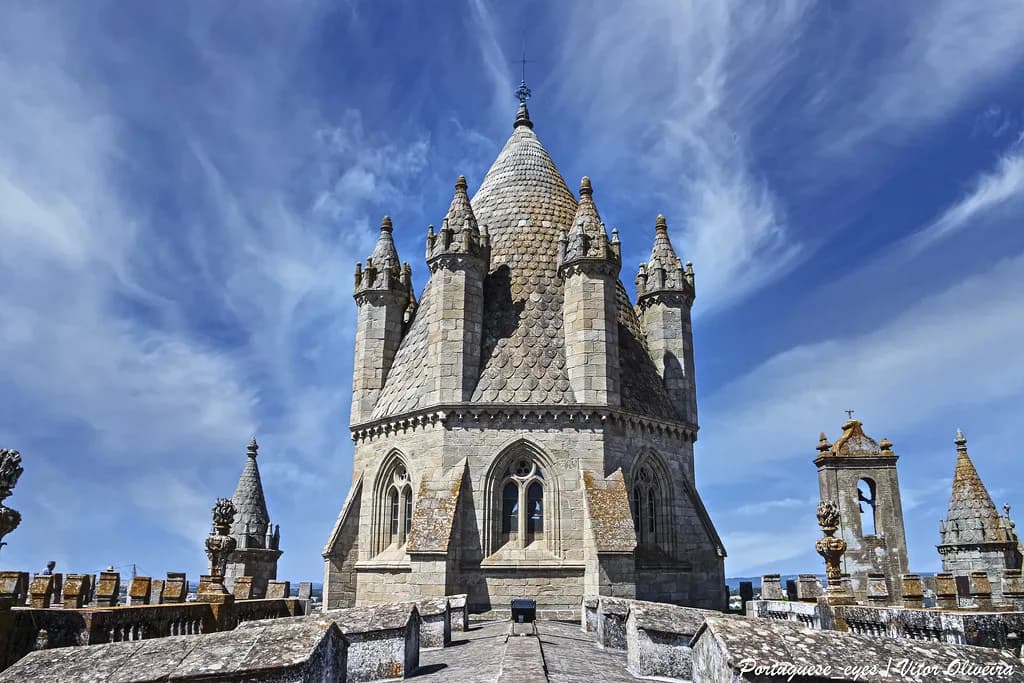
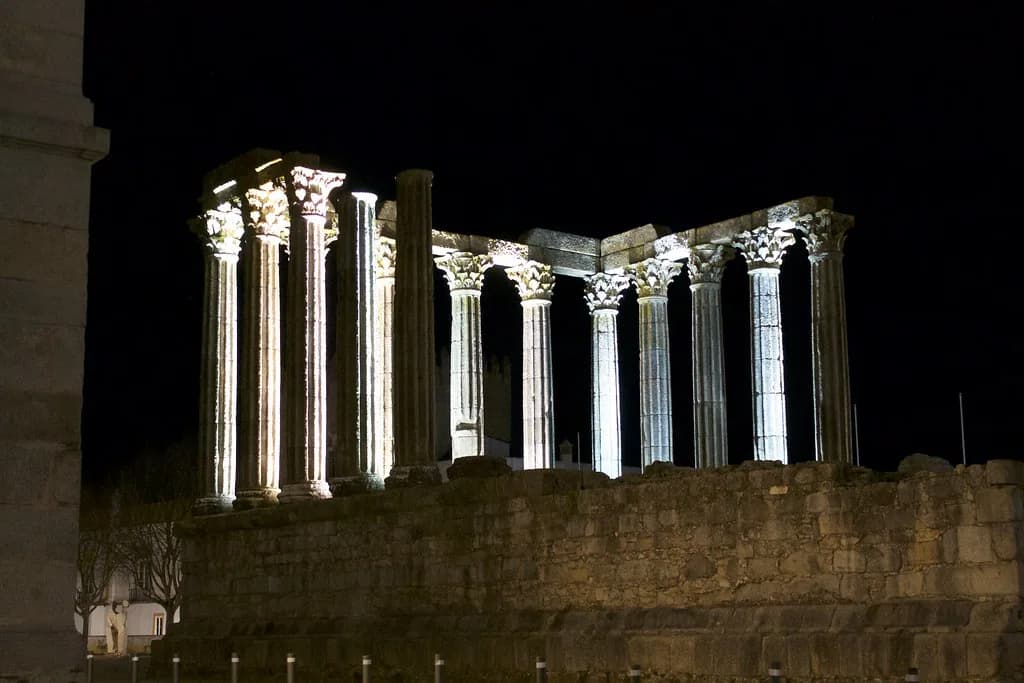
The practical point is to treat breakfast as fuel before the old town fills up, then keep a second, slower stop for brunch if you want one. The walled centre is small, so a café on the way to the cathedral of Évora (Sé) or the Roman Temple of Évora costs you almost no walking time. Restaurants in the city change their days and hours, so the sensible habit is to check at the door or by phone before you build a plan around one.
What a Portuguese breakfast usually looks like
The standard Portuguese morning is continental rather than cooked: coffee, bread with butter or jam, and a pastry. A galão is a tall milky coffee, a meia de leite is the smaller milky version, and a bica is the espresso; order whichever you recognise and you will be understood. A tosta mista, a toasted ham and cheese sandwich, is the savoury fallback when you want something solid before a long walk.
Bread is the backbone. Alentejan bread is dense and good, and the region's cured pork, porco preto, and sheep's cheese make a breakfast that keeps you going well past midday. If you want the sit-down version of this, look at the wider Évora food scene before you decide where to commit your morning.
Pastries deserve their own stop. A pastel de nata is the obvious choice, and the town's conventual sweets, built on egg yolks and sugar, are a heavier alternative worth trying once. Portuguese baked goods and sweet treats are a serious local tradition rather than a tourist afterthought, so a pastelaria is a destination, not just a waiting room.
What time the Portuguese eat breakfast
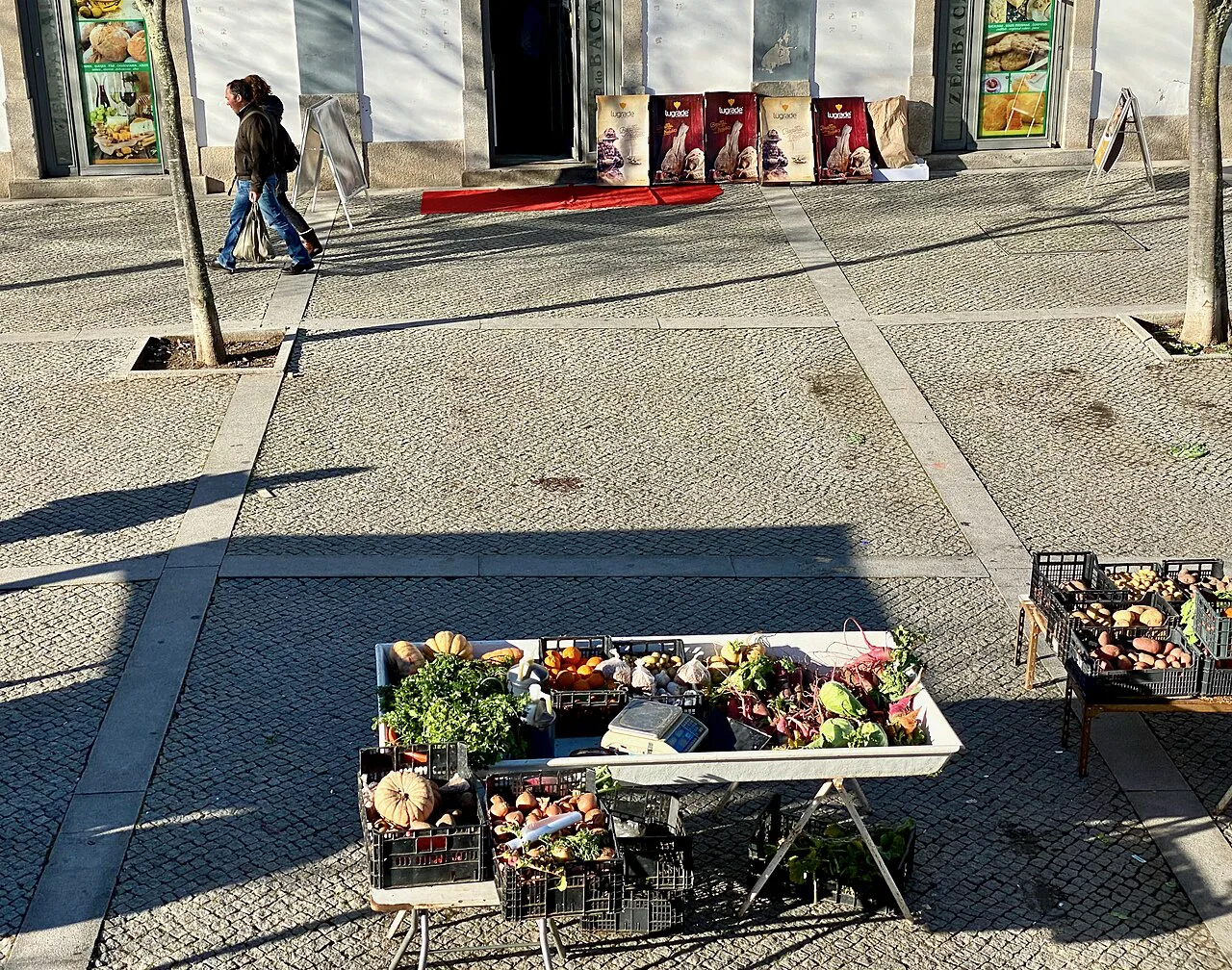
Breakfast in Portugal is early and brief, usually a quick coffee and bread at home or at a café counter before work. That means a pastelaria is busiest in the hour or so after opening, with locals standing, drinking and leaving while you are still reading the paper. Arriving mid-morning gives you a calmer room and a better choice of pastries.
The consequence for a visitor is that the café rhythm and the monument rhythm do not always match. Churches commonly shut at lunchtime and many museums and national monuments keep a weekly closing day, so the morning window is the one to protect. If you want a working coffee list before you set out, the guide to coffee in Évora is a better starting point than guesswork.
À Mesa or balcão: table or counter
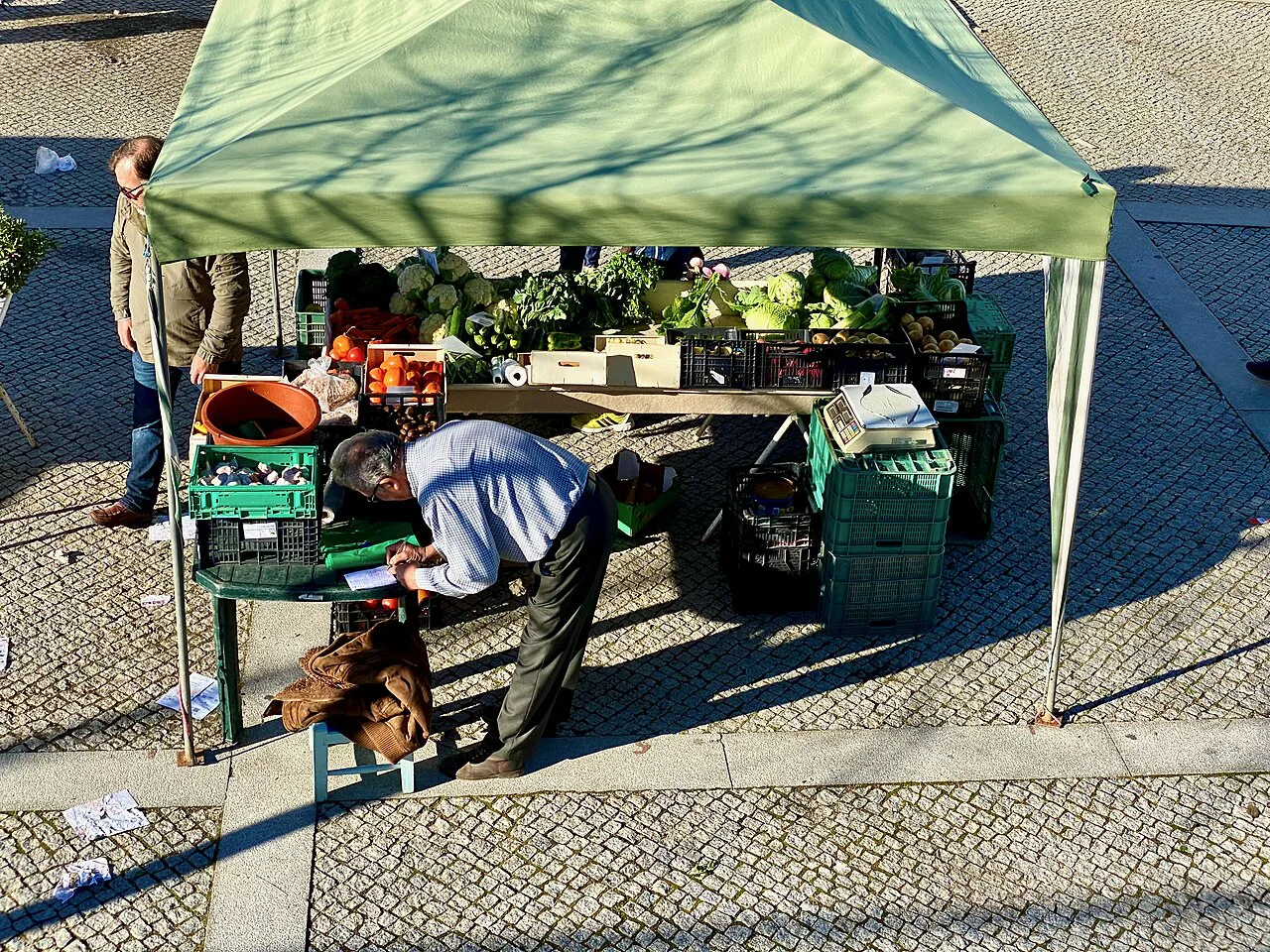
This is the one decision that changes both the cost and the length of an Évora breakfast. Standing at the balcão, the counter, is the Portuguese default: you pay at the till, drink your bica in a minute or two and leave. Sitting à Mesa, at a table, usually costs more for the same coffee and bread, and it invites a slower, more expensive morning.
Neither is wrong. If you are heading straight for the Sé or the Roman Temple, take the counter, because you will be at the door when it opens rather than hunting for a waiter. If the plan is a lazy start with a second coffee and a pastry, take the table and accept the higher bill.
Where to eat breakfast and brunch in Évora
Évora Brunch Café is the straightforward brunch address in town, with a big selection weighted towards breakfast and brunch dishes. It is a simple café with friendly service and good quality food rather than a grand dining room, which is exactly what you want before a day on your feet. For the rest of the day's eating, see our wider guide to Évora food.
For a proper sit-down breakfast built on Alentejo produce rather than eggs and pancakes, the traditional tascas are the better bet at lunch and dinner, and some open for a morning coffee too. Our guide to where to eat in Évora covers the full spread of tascas, tabernas and mid-range dining so you can match a venue to your appetite.
If you travel with a plant-based eater, the standard café counter can be limiting, since ham and cheese are everywhere. Plan around a bakery stop for bread and fruit, or look at the dedicated guide to vegan Évora before you pick a table.
Building breakfast from Alentejo staples
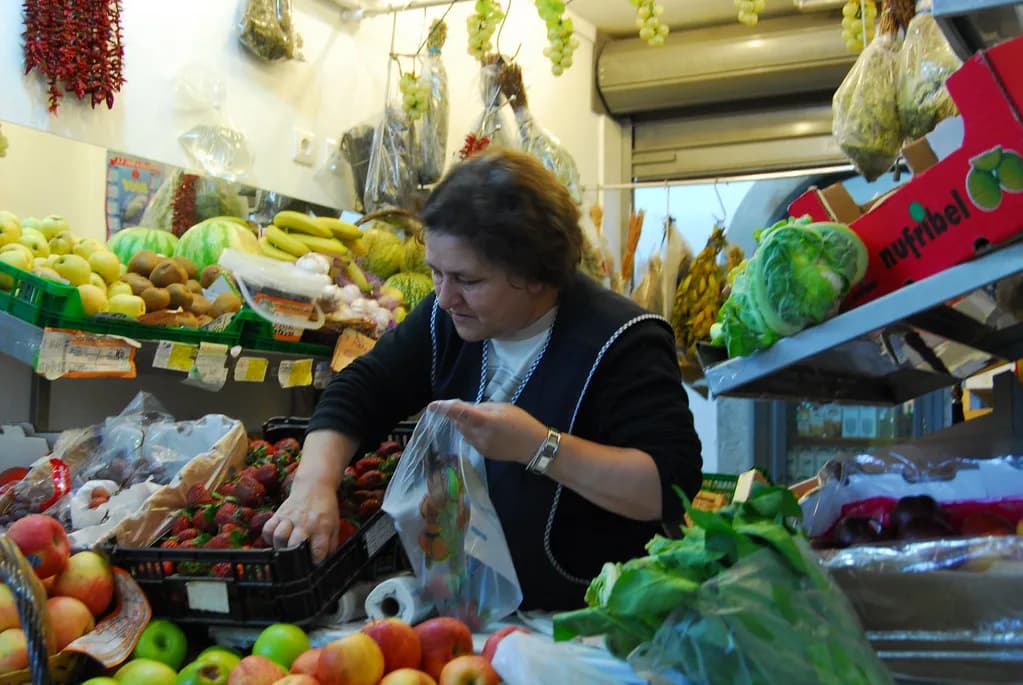
A good Évora breakfast can be assembled from a bakery and a grocer without ever sitting down. Buy a small Alentejan cheese, a few slices of presunto or other cured pork, and a bread roll, then eat them on a bench in the Praça do Giraldo while the square wakes up. Add a pastel de nata and a coffee from the nearest counter and you have the regional breakfast in miniature.
Alentejo cooking leans on bread in other ways too: migas, a garlicky breadcrumb dish, and açorda, a bread-thickened broth often topped with egg or fish. These are lunch and dinner dishes rather than breakfast, but they explain why the bread here is worth taking seriously. For the full context on what the region eats, our Évora food guide is the place to start.
How much to budget and how to pay
Breakfast is the cheapest meal of an Évora day, and the counter-versus-table choice is the main variable. Check the price board before you order, since table service can cost more than standing at the counter for the same coffee and bread. Carry a little cash as a backup, because not every small café takes cards for a single coffee, and paying at the counter is the usual Portuguese habit.
In a city with hundreds of places to stay, including converted convents and country houses outside the walls, breakfast arrangements vary, so check the rate conditions for the property you choose rather than assume. Évora has 209 hotels and places to stay listed, ranging from central boutique rooms to rural retreats, and what is included differs by property.
Fitting breakfast into a one- to three-day Évora itinerary
On a one-day visit, keep breakfast to twenty minutes at a counter near the Praça do Giraldo, then walk to the Sé and the Roman Temple while the light is still good. Leave brunch for a two- or three-day trip, when you can afford a slow table and a second coffee. The compact old town means you can cross it in minutes, so breakfast never really competes with sightseeing unless you let it.
A sensible two-day pattern is a quick counter breakfast before the cathedral on day one, and a longer brunch on day two before the chapel and the university quarter. Our Évora attractions guide sets out the eight main sights so you can sequence the mornings properly.
Morning rhythm: cafés versus opening times
The trick to a good Évora morning is to eat before the sights open, not after. Portuguese cafés tend to start early, while churches commonly close for lunch and museums and national monuments often keep a weekly closing day, so the two schedules only overlap if you move first thing. Build the day around a coffee at opening time, then head straight to the monument you most want to see.
Confirm the current opening day and any lunchtime closure for the specific monument you plan to visit before you set out. If a museum is shut, the old town walls, the aqueduct and the squares cost nothing and fill the gap well.
Where to Take Your First Évora Morning
Start with a counter coffee and a pastel de nata near the Praça do Giraldo, walk to the Sé while the streets are quiet, and save the slower brunch for a second morning. If you want the full picture of where to sit down afterwards, our guide to restaurants in Évora sorts the tascas from the special-occasion rooms.
Whatever you choose, confirm the venue's current opening day and table-service charges at the door, because café hours and closing days change through the year. The morning is the one part of an Évora day that is easy to get right.
Sources
Notes for your next Portuguese break
Optional updates to our town guides.
You might also like
Continue reading
More guides you'll find useful