Vegan and Vegetarian Évora: How to Eat Well on a Short Break
Where vegetarians and vegans can eat in Évora, which Alentejo dishes are naturally meat-free, and how to order them without a fuss on a short break.
On this page
Évora is easier meat-free than most Alentejo towns of its size, but only if you order with your eyes open: one dining room in the historic centre cooks vegetarian food as its whole menu, and elsewhere the safe ground is soup, petiscos, egg dishes and the vegetable sides that come without lard. This guide sets out that split, gives a worked order with menu prices, and explains the Portuguese cooking habits that catch vegetarians out.
Plan on one committed vegetarian meal and two or three plates assembled from starters, and you will eat well across a two- or three-day stay. The catch is timing: Évora's smaller kitchens keep short hours and few tables, so a booking made the day before matters more here than in Lisbon or Porto.
Vegan Évora at a glance: what the city's kitchens do well for meat-free travellers
The strongest card Évora holds for meat-free visitors is a dedicated vegetarian kitchen rather than a clutch of omnivore menus with one token option. Beyond that, the Alentejo larder works in your favour: good bread, olive oil, sheep's cheese, chickpeas, greens, pumpkin and rice all appear on ordinary tables. The trade-off is that the region's signature cooking leans hard on pork and lard, so the same menu that gives you a fine meat-free lunch can leave you with almost nothing at dinner.
Treat the city as a place to eat deliberately rather than graze. Pick one restaurant where vegetarian cooking is the point, then fill the rest of your days with petiscos, soups and pastries you have checked before ordering. That approach also keeps costs predictable, since a plate of petiscos and a glass of Alentejo wine usually costs less than a main course.
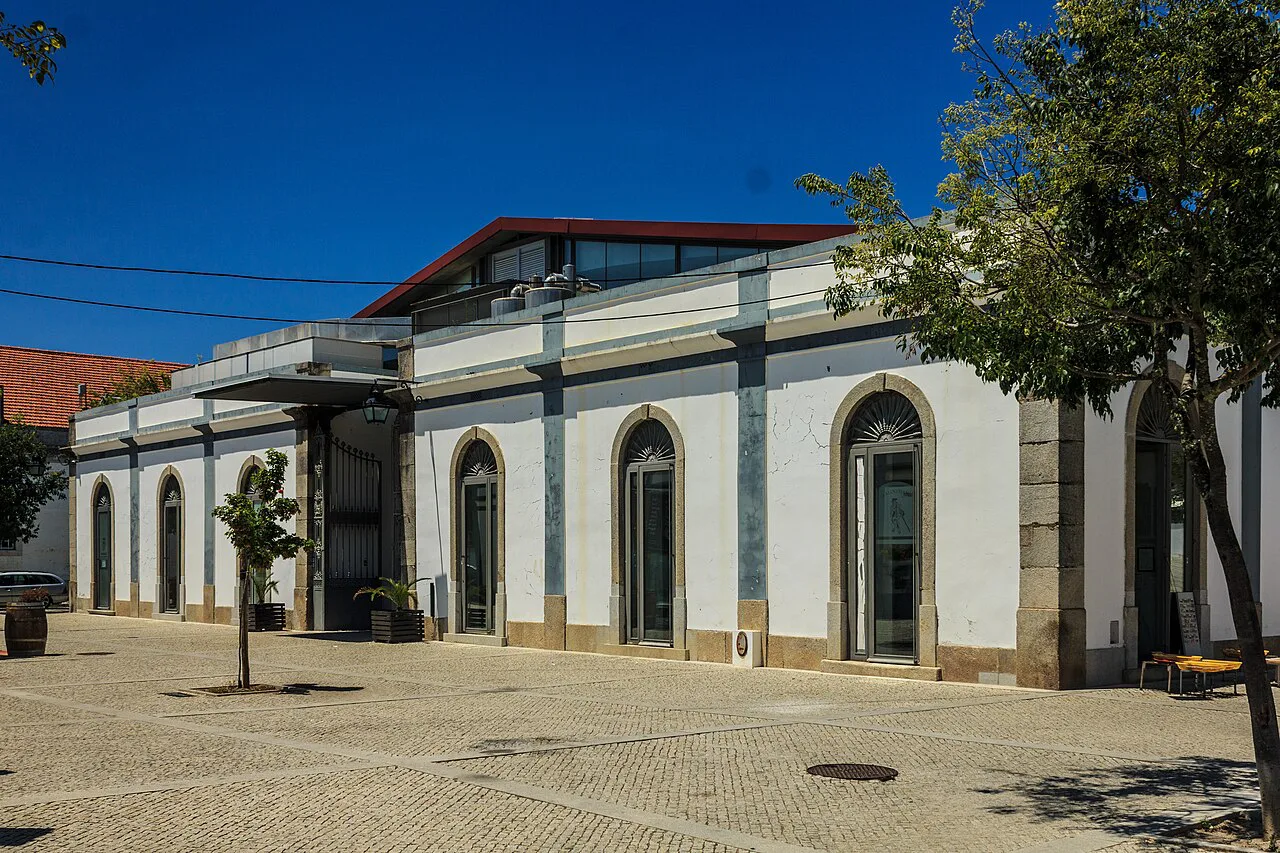
Veggieterraneo: a fully vegetarian, Mediterranean-cooking dining room in the historic centre
Veggieterraneo is a Mediterranean vegetarian restaurant in the historic centre of Évora, run by a couple who cook seasonal ingredients and serve natural wines, cider, cocktails and mocktails made with house syrups and herbs. The room is deliberately small: three tables and eighteen seats, two of them communal, which is charming for two and awkward for a group of six. If you want a table to yourselves, say so when you book rather than on arrival.
It opens Wednesday to Saturday, 6pm to 10pm, so it covers dinner only and is closed from Sunday to Tuesday. Hours can change, so confirm the evening you want before building a day around it. The menu prices are modest for a city-centre dining room: mushroom torricado with pico de gallo and dried olives at €7,50, rice and vegetable balls with red pepper sauce at €7,00, cauliflower and mushrooms with jasmine rice and almonds at €13,50, and a hemp seed burger with grilled vegetables at €13,00.
Drinks are priced with the same restraint. Wines by the glass run €6,00, with bottles from €20,00 to €30,00, while cocktails sit between €9,00 and €11,00, and a 33cl organic cider costs €5,50. Starters such as olives with lemon and fennel pickles at €2,50 or slow-fermented mixed grain bread at €3,50 let you build a lighter, cheaper meal. For a couple, a starter each, two mains and two glasses of wine lands comfortably under what a mid-range meat restaurant would charge.
Alentejo dishes that are naturally meat-free, and the ones that hide pork or fish
The dishes to trust are the ones built on vegetables, pulses and bread: açorda (bread and garlic soup) when made without pork, migas with greens if the kitchen confirms no lard, chickpea and spinach stews, grilled peppers, and the pumpkin and rice dishes that turn up in autumn. Sheep's cheese, olives, bread and olive oil are reliable and often the best part of a meal.
The traps are just as predictable. Feijoada almost always contains pork and chouriço, caldo verde is traditionally finished with chouriço, and many bean and vegetable soups are enriched with a ham bone or bacon. Migas and some sautéed greens are cooked with lard rather than olive oil. None of this is written on a menu, so you have to ask.
The good news is that asking works. Portuguese kitchens are used to adjusting plates, and a simple question about lard, broth or chouriço gets a straight answer more often than not. Keep the question narrow to the specific dish rather than announcing a diet, and you will get a practical reply.
How to build a meat-free plate from Portuguese starters, soups and petiscos
A reliable order in an ordinary Évora restaurant goes: olives and bread, a vegetable soup or açorda confirmed meat-free, then two or three petiscos to share. Grilled peppers, sautéed greens, a plate of sheep's cheese with pumpkin jam, and a portion of rice or potatoes will feed two people well. This is also the cheapest way to eat, since petiscos are priced per plate.
Eggs are your friend here: an omelette or eggs with tomatoes and peppers is standard across town and rarely contains meat. Grilled fish is the fallback for vegetarians who eat fish but not meat, and it is generally well handled. For anything deep-fried, ask whether the frying oil is shared with meat or fish.
Evenings are harder than lunchtimes, because lunch is when most kitchens run their full vegetable range and dinner menus narrow to grills. If you have only one vegetarian meal to spend, spend it at lunch. That is also when you are most likely to walk in without a booking.
What to order in a tasca, pastelaria or market counter when nothing looks vegetarian
In a pastelaria, the savoury counter is usually the safest bet: cheese or vegetable pastries, sandwiches you can have made plain, and the sweet pastries that define Évora. The conventual sweets — egg and almond confections from the old convents — contain no meat and are worth a stop on their own. Order a coffee with them and you have a proper mid-afternoon break.
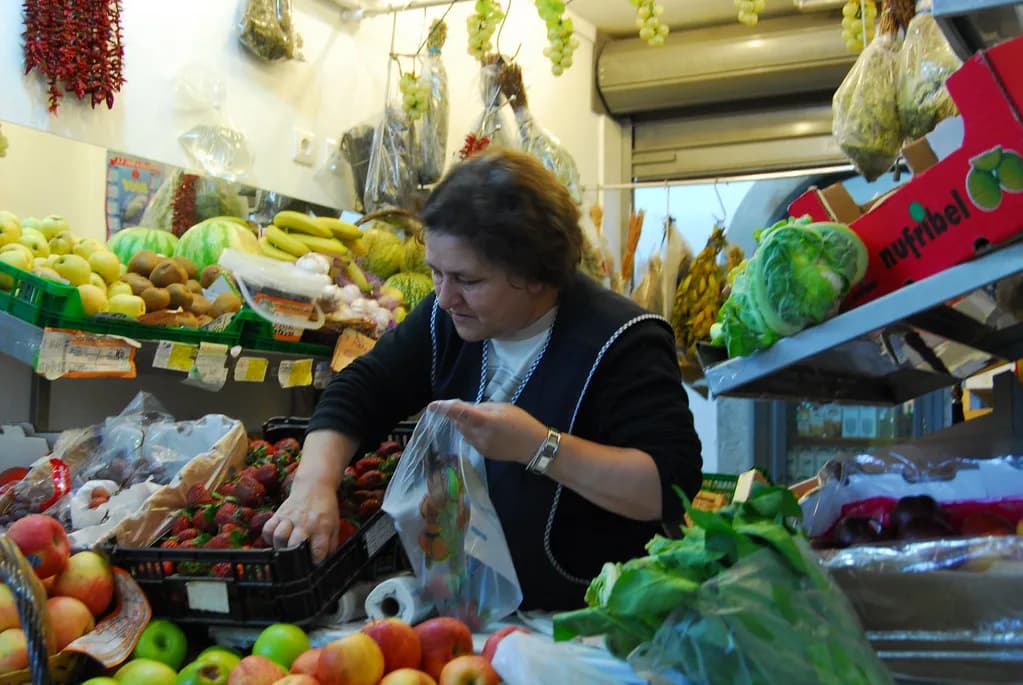
In a tasca, ask for a salad, an omelette, or a plate of cheese and olives, and accept that the kitchen may not have anything else ready. Market counters are best treated as a place for fruit, bread, cheese and olives rather than a hot meal.
Breakfast is the easy meal. A pastelaria will give you bread, cheese, fruit and coffee without any negotiation, and the same counter that looks unpromising at eight in the evening is generous at eight in the morning.
Booking, timing and table sizes: what to expect at Évora's smaller dining rooms
Veggieterraneo's eighteen seats across three tables make it the tightest booking in town for a vegetarian dinner, and the two communal tables mean a party of four may share with strangers. Book ahead by email or through the restaurant's own booking page rather than relying on a walk-in. If you are a group, ask explicitly for the private table.
For the rest of your meals, eat lunch late by British standards — from about one o'clock — and book dinner the same morning. Évora's kitchens are small and a table for two is easier to find than a table for six. Restaurants here often close one day a week, so check each one you plan around rather than assuming a Monday-to-Sunday week.
Vegetarian, vegan and gluten-free options on restaurant listings in Évora
Directory listings help you widen the net, but read them carefully. TheFork's vegan page for Évora gathers names such as SBO Sushi, Sabores e Livros, Bistro Barão, Hibrido and Aromas do Campo, which tells you these kitchens are flagged for vegan diners rather than that they are vegetarian restaurants. Treat the listing as a shortlist to check, not a guarantee.
Origens appears on restaurant listings as a lunch and dinner address marked vegetarian friendly, with vegan and gluten-free options alongside credit cards and wifi. That is the profile of an omnivore kitchen that accommodates rather than one that specialises, which suits a mixed group better than a committed vegetarian table.
Use these listings to spot places with the right labels, then check the current menu yourself, because labels on a directory page lag behind what a kitchen actually serves.
Questions to ask before you sit down: broth, lard, cod and cheese
Four questions cover almost everything: is there lard in this dish, is the soup made with meat broth, does this contain chouriço or bacon, and is the cheese made with animal rennet. Ask them about the specific plate you are ordering. A short, specific question gets a better answer than a general one about vegetarian food.
Two more are worth keeping for tapas and sharing plates: whether the frying oil is used for fish, and whether the bread comes with a meat or fish pâté. Both are common in Portugal and both are easy for a kitchen to swap or leave off. You will get further by asking what can be made without meat than by asking what is vegan.
How to spend a one- to three-day stay eating meat-free around the sights
One day: breakfast at a pastelaria, the Roman temple and cathedral in the morning, a long lunch of petiscos, the Capela dos Ossos in the afternoon and dinner at Veggieterraneo if your visit falls between Wednesday and Saturday. Two days: add the university and the old town walls, and use the second evening for a mixed group at a restaurant with vegetarian options. Three days: slow down, take a long lunch, and leave space for an afternoon of pastries and coffee.
The meal-free rhythm that works here is a big lunch and a light evening, which matches both kitchen hours and the town's pace. Book the vegetarian dinner first, then build the days around it.
Should you book the vegetarian table first?
Yes. Build the trip around one dinner at Veggieterraneo, then fill the remaining meals with lunches of petiscos, soups and pastries that you have checked on the day. That split gives you one guaranteed meat-free meal without spending your short break hunting for others.
If you are travelling with meat-eaters, keep the dedicated vegetarian dinner as the anchor and use the wider list of Évora restaurants for the other evenings, choosing places that clearly flag vegetarian options. For a fuller picture of where to eat across the city, start with Where to Eat in Évora and the Évora Food guide.
Explore more Évora guides
Frequently Asked Questions
Are there vegan restaurants in Portugal?
Yes, though the number and style vary by city. Évora has one clearly documented vegetarian kitchen, Veggieterraneo, which serves a Mediterranean menu with dishes such as rice and vegetable balls and a hemp seed burger; its menu does not label individual dishes as vegan, so ask about eggs, cheese and honey before ordering.
Sources
Notes for your next Portuguese break
Optional updates to our town guides.
You might also like
Continue reading
More guides you'll find useful